


Have you ever wondered how your furry friend reacts when nature throws a tantrum? Dogs, our loyal companions, often exhibit surprising and fascinating behaviors during natural disasters. Their acute senses and instincts come to the forefront, sometimes predicting events before they happen. In this article, we’ll delve into the intriguing ways dogs react to natural disasters, shedding light on their extraordinary abilities and instincts.
Heightened Anxiety and Restlessness

One of the most common reactions dogs have to natural disasters is heightened anxiety. This can manifest as restlessness, pacing, or even whining. Dogs have a keen sense of awareness, and they can often detect changes in the environment before humans do. This sensitivity can lead to increased stress levels as they sense something unusual is about to occur. For example, before a thunderstorm, you might notice your dog becoming unusually clingy or unable to settle down. This behavior is their way of responding to the atmospheric changes they detect.
Seeking Comfort and Closeness

During times of distress, dogs often seek comfort from their human companions. This behavior is akin to a child seeking solace from a parent. Dogs may follow you around the house, nuzzle against you, or try to sit on your lap more frequently. This need for closeness is their way of finding security in a familiar presence. Your calm demeanor can reassure them, helping to ease their anxiety. It’s essential to offer them comfort during these times, as your presence can have a calming effect on their nerves.
Increased Barking and Vocalization
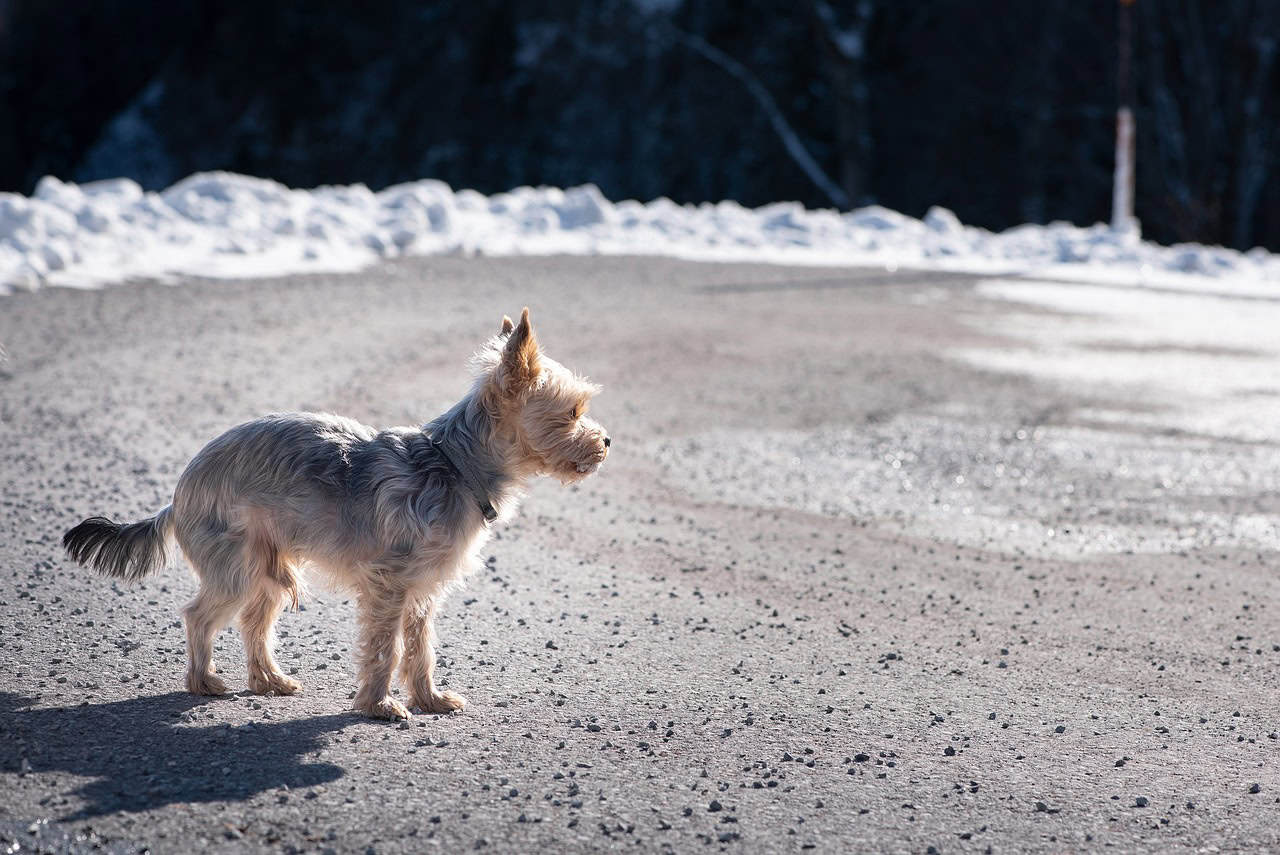
When faced with an impending natural disaster, some dogs may become more vocal. Increased barking or whining can be a sign of heightened awareness and anxiety. This vocalization serves as a way for them to communicate their unease. It’s their way of alerting you to the changes they perceive in the environment. While it can be challenging to manage, it’s important to understand that this behavior is instinctual. Providing distractions or engaging them in play can help redirect their focus and reduce their stress.
Seeking Shelter and Hiding

In the face of danger, dogs may instinctively seek shelter or a safe place to hide. This behavior is rooted in their survival instincts as they try to protect themselves from potential harm. You might find your dog retreating to a quiet corner, under furniture, or even in their crate. This behavior is similar to how they would seek refuge in the wild. Allowing them access to a safe space can help them feel secure during a natural disaster. It’s essential to ensure they have a designated area where they can retreat to if needed.
Unusual Behavior and Hyperactivity

Some dogs may exhibit unusual behavior or become hyperactive when a natural disaster is imminent. This can include excessive running, jumping, or even destructive behavior. These actions are often a result of their heightened senses and the adrenaline coursing through their bodies. It’s their way of coping with the stress and energy they feel. Providing them with outlets for their energy, such as interactive toys or games, can help manage their hyperactivity. Keeping them engaged can also serve as a distraction from their anxiety.
Changes in Eating and Drinking Habits

Natural disasters can also affect a dog’s eating and drinking habits. Some dogs may lose their appetite, while others may become more voracious eaters. Changes in their routine and environment can disrupt their usual behavior. It’s important to monitor their intake and ensure they stay hydrated. Offering small, frequent meals can help if they’re reluctant to eat. Keeping their routine as consistent as possible can also provide a sense of normalcy during uncertain times.
Heightened Senses and Alertness
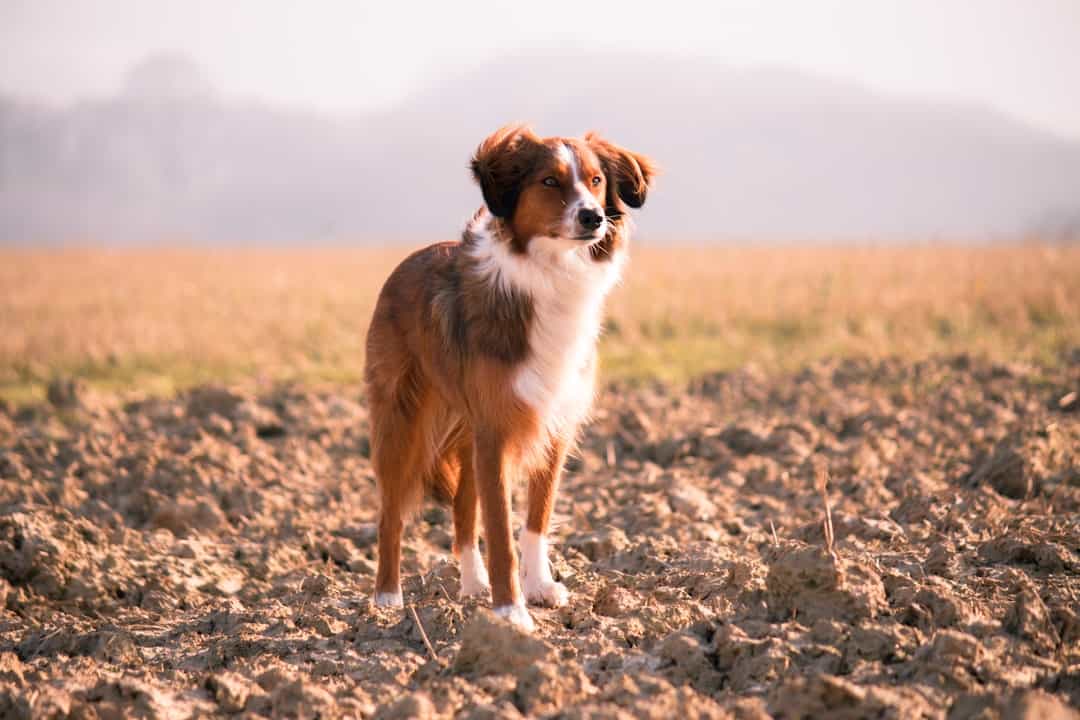
Dogs are known for their acute senses, and during natural disasters, these senses become even more heightened. They may become more alert, constantly scanning their surroundings for any signs of danger. Their sense of smell, hearing, and even their ability to sense vibrations can be remarkably accurate. This heightened alertness is their way of staying vigilant and prepared. It’s essential to pay attention to their cues, as they might sense something you haven’t yet noticed.
Increased Clinginess and Need for Reassurance

In times of uncertainty, dogs may become more clingy and seek constant reassurance from their human companions. This behavior is their way of finding comfort and security in a familiar presence. They may follow you around the house, seek physical contact, or try to stay close to you at all times. Offering them attention and affection can help ease their anxiety and provide them with the reassurance they need. Your presence can have a calming effect, helping them navigate through the stress of a natural disaster.
Unusual Vocalizations and Whining

Some dogs may exhibit unusual vocalizations, such as whining or howling, during natural disasters. This behavior is often a result of their heightened anxiety and stress. It’s their way of communicating their unease and seeking comfort. While it can be distressing to hear, it’s important to remain calm and reassure them. Engaging them in activities or offering distractions can help redirect their focus and alleviate their stress.
Seeking Out Familiar Objects
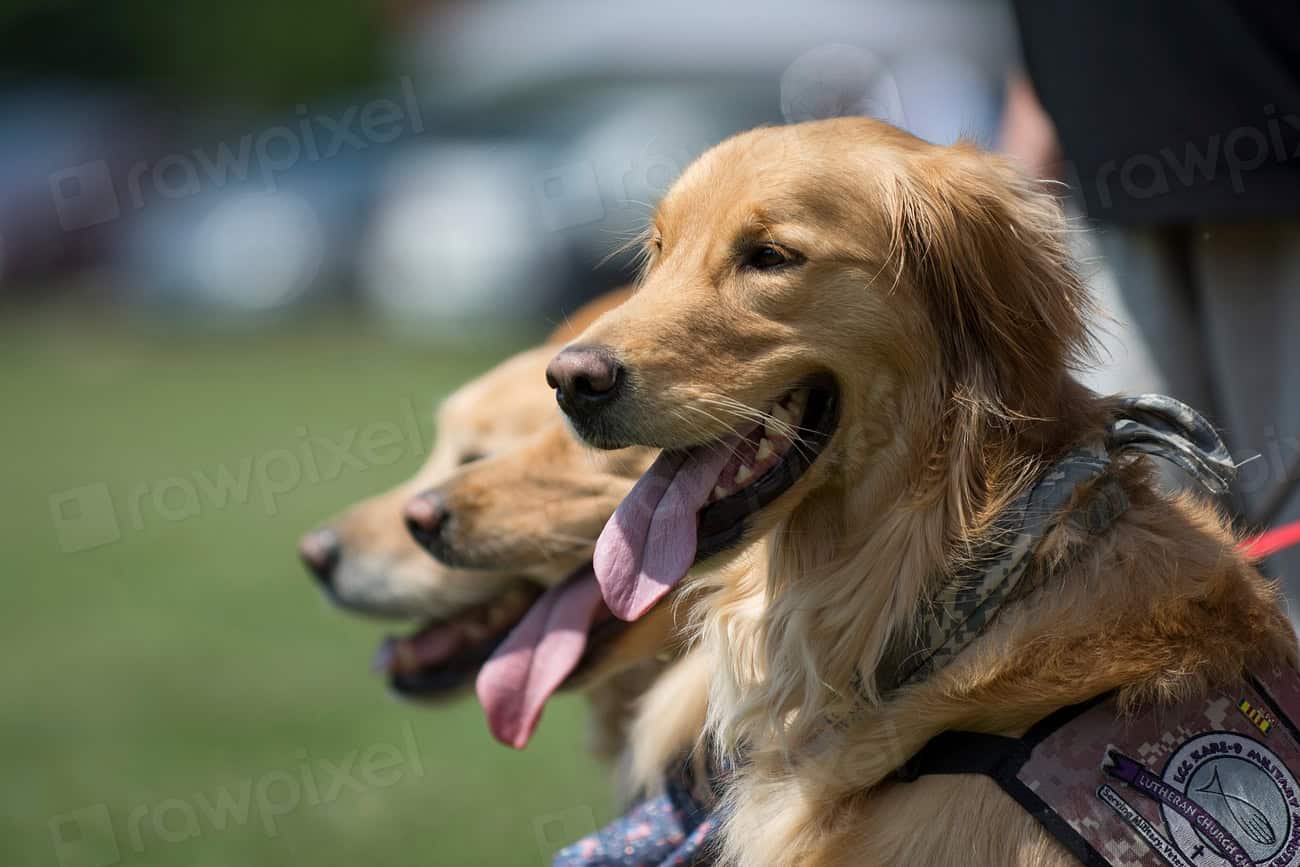
Dogs may seek out familiar objects, such as toys or blankets, during natural disasters. These objects provide them with a sense of comfort and security. It’s their way of finding solace in something familiar amidst the chaos. Allowing them access to their favorite items can help ease their anxiety and provide them with a sense of normalcy. Keeping their environment as consistent as possible can also help reduce their stress.
Heightened Sensitivity to Weather Changes

Dogs have an uncanny ability to detect changes in the weather before they occur. This sensitivity can cause them to become anxious or restless as they sense an impending storm or earthquake. Their ability to detect changes in barometric pressure, humidity, and even electrical charges in the air is remarkable. Paying attention to their behavior can provide valuable insights into upcoming weather events. It’s important to remain vigilant and prepared, as their instincts can often be more accurate than weather forecasts.
Protective Instincts and Guarding Behavior

During natural disasters, some dogs may exhibit protective instincts and guarding behavior. They may become more vigilant and territorial, trying to protect their home and family from perceived threats. This behavior is rooted in their instinct to safeguard their territory. While it can be challenging to manage, it’s important to understand that this behavior is instinctual. Reassuring them and maintaining a calm environment can help alleviate their stress.
Hyperawareness of Surroundings

Dogs may become hyperaware of their surroundings during natural disasters. This heightened awareness is their way of staying alert and prepared for any potential danger. They may constantly scan their environment, listening for any unusual sounds or movements. This behavior is their way of staying vigilant and ready to react if needed. It’s important to remain calm and reassure them, as your demeanor can influence their behavior.
Changes in Sleep Patterns

Natural disasters can disrupt a dog’s sleep patterns, causing them to become more restless or anxious. They may have difficulty settling down or experience disturbed sleep. This behavior is often a result of their heightened senses and anxiety. Providing them with a comfortable and secure sleeping area can help ease their stress. Maintaining a consistent routine can also provide them with a sense of normalcy during uncertain times.
Unusual Grooming Habits
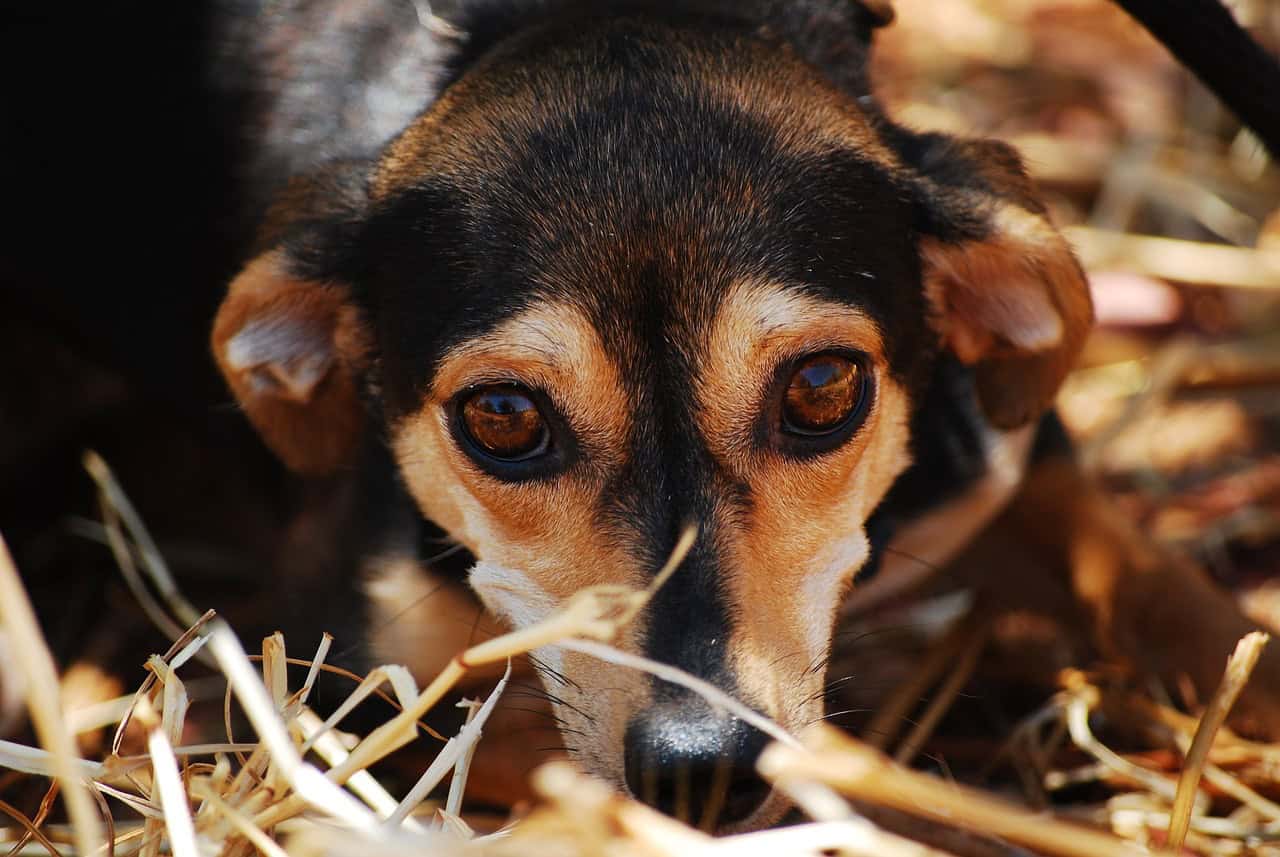
Some dogs may exhibit unusual grooming habits during natural disasters, such as excessive licking or chewing. This behavior is often a result of their heightened anxiety and stress. It’s their way of coping with the discomfort they feel. While it can be concerning, it’s important to remain calm and reassure them. Engaging them in activities or offering distractions can help redirect their focus and alleviate their stress.
Conclusion

In the face of natural disasters, dogs exhibit a range of behaviors that are both fascinating and instinctual. Their heightened senses and acute awareness often allow them to detect changes in the environment before humans do. Understanding these behaviors can help us provide the support and reassurance they need during these challenging times. Our furry friends rely on us to be their source of comfort and security, and by recognizing their reactions, we can ensure their well-being. How would your dog react to a natural disaster?

As a little kid, I fell in love with nature, wildlife, and animals. Living in the USA, South Africa, Italy, China and Germany gave me the opportunity to discover the world's Wildlife. My favorite animals are Mountain Gorillas, Siberian Tigers, and Great White Sharks.
I'm a certified PADI Open Water Diver, went to Everest Base Camp and Trekked Gorillas in Uganda. I hold a Master of Science in Economics and Finance.
Please send any feedback to feedback@animalsaroundtheglobe.com
- 14 Stunning Animals You Can See in India - July 18, 2026
- The Most Enormous Lobster Ever Pulled From Maine Waters - July 18, 2026
- The Most Dangerous Waters for Sharks in North America - July 18, 2026