


Throughout history, humankind has created legendary creatures that capture our imagination and speak to our deepest hopes and fears. Among these mythical beings, the phoenix stands as one of the most enduring and widespread symbols of rebirth and immortality. This magnificent firebird, known for its cyclical death and resurrection from its own ashes, has appeared in cultures across the globe for thousands of years. But what many people don’t realize is that this legendary creature may have been inspired by a real-world animal with remarkable characteristics and behaviors. By examining historical records, cultural mythology, and zoological evidence, we can uncover the fascinating connection between myth and reality that gave rise to one of the world’s most beloved symbols of eternal renewal.
Origins of the Phoenix Myth
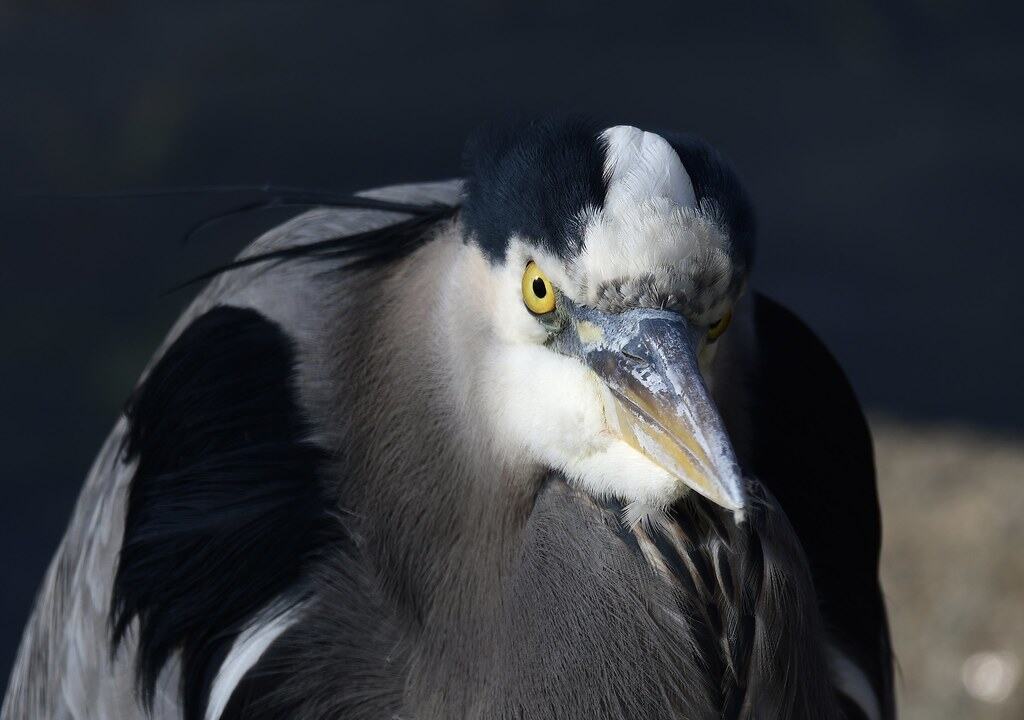
The phoenix myth originated in ancient Egypt around 3000 BCE with the story of the Bennu bird, a divine heron-like creature associated with the sun god Ra and the creation myth. This Egyptian concept later spread to ancient Greece, where it was described by Herodotus in the 5th century BCE as a magnificent bird with red and gold plumage that lived for 500 years before building its own funeral pyre, burning itself to ashes, and rising renewed.
The myth subsequently appeared in Roman literature, Arabian folklore, Chinese mythology as the Fenghuang, and in medieval European bestiaries. While each culture added its own unique elements to the phoenix story, the core theme of cyclical rebirth through fire remained consistent, suggesting a common source of inspiration that transcended cultural boundaries.
The Bennu Bird and Ancient Egypt
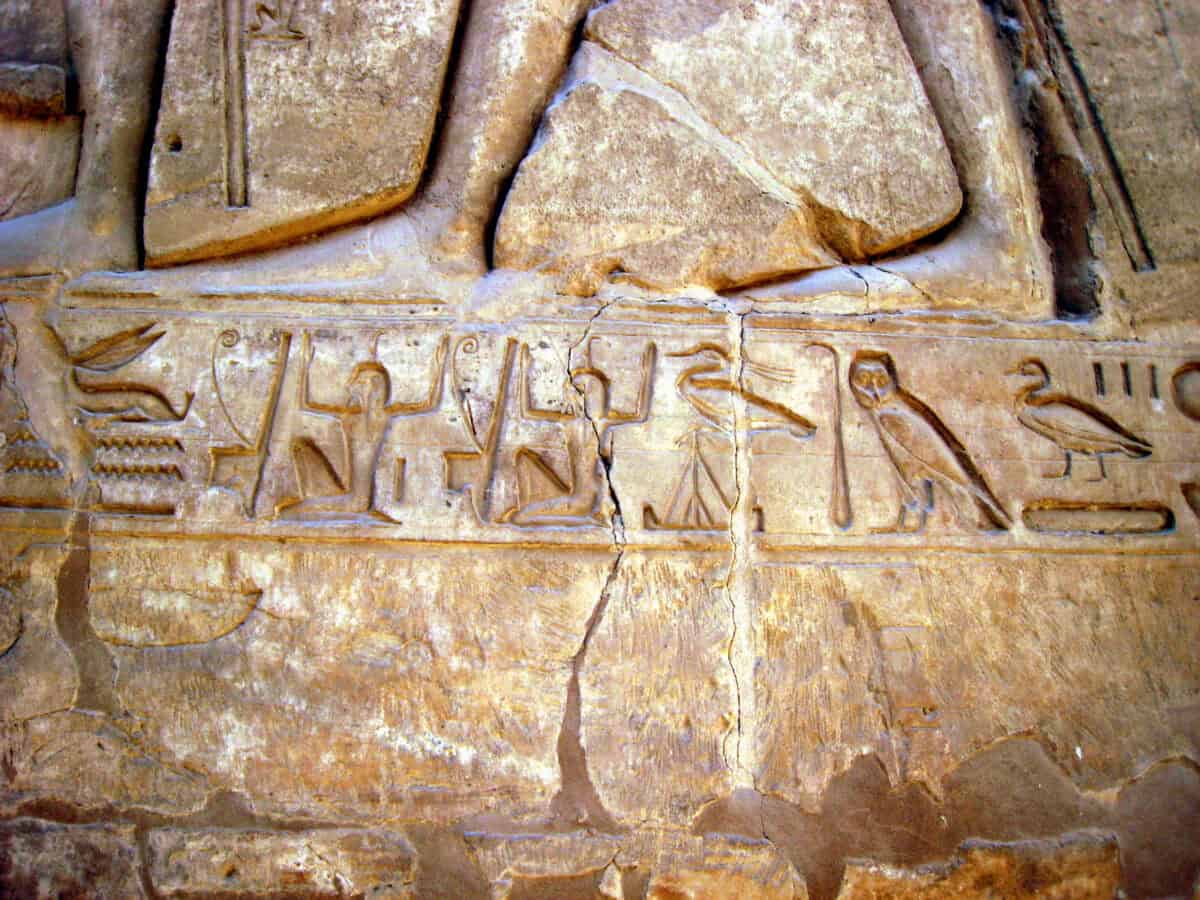
In ancient Egyptian mythology, the Bennu bird was depicted as a large heron with two long feathers extending from the back of its head and was closely associated with the rising sun and the annual flooding of the Nile. The hieroglyph for the Bennu resembled a heron or egret standing on a perch, and it was considered the ba (soul) of the sun god Ra. The Bennu was said to have played a role in creation by landing on the primeval mound that emerged from the waters of chaos.
Each morning, it would fly with Ra across the sky, and its cry was believed to mark the divisions of time. The connection between the Bennu and the later Greek phoenix is clear, as both were solar birds associated with cycles of time and renewal. Importantly, the Bennu was likely inspired by real waterbirds observed along the Nile, particularly the gray heron (Ardea cinerea) or the goliath heron (Ardea goliath), whose annual appearances coincided with the life-giving floods.
The Flamingo Connection

Many zoologists and mythology experts point to the flamingo (Phoenicopterus) as a significant inspiration for the phoenix myth. The very name “phoenix” may be etymologically linked to the ancient Greek word “phoinix,” meaning crimson or purple-red, which perfectly describes the flamingo’s striking coloration. These birds are known for their vibrant pink-to-red plumage, which comes from carotenoid pigments in their diet of algae, shrimp, and other crustaceans.
In flight, with the sun behind them, flamingos can appear to be aflame, with their feathers taking on a fiery glow. They are also known to inhabit volcanic lakes in East Africa’s Rift Valley, where they stand amid steaming waters and mineral deposits, creating a surreal image of birds thriving in seemingly hostile, fire-like environments. The flamingo’s presence in both North Africa and the Middle East would have made it familiar to the civilizations that first developed the phoenix myth.
The Arabian Bird of Paradise
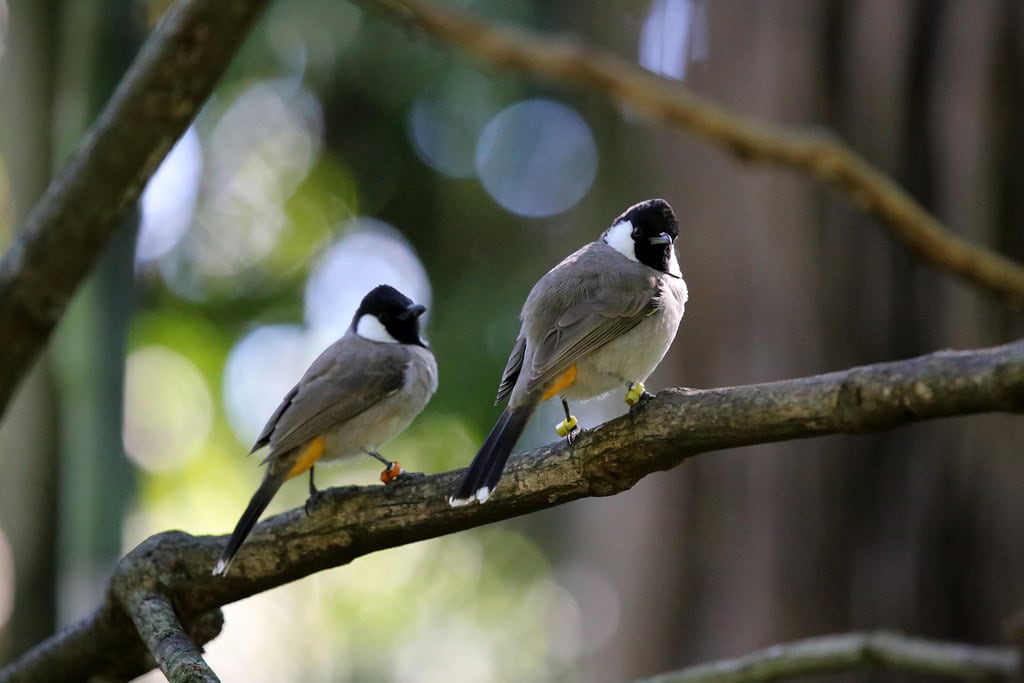
Birds of paradise, particularly those from New Guinea and nearby islands, have also been suggested as possible inspirations for the phoenix legend. While these birds would not have been directly observed by ancient Egyptians or Greeks, their feathers and preserved specimens were highly prized trade items that traveled along ancient silk and spice routes.
Arabian traders who acquired these specimens often did so without the birds’ feet attached, leading to the belief that the birds never landed but remained perpetually in flight, suspending themselves in the air when they slept. This mysterious quality, combined with their spectacular plumage in vibrant reds, oranges, and golds, contributed to their reputation as supernatural creatures. Marco Polo’s accounts from the 13th century mention these birds as being associated with paradise and rebirth, suggesting that by medieval times, the mythology surrounding birds of paradise had become intertwined with phoenix symbolism.
The Peacock’s Influence

The Indian peacock (Pavo cristatus) has significantly influenced phoenix mythology, particularly in its eastern interpretations. The peacock’s spectacular display of iridescent blue, green, and gold feathers that form an impressive fan has long symbolized immortality and renewal. In Hinduism, the peacock is associated with Kartikeya, the god of war, while in Buddhism, it represents wisdom and compassion.
When the phoenix myth traveled eastward along trade routes, it merged with local peacock symbolism, resulting in the Chinese Fenghuang, often depicted with peacock-like features. Persian mythology likewise incorporated peacock elements into their version of the phoenix, the Simurgh. The peacock’s annual molting and regrowth of its magnificent tail feathers parallels the phoenix’s cycle of renewal, while the “eyes” on its feathers were associated with omniscience and divine protection. The peacock’s ability to consume some toxic plants and animals without harm also contributed to its reputation for immortality and supernatural powers.
The Golden Pheasant Theory

The golden pheasant (Chrysolophus pictus), native to western China, presents another compelling candidate for phoenix inspiration. With its brilliant golden-yellow crest, red body, and long, ornate tail, the golden pheasant embodies the fiery colors traditionally associated with the phoenix. When displaying, male golden pheasants create a semicircular fan of feathers around their heads that resembles flames or a rising sun.
Marco Polo’s writings suggest that these birds were kept in imperial gardens and were associated with royalty and divine favor. Their presence in China coincides with the development of the Fenghuang in Chinese mythology, which became an important symbol of imperial power. While the golden pheasant would not have directly influenced the earliest Egyptian or Greek phoenix myths, it likely contributed to the evolution of phoenix imagery as trade networks expanded and cultural exchange between East and West increased during the Han Dynasty and subsequent periods.
The Egyptian Plover’s Symbiotic Behavior
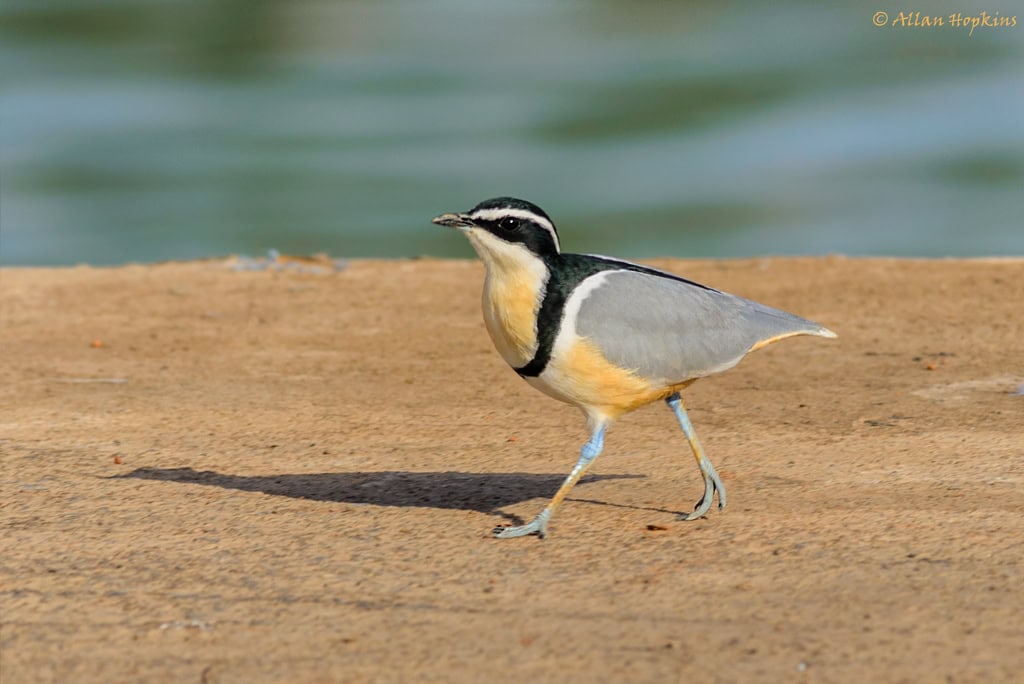
The Egyptian plover (Pluvianus aegyptius), sometimes called the crocodile bird, exhibits a remarkable behavior that may have contributed to the phoenix myth. These birds are known for their symbiotic relationship with crocodiles, entering their open mouths to feed on parasites and food particles. Ancient observers witnessing this behavior—a small bird disappearing into the jaws of a fearsome predator, only to emerge unharmed—might have interpreted it as a magical act of death and rebirth.
Egyptian hieroglyphs depict plovers in close association with crocodiles, suggesting this relationship was well-known to ancient Egyptians. The plover’s habit of laying its eggs in the warm sand, where they are incubated by solar heat, also aligns with the phoenix’s association with the sun and fire. Additionally, these birds perform elaborate displays where they spread their wings to reveal striking black and white patterns, potentially evoking the image of ashes transforming into a reborn bird.
The Sacred Ibis of Thoth

The sacred ibis (Threskiornis aethiopicus) held exceptional religious significance in ancient Egypt as the embodiment of Thoth, the god of wisdom, writing, and magic. With its distinctive black and white plumage and curved bill, the ibis was mummified by the thousands as offerings to Thoth. The ibis’s association with wisdom and divine knowledge parallels the phoenix’s reputation for extraordinary wisdom accumulated over its long lifespan.
Additionally, the ibis’s annual migration patterns, appearing and disappearing with seasonal regularity, may have contributed to the concept of a cyclical bird that returns after apparent absence. Archaeological evidence shows that the sacred ibis was sometimes depicted with red or golden elements in Egyptian art, potentially creating visual overlap with later phoenix descriptions. The ibis’s habit of probing in mud with its bill and emerging with food might have symbolically represented extraction of life from death, further connecting it to themes of rebirth that became central to the phoenix myth.
The Stork’s Nest-Building Behavior

White storks (Ciconia ciconia), which were common in the Middle East and Mediterranean region during antiquity, demonstrate a fascinating nest-building behavior that parallels a key element of the phoenix myth. These birds return to the same nests year after year, adding new materials each season until the nests become enormous structures that can weigh up to 500 pounds. When lightning or other accidents cause these nests to catch fire, storks have been observed returning to the charred remains and rebuilding, literally rising from the ashes of their former homes.
Ancient observers witnessing this behavior might have interpreted it as the bird itself being reborn from fire. Additionally, storks often incorporate aromatic herbs into their nests, similar to the spices and myrrh the phoenix was said to collect for its funeral pyre. The stork’s annual migration and return each spring further reinforced the concept of cyclical renewal. In Egyptian mythology, the stork was associated with the ba (soul), connecting it to concepts of spiritual transformation that became central to phoenix symbolism.
Vultures and Regeneration Symbolism

The Egyptian vulture (Neophron percnopterus) and other vulture species may have contributed significant elements to the phoenix myth. These birds were revered in ancient Egypt, with the vulture hieroglyph representing motherhood and protection. The Egyptian goddess Nekhbet, often depicted as a vulture, was a protector of the pharaoh and symbolized purification. Vultures’ role as consumers of the dead, transforming decay into life by sustaining themselves, creates a natural symbol of regeneration from death.
Their ability to soar at great heights connected them to the sun and heavens in ancient symbolism. Most intriguingly, Egyptian vultures are known for their unique behavior of collecting red soil to stain their naturally white feathers, giving themselves a reddish hue reminiscent of the phoenix’s fiery coloration. This deliberate self-transformation may have appeared magical to ancient observers. Additionally, vultures’ extraordinary longevity—they can live up to 30 years in the wild—aligns with the phoenix’s legendary long life span.
The Role of the Eagle

Various eagle species, particularly the golden eagle (Aquila chrysaetos) and imperial eagle (Aquila heliaca), have contributed significant elements to the phoenix mythology. Eagles’ association with the sun is evident in their ability to fly at extremely high altitudes, seemingly approaching the sun itself, and in their keen vision that allows them to stare directly at the sun’s glare. The imperial eagle’s name itself contains the Greek root “helios” meaning sun.
Eagles undergo a remarkable transformation in middle age, shedding and renewing their beaks, talons, and feathers in a process that can leave them temporarily weakened before they emerge revitalized—a natural parallel to the phoenix’s rebirth cycle. In Roman mythology, eagles were believed to test their young by having them stare at the sun, another sun-related behavior that may have influenced phoenix lore. The golden eagle’s magnificent plumage, with rich brown feathers that can appear golden in sunlight, matches descriptions of the phoenix’s coloration. Additionally, eagles’ exceptional longevity—they can live up to 50 years in the wild—aligned with the phoenix’s legendary lifespan.
Migratory Birds and Seasonal Disappearance
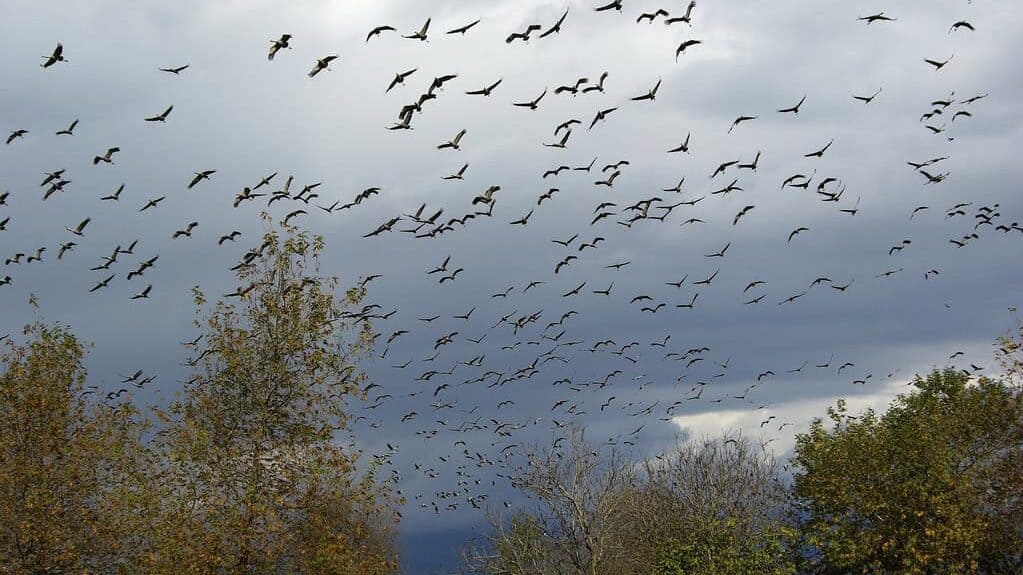
The mysterious seasonal disappearance and reappearance of migratory birds likely contributed to the phoenix concept across multiple cultures. Before the understanding of migration, ancient peoples were mystified by the regular vanishing of entire bird populations, only to see them return months later. This natural phenomenon aligned perfectly with the phoenix’s cycle of death and rebirth. Swallows, which were particularly noted for their predictable migrations in the Mediterranean region, were associated with resurrection in Egyptian hieroglyphs.
Similarly, cranes were depicted in Greek art as messengers between worlds. The arrival of migratory birds often coincided with seasonal transitions like spring, reinforcing their association with renewal and rebirth. In China, the appearance of specific migratory birds heralded the beginning of planting seasons, connecting them to agricultural cycles and prosperity. These natural cycles of disappearance and return provided a tangible model for the phoenix’s more supernatural cycle of death and resurrection, grounding the mythical in observable natural phenomena.
Conclusion: A Composite Creation

The phoenix myth, rather than being inspired by a single animal, appears to be a composite creation drawing elements from multiple bird species and their behaviors. This mythological synthesis demonstrates how ancient cultures observed and interpreted the natural world, transforming ordinary but remarkable animals into extraordinary symbols of their deepest spiritual aspirations. The flamingo’s fiery appearance, the stork’s nest-rebuilding, the vulture’s self-transformation, the eagle’s solar association, and the mysterious migration patterns of various birds all contributed puzzle pieces to the magnificent mosaic of phoenix mythology.
This composite origin helps explain why the phoenix appears across so many different cultures with consistent themes yet variable details. Understanding the biological inspirations behind the phoenix enriches rather than diminishes its cultural significance, revealing how closely our ancestors observed and revered the natural world. The phoenix remains one of humanity’s most powerful and enduring symbols precisely because it captures real aspects of nature’s endless cycles of destruction and renewal.

From exploring the marine wonders in the Azores and witnessing the vast savannas of Kenya, to delving deep into the rich biodiversity of South Africa and traversing iconic landscapes in Australia and the US like Yellowstone, Chris's experiences are vast.
With a penchant for diving alongside sharks, the ocean holds a special place in his heart.
Through his academic insights, he champions wildlife conservation, striving with 'Animals Around The Globe' to cultivate a profound connection between humans and animals, enhancing our mutual appreciation.
Connect with him at Feedback@animalsaroundtheglobe.com.
- 10 Intelligent Dog Breeds Born to Hunt - July 19, 2026
- The River Where Crocodiles and Hippos Battle for Dominance - July 19, 2026
- The Largest Predator Ever Found in Freshwater - July 19, 2026