
Most people assume wild animals either fear every human equally or gradually warm up to people once they’re cared for. The truth is stranger, more specific, and in some cases genuinely heartbreaking. Certain animals don’t just bond with humans – they lock onto one human, and then shut out the entire rest of the world. Not because they were trained to. Because something deep in their neurology made that person the only safe thing that exists.
The cases below span continents, decades, and a surprising range of species – from gorillas in the Rwandan highlands to orphaned raptors that flew back to a single rehabber after attempted releases. Some of these stories are famous. Some were buried in wildlife research. A few will make you rethink everything you thought you knew about what “wild” really means. The one at the top of this list is the most extreme of all.
#13 – Wild Turkeys That Treated One Man as Their Only Parent
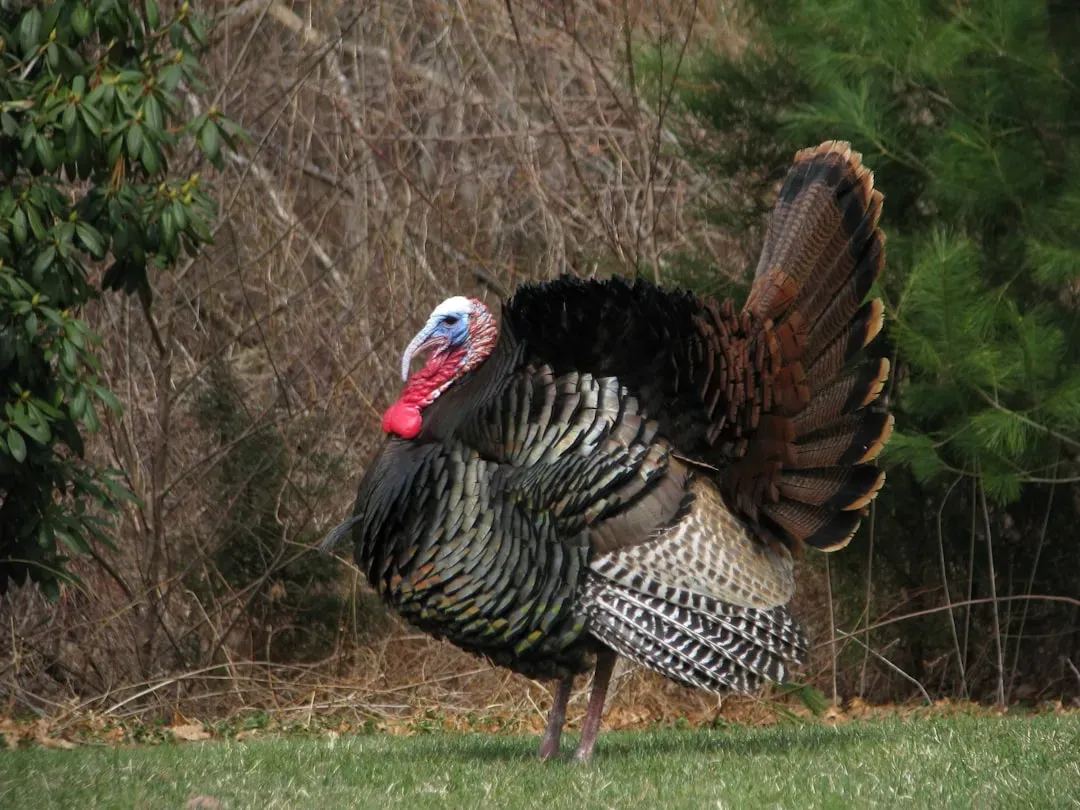
In the 1990s, a naturalist named Joe Hutto incubated sixteen wild turkey eggs and was present the moment each one hatched. Within hours, every poult had locked onto him as their mother, their flock leader, and their entire social world. They followed him through Florida scrubland for months, learning to forage, communicate, and survive – but only with him. When other humans approached, the birds scattered or went completely still, as if the outside world had simply stopped being real.
The imprinting wasn’t gradual. It was a door that opened in the first hours of life and then quietly closed forever. As the turkeys matured, they showed no interest in rejoining wild flocks and no comfort around any human except Hutto. The bond that saved their lives also made them strangers to their own species. His account, later turned into a documentary, is one of the most detailed records of what happens when a wild animal chooses one person – and what gets lost in the process.
Fast Facts
- Imprinting in birds typically occurs at 4 to 6 weeks old or younger – and for many species, the critical window is just 12 to 17 hours after hatching.
- Once a young bird imprints on a human, it will be bonded to humans for life and may no longer identify with its own species.
- Wild turkeys that imprint on a single person show no interest in rejoining wild flocks and may panic around all other humans.
- Imprinting establishes both a filial (family) bond and, later, can shape the animal’s choice of a mate – with lifelong consequences.
- A human-imprinted bird is almost always non-releasable to the wild, regardless of its physical health.
#12 – Greylag Goslings That Shadowed Konrad Lorenz Alone
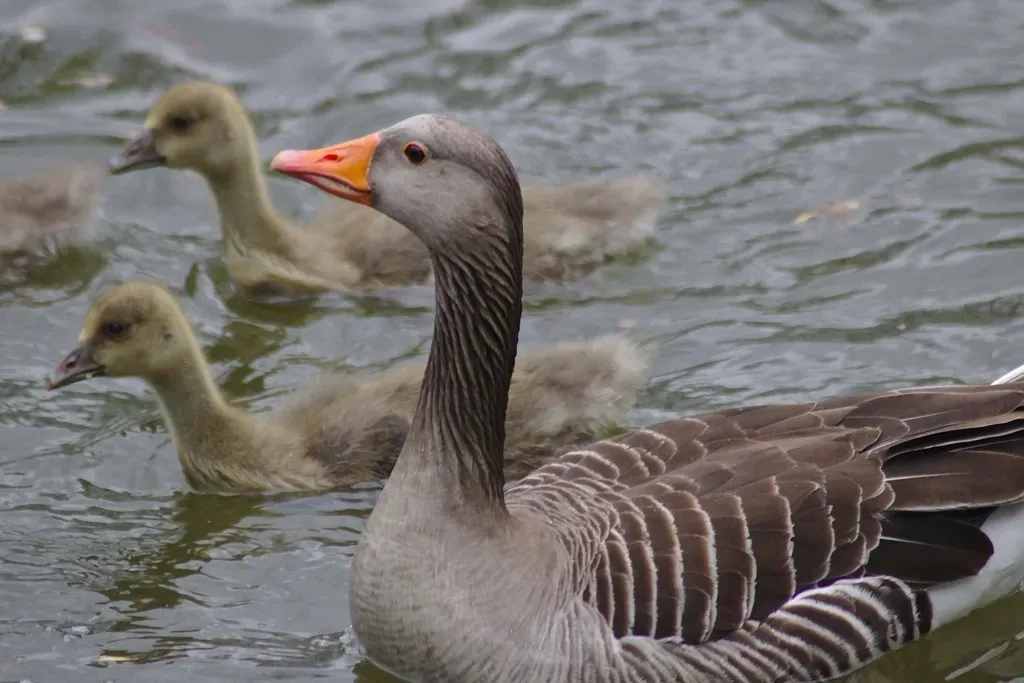
Konrad Lorenz didn’t set out to become a mother goose. He set out to understand how young birds decide who to follow – and what he discovered changed behavioral science permanently. Greylag goslings imprinted on whatever moving object they saw first after hatching. When that object was Lorenz, the bond was instant, total, and unshakeable. They waddled behind him on walks, called for him when he left, and treated every other researcher on his team like background noise.
The troubling part wasn’t the cuteness of the footage. It was the permanence. The brain changes from early imprinting made reversal essentially impossible. These birds would never fully orient toward their own kind the way wild geese do. Lorenz won a Nobel Prize partly on the strength of these observations, but later ethicists raised harder questions: if you can accidentally rewrite a wild animal’s entire social identity in a single afternoon, what does that responsibility look like? The goslings never got to answer that.
#11 – Great Horned Owlets That Bonded Only With Their Rehabber
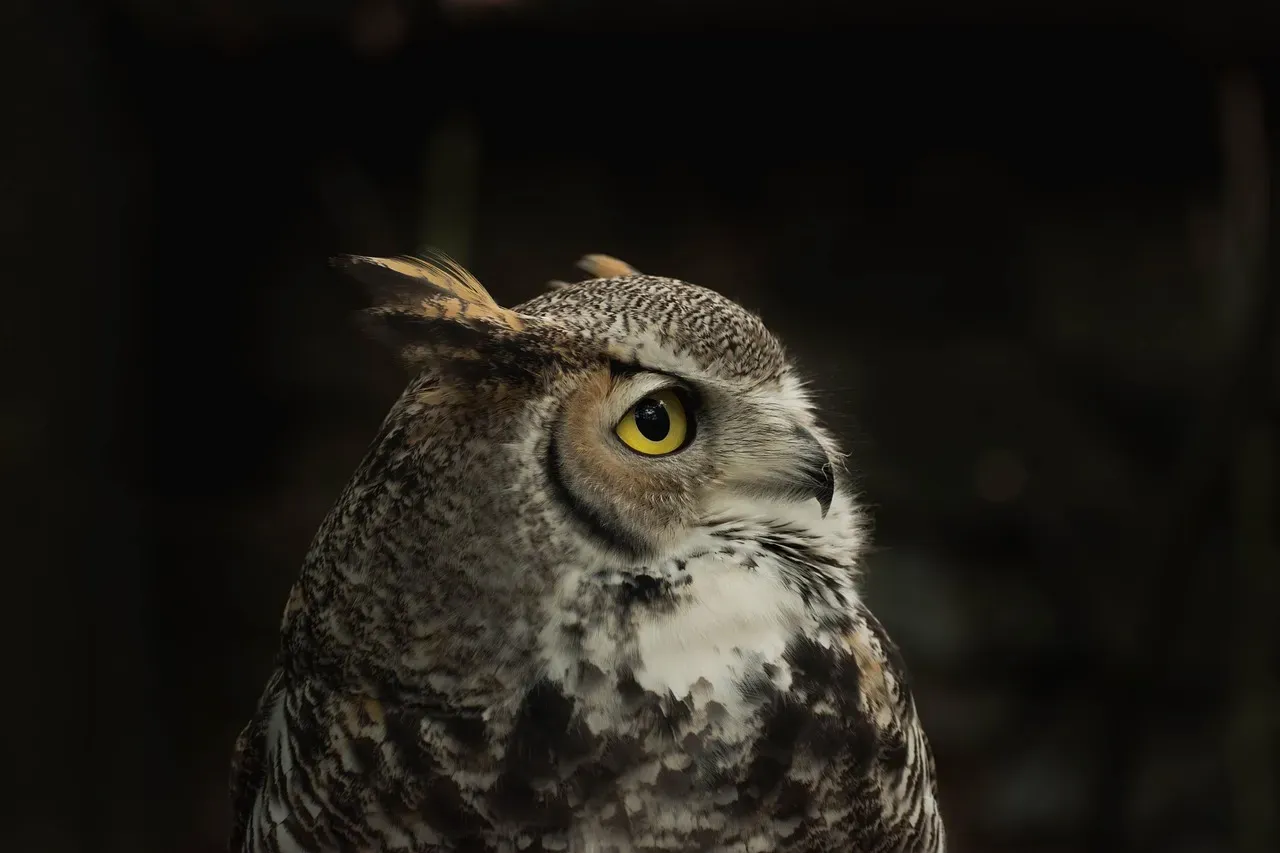
Walk into a wildlife rehabilitation center and you’ll quickly learn which birds are “human-imprinted” – because they’ll tell you themselves. Great horned owlets that bonded to a single caregiver during a critical developmental window will refuse food from other staff, turn away from unfamiliar hands, and sometimes escalate to full defensive posturing when someone new tries to handle them. It’s not fear exactly. It’s something more specific: the rejection of anyone who isn’t the one person their brain catalogued as safe.
Wildlife centers now go to significant lengths to prevent this – using hand puppets shaped like adult owls, minimizing direct eye contact, and rotating multiple handlers from day one. The fact that these protocols exist at all tells you how powerful and how permanent single-person imprinting can be. A great horned owl that bonds exclusively to one rehabber may never be releasable. It may spend its life in an education program, flying to one specific arm in a room full of people who simply don’t register.
At a Glance: How Rehab Centers Fight Human Imprinting
- Owl hand puppets – caregivers feed young raptors using puppets shaped like adult birds of the same species.
- Reflective masks – worn by staff so animals see their own reflection instead of a human face, preventing individual recognition.
- Minimal eye contact and silence – no talking, naming, or direct gaze during care.
- Multi-handler rotation – multiple caregivers from day one so no single person becomes the animal’s entire world.
- Conspecific fostering – placing orphaned birds with a same-species adult foster parent whenever possible, prioritizing reunion over human contact.
#10 – The Lioness Elsa Who Rejected Everyone Except Joy Adamson
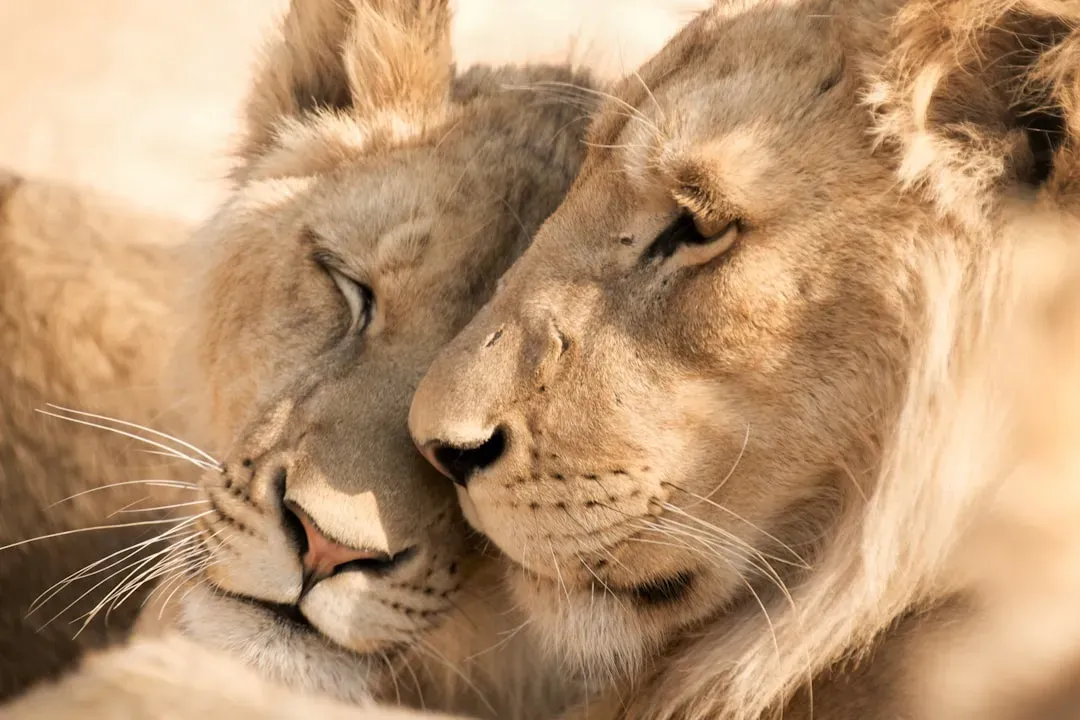
Elsa the lioness was orphaned as a cub in Kenya and raised by Joy Adamson with a level of personal devotion that became the subject of one of the most famous wildlife books ever written. Born Free made the bond sound like a miracle. What it couldn’t fully capture was how exclusive and behaviorally complex that bond really was. Elsa tolerated Joy’s husband George and a handful of others at close range, but her deepest recognition – the greeting behaviors, the physical closeness, the trust – was reserved for Joy alone.
Conservation experts who have revisited the Elsa case point to a difficult truth: the same attachment that made the story so emotionally powerful also made Elsa’s reintegration into wild lion society genuinely complicated. She succeeded, eventually, but her social calibration had been shaped by one human’s presence during the years it should have been shaped by lions. The story is still inspiring. It’s also a case study in what exclusive early bonding costs a wild animal trying to return to the world it was born for.
#9 – Hand-Raised Wolf Pups That Fixated on One Handler
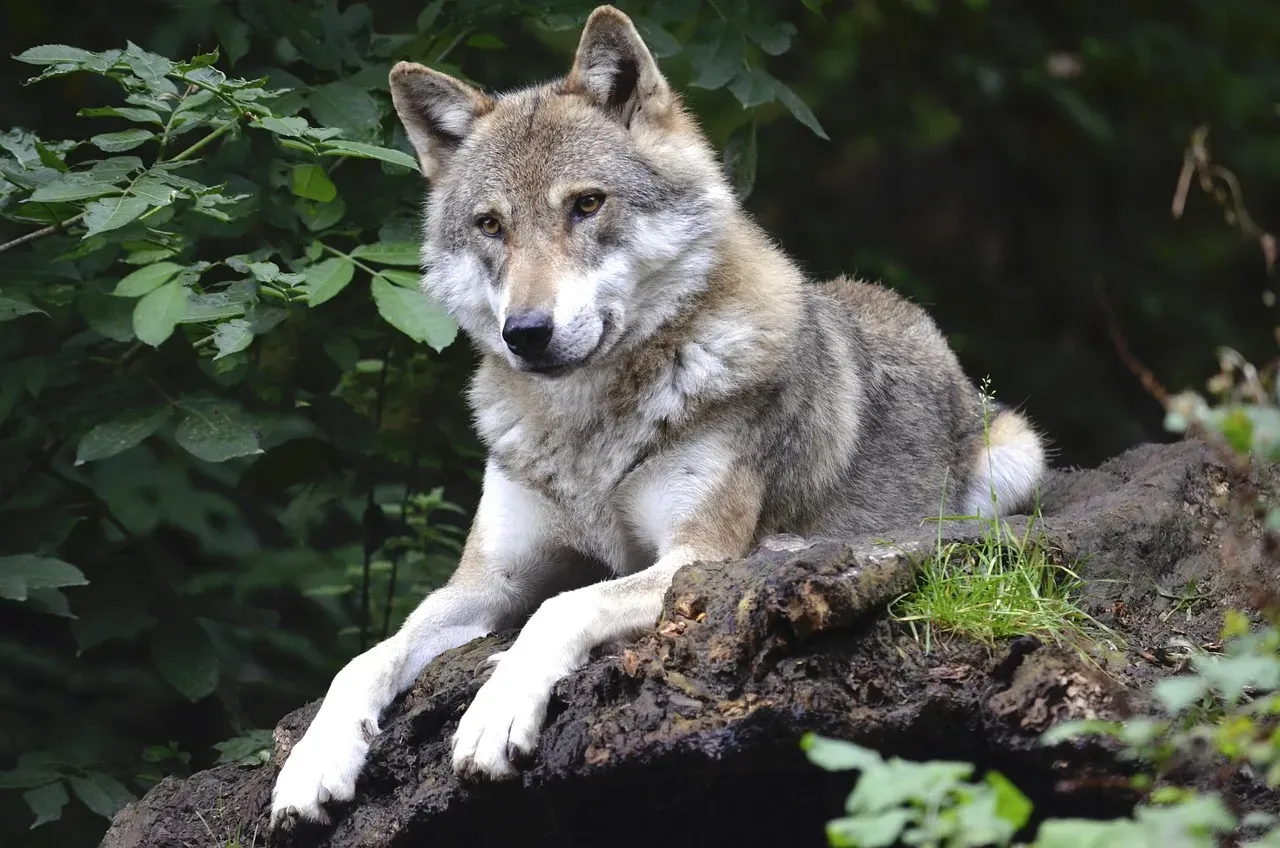
Wolves removed from dens before the age of three weeks and hand-raised by a single person don’t just become attached – they reorganize their entire social hierarchy around that one human. They treat that person the way a wild wolf treats an alpha: with deference, attention, proximity, and a fierce disinclination to share. New people entering the space aren’t just unfamiliar. They’re potential threats to the only social structure the wolf has ever known.
Long-term studies of captive wolves confirm that these preferences don’t fade with time. They may intensify. A wolf that imprinted on one handler at three weeks old may still be tracking that person’s movements and ignoring everyone else’s at age ten. The attachment mirrors the tight loyalty structures of wild pack life, just redirected onto a single human who can never fully reciprocate what a pack would provide. It’s one of the lonelier outcomes in wildlife care – a social animal whose entire social world is one person.
#8 – Orphaned Elephant Calves That Seek Only Their Keeper
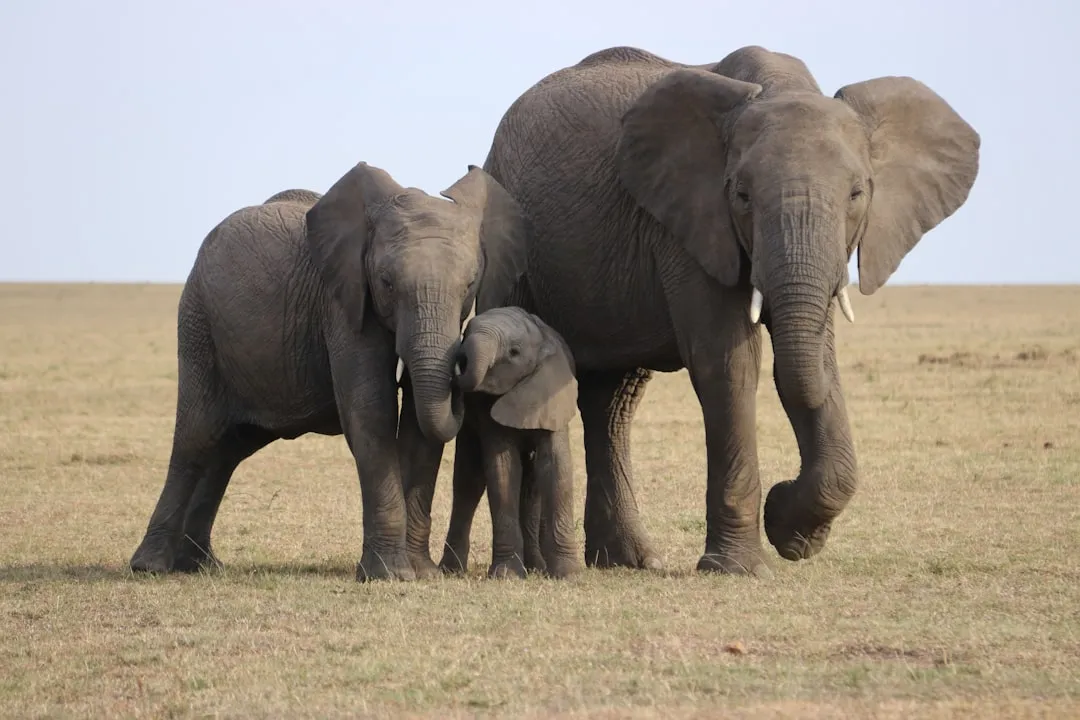
At the David Sheldrick Wildlife Trust in Kenya, keepers sleep beside orphaned elephant calves through the night during the earliest weeks of care. The calves that survive often do so because of that round-the-clock physical presence. But there’s a cost that sanctuary staff monitor carefully: some calves bond so completely to one specific keeper that they refuse to eat when that person is absent, follow that individual through the compound while ignoring all others, and show visible stress responses when routines change.
The sanctuary now deliberately rotates keepers on a structured schedule – not because the individual bonds aren’t real, but because an elephant that can only trust one human will struggle to eventually integrate with a herd. Elephants are among the most socially complex animals on earth. An orphan that arrives already traumatized and then narrows its entire trust to a single person faces two difficult transitions instead of one: losing the wild family it was born into, and then being gently weaned from the only human replacement it ever accepted.
Worth Knowing: Elephant Orphan Care by the Numbers
- The Sheldrick Wildlife Trust was founded in 1977 and is recognized as the world’s most successful orphaned elephant rescue and rehabilitation program.
- Orphaned calves receive milk feeds every 3 hours, around the clock – with the youngest needing up to 8 feeds per day.
- Keepers sleep in the stable with their assigned calf every night, functioning as a full surrogate family unit.
- Released elephants have been documented returning to the compound with their wild-born calves, sometimes years after reintegration – proof of the depth of the bond they formed.
- Currently, more than 100 milk-dependent orphans are in care across the Trust’s five orphan units in Kenya.
#7 – Gorillas That Remembered Only Dian Fossey
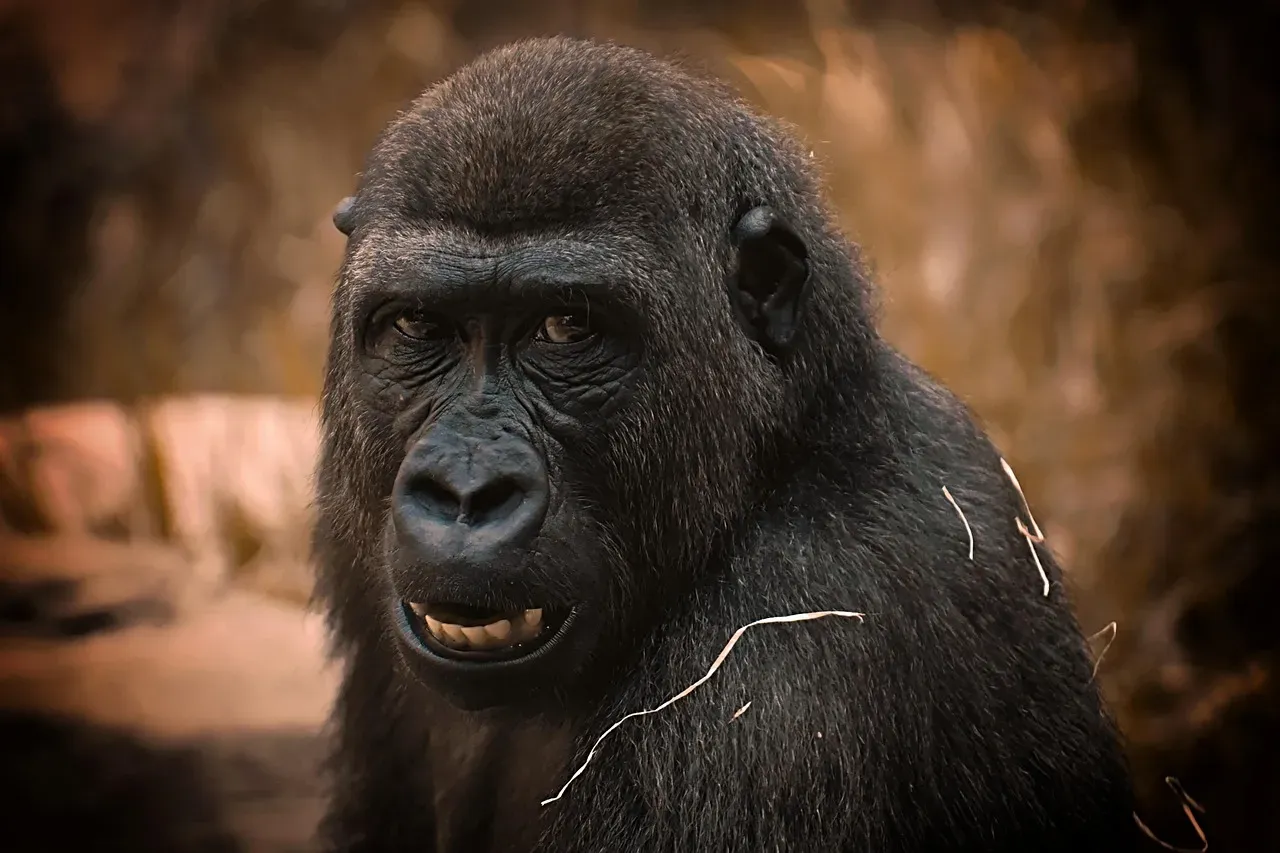
Dian Fossey spent years earning the trust of specific mountain gorilla groups in Rwanda through patient, consistent, non-threatening presence. What emerged over time wasn’t broad familiarity – it was something more targeted. Certain individuals, particularly younger gorillas who had grown up watching Fossey arrive day after day, developed recognition responses exclusive to her. They would approach her, tolerate proximity, and engage in what she described as social grooming behavior. Other researchers received flat, distant, or wary responses from the same animals.
The selectivity wasn’t lost on her team. Fossey had become, to specific gorillas, a known and trusted individual in a way that didn’t transfer to anyone else. When she left for extended periods, those individuals’ behavior toward researchers shifted noticeably. Whether this represents true single-person bonding or simply the depth of familiarity she alone had built is still debated – but the practical outcome was the same. Some of those gorillas had a person, and it was her, and no one else quite fit the space she occupied in their world.
#6 – Dolphins That Approach Only Specific Trainers
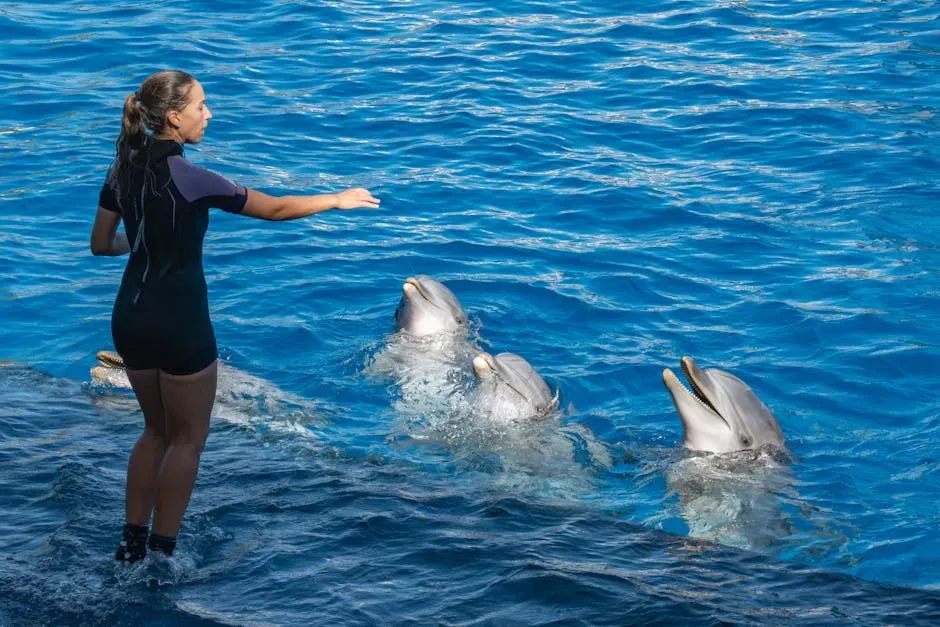
Pop culture has sold us an image of dolphins as universally friendly, ready to swim up to any human who enters the water with good intentions. The reality inside long-term care facilities and semi-wild research settings is considerably more selective. Dolphins in these environments often form clear preferences for individual trainers – initiating contact, performing complex behaviors, and seeking eye contact primarily or exclusively with one person, while treating other equally experienced staff with indifference or outright avoidance.
The bond builds through repeated one-on-one sessions, specific vocal cues, and the particular rhythm of a single person’s handling style. Other trainers can learn the signals, but the dolphin’s response is rarely the same. Researchers who’ve documented this pattern note that the dolphin isn’t being difficult – it’s being precise. It has catalogued one human as a known social entity and is treating everyone else the way a wild dolphin treats an unfamiliar animal: with caution, curiosity, and a clear unwillingness to close the distance.
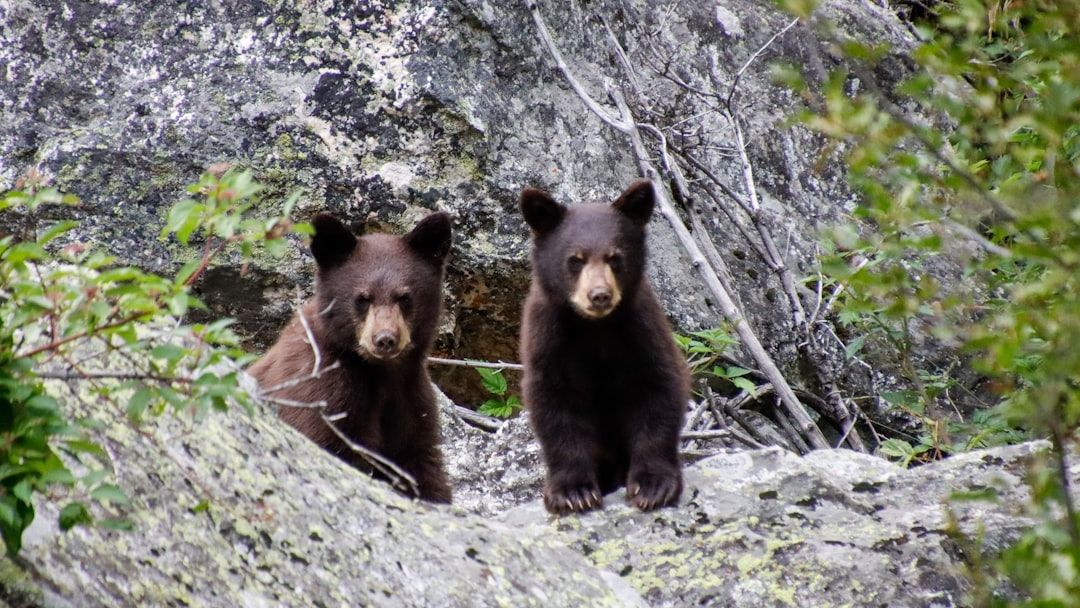
#5 – Black Bears That Tolerated Only Their Early Caregiver
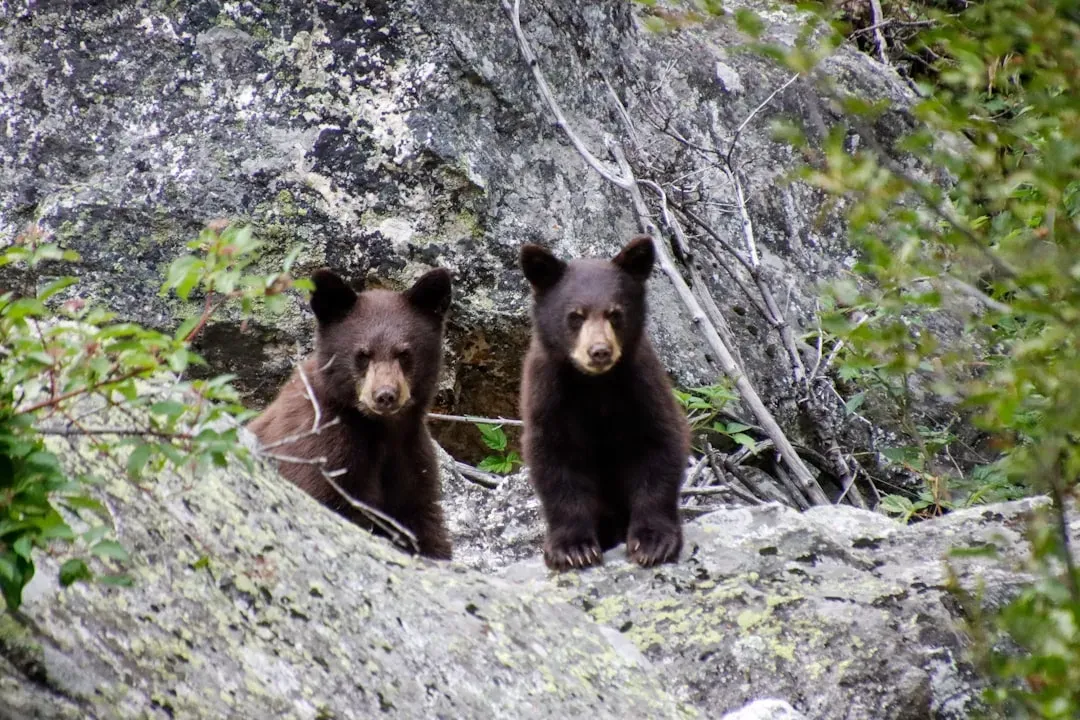
Black bear cubs that are bottle-fed by a single person from the first weeks of life go through a bonding process that wildlife officials describe as almost irreversible without major behavioral intervention. The cub maps its entire sense of safety onto that one person’s scent, voice, and presence. Introduce a second handler and you’ll often see wariness, food refusal, or defensive bluff charges from an animal that was perfectly calm minutes earlier. The trigger isn’t aggression – it’s the absence of the only signal the bear learned to trust.
The long-term consequences are serious. Bears with single-person imprinting frequently cannot be released into wild habitats because their comfort zone is too narrow to sustain independent survival. They may seek out human contact generally – which creates dangerous situations – or they may simply fail to thrive in the absence of their one familiar person. Wildlife officials who work in bear rehabilitation now treat multi-caregiver exposure from day one as non-negotiable. The window where it matters is short, and once it closes, no amount of retraining fully opens it again.
#4 – Macaws That Refused Interaction With Anyone But Their Owner
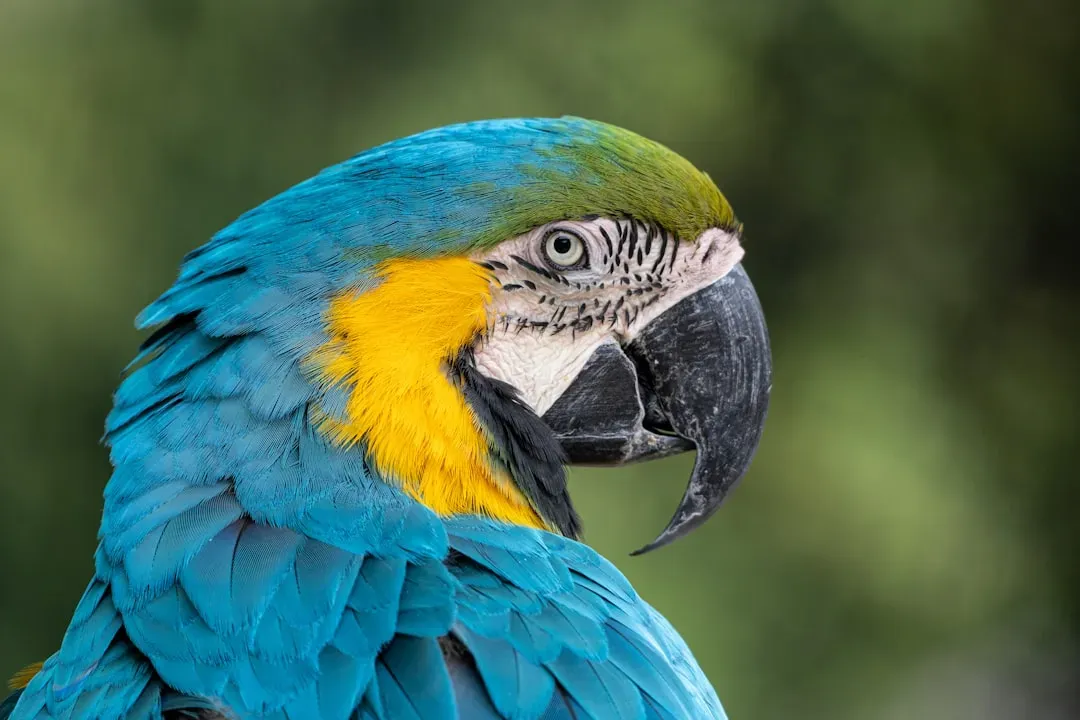
Macaws are among the most intelligent birds on earth, and intelligence in this context means the capacity to form opinions – strong, lasting, non-negotiable opinions about which specific human is acceptable and which ones are not. Wild-caught or rescue macaws that bond early with one household member can become genuinely hostile toward everyone else in the home. Not shy. Not cautious. Actively hostile: lunging, biting, screaming, and making their position on the matter perfectly clear to anyone who reaches toward them.
Avian behaviorists who work with single-bonded macaws describe the pattern as one of the most difficult to modify in companion bird care. The bird has effectively chosen a mate – because in the wild, macaws form lifelong pair bonds – and it is treating every other human as a rival or an intruder. The person it chose may find the devotion flattering at first. Over time, a household where only one person can safely interact with a large, powerful, beak-equipped bird becomes genuinely complicated. Strong-willed species, it turns out, have strong-willed preferences.
#3 – Chimpanzees That Formed Tight Dyads With One Researcher
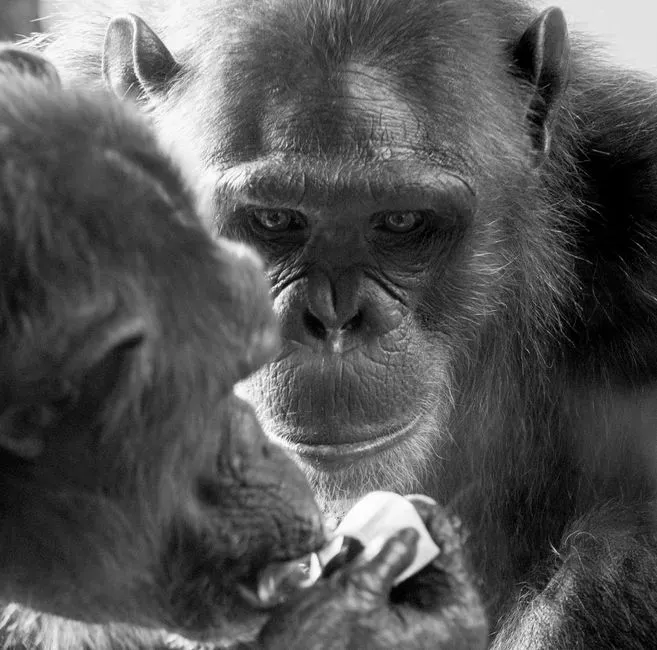
In long-term chimpanzee research settings, scientists occasionally find themselves in an ethically uncomfortable position: the animal they’ve spent years studying has decided, on its own terms, that they are a social partner. Not a neutral observer. A known individual with a specific place in the chimpanzee’s social world. Some individuals in long-term studies will direct grooming invitations, play solicitations, and alliance-seeking behavior toward one researcher while treating every other human on the team as a stranger to be evaluated from a distance.
This mirrors the tight dyadic alliances chimpanzees form in the wild – bonds between two specific individuals that are maintained through consistent contact, mutual benefit, and what researchers cautiously describe as apparent trust. The problem for science is that these bonds affect behavior in ways that are hard to control for. The chimpanzee isn’t giving the same animal it would give to a stranger. New researchers joining the study may wait months before certain individuals acknowledge them at all. The bond the primary researcher built is real – and it belongs only to them.
#2 – Tigers That Accepted Only Their Primary Handler
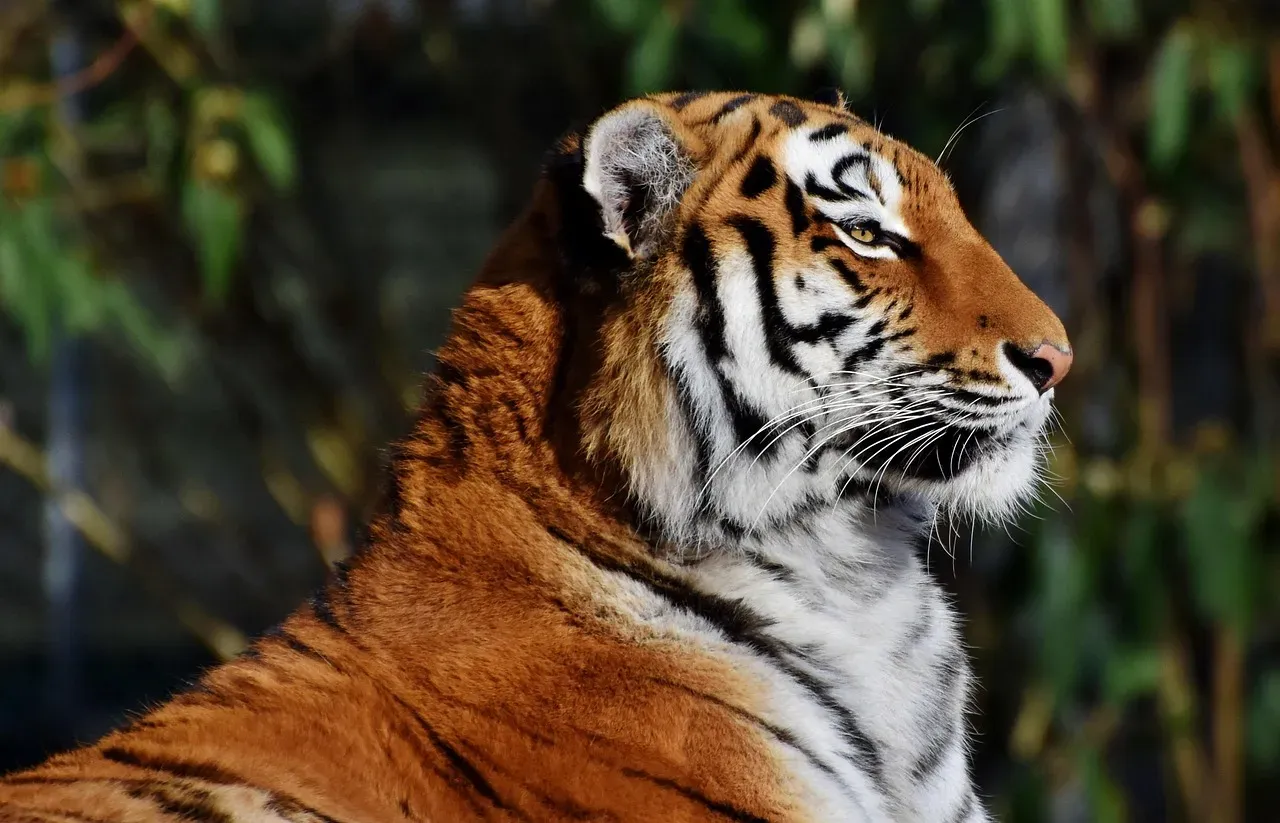
The popular image of a hand-raised tiger – calm, enormous, draped affectionately over a single keeper – is real, but the part that rarely makes the photograph is what happens when anyone else tries to enter the frame. Tigers raised from cubhood by one primary handler often develop a comfort threshold that is genuinely narrow. The same animal that rubs its massive head against its keeper’s legs may flatten its ears and begin pacing the moment a substitute arrives. The stress response is physiological, not performative.
Facilities that house hand-raised big cats now emphasize team-based care protocols specifically because of this pattern. A tiger that will only accept one handler creates an unmanageable safety situation the moment that person is unavailable – for illness, vacation, or departure. The cats can sometimes be slowly acclimated to additional people through careful, graduated exposure. But the original handler occupies a category that no one else fully enters. Popular culture shows us tame tigers and implies broad acceptance. What it glosses over is how rare, how specific, and how logistically difficult that acceptance actually is.
#1 – Orphaned Raptors That Imprinted So Completely They Flew Back to One Person After Release
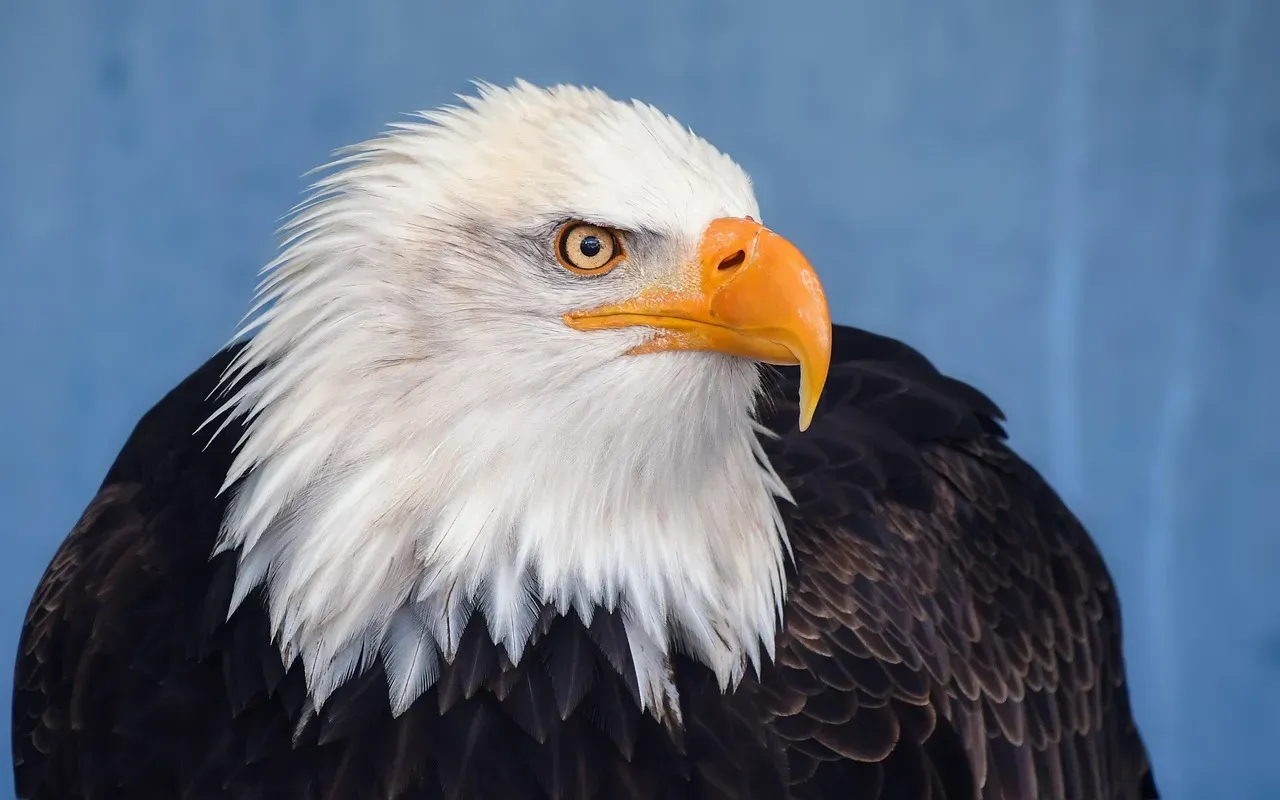
Of all the cases in this list, the most extreme and the most well-documented involve raptors – hawks, falcons, and eagles – that were raised by a single rehabber during the narrow developmental window when their brain was forming its map of the social world. These birds don’t just prefer their person. They return to them. After attempted releases into wild habitat, some fully flight-capable raptors have been documented circling back to the property, the vehicle, or the specific outdoor space associated with their one human. The wild is available to them. They choose not to go.
Wildlife rehabilitation centers now treat human imprinting in raptors as one of their most serious managed risks. The protocols – puppet feeding, minimal eye contact, no vocalization directed at the bird, multi-handler exposure from the earliest possible age – exist because the alternative is an animal that is physically wild but socially captive, bonded to one person so completely that release becomes impossible and any other human becomes irrelevant. These birds don’t lack the instincts for freedom. They lack the ability to recognize freedom without a specific face beside them. That’s not a training failure. That’s the full, strange, irreversible power of a bond that no one meant to create.
Quick Compare: What Happens to a Human-Imprinted Raptor
- Physically: Fully flight-capable, healthy, and wild in every measurable biological sense.
- Socially: Identifies with humans rather than its own species – may attempt to mate with or display toward its person.
- After release: Some documented cases of imprinted birds returning to their rehabber’s property rather than remaining in wild habitat.
- Release eligibility: Officially non-releasable – formal wildlife protocols state a bird should not be released if it is imprinted on a human.
- Likely outcome: Placed in a licensed education program, where it will fly to one specific arm for the rest of its life – in a room full of people it will never truly see.
What These 13 Cases Actually Tell Us
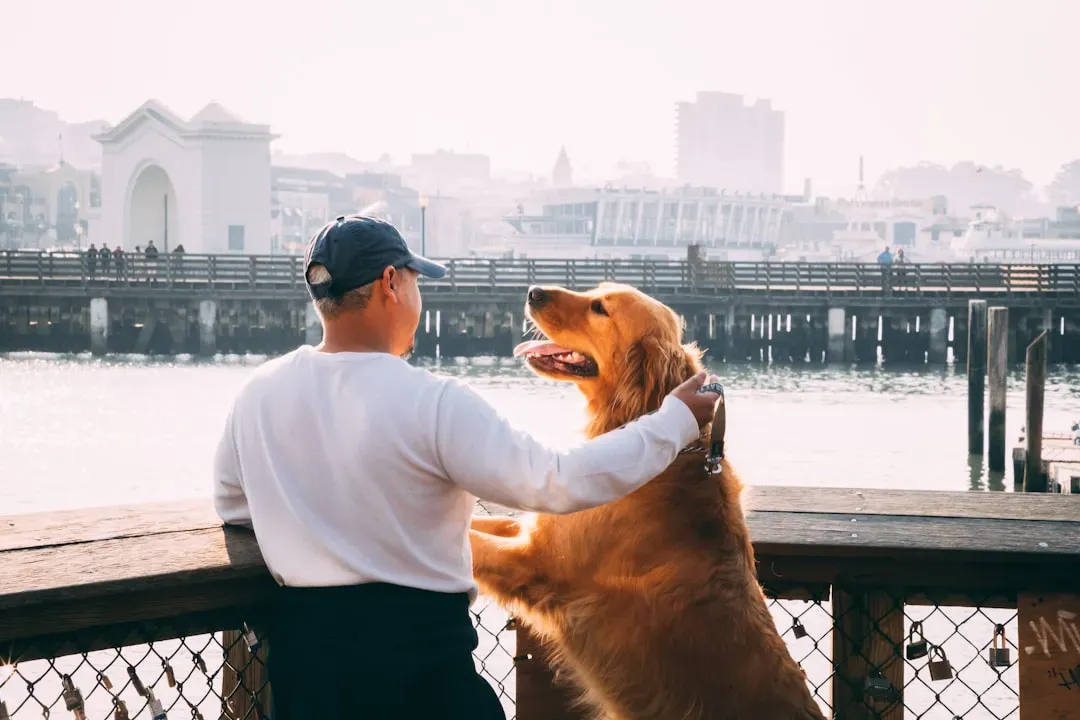
Across species as different as turkeys and tigers, the same pattern surfaces: a narrow window of early development, one human present during it, and a bond that no amount of time or retraining fully undoes. These aren’t heartwarming anomalies. They’re documented outcomes with real behavioral and conservation consequences. The animals in these cases didn’t choose poorly. They chose precisely – with everything their biology had – and then lived inside that choice for the rest of their lives.
The harder truth is that the humans in these stories almost always meant well. They were saving a life, conducting important research, or simply being present at a moment that turned out to matter enormously. What none of them could give back was the thing the animal lost in the process: a world wide enough to include more than one person. These bonds are real. They’re also, in most cases, a form of isolation dressed up in the language of connection. The fact that they’re irreversible isn’t the saddest part. The saddest part is how fast they form – and how little it takes to accidentally become someone’s entire world.

- 14 Quiet Ways a Horse Keeps Watch Over the Person It Has Claimed - July 28, 2026
- 12 Signs a Nervous Horse Has Finally Softened for a Single Rider - July 28, 2026
- 12 Everyday Mistakes That Quietly Shorten a Senior Dog's Life - July 28, 2026