


Rafiki, the wise and enigmatic mandrill from Disney’s “The Lion King,” stands as one of animation’s most memorable characters. With his spiritual guidance, cryptic wisdom, and distinctive appearance, Rafiki has captivated audiences worldwide. While the character is clearly a mandrill, there are many animals in the animal kingdom that Rafiki definitely was not. This article explores 16 animals that, despite their fascinating characteristics, are distinctly different from our beloved shaman of Pride Rock.
1. Baboon – Close But Not Quite

Though Rafiki is often mistakenly referred to as a baboon, he is actually a mandrill (Mandrillus sphinx), a distinct primate species. This common misconception stems from Rafiki being called a baboon in the film itself, which was likely a simplification for the audience. Mandrills and baboons do belong to the same family, Cercopithecidae, but they are different genera with distinct characteristics.
Baboons typically have longer snouts and lack the dramatic facial coloration that makes mandrills so striking. While mandrills are primarily forest dwellers found in equatorial Africa, baboons inhabit a wider range of habitats across Africa, including savannas—which would actually make them more likely residents of the Pride Lands than mandrills. Despite these differences, the spiritual wisdom and eccentric behavior Rafiki displays aren’t typical of either species in their natural state.
2. Gorilla – The Gentle Giant

Gorillas, the largest living primates, bear little resemblance to Rafiki’s character. These magnificent creatures can weigh up to 440 pounds for male mountain gorillas, dwarfing the much smaller mandrill that typically weighs between 25-50 pounds. Unlike the solitary and mystical Rafiki, gorillas live in cohesive family groups led by a dominant silverback male who provides protection and leadership.
While Rafiki is depicted as agile and nimble, swinging through trees with ease, gorillas are primarily ground-dwelling despite their forest habitat. Though both species demonstrate remarkable intelligence, gorillas are known for their gentle temperament and shy nature, contrasting with Rafiki’s outgoing, sometimes mischievous personality. The distinctive knuckle-walking locomotion of gorillas would also make Rafiki’s signature stick-wielding and tree-swinging antics physically impossible.
3. Lemur – The Dancing Madagascar Native

Lemurs, with their distinctive ringed tails and wide-eyed appearance, are iconic primates native exclusively to Madagascar. Unlike Rafiki, lemurs belong to a different primate suborder called Strepsirrhini, making them more distantly related to humans than mandrills are. These charismatic animals have become widely recognized through the “Madagascar” film franchise, where they’re portrayed as playful and energetic.
While Rafiki displays shamanic wisdom and serves as a spiritual guide, lemurs in the wild are known for their complex social structures and unique sun-worshipping behavior where they sit upright facing the morning sun. Lemurs also possess a specialized toileting claw and a tooth comb formed by their lower incisors—anatomical features entirely absent in mandrills like Rafiki. With over 100 species ranging from the tiny mouse lemur to the indri, these fascinating primates have adapted to fill ecological niches that would be foreign to Rafiki’s mandrill nature.
4. Orangutan – The Forest Philosopher

Orangutans, whose name derives from Malay words meaning “person of the forest,” share Rafiki’s seemingly contemplative nature but differ dramatically in appearance and habitat. These great apes, found only in the rainforests of Borneo and Sumatra, are characterized by their reddish-brown hair and impressive arm span, which can reach over 8 feet. Unlike the colorful facial markings of Rafiki the mandrill, orangutans have broad, flat faces with minimal coloration.
While Rafiki is portrayed as an active, social character who guides the lion community, orangutans are largely solitary creatures who spend most of their time slowly traversing the forest canopy. They’re known for their exceptional intelligence, tool use, and problem-solving abilities—traits that might align with Rafiki’s wisdom but manifest in entirely different ways. Orangutans also build elaborate nests each night for sleeping, a behavior never depicted in Rafiki’s tree-dwelling lifestyle in Pride Rock.
5. Chimpanzee – Our Closest Relative
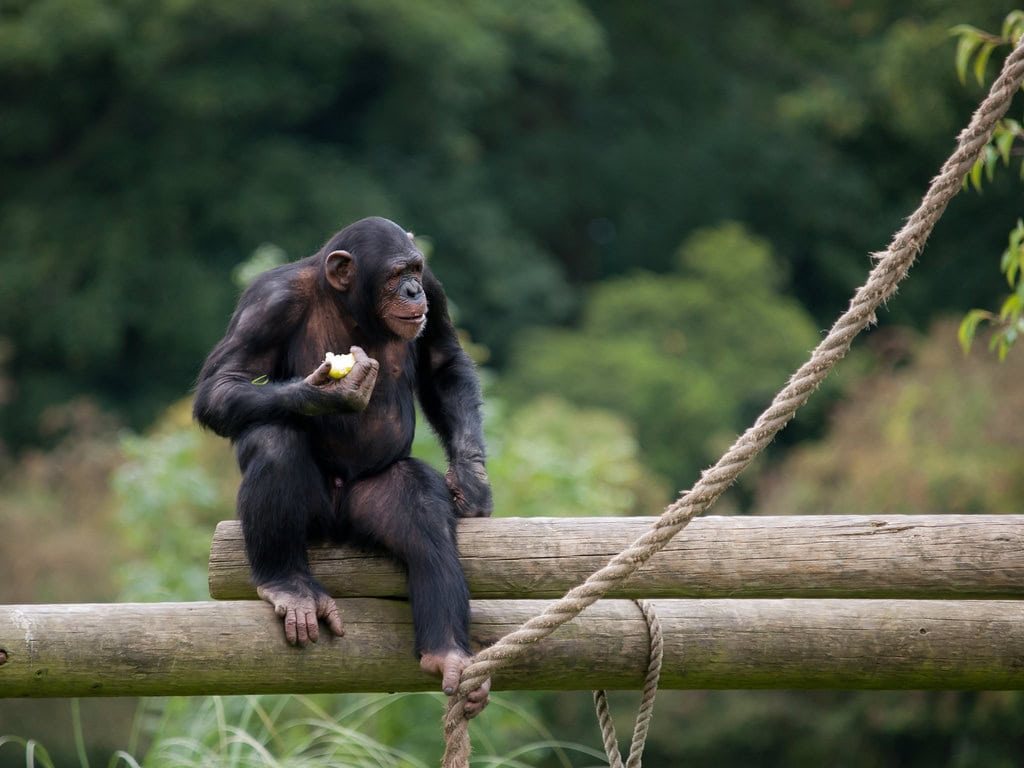
Chimpanzees, sharing approximately 98.6% of their DNA with humans, represent our closest living relatives in the animal kingdom—but they are distinctly different from mandrills like Rafiki. These highly social great apes live in communities that can number up to 150 individuals with complex political hierarchies and social bonds. Unlike Rafiki’s solitary, shamanic lifestyle, chimpanzees thrive on group dynamics, forming coalitions and developing cultural traditions that vary between communities.
Physically, chimpanzees lack the vibrant facial coloration that makes mandrills so distinctive. While Rafiki is shown using his staff as a tool and for ceremonial purposes, chimpanzees display remarkable natural tool use in the wild—cracking nuts with stone hammers, fishing for termites with modified twigs, and even fashioning crude spears for hunting. Their vocalizations also differ dramatically from the mandrill’s repertoire, with chimpanzees using a sophisticated system of hoots, screams, and pant-hoots to communicate across forests, contrasting with Rafiki’s more humanized speech patterns.
6. Zebra – The Striped Equid
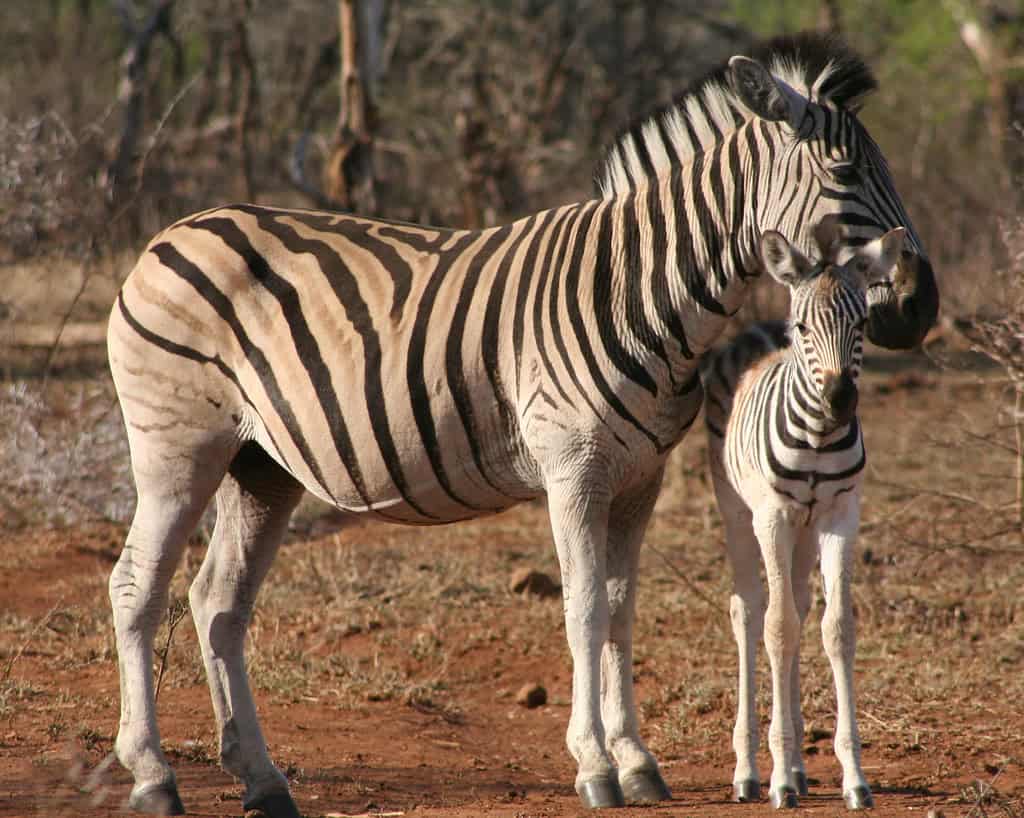
Zebras, with their iconic black and white striped pattern, represent a dramatic departure from Rafiki’s primate nature. These equids are members of the horse family and are native to various grasslands across Africa. Unlike Rafiki’s bipedal movement and hand dexterity, zebras are quadrupedal herbivores with hooves instead of hands—making it physically impossible for them to grasp objects like Rafiki’s symbolic staff or to paint ceremonial markings as seen in the film.
While Rafiki serves as a wise, spiritual guide to the lions of Pride Rock, zebras in nature are prey animals with sophisticated social structures designed primarily for survival. Their distinctive stripes serve as a natural defense mechanism against biting flies and possibly predators—a far cry from the colorful facial markings that identify Rafiki as a mandrill. Zebras’ communication consists of various barks, brays, and body language, lacking the philosophical insights and spoken wisdom that characterize Rafiki’s interactions with Simba and other characters.
7. Elephant – The Memory Keeper

Elephants, the largest land mammals on Earth, differ dramatically from the mandrill character of Rafiki in nearly every aspect. These magnificent creatures can weigh up to 13,000 pounds and stand 13 feet tall at the shoulder—dimensions that would make Rafiki’s acrobatic tree-swinging physically impossible. Elephants are known for their remarkable intelligence, complex social structures, and extraordinary memory—traits that might parallel Rafiki’s wisdom but manifest in entirely different ways.
While Rafiki uses his staff as a tool and symbol of his status, elephants employ their versatile trunks—an adaptation containing over 40,000 muscles—for everything from gathering food to greeting family members. Elephants’ emotional depth is well-documented, with behaviors suggesting they mourn their dead and maintain lifelong bonds. Though this emotional intelligence might echo Rafiki’s spiritual connection to the “Circle of Life,” elephants express it through distinctly elephantine behaviors rather than through the shamanic practices depicted in Rafiki’s character. The matriarchal structure of elephant society also contrasts with Rafiki’s solitary lifestyle as Pride Rock’s resident sage.
8. Meerkat – Timon’s Species
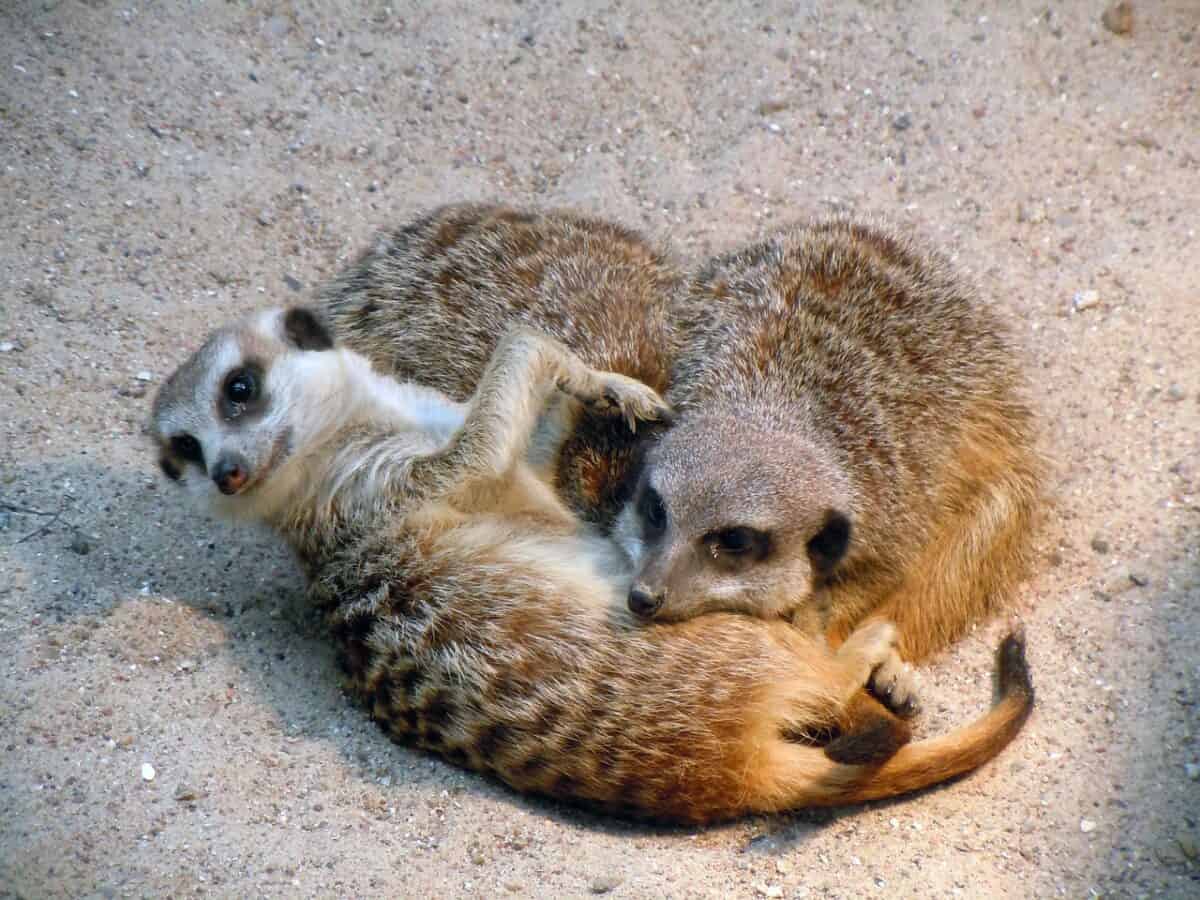
Meerkats, made famous by Timon in “The Lion King,” represent a completely different mammalian order than Rafiki. These small mongooses belonging to the Herpestidae family typically weigh just 1.5-2 pounds—a fraction of a mandrill’s size. Native to the Kalahari Desert regions of southern Africa, meerkats live in underground burrows in highly social colonies called “mobs” or “gangs” that can include up to 50 individuals, contrasting with Rafiki’s solitary, tree-dwelling lifestyle.
While Rafiki is portrayed as a wise spiritual leader with shamanistic abilities, meerkats are pragmatic survivors with specialized adaptations for desert life. Their characteristic sentinel behavior, where individuals take turns standing guard to watch for predators, demonstrates their cooperative nature but differs from Rafiki’s contemplative wisdom. Meerkats also possess specialized digging claws and immunity to certain venoms, allowing them to consume scorpions and other prey that would be unusual in a mandrill’s diet. Despite their charm and intelligence, meerkats lack the opposable thumbs and primate dexterity that enable Rafiki’s distinctive staff-carrying and artistic abilities.
9. Lion – The Pride’s Ruler
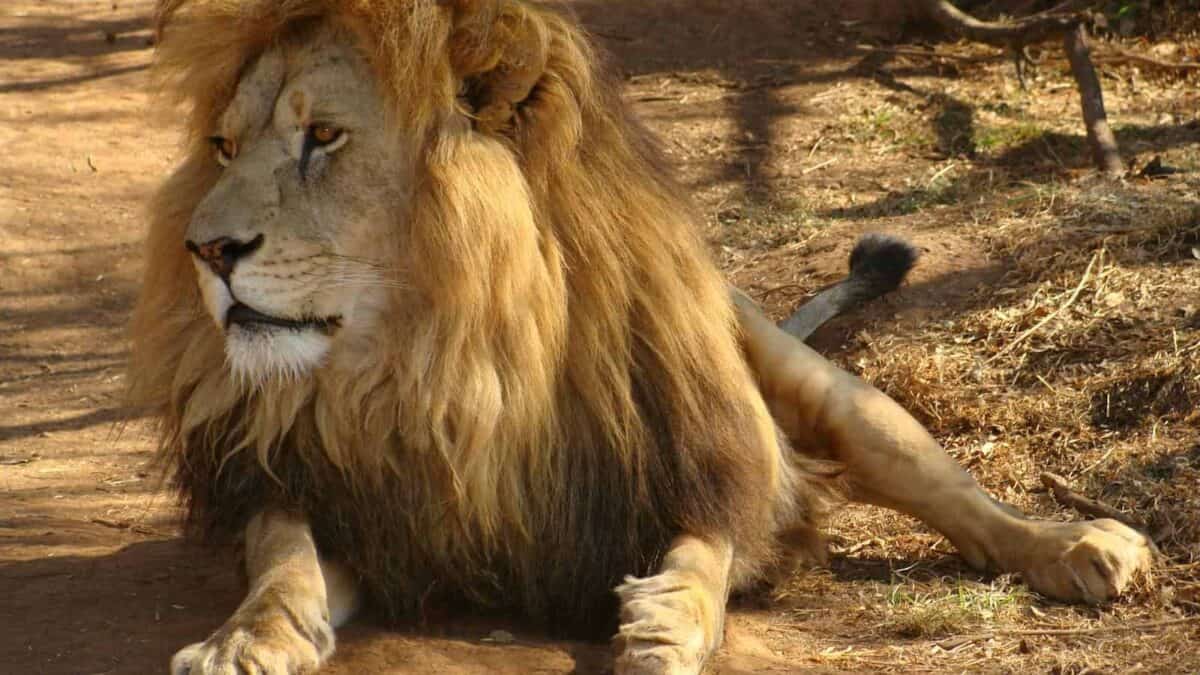
Lions, the central species in “The Lion King,” are fundamentally different from Rafiki in virtually every aspect. As the only truly social cats, lions live in structured prides dominated by a coalition of males who defend territory and females who do most of the hunting. This social organization contrasts sharply with Rafiki’s solitary, shamanic existence on the periphery of the community. Physiologically, lions are quadrupedal carnivores with specialized teeth and claws for hunting and consuming meat, whereas mandrills like Rafiki are omnivorous primates with hands adapted for grasping and manipulating objects.
The spiritual wisdom and philosophical perspective that define Rafiki’s character have no real parallel in lion behavior. While lions demonstrate impressive communication through roars that can be heard up to five miles away and complex body language, they lack the cognitive complexity needed for the abstract thinking Rafiki displays. Lions’ lifecycle—from playful cubs to territorial adults—forms the narrative backbone of “The Lion King,” with Rafiki serving as guide and witness rather than participant in the pride’s dynastic struggles. This fundamental difference in species, diet, and lifestyle makes lions perhaps the most important animals that Rafiki definitely was not.
10. Hyena – The Laughing Scavenger
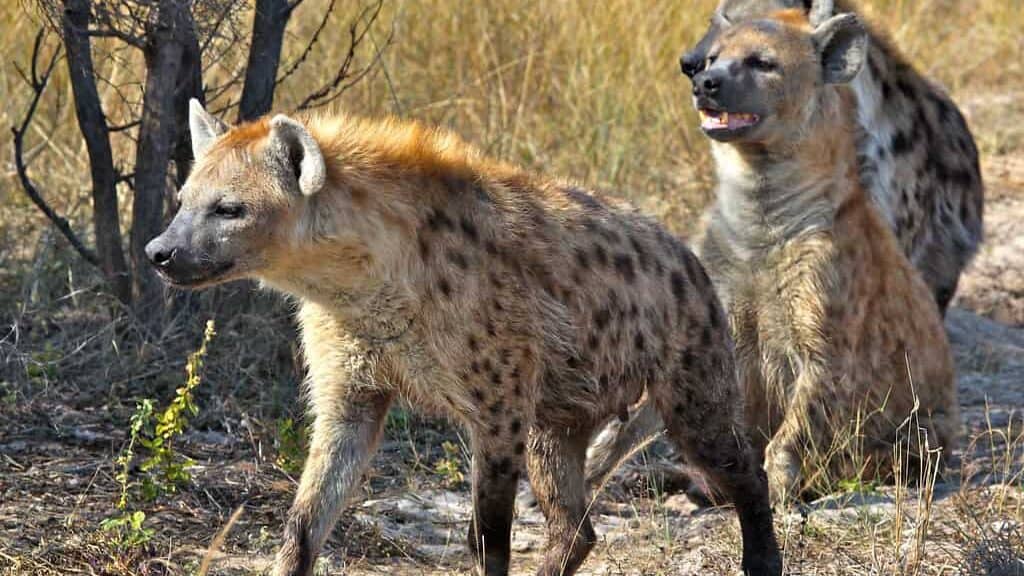
Hyenas, portrayed as the villainous lackeys in “The Lion King,” could not be more different from Rafiki in both biology and character representation. Contrary to their portrayal as mere scavengers, spotted hyenas are skilled hunters that can take down prey as large as wildebeest. These carnivores belong to the Hyaenidae family and are more closely related to cats than to dogs, despite their canine appearance. Their powerful jaws generate bone-crushing force of over 1,100 pounds per square inch—a feature that has no parallel in primates like Rafiki.
The social structure of hyena clans offers another stark contrast to Rafiki’s character. Spotted hyena societies are matriarchal, with females being larger and more dominant than males—the opposite of the sexual dimorphism seen in mandrills, where males like Rafiki are significantly larger. Perhaps most distinctively, female spotted hyenas possess pseudopenises—enlarged clitorises that closely resemble male genitalia—through which they give birth. This unusual reproductive anatomy, combined with their complex social intelligence and distinctive “laughing” vocalizations, places hyenas in a biological category vastly different from the wise mandrill shaman of Pride Rock.
11. Giraffe – The Towering Browser

Giraffes, with their extraordinary height reaching up to 18 feet, represent perhaps the most visually distinctive contrast to Rafiki’s mandrill form. These iconic African mammals possess the longest necks in the animal kingdom, supported by the same number of vertebrae (seven) as humans and most other mammals—they’re just dramatically elongated. This specialized anatomy allows giraffes to browse on acacia leaves beyond the reach of other herbivores but would make Rafiki’s agile movements through trees physically impossible.
While Rafiki uses vocal communication and gestures to convey wisdom, giraffes are nearly silent animals, communicating primarily through body positioning and subtle movements. They do produce infrasonic sounds below human hearing range, but nothing resembling Rafiki’s expressive vocalizations. Giraffes also possess unique cardiovascular adaptations to manage blood pressure over their extreme height—including a specialized heart that can weigh up to 24 pounds and elastic blood vessels that prevent blood from pooling in their legs or rushing to their heads when they bend down to drink. These specialized adaptations for their distinctive body plan place giraffes in an ecological niche entirely separate from the arboreal lifestyle of mandrills like Rafiki.
12. Warthog – Pumbaa’s Species
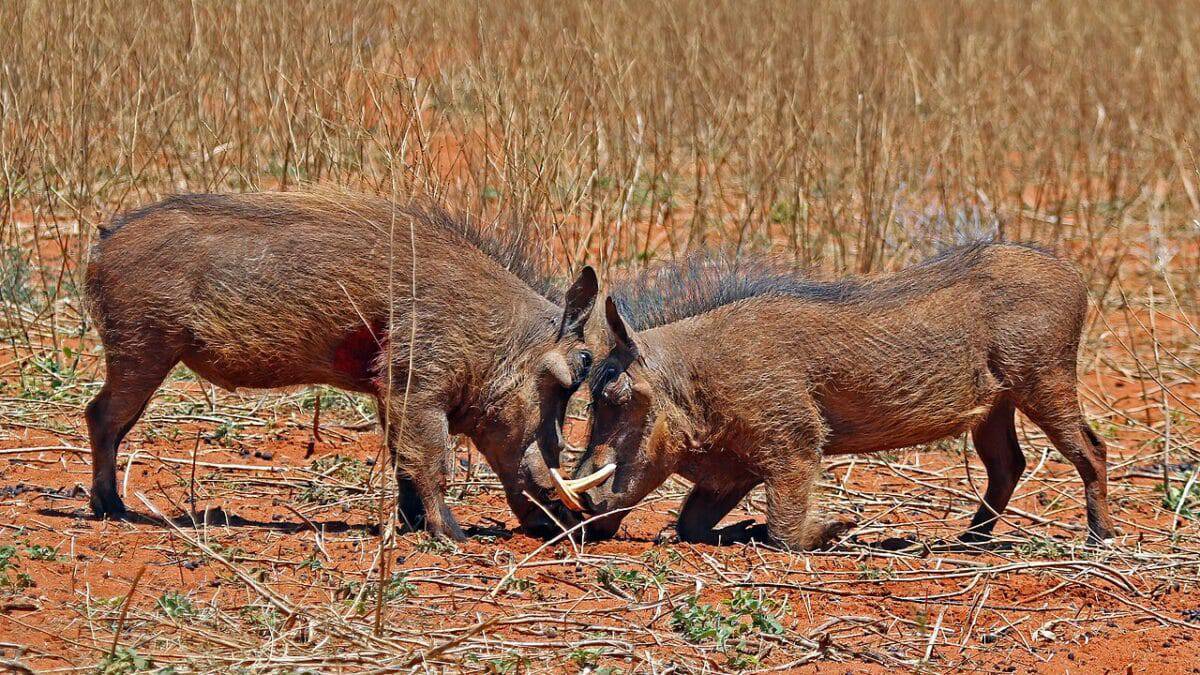
Warthogs, immortalized through Pumbaa’s character in “The Lion King,” represent another species distinctly different from Rafiki. These members of the pig family (Suidae) are characterized by their distinctive facial warts—actually protective pads—and upward-curving tusks that can grow up to 25 inches long in males. Unlike Rafiki’s omnivorous diet that includes fruits, insects, and occasionally small vertebrates, warthogs are primarily grazers who specialize in consuming short grasses and fallen fruits, often kneeling on their front legs to reach ground-level vegetation.
The behavioral differences between warthogs and mandrills are equally pronounced. While Rafiki displays human-like wisdom and spiritual insight, warthogs in the wild are pragmatic survivors with specialized adaptations for their savanna habitat. They regularly use burrows dug by other animals for shelter and can run at speeds up to 30 mph when threatened. Perhaps most distinctively, warthogs typically enter these burrows backward, facing the entrance with their formidable tusks presented toward potential predators—a defensive strategy that reflects their practical, survival-focused nature rather than the philosophical contemplation that characterizes Rafiki.
13. Hippopotamus – The River Giant

Hippopotamuses represent one of Africa’s most distinctive and dangerous large mammals—and could not be more different from Rafiki in form or function. These semi-aquatic behemoths can weigh up to 4,000 pounds and spend most of their days submerged in rivers and lakes to keep their sensitive skin cool and protected from the sun. Despite their cumbersome appearance, hippos can run up to 19 mph on land and are responsible for more human fatalities in Africa than any other large animal, contrasting sharply with Rafiki’s benevolent nature.
The ecological role of hippopotamuses also differs dramatically from mandrills like Rafiki. Hippos are considered ecosystem engineers, creating channels in waterways that benefit other species and transporting nutrients between terrestrial and aquatic environments. Their massive jaws can open to 150 degrees, revealing formidable tusks used primarily for combat rather than feeding. Unlike Rafiki’s omnivorous diet, hippos are primarily herbivores who consume up to 88 pounds of grass each night during terrestrial grazing. Their specialized digestive systems, amphibious lifestyle, and aggressive territorial behavior place them in an ecological niche entirely separate from the arboreal, fruit-eating mandrill represented by Rafiki.
14. Crocodile – The Ancient Predator
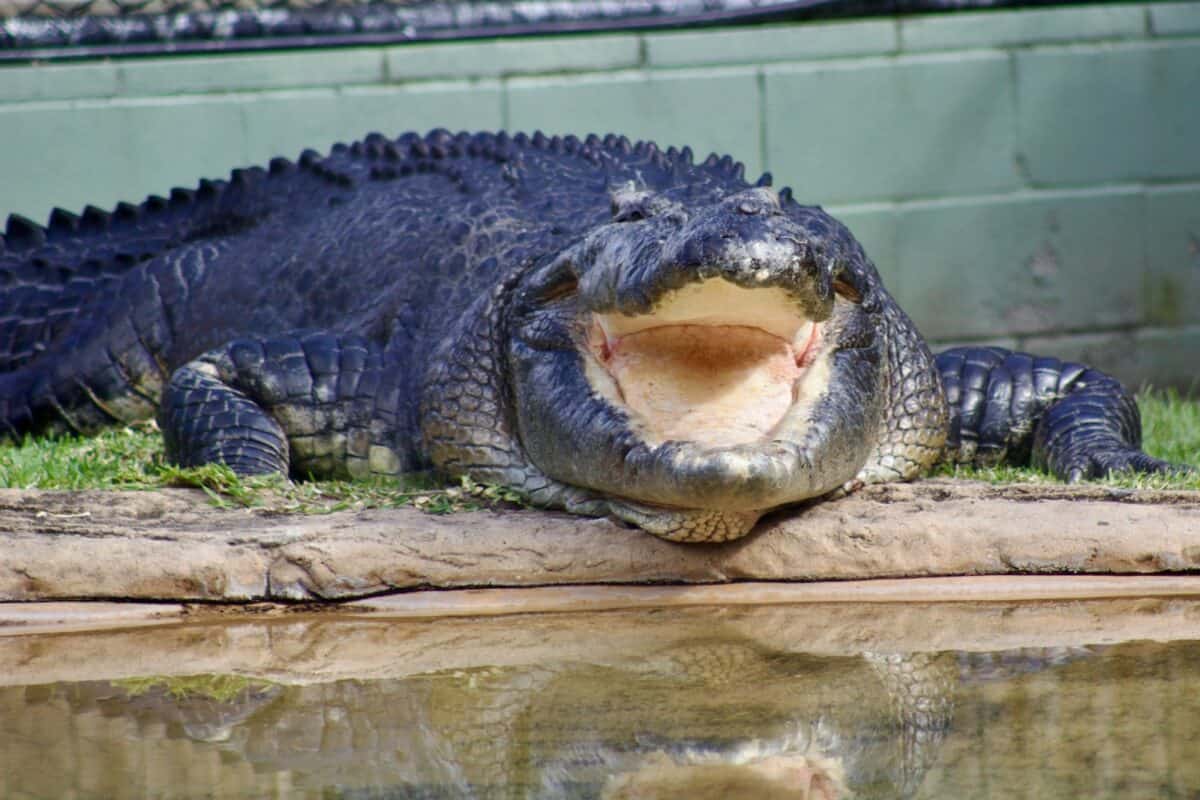
Crocodiles, representing some of Earth’s most ancient reptilian predators, could hardly be more different from the primate Rafiki. These cold-blooded reptiles have survived relatively unchanged for over 200 million years, with anatomical adaptations perfectly suited to their ambush predator lifestyle. The Nile crocodile, native to the African habitats depicted in “The Lion King,” can grow to over 16 feet long and weigh up to 1,650 pounds. Their powerful jaws exert a bite force of 5,000 pounds per square inch—the strongest of any animal on Earth—compared to mandrills’ relatively modest bite strength.
Beyond the obvious taxonomic differences between mammals and reptiles, crocodiles display fundamentally different cognitive and social patterns than primates like Rafiki. While they show surprising intelligence for reptiles, including tool use for hunting and complex communication, crocodiles lack the advanced problem-solving abilities, cultural learning, and emotional depth observed in primates. Unlike Rafiki, who symbolizes wisdom, spiritual insight, and social mentorship, real crocodiles operate primarily on instinctual behavior honed over millions of years. They do not form intricate social hierarchies or engage in symbolic communication, and their parenting strategies are limited compared to the prolonged care seen in primates.
Still, crocodiles deserve recognition not for what they lack, but for what they embody: evolutionary resilience, power, and efficiency. Their ability to thrive in freshwater and brackish habitats across multiple continents, combined with stealthy hunting tactics and unparalleled physical strength, makes them formidable survivors from a prehistoric lineage. In the world of “The Lion King,” Rafiki may represent wisdom and guidance, but in the real African ecosystems, crocodiles stand as enduring symbols of nature’s raw, ancient might.
Conclusion: The Real Rafiki—And the Animals He Definitely Wasn’t

Rafiki, the wise and whimsical shaman of The Lion King, has become one of Disney’s most beloved animal characters—but let’s clear one thing up: he wasn’t just a “monkey,” and he definitely wasn’t half the animals people often assume. From lemurs and baboons to chimpanzees and orangutans, many species get mistakenly linked to Rafiki simply because of their vaguely similar features or tree-dwelling habits. In reality, Rafiki is most closely modeled after a mandrill, a colorful primate known for its striking face and social complexity—though even that portrayal takes a lot of creative license.
By sorting out what Rafiki was not, we gain a better understanding of the real-world animals he draws from—and we’re reminded how media can both inspire curiosity and spread confusion about wildlife. While Rafiki may blend fiction and fact, learning the truth behind his design invites us to look more closely at the fascinating diversity of primates and appreciate the species that inspired the stories we love. Rafiki’s wisdom might be magical, but getting to know real animals? That’s real knowledge worth celebrating.

From exploring the marine wonders in the Azores and witnessing the vast savannas of Kenya, to delving deep into the rich biodiversity of South Africa and traversing iconic landscapes in Australia and the US like Yellowstone, Chris's experiences are vast.
With a penchant for diving alongside sharks, the ocean holds a special place in his heart.
Through his academic insights, he champions wildlife conservation, striving with 'Animals Around The Globe' to cultivate a profound connection between humans and animals, enhancing our mutual appreciation.
Connect with him at Feedback@animalsaroundtheglobe.com.
- This Abandoned U.S. Mine Is Now a Wildlife Haven - July 18, 2026
- What Happened to Bubbles, Michael Jackson’s Elephant, After Neverland? - July 18, 2026
- Frozen Fish from the Ice Age Still Has Scales - July 18, 2026