


Picture this: You’re watching Netflix, completely relaxed, when you notice your furry companion sitting motionless in the hallway. Their eyes are locked on a perfectly blank wall, unblinking, as if they’re watching the most captivating movie ever made. There’s nothing there that you can see, yet your dog seems utterly transfixed. It’s enough to make anyone wonder if our canine companions possess some supernatural sixth sense or if something else entirely is happening in their minds.
The sight can be both puzzling and unsettling. Your first instinct might be to look around nervously, checking corners for things that go bump in the night. The reality, however, is often far more fascinating than any ghost story. Dogs experience the world through senses that far exceed our own, and their seemingly mysterious behavior usually has perfectly logical explanations rooted in their incredible abilities and sometimes their health.
Their Superhuman Hearing Picks Up What You Can’t
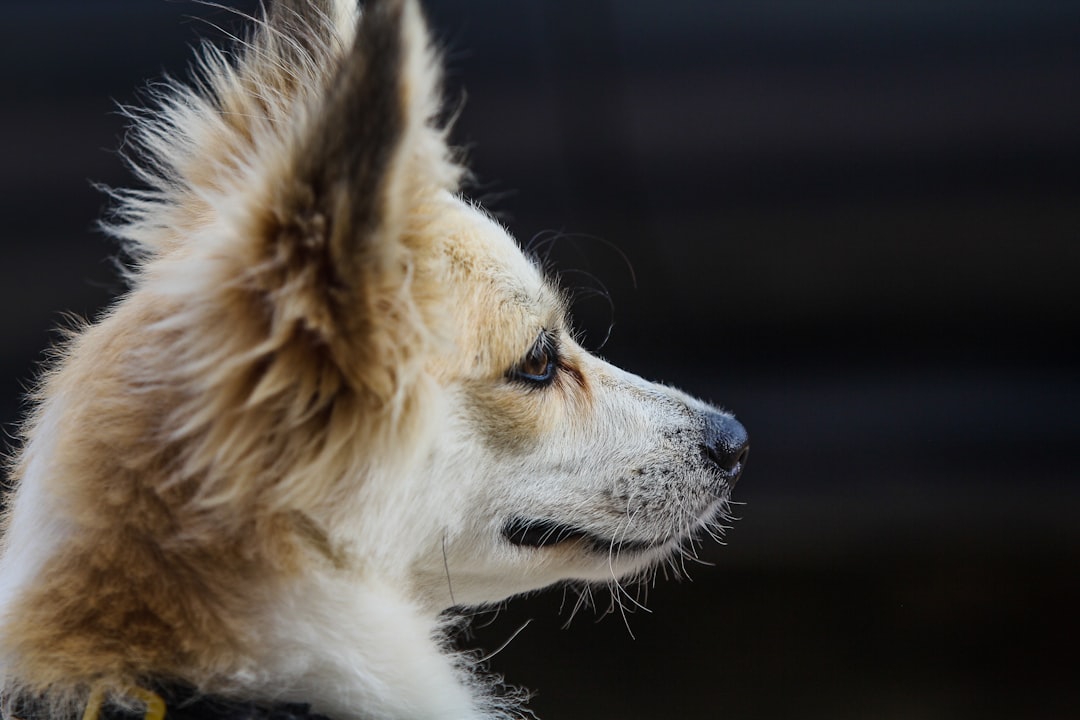
Dogs have significantly better hearing than we do, especially at higher pitches. While you’re sitting there hearing nothing but silence, your dog might be tuned into a symphony of sounds invisible to your ears. They may be giving you a heads up that they hear a mouse in the wall, or insects somewhere in the home.
Think of it like having a built-in radar system that can detect the faintest scratching, creaking, or buzzing. Sometimes, this means that they pick up on things we don’t –- such as infestations. Squirrels, termites, bees, and all sorts of other critters tend to move in alongside us, often without our realization, but they can’t sneak past our observant canines.
The Detective Work Behind Those Intense Stares
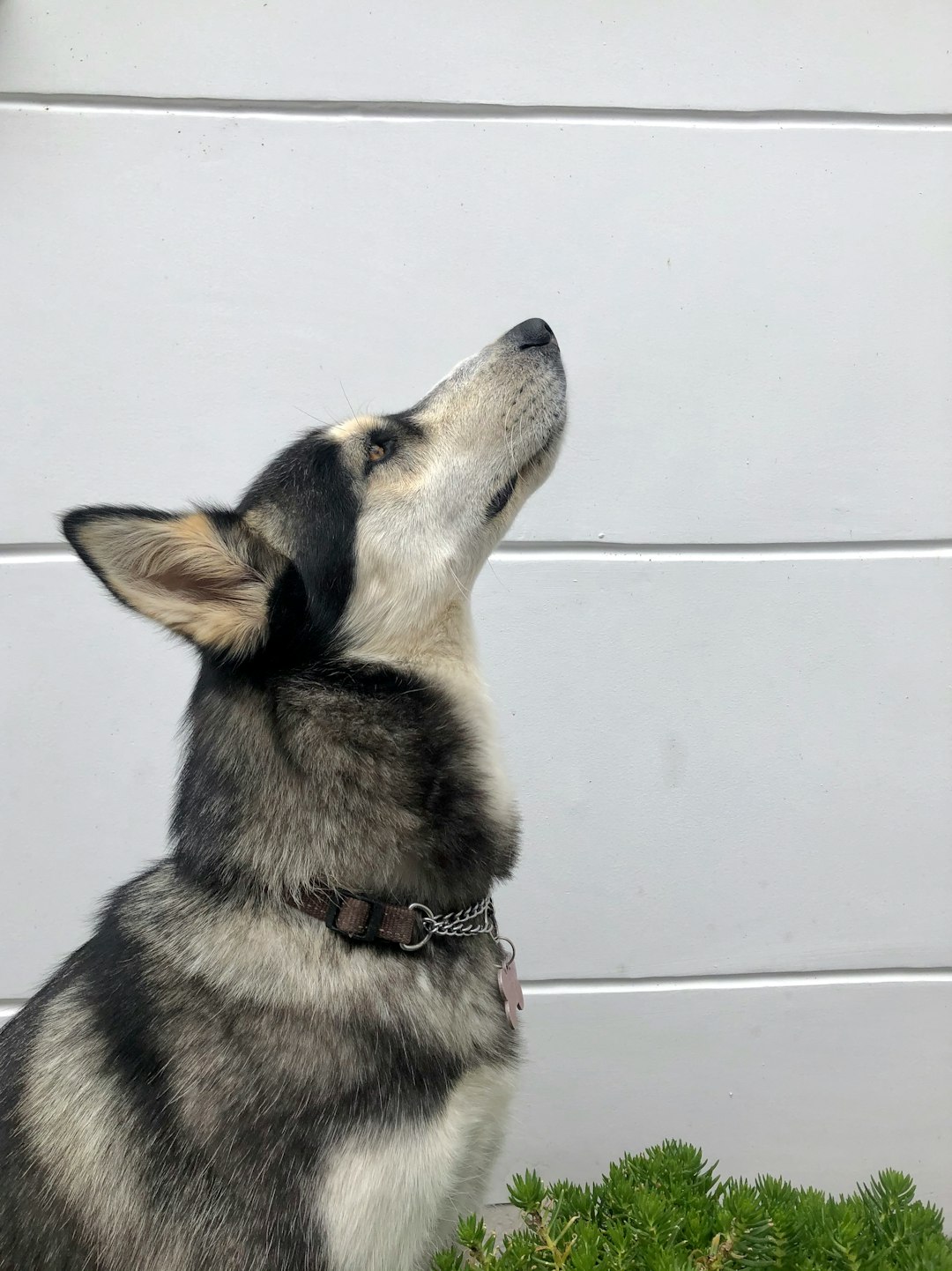
Dogs hear better, smell better, and see things we may not see. When they stare at a wall, they might pick up faint noises like mice scurrying, pipes creaking, or the hum of electrical wires. Your dog isn’t being weird; they’re being a natural investigator.
Next time you catch your pup in this trance-like state, try sitting quietly beside them and really listen. If your dog is staring at a wall, sit down next to her and listen quietly. See if your dog tilts her head from time to time, as if she is following a noise, and press your ear against the wall to see if you can hear anything. You might be surprised at what your enhanced hearing reveals.
When Staring Becomes a Compulsive Habit

Your dog could be staring at the wall because of a behavioral condition such as canine compulsive disorder. In this condition, the dog engages in compulsive behavior. In other words, he or she performs a behavior repeatedly with no apparent cause.
Your dog is quirky, but staring at a wall could indicate compulsive behavior. Think of it as a dog’s version of zoning out, except it’s not always harmless. This kind of behavior could be linked to stress, boredom, or a mental health problem. It is often very difficult to distract the dog and stop him or her from doing the compulsive behavior.
The Attention-Seeking Strategy You Never Noticed
Your dog could be staring at the wall to get your attention. This strange behavior could be your dog’s way of telling you they want some much-deserved attention. Staring could also be an attention-seeking behavior. If you inadvertently give your dog attention when he stares at the wall, he may repeat the behavior to get your attention again.
Dogs are remarkably intelligent when it comes to training us humans. They quickly learn which behaviors get them the response they want, whether it’s a walk, playtime, or simply some loving attention. That mysterious wall-staring might actually be your dog’s clever way of saying, “Hey, remember me?”
Cognitive Decline in Our Senior Companions
If you have a dog in its teenage years, one of the most likely reasons for your dog staring at the wall is Canine Cognitive Dysfunction (CCD). CCD is similar to dementia in people. Having no specific cause, “doggy dementia” is a slow degenerative process that leads to a decline in cognitive function.
Like humans, dogs’ brains can experience wear and tear as they age. Canine cognitive decline (CCD) is a condition like dementia that causes behaviors such as prolonged, excessive wall-staring. Staring at walls can indicate cognitive decline in senior dogs. Staring at the wall or into space, wandering aimlessly, pacing, and general disorientation are all common in senior dogs with declining cognitive function. Typically, these behaviors occur in the evening, therefore often referred to as sundowning.
The Hidden Danger of Seizure Activity
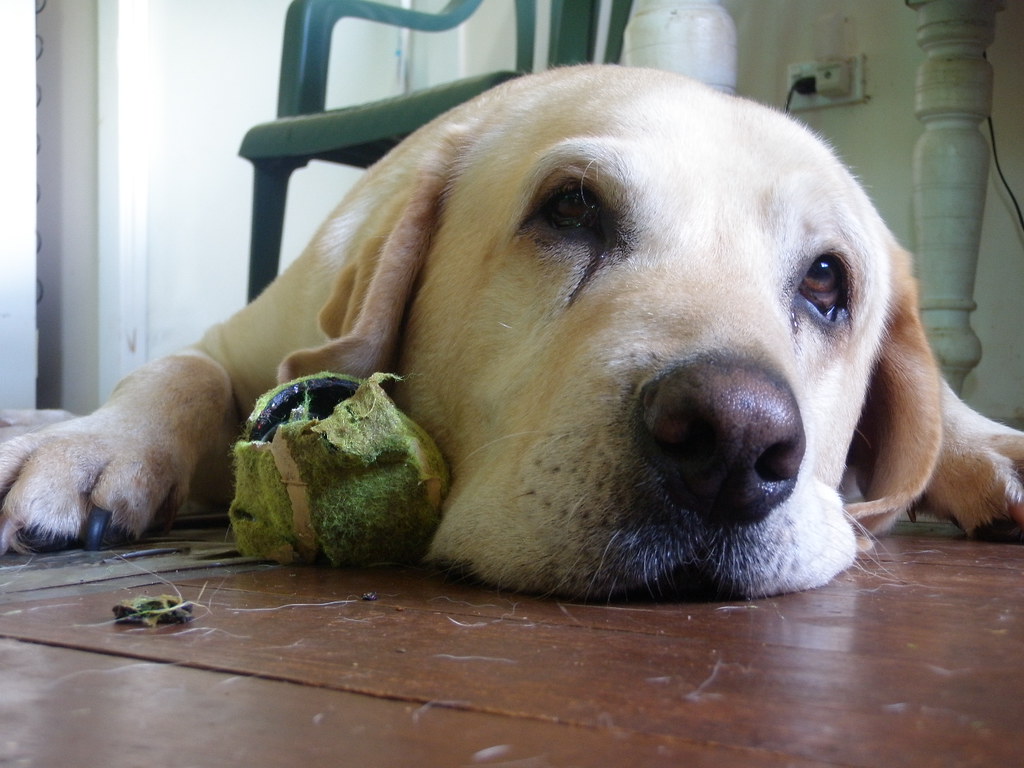
Staring at the wall or staring into space could be a symptom of a type of seizure called a partial seizure or a focal seizure. We typically associate seizures in dogs with dramatic symptoms, such as convulsions and frothing at the mouth, but seizures can also present with less dramatic symptoms like staring at a wall.
Dogs can also have less dramatic seizure events. They may just have some twitching of the muscles of the face and the eyes or show fly biting behavior. And other dogs may stare at the wall, shake, and appear to be unresponsive. If your dog stares blankly at the wall as if paused mid-thought, this could indicate a neurological disorder or a focal seizure. These “zoned out” moments may seem harmless but could signal an underlying health condition.
Stress and Anxiety Manifesting in Strange Ways

Similar to compulsive behaviors, anxiety may also cause dogs to stare at walls. Any breed or age of dog can develop anxiety. And it can show up later in life even if the dog never had anxiety previously. Just like some people bite their nails or tap their legs, dogs can have physical reactions to psychological distress. Some dogs may even go so far as to develop a condition similar to obsessive-compulsive disorder in humans.
Environmental changes, moving to a new home, or even changes in your daily routine can trigger anxiety responses in sensitive dogs. Anxiety can worsen over time if it is not managed appropriately – especially if there are specific triggers in the dog’s environment that do not go away.
Vision Problems Creating Disorientation
Dogs with vision problems or blindness will stare at the wall or other directions for long periods of time. Most owners with diabetic pets know all too well that it can affect your pet’s vision and lead to blindness in some severe cases. Other conditions can cause vision loss, and in most cases, when your blind pet is staring at the wall, it just happens to be where they are positioned.
Sometimes what appears to be wall-staring is actually a dog struggling with partial vision loss, trying to make sense of shadows, light patterns, or reflections. Their world becomes confusing when their primary sense for navigation becomes compromised, leading to what looks like fixated staring.
The Critical Difference: Head Pressing Emergency
Dog head pressing is a repetitive behavior where a dog compulsively presses their head against a solid object – like a wall, corner, floor, or even furniture – without an apparent reason. Unlike resting their head during sleep or after play, this behavior is persistent and often appears out of context.
If your dog is head pressing, it’s important to act quickly. Waiting to see if the behavior passes on its own can lead to serious complications. A dog exhibiting this behavior should be seen at an emergency veterinary center as soon as possible. Head pressing in dogs may be a symptom of a potentially serious health condition. If your dog is head pressing, get them evaluated by a veterinarian immediately.
When to Stop Worrying and When to Act Fast
If your dog is staring at the wall, the first thing to remember is not to panic. Just because you’ve caught your dog staring at the wall once does not mean that your dog has CDS, a seizure disorder, compulsive behavior, or cancer. If you are seeing these behaviors and they just happen periodically, you should be able to distract your dog from staring by calling his or her name or by offering a toy. And your dog will otherwise be acting totally normal before, during, and after the staring episode.
If your dog stares at the wall repeatedly, or if the staring is coupled with other changes in your dog’s behavior, talk to your veterinarian. However, if you notice that your dog stares at the wall on a regular basis, or that the staring is accompanied by other changes in behavior, call your veterinarian. You should also consider videotaping the episodes and documenting the date, time, and duration to show to your veterinarian.
Conclusion
The next time you find your dog staring at what appears to be absolutely nothing, remember that their experience of the world is vastly different from yours. Most of the time, they’re simply using their incredible senses to investigate something fascinating that completely escapes your notice. However, staying vigilant about changes in frequency or accompanying symptoms ensures you can catch any serious health issues early.
Your dog’s mysterious wall-gazing behavior is usually just another reminder of how remarkable these animals truly are. Their ability to detect sounds, smells, and movements that we can’t perceive makes them natural detectives of their environment. What do you think your dog might be sensing during their next wall-staring session?
