


The animal kingdom harbors incredible creatures with physical capabilities far exceeding human strength, speed, and defensive mechanisms. While humans have dominated the planet through intelligence and tool use, we remain physically vulnerable to numerous animal species. What’s remarkable is not how many animals could potentially defeat us in a direct confrontation, but how rarely such encounters turn deadly. This article explores 17 powerful animals that possess the physical means to overcome humans but typically avoid conflict unless provoked or threatened.
African Elephants: Gentle Giants with Tremendous Power

African elephants stand as the largest land mammals on Earth, with males weighing up to 13,000 pounds and reaching heights of 13 feet. Their immense strength allows them to uproot trees and flip vehicles with relative ease. A single swing from their powerful trunk can deliver a force equivalent to several hundred pounds, capable of fatally injuring a human instantly. Their tusks, which can grow up to 8 feet long, serve as formidable weapons that could impale a person with minimal effort.
Despite this overwhelming physical advantage, elephants rarely attack humans unprovoked. These intelligent creatures typically maintain a respectful distance from people. Most elephant-related fatalities occur when humans encroach on their territory, separate mothers from calves, or when the animals feel threatened. African elephants kill approximately 500 people annually, a relatively small number considering their capabilities and the frequency of human-elephant encounters in their native ranges.
Hippopotamus: Deceptively Dangerous River Giants

Hippos are often underestimated due to their rotund appearance and seemingly placid demeanor while lounging in water. However, these semi-aquatic mammals are among Africa’s most dangerous animals, responsible for an estimated 500 human deaths annually. Weighing up to 4,000 pounds, hippos can charge at speeds of 20 mph on land. Their massive jaws can open 150 degrees, exposing tusks capable of growing over 20 inches long and exerting a bite force of 1,800 PSI—strong enough to snap a crocodile in half or cut a human in two.
What makes hippos particularly dangerous is their aggressive territorial nature and unpredictable behavior. They don’t need to hunt humans for food; they attack when they perceive a threat to their space, particularly when protecting young or during mating season. Despite their lethal potential, most hippos coexist with humans who understand their behavior and maintain a respectful distance, especially from water bodies in hippo territory.
Gorillas: Formidable Strength with Gentle Disposition

The mountain and lowland gorillas of Africa possess strength estimated to be 6-10 times that of an average human. An adult male silverback can weigh up to 400 pounds and lift over 1,800 pounds. Their arm span can reach 8 feet, and their powerful arms can deliver devastating blows capable of fracturing human skulls. With a bite force exceeding that of lions, gorillas have all the physical tools needed to overwhelm a human opponent instantly.
Remarkably, wild gorillas rarely attack humans, despite sensationalized portrayals in popular culture. These intelligent great apes are generally shy and peaceful, preferring to avoid confrontation. When threatened, gorillas typically display warning behaviors—chest-beating, roaring, and bluff charges—before resorting to physical aggression. Documented cases of gorilla attacks on humans are exceedingly rare, with most occurring when the animals were provoked, surprised, or protecting their young. Their restraint despite their tremendous power speaks to their generally peaceful nature.
Saltwater Crocodiles: Ancient Predators with Perfect Killing Efficiency
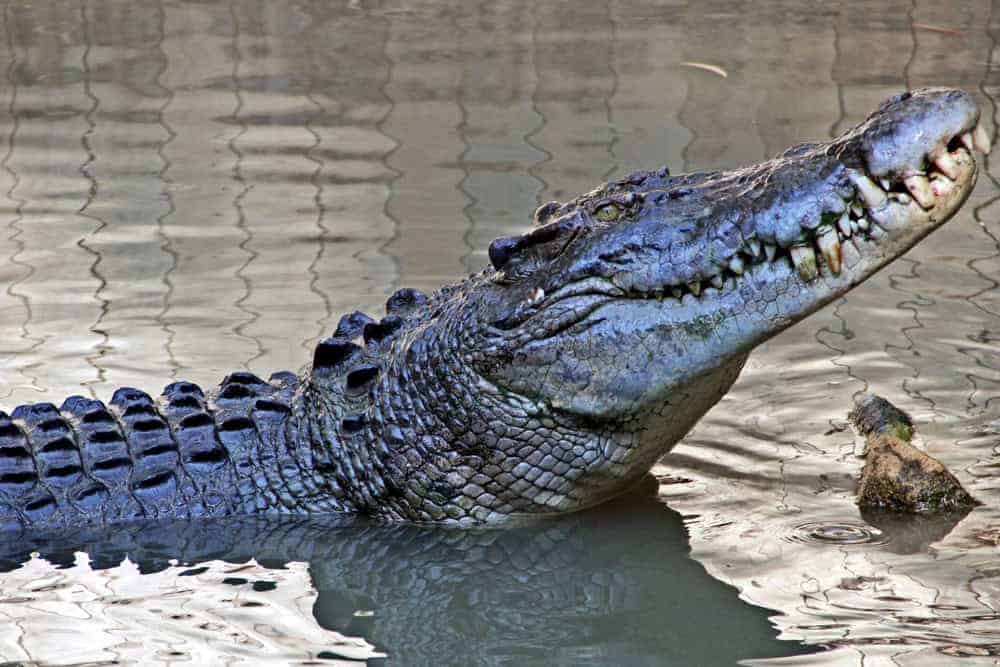
Saltwater crocodiles represent the pinnacle of reptilian predatory evolution, growing up to 23 feet long and weighing over 2,200 pounds. They possess the strongest bite force of any living animal—up to 3,700 PSI—enough to crush bones effortlessly. Their ambush hunting strategy, combined with explosive speed (they can lunge at 20 mph in short bursts), makes them virtually impossible for humans to outmaneuver in their aquatic domain. With armored skin and powerful tails that can break human bones with a single swipe, these reptiles are perfectly evolved killing machines.
Saltwater crocodiles are responsible for around 1,000 human deaths annually, primarily in Southeast Asia and Australia. However, considering their range overlaps with densely populated human settlements, these numbers indicate that crocodiles don’t actively seek human prey. Most attacks occur when humans enter crocodile territory for fishing, bathing, or crossing waterways. In areas where education about crocodile behavior is widespread, and proper precautions are taken, people and crocodiles can share habitats with relatively few incidents.
Tigers: The Perfect Land Predators

Tigers represent the ultimate land predator design, combining stealth, power, and predatory instinct. Weighing up to 660 pounds with a body length of up to 12 feet, these big cats can bring down prey much larger than humans with ease. Their paws can deliver blows powerful enough to break a buffalo’s neck, while their jaws exert a bite force of around 1,050 PSI. Tigers can leap 20 feet horizontally and move at speeds up to 40 mph in short bursts. Perhaps most dangerous is their instinctive killing technique—a precise bite to the neck that severs the spinal cord, bringing death almost instantly.
Despite their lethal capabilities, tiger attacks on humans are relatively uncommon compared to the frequency of tiger-human proximity in Asia. An estimated 40-50 people are killed annually by tigers, primarily in regions where human encroachment into tiger habitat is increasing. Man-eating behavior in tigers typically develops when the animals are injured, old, or unable to hunt natural prey. The majority of wild tigers avoid human contact whenever possible, preferring their natural prey. Conservation efforts focus on maintaining this natural separation, protecting both species.
Cape Buffalo: Africa’s Vindictive Tank

Cape buffalo have earned their reputation as one of Africa’s most dangerous animals, dubbed “the black death” by hunters. Weighing up to 1,900 pounds and armed with massive curved horns that can grow to 5 feet across, these bovines combine immense strength with surprising agility. Unlike many animals that attack out of hunger or to protect young, Cape buffalo are known for their vindictive nature—they’ve been observed circling back to trample predators or threats and have been known to ambush hunters who have previously injured them.
These herbivores kill an estimated 200 people annually in Africa, typically through goring or trampling. What makes them particularly dangerous is their herd mentality; when one buffalo is threatened, the entire herd may respond with a coordinated attack. Despite this fearsome reputation, Cape buffalo generally avoid humans when possible. Attacks typically occur when they’re surprised at close range, separated from their herd, or when wounded. Their incredible memory for those who have harmed them makes them particularly dangerous to hunters, who consider them among the most difficult and dangerous game animals.
Moose: Underestimated Forest Giants
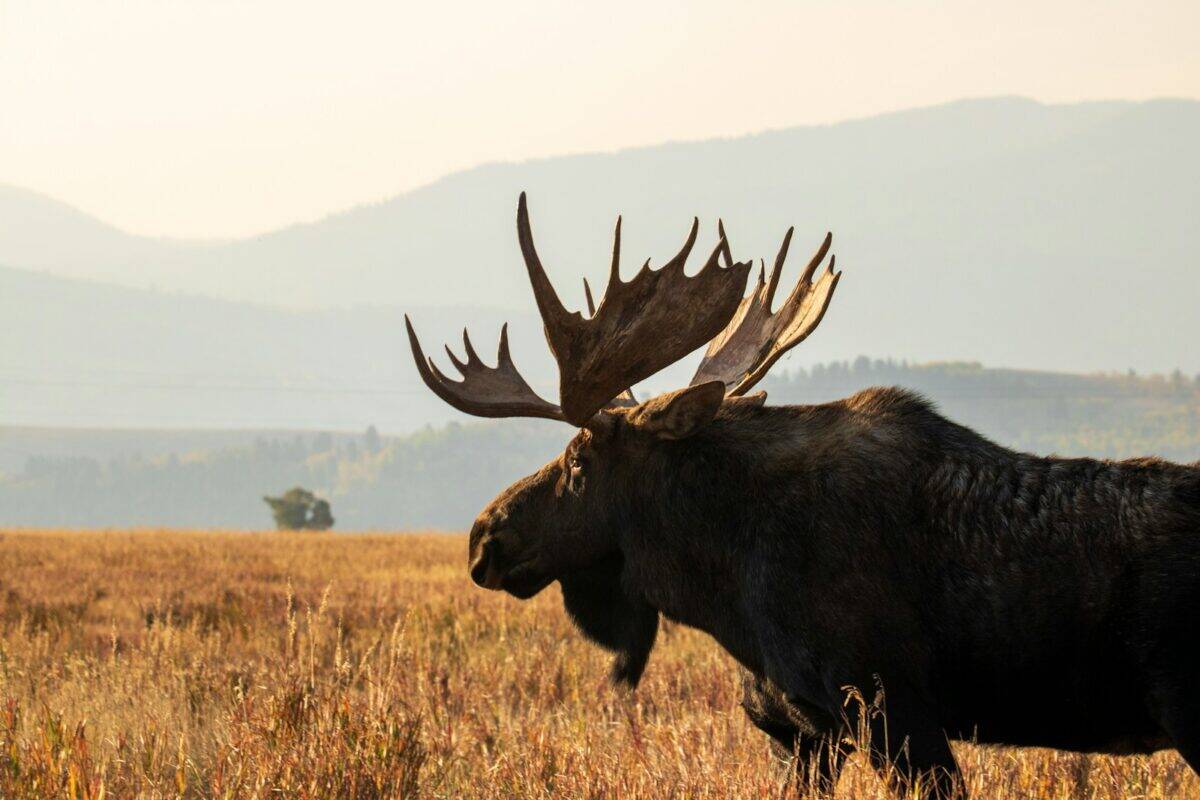
Moose are rarely considered dangerous animals in popular imagination, but these massive members of the deer family pose a significant threat to humans. Standing up to 7 feet tall at the shoulder and weighing up to 1,500 pounds, moose are North America’s largest wild herbivores. Their long legs can deliver powerful kicks capable of killing wolves, and during the rutting season, males become extremely aggressive, using their massive antlers (which can span 6 feet) as formidable weapons. Their size alone makes them capable of crushing a human with minimal effort.
Moose attack more people than bears and wolves combined in northern regions, with several hundred aggressive encounters reported annually. However, fatal attacks remain rare, with typically fewer than 5 deaths per year. Most aggressive interactions occur during mating season for males, or when females are protecting calves. Moose display warning signs before attacking, including laid-back ears and raised hackles. Their predictable nature and preference for avoiding humans when possible mean that most people can safely observe these magnificent animals from an appropriate distance.
Chimpanzees: Our Closest Relatives with Superhuman Strength

Chimpanzees share 98.8% of their DNA with humans, yet possess physical capabilities that far exceed our own. An adult male chimp weighs 120-150 pounds but possesses strength estimated at 1.5 times that of an adult human pound for pound. Their unique muscle fiber composition and skeletal structure grant them explosive strength, particularly in their arms. Chimpanzees have been documented pulling forces exceeding 1,200 pounds, and their bite force surpasses that of many large predators. Their natural aggression during territorial disputes makes them particularly dangerous when agitated.
While chimps rarely attack humans in the wild, captive chimps have been responsible for several devastating attacks, including facial disfigurement and dismemberment. These incidents typically involve animals that were raised in human environments and later displayed unpredictable aggression, particularly toward unfamiliar humans. In their natural habitat, chimpanzees generally avoid human contact. Their capacity for strategic thinking and coordinated group attacks, combined with their physical strength, makes them formidable opponents despite their relatively small size compared to other animals on this list.
Polar Bears: The Arctic’s Supreme Predator
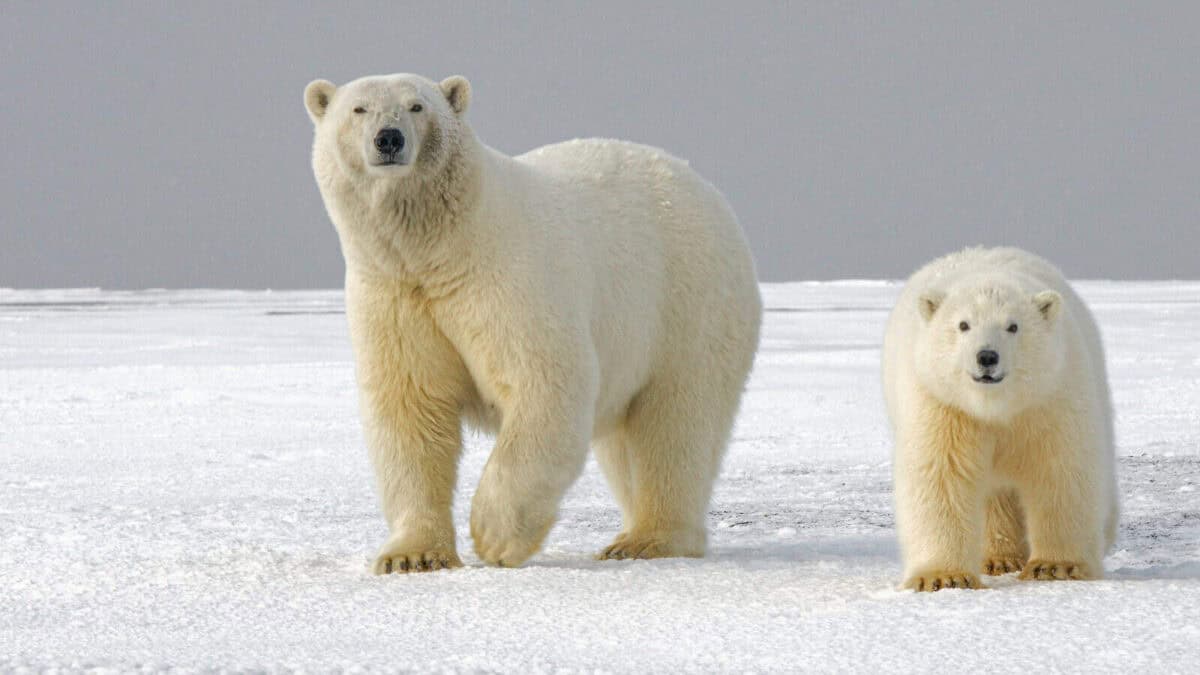
Polar bears stand as the largest terrestrial carnivores, with males weighing up to 1,700 pounds and standing 10 feet tall when upright. Unlike most bears, polar bears are dedicated predators rather than omnivores, with a biological imperative to hunt. Their massive paws, measuring up to 12 inches wide, can deliver devastating blows, while their jaws can crush a seal’s skull with ease. They can sprint at 25 mph despite their size and are excellent swimmers, leaving humans with few escape options in their Arctic domain.
What makes polar bears particularly dangerous to humans is their lack of natural fear toward people. Having evolved without human presence for most of their evolutionary history, they haven’t developed the wariness that many other predators display. Climate change has exacerbated human-polar bear conflicts as diminishing sea ice forces bears to spend more time on land, increasing encounters with Arctic communities and researchers. Despite their lethal potential, polar bear attacks remain rare, with an average of only one human fatality every five years—a testament to effective bear safety protocols in Arctic regions and the still-limited overlap between polar bear and human habitats.
Box Jellyfish: Invisible Ocean Killers

The box jellyfish represents a different kind of threat than the large mammals and reptiles on this list. These nearly transparent marine creatures possess tentacles up to 10 feet long covered with thousands of nematocysts—microscopic stinging cells that inject venom on contact. The venom of the Australian box jellyfish (Chironex fleckeri) is among the most potent in the animal kingdom, capable of killing a human in under five minutes. The venom attacks the heart, nervous system, and skin cells simultaneously, causing excruciating pain followed by potential cardiac arrest.
Despite their deadly potential, fatal box jellyfish encounters remain relatively rare, with approximately 50-100 deaths attributed to them annually worldwide. Their habitat range primarily includes the coastal waters of Australia, the Philippines, and parts of the Indo-Pacific. Most swimmers in these regions practice caution during jellyfish seasons, and many beaches employ protective nets and warning systems. Unlike predatory mammals, box jellyfish don’t actively hunt humans—their stings are defensive reactions when their tentacles contact human skin. Their inclusion on this list highlights that lethal animal threats come in all sizes, not just from large predators.
Great White Sharks: Misunderstood Marine Predators

Great white sharks have been vilified in popular culture as voracious man-eaters, but the reality is far more nuanced. These apex predators can grow to 20 feet in length and weigh over 4,000 pounds, with jaws generating a bite force of nearly 4,000 PSI. Their mouths contain several rows of serrated teeth designed to slice through flesh and bone with minimal effort. Great whites can detect a single drop of blood in 25 gallons of water and can sense the electrical impulses of a beating heart, making them nearly impossible to hide from in their aquatic domain.
Despite these formidable attributes, great white sharks rarely attack humans, with only 5-10 fatalities recorded worldwide annually. Research indicates most shark attacks on humans are “investigatory bites” rather than predatory behavior—essentially, the shark is determining if the human is suitable prey. Upon discovering humans are not their preferred high-fat marine mammal prey, they typically release the victim and swim away. Most attacks occur in poor visibility conditions when sharks mistake human silhouettes for seals or sea lions. The disparity between their lethal capability and the rarity of fatal attacks underscores that humans are not natural prey for these sophisticated predators.
Honey Bees: Collective Defense with Deadly Potential

Individual honey bees pose minimal threat to humans, but their collective defense mechanism makes them one of the deadliest animals on the planet. When a colony perceives a threat, bees can attack en masse, with each insect capable of delivering a painful sting containing melittin, a peptide that destroys cell membranes and triggers pain receptors. While a single sting is merely painful for most people, multiple stings can introduce enough venom to cause systemic toxic reactions even in non-allergic individuals. As few as 500 stings can deliver enough venom to kill an adult human through toxic shock.
Honey bees cause approximately 60 deaths annually in the United States alone, primarily through anaphylactic reactions in allergic individuals. Africanized honey bees, commonly known as “killer bees,” are particularly aggressive in defense, capable of pursuing perceived threats for up to a quarter-mile and delivering ten times more stings than European honey bees. Despite this potential danger, fatal bee attacks remain rare relative to how frequently humans encounter these insects. Most honey bee colonies only engage in mass defensive behavior when their hive is directly threatened, and beekeepers worldwide manage billions of these insects with relatively few serious incidents.
Wolves: Pack Hunters with Calculated Strategy

Gray wolves embody the power of coordinated hunting strategy combined with physical prowess. A single wolf can bring down prey several times its size, with jaws exerting 400 PSI of pressure—enough to crush moose femurs. They can sprint at 35 mph and possess remarkable endurance, capable of traveling up to 100 miles in a day. What makes wolves particularly formidable is their pack mentality and tactical intelligence; they communicate through complex vocalizations and body language to coordinate synchronized attacks that exhaust and isolate prey.
Despite centuries of folklore portraying wolves as man-eaters, fatal wolf attacks on humans are exceedingly rare in the modern era. North America has recorded fewer than two dozen fatal wolf attacks in the last century. Wolves typically avoid human contact, with most aggressive encounters involving rabid animals or wolves habituated to humans through feeding. Their natural wariness of humans, combined with their intelligence, means they generally recognize humans as potential threats rather than prey. The disconnect between wolves’ physical capability to kill humans and the rarity of such events highlights how predator-human relationships are shaped more by animal behavior than by physical capability alone.
Black Mamba: Lightning-Fast Venomous Striker
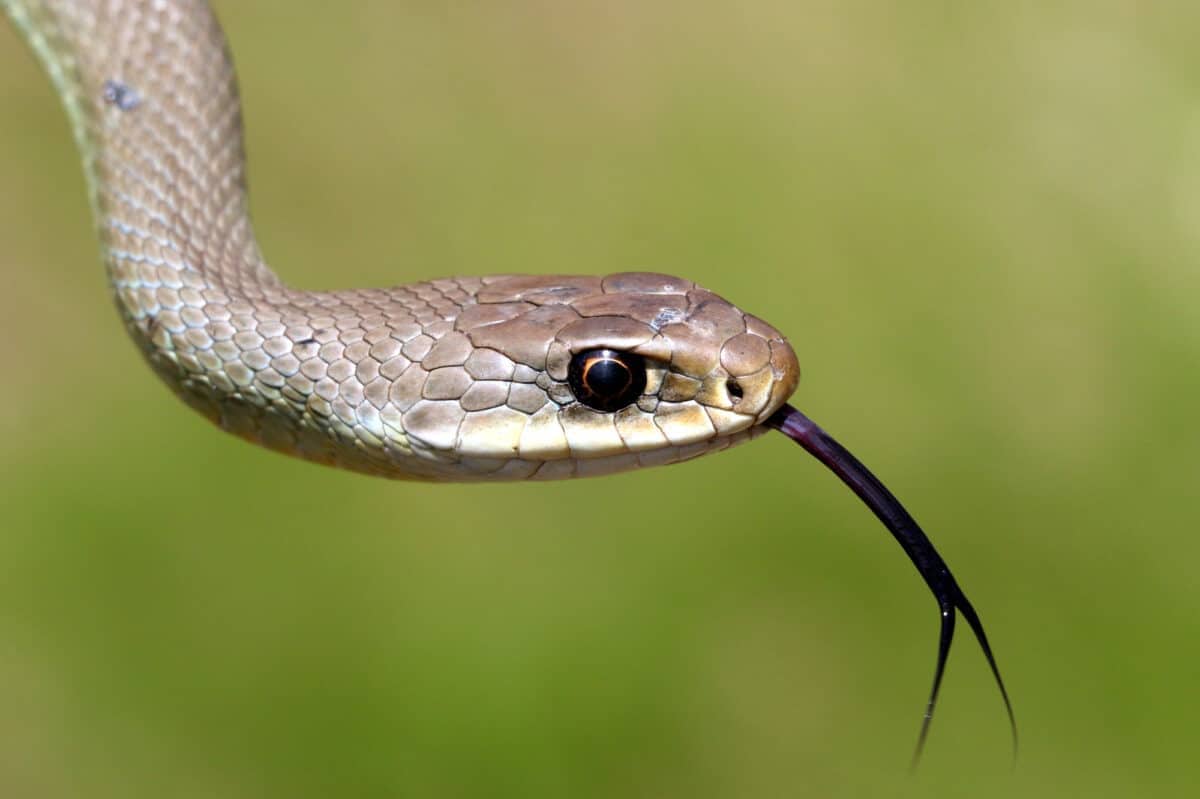
The black mamba represents one of Africa’s most feared snakes, combining speed, aggression, and potent venom. Growing up to 14 feet long, these snakes can travel at speeds up to 12.5 mph across flat ground—faster than most humans can run. They can strike repeatedly with precision, delivering multiple doses of neurotoxic venom that contains dendrotoxins that block neuromuscular transmission. Without antivenom, a black mamba bite has a nearly 100% fatality rate, causing respiratory paralysis within 20 minutes to 6 hours.
Despite their lethal potential, black mambas are responsible for relatively few human deaths compared to other venomous snakes. They prefer to avoid human contact when possible, using their speed to escape rather than confront. Most bites occur when the snakes are cornered or surprised by humans working in agricultural settings. Their reputation for aggression stems largely from their defensive behavior when threatened. When cornered, a black mamba will rear up, open its inky-black mouth in a dramatic threat display, and deliver multiple rapid strikes if provoked. This behavior, combined with their size and speed, has contributed to their mythic status as one of the most dangerous snakes in the world.
In reality, black mambas play an important ecological role as rodent predators and are not naturally inclined to attack humans. Conservation efforts emphasize public education and habitat preservation, as human fear and misunderstanding often lead to unnecessary killings of these snakes. Understanding their behavior and respecting their space is key to peaceful coexistence. The black mamba, with its sleek agility and biochemical weaponry, stands not only as a symbol of lethal efficiency but also as a reminder of nature’s finely tuned balance between predator and prey.
Conclusion: Power, Potential, and Peaceful Coexistence
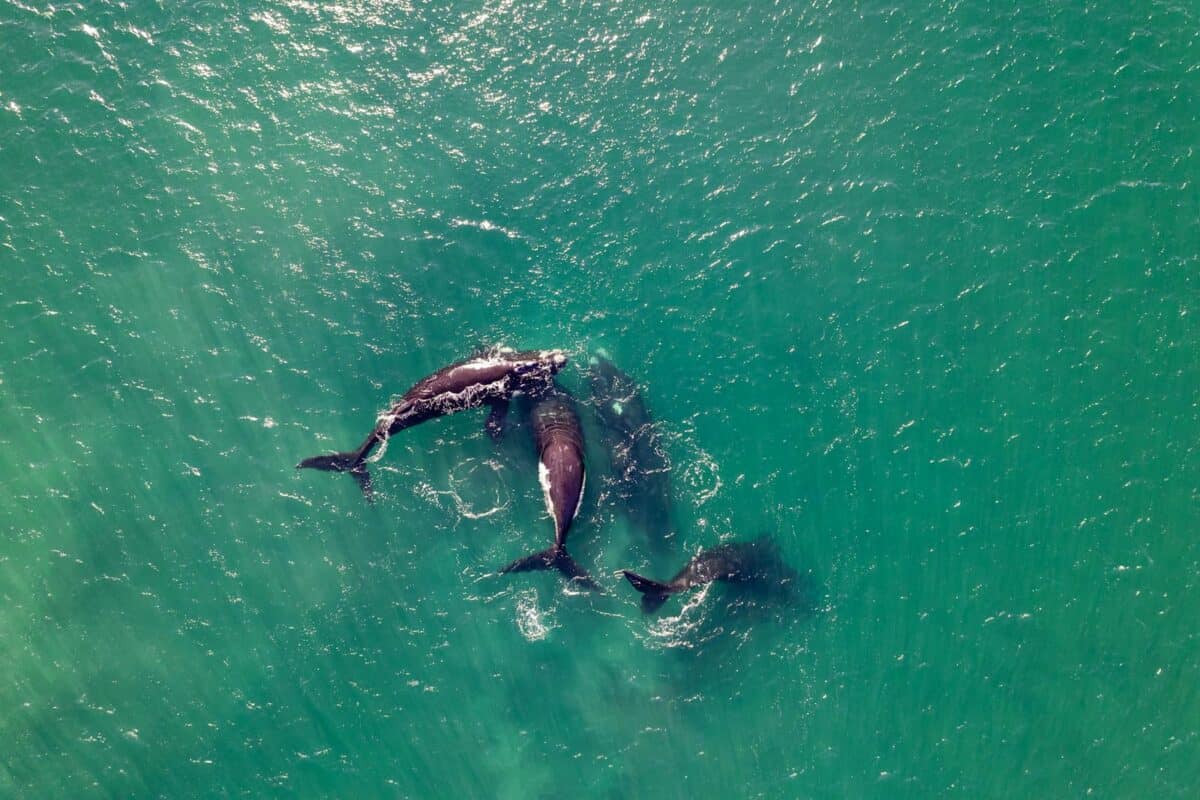
The animal kingdom is filled with species that could easily overpower a human—from the brute strength of gorillas and bears to the stealth and precision of big cats and crocodiles. Yet what’s most striking is how rarely these animals choose to use their power against us. Most dangerous encounters stem from fear, provocation, or habitat encroachment—not from a natural desire to harm. These creatures are not villains; they are survivors, focused on feeding, reproducing, and protecting themselves in a rapidly changing world.
Understanding the capabilities of these animals isn’t about stoking fear—it’s about cultivating respect. Awareness of their strength reminds us of our responsibility to approach wildlife with caution, knowledge, and humility. In most cases, these powerful animals prefer to avoid conflict, giving us the chance to admire them safely from a distance. Their potential to defeat us only underscores the importance of peaceful coexistence and the need to protect the habitats that allow both them—and us—to thrive.

From exploring the marine wonders in the Azores and witnessing the vast savannas of Kenya, to delving deep into the rich biodiversity of South Africa and traversing iconic landscapes in Australia and the US like Yellowstone, Chris's experiences are vast.
With a penchant for diving alongside sharks, the ocean holds a special place in his heart.
Through his academic insights, he champions wildlife conservation, striving with 'Animals Around The Globe' to cultivate a profound connection between humans and animals, enhancing our mutual appreciation.
Connect with him at Feedback@animalsaroundtheglobe.com.
- This Monkey Has a Mustache - July 21, 2026
- How Steve Irwin Changed the World’s View of Wildlife - July 21, 2026
- The Catfish That Caused Earthquakes in Japanese Folklore - July 21, 2026