
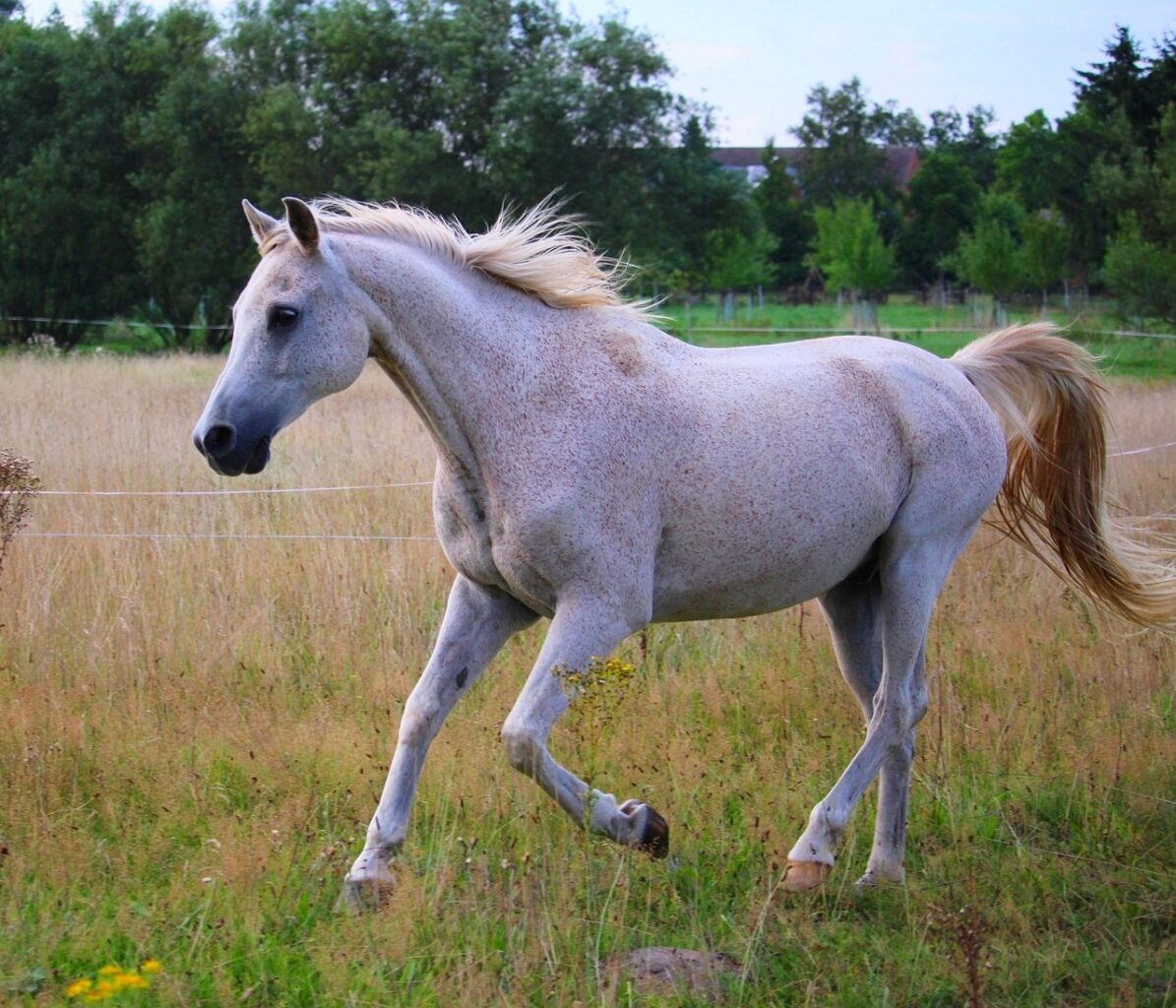
The Horse as a Sacred Relative, Not an Animal
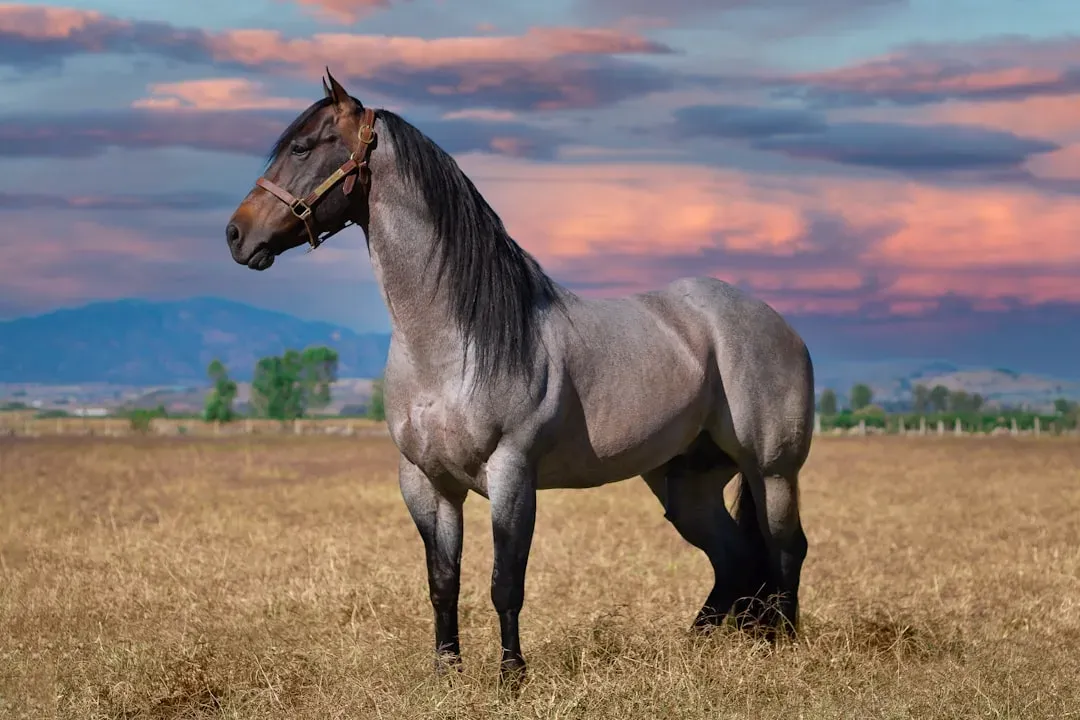
Most Western frameworks place animals firmly below humans in a hierarchy of importance. Native American philosophy, particularly among Plains peoples, rejects that framing entirely. To the Lakota and Dakota, the horse is a relative, and that relationship is more than a connection through blood – it is spiritual. That single distinction changes everything about how the horse is perceived and treated.
The horse is regarded as an equal, not an animal in the colonial sense of the word. This isn’t sentimental language. It reflects a deeply embedded philosophical stance: that consciousness, emotion, and spiritual presence are not exclusive to human beings. The horse, within this worldview, has its own standing in the web of life.
Sun’ka Wakan: The Holy and Mysterious Dog
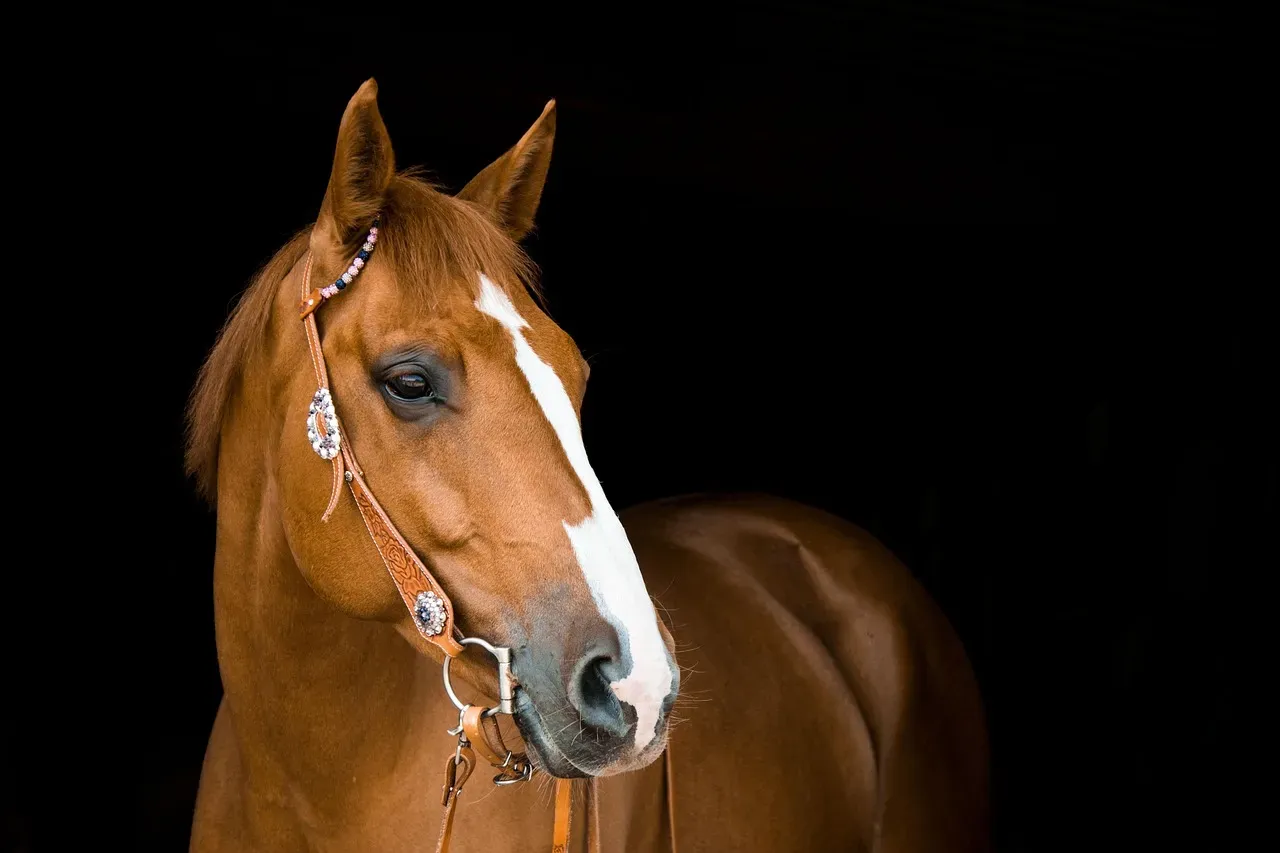
The Lakota called horses Sun’ka Wakan, meaning “Holy Dog” or “Mysterious Dog,” a name that reflects the depth of their connection to this animal. The word “Wakan” carries enormous weight in Lakota thought. It points to something sacred, beyond ordinary understanding, charged with spiritual energy that demands respect.
According to the Dakota and Lakota, the horse came as a gift from the Wakíŋyaŋ, or Thunder Beings. All horses are considered members of the Horse Nation, which represents the West and a connection to the spirit world. That origin story isn’t incidental. Framing the horse as a gift from thunder beings places it at the intersection of sky, power, and sacred purpose from the very beginning.
The Horse Nation and the Spirit World
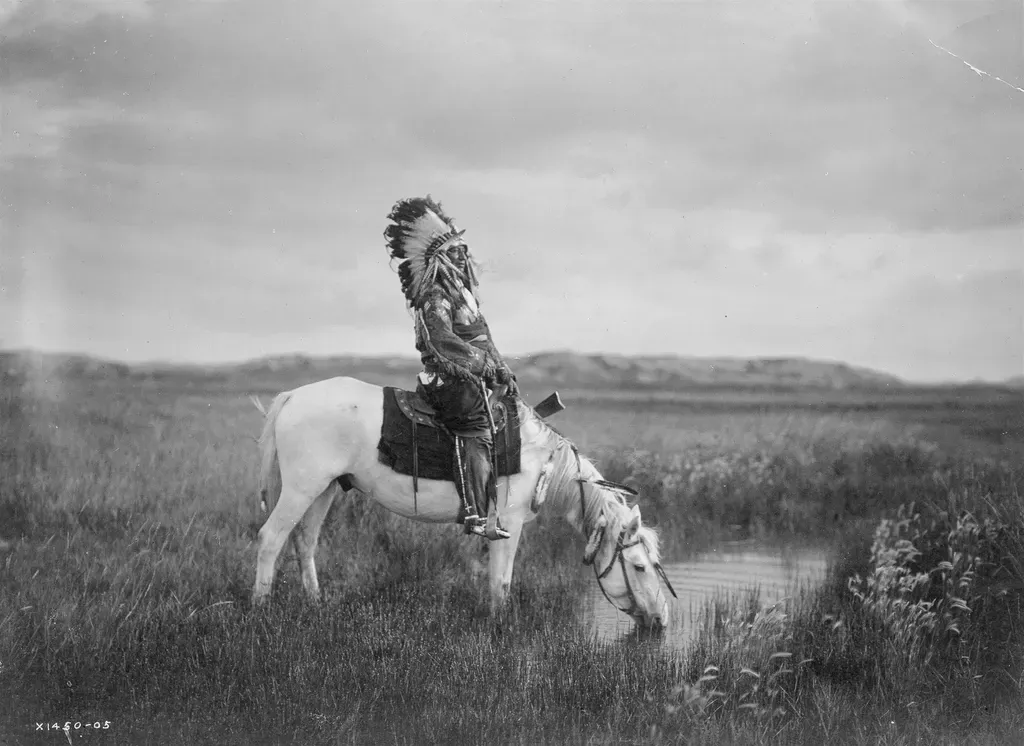
Plains tribes embraced the horse as a brother in spirit and a link to the supernatural realm, incorporating the horse into ceremonies. Images of horses on ceremonial objects represent this spiritual connection, embodying beauty, energy, and healing power. This wasn’t decorative symbolism. It was a recognition that the horse held an active role in the communication between worlds.
Horse visions are still reported by traditional believers who seek knowledge and strength through fasting. Though visions are intensely personal, some may be shared through song, performance, and art. The horse appearing during a vision quest wasn’t considered an accident. It signaled something specific: a message about power, direction, or purpose arriving from beyond ordinary perception.
The Horse as a Symbol of True Power
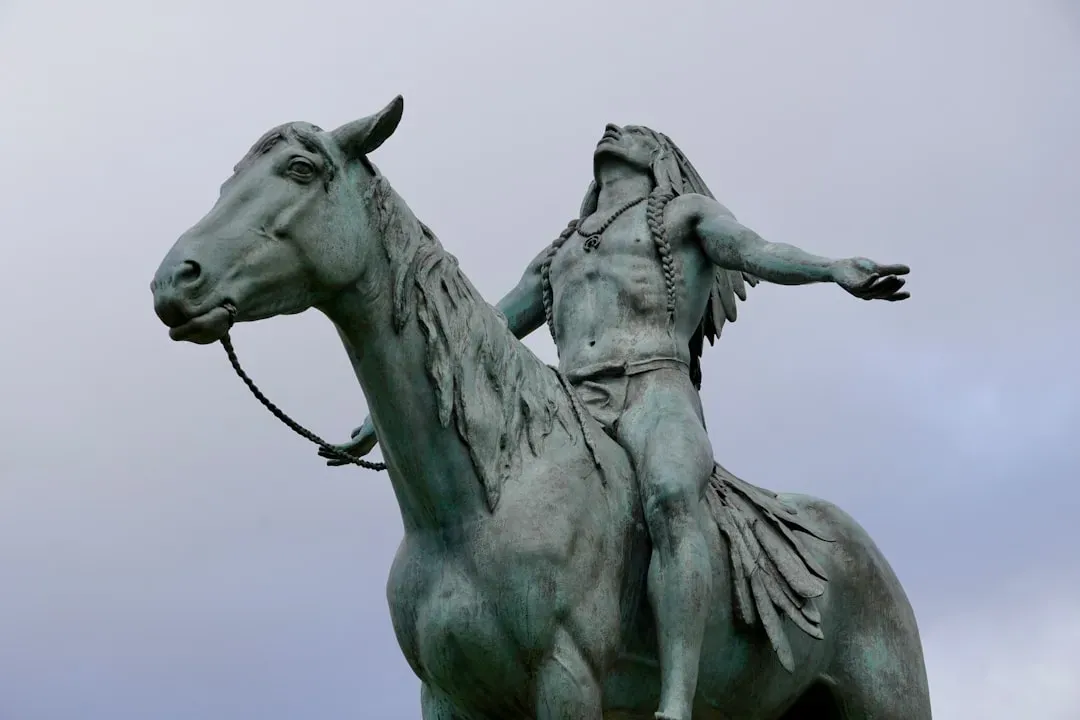
In Native American traditions, the Horse totem is fundamentally a lesson in power. The medicine of Horse teaches that true power is the wisdom found in remembering your total journey. This is a notably different definition of power than the one most people carry around. It isn’t dominance. It isn’t control. It’s the accumulated knowing that comes from living fully and paying attention.
Horse is connected to sincere, meaningful relationships and valuing what our spiritual paths hold for us. This influences Native American customs to view Horse as the symbol of True Power, which comes when opening up to others with compassion and love and sharing gifts with community. Power, in this framework, is something to be circulated rather than hoarded. The horse teaches that strength finds its highest expression when it serves the whole.
Freedom, Mobility, and the Philosophy of Movement
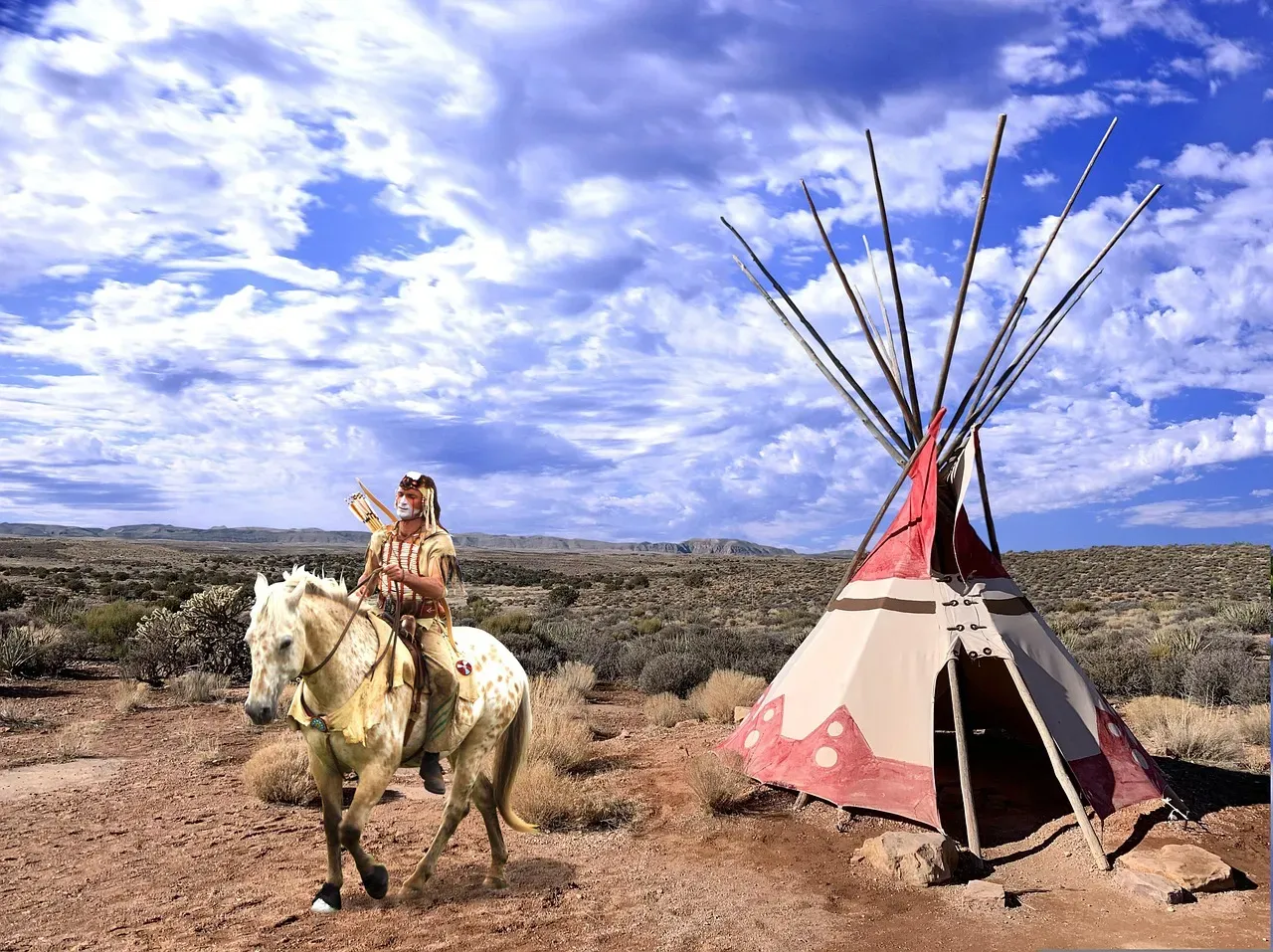
The horse enabled Native peoples to move their villages quickly, carrying them and their belongings to new territory and the challenges awaiting them. They were given a new found freedom, and horses helped turn Native tribes into the powerful mounted warriors and nomads they became. But this practical transformation carried a deeper philosophical echo. Movement itself became sacred, and the horse was its embodiment.
The horse is a universal symbol of freedom without restraint, because riding a horse made people feel they could free themselves from their own bindings. Within Native philosophy, that freedom isn’t reckless. It’s purposeful. The horse doesn’t just carry a body across land – it carries the spirit toward what it needs to encounter next.
Horse Medicine and Emotional Healing
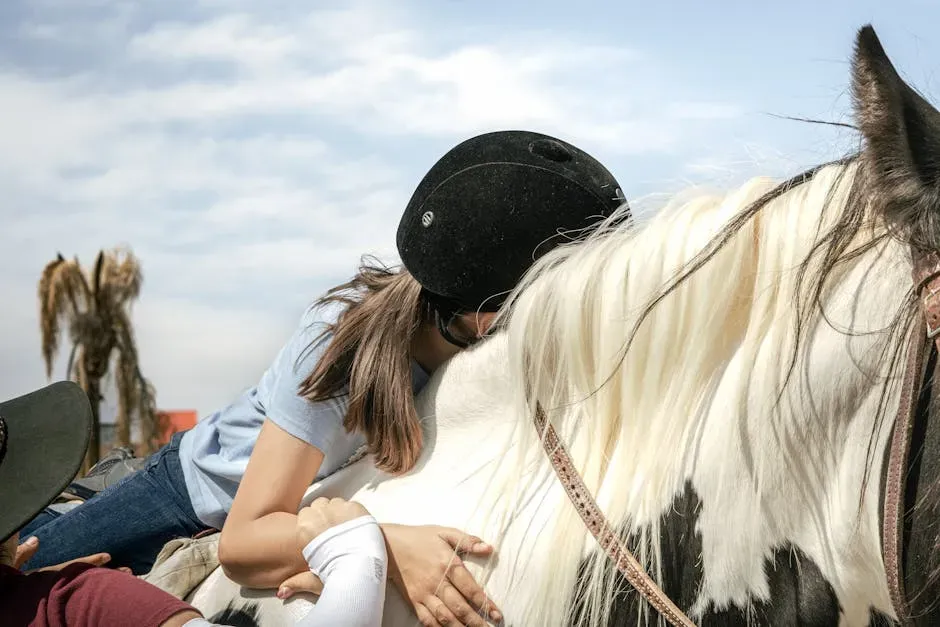
To Native Americans, horses symbolized healing, strength, and a deep emotional intelligence that transcended the physical world. In many Native communities today, equine therapy serves as a powerful tool for helping people heal from trauma and develop emotional resilience. Horses are uniquely attuned to human emotions because of their innate sensitivity to sound, scent, and body language.
Horses are reflective of emotions, mirroring hearts, pain, and struggle. Horse therapy on reservations is quickly becoming an accepted and effective method of treating trauma for Native American children and teens. On the Rosebud Sioux Reservation, a ranch called the Tiwáhe Glu Kiní Pi, meaning “Bringing the Family Back to Life,” helps dozens of Native American children, teens, and adults weekly through horse therapy. This is Horse medicine made practical in the present day.
The Shamanic Role: Carrying Travelers Between Worlds
Artwork depicts Shamans on the back of flying horses when making safe passage to the spirit realm. Across numerous traditions, the horse was the vehicle of the shaman’s journey, the means by which a medicine person crossed from ordinary reality into the domain of spirit. This was not metaphor used loosely – it was a precise description of a sacred function.
In Shamanism, the Horse Power Animal carries the medicine person between worlds. A Horse helps you connect with spiritual energies and abilities, and also supports seeing things in a different light, which opens the path to visionary gifts and a renewed connection with the Earth. That renewed connection to the Earth is key. The shamanic horse doesn’t just ascend – it returns, bringing back what was discovered above and planting it back in the living world below.
The Navajo Vision: Horses of the Four Directions
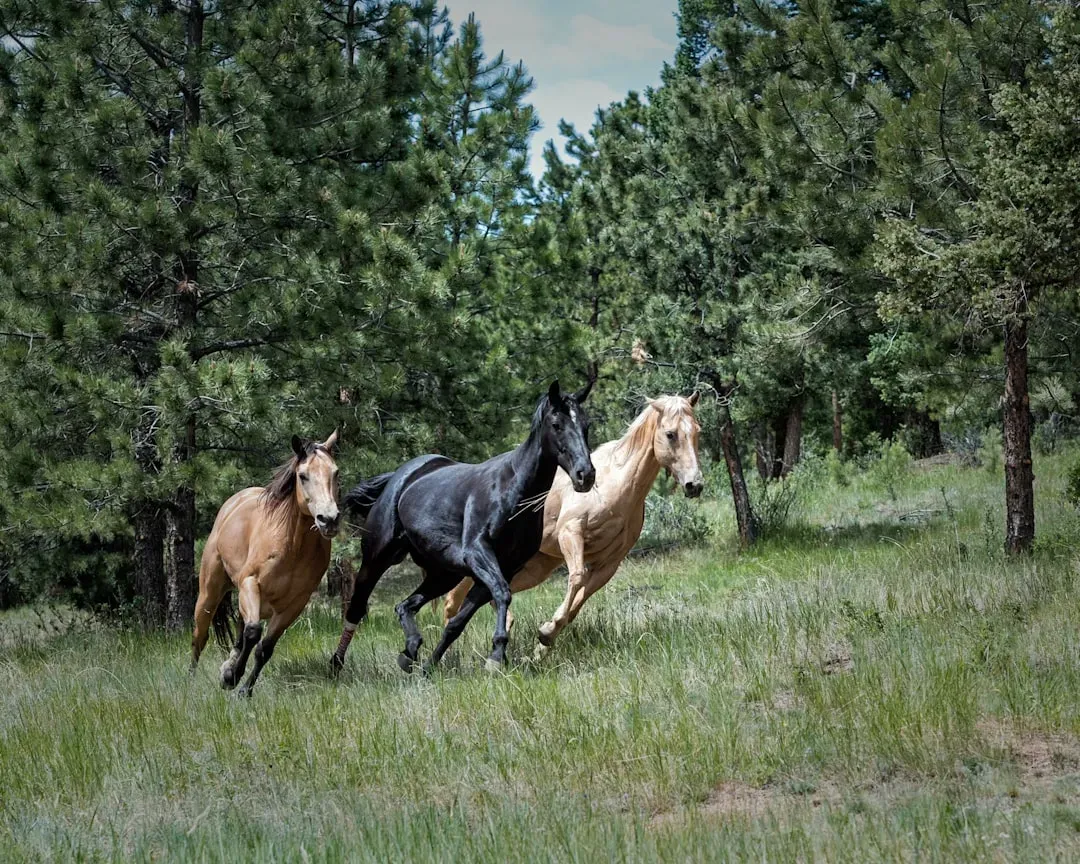
According to the Navajo, horses represent the four directions. The hero Turquoise Boy brought horses to the people after visiting the herds of horses that the Sun used to ride across the sky. In this origin story, horses aren’t domesticated from wilderness – they’re borrowed from the sun itself. That cosmological framing connects the horse directly to light, time, and the ordering of the world.
The four directions hold deep significance in many Native traditions, governing everything from ceremonial structure to the understanding of balance in life. Linking the horse to all four directions elevates it beyond any single quality or function. It becomes a complete symbol, encompassing the full compass of spiritual and physical existence.
The White Horse: Wisdom, Purity, and Sacred Vision
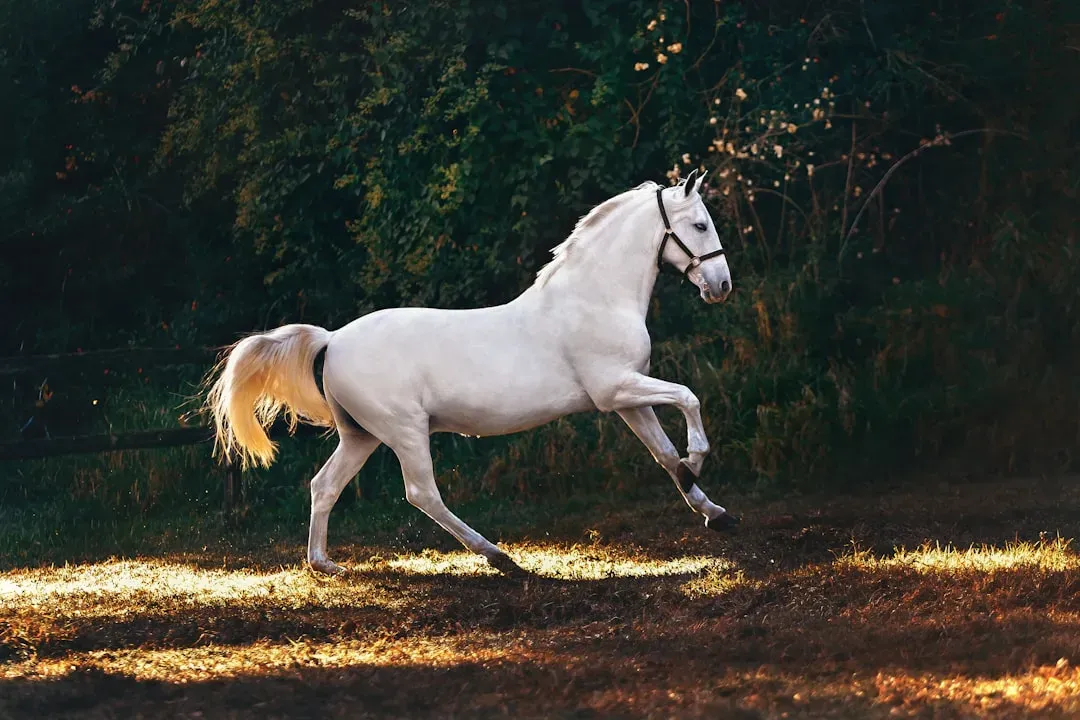
Among Native American tribes, a white horse stood for wisdom, strength, and a deep spiritual connection. In Native American traditions, a white horse holds sacred meaning and can represent spiritual wisdom, strength, and a deep connection to nature. The color itself amplifies the horse’s spiritual qualities, pointing toward clarity and a kind of seeing that goes beyond ordinary sight.
In some cultures, white horses stand for the balance of wisdom and power. That balance is worth pausing on. Wisdom without power can be passive and ineffective. Power without wisdom is dangerous. The white horse, in Native philosophy, holds both in equilibrium – which is precisely what the human soul is always trying to achieve.
Wild Versus Tethered: What the Horse’s State Reveals
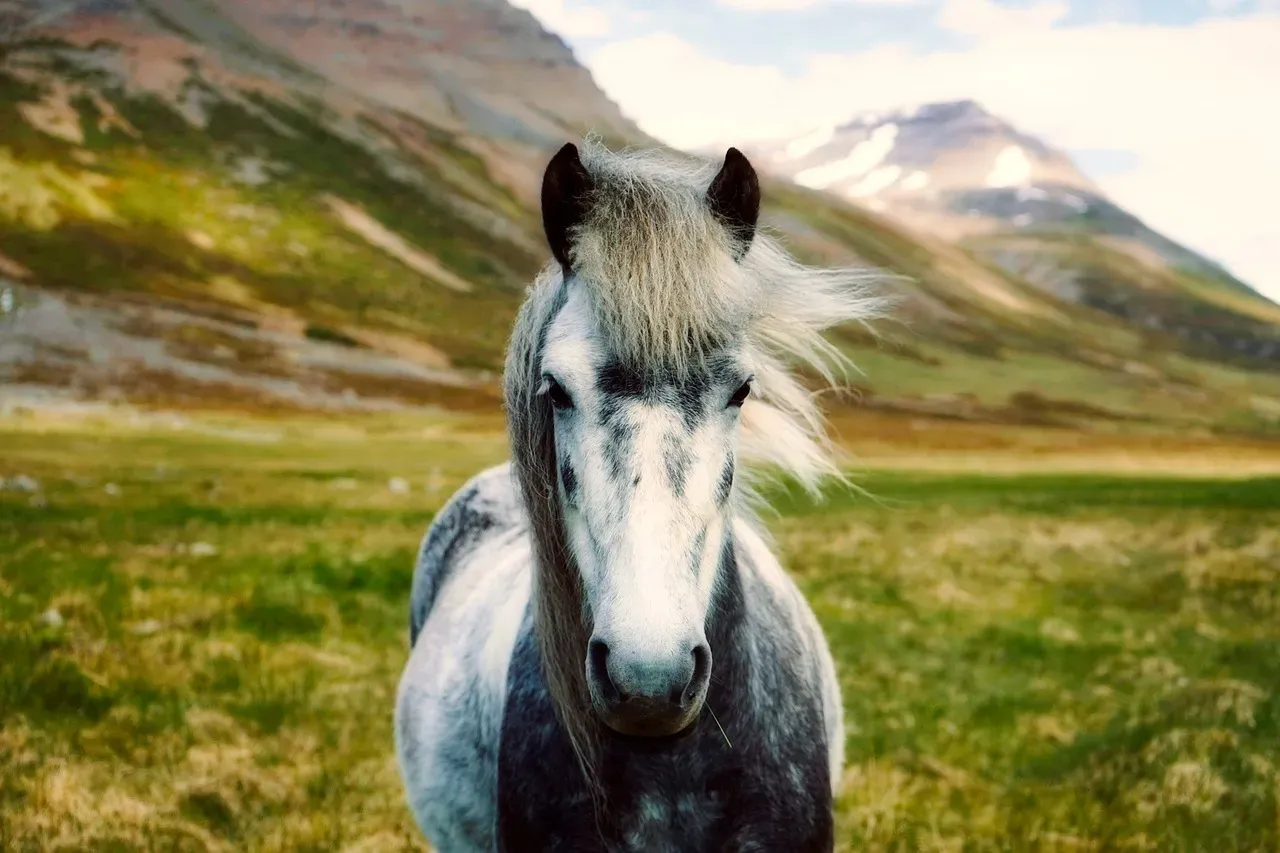
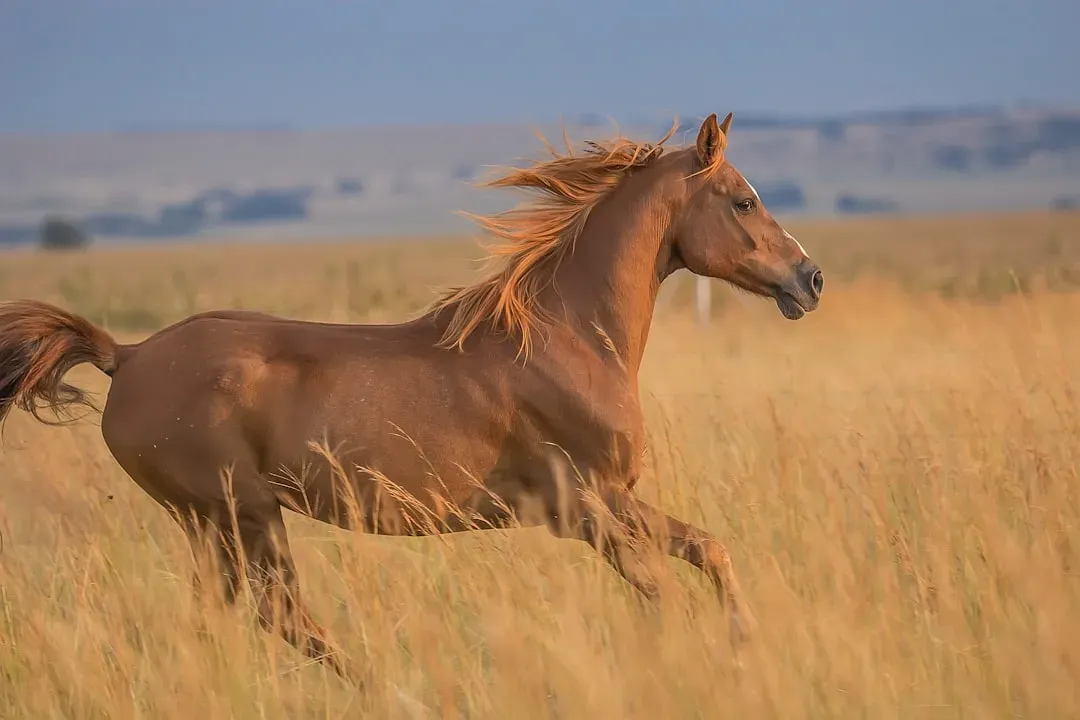
Horse symbolism changes depending on whether the horse is wild or tethered. When the wild horse enters your awareness, often there is more than enough energy to motivate you and carry you through anything. This interpretive nuance shows how precise and observational Native spiritual thinking could be. The context of the horse’s appearance matters as much as the appearance itself.
If horses show up in images where they’re in a stable or tied up, it could be a message that something is holding you back and limiting your autonomy. It may also speak of low energy levels and the need to pay attention when using physical resources. Horse can only carry so much baggage before it gets weary from the burden. The creature’s appearance as a Spirit Animal Guide might mean it’s time to let go of items you no longer need.
Horse Medicine as a Guide for Personal Boundaries
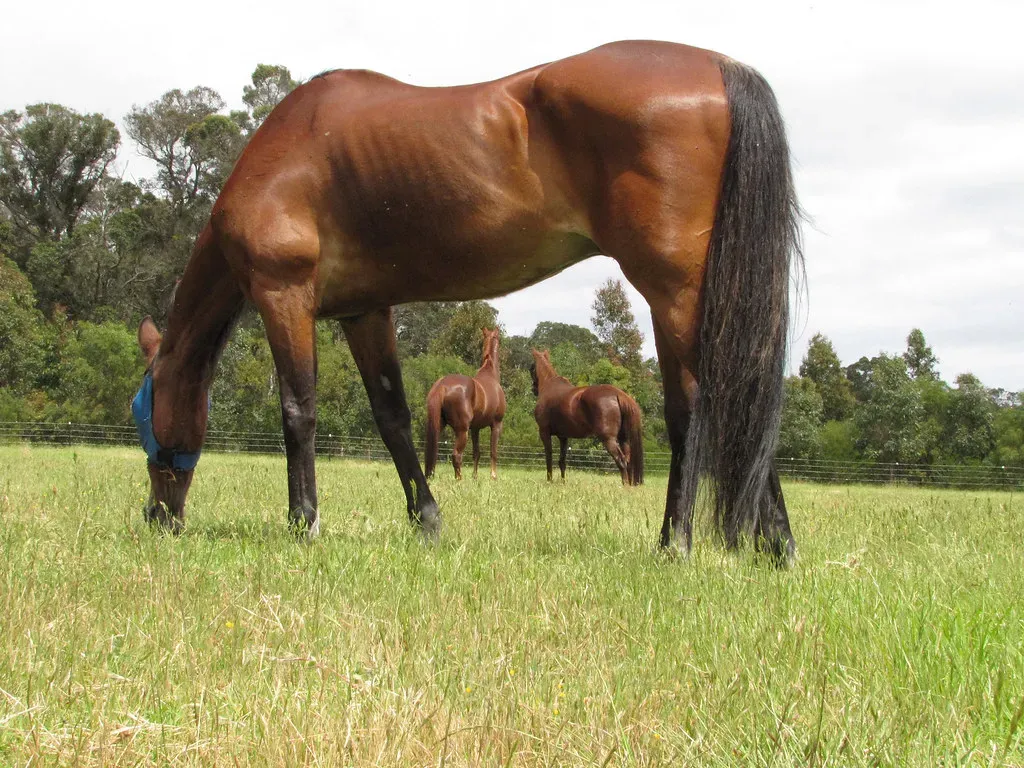
The Horse Spirit Animal Totem also reminds us that just because you are strong does not mean you were built to suffer or carry burdens for other people. Because horse medicine is so physically strong, there can often be a normalizing of harmful conditions and an enduring of abuse beyond spiritual productivity. Just because your body and mind may have the strength to carry a heavy load of challenges does not mean you should use your energy in such a way.
The horse does not befriend those who will bind its freedom. That is one of the more quietly radical things Native philosophy says about power: being capable of endurance is not the same as being obligated to endure. The horse’s spirit, by its very nature, resists permanent constraint. That lesson extends to people who carry the horse as their spirit guide.
The Fate of Horse and Human: Intertwined Destinies
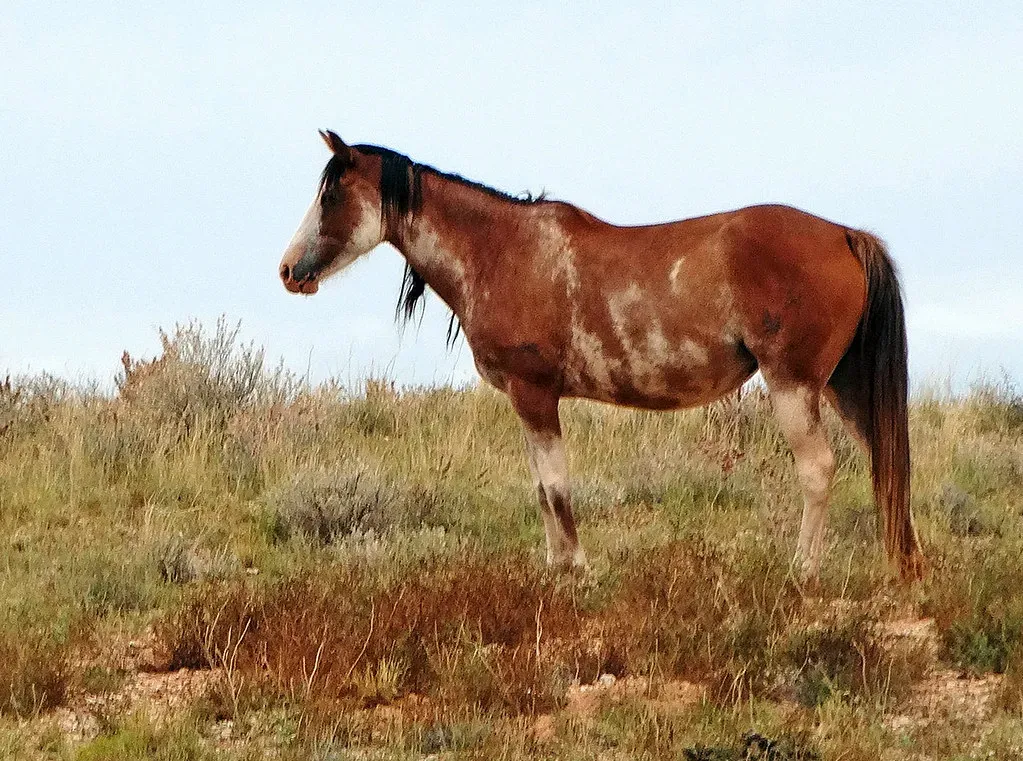
In many Native cultures, it is understood that the fate of the horse and the human are intertwined. This is not romantic projection. It reflects a worldview in which species don’t exist in isolation but in webs of mutual obligation and shared becoming. What happens to the horse matters because the horse is bound up in what happens to the people.
As noted by the Smithsonian’s National Museum of the American Indian, Indigenous cultures have long regarded animals as spiritual companions bound to humans by a shared destiny. The horse embodies this belief, not merely as a means of transport or labor, but as a sacred presence, a healer, guide, and trusted friend whose role extends far beyond the physical world. Few institutions carry more authority on this subject, and their framing confirms what Indigenous traditions have held for generations.
What It Means to Have the Horse as Your Spirit Animal Today
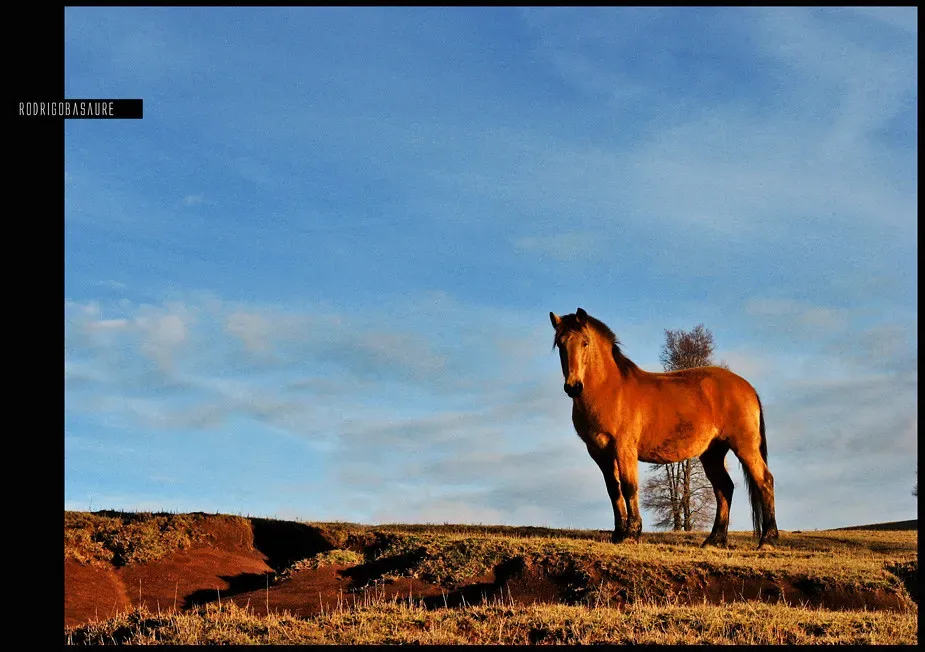
People with Horse as a power animal are fiercely independent and have little tolerance for anything or anyone that limits their free expression. They give the safety of speed and the promise of adventure. Horse symbolizes the wind, loyalty, devotion, unconditional love, friendship, and companionship. In the context of modern life, that profile reads less like a mystical label and more like a genuine set of values to live by.
As an Animal Spirit Guide, Horse reminds you to remain attentive and live in the present. Horse Medicine teaches you to be true to yourself. That simplicity shouldn’t be mistaken for shallowness. In a world that constantly pulls attention toward screens, noise, and distraction, being fully present and genuinely true to oneself is a harder practice than it sounds. The horse, in this sense, is less a symbol and more a standing invitation.
Conclusion: What the Horse Still Has to Say
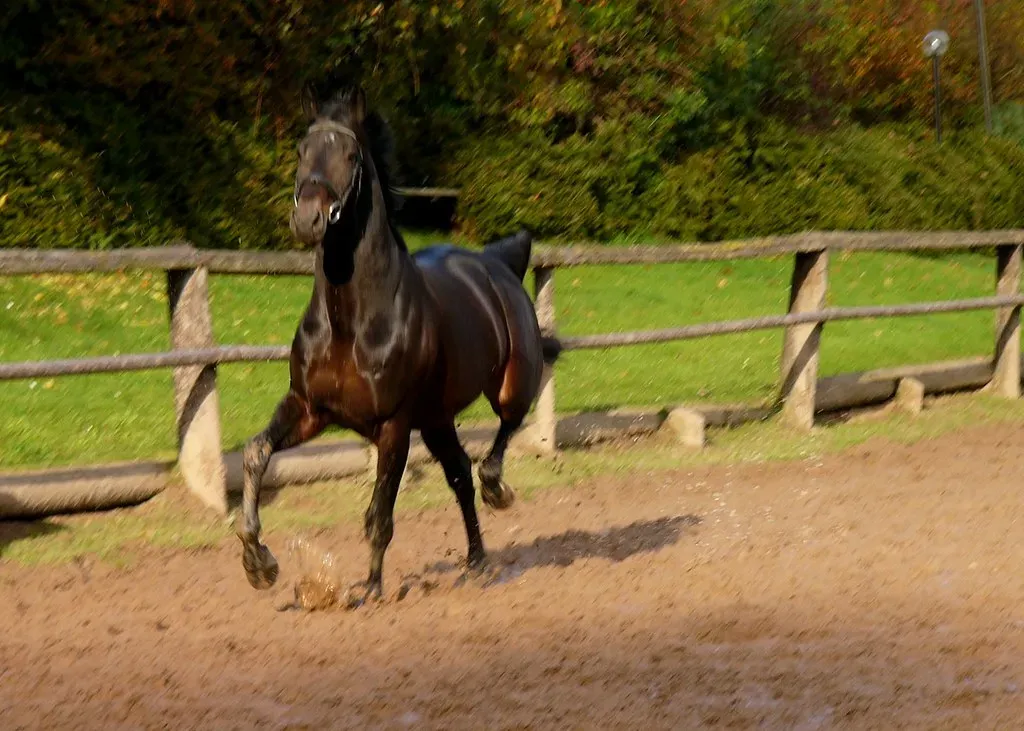
Native American philosophy offers something rare in its treatment of the horse: a worldview where the sacred doesn’t live somewhere above or beyond ordinary life, but runs right through it, on four hooves, breathing visibly in cold air. The horse isn’t worshipped from a distance. It’s respected as kin, listened to as a teacher, and honored as a presence that chooses to walk alongside humanity rather than away from it.
What’s striking, looking at all of this together, is how consistently the horse points toward wholeness rather than performance. True power over self rather than over others. Freedom earned through authenticity rather than demanded through force. The horse spirit animal, in the Native American philosophical tradition, doesn’t ask you to be impressive. It asks you to be real, present, and unafraid to move.
In a time when so many people feel quietly untethered from anything meaningful, that message carries more weight than it might first appear. The horse has been running through human dreams for thousands of years. It’s worth asking what it might be trying to tell you.
