

In the remarkable world of biology, regeneration stands as one of nature’s most astounding phenomena. While humans can heal wounds and regrow some tissues, our regenerative abilities pale in comparison to certain animals that can restore entire limbs, organs, and sometimes even heads. This extraordinary capability isn’t just a biological curiosity—it represents a frontier of scientific research with profound implications for medicine and human health. From common backyard creatures to exotic deep-sea dwellers, the animal kingdom showcases regenerative abilities that seem almost magical. Let’s explore 14 fascinating creatures that possess this remarkable superpower of regrowing body parts, understanding the mechanisms behind their regenerative abilities, and discovering what scientists hope to learn from these amazing animals.
The Science Behind Limb Regeneration
🔥 Would you like to save this?
We'll email this post to you, so you can come back to it later!
Limb regeneration involves complex biological processes that allow organisms to replace lost body parts with new, fully functional ones. At the heart of this ability are specialized cells called stem cells, which have the remarkable capacity to develop into different cell types. When a limb is lost, these animals activate genetic pathways that dedifferentiate mature cells near the wound site, essentially turning them back into a stem cell-like state. This creates a structure called a blastema, a mass of cells that will develop into the new limb. The process is orchestrated by precise genetic instructions that guide cells to grow into the right tissues at the right places. Unlike most mammals, which heal wounds by forming scar tissue, regenerative animals can perfectly recreate the original appendage without scarring, complete with bones, muscles, nerves, and blood vessels organized in the correct pattern.
Salamanders The Regeneration Champions

🔥 Would you like to save this?
We'll email this post to you, so you can come back to it later!
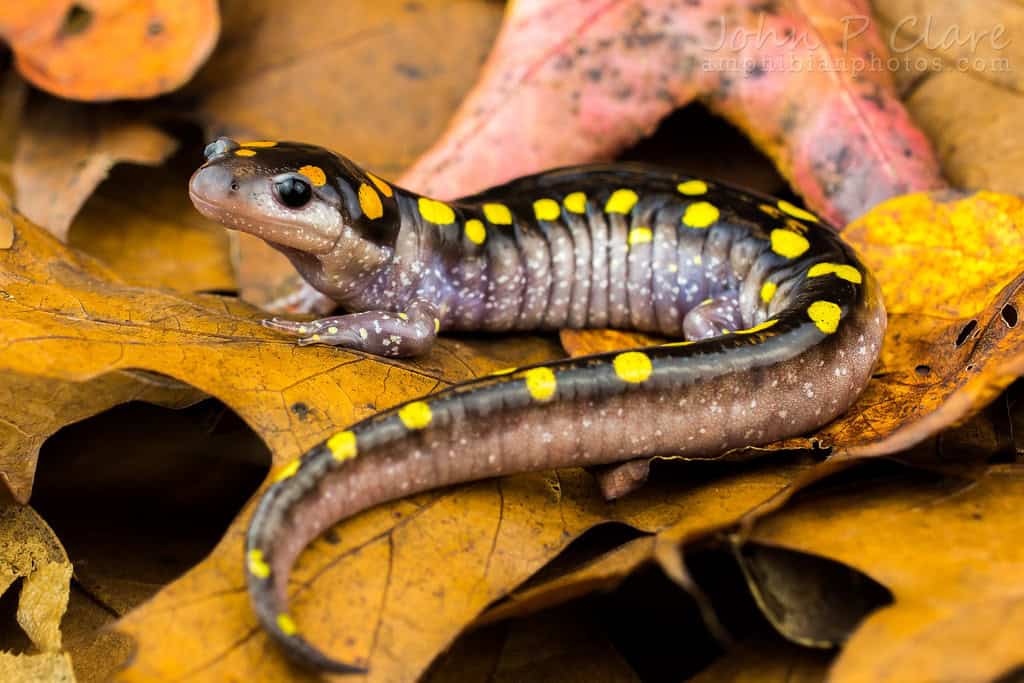
Salamanders, particularly the axolotl (Ambystoma mexicanum), stand as the undisputed champions of vertebrate regeneration. These remarkable amphibians can regrow not just limbs, but also their tail, parts of their heart, eyes, spinal cord, and even portions of their brain with perfect fidelity. The regenerated limb develops all the appropriate muscles, bones, nerves, and blood vessels in the correct arrangement. What makes axolotls truly extraordinary is the speed and precision of this regrowth—a fully functional limb can be reconstructed in just a few months. Scientists have discovered that axolotls achieve this feat through a unique immune response that favors regeneration over scarring, and they maintain their regenerative cells in a perpetually youthful state. The axolotl’s regenerative capabilities are so impressive that they’ve become a primary model organism for regeneration research, with scientists hoping to unlock secrets that might one day help humans repair damaged tissues more effectively.
Starfish Masters of Arm Regeneration

🔥 Would you like to save this?
We'll email this post to you, so you can come back to it later!
Starfish, or sea stars, possess regenerative abilities that border on the miraculous. These echinoderms can not only regrow lost arms but, in some species, an entire new starfish can regenerate from a single arm with a small piece of the central disc attached. This remarkable process begins immediately after injury when the starfish seals the wound to prevent infection and excessive fluid loss. Within days, a specialized structure called the regeneration blastema forms, containing undifferentiated cells that will develop into the new arm. As regeneration progresses, the arm grows longer and wider, gradually developing all the necessary tissues including the water vascular system, digestive tract extensions, and nervous system components. Complete regeneration can take anywhere from several months to a year, depending on the species, size of the animal, and environmental conditions. Some starfish species, like the common Asterias rubens, have been documented to regenerate up to five arms simultaneously, demonstrating the extraordinary resilience of these marine invertebrates.
Lizards Tactical Tail Shedders

🔥 Would you like to save this?
We'll email this post to you, so you can come back to it later!
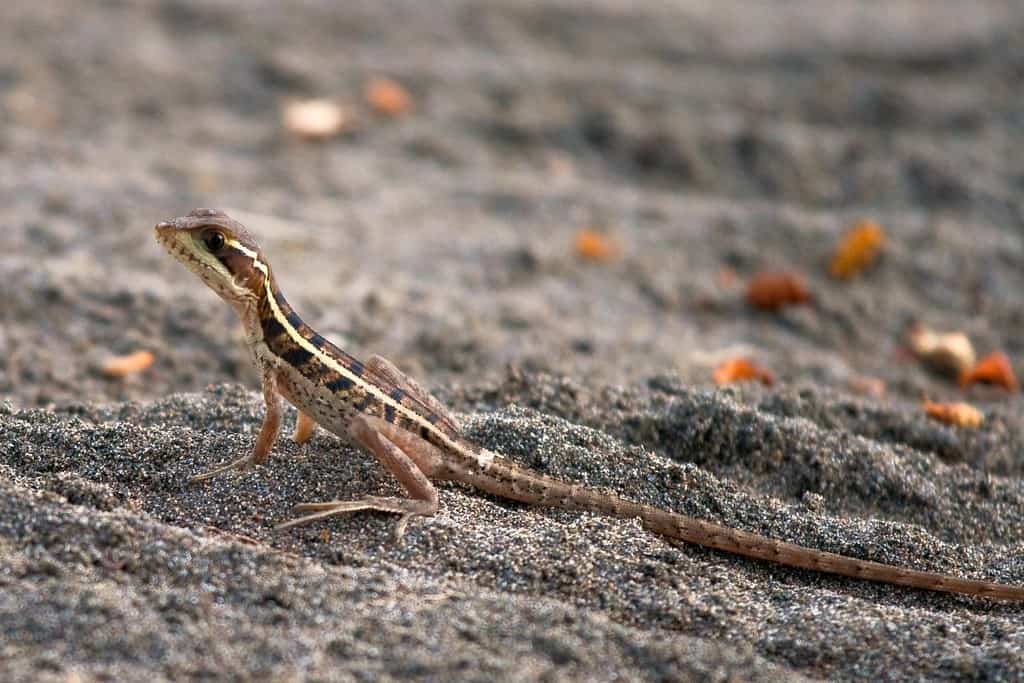
Many lizard species have evolved the remarkable ability to detach their tails when threatened, a process known as autotomy, and then regenerate a replacement. Unlike salamanders, which can recreate an exact copy of their original tail, lizards grow a replacement that differs from the original in several ways. The regenerated tail contains a cartilaginous tube instead of the vertebrae found in the original, and the muscular structure is also simpler. The skin patterns may appear similar but often show subtle differences. This regenerative process begins with the formation of a wound epithelium followed by a blastema, which then develops into the new tail over several weeks to months. Species like the green anole (Anolis carolinensis) and the leopard gecko (Eublepharis macularius) are well-known for this ability. The tactical advantage of tail autotomy is clear—the detached tail continues to wiggle vigorously, distracting predators while the lizard escapes. This represents an evolutionary trade-off between immediate survival and the energy costs of growing a replacement appendage.
Spiders Regrowing Multiple Limbs

🔥 Would you like to save this?
We'll email this post to you, so you can come back to it later!
Spiders possess the remarkable ability to regrow entire limbs, but their regenerative processes are intrinsically linked to their molting cycle. When a spider loses a leg, it must wait until its next molt to replace it. During molting, as the spider sheds its old exoskeleton, a new leg emerges from the location of the lost limb. This regenerated leg is initially smaller than its counterparts but typically grows to normal size over subsequent molts. Young spiders, which molt more frequently than adults, can replace lost limbs more rapidly. Some species can regenerate multiple legs simultaneously without apparent difficulty. The tarantula, for instance, can regrow several limbs at once, even in adulthood when molting occurs less frequently. This regenerative ability provides spiders with evolutionary resilience, allowing them to survive predator encounters that result in limb loss. Unlike vertebrate regeneration, which involves blastema formation, spider limb regeneration relies on specialized cells that remain dormant at the base of each leg, activating only when injury occurs and the next molting cycle begins.
Sea Cucumbers Extreme Regenerators

🔥 Would you like to save this?
We'll email this post to you, so you can come back to it later!
Sea cucumbers demonstrate some of the most extreme regenerative capabilities in the animal kingdom. These marine invertebrates can not only regrow lost body parts but can also voluntarily eject their internal organs as a defense mechanism—a process called evisceration—and then regenerate them completely. When threatened, certain species forcefully contract their body muscles, causing their digestive tract, respiratory trees, and sometimes reproductive organs to be expelled through either the mouth or the cloaca. After the danger passes, they begin the remarkable process of regenerating these complex organ systems. The regeneration process typically takes between one and five weeks, depending on the species and environmental conditions. Some sea cucumber species, such as Holothuria forskali, can regenerate their entire digestive system within three weeks. Adding to their regenerative repertoire, sea cucumbers can also replace lost body wall tissues and defensive structures called Cuvierian tubules. Scientists are studying the bioactive compounds in sea cucumber tissues that facilitate this extraordinary regeneration, as they may hold clues for enhancing wound healing and tissue regeneration in humans.
Crayfish Neural Regeneration Specialists
🔥 Would you like to save this?
We'll email this post to you, so you can come back to it later!
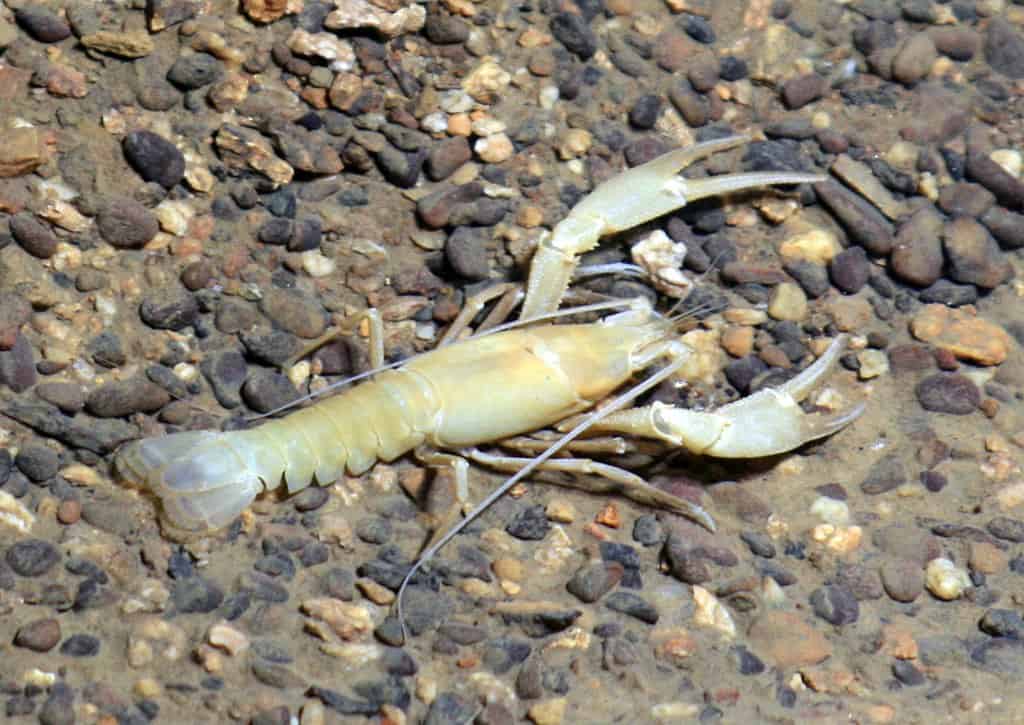
Crayfish display remarkable regenerative abilities that extend beyond simply replacing lost claws and legs. These freshwater crustaceans can also regenerate parts of their nervous system, including neurons in their brain—a feat particularly rare in the animal kingdom. When a crayfish loses a limb, specialized cells near the injury site dedifferentiate and form a blastema, which then develops into a new, fully functional appendage over several molting cycles. The regenerated limb begins as a small bud and grows larger with each subsequent molt until it reaches normal size. More remarkably, research has shown that crayfish can produce new neurons throughout their lives from stem cells located in their brains. These neural precursor cells continually divide and differentiate into new neurons, allowing crayfish to repair and replace damaged neural tissue. This capacity for neural regeneration has made crayfish important model organisms for studying potential treatments for neurodegenerative diseases and brain injuries in humans. Species like the red swamp crayfish (Procambarus clarkii) have been extensively studied for their regenerative capabilities, contributing valuable insights to both evolutionary biology and medical research.

Halloween Cat Costume Cloak Witch Hat Pet Accessories
Check Price on AmazonAs an Amazon Associate, we earn from qualifying purchases.
10/9/2026 2:44 pm GMTi

PetSafe Oasys Pet Fountain, 1/2 Gallon (64 oz), Small Dogs & Cats
Check Price on AmazonAs an Amazon Associate, we earn from qualifying purchases.
10/8/2026 8:14 am GMTi

Smart Bird Feeder with Camera Solar Powered, 2K HD Live Video, 10,000+ Bird Species AI Identification
Check Price on AmazonAs an Amazon Associate, we earn from qualifying purchases.
10/7/2026 1:22 pm GMTi

Orthopedic Extra Large Dog Bed, Waterproof Washable XL Pet Bed 44"
Check Price on AmazonAs an Amazon Associate, we earn from qualifying purchases.
10/7/2026 1:32 pm GMTi

Halloween Dog Collar with Bow, Orange Cute Ghost Collar,
Check Price on AmazonAs an Amazon Associate, we earn from qualifying purchases.
10/9/2026 2:43 pm GMTi
Planarians The Ultimate Regenerators
🔥 Would you like to save this?
We'll email this post to you, so you can come back to it later!
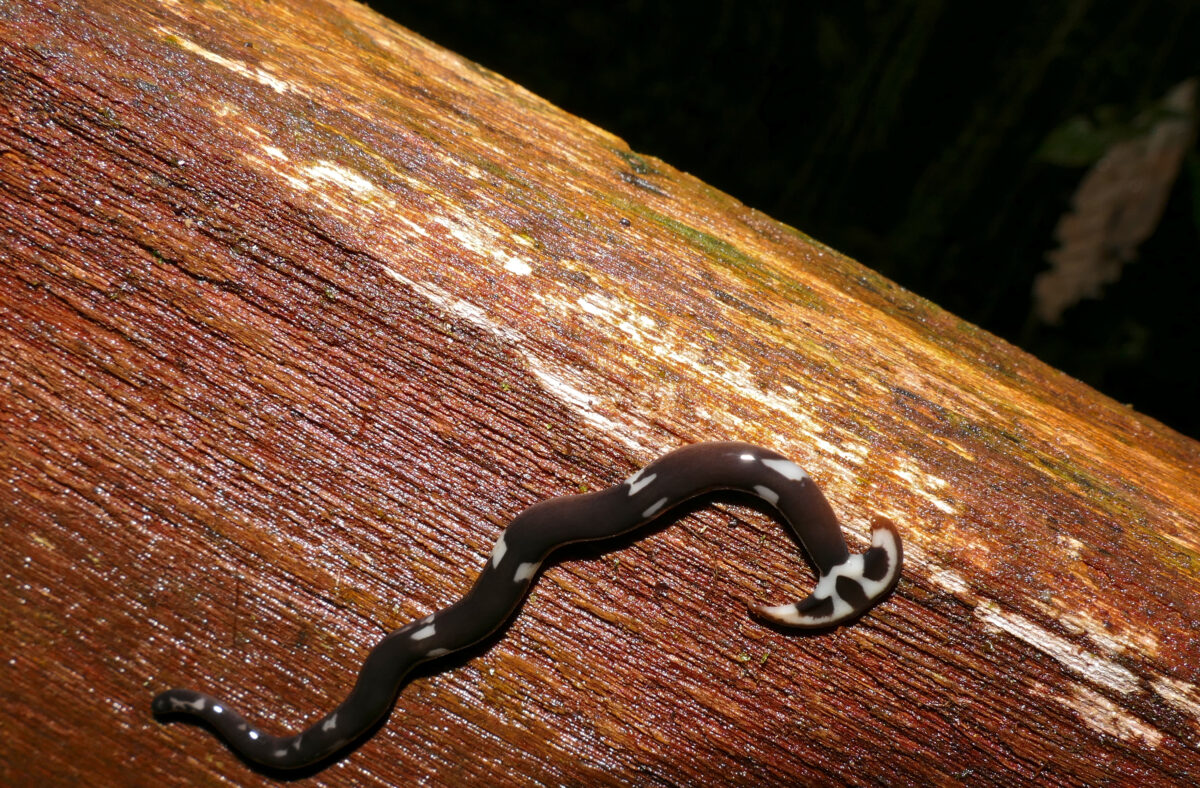
Planarians are small flatworms that possess perhaps the most extraordinary regenerative abilities of any animal on Earth. These seemingly simple creatures can regenerate their entire body from fragments as small as 1/279th of the original organism. The secret to this remarkable ability lies in their abundance of adult stem cells called neoblasts, which comprise approximately 20-30% of all cells in their body. When a planarian is cut, neoblasts near the wound site rapidly proliferate and migrate to form a regeneration blastema. Incredibly, planarians maintain positional information throughout their bodies, allowing them to regenerate the correct structures in the proper orientation. For example, a fragment from the tail will regenerate a new head at the anterior wound and complete the tail at the posterior wound. Some species, like Dugesia japonica, can regenerate a complete worm from virtually any body fragment in just one to two weeks. Perhaps most astonishing, planarians appear to defy aging—their stem cells allow them to continuously replace aging tissues, potentially giving them biological immortality under ideal conditions. This combination of extreme regenerative capacity and negligible senescence has made planarians crucial model organisms for studying stem cell biology, regeneration, and the mechanisms of aging.
Zebrafish Heart and Fin Regenerators

🔥 Would you like to save this?
We'll email this post to you, so you can come back to it later!
Zebrafish have become increasingly important in regeneration research due to their remarkable ability to regrow several complex structures, including fins, heart tissue, spinal cord, retina, and even parts of their brain. Unlike mammals, which form scar tissue after heart damage, zebrafish can regenerate up to 20% of their heart ventricle within two months after injury. This process involves the dedifferentiation of mature cardiomyocytes (heart muscle cells), which then proliferate to replace the damaged tissue. Their fin regeneration is equally impressive—when a fin is amputated, a wound epidermis quickly forms over the injury site, followed by the formation of a blastema. The blastema cells then differentiate into the various tissues needed to construct a new fin, complete with bones, blood vessels, nerves, and skin. This entire process takes about two weeks. What makes zebrafish particularly valuable for research is their genetic similarity to humans, combined with their transparent embryos that allow scientists to observe developmental and regenerative processes in real time. These advantages have made zebrafish a premier vertebrate model for studying the genetic and cellular mechanisms of regeneration, with the ultimate goal of applying these insights to enhance regenerative medicine for humans.
Deer Annual Antler Regeneration
🔥 Would you like to save this?
We'll email this post to you, so you can come back to it later!
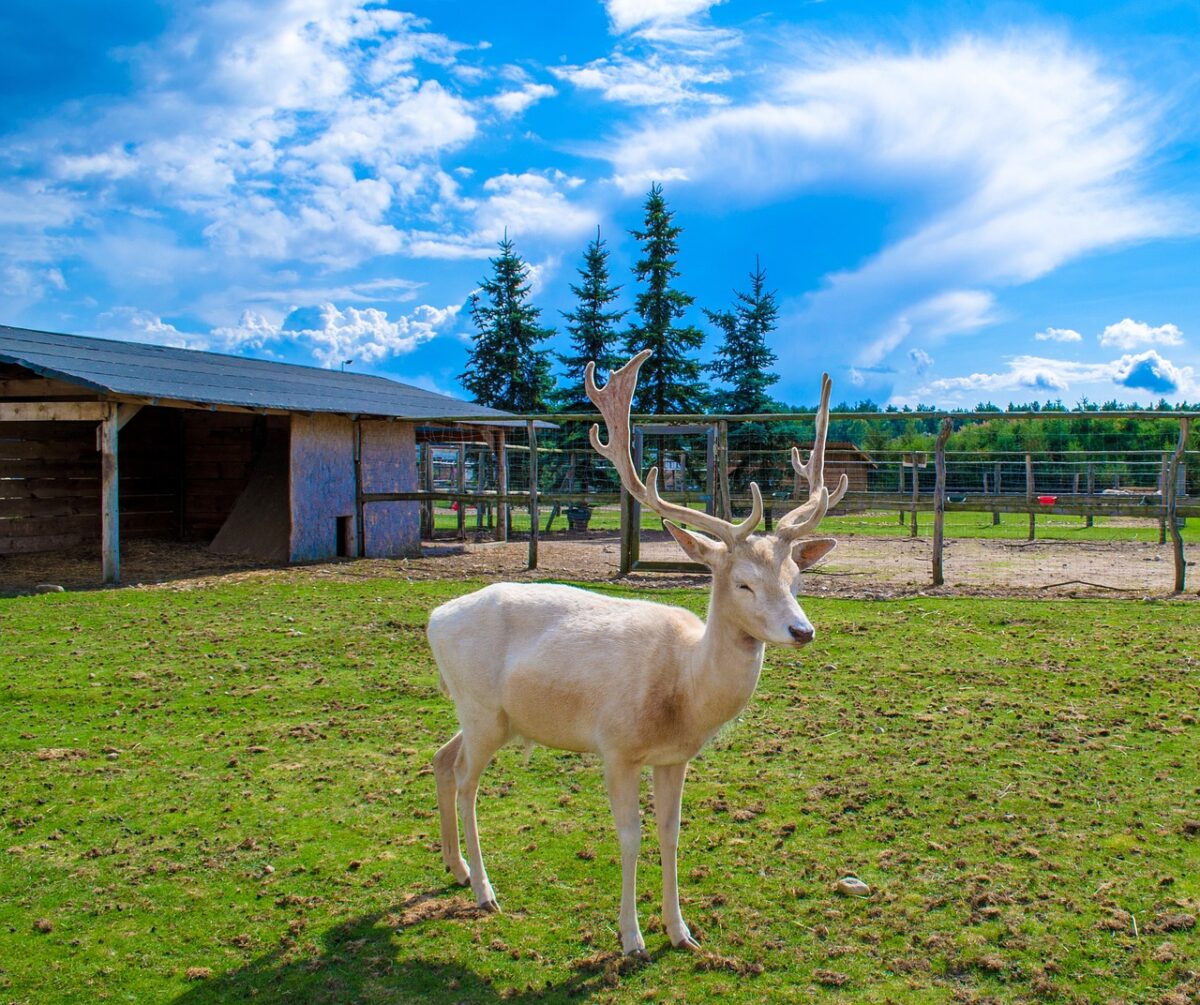
Deer represent one of the few examples of programmed regeneration in mammals through their annual cycle of antler shedding and regrowth. Unlike other regenerative processes that occur in response to injury, antler regeneration follows a seasonal pattern controlled by changing testosterone levels. Each year, male deer (and female reindeer) shed their antlers and grow a completely new set—the only case of complete organ regeneration in mammals. The process begins with the formation of a blastema-like structure covered by a specialized skin called “velvet,” which supplies blood and nutrients to the growing antlers. Remarkably, antlers are one of the fastest-growing tissues known, with some species like the elk (Cervus canadensis) adding up to an inch of new growth per day. A large set of antlers can reach full size in just 3-4 months, representing an extraordinary rate of tissue synthesis. The growing antlers consist of a unique type of bone that temporarily maintains high vascularity and cellularity. Once growth is complete, the velvet sheds, blood supply ceases, and the antlers mineralize into the hard, dead structures used for fighting and display. Scientists are particularly interested in deer antler regeneration because it may provide insights into how mammals might be induced to regenerate complex tissues without scarring.
Octopuses Tentacle Regenerators

🔥 Would you like to save this?
We'll email this post to you, so you can come back to it later!
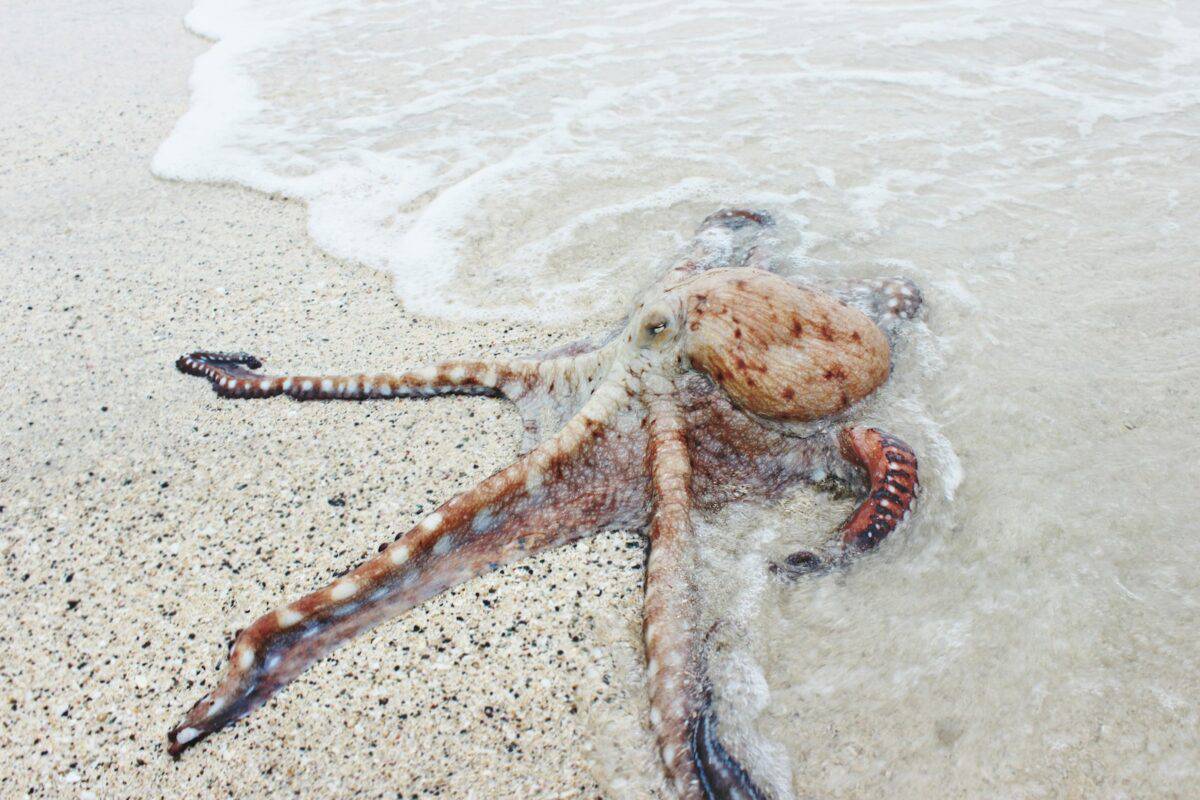
Octopuses possess the remarkable ability to regenerate their arms if they’re damaged or lost, a valuable adaptation for these intelligent cephalopods that often encounter predators in their marine environments. When an octopus loses an arm, either through predator attack or self-amputation (which some species can do as a defensive tactic), the wound quickly heals to prevent infection and excessive blood loss. The regeneration process begins with the formation of a blastema at the wound site, followed by the progressive growth of a new arm complete with nerves, muscles, suckers, and chromatophores (the specialized cells that allow for color changing). The process is energetically demanding but typically completes within a few months. What makes octopus regeneration particularly fascinating is that it occurs in a highly complex nervous system—each arm contains about 40 million neurons, roughly equivalent to the brain of a small mammal. These neurons must be properly rewired during regeneration to restore not just the arm’s appearance but its sophisticated sensory capabilities and partial autonomy. Some species, like the common octopus (Octopus vulgaris), can regenerate arms that are virtually indistinguishable from the originals, both anatomically and functionally.

Hand Blown Glass Hummingbird Feeders for Outdoors Hanging, 24oz Wild Bird Nectar Feeder
Check Price on AmazonAs an Amazon Associate, we earn from qualifying purchases.
10/7/2026 1:23 pm GMTi

Portable Dog Water Bottle Foldable Dog Travel Water Bottle
Check Price on AmazonAs an Amazon Associate, we earn from qualifying purchases.
10/7/2026 1:29 pm GMTi

Earth Rated XL Dog & Puppy Pee Pads, Discreet Top, Max Absorbency
Check Price on AmazonAs an Amazon Associate, we earn from qualifying purchases.
10/7/2026 1:28 pm GMTi

Professional 7 in 1 Dog Paw Cleaner for Dogs & Cats - Includes 1 Portable Paw Washer, 1 Bath Brush
Check Price on AmazonAs an Amazon Associate, we earn from qualifying purchases.
10/7/2026 1:26 pm GMTi

Air Purifiers for Home Pets Large Room Up to 3000 Ft²,HEPA Air Cleaner with Washable Double-Side Filter, PM2.5 Air Quality Monitor,15dB Sleep Mode for Bedroom Odor Dust Pollen,White
Check Price on AmazonAs an Amazon Associate, we earn from qualifying purchases.
10/8/2026 8:23 am GMTi
Hydras Immortal Regenerators
🔥 Would you like to save this?
We'll email this post to you, so you can come back to it later!
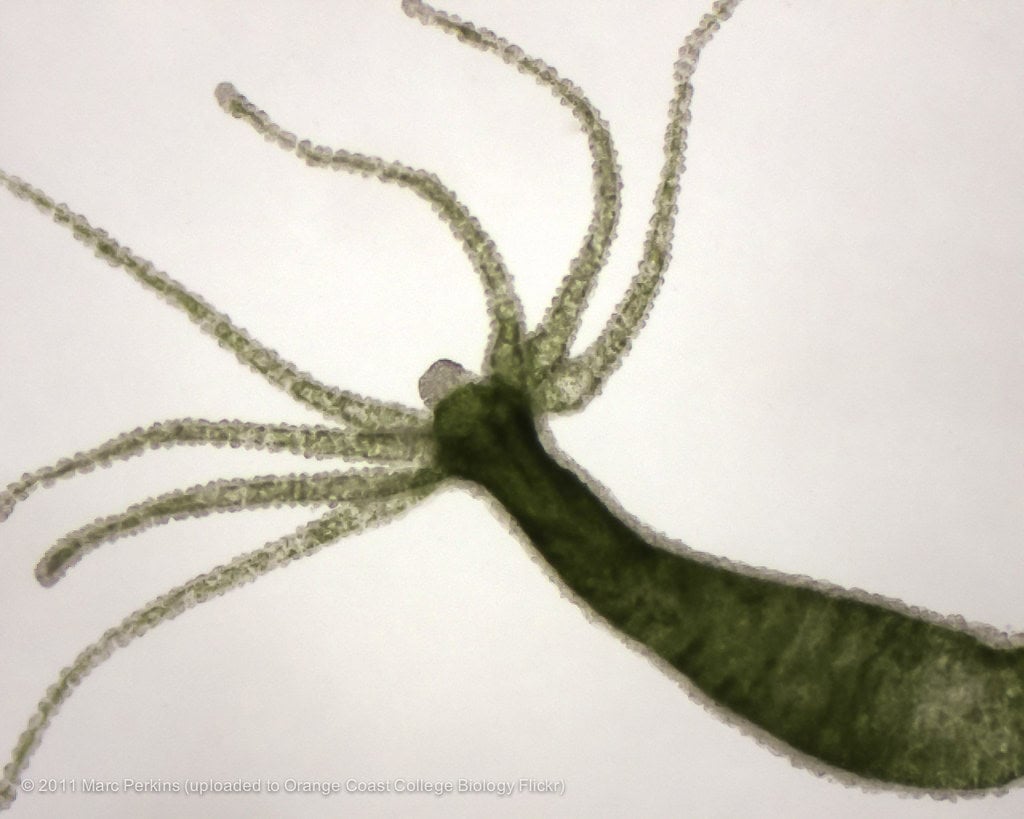
Hydras are small freshwater invertebrates that display perhaps the most profound regenerative capabilities in the animal kingdom. These simple tubular creatures with tentacles can regenerate their entire body from tiny fragments—even from disaggregated cells that have been separated and then reaggregated. If cut in half, both pieces will develop into complete new hydras. This extraordinary regenerative capacity stems from their abundant stem cells and the continuous state of cellular turnover throughout their body. Hydras maintain three distinct stem cell populations that continuously differentiate into specialized cells, replacing old cells that are constantly sloughed off at the extremities. This perpetual renewal process gives hydras biological immortality—they show no signs of aging or senescence when maintained in optimal conditions. The regenerative process in hydras involves the reorganization of existing tissue rather than blastema formation, with cells migrating and redifferentiating to restore the body’s proper proportions and polarity. Remarkably, hydras can regenerate their entire nervous system, including the nerve net that serves as their simple brain. Scientists like Daniel Martinez have monitored populations of Hydra vulgaris for years without observing any increase in mortality rates over time, confirming their non-aging status. This combination of extreme regenerative capacity and biological immortality makes hydras invaluable models for studying the fundamental mechanisms of regeneration and aging.
Sea Squirts Regenerating Complex Systems
🔥 Would you like to save this?
We'll email this post to you, so you can come back to it later!
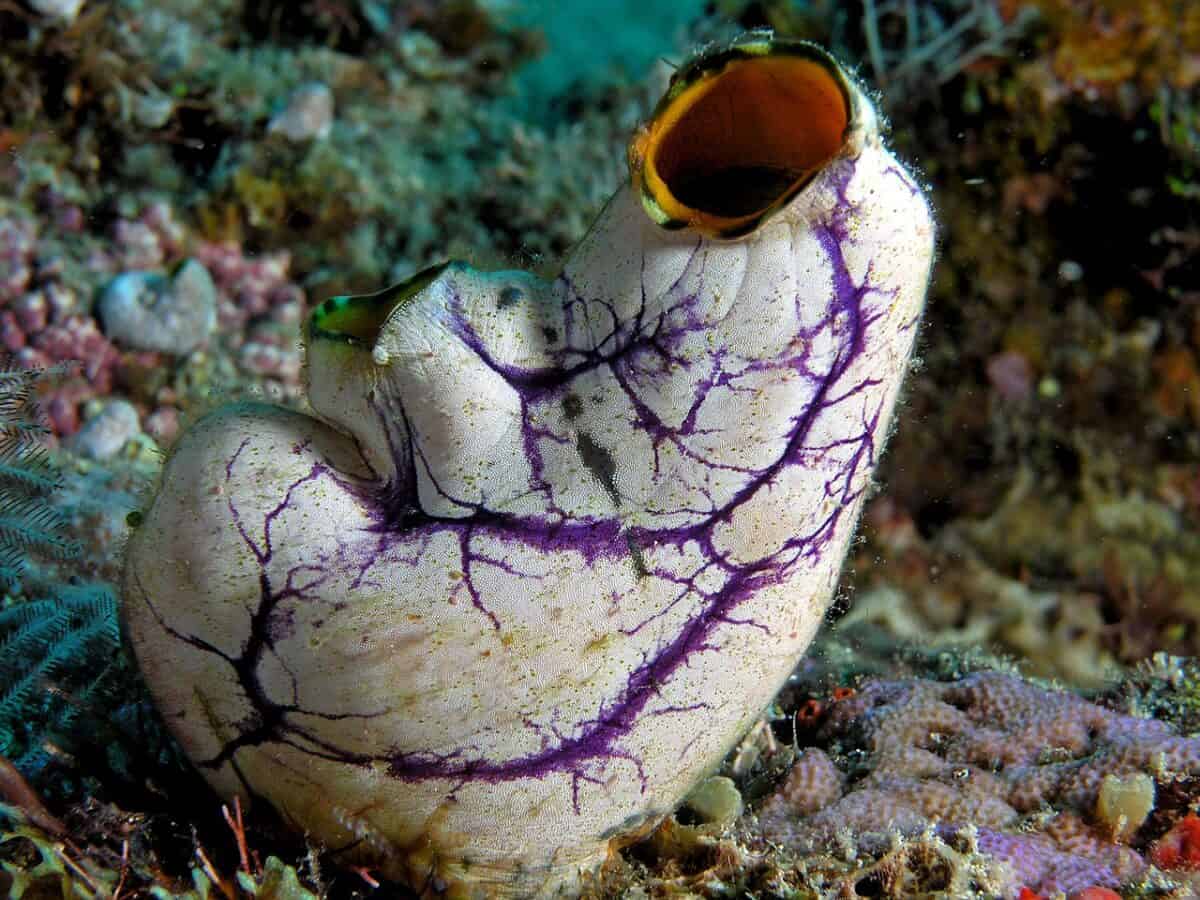
Sea squirts, or ascidians, are sessile marine invertebrates that possess remarkable regenerative abilities despite being more closely related to vertebrates than many other regenerating animals. These organisms, particularly colonial species like Botrylloides leachii, can regenerate their entire body from small fragments of vascular tissue in as little as 10 days. During this process, a cluster of stem cells forms and differentiates into all the necessary tissues and organs, including the complex filtering apparatus used for feeding, the neural complex, heart, digestive system, and reproductive organs. What makes sea squirt regeneration particularly interesting is that it occurs in an organism that shares a common ancestor with vertebrates, potentially offering insights into the evolutionary history of regenerative capacity in our own lineage. The regenerative process in sea squirts involves the activation of molecular pathways that are also present in vertebrates but typically inactive during wound healing. Colonial sea squirts can also undergo whole-body regeneration through a process called whole-body colonization, where circulating stem cells can rebuild an entire organism. Scientists have identified several key genes involved in this regenerative process that have homologs in humans, suggesting potential applications for regenerative medicine. The speed and completeness of sea squirt regeneration make them valuable models for understanding how complex body structures can be perfectly recreated after catastrophic injury.

Glass Hummingbird Feeder for Outdoors Hanging
Check Price on AmazonAs an Amazon Associate, we earn from qualifying purchases.
10/7/2026 1:21 pm GMTi

2 Pcs Halloween Pet Hat Bandana Set, Witch Pumpkin Costumes for Dogs
Check Price on AmazonAs an Amazon Associate, we earn from qualifying purchases.
10/9/2026 2:45 pm GMTi

Dog Stairs for Bed 18" H, 4-Step Dog Steps for High Bed
Check Price on AmazonAs an Amazon Associate, we earn from qualifying purchases.
10/9/2026 2:42 pm GMTi

Glass Hummingbird Feeder for Outdoors Hanging, 16 oz Leak-Proof Nectar Feeder with Bee Guards & Ant Moat
Check Price on AmazonAs an Amazon Associate, we earn from qualifying purchases.
10/7/2026 1:22 pm GMTi
Sharks Continuous Tooth Regeneration

🔥 Would you like to save this?
We'll email this post to you, so you can come back to it later!
Sharks possess one of the most efficient regenerative systems in the animal kingdom: their ability to continuously replace teeth throughout their lifetime. Unlike humans, who get just two sets of teeth, sharks develop and shed rows of teeth in a conveyor belt-like arrangement. New teeth develop in a groove in the shark’s jaw and gradually move forward as older teeth fall out. Depending on the species, a shark may go through 20,000 to 50,000 teeth in its lifetime. The great white shark (Carcharodon carcharias), for example, can have several rows of teeth developing simultaneously, with complete replacement occurring as frequently as every two weeks in some species. This continuous regeneration ensures sharks always maintain sharp, functional teeth for hunting and defense. The regenerative process is controlled by similar genetic pathways that guide tooth development in all vertebrates, including humans.
Conclusion:
🔥 Would you like to save this?
We'll email this post to you, so you can come back to it later!
The incredible regenerative abilities of the 14 animals featured in this article—from the humble planarian to the mighty deer—reveal the astonishing variety and sophistication of nature’s healing strategies. These creatures not only regrow limbs, organs, and nervous tissue but often do so with precision that science is only beginning to understand. By studying these biological marvels, researchers hope to unlock new medical breakthroughs in tissue regeneration, wound healing, and even neurogenesis for humans. While we may not yet possess the power to regrow a lost limb, these animals light the path forward—showing us that the key to regeneration may already exist in nature’s diverse and resilient designs.

As a little kid, I fell in love with nature, wildlife, and animals. Living in the USA, South Africa, Italy, China and Germany gave me the opportunity to discover the world's Wildlife. My favorite animals are Mountain Gorillas, Siberian Tigers, and Great White Sharks.
I'm a certified PADI Open Water Diver, went to Everest Base Camp and Trekked Gorillas in Uganda. I hold a Master of Science in Economics and Finance.
Please send any feedback to feedback@animalsaroundtheglobe.com
- 14 Creatures That Can Regrow Limbs - November 10, 2026
- 5 Signs You Have a Rodent Infestation (And How to Act Fast) - November 10, 2026
- The Longest Heatwave Ever to Scorch the Southwest - November 10, 2026
Leave a comment
You must be logged in to post a comment.