
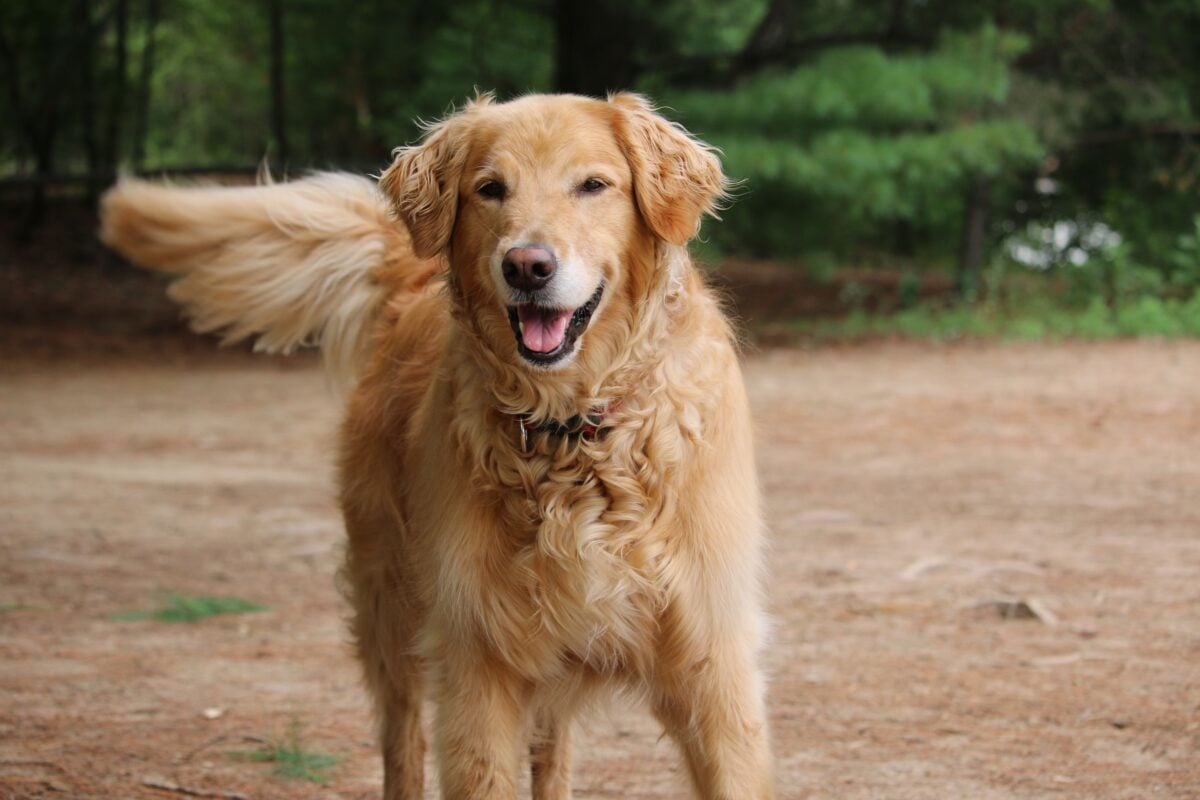
Most people assume a wagging tail means a dog is thrilled to see them. That assumption has led to plenty of surprises, some of them painful. The reality turns out to be more layered, and paying attention to the details changes how we read these everyday moments.
Animal behavior experts have spent years watching how tail position, speed, and stiffness line up with other body signals. Their observations point to a simple truth: the wag itself shows energy and engagement, but it does not automatically mean joy. A high, stiff version often tells a different story altogether.
The Common Misconception About Tail Wags
🔥 Would you like to save this?
We'll email this post to you, so you can come back to it later!
People have long treated any tail movement as an automatic green light for petting or play. This habit comes from years of simplified explanations that never captured the full picture. In practice, a wag simply shows the dog is emotionally activated in some way.
That activation can stem from excitement, curiosity, uncertainty, or rising tension. Behaviorists emphasize that the tail functions more like a barometer of internal state than a direct mood indicator. Once owners start separating the motion from the emotion, interactions become safer and more accurate.
Decoding Height and Stiffness in Tail Movement
🔥 Would you like to save this?
We'll email this post to you, so you can come back to it later!
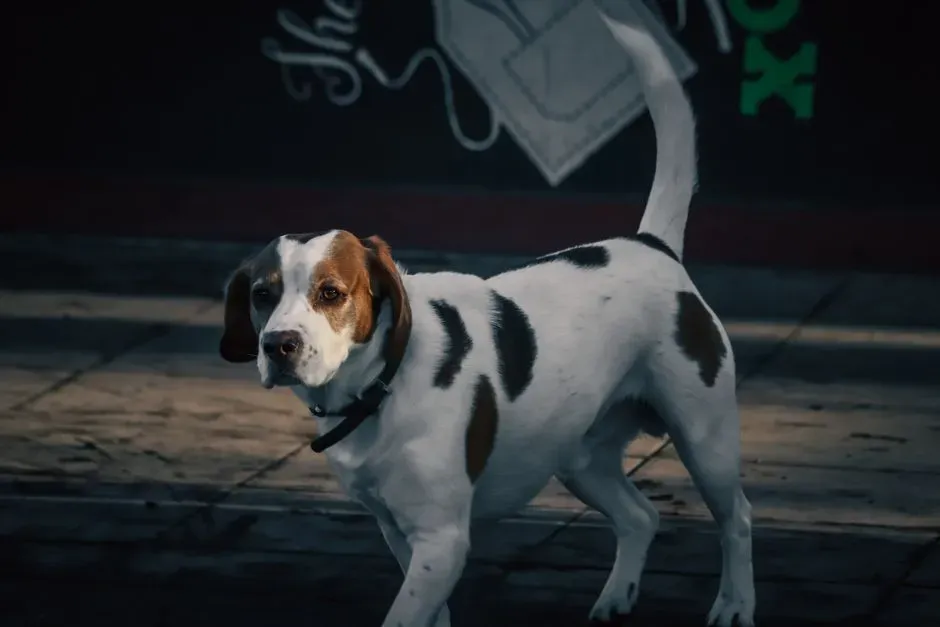
When the tail rides high above the spine line and feels rigid at the base, arousal levels are clearly elevated. The stiffness often shows up as short, tight movements rather than loose, sweeping arcs. This combination appears across many situations where the dog is alert and ready to respond.
Height alone raises the arousal flag, while the lack of looseness narrows the possibilities toward caution or confrontation. Studies and field observations consistently link this posture with forward focus and a body that is not relaxed. The same dog might switch to a lower, softer wag once the situation settles.

Halloween Cat Costume Cloak Witch Hat Pet Accessories
Check Price on AmazonAs an Amazon Associate, we earn from qualifying purchases.
10/9/2026 2:44 pm GMTi

Earth Rated XL Dog & Puppy Pee Pads, Discreet Top, Max Absorbency
Check Price on AmazonAs an Amazon Associate, we earn from qualifying purchases.
10/7/2026 1:28 pm GMTi

Smart Bird Feeder with Camera Solar Powered, 2K HD Live Video, 10,000+ Bird Species AI Identification
Check Price on AmazonAs an Amazon Associate, we earn from qualifying purchases.
10/7/2026 1:22 pm GMTi

PetSafe Oasys Pet Fountain, 1/2 Gallon (64 oz), Small Dogs & Cats
Check Price on AmazonAs an Amazon Associate, we earn from qualifying purchases.
10/8/2026 8:14 am GMTi

Glass Hummingbird Feeder for Outdoors Hanging
Check Price on AmazonAs an Amazon Associate, we earn from qualifying purchases.
10/7/2026 1:21 pm GMTi
Why Arousal Does Not Equal Happiness
🔥 Would you like to save this?
We'll email this post to you, so you can come back to it later!
Arousal describes a state of heightened readiness, not a positive or negative feeling. Dogs can reach this state during play, during a perceived threat, or while deciding how to handle an unfamiliar person. The tail wag marks the energy without labeling its source.
High arousal paired with stiffness tends to appear when the dog is weighing options or preparing to act. This differs sharply from the loose, full-body wiggles that accompany clear enjoyment. Recognizing the difference prevents misreading a warning as an invitation.
Observing the Broader Context of Dog Body Language
🔥 Would you like to save this?
We'll email this post to you, so you can come back to it later!
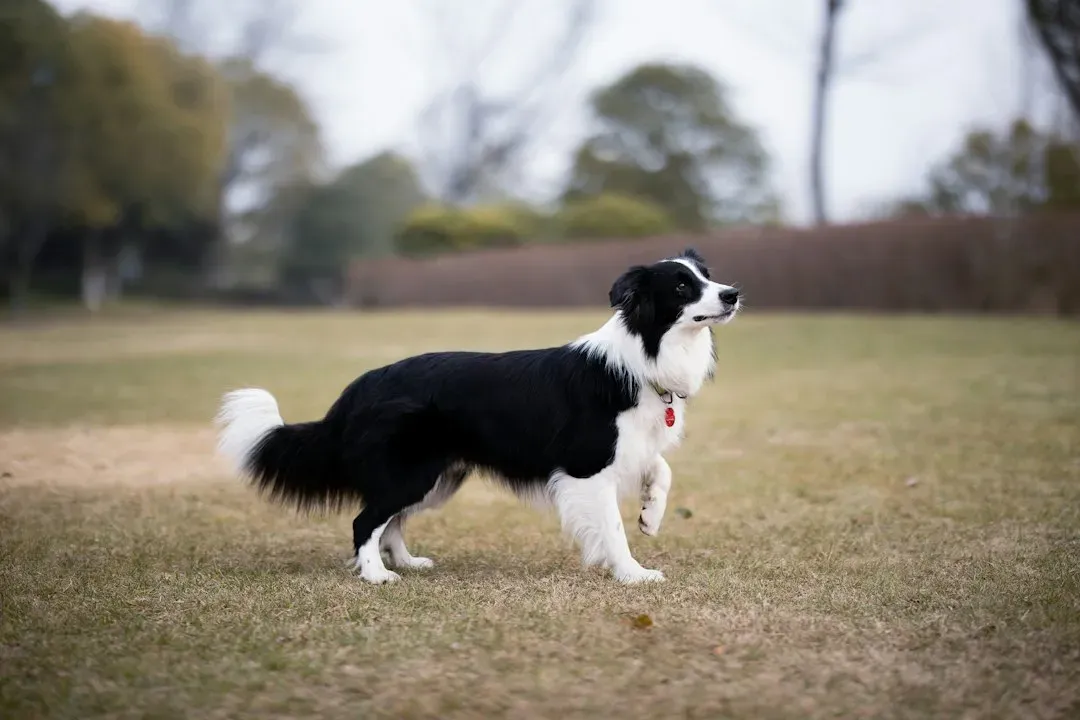
Tail signals never stand alone. Ears, eyes, mouth tension, weight distribution, and overall posture fill in the rest of the message. A stiff high wag on a dog with hard eyes and a closed mouth carries a different weight than the same wag on a dog with soft features and loose hips.
Behaviorists recommend scanning the whole animal before approaching. Changes in breathing rate or subtle freezing can appear alongside the tail cue. These layered signals give a more reliable read than any single feature.

Hand Blown Glass Hummingbird Feeders for Outdoors Hanging, 24oz Wild Bird Nectar Feeder
Check Price on AmazonAs an Amazon Associate, we earn from qualifying purchases.
10/7/2026 1:23 pm GMTi

Halloween Dog Collar with Bow, Orange Cute Ghost Collar,
Check Price on AmazonAs an Amazon Associate, we earn from qualifying purchases.
10/9/2026 2:43 pm GMTi

Portable Dog Water Bottle Foldable Dog Travel Water Bottle
Check Price on AmazonAs an Amazon Associate, we earn from qualifying purchases.
10/7/2026 1:29 pm GMTi

Air Purifiers for Home Pets Large Room Up to 3000 Ft²,HEPA Air Cleaner with Washable Double-Side Filter, PM2.5 Air Quality Monitor,15dB Sleep Mode for Bedroom Odor Dust Pollen,White
Check Price on AmazonAs an Amazon Associate, we earn from qualifying purchases.
10/8/2026 8:23 am GMTi

2 Pcs Halloween Pet Hat Bandana Set, Witch Pumpkin Costumes for Dogs
Check Price on AmazonAs an Amazon Associate, we earn from qualifying purchases.
10/9/2026 2:45 pm GMTi
Practical Steps for Safer Interactions
🔥 Would you like to save this?
We'll email this post to you, so you can come back to it later!
Give the dog space when the tail sits high and stiff, especially if the rest of the body looks tense. Wait for the posture to soften before moving closer or offering a hand. Many bites happen because someone ignored the early warning and assumed friendliness.
Teaching children and visitors this distinction reduces risk in homes and public spaces. Trainers often suggest letting the dog approach first rather than reaching out. Small adjustments like these build trust and prevent unnecessary escalations over time.

Glass Hummingbird Feeder for Outdoors Hanging, 16 oz Leak-Proof Nectar Feeder with Bee Guards & Ant Moat
Check Price on AmazonAs an Amazon Associate, we earn from qualifying purchases.
10/7/2026 1:22 pm GMTi

Dog Stairs for Bed 18" H, 4-Step Dog Steps for High Bed
Check Price on AmazonAs an Amazon Associate, we earn from qualifying purchases.
10/9/2026 2:42 pm GMTi

Professional 7 in 1 Dog Paw Cleaner for Dogs & Cats - Includes 1 Portable Paw Washer, 1 Bath Brush
Check Price on AmazonAs an Amazon Associate, we earn from qualifying purchases.
10/7/2026 1:26 pm GMTi

Orthopedic Extra Large Dog Bed, Waterproof Washable XL Pet Bed 44"
Check Price on AmazonAs an Amazon Associate, we earn from qualifying purchases.
10/7/2026 1:32 pm GMTi
Shifting Our Perspective on Canine Signals
🔥 Would you like to save this?
We'll email this post to you, so you can come back to it later!
Understanding that a high, stiff wag reflects arousal rather than automatic happiness asks us to slow down and observe more carefully. This shift does not make dogs less joyful. It simply respects the complexity of how they communicate.
Owners who adopt this view tend to form calmer, more respectful relationships with their pets. The payoff shows up in fewer misunderstandings and stronger bonds built on accurate reading rather than wishful thinking. In the end, paying attention to the full signal benefits everyone involved.

- Animal Behaviorists Say a High, Stiff Tail Wag in Dogs Isn’t Always Friendly – It Can Signal Arousal or Tension Rather Than Happiness - November 10, 2026
- Animal Psychology Says Cats Began Living Alongside People Nearly 10,000 Years Ago – Thousands of Years Before Ancient Egypt - November 10, 2026
- Feline Psychology Says Many Cats Favor One Paw – and Males Tend to Lean Left While Females Lean Right - November 10, 2026