
There’s something quietly revealing about asking a veterinarian what dog they keep at home. These are people who spend their days treating every breed imaginable, from anxious Dachshunds to struggling Bulldogs to beautifully high-maintenance Samoyeds. They’ve seen it all through the exam table lens, which means when they choose a dog for their own household, that choice carries real weight.
The interesting thing is that vet choices don’t always match what’s trendy on social media or topped on the AKC charts. Veterinarians base their recommendations on several factors, including overall health, temperament, adaptability to home environments, trainability, and compatibility with children or other pets. A breed that is easy to manage, less prone to severe genetic health issues, and capable of forming strong bonds with humans tends to rise to the top. Here are the 14 breeds that veterinary professionals consistently gravitate toward when the clinic doors close and the real life begins.
#1. Labrador Retriever
There’s a reason the Labrador held the title of America’s most popular purebred dog for over three decades. Among all dog breeds, the Labrador Retriever continues to hold its position as one of the most beloved and veterinarian-recommended dogs in the world, known for its friendly nature, intelligence, and versatility. Vets who treat hundreds of dogs a week tend to come home to one of these anyway, and that’s not a coincidence.
Labradors are naturally social animals that form strong bonds with their owners. Their gentle temperament makes them especially suitable for families with children, as they are patient, affectionate, and rarely aggressive. On top of all that, veterinarians often recommend Labradors because their genetics avoid many severe hereditary diseases, and veterinary insights place Labradors high on vet-endorsed breed lists for their friendly nature and physical durability.
#2. Golden Retriever

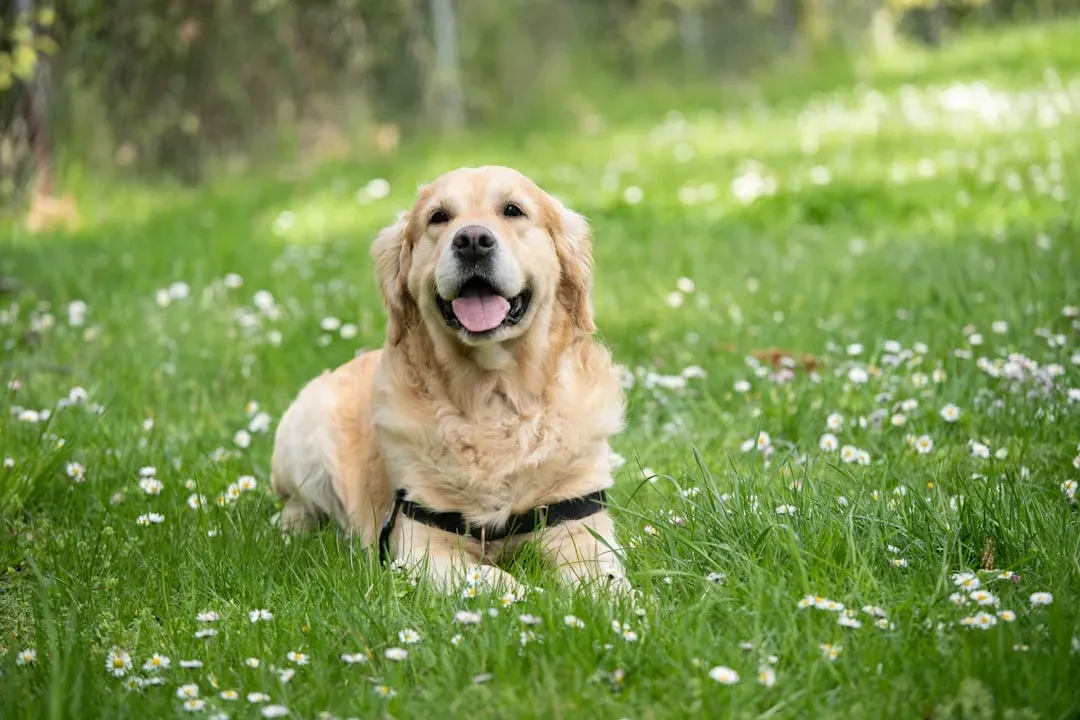
Golden Retrievers are known for being gentle, playful, loyal, and affectionate. Their natural sweetness and outgoing personalities make them excellent family pets, and their fun-loving attitude and love of people make them a great fit for those with kids, first-time dog owners, and active households. It’s no surprise Goldens are suggested by vets for those looking to add a pet to their household.
Golden Retrievers make excellent family pets due to their friendly, loyal, intelligent, and tolerant nature. Their eagerness to please and intelligence make them easy to train and obedient, and they have a great temperament that makes them wonderful with kids, often becoming protective of their human family. For vets who value a dog that requires minimal behavioral intervention, a Golden genuinely earns its reputation every single day.
#3. Poodle
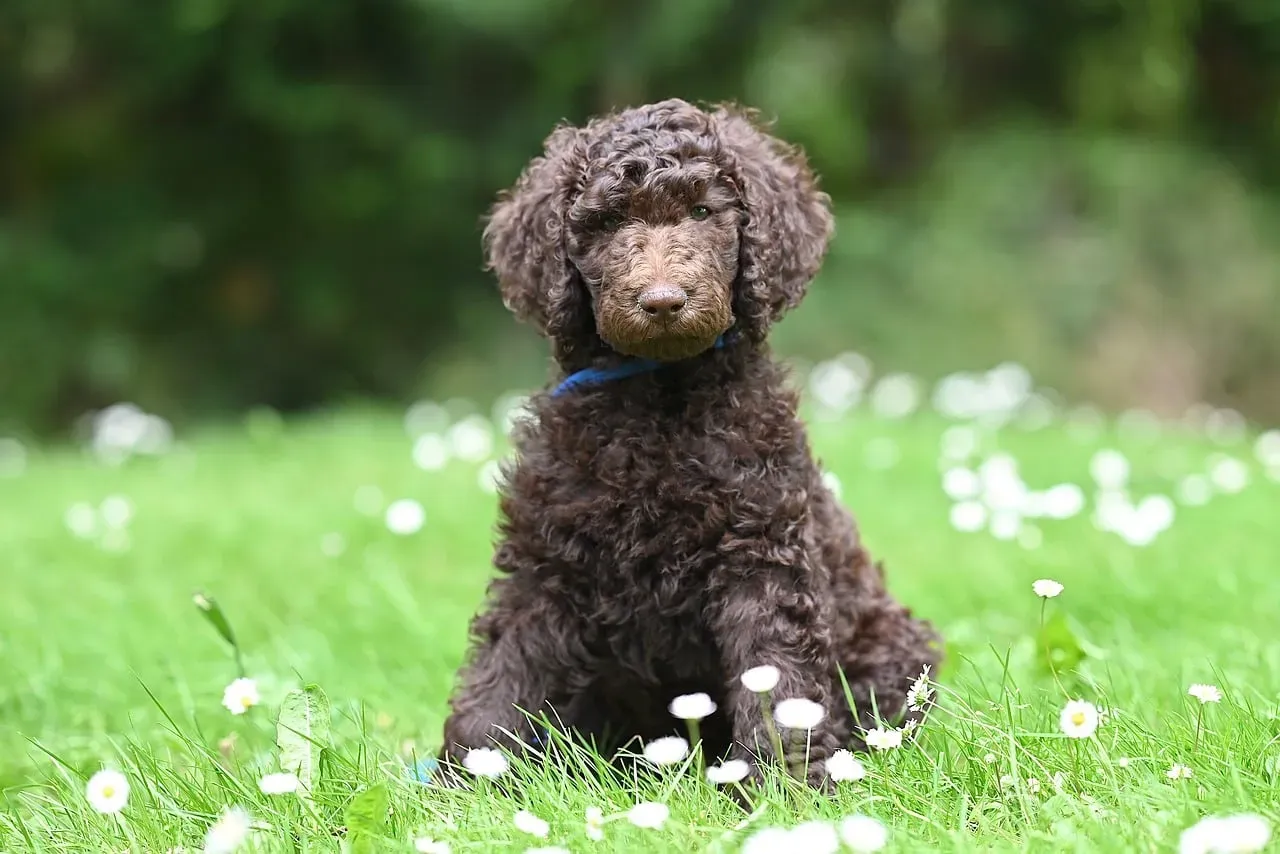
Poodles have a pop culture reputation for being aloof, but that’s just not the case in real life. Poodles, ranging from toy to standard, are known for being smart and friendly, and their low-shedding coats make them a good pet for people with mild allergies. Vets who understand coat maintenance from a clinical perspective appreciate how much easier a non-shedding breed is in the long run.
The Poodle’s intelligence isn’t just a party trick. It means faster training, better responsiveness, and a dog that genuinely picks up on cues. The Poodle works well in both apartments and houses, which broadens its appeal, and they come in multiple sizes and work for various lifestyles. Whether a vet lives in a city apartment or a house with a yard, the Poodle adapts without complaint.
#4. Cavalier King Charles Spaniel
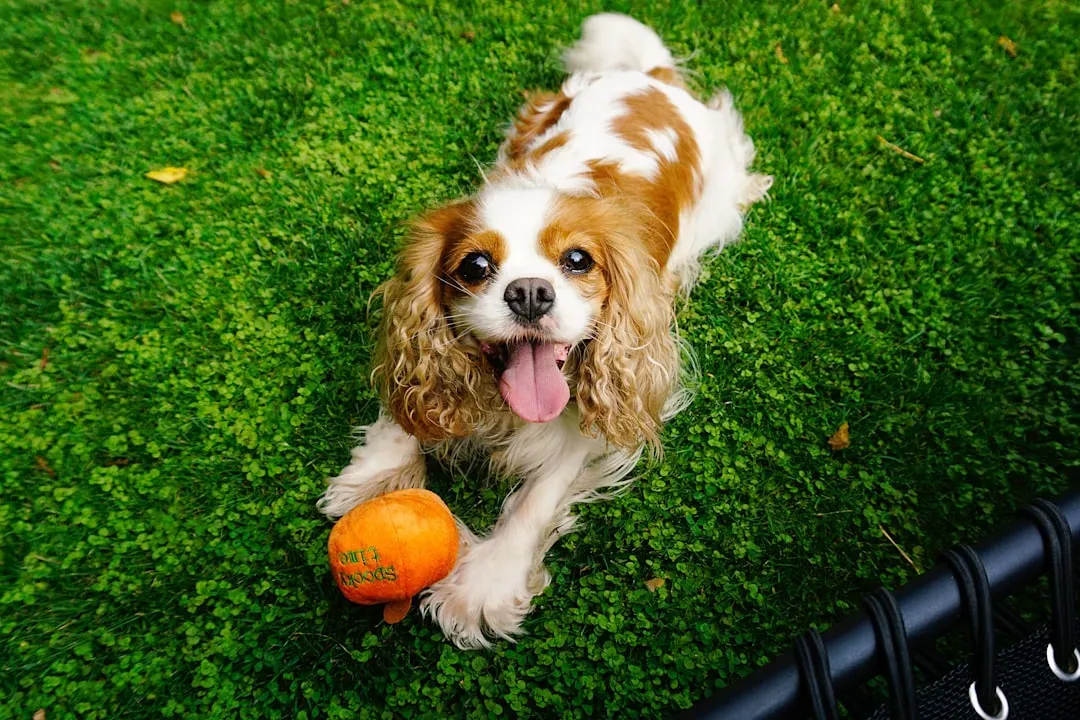
The Cavalier King Charles Spaniel was recommended by multiple veterinary professionals and is known for being a gentle and affectionate pet. Cavalier King Charles Spaniels are an excellent choice for a family pet due to their outgoing, sporty, fearless, and eager-to-please nature. They are known for their ever-wagging tails and love to be surrounded by humans, and despite their sporty nature, they also enjoy lounging indoors.
Cavalier King Charles Spaniels are great pets for all kinds of households. They were originally bred as lap dogs for nobility and were developed to value closeness, gentleness, and attentiveness to people, rather than a specific working task. A vet who has a packed day at the clinic doesn’t want to come home to a high-demand dog. The Cavalier is the perfect decompression partner.
#5. Border Collie
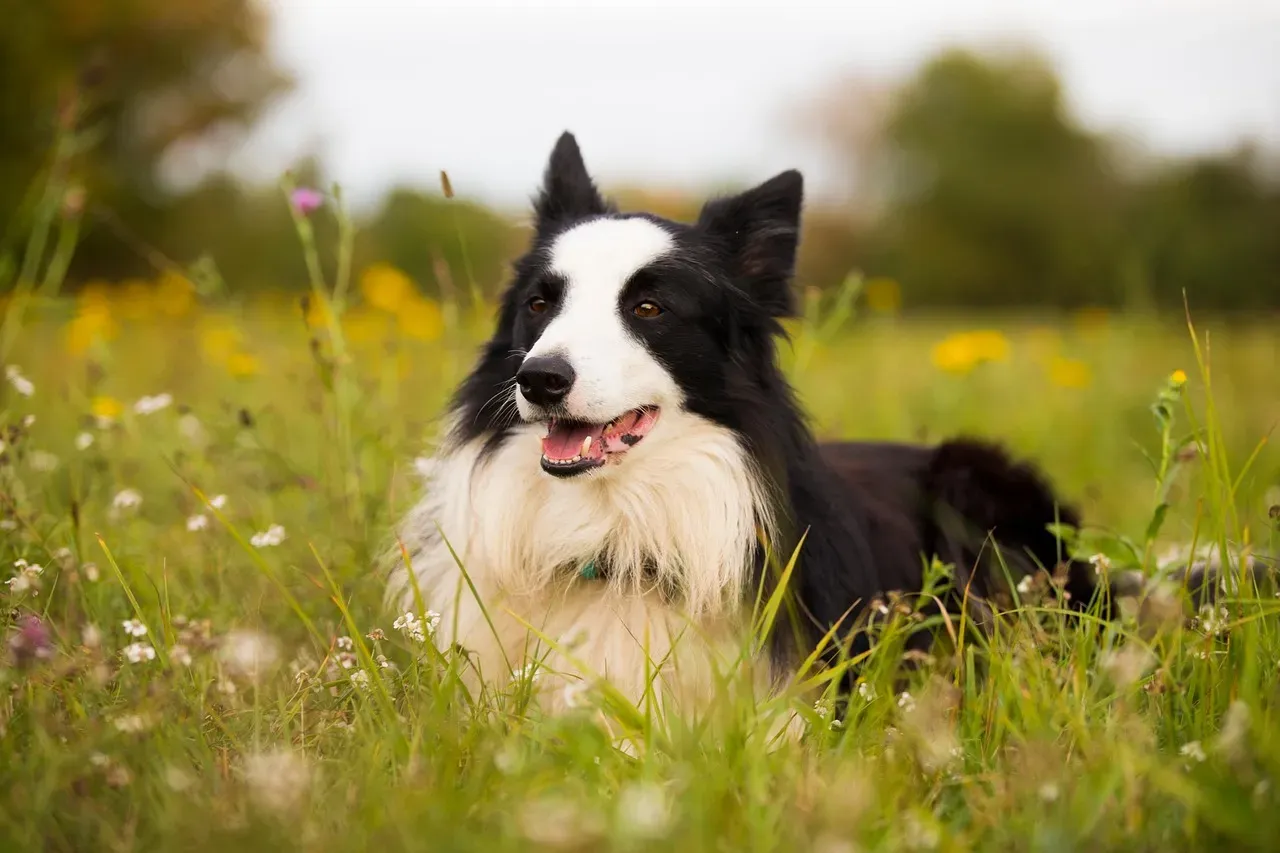
Herding breeds like the Border Collie often show fewer chronic conditions because their genetics favor stamina and balanced structure. The result is a dog that stays active well into old age and visits the vet mainly for routine care. That kind of resilience is something a practicing veterinarian notices and values deeply, having spent years watching less fortunate breeds struggle with compounding health issues.
Border Collies are smart, active dogs with a healthy lifespan that often extends well into the teens, with a typical life expectancy of 12 to 15 years. They do require serious mental engagement. A vet household typically has the knowledge and energy to provide exactly that, making this pairing far more fitting than it might seem to the average pet owner.
#6. Australian Shepherd
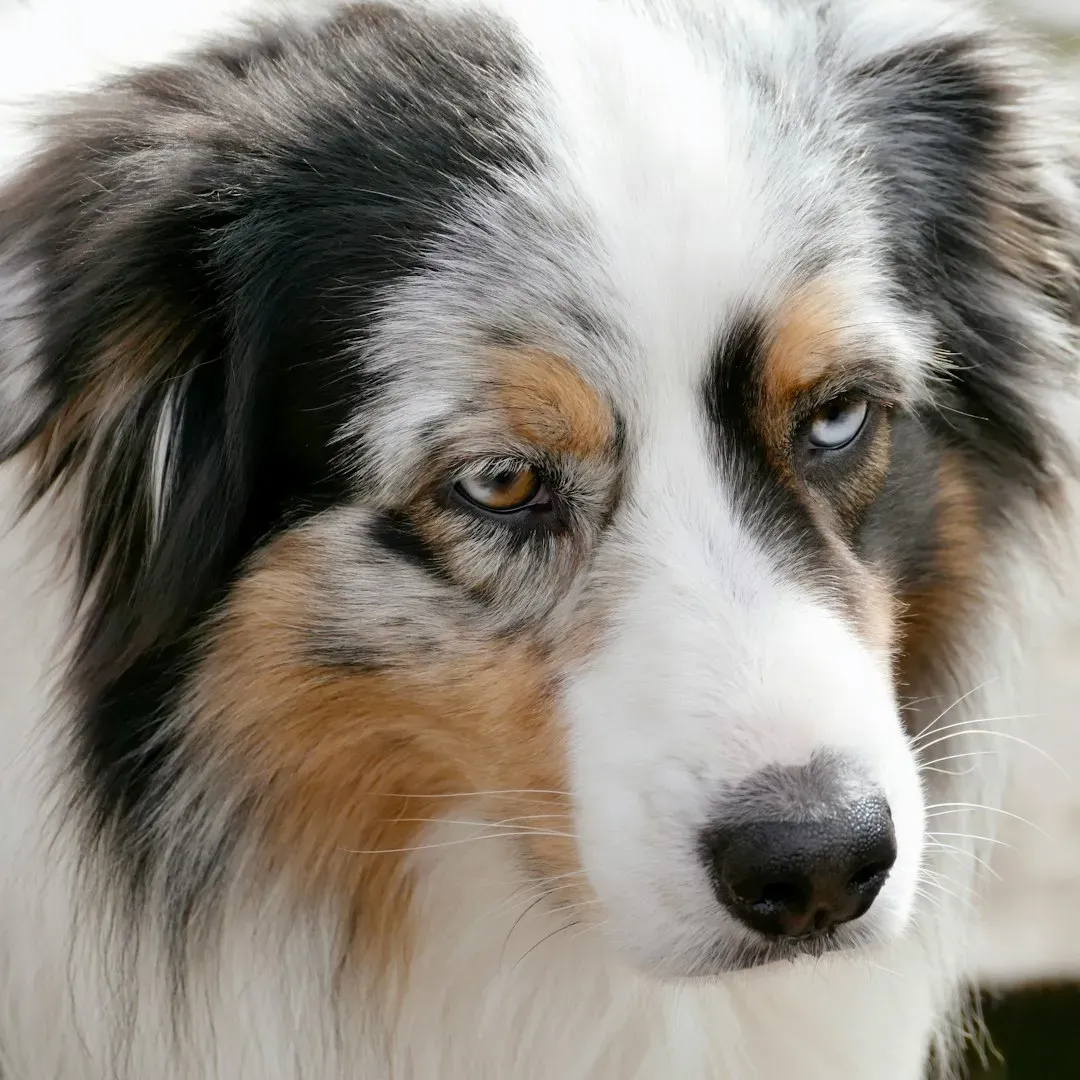
The Australian Shepherd is a breed that tends to thrive when it’s around someone who genuinely understands dog behavior. That’s a natural fit for a veterinarian. Vet professionals frequently include the Australian Shepherd among their top personal breed preferences, citing unique and lovable companion qualities. These dogs are athletic, deeply loyal, and wired to work alongside their humans rather than just existing beside them.
German Shepherds and Australian Shepherds share the trait of protective instincts and unmatched loyalty. With proper training, they adapt beautifully to family life while remaining alert and dependable. Aussies in particular have the kind of engaged, attentive personality that makes every evening at home feel genuinely interactive. They watch, they respond, they connect. For vets who love the full experience of owning a dog, that’s the whole point.
#7. Australian Cattle Dog
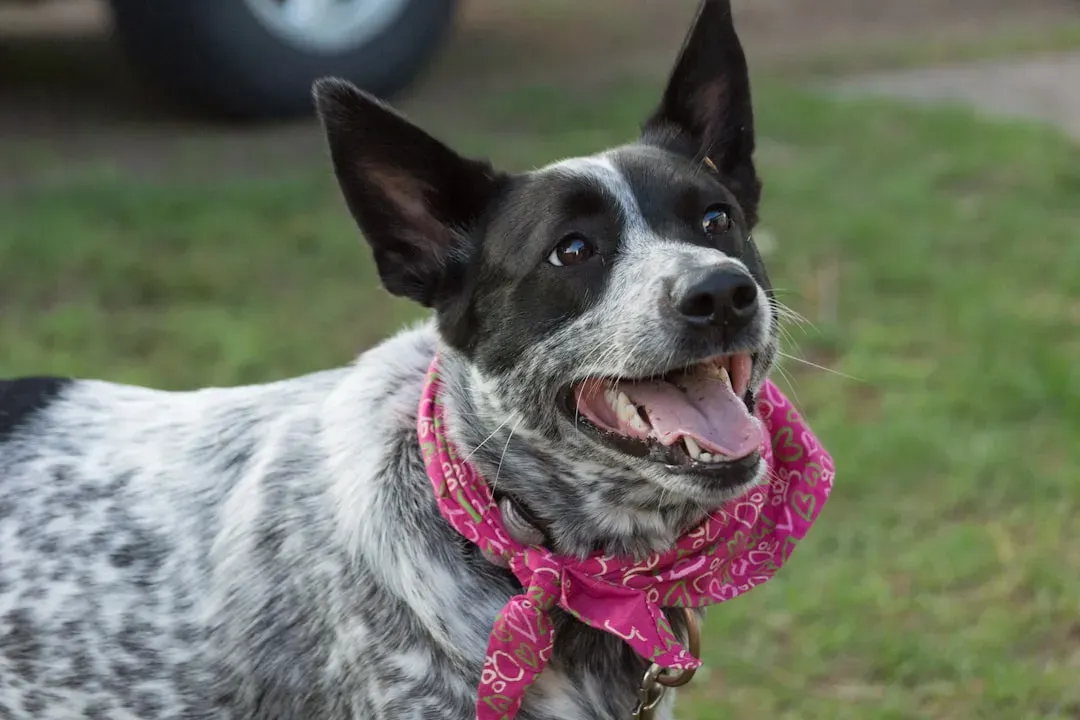
Veterinary experts cited by PetMD place Australian Cattle Dogs among the healthiest dog breeds known today. That matters enormously to professionals who have watched beloved pets decline due to breed-specific health complications. The Cattle Dog’s working heritage gave it a physical robustness that translates directly into fewer clinic visits and longer, more active years.
These dogs are compact, endlessly energetic, and surprisingly affectionate with their chosen people. The Australian Cattle Dog can be traced back to the early 1800s when Australian ranchers began mixing various Collie-type breeds to get a dog with a no-nonsense approach to herding and protecting their livestock. That heritage produced a breed with genuine toughness baked in. Vets who prefer a dog with staying power consistently mention this breed in the same breath as their own home.
#8. Whippet

At first glance, the Whippet might seem like a surprising pick from a vet’s perspective. They look delicate, almost fragile. But looks deceive here. Whippets are praised for their adaptability as calm indoor pets and loving companions. Inside the home, they’re gentle, quiet, and deeply content to stretch out on the nearest soft surface. Outside, they’re a completely different animal.
The Whippet is known in the U.S. for calm, affectionate, and sometimes laid-back behavior, reflecting sighthound influence. Vets who want a dog that genuinely rests when resting is needed and genuinely runs when running is appropriate tend to fall hard for the Whippet. There’s an efficiency to the breed that appeals to practical, observant people. It doesn’t pretend to be anything other than what it is.
#9. Greyhound
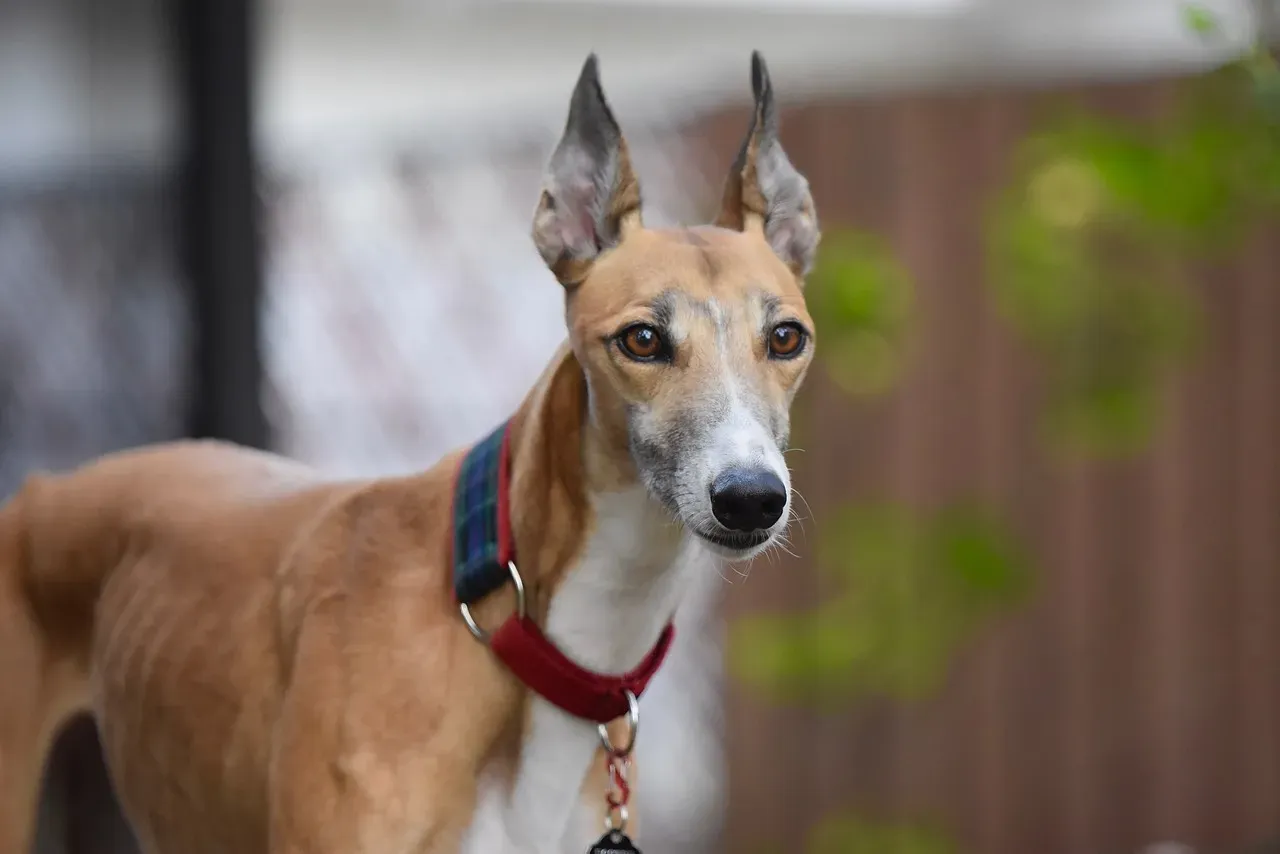
Greyhounds are praised for their adaptability as calm indoor pets and loving companions. That surprises most people, given the breed’s reputation as a racing dog. In reality, retired Greyhounds in particular are among the most relaxed, low-drama dogs you’ll ever meet. They sleep deeply, move gently through the house, and attach to their owners with quiet loyalty.
Veterinarians who understand the mismatch between a breed’s athletic appearance and its actual temperament are often the first to champion the Greyhound as a house pet. Vet professionals frequently list the Greyhound among their top personal breed preferences, alongside other sighthounds like the Borzoi and Irish Wolfhound. Their clean coat, minimal grooming needs, and genuinely gentle disposition make them a low-maintenance companion dressed in a very sporty exterior.
#10. German Shepherd
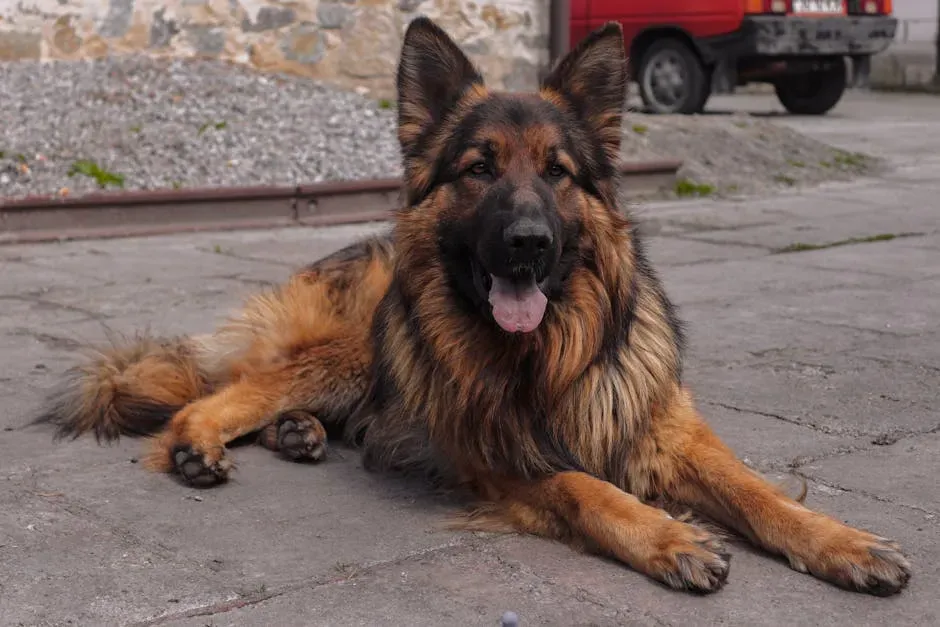
Bred as an ultimate herding and working breed, German Shepherds tap into their natural intelligence, strength, and speed to serve as trusted companions. In the right environment, German Shepherds can be surprisingly lazy and laid-back, making them a good fit even for owners with more easygoing lifestyles. Most people don’t expect that, but vets who know the breed well appreciate the full spectrum of what a well-raised Shepherd looks like at home.
This large breed is commonly trained for military and police work. On the homefront, however, German Shepherds make loyal dogs who develop close connections with their family and are sometimes used as assistance or medical alert dogs. The German Shepherd’s trainability is legendary, and for a veterinarian who understands behavior at a structural level, that trainability translates into a deeply rewarding relationship.
#11. Boston Terrier
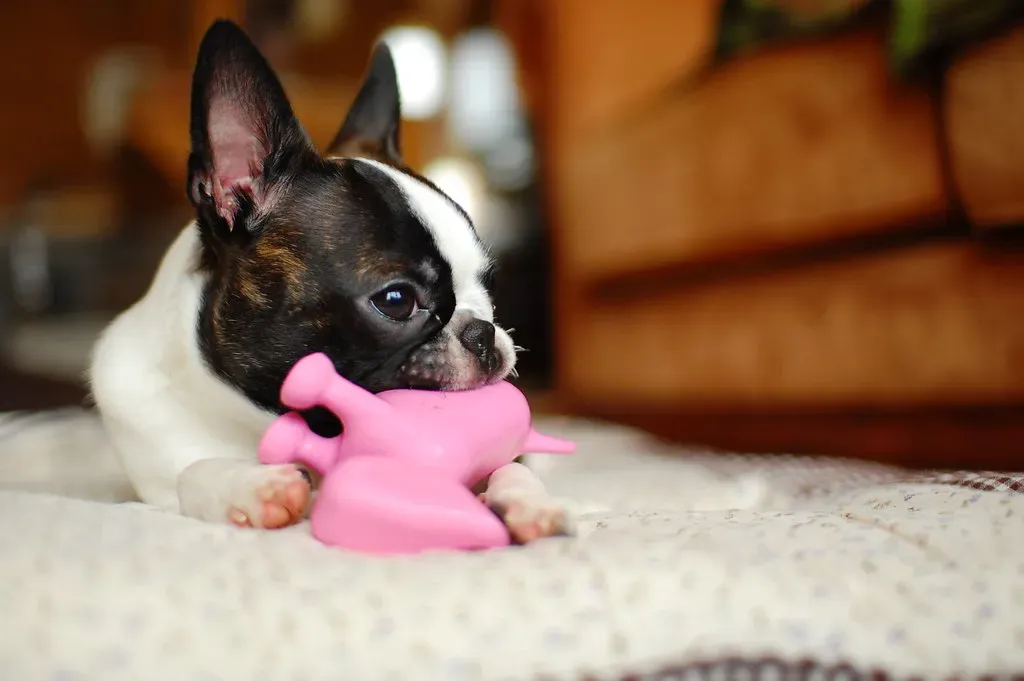
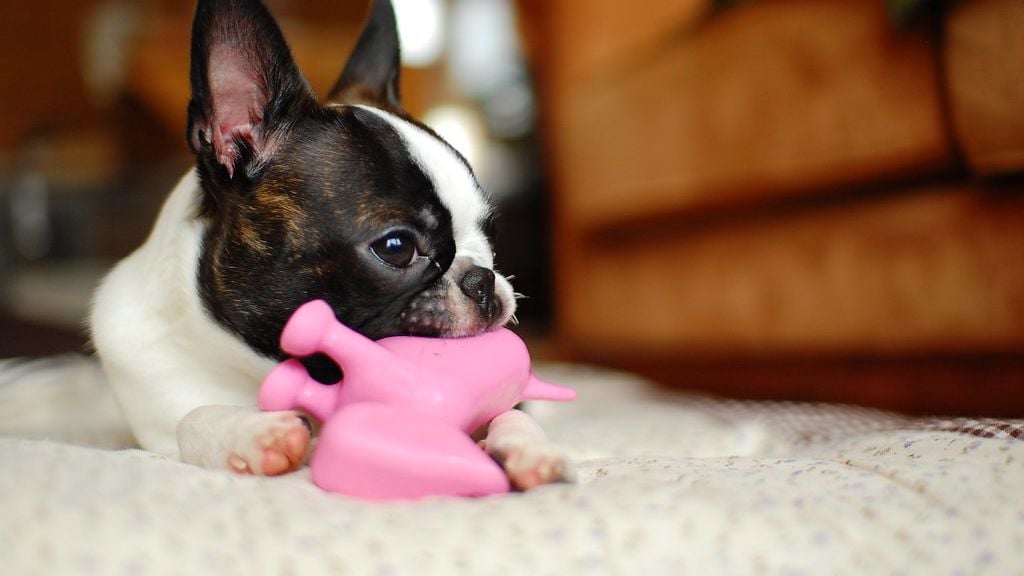
Boston Terriers fit a wide range of lifestyles. They were originally bred as companion dogs and raised to live closely with people. While these compact, tuxedo-coated companions aren’t exactly wired to perform specific working roles, they’re playful and social without being overwhelming in size or exercise needs. For a vet who lives in a smaller space or has irregular hours, the Boston Terrier’s moderate needs are genuinely appealing.
Boston Terriers offer short bursts of energy balanced by a strong ability to relax, and this combination makes them adaptable to a variety of lifestyles, including urban apartments, family homes, and people with more structured daily routines. They also have a personality that’s difficult not to love. There’s a cartoonish expressiveness to a Boston Terrier’s face that makes even a difficult day end a little more lightly.
#12. Chihuahua

A Chihuahua trots through the room with surprising confidence. Their size might suggest fragility, yet these small dogs often show impressive toughness over time. That combination of small footprint and genuine durability is exactly what appeals to a busy professional. They don’t take up space. They don’t ask for much in terms of exercise. Yet they deliver outsized amounts of personality and loyalty.
The Chihuahua’s long lifespan of 12 to 18 years reflects the kind of relationship veterinarians notice when they see how owner-pet partnerships shape long-term health. A small dog that thrives in compact living spaces while aging slowly offers a practical choice for busy professionals. Vets know, better than anyone, what it means to have a companion who simply keeps going, year after year, healthy and present.
#13. Labradoodle

In 1989, the Royal Guide Dogs Association of Australia orchestrated the first intentional breeding of Poodles and Labrador Retrievers to produce hypoallergenic guide dogs. These dogs, known as Labradoodles, have since gained immense popularity as a family pet because of their amiable, warm, and sociable temperament. Labradoodles are happiest in the company of people and display immense affection and loyalty to their owners.
Crossbreeds like Labradoodles are gaining traction because they offer the best of both worlds, intelligence from Poodles and friendliness from Labradors. For vets who want a dog that’s both emotionally attentive and genuinely smart, this cross is hard to beat. The reduced shedding is a practical bonus for a household where cleanliness matters. The social, cheerful temperament is the real draw.
#14. Mixed Breed or Rescue Dog

Here’s where many veterinarians land when they’re fully honest about the choice. Research compiled over 25 years came to a compelling conclusion: mixed-breed dogs not only live longer on average, but they are also less prone to many inherited diseases that commonly affect purebred dogs. Vets who have spent years treating breed-specific conditions carry that knowledge home with them and often decide accordingly.
Many veterinarians notice mixed-breed dogs visiting clinics less often for breed-specific illnesses. Dogs without narrow breeding lines tend to avoid some of the structural and genetic conditions that affect popular purebred pets. For veterinarians who value long-term health above pedigree, mixed breeds are one of the smartest companions to bring home. There’s also something quietly meaningful about a vet choosing to rescue, given everything they see in practice. It’s a decision made with both the head and the heart working together.
What This List Really Tells Us
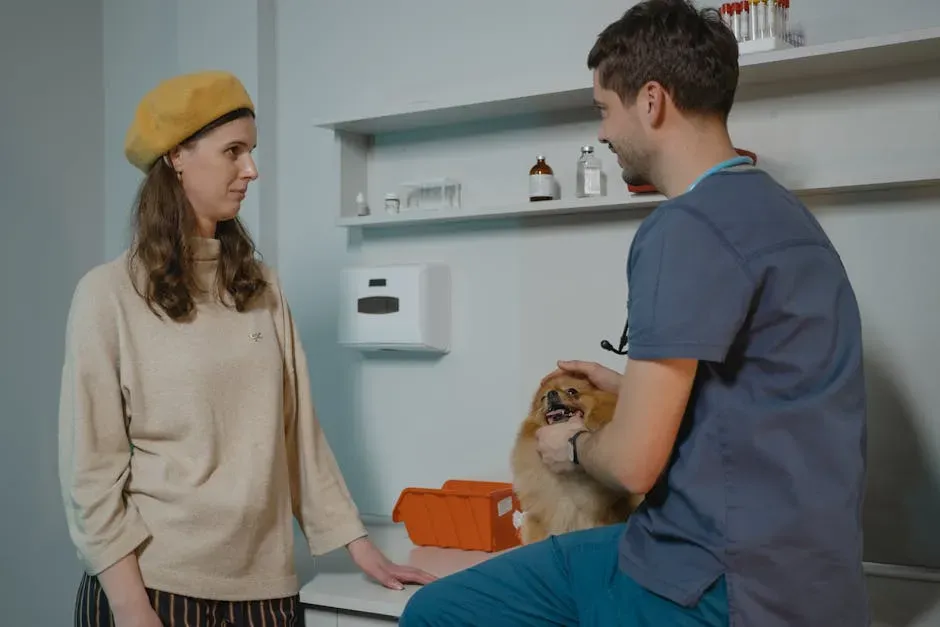
The honest takeaway from a vet’s personal dog choices is that the flashiest breeds rarely make the cut. What emerges again and again is a preference for temperamental stability, genuine health resilience, and a personality that holds up across the full arc of a dog’s life. These aren’t Instagram choices. They’re considered ones.
There’s also a quiet thread running through almost every breed on this list: trainability and emotional availability. Responsible pet ownership involves regular veterinary care, proper nutrition, training, and socialization. Even the most recommended dog breeds require attention and commitment to maintain their health and happiness. Vets know this isn’t a burden with the right breed. It’s simply the deal you make, and they make it knowingly.
If a person who spends their career treating sick and injured dogs still comes home excited to see one waiting at the door, that says everything worth knowing about dogs in general. The breed matters far less than it seems. The bond, as any honest vet will tell you, is the whole thing.
