


When families flocked to the East Coast for a relaxing beach day, they weren’t expecting fins to interrupt the fun. But as shark sightings rise along the Atlantic shoreline, swimmers and scientists alike are adjusting to a new kind of summer experience—one where humans and sharks share the surf.
Shark Sightings Surge Along the Coast
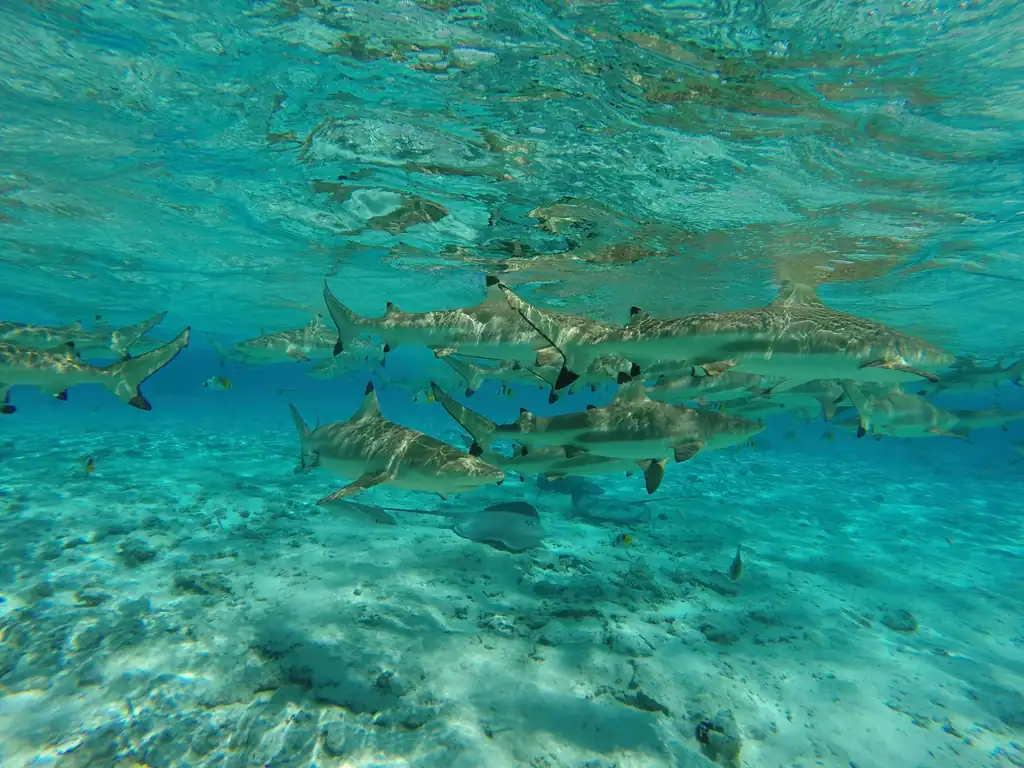
From Florida to New England, more sharks are being spotted in shallow waters than in previous years. Lifeguards are clearing swimmers from the ocean, and drones are regularly capturing footage of fins slicing through the waves. Experts point to warmer water and booming fish populations as key reasons sharks are venturing closer to shore.
Not Hunting—Just Following Food

While headlines may spark panic, marine biologists stress that sharks aren’t out to attack. They’re simply chasing schools of baitfish that now thrive near coastlines. These apex predators are acting on instinct, not aggression, and most encounters are completely harmless.
Beaches Boost Patrols and Awareness
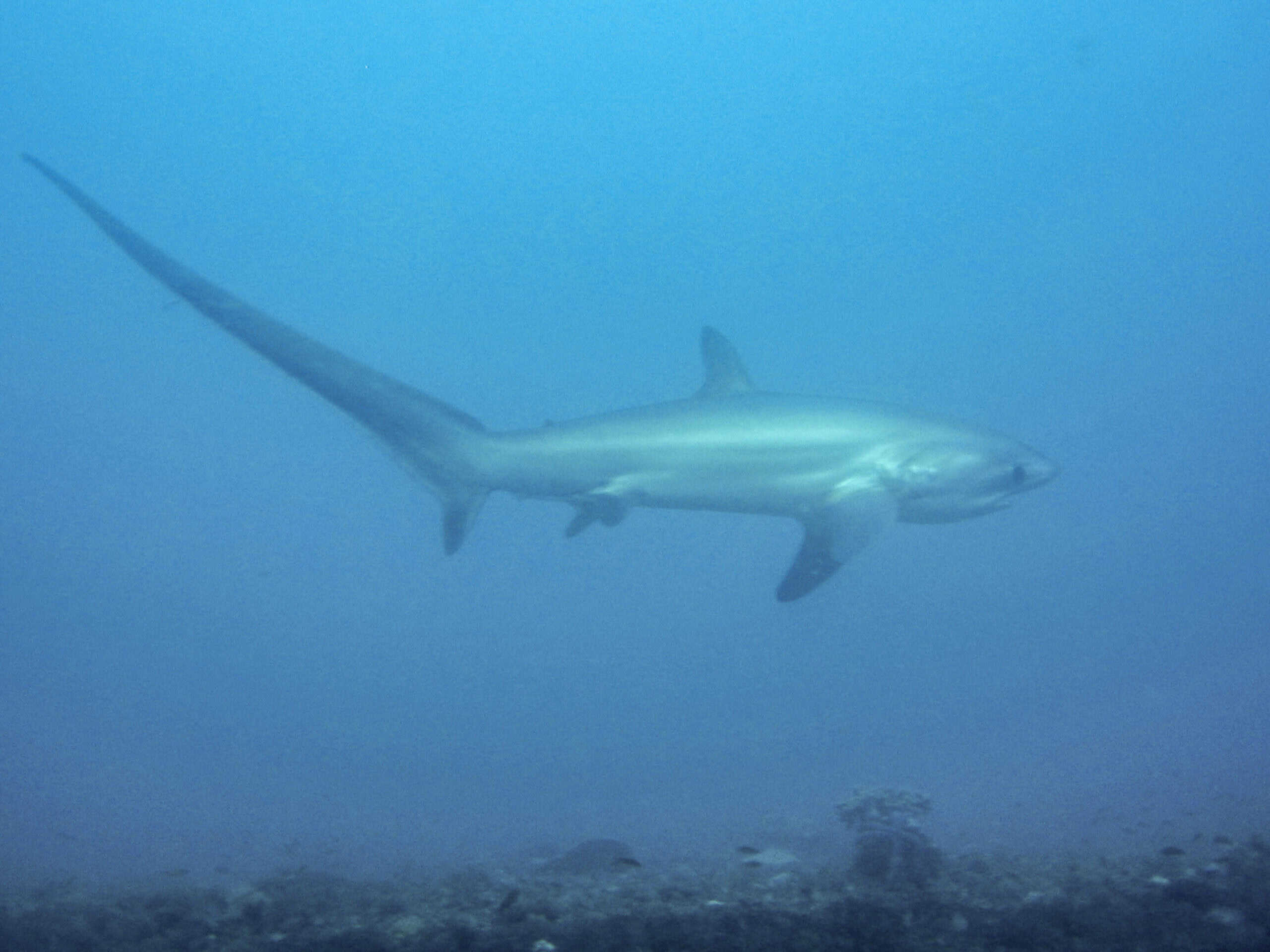
In response, coastal towns have ramped up safety measures. Lifeguards are trained to identify shark activity quickly, drones sweep the area from above, and swimmers are urged to stay close to shore. With more eyes on the water, officials hope to keep both people and marine life safe.
A Chance to Rethink Shark Stereotypes
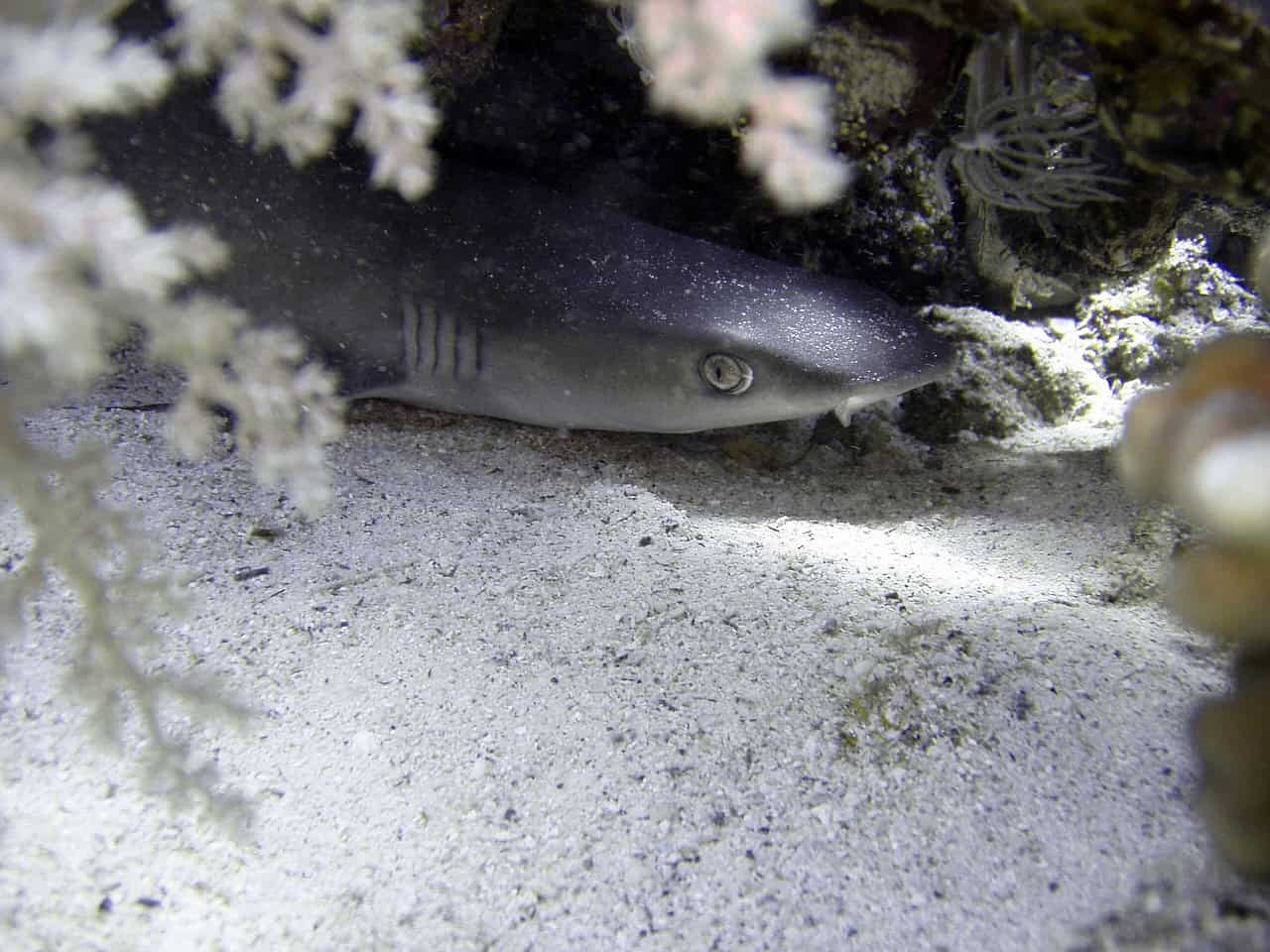
Rather than fueling fear, these encounters are helping to reshape public perception. Many beachgoers express awe rather than anxiety, watching these majestic animals cruise through the surf. And conservationists see this as an opportunity to educate the public about sharks’ vital role in ocean health.
Simple Habits for Safe Swimming
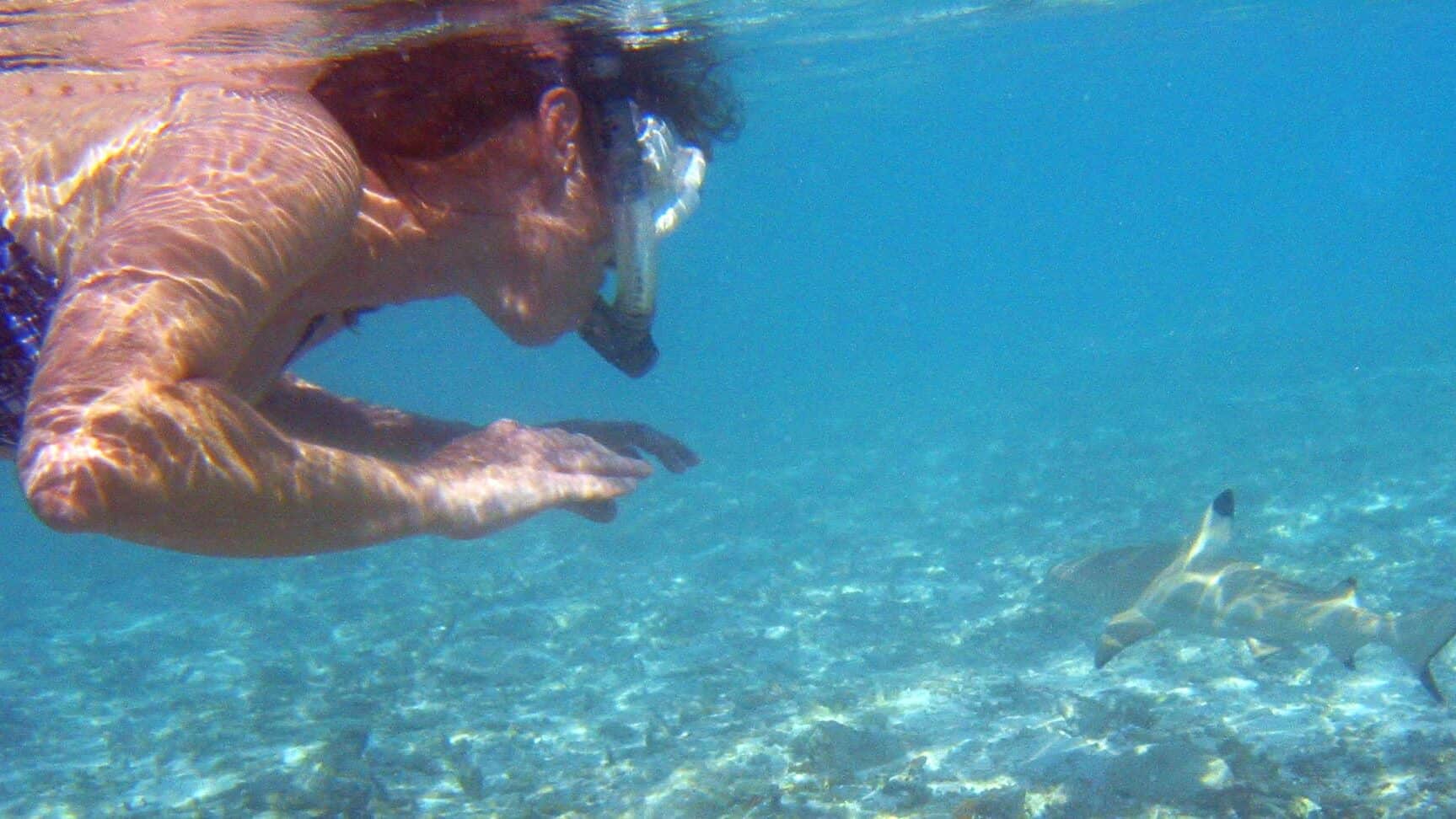
Beach officials are encouraging common-sense guidelines: avoid swimming at dawn or dusk, stay away from schools of fish, and always heed lifeguard warnings. With a few precautions, visitors can continue enjoying the water while minimizing risk.
Coexisting in the Waves
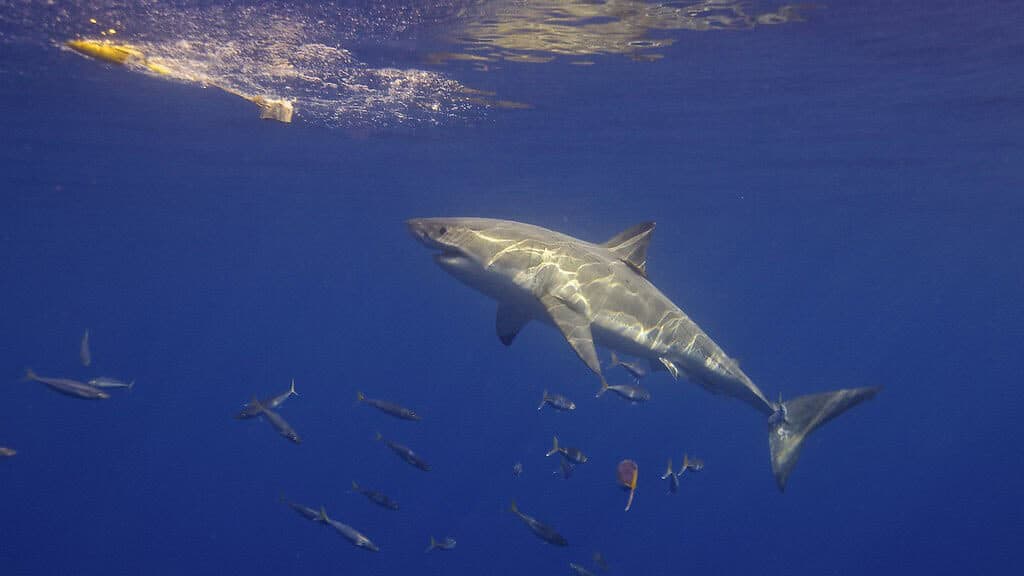
For some, the idea of sharks nearby still feels unnerving. But for many, it’s become part of the coastal experience—a reminder that the ocean is a wild and shared space. As one scientist put it, “We’re not being invaded. We’re being included.” And for the communities lining the East Coast, that perspective is helping turn concern into coexistence.

adventuring, photography and videography. I am currently working towards a BSc in Biodiversity and Ecology at Stellenbosch University to go on to specialise in Marine Sciences one day.
Please send any feedback to Feedback@animalsaroundtheglobe.com
- Top 21 Must-see Birds For Bird Watchers In America - July 20, 2026
- Italy Mourns Hero Police Dog Killed by Food Laced with Nails - July 20, 2026
- Pigeon Turns into Fashionista and Wears Bread - July 19, 2026