


Throughout rural communities worldwide, the relationship between farmers and their animals often transcends the typical livestock-keeper dynamic. While modern industrial farming has largely commodified animals, traditional family farms frequently develop profound bonds with their animals, treating them with respect, care, and even as beloved family members. These relationships reflect centuries-old cultural practices where animals weren’t just sources of livelihood but partners in survival and daily life. From the faithful dog guarding the homestead to the horse that plowed fields for generations, these 14 farm animals have earned special places in rural households across various cultures, becoming integral parts of family traditions and stories.
14. Draft Horses The Gentle Giants of Farm Life

Draft horses like Clydesdales, Percherons, and Belgians have historically held prestigious positions on family farms. Unlike other livestock, these powerful animals often received names, special stabling, and personal care from family members. In many European and American rural traditions, the farm’s working horse was considered almost sacred, with families passing down horse care knowledge through generations. These massive animals, despite their strength, developed reputations for gentle temperaments that made them beloved companions. Many farming families would celebrate their horses’ birthdays, decorate them for special occasions, and even bring older horses into retirement rather than selling them when their working days ended. The strong bond between farmer and horse often stemmed from daily cooperation that could span decades, creating relationships based on mutual trust and respect.
13. Dairy Cows Named Members of the Household
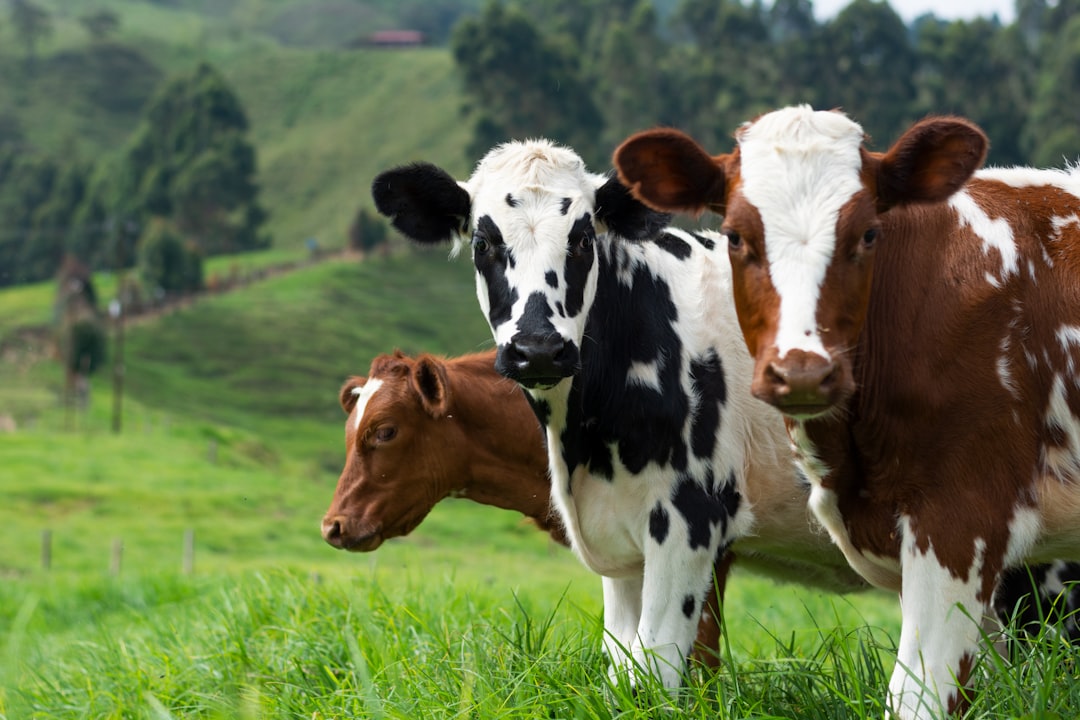
In traditional dairy farming communities from the Swiss Alps to the American Midwest, dairy cows often received individual names and personalized care. Unlike anonymous cattle in large operations, family farm cows were known for their unique personalities and quirks. Many rural families had morning and evening rituals centered around milking, with children assigned to specific cows they would come to know intimately. In Swiss and Alpine traditions, the leading cow (often wearing the largest bell) might be decorated and honored during seasonal festivals and transhumance celebrations. Some dairy farming families even kept photo albums of their favorite cows through the years, tracking their lineages like family trees. The twice-daily interaction required for milking created deep bonds, with farmers able to detect the slightest change in a cow’s behavior or health, much like parents monitoring their children.
12. Farm Dogs Working Partners and Faithful Companions
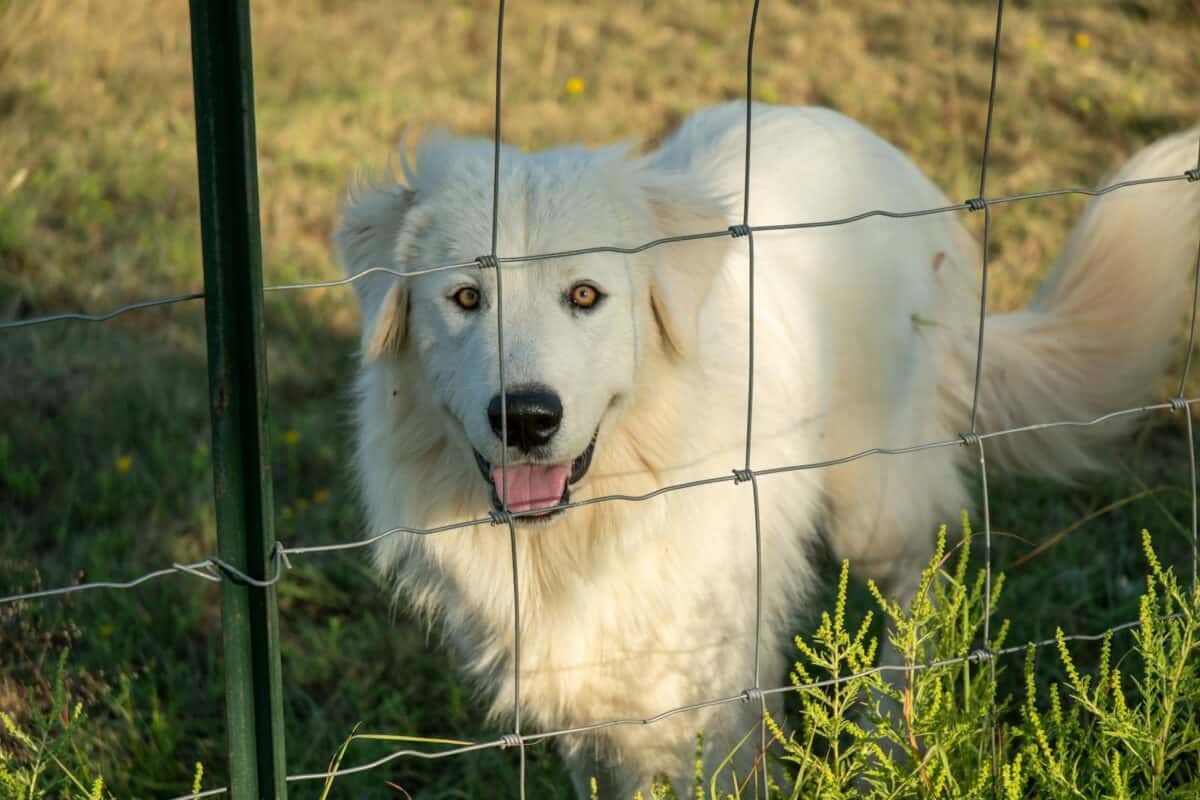
Perhaps no farm animal has achieved greater family status than the working dog. Border Collies, Australian Shepherds, Great Pyrenees, and countless other breeds have lived alongside farming families as both essential workers and beloved companions. Unlike pets in urban settings, farm dogs typically had specific jobs—herding livestock, guarding against predators, or hunting vermin—while simultaneously serving as children’s playmates and emotional support for isolated families. In many rural traditions, the farm dog held a privileged position, allowed in the home, given a place by the fire, and included in family portraits. Stories abound of heroic farm dogs saving family members or livestock from danger, further cementing their special status. The multi-generational presence of working dog lineages on some farms created canine dynasties that paralleled the human family’s own history on the land.
11 Barn Cats Valued Pest Controllers and Companions
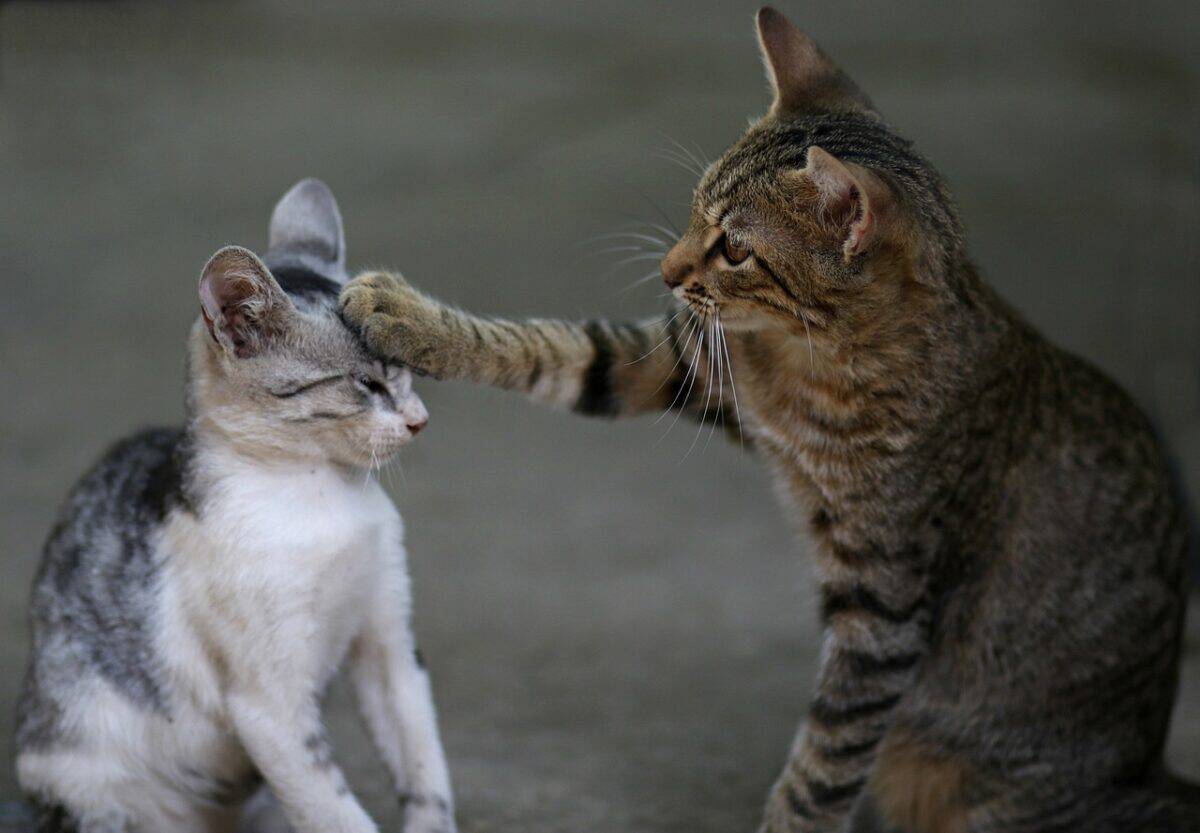
Though often portrayed as independent creatures, barn cats in rural traditions frequently formed close bonds with farming families. Far from being strays, these mousers were valued working animals with important roles in protecting grain stores and controlling rodent populations. Many farming households designated special feeding areas for their cats, constructed sheltered sleeping spaces in barns, and provided veterinary care when needed. Children often named each cat and knew their individual hunting styles and personalities. In some European farming traditions, the barn cat was considered a bringer of good luck, with families taking it as a positive omen when a cat chose their farm. Despite their working status, many barn cats became genuine companions, with some earning the privilege of house access during harsh weather or in their elder years. The respect for these animals’ contributions often resulted in generational lines of cats remaining with the same farming family for decades.
10. Goats The Mischievous Family Members

Goats hold a special place in many rural traditions, often becoming genuine companions despite their reputation for mischief. In Mediterranean and Middle Eastern farming communities, goats were frequently kept in close proximity to the family dwelling, with children tasked with their daily care. Unlike some livestock, goats’ intelligence and playful personalities made them natural candidates for developing human-like relationships with their keepers. Many farming families tell stories of particularly clever goats who learned to open gates, followed family members like dogs, or came when called by name. In some mountain communities, children and goats grew up together, with specific animals being gifted to children as their personal responsibility. The goat’s ability to navigate difficult terrain made them ideal companions for children tasked with gathering firewood or herbs in mountainous regions. Their milk production also created a daily care routine that fostered close relationships, with many families developing strong attachments to their best milkers over years of interaction.
9. Sheep Valued Beyond Their Wool and Meat
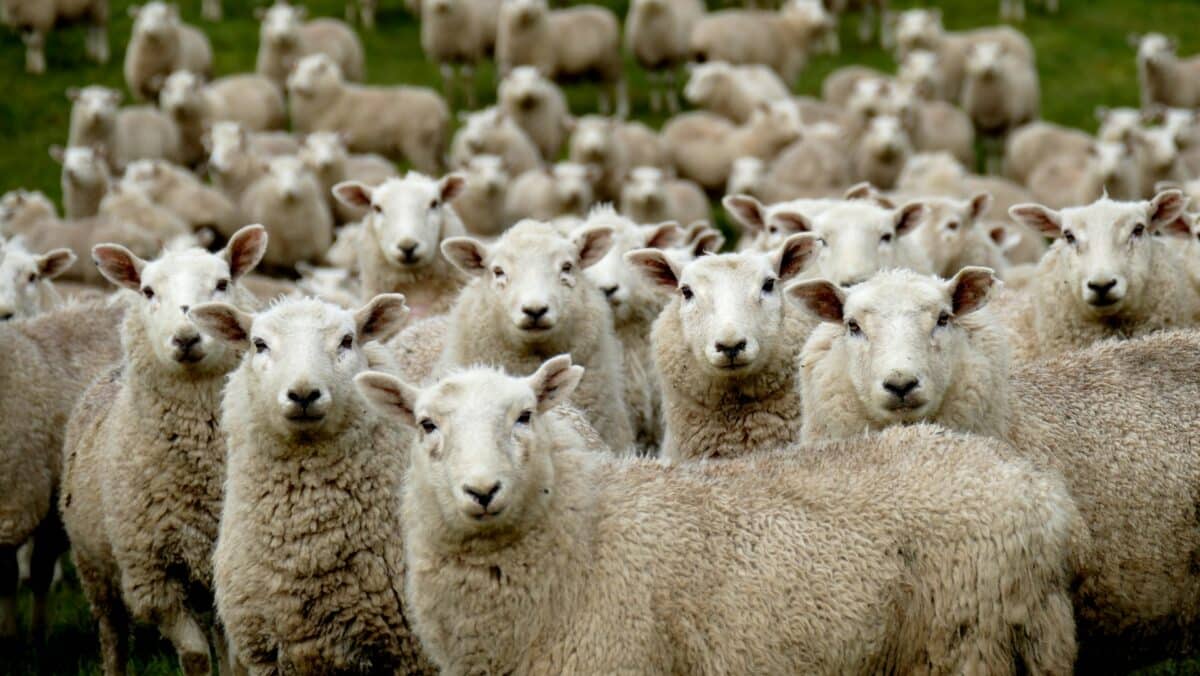
While sheep are often viewed as anonymous flock animals, in traditional shepherding cultures from Scotland to New Zealand, individual sheep were known and valued. Shepherds typically recognized each animal by sight, often without the need for identifying marks. In Bedouin traditions, sheep might live in close proximity to the family tent, with lambs sometimes kept inside during harsh weather. Welsh and Scottish crofting families developed deep knowledge of their small flocks, with prize ewes earning names and special treatment. In many rural communities, hand-shearing created an annual ritual where each sheep received individual attention, with families noting the unique qualities of each animal’s wool. Children often formed special bonds with bottle-fed lambs, which sometimes resulted in these animals being spared from slaughter and kept as permanent family members. The ancient relationship between humans and sheep has created some of our oldest cultural traditions, with shepherding knowledge passed down through generations in ways that acknowledged sheep as more than mere commodities.
8. Chickens From Barnyard to Backyard Personalities
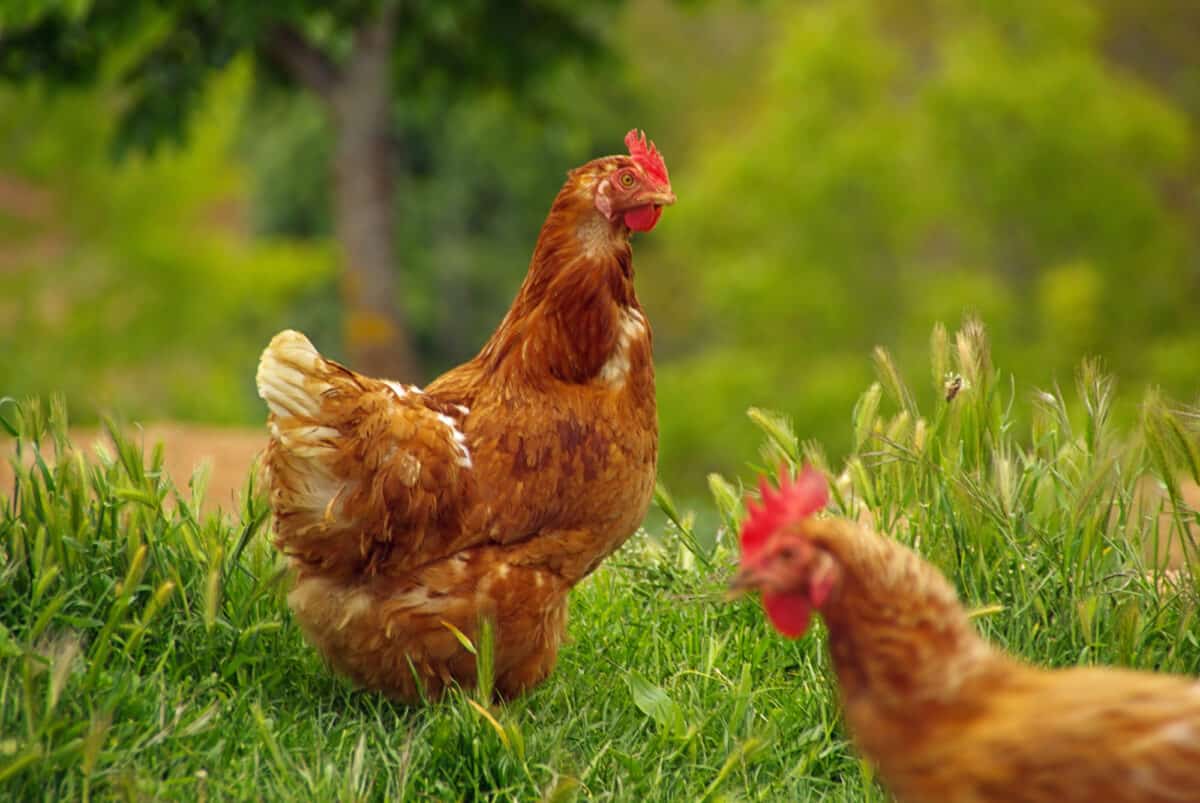
Chickens in family farming traditions often transcended their utilitarian roles as egg and meat producers to become genuine characters in daily life. In many rural households worldwide, certain chickens earned names based on distinctive appearances or behaviors. Children frequently developed favorites among the flock, with roosters especially becoming legendary personalities on the farm through their protective nature and morning announcements. In some Asian farming traditions, specific chickens were considered lucky or spiritually significant and kept for their entire natural lifespan. The daily ritual of egg collection created regular interaction between family members and hens, allowing for recognition of individual laying patterns and behaviors. Some heritage farming families maintained specific chicken lineages for generations, selectively breeding birds with favorable temperaments along with productive traits. Unlike commercial operations, traditional family farms often allowed their chickens to express natural behaviors like dust bathing, foraging, and roosting in trees, which in turn revealed their distinctive personalities and earned them status as entertaining members of the household.
7. Oxen The Respected Elders of Traditional Farms
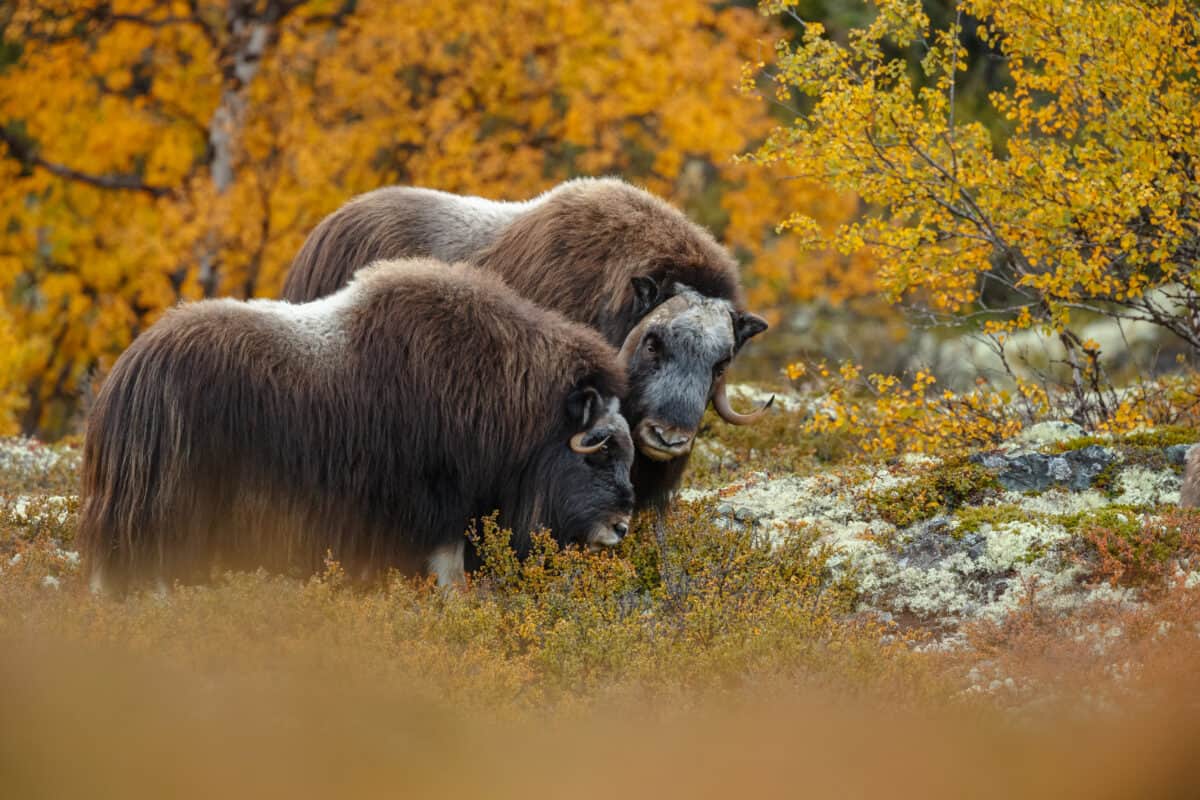
In cultures where oxen provided crucial draft power, these animals often achieved almost sacred status within the family structure. Unlike horses, working oxen were typically raised from calfhood on the farm, creating lifetime bonds with the families who trained them. In parts of Southeast Asia, India, and Africa, oxen pairs were considered so valuable that families would celebrate them during harvest festivals, decorating their horns and providing special feeds as thanks for their service. The training process for oxen teams required immense patience and daily interaction, usually involving multiple family members and creating shared experiences that spanned years. In some traditional farming communities, oxen were exempt from slaughter even after their working days ended, allowed to live out their natural lives in recognition of their contributions to family survival. The measured pace of ox-drawn plowing or transport created a particular rhythm to farm life, with families structuring their days around the capabilities and needs of these powerful animals.
6. Pigs Surprisingly Social Farm Companions

While industrial pig farming has changed public perception of these animals, in traditional small-farm settings, pigs often developed close relationships with their keepers. Their high intelligence and social nature made them responsive to human interaction, with many farm families keeping pigs close to the homestead. In some European traditions, a single household pig might be raised with special care throughout the year, becoming a familiar presence in daily life before eventually providing crucial winter sustenance. Children often took responsibility for feeding and caring for pigs, developing attachments that sometimes made the eventual slaughter a significant emotional event marked by respectful ceremonies. In Pacific Island cultures and parts of Southeast Asia, pigs achieved even higher status, sometimes living in proximity to the family home and becoming valued possessions displayed during important ceremonies. Pet pigs weren’t uncommon on traditional farms, with runts or particularly personable animals sometimes spared from becoming food and instead becoming companions that might follow family members like dogs and respond to names.
5. Donkeys The Steadfast Guardians
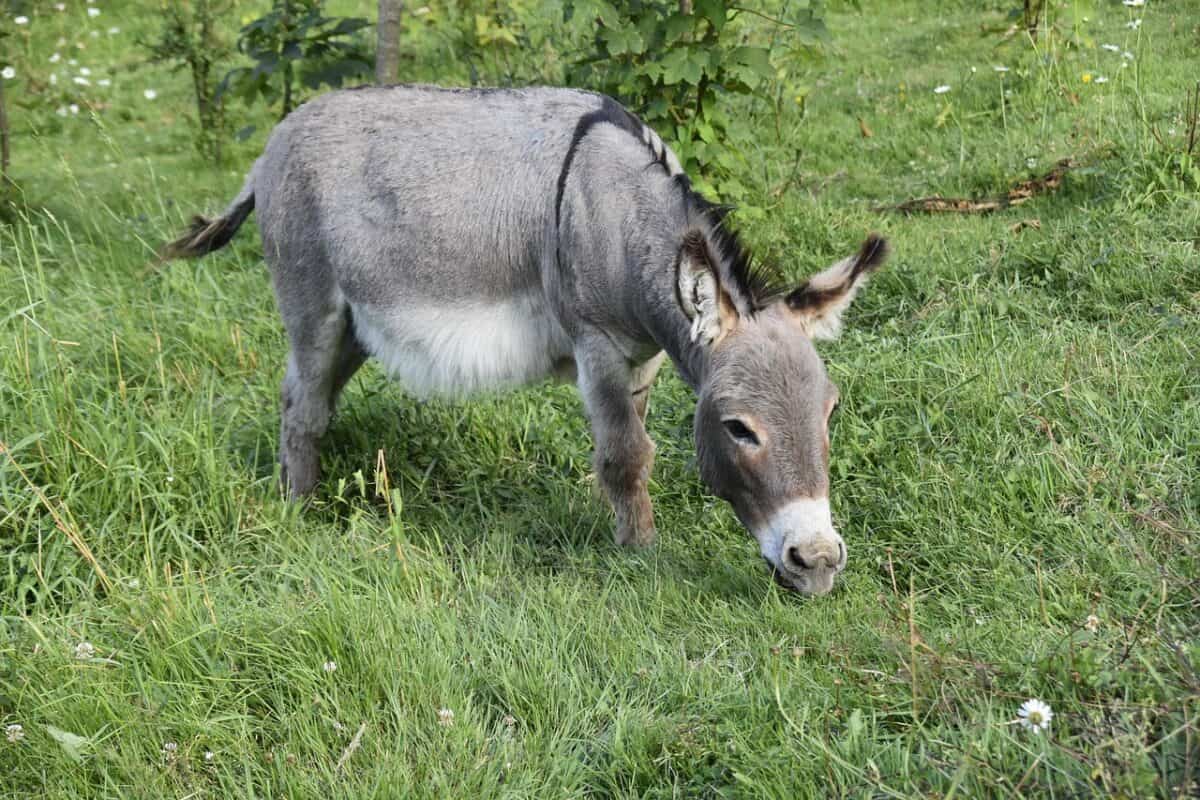
Donkeys have earned special places in rural households across multiple continents through their steadfast nature and protective instincts. In Mediterranean and Middle Eastern farming traditions, donkeys often lived for decades with the same family, becoming trusted carriers of goods, children, and the elderly. Their legendary stubbornness was typically understood by experienced handlers as intelligence and self-preservation rather than defiance, earning them respect rather than punishment. In many small-scale farming communities, a single donkey might serve multiple generations of the same family, creating deep bonds through daily interaction. Their natural guardian instincts made them protective of other livestock, with many farming families keeping donkeys specifically to ward off predators from sheep or goat flocks. Children in traditional farming communities often learned to ride on family donkeys, considered safer and more patient than horses for beginners. The donkey’s ability to thrive in harsh conditions with minimal resources made them especially valued in subsistence farming regions, where families might depend entirely on a single animal for transportation and field work.
4. Ducks and Geese The Watchful Waterfowl

Ducks and geese in traditional farm settings often served dual roles as both food producers and alert systems for approaching strangers or predators. Their distinctive personalities and vocalizations made them familiar characters in daily farm life, with many families assigning names to their most vocal or distinctive birds. In parts of Europe and Asia, families developed traditions of keeping specific waterfowl breeds for generations, selecting for birds that showed both good production and compatible temperaments with children and other farm animals. Geese in particular earned respect for their territorial nature and longevity, with some birds living alongside the same family for over two decades. Children often took responsibility for herding waterfowl to ponds or streams, creating daily routines that fostered familiarity. In several European farming traditions, Christmas or other festival meals might feature a specific goose that had been raised with extra care throughout the year, creating a practical but respectful relationship that acknowledged the bird’s ultimate purpose while still treating it with consideration during its life.
3. Rabbits From Hutch to Household Members
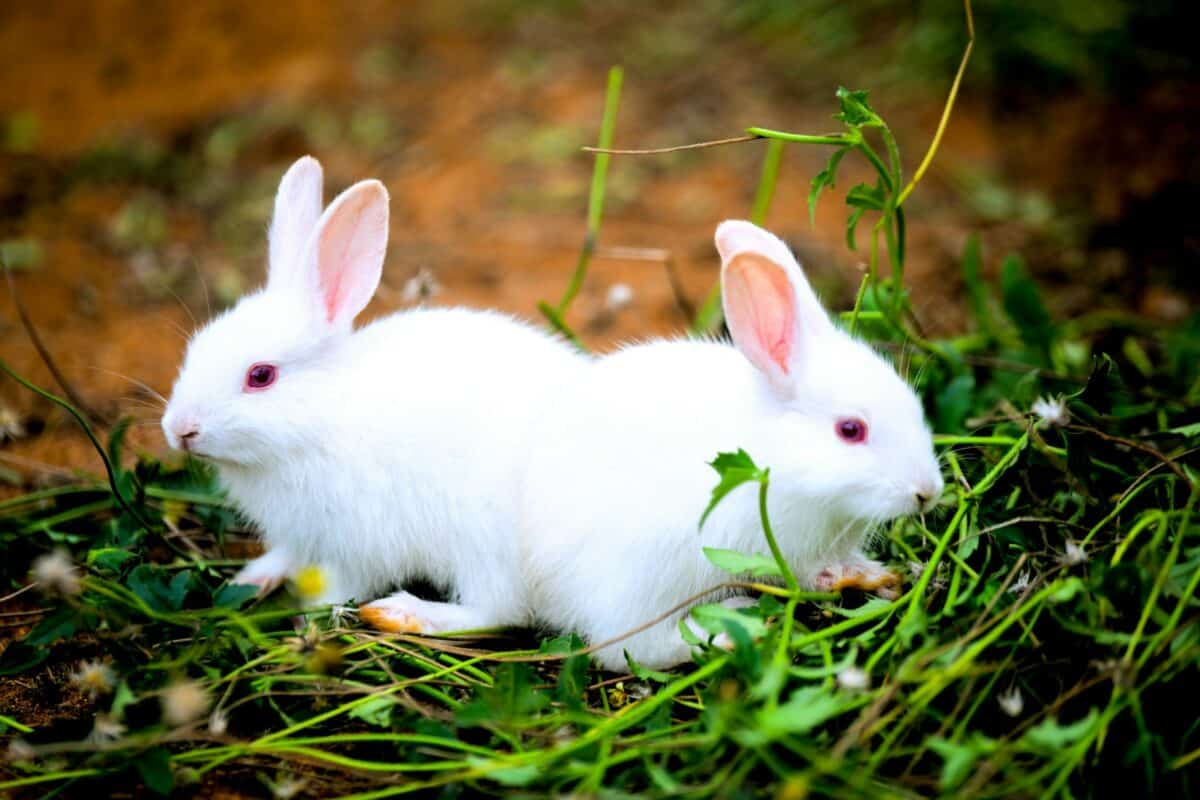
Rabbits in traditional farming communities occupied a unique middle ground between livestock and pets. While raised for meat and fur in many cultures, their appealing appearance and gentle nature often led to special treatment. Children frequently became primary caretakers for rabbit colonies, learning responsibility through daily feeding and cleaning routines. In French rural traditions, rabbit husbandry was often considered a specialized skill, with families developing their own breeding lines that became points of pride passed through generations. Unlike anonymous commercial rabbits, family farm rabbits typically received individual attention, with breeding does known by name and personality. The practice of keeping rabbits close to the house in most traditional setups created opportunities for regular interaction beyond mere feeding, with some rabbits becoming genuine companions. In many rural European traditions, particularly skilled children might receive their own rabbit as a first independent farming project, creating strong bonds between child and animal. The dual nature of rabbits as both practical livestock and appealing companions created a respectful approach to their care that acknowledged their contribution to family welfare.
2. Guinea Fowl The Eccentric Alarm Systems
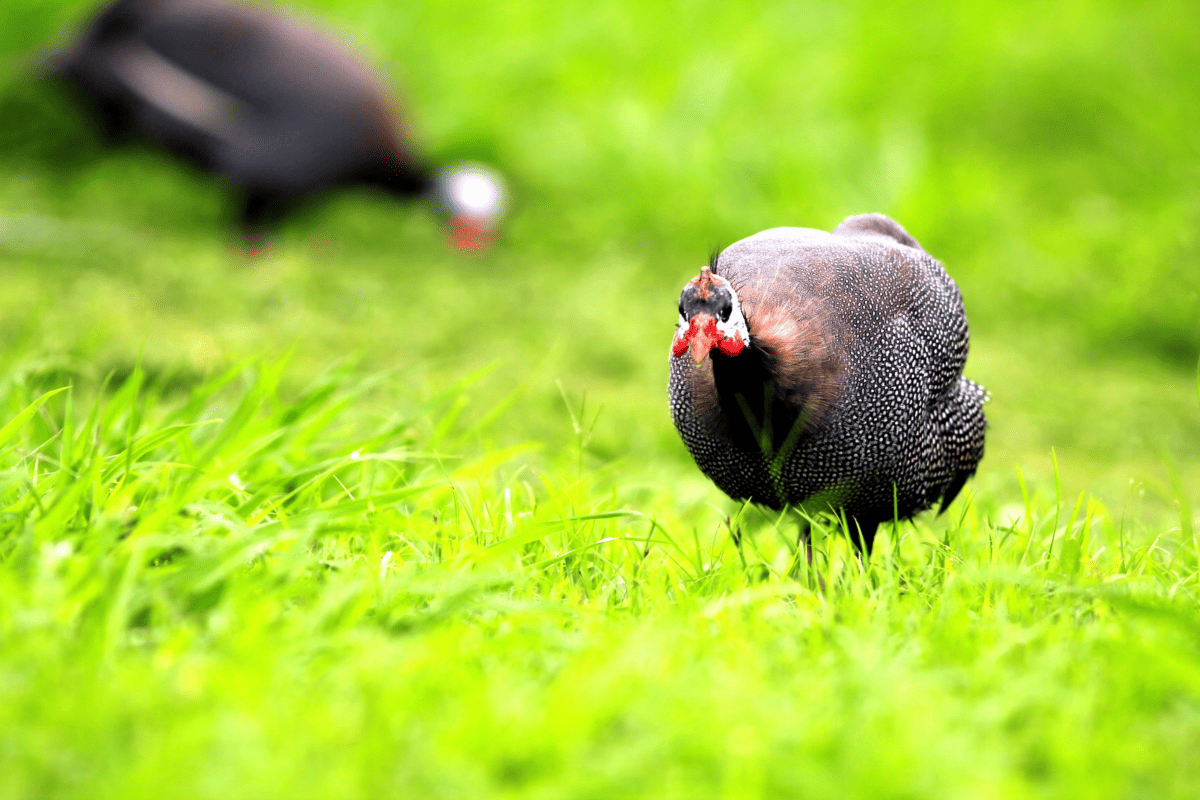
Guinea fowl have earned special status on family farms worldwide through their unique personalities and practical benefits. Originally from Africa, these distinctive birds became valued in traditional farming systems for their pest control abilities, particularly their consumption of ticks and other parasites that might otherwise affect livestock or family members. Their famous alertness to strangers, predators, or unusual events made them living security systems that many farming families came to rely upon. Unlike chickens, guinea fowl in traditional settings typically maintained semi-wild behaviors, roosting in trees and ranging widely, yet returning reliably to the farmstead where they were fed. Children often delighted in these birds’ comical appearance and movements, assigning them names based on their distinctive calls or behavior patterns. In some African and Caribbean farming traditions, guinea fowl achieved special cultural significance beyond their practical uses, featuring in stories and sometimes receiving protective status. Their relatively low maintenance requirements combined with their pest control benefits made them respected farm contributors that often lived out their natural lifespans rather than being harvested for meat.
1. Turkeys Beyond the Thanksgiving Table

While modern perceptions of turkeys are heavily influenced by commercial production and holiday meals, in traditional farming communities, these birds often developed distinct relationships with their keepers. Heritage breed turkeys raised on small farms typically lived in closer proximity to humans than their commercial counterparts, allowing their surprisingly complex personalities to become apparent. Many farming families noted the curiosity of their turkeys, with birds following human activities with apparent interest and responding to regular caretakers differently than to strangers. In some Native American traditions, turkeys held spiritual significance beyond their practical value, treated with respect that acknowledged their contribution to family welfare. Children on traditional farms often took responsibility for turkey flocks, developing appreciation for the birds’ social structures and distinctive vocalizations. Unlike the anonymous birds of industrial production, farm turkeys frequently received names and individual care, with some becoming permanent residents rather than seasonal food. The impressive appearance of heritage breed toms with their dramatic displays made them natural centerpieces of farm life, appreciated for both their beauty and utility.
Conclusion: The Enduring Bond Between Farmers and Their Animals

The special relationships formed between farming families and their animals represent one of humanity’s oldest and most meaningful connections to the natural world. These bonds, developed through daily interaction and mutual dependence, created farming traditions that respected animals as individuals with distinct personalities and contributions. While modern industrial agriculture has largely severed these personal connections, small-scale and traditional farms worldwide continue to maintain practices that honor animals as more than mere commodities. The emotional attachments formed between farmers and their animals often created practical benefits as well, with better-treated animals typically providing better service, production, and cooperation. As interest in sustainable and humane farming practices grows, many are rediscovering the wisdom in these traditional approaches that recognized farm animals not just as resources but as partners in the challenging yet rewarding rural way of life.

As a little kid, I fell in love with nature, wildlife, and animals. Living in the USA, South Africa, Italy, China and Germany gave me the opportunity to discover the world's Wildlife. My favorite animals are Mountain Gorillas, Siberian Tigers, and Great White Sharks.
I'm a certified PADI Open Water Diver, went to Everest Base Camp and Trekked Gorillas in Uganda. I hold a Master of Science in Economics and Finance.
Please send any feedback to feedback@animalsaroundtheglobe.com
- 13 Cat Breeds That Get Along with Dogs - July 20, 2026
- The 12 Largest Dog Breeds That Still Love to Cuddle - July 20, 2026
- 12 Pet Habits That Secretly Mean They Love You - July 20, 2026