
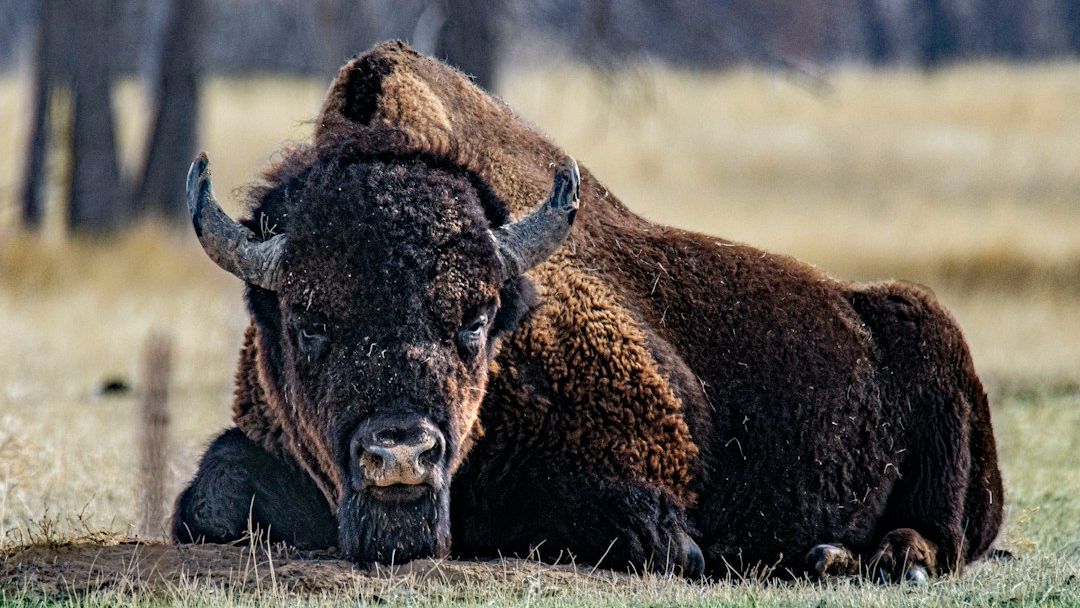
Picture an ocean of grass stretching to the horizon. Thousands upon thousands of hulking, shaggy beasts moving like a living wave across the prairie. That was North Dakota before the late 1800s, a place where bison thundered across the landscape in herds so vast they darkened the earth for miles. Then, in just a few heartbreaking decades, they were gone.
What could wipe out millions of animals so quickly? The story isn’t as simple as you might think. It’s a tale woven from greed, environmental stress, deliberate policy, and changing ecosystems. Let’s explore exactly what happened to these magnificent creatures and why their disappearance left such a profound scar on the prairie landscape.
The Slaughter for Profit and Hide
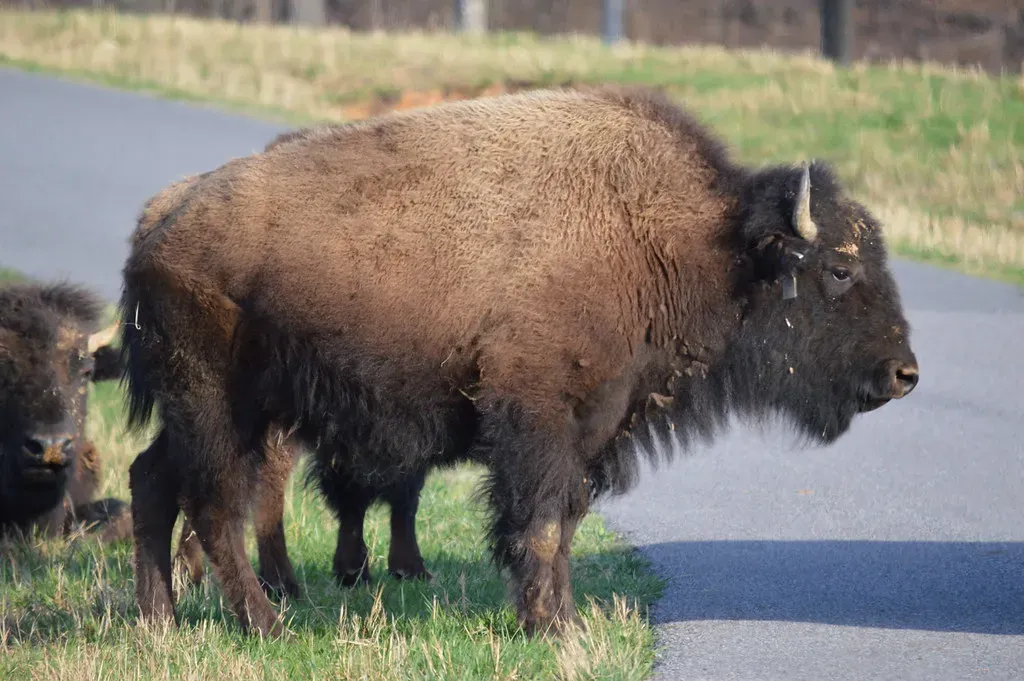
As Euro-American settlement expanded westward, unregulated hide hunting, railroad access, and disease devastated bison populations, and within a few decades, wild herds collapsed to only a small number of survivors. The commercial hunting boom transformed what had been sustainable Indigenous hunting into something entirely different. Honestly, it’s hard to wrap your head around the sheer scale of it.
Bison were hunted to the brink of extinction by frontier whites in an increasingly consumerist society during the 19th century, as commodities, mainly bison hides for jackets and leather, were extremely popular, profitable and fashionable back in the eastern regions of the United States. Think about it: every fashionable jacket in New York or Boston might have represented a dead bison rotting on the Dakota plains.
Naturalist William Hornaday estimated that between 1881 and 1883, 300,000 hides were shipped from the northern Plains to eastern tanneries. Hunters would strip the hides and leave entire carcasses to rot under the prairie sun. The wastefulness was staggering.
Professional hunters set up operations with military precision. Traders, trappers, military and exploratory expeditions all relied on bison meat, and these visitors to the northern Plains took fresh meat as necessary and left the rest to rot on the carcass. Some killed purely for sport, not even bothering with the hides.
The arrival of railroads made everything worse. Suddenly, those heavy hides could be shipped east cheaply and quickly. What had been a trickle of commercial hunting became a flood that the bison population simply couldn’t withstand.
A Weapon Against Indigenous Peoples
Here’s where the story gets darker, and frankly, more deliberate. Federal officials recognized the importance of bison on the Plains, where Native nations had yet to be forced onto reservations, and in 1873 the Secretary of the Interior noted that the civilization of the Indian is impossible while buffalo remain on the plains. Let that sink in for a moment.
Military commanders had licenses to kill as many buffalo as possible because it was believed they were doing their part to gain control of Native Americans, and the primary motive for the near extinction of buffalo was to force Native people into submission. This wasn’t just about profit or expansion. It was about breaking the back of Indigenous resistance by destroying their primary source of food, shelter, and cultural identity.
An estimated eight million bison roamed the United States in 1870, but just 20 years later fewer than 500 of the iconic animals remained. The speed of this collapse is breathtaking in the worst possible way. For the Indigenous nations like the Mandan, Hidatsa, Arikara, and Lakota who had depended on bison for millennia, this was nothing short of catastrophic.
Within one generation, the average height of Indigenous peoples most impacted by the slaughter dropped by more than an inch. Physical stature is a direct indicator of nutrition and health. When the ed, so did the foundation of entire ways of life.
In the 50-year period of the eradication of buffalo, over 40 million had been killed. Mountains of bones were later collected from the prairie and ground into fertilizer. The landscape itself became a graveyard.
Disease and Environmental Stress
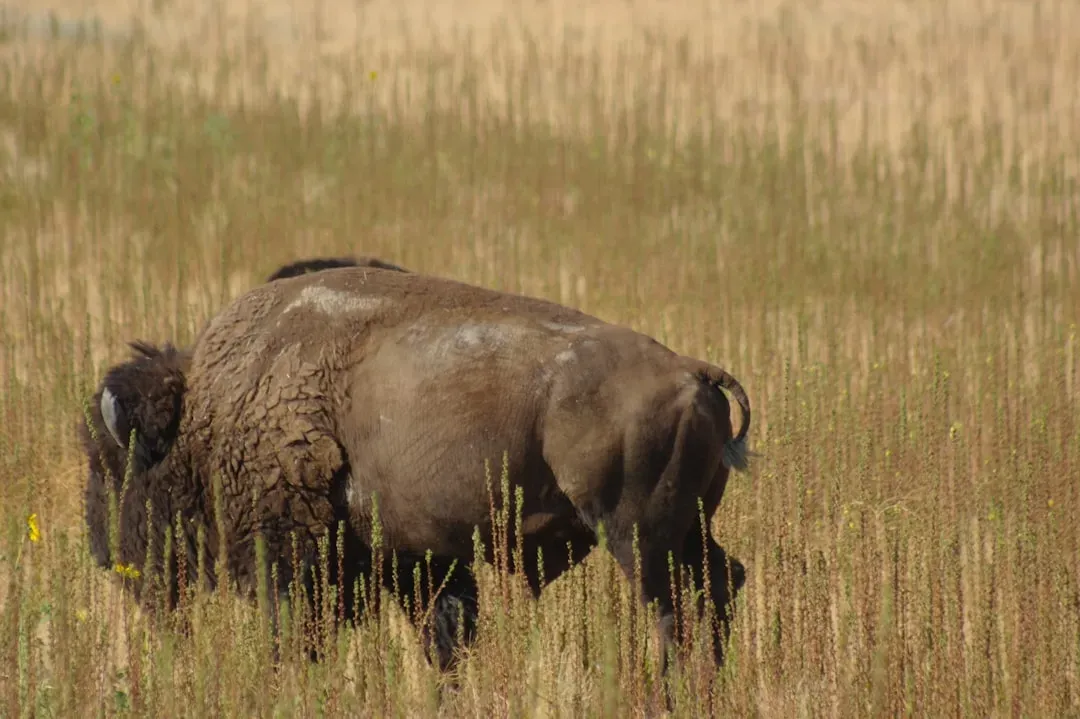
Commercial hunting tells only part of the story. Nature herself conspired against the bison in ways that made their populations vulnerable. By 1884, the hunt declined as drought and increasing numbers of domestic cattle destroyed the grasses that bison depended upon, and domestic cattle diseases such as tick fever and bovine tuberculosis further reduced the remaining bison herds.
Think of it like a one-two punch. The bison were already reeling from overhunting when disease and habitat degradation delivered the knockout blow. Records indicate that hunters killed less than the annual increase each year, and evidence implicates disease and habitat degradation instead. This suggests the collapse was more complex than simple overhunting, though that certainly played a massive role.
Drought is only one reason for the bison’s decline, as horses, which spread from New Mexico onto the Great Plains in the late 1600s and early 1700s, also stressed bison populations. More horses meant more competition for grass. The prairie ecosystem was being squeezed from multiple directions at once.
Farms and railroads reduced the herds’ access to the grasslands, and they were no longer able to roam the Plains to locate food and shelter. Bison are migratory animals. When fences and settlements blocked their ancient routes, they couldn’t adapt quickly enough.
The combination of environmental stressors created a perfect storm. Even if hunting pressure had been lighter, the changing landscape would have stressed bison populations dramatically. It’s hard to say for sure, but the multiple factors likely worked together to accelerate the collapse.
The Pattern of Decline Across North Dakota
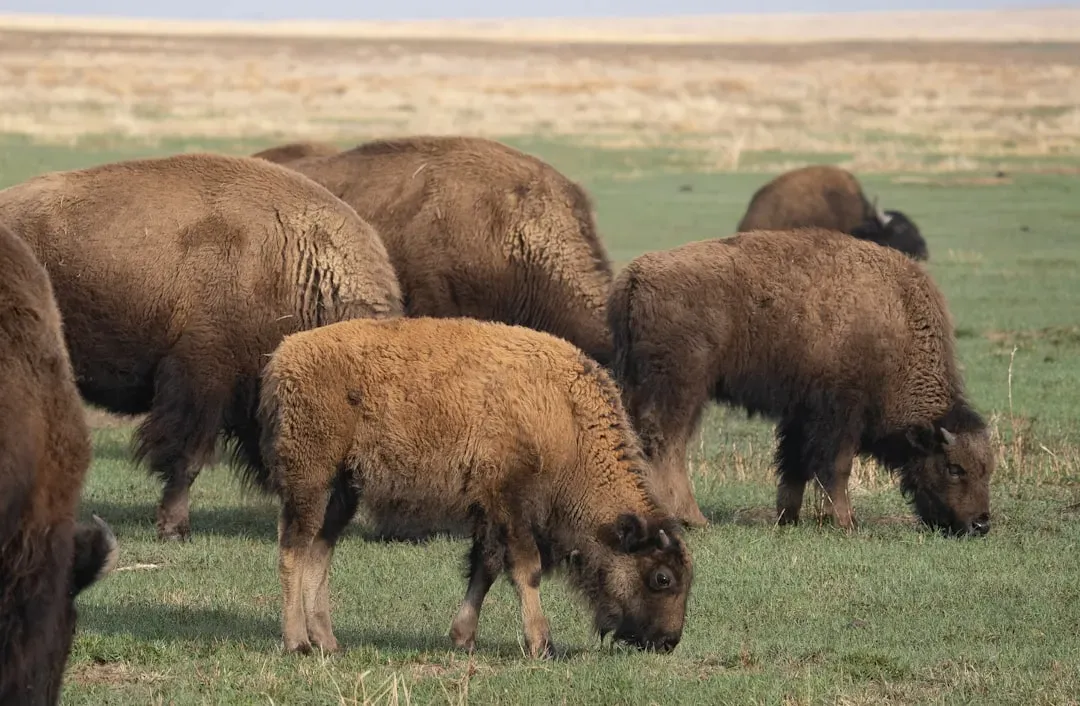
The decline of the bison population in North Dakota began in the northeastern region and spread westward. This geographical pattern tells us something important about how settlement and hunting pressure moved across the territory. The northeastern areas were accessed first by traders and settlers moving up river routes.
Hunting pressure began to result in smaller and more scattered bison herds by the 1820s. So the decline started much earlier than most people realize. It wasn’t a sudden event in the 1880s but rather a slow erosion that accelerated into collapse.
By 1860, the surviving herds had been driven toward far western Dakota and Montana. The bison were literally being pushed off the map, retreating westward as their habitat shrank. Imagine being one of those last great herds, finding less grass, more hunters, and fewer safe places with each passing season.
By 1885, hunting, along with changes in the natural environment, reduced the North American bison to a few hundred animals. From millions to hundreds in the span of a human lifetime. The sheer speed of it remains shocking even today.
By 1894, Yellowstone National Park hosted the only known wild herd in the United States. One single wild herd. Everything else had been hunted out, fenced out, or succumbed to disease and starvation. North Dakota’s prairies, once black with bison, stood empty and silent.
Why It Matters Today
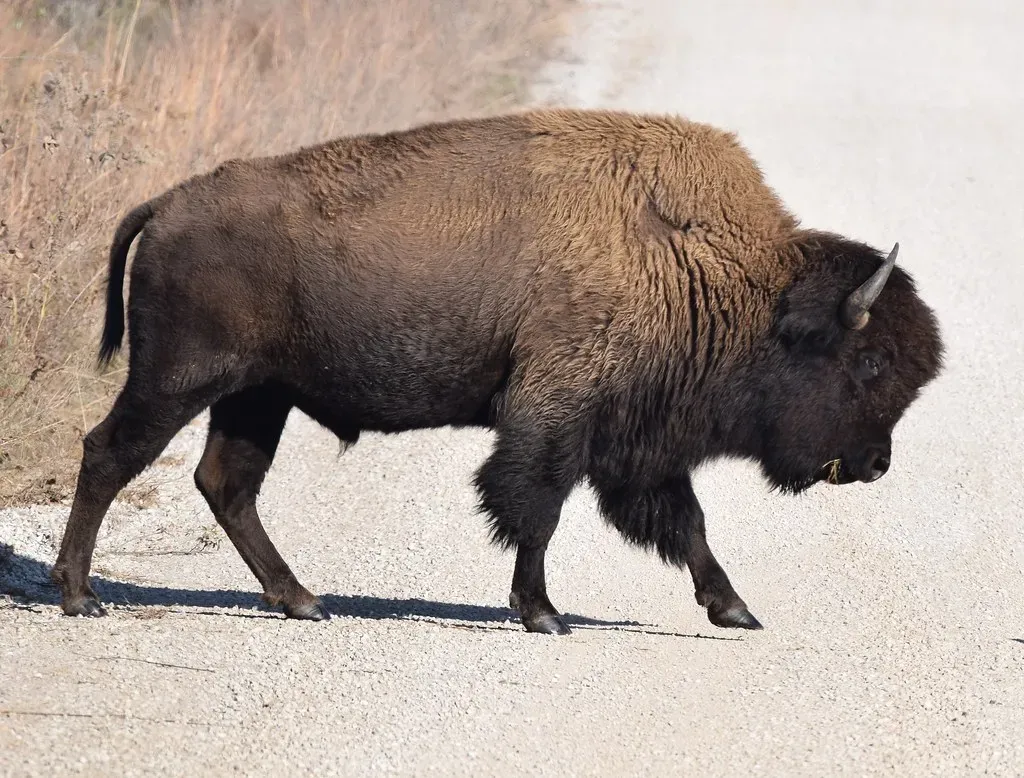
The plains bison was chosen as North Dakota’s state animal because it reflects the prairie landscape, Indigenous history, and a powerful story of loss and recovery, and once nearly wiped out, bison now symbolize resilience, conservation, and renewal across the state. The story of the bison’s near-extinction serves as a powerful reminder of what we can lose when we treat nature as an infinite resource.
Recovery began through the efforts of ranchers, conservationists, and tribal leaders who protected small herds and began selective breeding, and over time, numbers increased. People like William Hornaday and ranchers such as Scotty Philip literally saved the species from oblivion by protecting the last few animals.
Today, bison are making a comeback on the very prairies they once dominated. Conservation and reintroduction efforts helped the bison population rebound from a few hundred to around 30,000 in conservation herds and 500,000 on commercial ranches in North America. They’re no longer teetering on the edge of extinction, though they’re far from their historical numbers.
During the 1880s, Roosevelt ranched in the Badlands near present-day Medora, and while there, he witnessed firsthand how overhunting and land misuse were damaging wildlife populations, including bison. Theodore Roosevelt’s experience with the vanishing bison helped shape American conservation policy for generations to come.
The empty prairies taught us a brutal lesson about the consequences of unchecked exploitation. The bison’s return represents hope, resilience, and a second chance we almost didn’t get. Their story reminds us that extinction is forever, but conservation can work if we commit to it before it’s too late.
What can we learn from North Dakota’s bison tragedy that applies to the challenges we face today? The answer might be simpler than we think: respect the balance, protect what remains, and never assume that abundance means invincibility.

- 15 Tender Things Old Dogs Do the Closer the End Quietly Comes - July 21, 2026
- 14 Ways a Rescue Cat Shows It Has Given You Its Fragile Heart - July 21, 2026
- 13 Familiar Things That Bring an Aging Dog Deep, Quiet Comfort - July 21, 2026