

Most people pick a horse breed the way they pick a car – based on looks, reputation, or a childhood dream. An Arabian because it’s beautiful. A Thoroughbred because it sounds prestigious. A Friesian because it looks like it belongs in a fantasy film. And then, sometimes within weeks, everything goes wrong. The horse spooks at a plastic bag. The rider falls. The vet bills start stacking up. The horse gets rehomed. It’s a pattern equine professionals have watched play out for decades, and quietly – without a press release or a viral warning – many vets and experienced trainers stopped recommending these 14 breeds to first-time owners years ago.
What’s striking isn’t that these are bad horses. Most of them are extraordinary animals in the right hands. What’s striking is how long the horse world kept selling the dream without mentioning the fine print. Some entries on this list will feel obvious. A few will genuinely surprise you – especially the ones that look calm and friendly right up until they don’t.
#1 – Arabian

The Arabian is arguably the most romanticized horse breed on earth, and that romance is exactly what makes it dangerous for beginners. Thousands of years of selective breeding created an animal wired for speed, endurance, and hair-trigger awareness – a horse that can process its environment faster than most novice riders can process what just happened. When an Arabian spooks, it doesn’t hesitate. It moves first and thinks later, and by the time a beginner rider realizes they’ve lost control, the situation has already escalated.
Vets who work with first-time owners have seen this scenario enough times that many now treat Arabian recommendations as a quiet red flag. The breed’s sensitivity isn’t a flaw – it’s a feature, built for desert survival. But that same sensitivity means inexperienced handling gets amplified. A nervous rider makes a nervous horse more nervous. Stress-related conditions like ulcers and stereotypies show up more frequently in Arabians under inconsistent handling, which means more vet calls, more costs, and more frustration on both ends of the lead rope.
Fast Facts
- Arabians are predisposed to ulcers, colic, and enterolith formation – all worsened by stress and inconsistent management
- Their flight response is among the fastest of any domestic breed – bred over millennia for desert survival
- Sensitivity to leg and rein aids is extreme; beginner mistakes that a calm breed ignores get amplified immediately
- Genetic disorders unique to the breed include SCID, cerebellar abiotrophy, and lavender foal syndrome
- Best suited for experienced riders who can match – not inadvertently escalate – the horse’s energy
#2 – Thoroughbred

Retired racehorses get adopted with the best intentions. They’re elegant, they’re often affordable, and there’s something emotionally compelling about giving a hard-working animal a second life. The problem is that a Thoroughbred coming off the track has spent years being trained to do one thing with maximum intensity: go fast when asked and keep going. That conditioning doesn’t evaporate in a few months of trail riding.
Even the calmest ex-racehorse can carry what trainers call a “hair trigger” – a deep physical and psychological readiness to accelerate that surfaces under sudden sounds, flapping objects, or the subtle body-language mistakes every beginner makes. Their lean, athletic build also demands precise riding; an unbalanced seat that a forgiving cob might ignore can send a Thoroughbred sideways in an instant. Vets consistently flag fall risk as the primary concern, and the data from equine rehoming organizations backs that up – Thoroughbreds represent a disproportionate share of “returned after injury” cases among novice buyers.
Worth Knowing
- Studies report that over 80% of Thoroughbreds in active training develop gastric ulcers – a condition that often lingers well into retirement
- Soft tissue injuries to tendons and ligaments are a leading cause of early retirement and ongoing soundness concerns
- Retraining an off-track Thoroughbred is widely recommended only for riders at a barn experienced with the breed
- Multiple studies confirm novice riders carry the highest injury risk – and reactive breeds dramatically raise that risk
#3 – Mustang
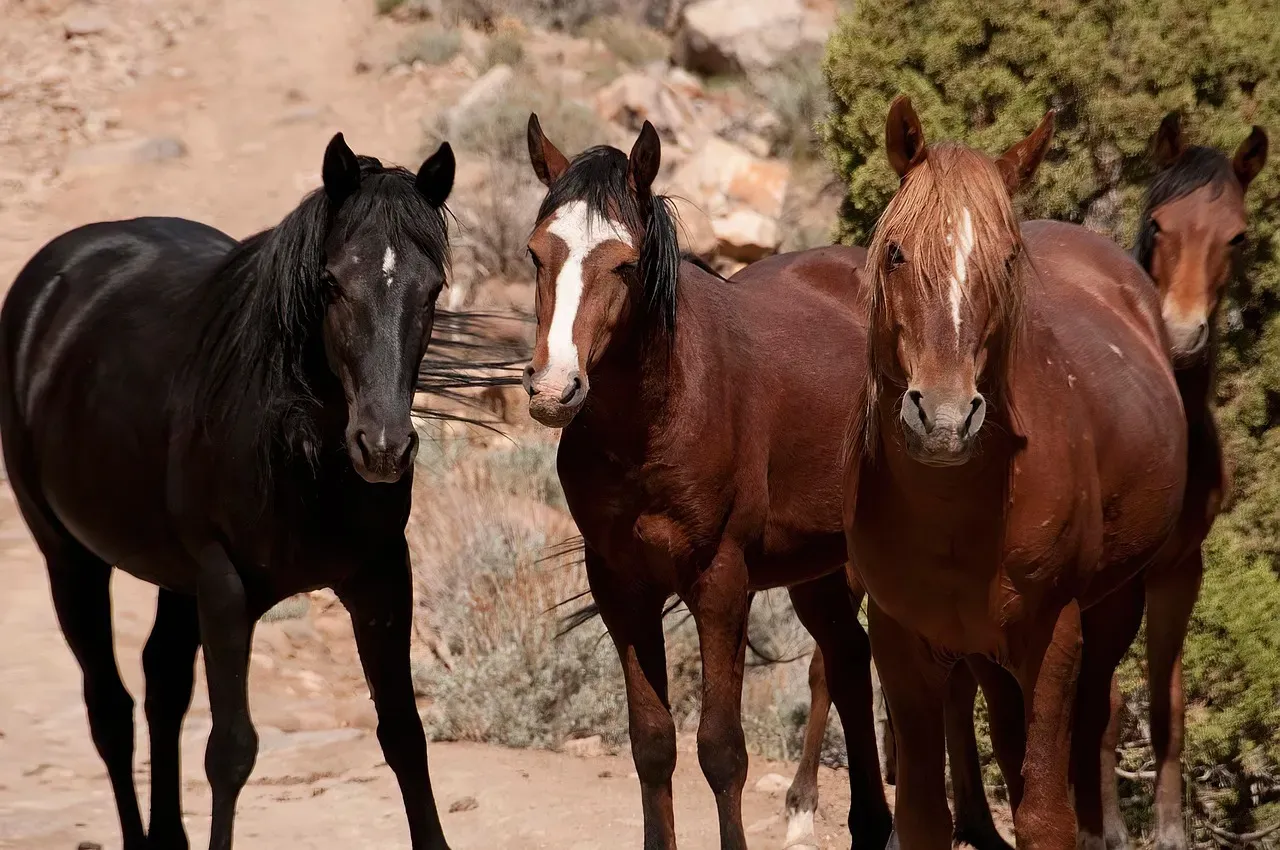
The Mustang adoption story is one of the most compelling in the horse world – wild horse, patient human, beautiful partnership forged from scratch. What that story usually skips is the timeline. Professional trainers who specialize in Mustang gentling often spend months on basic desensitization before a horse is safe to handle consistently. That’s months of daily, skilled, confident groundwork – the exact kind of experience a beginner doesn’t yet have.
Mustangs are intelligent and they learn fast, which sounds like a selling point until you realize that cuts both ways. They learn good habits quickly, but they also learn that a hesitant handler can be tested, pushed, and worked around. A novice who inadvertently rewards boundary-pushing behavior can end up with a horse that’s more difficult than when they started. Bureau of Land Management adoption programs explicitly prioritize applicants with prior horse experience for this reason, and vets who’ve treated injury cases from Mustang mismatches are rarely surprised when they hear the backstory.
#4 – Akhal-Teke

The Akhal-Teke stops people in their tracks. That metallic, almost iridescent coat looks like something out of mythology, and for buyers who encounter one at a show or online, the visual impact can override every practical consideration. Breeders and sellers know this. What the photos don’t show is the breed’s profound sensitivity – a flight response so finely tuned that minor environmental changes can trigger explosive reactions that even experienced riders find demanding.
These horses bond intensely with one person and can become deeply stressed by inconsistent handling or frequent changes in routine – both unavoidable realities for a beginner still figuring things out. Their rarity in the Western market also means fewer calm, well-schooled examples are available, and the ones that are available often carry premium price tags that raise the financial stakes of a bad match. Professionals who work with the breed regularly describe them as extraordinary partners for confident, experienced riders and genuinely difficult horses for anyone else.
[article_quiz]#5 – Andalusian
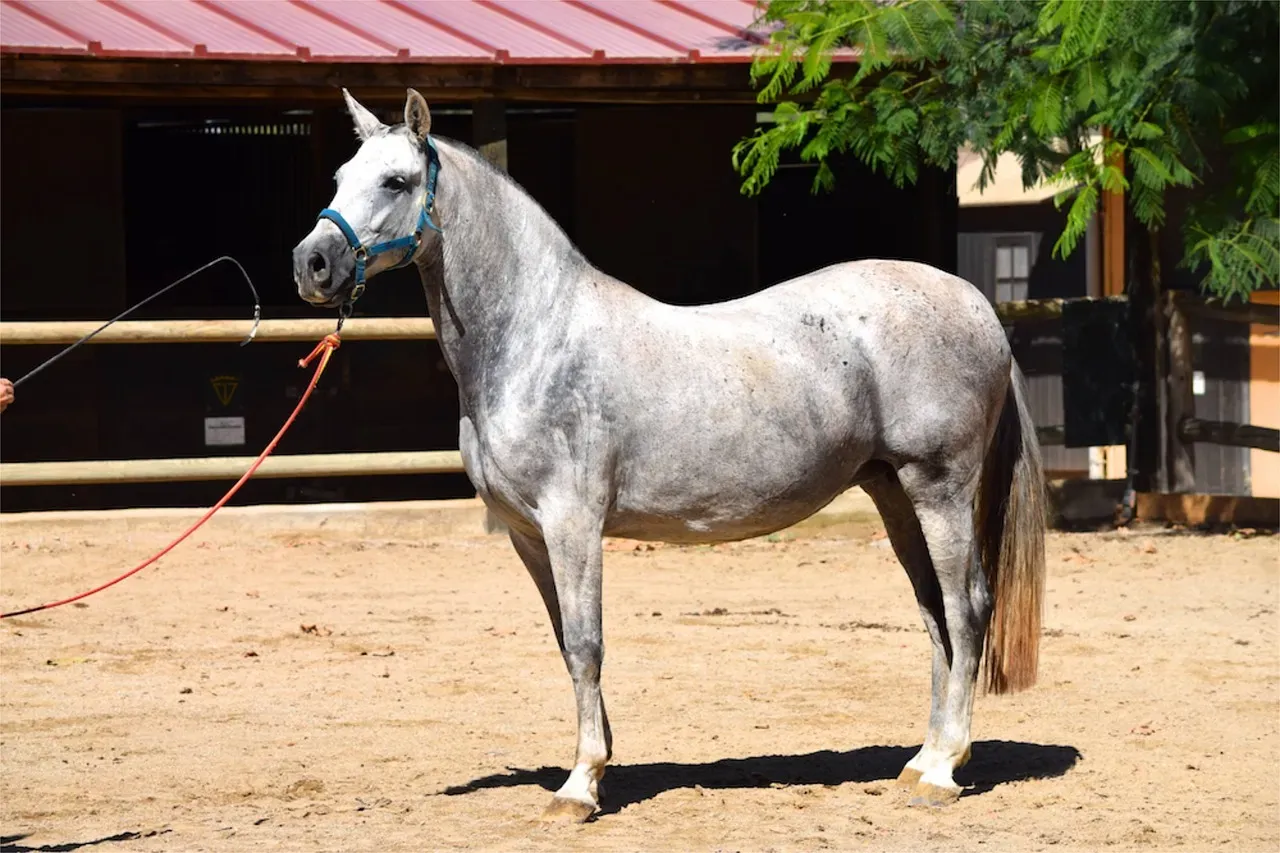
Walk into a barn where an Andalusian is stabled and you’ll understand immediately why beginners fall for them. The arched neck, the flowing mane, the natural presence – it’s a horse that seems to know it’s being watched. That presence, though, is backed by centuries of breeding for power, collection, and forward energy in classical dressage. These are not horses designed to amble along a trail on a loose rein while their rider figures out posting trot.
Andalusians are willing – genuinely willing – but their willingness has a prerequisite: the rider has to speak the language clearly. Unclear, inconsistent cues from a novice don’t produce neutral responses; they produce confusion, tension, and increasingly strong forward movement as the horse tries to interpret what it’s being asked. Trainers who specialize in Iberian breeds often describe the same pattern: a beginner buys an Andalusian on the strength of its reputation for being “people-oriented,” then discovers that people-oriented and beginner-safe are two very different things.
At a Glance
- Centuries of classical dressage breeding means Andalusians respond to the slightest aid – including the accidental ones beginners give constantly
- “People-oriented” is a temperament trait, not a safety rating – these horses still need a rider who communicates clearly
- Forward energy and collection power make them physically demanding to sit correctly without years of riding development
- Best paired with a trainer experienced in Iberian breeds from day one, not discovered after the purchase
#6 – Friesian
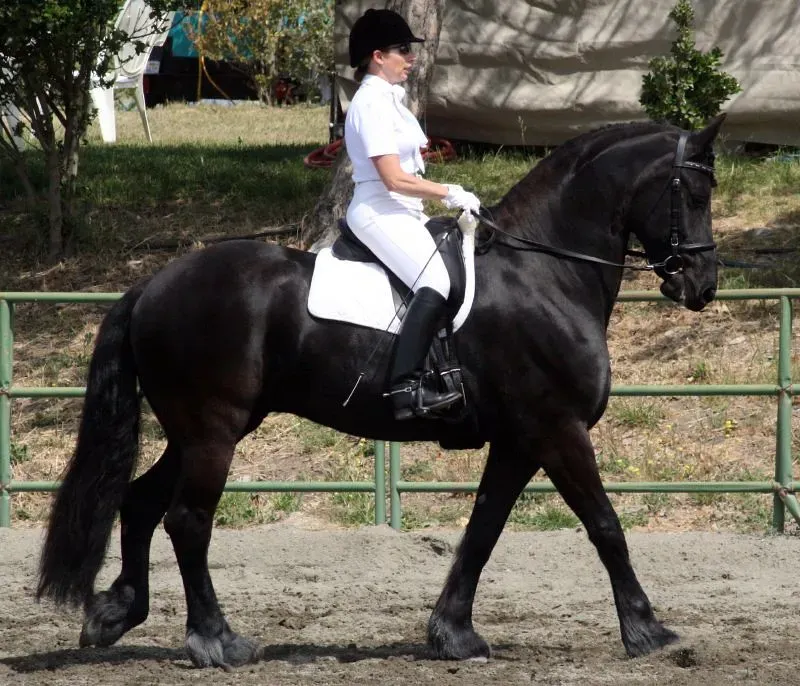
Few breeds have experienced a social-media boom quite like the Friesian. Those black coats, that dramatic feathering, the flowing trot that looks like slow motion even at speed – they generate millions of views and create buyers who have decided they want one before they’ve ever sat on a horse. And the horse industry, to its occasional discredit, has been happy to sell them. Vets who work in areas with high Friesian ownership quietly tell a different story.
Beyond the temperament challenges – Friesians can carry a spirited, occasionally sharp edge that catches new owners off guard – the maintenance demands are genuinely relentless. The feathering that looks beautiful in photos is a daily grooming commitment that can harbor skin conditions like “Friesian Scratches” if not managed carefully. Their thick manes and tails matt easily. And because the breed has a narrower genetic base than most, certain health vulnerabilities require owners who are dialed in and proactive. For a beginner still learning the basics, it’s simply too much at once.
Why It Stands Out (For the Wrong Reasons)
- In one clinical study, 41 of 45 megaesophagus cases seen at a veterinary clinic were Friesians – strongly suggesting a hereditary link
- Retained placenta occurs in nearly 54% of Friesian broodmares, compared to just 2–10% in the general equine population
- Studies show 18% of Friesians experience insect bite hypersensitivity – twice the rate seen in some other breeds
- Genetic vulnerabilities span skeletal, circulatory, digestive, and immune systems – all traced to a narrow founding gene pool
- Daily feathering maintenance is non-negotiable: skip it and pastern dermatitis sets in fast, especially in wet climates
#7 – Hanoverian
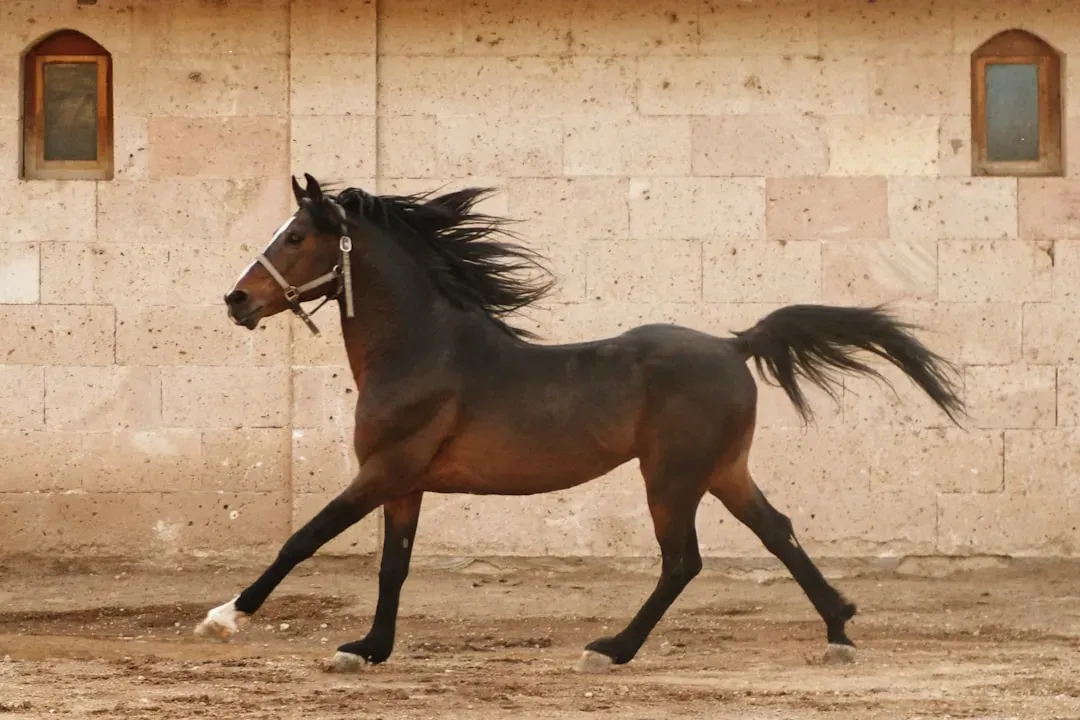
Hanoverians are among the most decorated sport horses in the world – Olympic dressage and show jumping rings are full of them – and that’s precisely the problem for beginners. The traits that make a Hanoverian excel at international competition are the same traits that make it a difficult first horse: exceptional athletic power, a strong forward drive, sensitivity to the rider’s position, and a quick, intelligent mind that notices every inconsistency.
Vets who specialize in sport horse medicine see a predictable pattern with novice Hanoverian owners: the rider lacks the core strength and timing to support the horse’s movement correctly, the horse compensates in ways that create tension and minor unsoundness, and what started as a dream purchase becomes an expensive rehabilitation project. A well-bred Hanoverian also comes with a well-bred price tag, which means the financial and emotional stakes are already high before any of that happens. Trainers who place horses for a living will often steer beginners firmly away from this breed, not because the horses are dangerous, but because the mismatch is almost guaranteed.
#8 – Shire
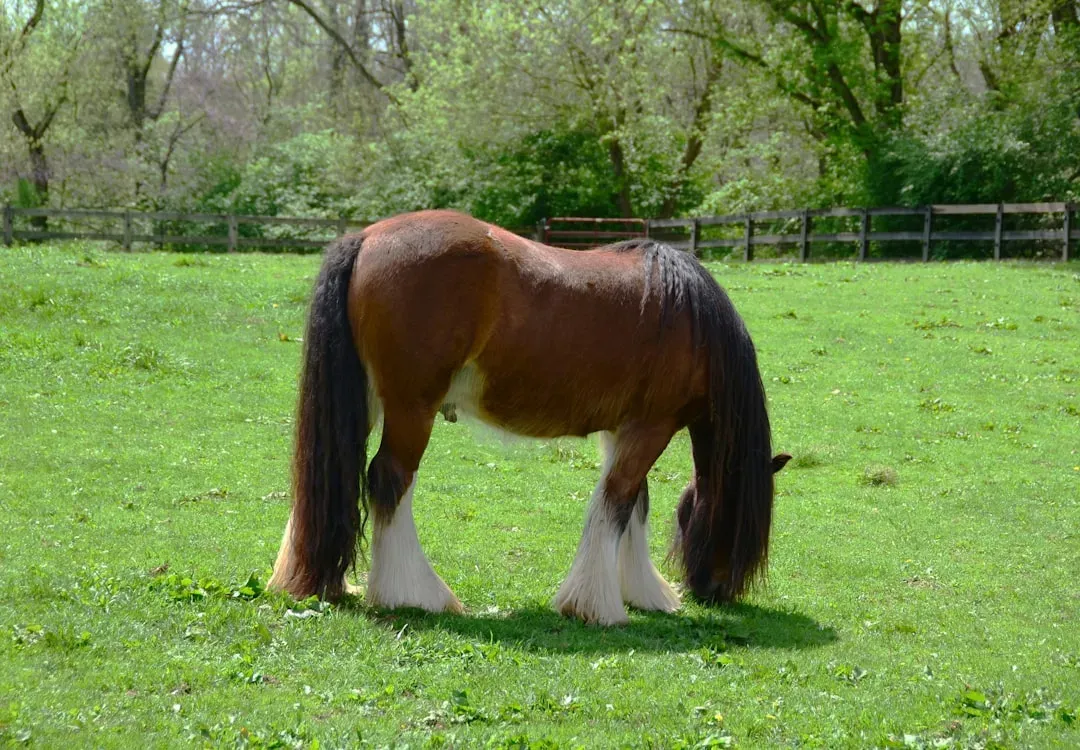
There’s a persistent myth in the horse world that draft breeds are automatically safe for beginners because they’re calm and slow. Shires are the breed most often cited in this myth, and while they do tend toward a gentler disposition than hot-blooded breeds, “gentle” and “manageable” are not the same word. A Shire stallion can weigh over 2,000 pounds. Even a small Shire mare is likely to be 1,600 or more. When a horse that size moves unexpectedly – even calmly – a beginner handler on the ground can be knocked down, stepped on, or dragged without the horse intending any harm at all.
The practical barriers compound the safety ones. Standard tack doesn’t fit. Mounting without a dedicated tall mounting block is a real physical challenge. Farrier costs run higher because the work is harder and takes longer. Feeding requirements are substantial. And in a spook or a moment of excitement, even a horse with the sweetest temperament is operating at a scale that demands physical confidence and spatial awareness a new owner is still developing. Vets who are honest about this note that Shires can become wonderful partners – but after a beginner has already learned horse basics on something closer to human scale.
Quick Compare: Shire vs. a True Beginner Horse
- Weight: Shire – 1,600–2,200 lbs | Beginner-friendly horse – 900–1,200 lbs
- Tack fit: Shire requires custom-fitted, specialty tack | Beginner horse uses standard sizing
- Mounting: Shire needs a dedicated tall block, often 3+ steps | Standard mounting block sufficient for most horses
- Farrier cost: Elevated – more material, more labor, longer appointment | Standard rates
- Ground handling risk: Even an accidental nudge from a calm Shire can injure a handler | Scale is manageable with basic skill
#9 – Clydesdale
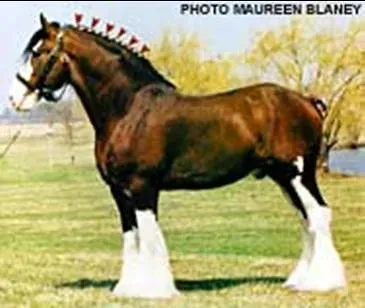
Clydesdales share the Shire’s size problem but come with an added layer of grooming complexity that surprises first-time owners. The signature feathering on their lower legs is beautiful and high-maintenance in equal measure. Without consistent cleaning and drying, feathered legs become a breeding ground for mites and the skin condition known as “rain rot” or “mud fever” – conditions that require ongoing veterinary attention and careful management, especially in wet climates.
Temperamentally, most Clydesdales are steady, but steady doesn’t mean simple. Their sheer mass means that leading, loading into a trailer, or working around their feet demands a handler who moves confidently and reads body language clearly – skills that take time to develop. Experienced drivers who use Clydesdales for farm work or showing develop an intuitive feel for working with large animals over years. Asking a beginner to develop that feel simultaneously with learning basic riding and horse care creates an overwhelming load that vets and trainers see go sideways with reliable frequency.
#10 – Percheron
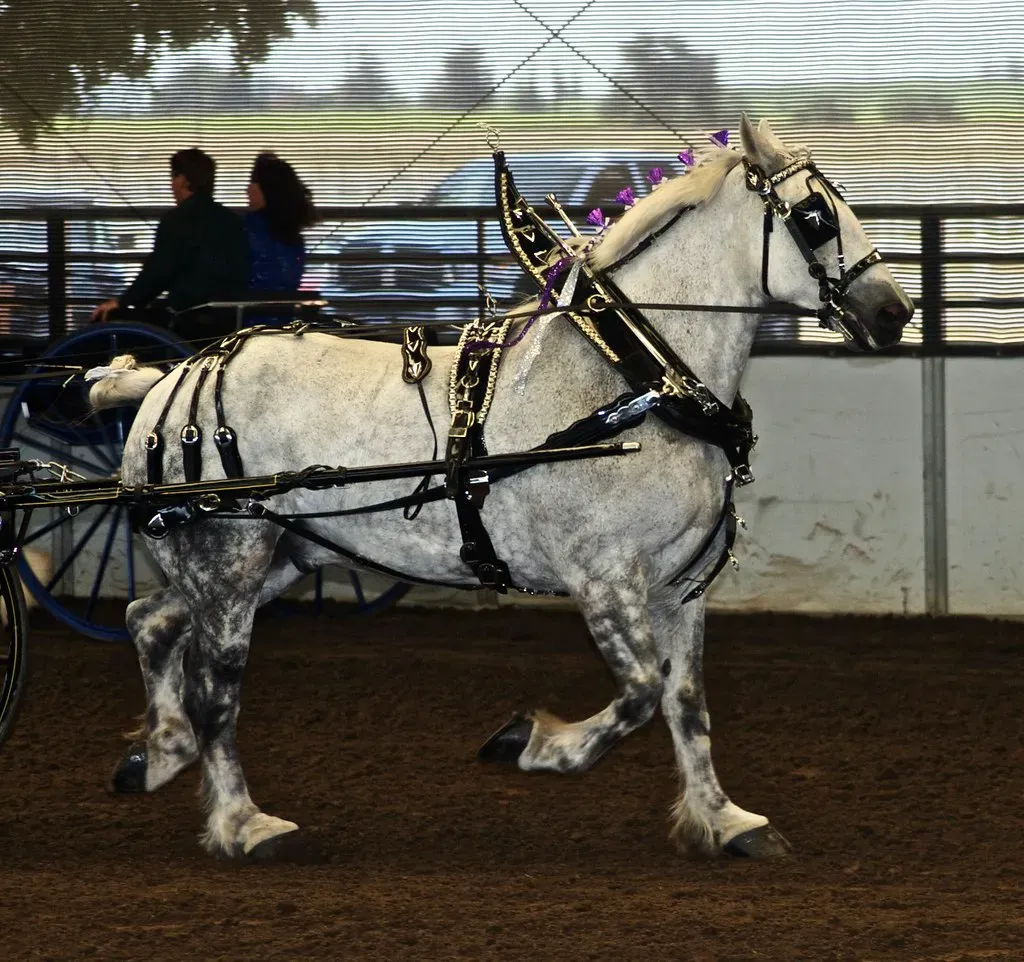
Percherons occupy a strange middle ground in the draft world – they’re often marketed as more refined and easier to handle than Shires or Clydesdales, and in some lines that’s genuinely true. But in others, particularly horses with heavy working bloodlines, Percherons can display a stubbornness and what trainers sometimes call a “bolshy” attitude – not mean, not dangerous, just absolutely convinced that they know better than you and willing to demonstrate it. For a beginner still building confidence, that attitude is deeply undermining.
The inconsistency is actually the biggest issue. A novice buyer who does their research, visits the horse, finds it calm and easy to handle, and makes the purchase can end up with an entirely different experience once the horse settles into a new routine and starts testing boundaries. Vets and trainers report variable temperament as the defining challenge with this breed – not predictably difficult, but unpredictably variable in a way that makes safe matching hard. First-time owners need consistency above almost everything else, and Percherons don’t always deliver it.
#11 – Paso Fino
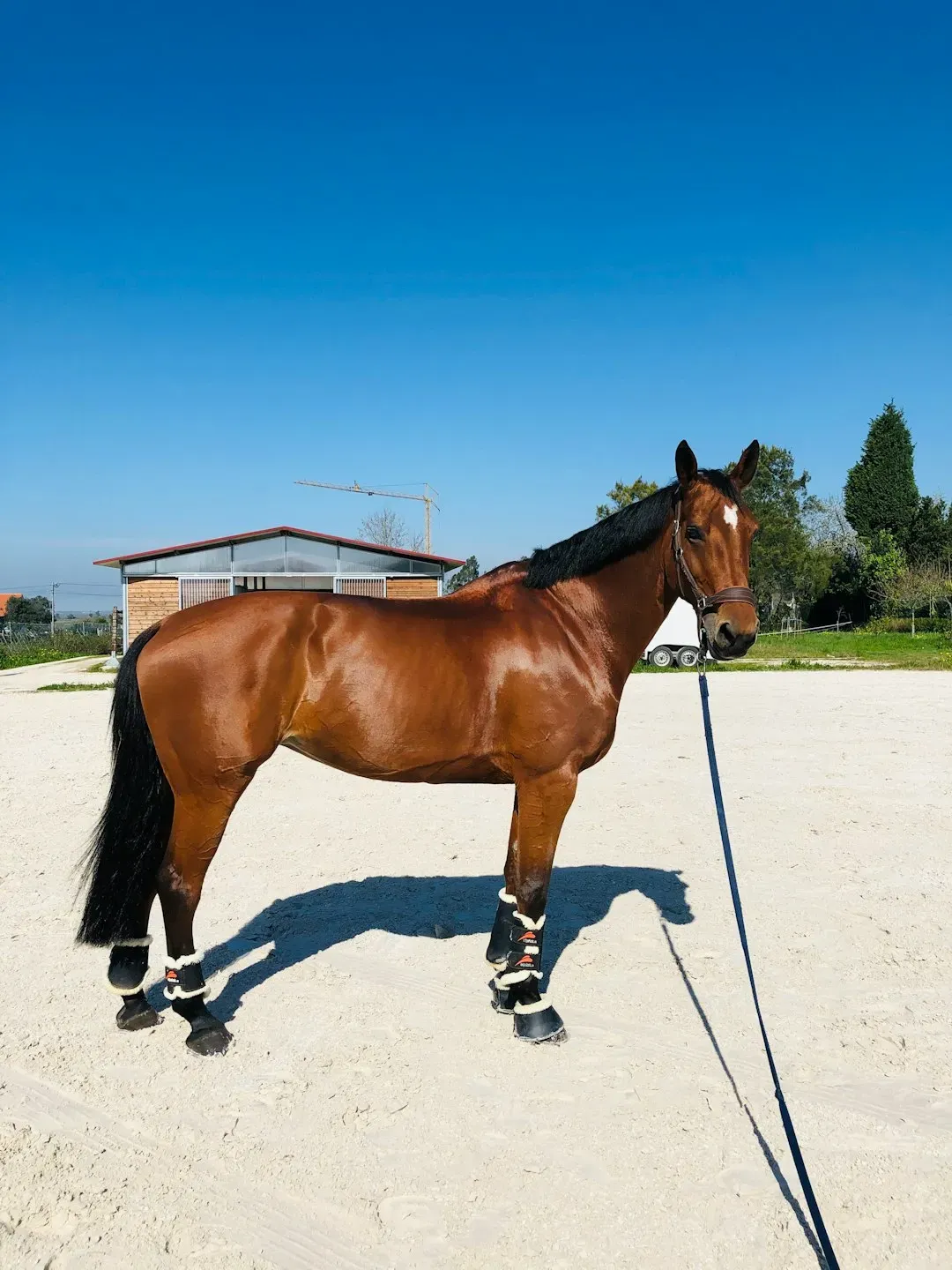
The Paso Fino’s selling point is its gait – a smooth, rapid, four-beat movement that produces almost no vertical bounce for the rider. For people with back problems or joint issues, it sounds like a dream. And for an experienced rider who has already developed feel, timing, and an independent seat, it genuinely can be. The problem is that the Paso Fino’s gait is nothing like what a beginner learns on, and the adjustment requires a level of body awareness and subtlety most novices haven’t developed yet.
The breed is also significantly more cue-sensitive than beginner-appropriate horses tend to be. What feels like a neutral position to a new rider – slightly tipped forward, leg gripping unconsciously, hands moving with balance – reads as a constant stream of conflicting signals to a Paso Fino. The horse responds by becoming tense, inconsistent, or rushing its gait, which the rider interprets as the horse being difficult, which creates a frustration cycle that’s hard to break without professional help. Trainers who specialize in gaited breeds often say the same thing: learn the basics first, then come to the Paso Fino. Very few beginner buyers follow that advice.
Worth Knowing
- The Paso Fino’s natural four-beat gait is unlike any movement beginners are taught – the adjustment curve is steep and body-awareness-dependent
- Accidental gripping, tipping forward, or unsteady hands – all normal beginner habits – read as active cues to this breed
- Tension cycles between rider and horse are common and typically require a professional gaited-breed trainer to break
- Experienced gaited-breed trainers consistently advise: master an independent seat first, then consider the Paso Fino
#12 – Saddlebred
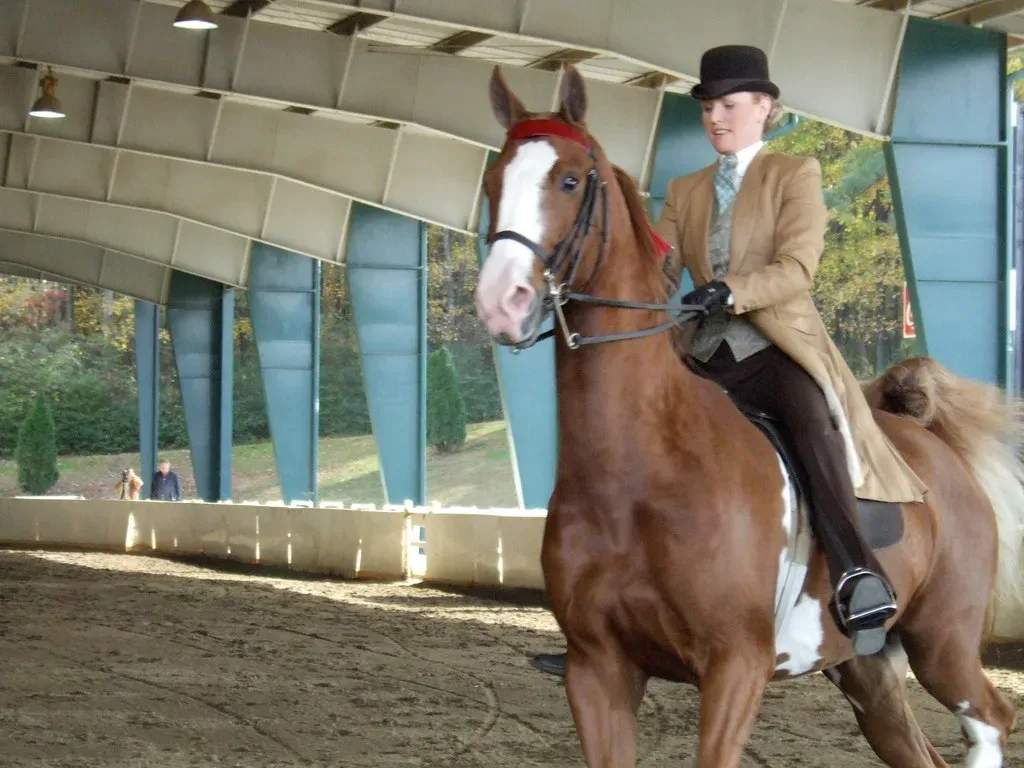
American Saddlebreds are showstoppers – animated, high-headed, expressive, and bred over generations to maximize visual impact in the show ring. That animation is a genuine talent, and in the right context with the right rider, it’s breathtaking to watch. Taken out of that context and handed to someone still learning how to post a trot, it becomes a serious mismatch. Saddlebreds carry significant forward energy and an elevated way of going that demands a balanced, following seat – the kind that takes years of consistent riding to develop.
Many Saddlebred lines also retain a sharp sensitivity to leg and rein aids that produces big responses to small inputs. A beginner who accidentally over-cues during a nervous moment can end up with a horse that feels out of control almost instantaneously. Trainers who work with the breed often note that Saddlebreds are among the most rewarding horses they handle – and among the most quickly overwhelmed by inconsistent, unconfident riding. The combination of physical animation and mental sensitivity creates a horse that simply needs more skill than a beginner has yet earned.
#13 – Lipizzaner
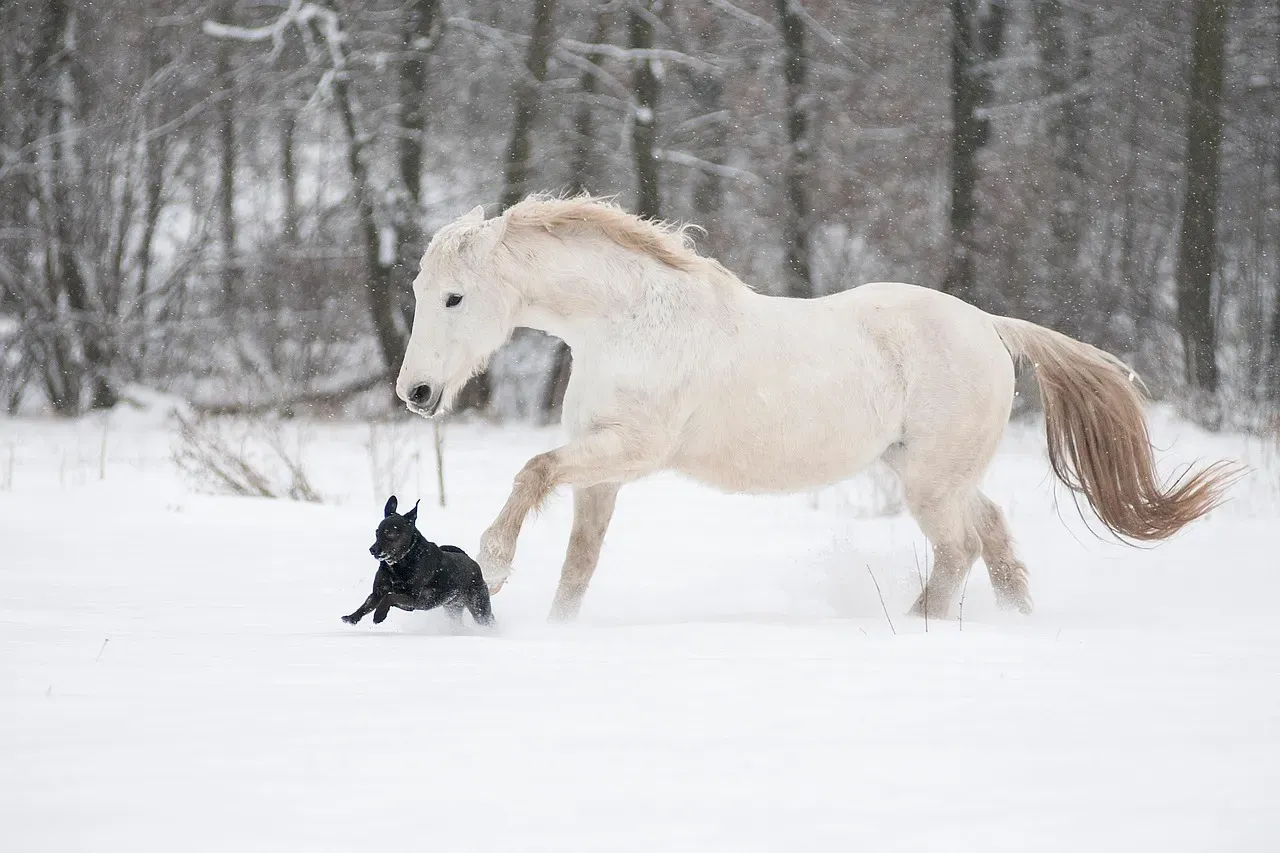
The Lipizzaner carries one of the most storied reputations in the horse world – the white horses of the Spanish Riding School in Vienna have performed classical haute école movements for centuries, and that history gives the breed an almost mythical quality for horse enthusiasts. What it also gives the breed is intelligence so developed and refined that these horses have opinions, preferences, and a clear capacity to assess their rider’s competence. They do not suffer inconsistency gracefully.
A Lipizzaner that has been trained to classical standards knows exactly what a correct aid feels like, and when it receives something muddled or contradictory, it doesn’t simply ignore it – it responds to it, often in ways that feel unpredictable or defiant to a beginner. Their strength, combined with the lateral suppleness bred into them over generations, means they can execute movements a novice didn’t ask for and can’t redirect. The breed’s rarity in the open market also means that well-schooled, genuinely calm examples are hard to find and expensive when they do appear. For most beginners, the Lipizzaner is a horse to dream about and return to after years of serious study.
#14 – Warmbloods (Dressage and Jumping Lines)
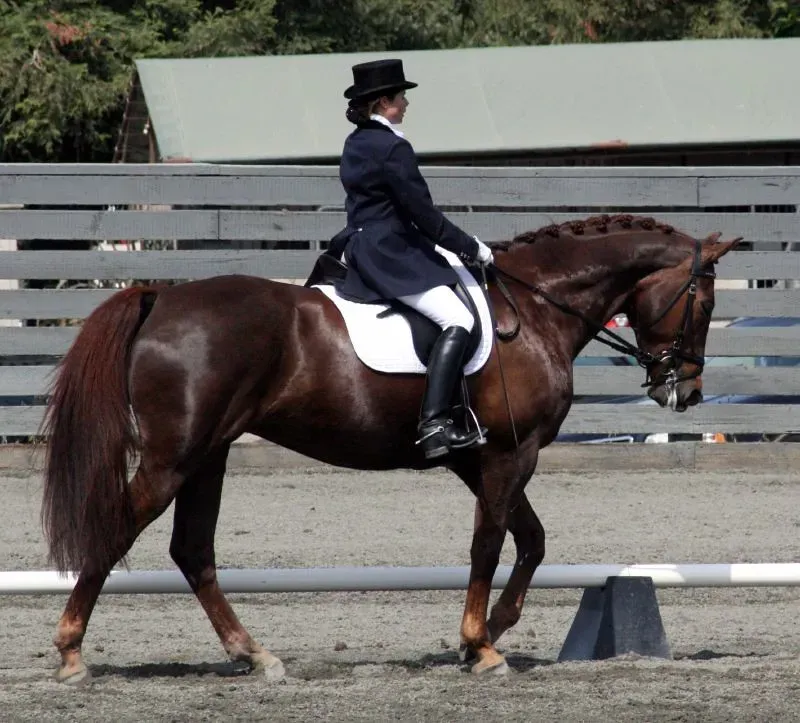
This last entry is the broadest on the list, and in some ways the most important, because it covers the category of horses most likely to be aggressively marketed to ambitious beginners. Purpose-bred Warmbloods – horses specifically selected and developed for Olympic-level dressage or show jumping – represent the pinnacle of sport horse athleticism. They are powerful, sensitive, forward, and expensive. Breeders and sellers are skilled at presenting them as investments in quality, and the horses genuinely are exceptional athletes. They are not, however, beginner horses.
The core problem is that these horses were built to amplify a skilled rider’s aids and produce maximum athletic output. That’s exactly what you don’t want when the rider is still learning to sit quietly and give clear, consistent signals. Vets increasingly flag the soundness consequences: novice riders who can’t support a sport Warmblood’s movement correctly create subtle compensations and tension patterns that show up as training-related injuries months down the line. The financial damage compounds the physical – quality Warmbloods can cost $25,000 to $60,000 or more, and a horse at that price point, now needing rehabilitation, in the hands of a rider who still needed a schoolmaster to learn the basics, is the most expensive lesson in the horse world. It repeats itself every year.
At a Glance: Why Sport Warmbloods Fail Beginners
- Bred to amplify a skilled rider’s aids – which also amplifies every beginner mistake at full volume
- Common health issues include Warmblood Fragile Foal Syndrome, OCD, PSSM, and gastric ulcers – all demand proactive, informed ownership
- Quality sport Warmbloods typically cost $25,000–$60,000+; rehabilitation costs layer on top when rider-horse mismatch creates injury
- Even calm, willing individuals are described by experts as unsuitable for complete beginners due to sensitivity and athletic power
- A novice’s unbalanced seat creates tension patterns that surface as lameness and soundness issues months later – often silently
The Bottom Line

Here’s the opinion nobody in the horse industry likes to say loudly: the gap between “beautiful horse” and “right horse” has caused more damage to beginner riders – and to the horses themselves – than almost any other single factor in equine ownership. Vets didn’t quietly stop recommending these 14 breeds because they’re bad animals. They stopped because they’ve watched the same mismatches unfold too many times to keep staying silent about breed tendencies in the name of being polite.
Every horse on this list has produced extraordinary partnerships – with the right rider, at the right time, with the right support. That’s the part that makes the conversation complicated. But buying a horse is not just about what’s possible in ideal conditions; it’s about what’s likely in real ones. Real beginners make mistakes. Real beginners have bad days. Real beginners need a horse that forgives those mistakes instead of amplifying them. The breeds above, for structural and temperamental reasons that run deep in their genetics, tend not to be those horses. The best thing a first-time buyer can do is ignore the pull of reputation and beauty long enough to ask one honest question: is this horse going to make me safer, or just more impressive in a photo?

- 12 Architectural Wonders From The Ancient World That Inspire Us Today - July 18, 2026
- 6 Beautiful Ancient Cities That Time Forgot (But Shouldn’t) - July 18, 2026
- 6 Common Animal Behaviors That Are Often Misunderstood by Humans - July 18, 2026