


Animals perceive the world in ways that humans can barely comprehend. While we rely primarily on sight and sound, the animal kingdom has evolved extraordinary sensory capabilities that allow them to detect and respond to natural phenomena that remain invisible to human perception. From sensing impending natural disasters to navigating using Earth’s magnetic field, animals possess remarkable abilities that have developed through millions of years of evolution. These specialized senses serve critical survival functions, helping creatures find food, avoid predators, reproduce, and adapt to changing environmental conditions. Let’s explore 18 fascinating natural phenomena that only animals can truly understand and how these incredible abilities shape their lives in ways we’re only beginning to discover through scientific research.
Earth’s Magnetic Field Navigation

Many animals possess an innate ability to detect and navigate using Earth’s magnetic field, a sense known as magnetoreception. Sea turtles embark on remarkable oceanic journeys, traveling thousands of miles between feeding and nesting grounds by sensing the planet’s geomagnetic signatures. Research has shown that loggerhead turtle hatchlings can detect both the direction and intensity of Earth’s magnetic field, essentially giving them a built-in GPS system.
Birds like the European robin rely on magnetoreception during seasonal migrations, allowing them to maintain proper orientation even when visual cues are unavailable. Scientists believe they accomplish this through specialized cells containing magnetite, a naturally magnetic mineral, or through light-sensitive proteins called cryptochromes in their eyes. Some mammals like foxes have been observed preferentially pouncing on prey in a northeastern direction, suggesting they might be aligning their hunting approach with magnetic field lines to increase accuracy. For these creatures, Earth’s invisible magnetic embrace serves as a constant, reliable guide that humans can only access through technological instruments.
Infrasonic Communication

Certain animals communicate using infrasonic sounds—frequencies below 20 Hz that fall beneath the threshold of human hearing. Elephants are masters of this form of communication, producing low-frequency rumbles that can travel through the ground for up to 6 miles. These subsonic calls allow elephant herds to coordinate movements, warn of dangers, and maintain social bonds across vast distances. Their specialized larynx and large nasal passages create these powerful sound waves, while sensory cells in their feet and trunks detect the vibrations of responses.
Whales also rely heavily on infrasonic communication, particularly baleen species like blue and fin whales. Their low-frequency calls can travel hundreds of miles through ocean waters, creating a complex underwater communication network. Scientists believe these sounds may convey information about identity, reproductive status, and food sources. Even some insects, like certain moth species, can detect the infrasonic calls of predatory bats, giving them crucial seconds to implement evasive maneuvers. This hidden sonic landscape represents an entire dimension of communication that humans cannot naturally access or fully comprehend.
Ultraviolet Vision

While humans perceive light in wavelengths from approximately 380 to 700 nanometers, many animals can see into the ultraviolet spectrum (wavelengths shorter than 380 nm). Bees, for instance, have compound eyes containing photoreceptors sensitive to ultraviolet, blue, and green light. This adaptation allows them to detect special ultraviolet patterns on flowers called “nectar guides”—invisible to humans—that direct them toward nectar and pollen. These patterns essentially serve as landing strips and treasure maps for pollinating insects.
Birds also possess remarkable ultraviolet vision. Many avian species have plumage with ultraviolet-reflective patches that play crucial roles in mate selection. What appears as ordinary feathering to human eyes may contain brilliant ultraviolet markings that signal genetic quality or mating readiness to potential partners. Some predatory birds, like kestrels, can track small mammals by detecting the ultraviolet light reflected by urine trails. Even some reptiles and amphibians utilize ultraviolet vision for hunting and social interactions. This expanded visual spectrum gives these animals access to a more vibrant and information-rich world than humans can experience naturally.
Earthquake and Tsunami Prediction

For centuries, people have reported unusual animal behavior prior to earthquakes and tsunamis, and modern research increasingly supports these observations. Toads in L’Aquila, Italy, famously abandoned their breeding site days before a devastating 2009 earthquake struck the region. Scientists hypothesize that animals may detect seismic P-waves (the fastest-moving seismic waves), changes in groundwater chemistry caused by rock pressure, or subtle electromagnetic field fluctuations that precede major seismic events.
In the hours before the 2004 Indian Ocean tsunami, observers noted elephants trumpeting and running for higher ground, flamingos abandoning low-lying breeding areas, and zoo animals refusing to leave their shelters. These behaviors potentially saved countless animal lives while many humans remained unaware of the impending disaster. Studies suggest that some animals, particularly elephants, may detect infrasonic sound waves generated by seismic activity or tsunamis from hundreds of miles away through specialized receptors in their feet. This remarkable ability to sense coming natural disasters represents an evolutionary advantage that modern human technology still struggles to match effectively.
Echolocation

Echolocation represents one of nature’s most sophisticated sensory systems, allowing certain animals to create detailed mental maps of their surroundings using sound rather than light. Bats emit high-frequency calls—up to 200 pulses per second—that bounce off objects in their environment. Their large, specialized ears then capture these echoes, with their brains processing minute differences in echo return time, frequency, and amplitude to determine the location, size, shape, texture, and even movement of objects around them. This remarkable system enables bats to hunt insects in complete darkness with extraordinary precision.
Marine mammals like dolphins and toothed whales have evolved equally impressive echolocation abilities adapted for underwater environments. They produce focused clicking sounds through specialized structures in their heads and receive echoes through their lower jaw and middle ear. Dolphins can detect objects the size of a ping-pong ball from more than 70 meters away and can distinguish between different materials based on their density. Some species of shrews and tenrecs have also developed simpler forms of echolocation to navigate dark underground tunnels. For these animals, sound serves as a primary sense that creates a rich, dynamic representation of the world that humans can only begin to understand through scientific instruments and simulations.
Electroreception

The ability to detect electrical fields, known as electroreception, gives certain animals a sixth sense that reveals hidden aspects of their environment. Sharks possess specialized organs called ampullae of Lorenzini—jelly-filled canals that open as pores on their snouts—which can detect electrical fields as weak as one billionth of a volt. This remarkable sensitivity allows them to locate prey buried beneath sand or hidden in murky waters by detecting the minute electrical signals generated by a beating heart or contracting muscle, even when visual and olfactory cues are absent.
Platypuses employ electroreception to hunt in muddy Australian streams, closing their eyes, ears, and nostrils while sweeping their bills through sediment to detect the electrical impulses of crustaceans and other prey. Electric fish like the elephant nose fish not only sense electrical fields but actively generate their own weak electrical fields to navigate, communicate, and locate objects in their environment—a process called active electrolocation. Some species can even recognize individuals by their unique electrical signatures. For these creatures, the underwater world contains an invisible electrical landscape rich with information that remains completely imperceptible to humans without specialized equipment.
Pressure and Weather Changes

Many animals possess an extraordinary sensitivity to barometric pressure changes that signal approaching weather systems. Birds have specialized air sacs connected to their respiratory systems that likely function as internal barometers. Studies show that birds often alter their feeding patterns and increase food consumption before storms arrive, with some species even delaying migration if their internal barometers detect unfavorable conditions ahead. This ability to sense impending weather allows them to prepare for challenging conditions or avoid dangerous storms altogether.
Frogs and toads also demonstrate remarkable weather-sensing abilities, often becoming more vocal before rainfall as decreasing barometric pressure triggers mating behaviors. Their permeable skin makes them particularly sensitive to humidity and pressure changes. Arthropods like bees and ants typically return to their colonies before storms, with bees collecting extra nectar and pollen when they sense falling pressure. Perhaps most impressive are sharks, which swim to deeper waters before hurricanes, responding to both pressure changes and the low-frequency sounds of distant storms transmitted through water. These adaptations provide crucial survival advantages in environments where weather conditions can rapidly shift from favorable to life-threatening.
Chemical Communication Through Pheromones

Pheromones form an invisible chemical language that carries complex messages between animals of the same species. Ants rely on chemical trails to guide nestmates to food sources, mark territory boundaries, signal danger, and distinguish colony members from intruders. A single ant colony may use dozens of different pheromone signals, each eliciting specific behaviors from other colony members. This sophisticated chemical communication system allows colonies of millions to function as unified superorganisms despite lacking centralized control.
In mammals, pheromones play crucial roles in reproductive behaviors. Female elephants release specific chemicals in their urine when ready to mate, which males can detect from several kilometers away through their specialized vomeronasal organ. Similarly, male mice produce proteins in their urine that not only attract females but can induce estrus and accelerate puberty in young females, synchronizing reproduction within social groups. Moths demonstrate perhaps the most sensitive pheromone detection system, with males able to detect a few molecules of female sex pheromones from up to 7 miles away. This chemical dimension of animal communication remains largely imperceptible to humans, whose pheromone sensitivity has diminished significantly through evolution compared to other mammals.
Polarized Light Navigation

Many animals can perceive polarized light—light waves vibrating in a specific orientation—and use this ability for navigation and other vital tasks. Bees possess specialized photoreceptors that detect patterns of polarized light in the sky created by sunlight scattering through the atmosphere. Even on cloudy days when the sun isn’t directly visible, bees can determine its position by reading these polarization patterns, allowing them to maintain orientation during foraging trips and communicate precise food locations to hivemates through their waggle dances.
Migratory birds also rely on polarized light for navigation, particularly during dawn and dusk when polarization patterns are strongest. This ability helps them maintain their heading when other navigational cues like the sun or stars are obscured. In aquatic environments, cuttlefish and mantis shrimp can see polarized light reflecting off transparent prey or predators, making nearly invisible targets stand out clearly. Mantis shrimp possess the most complex polarization vision system known, with specialized cell structures that can detect multiple polarization dimensions and even circular polarized light. While humans can sometimes perceive faint polarization effects with careful training, we remain largely blind to this rich visual information that many animals use routinely for survival.
Celestial Navigation

The ability to navigate using celestial bodies represents one of nature’s most sophisticated orientation systems. Dung beetles, despite their small brains, can maintain straight paths while rolling dung balls by using the Milky Way as a reference point. Research has demonstrated that these insects actually detect the gradient of light created by our galaxy rather than individual stars, allowing them to orient even under partially cloudy night skies. This remarkable ability helps them efficiently transport food away from competitors at the dung pile.
Migratory birds integrate stellar patterns into their navigational toolkit, with species like the indigo bunting memorizing star patterns around the North Star during their first year of life. They can then use these celestial maps during nighttime migration, often flying thousands of miles with pinpoint accuracy. Even more impressive are sea creatures like the Caribbean spiny lobster, which maintain a sense of direction during seasonal migrations by detecting the Earth’s position relative to the sun by day and the moon and stars by night. Their ability to use celestial cues persists even when displaced to unfamiliar locations, demonstrating that this navigation system is both innate and remarkably precise. While humans historically used stars for navigation, we required instruments and complex calculations—these animals carry their celestial navigation systems as part of their natural sensory toolkit.
Ultrasonic Perception

While the upper limit of human hearing typically stops around 20 kHz, many animals can detect ultrasonic frequencies extending far beyond our auditory range. Moths have evolved specialized tympanal organs that can detect the ultrasonic echolocation calls of hunting bats, triggering immediate evasive flight patterns when they sense these high-frequency predator signals. This evolutionary adaptation gives them precious milliseconds to escape, representing a classic example of predator-prey coevolution.
Rodents communicate extensively in the ultrasonic range, with mice producing complex ultrasonic vocalizations between 30-110 kHz that serve various social functions. Male mice sing elaborate ultrasonic courtship songs to attract females, mothers use ultrasonic calls to guide their pups, and groups employ different ultrasonic signals to coordinate movement or warn of dangers. Dogs can typically hear frequencies up to 45 kHz, which explains why they respond to ultrasonic whistles inaudible to their human companions. Even some insects like grasshoppers, crickets, and certain butterfly species can detect ultrasound as a defense mechanism against bats. This ultrasonic world represents an entire dimension of sound that shapes animal behavior while remaining completely silent to human ears without technological assistance.
Pressure Wave Detection in Water
Aquatic animals have evolved remarkable abilities to detect and interpret pressure waves traveling through water, giving them awareness of movements and obstacles far beyond visual range. Fish possess a specialized sensory organ called the lateral line—a system of fluid-filled canals running along their bodies containing hair cells similar to those in the human inner ear. These cells detect minute water movements and pressure changes, allowing fish to sense approaching predators, track prey, maintain position in schools, and navigate in dark or murky waters without relying on vision.
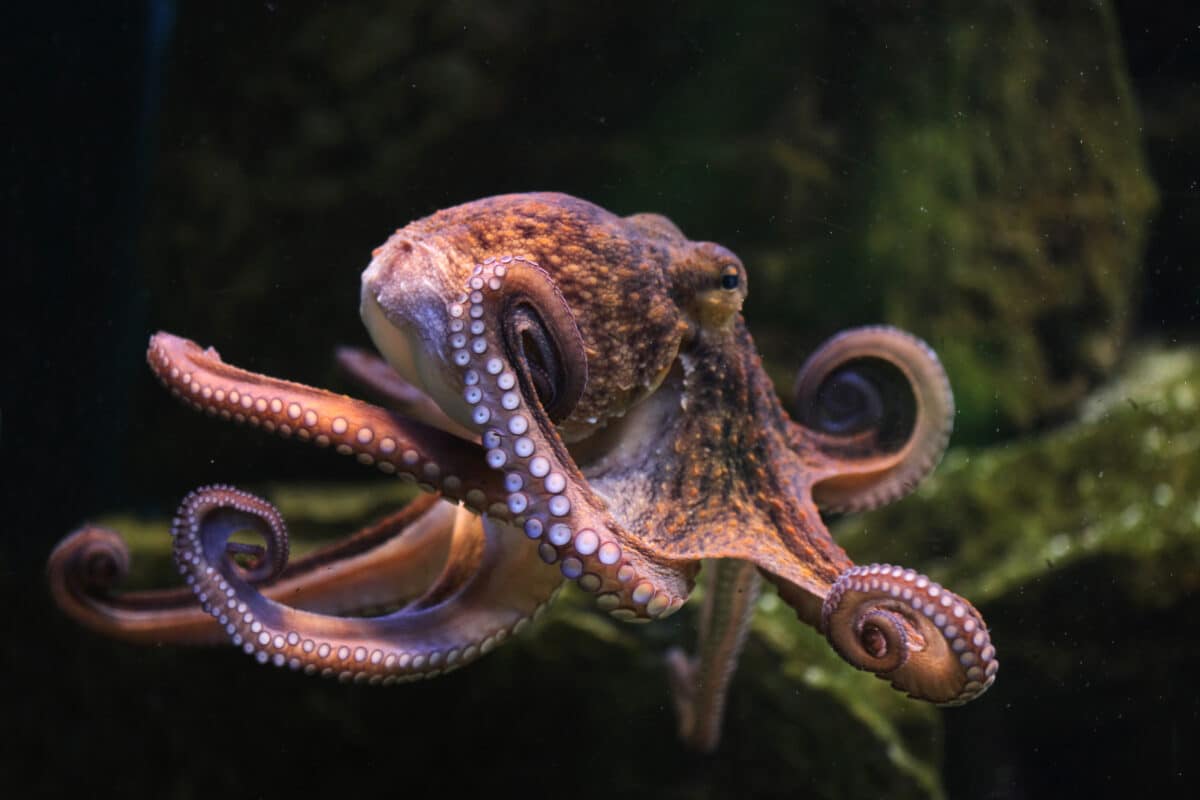
Crocodilians have developed specialized dome pressure receptors called integumentary sense organs across their faces that can detect the slightest disturbances in water surface tension. These receptors are so sensitive they can detect a single drop of water falling into their habitat, helping them locate prey even in complete darkness. Manatees and other marine mammals possess specialized whiskers (vibrissae) that detect subtle pressure changes, enabling them to track fish and sense approaching boats. The cephalopod statocyst—a complex balance organ—also functions as a sophisticated pressure detector, allowing octopuses and squid to perceive the subtle pressure waves generated by potential predators or prey. These underwater pressure detection systems provide aquatic animals with a rich sensory experience that human divers can only partially perceive through tactile sensation.
Sensing Air and Water Currents

Many animals have evolved specialized sensory systems to detect and utilize air and water currents for survival advantages. Spiders possess extraordinarily sensitive hairs on their legs called trichobothria that can detect air movements as slight as 0.07 mm/s—the equivalent of sensing air displacement from a fly’s movement 30 cm away. This exceptional sensitivity allows them to monitor their webs for prey, detect approaching predators, and even “balloon” on wind currents by releasing silk threads and sensing optimal launch conditions for aerial dispersal.
In marine environments, seals have developed highly sensitive whiskers with unique wavy structures that can detect hydrodynamic trails left by swimming fish for up to 30 seconds after they’ve passed. This ability allows seals to track prey in dark or murky waters by following these underwater “wakes.” Migratory birds like albatrosses have mastered the art of dynamic soaring, using their ability to sense subtle changes in wind speed and direction to travel thousands of miles while expending minimal energy. They exploit the boundary layer between different air masses, essentially riding the pressure differential to stay aloft for weeks with rare wing flaps. These specialized current-sensing abilities allow animals to extract crucial information from seemingly imperceptible movements in their surrounding medium.
Humidity and Moisture Detection

Many animals possess specialized sensory systems for detecting humidity and moisture levels, providing crucial survival information in both arid and aquatic environments. Camel crickets have evolved hygroreceptors—specialized sensory organs that detect atmospheric moisture content with remarkable precision. These receptors help guide the insects toward environments with optimal humidity levels to prevent dehydration while avoiding overly damp conditions that could foster fungal infections. Desert-dwelling species like the Namib Desert beetle have developed intricate body structures.
Conclusion:

The animal kingdom is a living testament to nature’s ingenuity, with sensory adaptations that far surpass human perception. From magnetic navigation in sea turtles to ultrasonic courtship songs in mice, these extraordinary abilities are not random quirks but finely tuned evolutionary tools for survival. Animals can sense natural disasters before they strike, locate prey hidden in darkness or beneath sand, and communicate using chemical signals or vibrations that humans can’t detect without sophisticated instruments. While science is only beginning to unravel these mysteries, one truth is clear: animals perceive a world far richer and more complex than we ever imagined. Their unique sensory experiences remind us that human perception is limited—and that there’s an entire hidden dimension of nature still waiting to be understood.

As a little kid, I fell in love with nature, wildlife, and animals. Living in the USA, South Africa, Italy, China and Germany gave me the opportunity to discover the world's Wildlife. My favorite animals are Mountain Gorillas, Siberian Tigers, and Great White Sharks.
I'm a certified PADI Open Water Diver, went to Everest Base Camp and Trekked Gorillas in Uganda. I hold a Master of Science in Economics and Finance.
Please send any feedback to feedback@animalsaroundtheglobe.com
- 14 Most Beautiful Bird Songs You Can Hear in America - July 15, 2026
- The Longest Snake Ever Found Slithering in the U.S. - July 15, 2026
- Why Humpback Whales Are Singing Louder Off U.S. Shores - July 15, 2026