


The oceans that border the United States are vast and mysterious, teeming with life forms that vary from the minuscule to the massive. Among the most captivating of these are the ocean giants, breathtakingly large creatures that roam the waters nearby. While many people are familiar with dolphins and great white sharks, there are several other lesser-known giants living right beneath the waves. This article unveils the secrets of 14 such ocean behemoths, offering a splash of insight into their magnificent lives.
The Majestic Blue Whale

Standing as the largest animal ever known to have existed, the blue whale (Balaenoptera musculus) gracefully glides through the waters off the coasts of California and the Pacific Northwest. With lengths reaching nearly 100 feet and weights of up to 200 tons, these gentle goliaths are awe-inspiring. They primarily feast on krill, needing to consume millions of these tiny shrimp-like animals daily to sustain their bulk.
The Gentle Giant Whale Shark
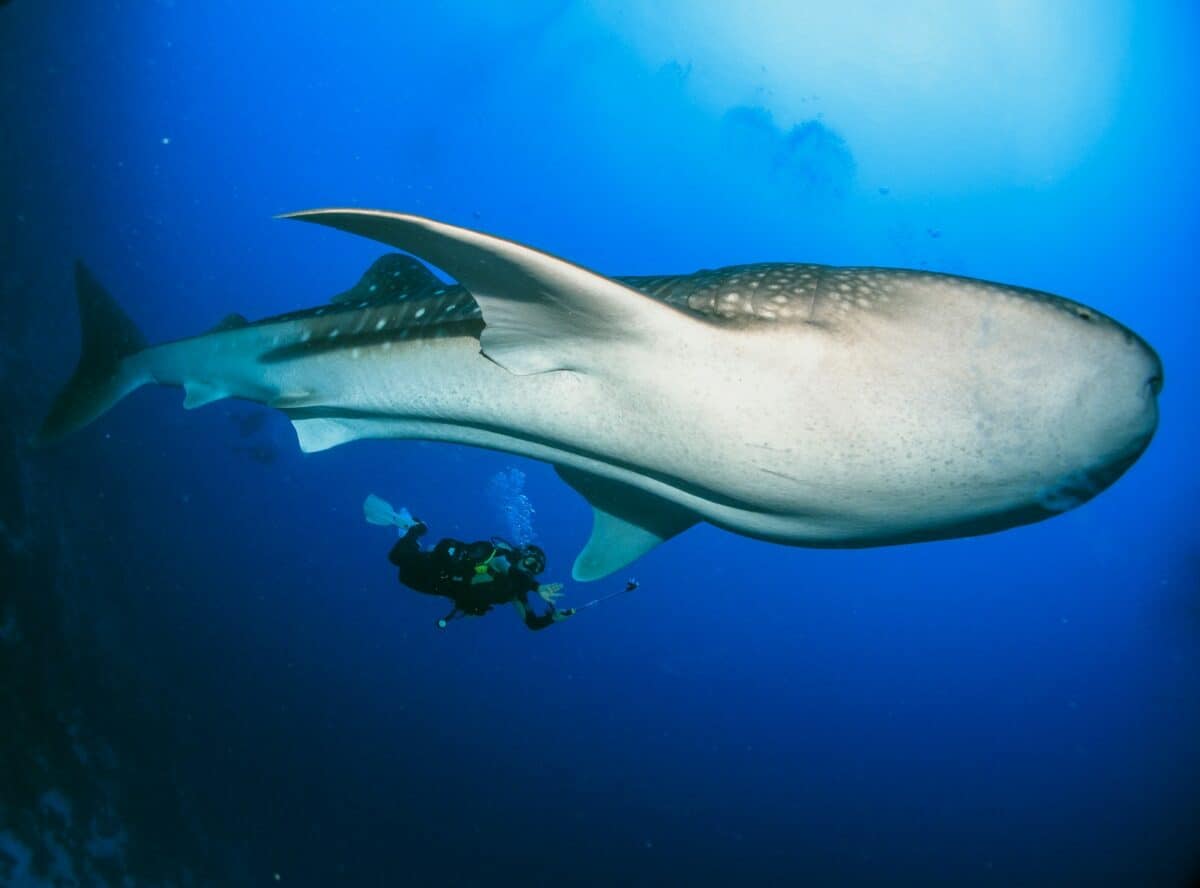
The whale shark (Rhincodon typus), the largest fish in the world, can be found in the warm, tropical waters of the Gulf of Mexico. Despite its size—up to 40 feet long—it poses no threat to humans. Feeding primarily on plankton, the whale shark uses a filter-feeding method, much like baleen whales, and is often a favorite sighting for divers and snorkelers.
Sperm Whales Deep Divers
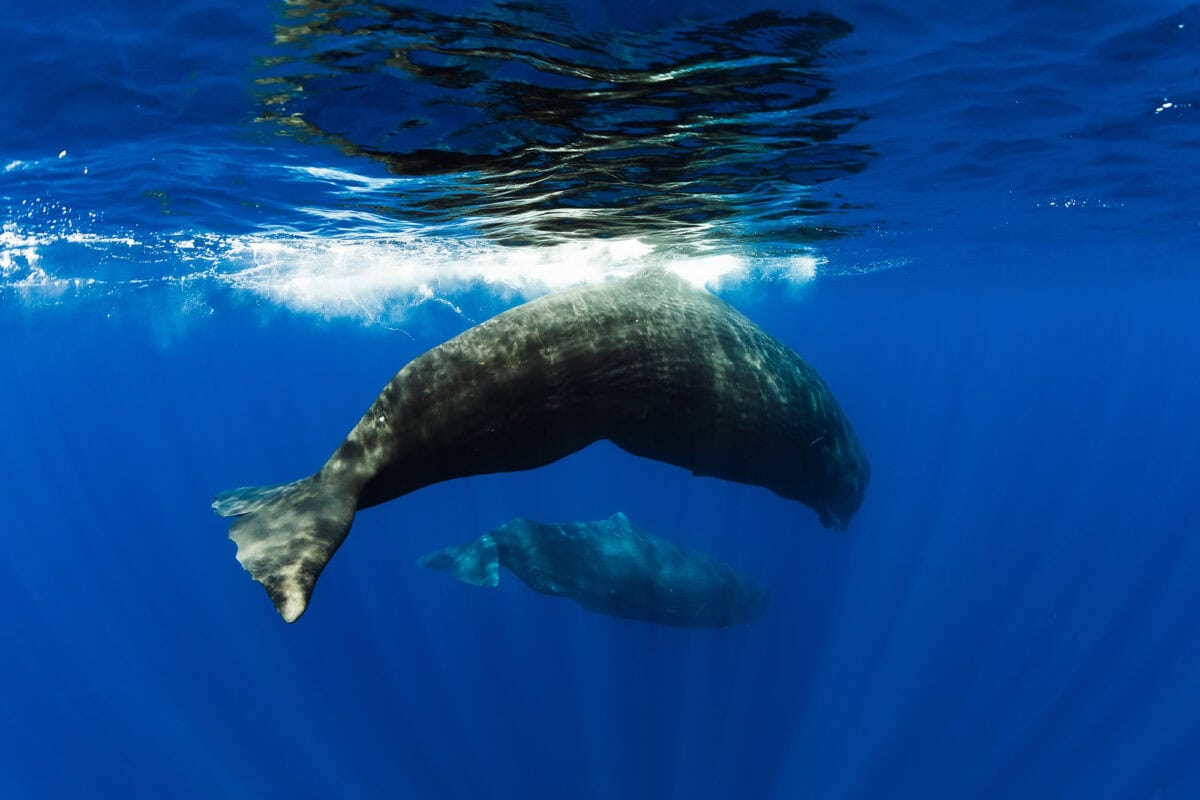
Sperm whales (Physeter macrocephalus), notable for their massive heads and deep diving capabilities, frequent the waters off the East Coast and the Gulf of Mexico. Known to dive as deep as 3,000 feet in search of squid, their diet also includes fish and octopus. These whales are social animals, often spotted in matriarchal pods.
Humpback Whales Seasonal Serenades

Known for their acrobatic breaches and complex songs, humpback whales (Megaptera novaeangliae) migrate along the U.S. coastlines. During winter, they are seen in Hawaiian waters where they give birth and nurse their young. In summer, they feed in cooler northern waters. Their songs, thought to be a form of communication, can be heard for miles underwater.
The Formidable Orca

Orcas, or killer whales (Orcinus orca), frequent the waters of the Pacific Northwest. Known for their striking black and white coloration and intelligent hunting techniques, orcas are apex predators. They have diverse diets that may include fish, seals, and even whales, with highly specialized hunting methods tailored to their prey.
Manta Rays Graceful Flyers of the Sea
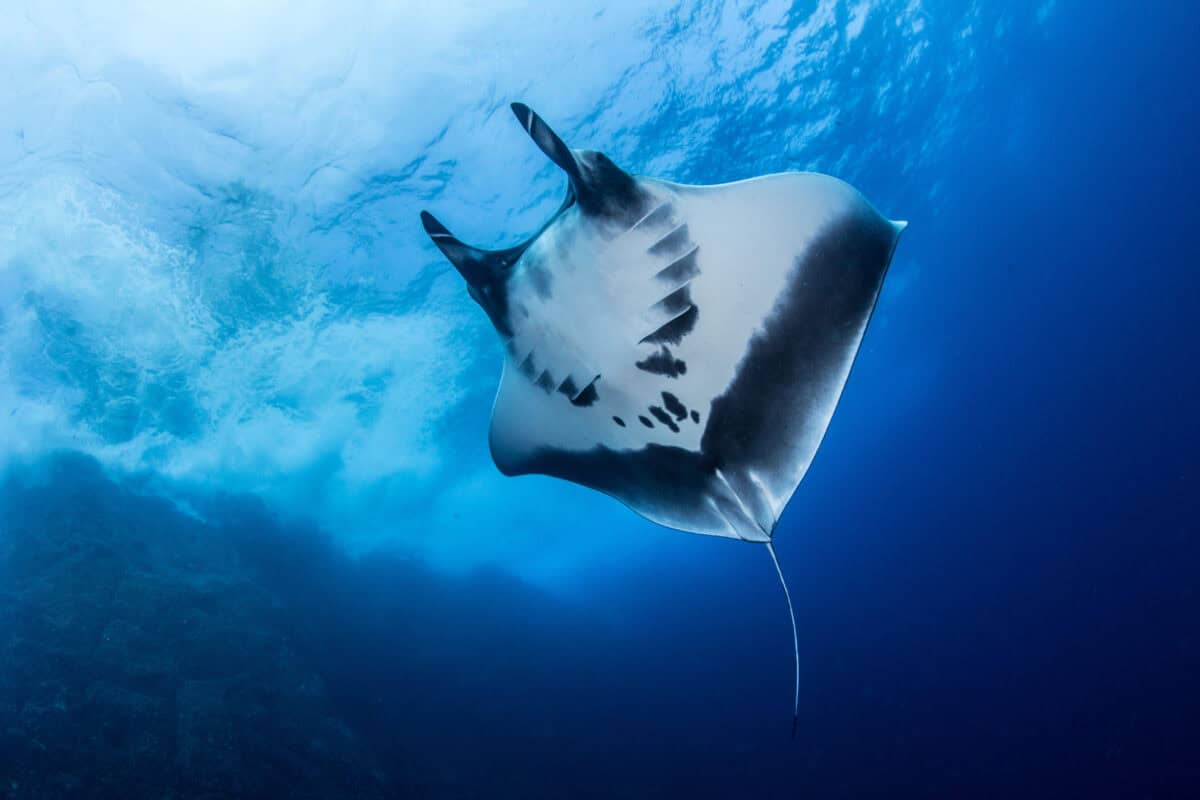
With a wingspan reaching up to 23 feet, manta rays (Manta birostris) glide through the warm waters of the Gulf of Mexico and the Caribbean. Known for their intelligence and curiosity, manta rays use their cephalic fins to direct plankton and small fish into their gaping mouths, filtering their meals through modified gill arches.
The Reclusive Basking Shark

The basking shark (Cetorhinus maximus), the second-largest living shark, often roams the cold, temperate waters off the northeastern U.S. coast. Despite reaching lengths of 40 feet, it is a gentle giant, typically feeding on plankton while swimming near the ocean’s surface.
North Atlantic Right Whales’ Plight

One of the world’s most endangered large whale species, the North Atlantic right whale (Eubalaena glacialis) can be seen along the eastern U.S. coastline, especially in regions like Massachusetts Bay. Collisions with ships and entanglements in fishing gear pose significant threats, making them a conservation priority.
Deep-Dwelling Beaked Whales

Elusive and rarely seen, beaked whales frequent deep ocean waters and include several species such as Cuvier’s and Gervais’ beaked whales. They are known for their spectacular deep-diving capabilities, going to great depths to hunt squid and fish. These whales are a mystery even to scientists, with much still to discover about their lives.
The Placid Great Hammerhead Shark

The great hammerhead shark (Sphyrna mokarran) is prominent in the waters off Florida. Recognized by their distinctive T-shaped heads, these sharks use their wide heads to improve their maneuverability and locate prey more efficiently. They feed on stingrays, fish, and other sharks.
The Curious Ocean Sunfish

Also known as the mola mola, the ocean sunfish is the heaviest known bony fish, often reaching more than 5,000 pounds. Seen off the California coast, these odd-shaped creatures feed on jellyfish and small fish. Known for basking near the ocean surface, they often provide a spectacle for boaters and anglers.
Spinner Dolphins Aerial Acrobatics

The spinner dolphin (Stenella longirostris), named for its acrobatic spinning behavior, is common in Hawaiian and Gulf of Mexico waters. These social animals travel in groups and feed primarily at night. Their daytime activities include resting and socializing near the surface.
Dusky Sharks Coastal Visits
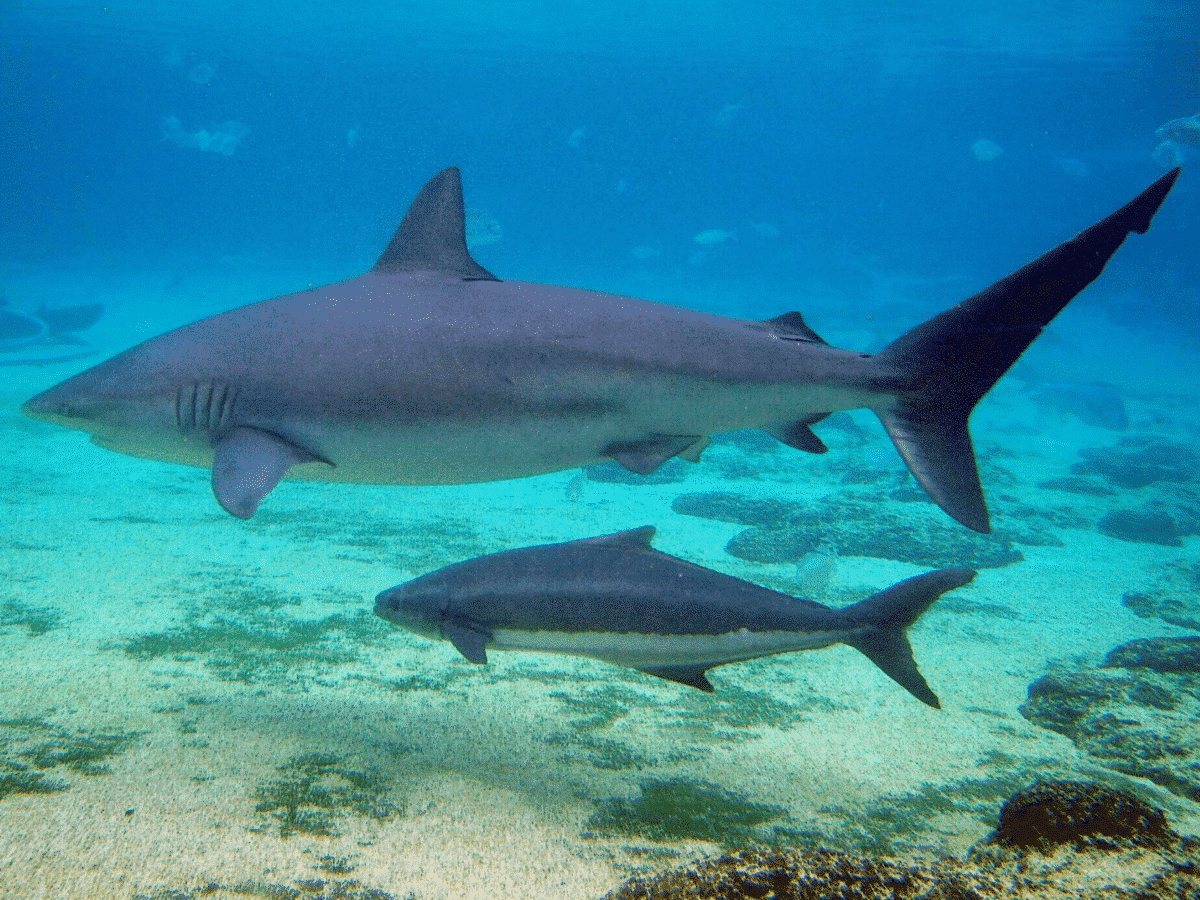
Dusky sharks (Carcharhinus obscurus) are often found along the U.S. eastern seaboard, particularly near the Carolinas and Florida. They are large, highly migratory, and primarily use coastal and continental shelf waters. Though they feed on various prey, from small fish to larger marine mammals, they are generally not aggressive toward humans.
Gigantic Leatherback Sea Turtles

Leatherback sea turtles (Dermochelys coriacea), the largest of all living turtles, roam the Atlantic coasts. They possess soft leathery shells instead of hard ones, allowing them to dive deeper than any other turtle. Their primary diet consists of jellyfish, which helps control jellyfish populations and maintain a healthy oceanic ecosystem balance.
Conclusion: Guardians of a Blue Planet

The oceans are a sanctuary for these magnificent oceanic giants, many of which are still shrouded in mystery. As sentinels of the deep, they play crucial roles in their ecosystems, and their presence is vital for the health of our planet’s marine environments. With human activities threatening their habitats, understanding and protecting these awe-inspiring creatures is more important than ever. Through conservation efforts and respectful marine practices, we can ensure these giants continue to swim majestically for generations to come.

As a little kid, I fell in love with nature, wildlife, and animals. Living in the USA, South Africa, Italy, China and Germany gave me the opportunity to discover the world's Wildlife. My favorite animals are Mountain Gorillas, Siberian Tigers, and Great White Sharks.
I'm a certified PADI Open Water Diver, went to Everest Base Camp and Trekked Gorillas in Uganda. I hold a Master of Science in Economics and Finance.
Please send any feedback to feedback@animalsaroundtheglobe.com
- 14 Animals That Call Deserts Home - July 19, 2026
- The 11 Toughest Cat Breeds That Can Survive Anything - July 19, 2026
- 15 Most Dangerous Marine Animals You will Find in the Atlantic - July 19, 2026