
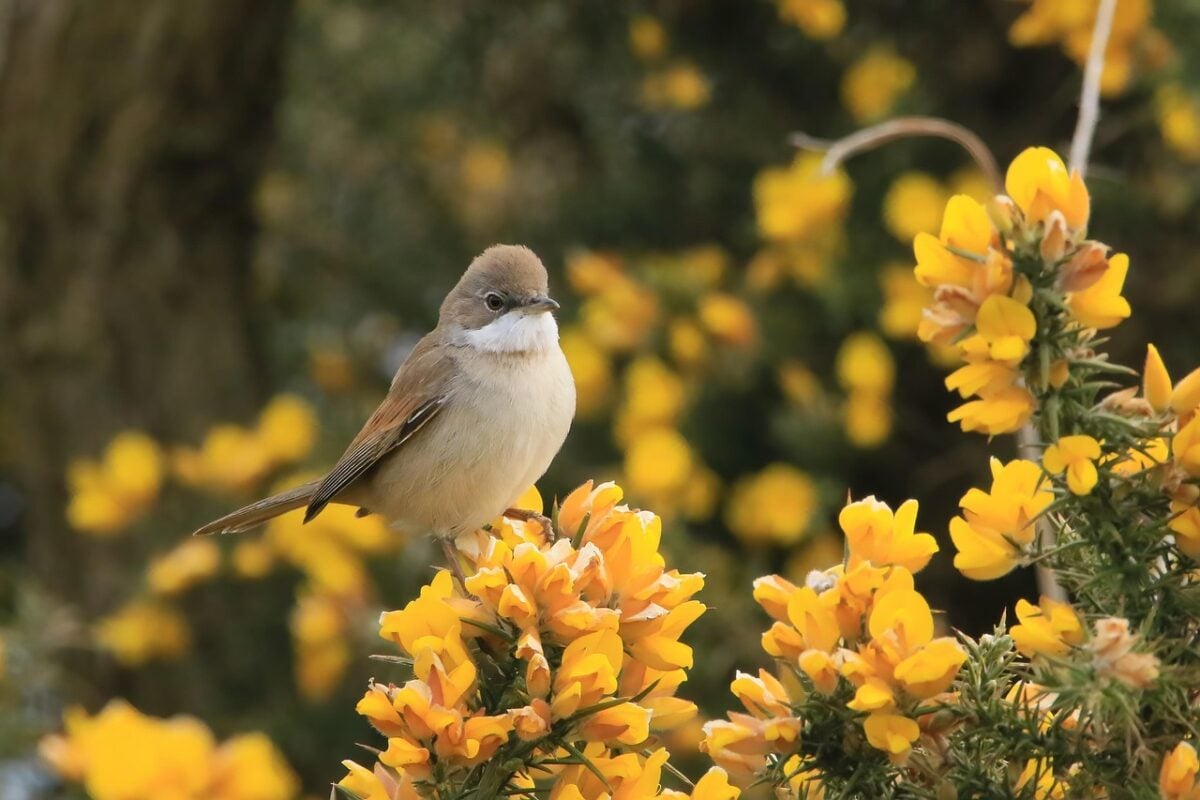
Picture two backyards on the same street. One has a manicured lawn, color-matched mulch, and not a weed in sight. The other looks a little wild around the edges – leaf litter piled in the corners, seed heads left standing, a patch of grass nobody’s mowed in weeks. Ask any bird, frog, or bee which one they’d rather live in, and the answer isn’t close.
The gardeners whose yards hum with wildlife aren’t pulling off anything as dramatic as digging a pond or ripping out the whole lawn overnight. They’re running a set of tiny, repeated, almost boring-looking habits – the kind tidy-yard culture actively tells you to stop doing. Here are the 14 quiet moves that turn an ordinary yard into a place animals actually choose to stay.
#1 – They Quit Gardening for Curb Appeal and Start Gardening for Cover
🔥 Would you like to save this?
We'll email this post to you, so you can come back to it later!
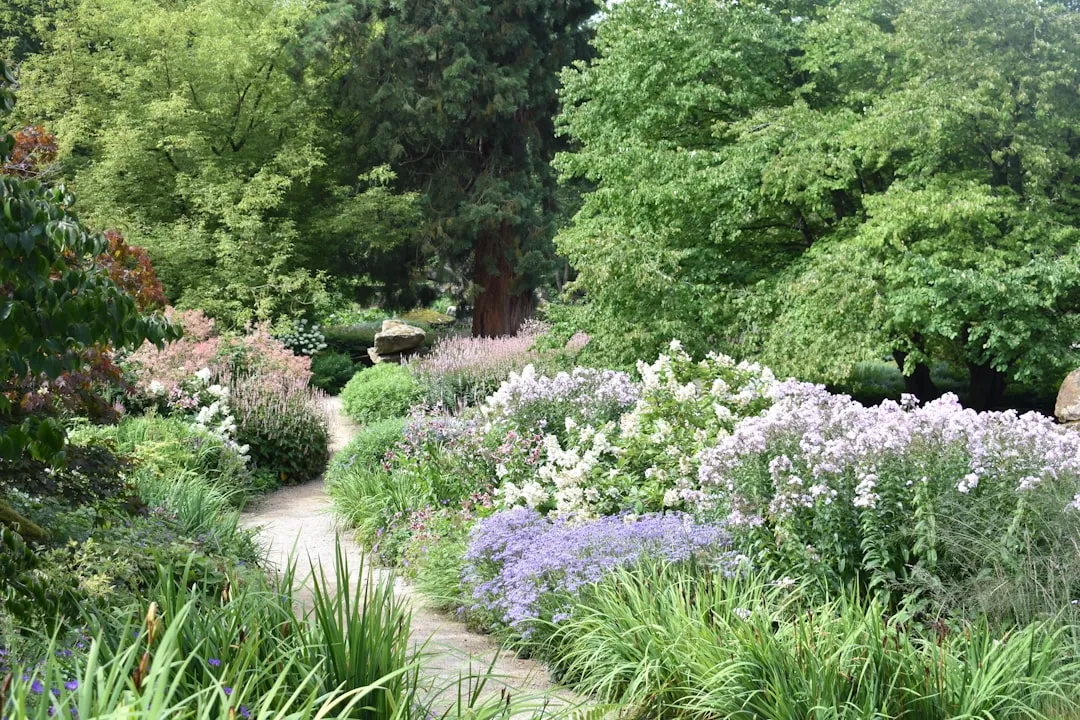
The first shift is almost personality-deep. Wildlife gardeners stop chasing sharp lawn edges and perfectly rounded shrubs, and start allowing a little deliberate mess – thickets, layered planting, tucked-away corners that never make it onto a garden tour.
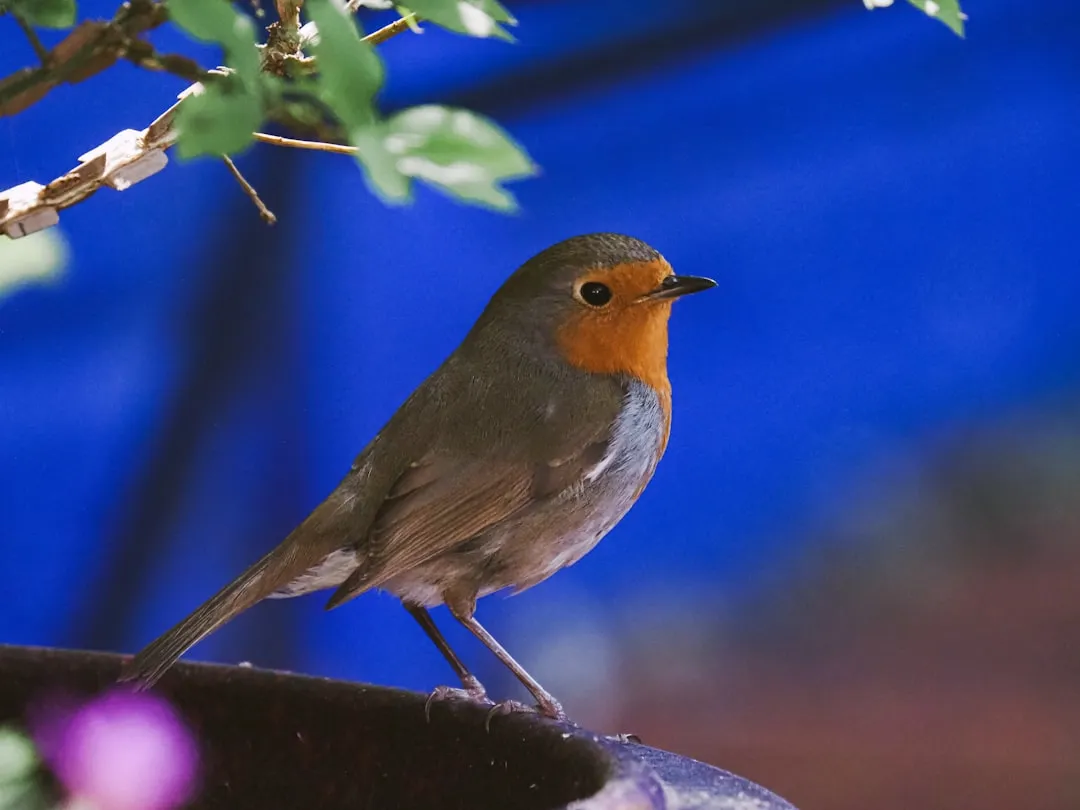
Wildlife doesn’t care about symmetry. It cares about cover, food, and an escape route. A yard that looks slightly overgrown to a passing neighbor can feel like a fortress to a chickadee dodging a hawk, or a toad slipping under deep foliage. Insects move through continuous plant corridors instead of crossing bare mulch deserts – and that unglamorous density is exactly why the animals never leave.
#2 – They Leave Dead Wood and Leaf Litter Right Where It Falls
🔥 Would you like to save this?
We'll email this post to you, so you can come back to it later!
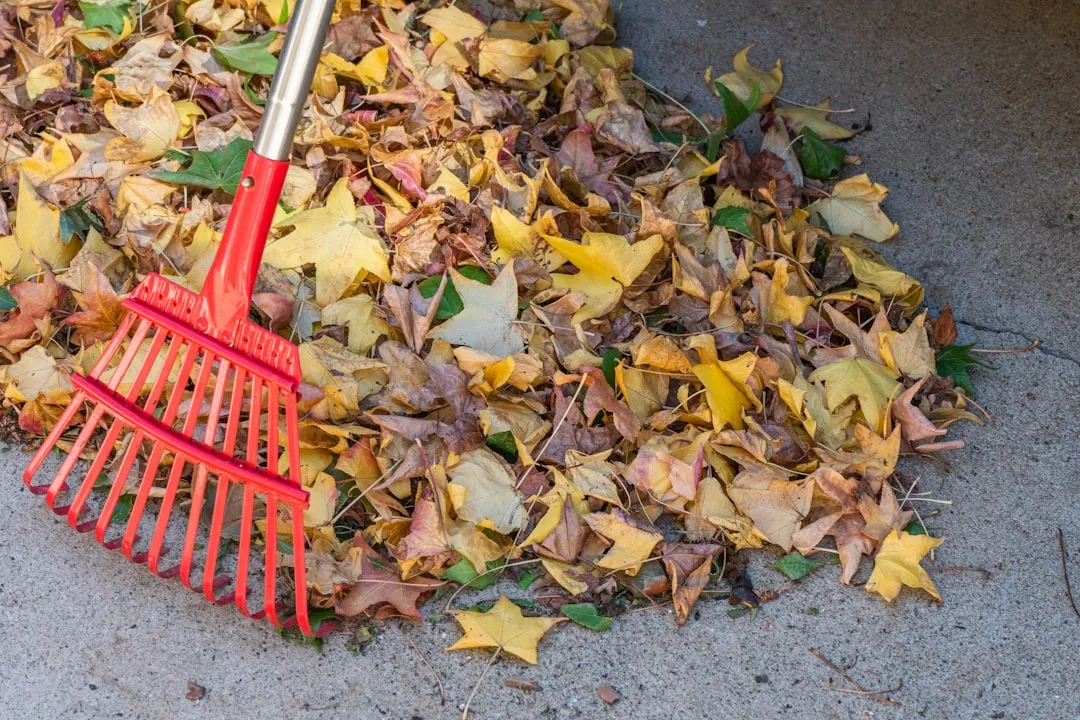
Most people rake, clip, and haul anything brown or broken straight to the curb the moment it looks “done.” Quiet wildlife gardeners do the opposite – they strategically leave dead branches, spent seed heads, and drifts of leaf litter tucked into specific corners of the yard.
To an untrained eye, that fallen branch looks like neglect. To a woodpecker, a solitary bee, or an overwintering butterfly, it looks like home. Dead wood becomes a perch, a nest site, an insect nursery; leaf litter becomes a blanket for ground beetles, moth pupae, and worms. Many native bees nest inside hollow stems and rotting wood rather than any store-bought “bee hotel” – which means every log you clear away might be evicting a tenant you never knew you had.
Fast Facts
- Native bees often nest inside hollow stems and rotting wood, not store-bought bee hotels
- Leaf litter shelters ground beetles, moth pupae, and earthworms through cold months
- Dead branches double as woodpecker perches and cavity-nest sites
- Overwintering butterflies frequently tuck into leaf piles rather than migrate
#3 – They Turn Down the Volume on Their Own Presence
🔥 Would you like to save this?
We'll email this post to you, so you can come back to it later!
Here’s the habit almost nobody talks about: the most wildlife-rich gardens feel calm because the gardener doesn’t move through them like a bulldozer. They walk slowly, keep their voice down, and avoid constant disturbance, especially at dawn and dusk when animals are most active.
Animals notice patterns fast. If every time you step outside you’re mowing, blowing leaves, or shouting on a phone call, they learn to treat your yard as a danger zone and vanish before you even see them. Wildlife gardeners limit loud tools to short, predictable windows and sit still often enough that birds learn to recognize their silhouette as harmless. Lower the noise, and the exact same yard suddenly feels safe enough to visit in daylight.
#4 – They Treat Native Plants as Non-Negotiable
🔥 Would you like to save this?
We'll email this post to you, so you can come back to it later!
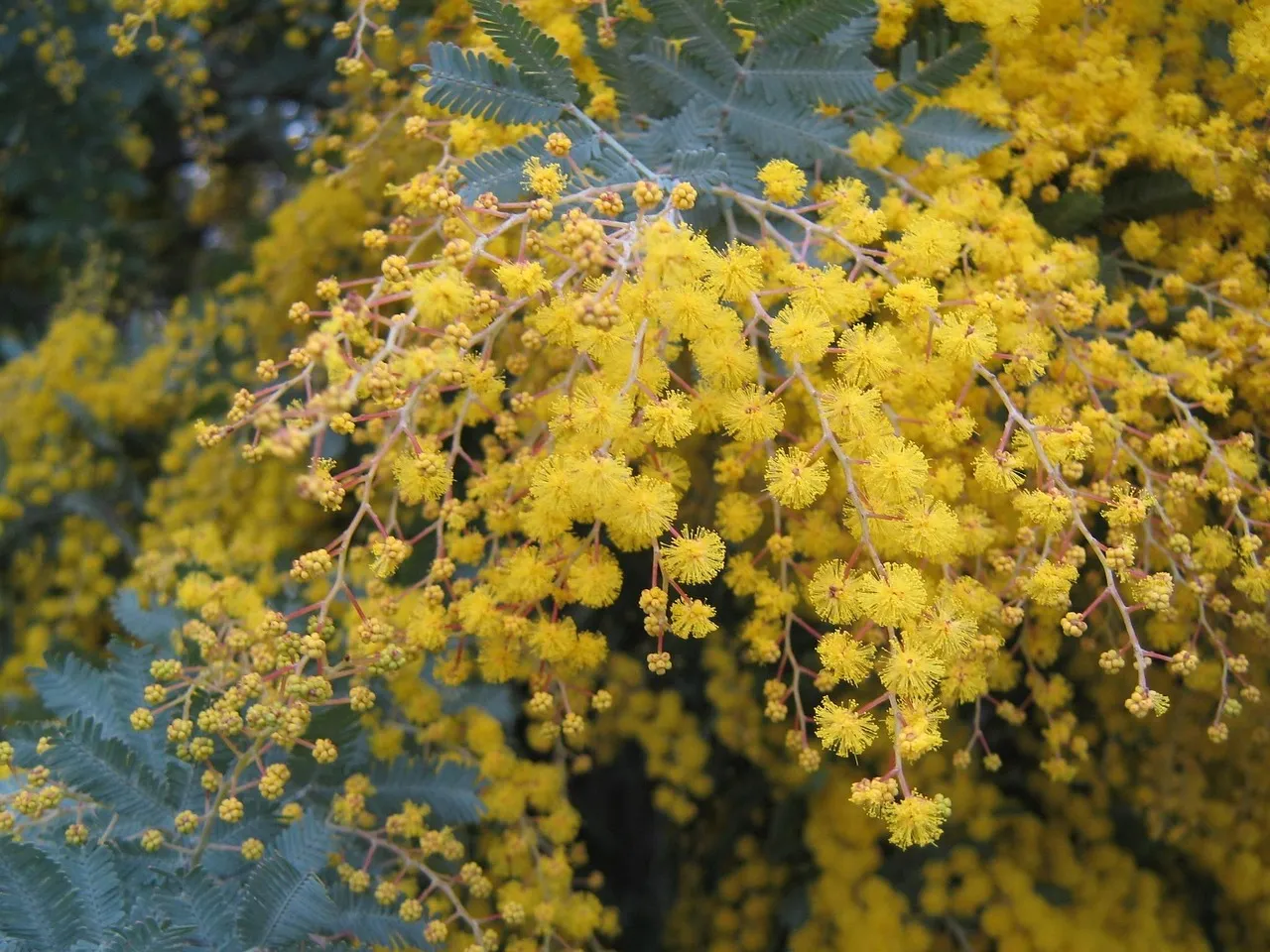
Plenty of gardeners say they “like” native plants, then fill half the yard with imported ornamentals that feed almost nothing. Quiet wildlife gardeners are more ruthless about it, because local insects evolved alongside local plants – and insects are the currency that pays for everything else up the food chain: baby birds, bats, amphibians, and more.
So they stack the deck deliberately, choosing species that are both functional and beautiful – coneflower, aster, goldenrod, serviceberry, native viburnum, oak, willow. A single mature native oak can support hundreds of insect species; a non-native ornamental tree down the street might support almost none. That’s not a small gap. That’s the difference between a silent yard and a full, working food web.
In nature nothing exists alone.
Rachel Carson
#5 – They Refuse to Wage War on “Pests”
🔥 Would you like to save this?
We'll email this post to you, so you can come back to it later!
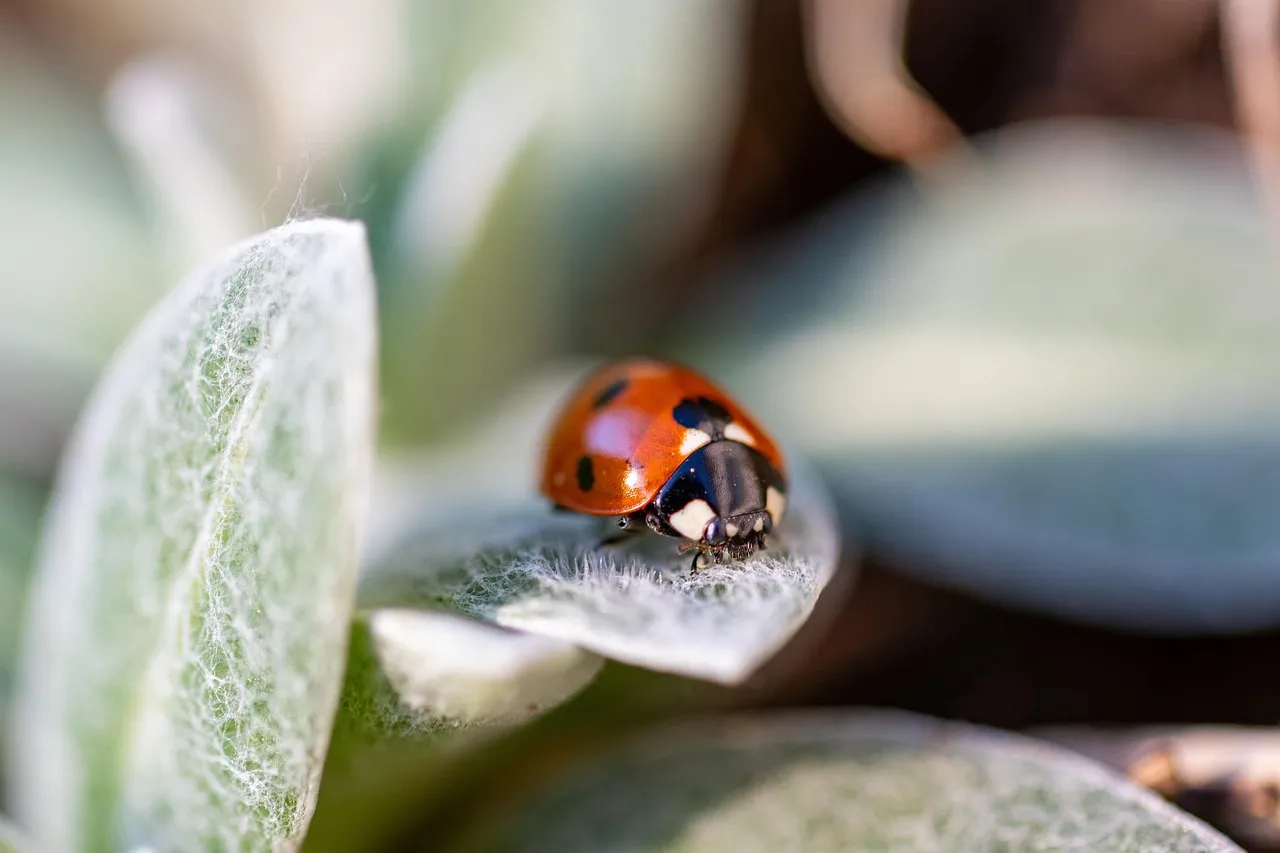
Most gardeners see a chewed leaf and reach for a spray bottle. Wildlife gardeners see it and think: food chain. Their quiet habit is tolerating a level of plant damage and skipping pesticides entirely – even the ones marketed as “natural” or “bee-safe.”
This is where a lot of traditional gardeners tap out, because it means giving up the fantasy of unblemished roses. Instead, they let certain plants become sacrifice plants for caterpillars and beetles, and let ladybugs, lacewings, spiders, and birds build up naturally to keep the balance. Here’s the blunt truth: if nothing ever eats your plants, nothing can live in your garden either – pesticides don’t just remove aphids, they knock out the predators and pollinators that were keeping the whole system running.
#6 – They Set Out Water That Looks “Too Small to Matter”
🔥 Would you like to save this?
We'll email this post to you, so you can come back to it later!
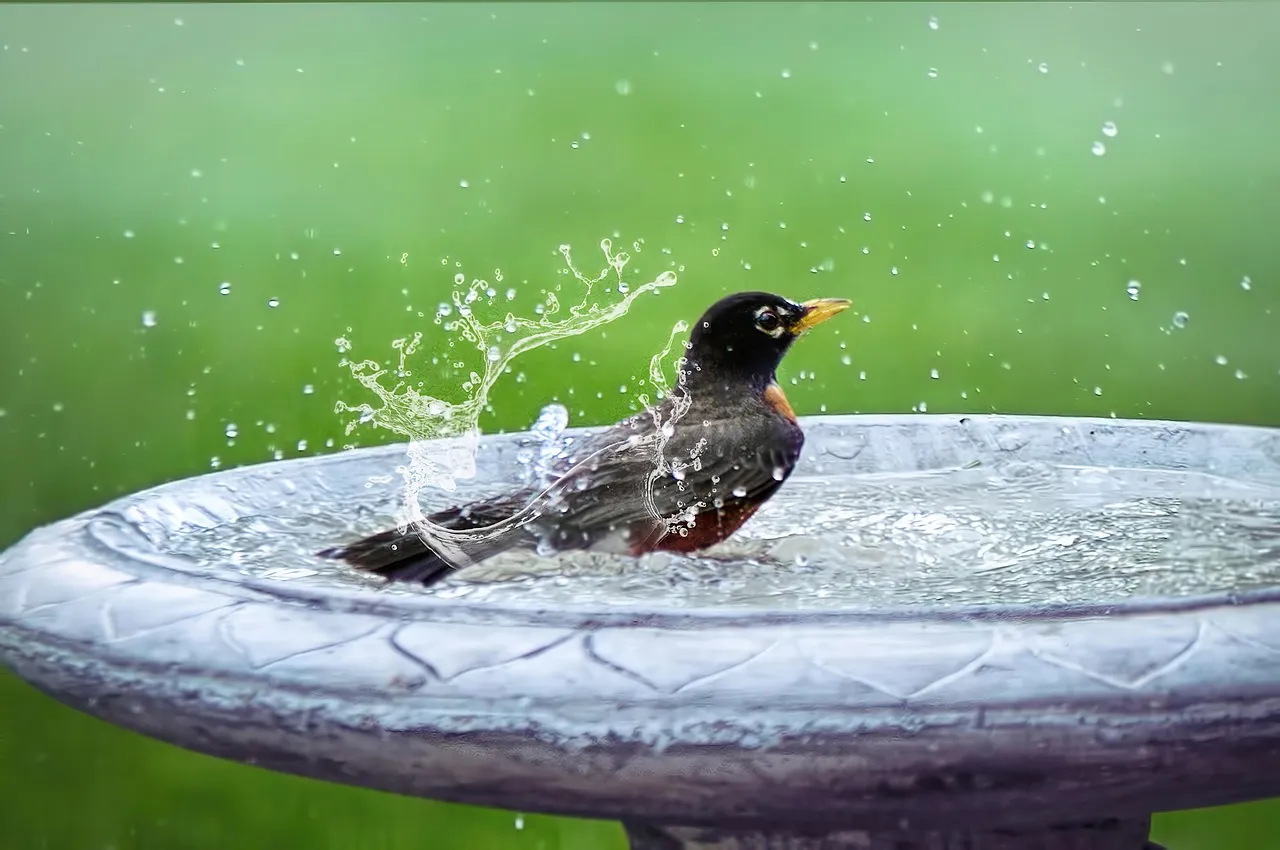
Ask people why they haven’t added water for wildlife and you’ll hear the same excuse: no room for a pond. The quietly successful gardeners know that’s a myth. They start absurdly small – a shallow dish on the ground, a birdbath with a few stones, a bottle dripping slowly into a basin.
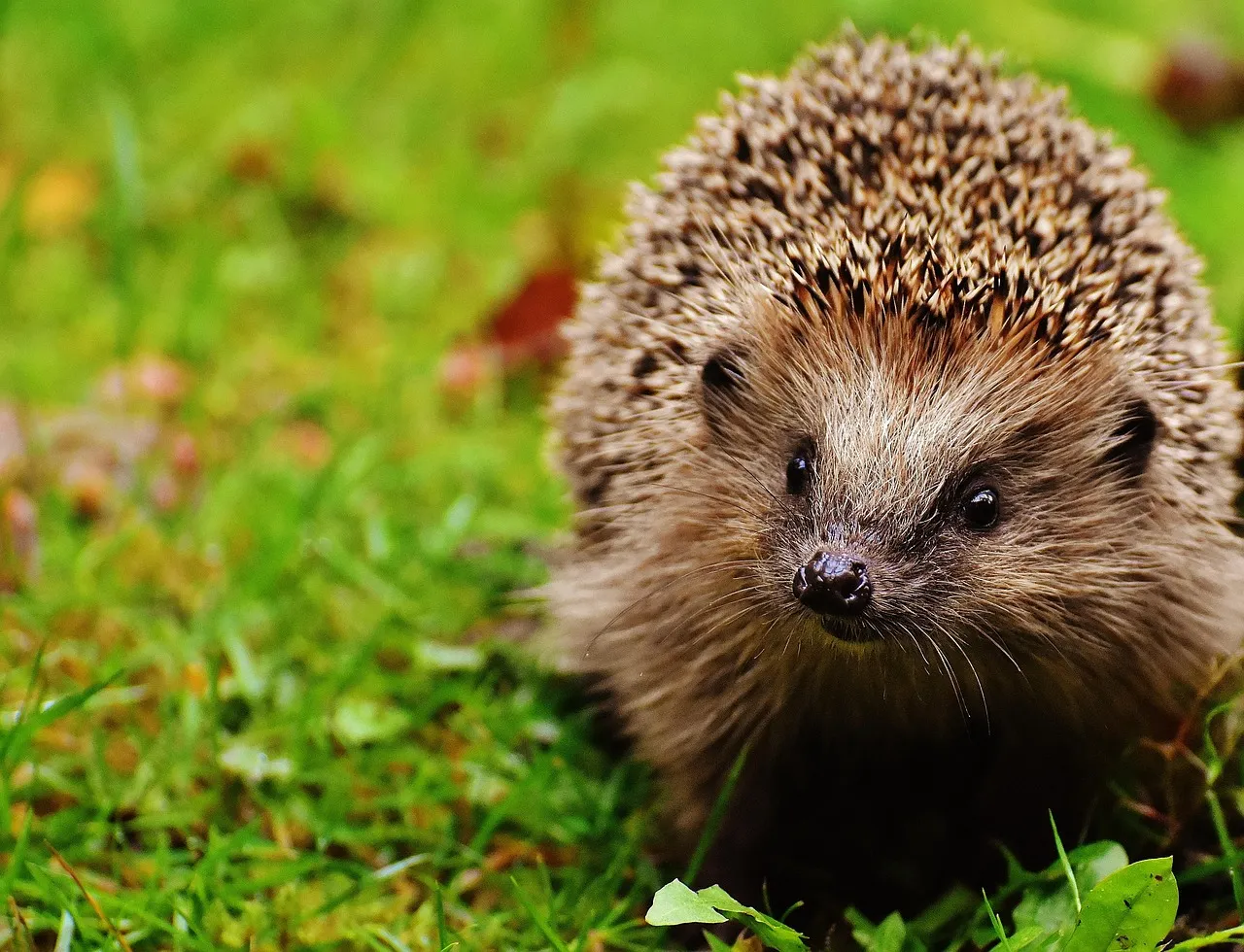
To a passing animal, that tiny, reliable puddle is a five-star hotel. The habits that make it work aren’t flashy: refresh the water often so it stays clean, add stones or marbles so bees and butterflies can land without drowning, and place some water low for hedgehogs and toads and some higher for songbirds. In a heat wave, that modest dish will out-perform a manicured garden with nothing to drink, every single time.
At a Glance
- Ground-level dish: best for toads, hedgehogs, and other low crawlers
- Raised birdbath: ideal for songbirds seeking a safer vantage point
- Stones or marbles added: give bees and butterflies a dry landing spot
- Daily refresh: keeps water clean and appealing to visitors
#7 – They Engineer Shade, Not Just Sun
🔥 Would you like to save this?
We'll email this post to you, so you can come back to it later!
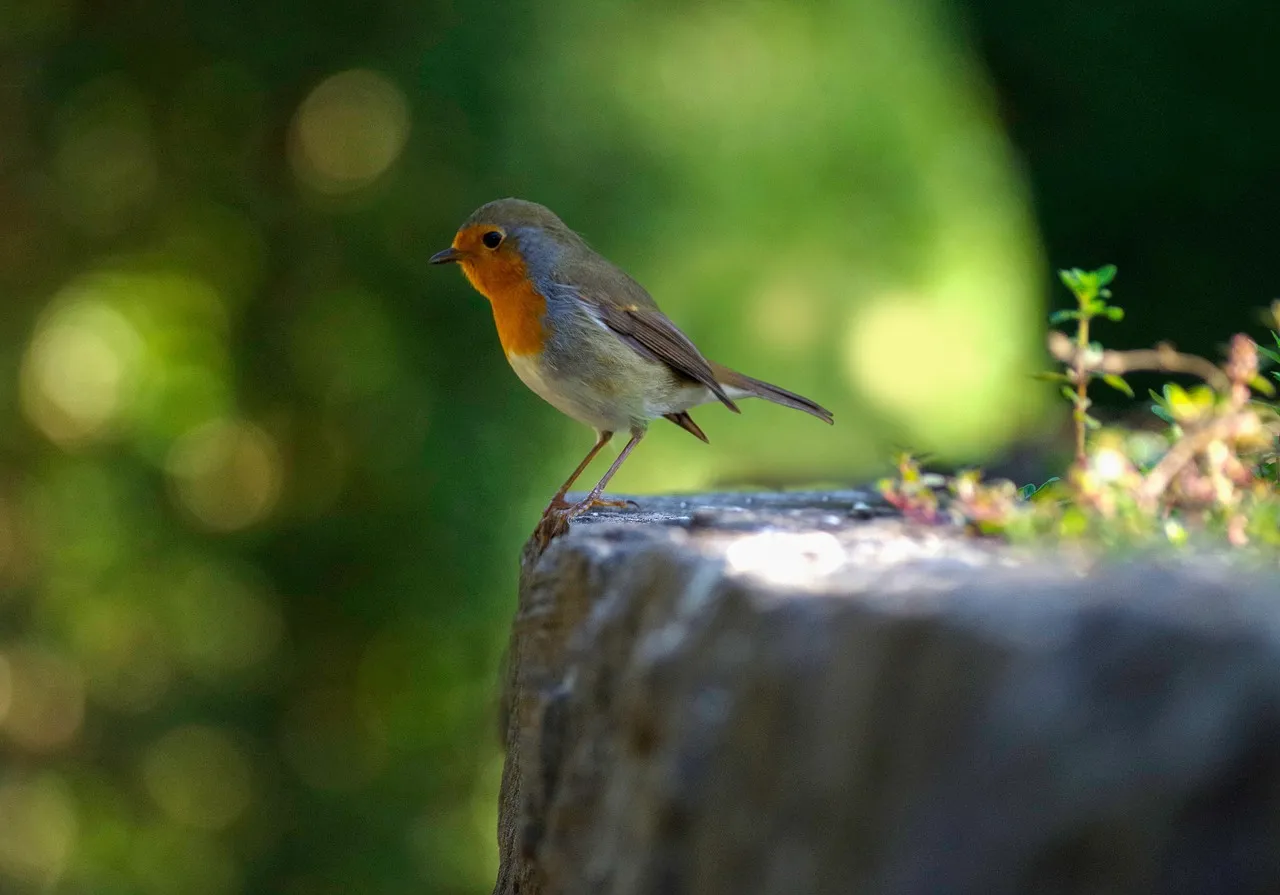
Most gardening advice obsesses over “full sun” spots, but wildlife doesn’t want to bake in a spotlight all day. Quiet wildlife gardeners deliberately build cool, shaded refuges – a small tree, a thickened hedge, ferns tucked under an existing canopy – where animals can retreat from heat or a circling predator.
These dim, cluttered corners look unremarkable to gardeners chasing floral drama, but a surprising amount of wildlife only feels secure in low-traffic shade. A dense, leafy corner shelters toads and beetles; a dappled understory hides fledgling birds that can’t fly well yet; a shaded north wall softened with foliage becomes a rest stop instead of a dead zone. Without backstage space like this, a garden is just a stage with nowhere to hide.
#8 – They Let the Lawn Shrink Until It Almost Disappears
🔥 Would you like to save this?
We'll email this post to you, so you can come back to it later!
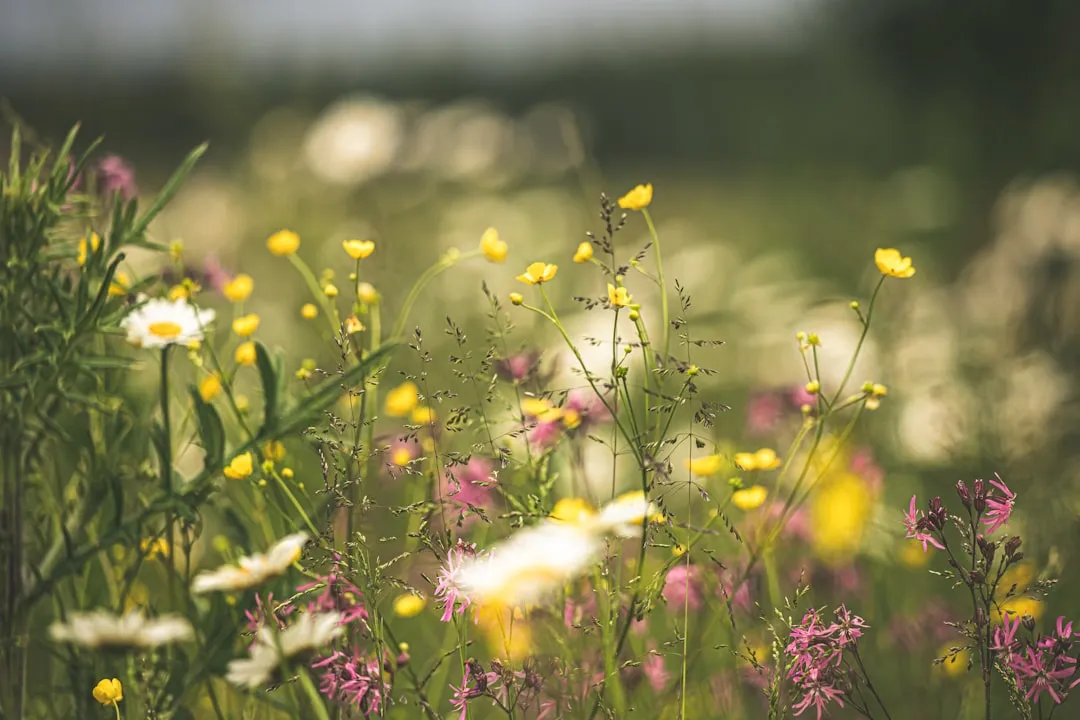
The textbook suburban lawn – flat, short, endlessly mowed – is basically a green parking lot for wildlife: exposed, loud to maintain, and mostly useless as habitat. Wildlife gardeners quietly reverse that, shrinking the lawn edge by edge, mowing less often and a little higher, until meadow patches, clover, and groundcovers take over whole sections.
The payoff is bigger than it looks. Taller, mixed grass supports more insects, which feed birds and small mammals; fewer mower passes mean less noise and fewer accidental amphibian casualties; flowering lawn plants like clover offer nectar where sterile turf used to be. Some neighbors hate it – which is exactly why it’s a quiet habit, built slowly instead of announced with a sign.
#9 – They Plan for the Night Shift, Not Just the Day Crowd
🔥 Would you like to save this?
We'll email this post to you, so you can come back to it later!
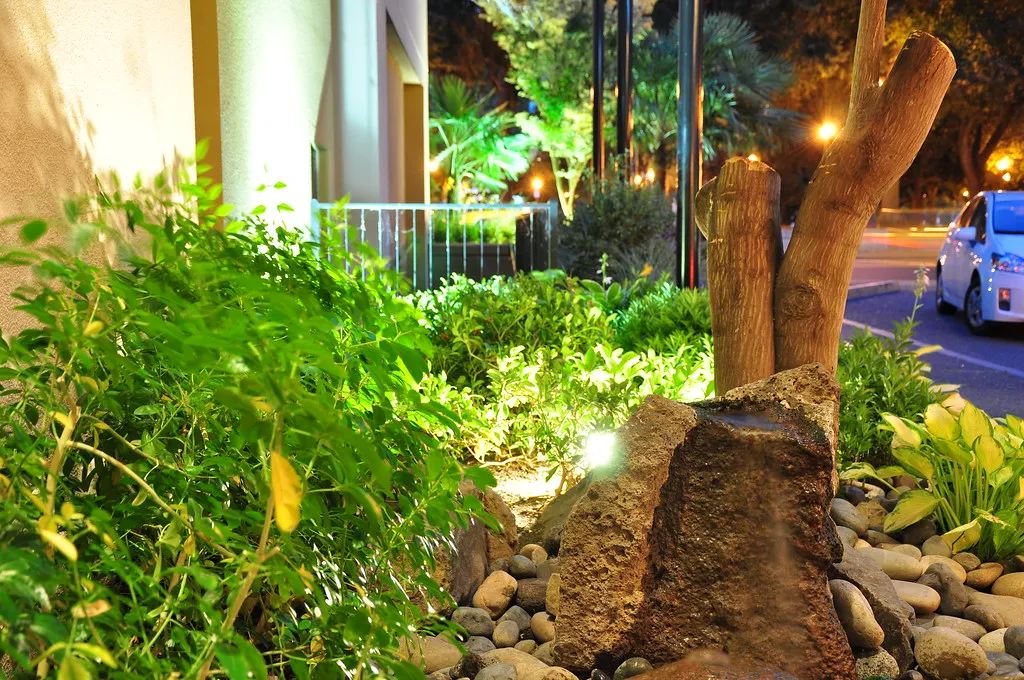
Most gardeners think entirely in daylight – sunny borders, daytime pollinators, afternoon birdsong. Wildlife gardeners plan just as carefully for the nocturnal shift: dimming harsh lighting, choosing pale flowers that glow after dusk, and leaving unlit corners where nighttime visitors won’t get blasted with glare.
Their habits are small but deliberate: motion-sensor, downward-facing lights instead of always-on floodlights; evening-scented blooms that draw in moths, which in turn feed bats; a few quiet, dark corners left alone for foxes, hedgehogs, or owls. Most people underestimate how disruptive artificial light really is – a “secure,” brightly lit yard can feel like a hostile runway to a moth trying to navigate by starlight.
Worth Knowing
- Motion-sensor, downward-facing lights cut glare compared to always-on floodlights
- Pale, evening-scented blooms attract moths, which in turn feed bats
- Leaving a few unlit corners gives foxes, hedgehogs, and owls safe passage
- Artificial light can disorient moths that navigate by starlight
#10 – They Build Hidden Highways Between Gardens
🔥 Would you like to save this?
We'll email this post to you, so you can come back to it later!
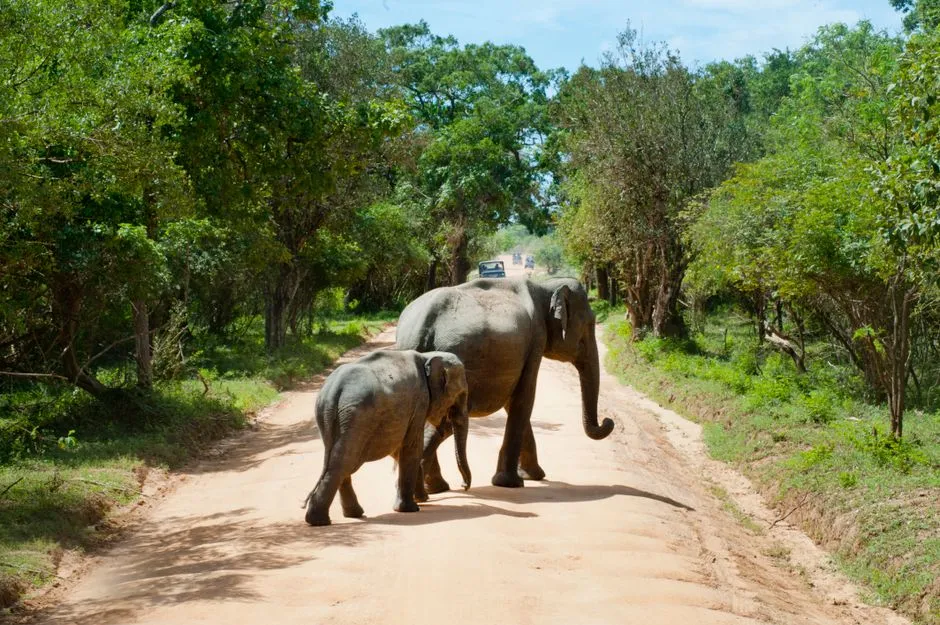
Wildlife doesn’t recognize property lines, but a solid fence or sealed wall can shut down movement completely. Quiet wildlife gardeners work on connectivity, not just what happens inside their own boundary – cutting small gaps under fences, leaving breaks in shrub lines, or quietly coordinating plant choices with a neighbor so cover and food stay continuous.
This behind-the-scenes collaboration lets small mammals, amphibians, and reptiles move safely between yards, prevents genetic isolation in fragmented suburbs, and turns a scattering of unrelated gardens into a functioning corridor. One perfect wildlife garden surrounded by sterile lawns can only do so much – but two or three neighbors making small changes at once can turn an entire block into a sanctuary.
#11 – They Time Every Chore Around Nesting and Breeding Season
🔥 Would you like to save this?
We'll email this post to you, so you can come back to it later!
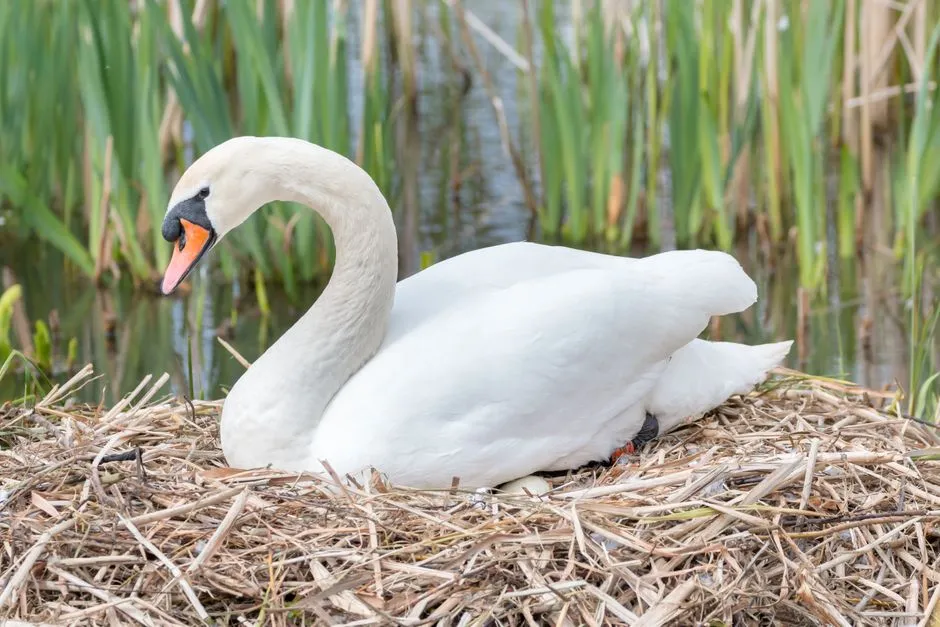
The average gardener prunes, cuts, and clears whenever it’s convenient for their own schedule. Wildlife gardeners work on animal time instead – tracking when birds are nesting, when frogs are spawning, when insects are still pupating inside old stems, and holding off on disruptive work until those windows have passed.
That means delaying hedge trimming until after peak nesting season, waiting until late spring to cut back last year’s perennial stems, and staying away from pond edges during amphibian breeding. The garden looks a little “late” by conventional standards, but every mistimed prune or aggressive cleanup can destroy dozens of nests, cocoons, or egg clutches in seconds – a cost most tidy-yard advice never mentions.
#12 – They Leave the Buffet Standing Long After the Show Is Over
🔥 Would you like to save this?
We'll email this post to you, so you can come back to it later!
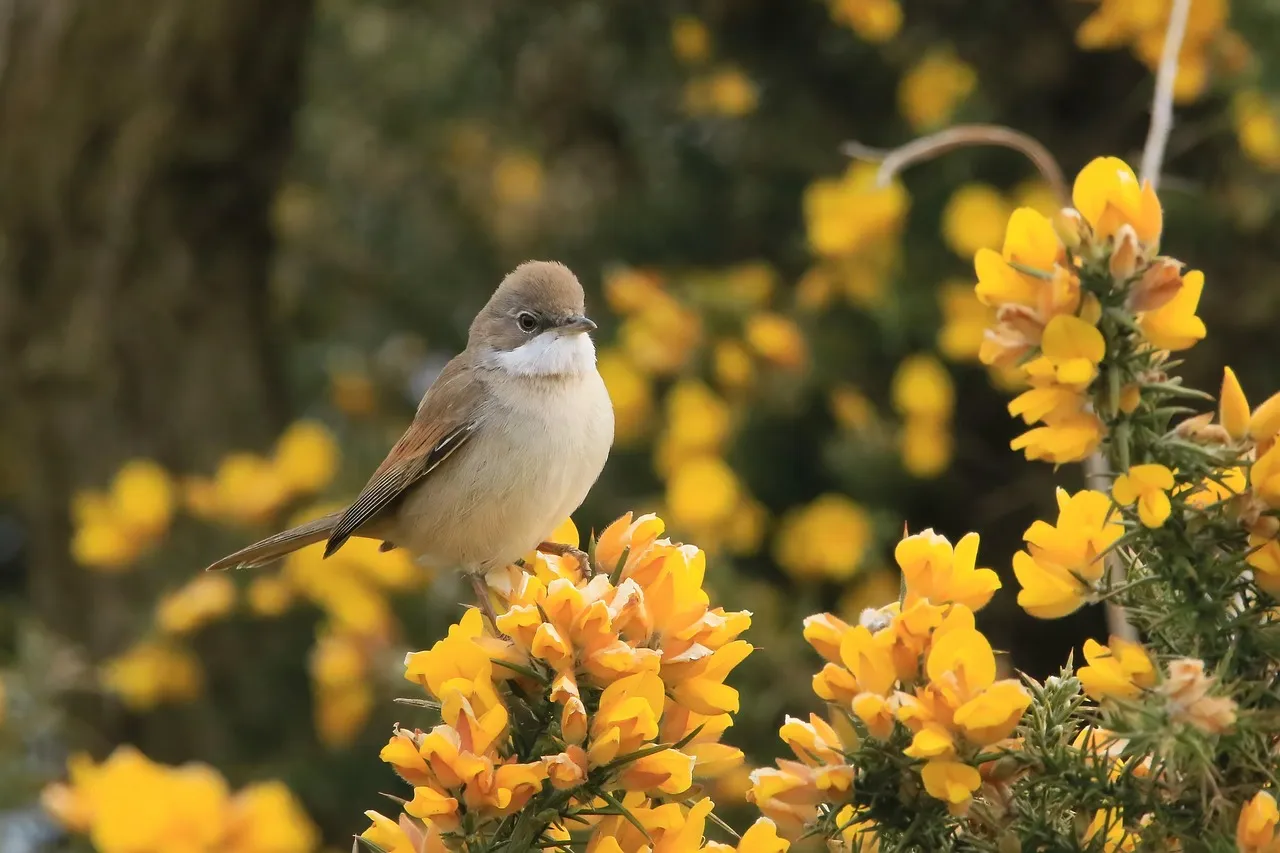
Most people deadhead the moment a flower fades, chasing fresh blooms and a neat look. Wildlife gardeners let seed heads, berries, and rose hips hang on for months, quietly turning the garden into an all-you-can-eat buffet straight through fall and winter.
Goldfinches cling to coneflower and sunflower heads for late-season meals; thrushes and waxwings strip berry-laden shrubs long after the leaves drop; small mammals and overwintering insects shelter inside the structure of dried stems. To a human chasing photo-ready borders, those brown stalks look like procrastination. To a half-frozen bird in January, they look like the only food left for miles.
#13 – They Treat the Soil Like a Living Animal, Not Dirt

🔥 Would you like to save this?
We'll email this post to you, so you can come back to it later!
The least glamorous habit might be the most important one: they protect and feed the soil itself. Most gardeners treat soil as a neutral medium you dump fertilizer into. Wildlife gardeners treat it as a living, breathing ecosystem – minimizing digging, skipping synthetic fertilizer, and constantly layering in compost, mulch, and decaying plant matter so the life underground can actually thrive.
There’s no instant thank-you from a robin for improved soil structure, but the payoff compounds. A rich, undisturbed soil web feeds fungi, bacteria, worms, and invertebrates that anchor the entire food chain, holds water through droughts, and gives burrowing animals somewhere stable to nest. What happens underfoot, quietly, is what decides whether wildlife merely visits your garden – or actually stays.
Why It Stands Out
- Skipping synthetic fertilizer protects fungi and bacteria networks underground
- Minimal digging preserves burrow systems for ground-nesting animals
- Compost and mulch layers help soil hold water through dry spells
- A healthy soil web anchors the entire food chain, from worms to birds
#14 – They Let the Wildlife Rearrange Their Priorities
🔥 Would you like to save this?
We'll email this post to you, so you can come back to it later!
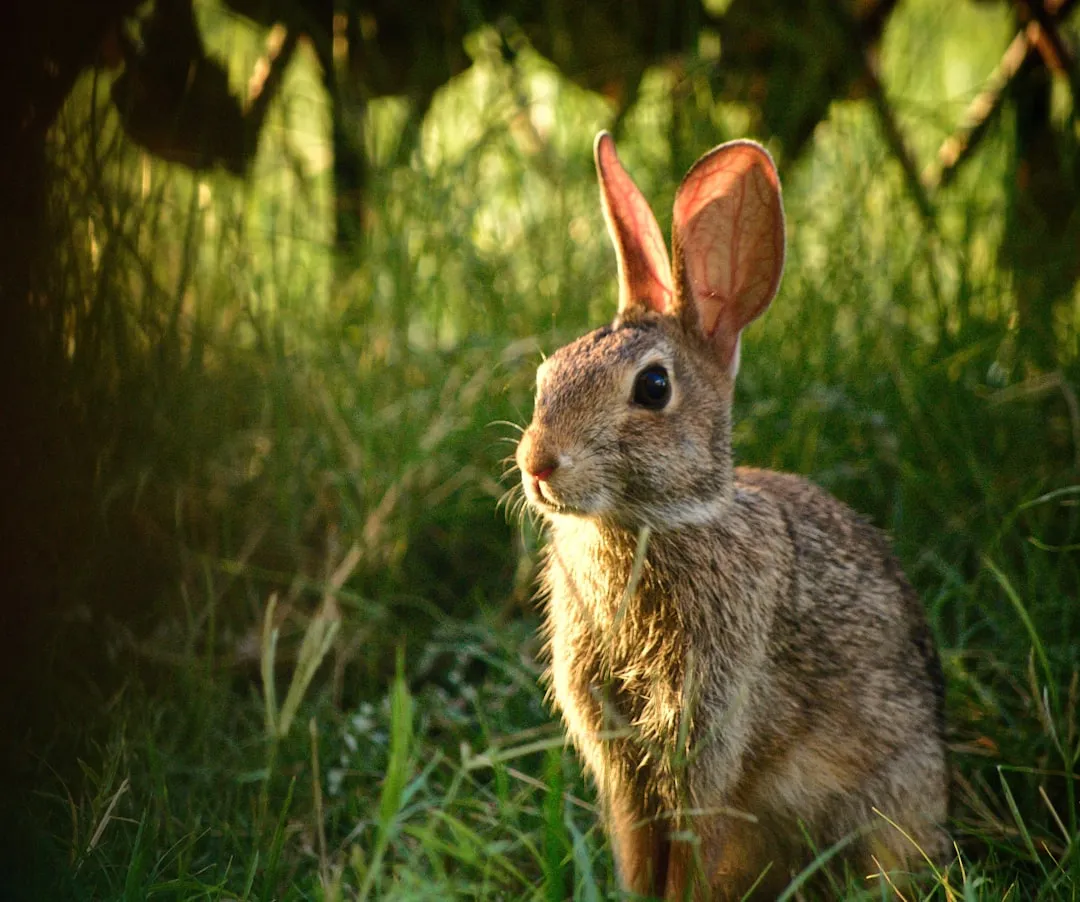
Here’s the most uncomfortable habit of all: gardeners with the most thriving spaces don’t just adjust their planting plans, they adjust their expectations of control. They’ll reroute a path because a bird nested in the wrong spot, accept that a favorite plant gets shredded by caterpillars some years, or shelve an entire project because a rabbit already claimed that corner.
In other words, they stop treating wildlife as cute accessories and start treating them as actual residents with a claim on the space. That shift changes everything – fewer must-do chores, more patient observation, a garden that runs on negotiation instead of dictatorship. If you’re only comfortable with wildlife when it’s convenient, your yard will always feel like a hotel to the animals passing through, not a home.
The Bottom Line
🔥 Would you like to save this?
We'll email this post to you, so you can come back to it later!
Strip away the glossy photos and the truth is blunt: gardens that hold onto wildlife for the long haul look nothing like the polished fantasy most advice pushes. They’re quieter, messier in the “wrong” places, darker at night, and full of things conventional wisdom tells you to remove – dead wood, leaf litter, gaps under fences, chewed leaves, seed heads gone brown.
My honest take? None of this requires a bigger yard, a bigger budget, or a weekend demolition project. It requires giving up a little control and a little vanity – the kind that wants a spotless lawn more than it wants a living one. Plant native, tolerate the damage, dim the lights, slow down, and time your cleanup to somebody else’s calendar for once.
Do that consistently, and wildlife won’t just pass through your yard on the way to somewhere better. It’ll stop treating your garden as a rest stop and start treating it as an address.

- Embracing the Quiet Magic of Adopting a Senior Dog - November 5, 2026
- Scientists May Have Miscalculated Our Global Warming Timeline - November 5, 2026
- Marine Biology Says When Dolphins Suddenly Go Silent in Open Water It's Not Rest – They've Detected a Predator You Cannot See and Their Survival Strategy Reveals How They Read Danger - November 5, 2026