
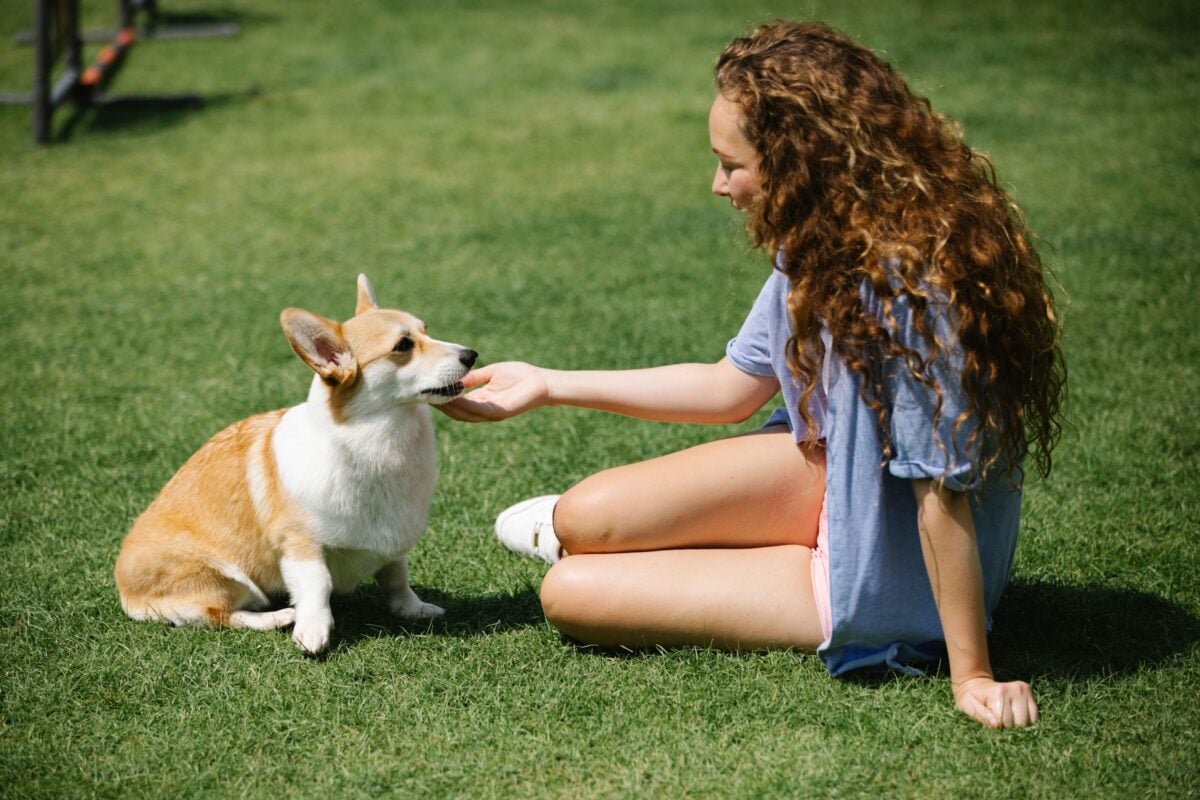
Most people walk through shelter doors expecting the “perfect dog” to announce itself in seconds – calm eyes, a soft tail wag, maybe a lick on the hand. Shelter staff have learned, often the hard way, that this instant-connection dog is frequently the one who gets returned within the month.
The dogs who become ten-year love stories rarely announce themselves that way. They give off quieter signals – tiny stress responses, oddly specific behavior during a treat test, the way they nap through a loud kennel – that most adopters walk right past without noticing. Here are the 17 traits experienced shelter staff quietly watch for before they let themselves believe a match is going to stick.
#17 – The Dog Recovers From Stress Instead of Staying Stuck
🔥 Would you like to save this?
We'll email this post to you, so you can come back to it later!
The dogs who make it long-term rarely avoid stress. They bounce back from it. Shelters are loud, chaotic, and full of strange smells, so nearly every dog there is carrying some stress.
Staff aren’t looking for a dog that never startles – that would be strange. They’re watching what happens right after the startle. Does the dog stay frozen for an hour, or shake off, sniff around, and re-engage?
You’ll often catch these resilient dogs doing a full-body shake, a yawn, or a long stretch right after something spooks them. Those are called calming signals, and they show a nervous system that can reset instead of getting stuck on high alert.
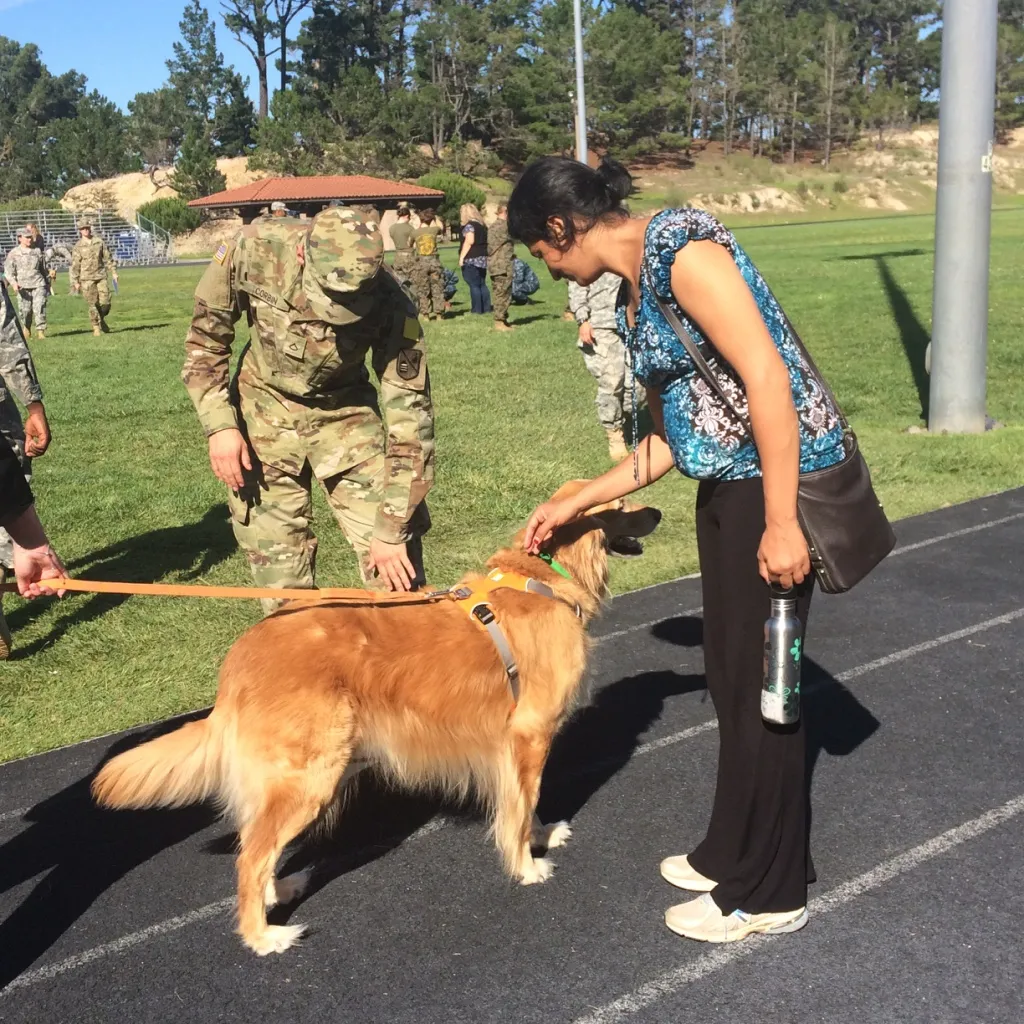
First-time adopters often confuse resilience with instant confidence, but they’re not the same thing. A resilient dog might be shy at first, duck behind a staff member, then slowly peek out to investigate the stranger in the room – and that exact arc, fear then curiosity then recovery, is what makes staff quietly hopeful.
- Moving into a brand-new home
- Meeting a parade of new people
- Loud appliances, traffic, and kids underfoot
#16 – The Dog Shows Curiosity, Not Just Clinginess
🔥 Would you like to save this?
We'll email this post to you, so you can come back to it later!
Everyone loves a cuddly shadow, but shelter staff quietly pay more attention to curiosity. Watch how a good-match dog explores a meet-and-greet room.
After greeting the humans, they’ll usually check the corners, sniff the floor, peek at the door, then circle back. That sniff-check in-explore pattern is a gold signal – it means the dog is confident enough to investigate and attached enough to come back.
A dog that only clings and refuses to explore might look loving, but staff know it can be a sign of insecure attachment or panic. Those dogs can melt down when left alone, which is one of the top reasons dogs get returned.
Staff often test this with a new toy dropped on the floor. The dog who approaches, sniffs, paws once, then glances back at the human for feedback is quietly showing enormous long-term potential.
- New walking routes
- Visitors dropping by
- Enrichment toys and puzzles
#15 – They Take Food Gently, Even When Excited
🔥 Would you like to save this?
We'll email this post to you, so you can come back to it later!
Most adopters see a treat test as cute. Behavior-savvy staff see it as a personality X-ray, because how a hungry, excited dog takes food says a lot about impulse control.
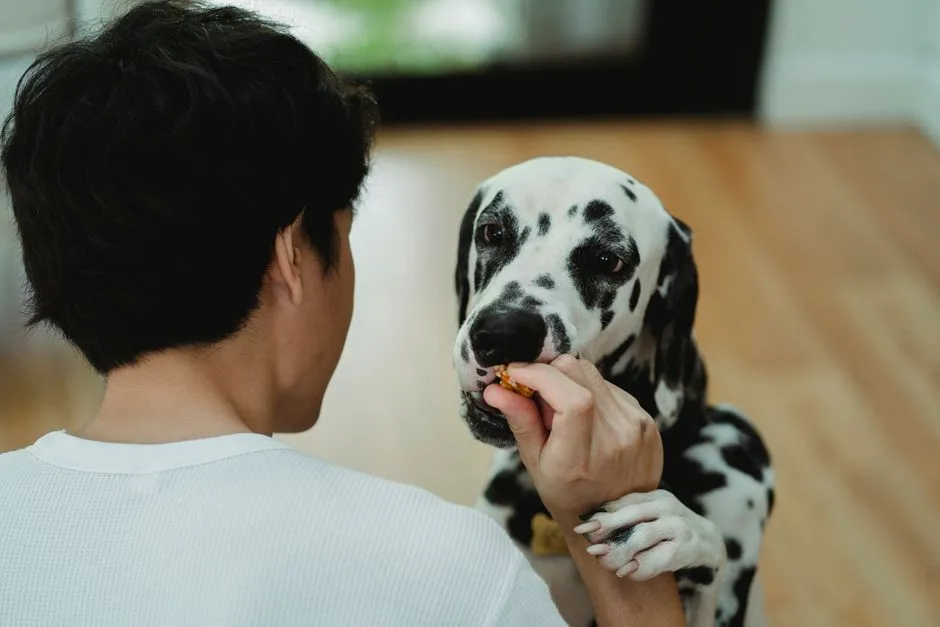
The dream long-term dogs often gently lip the treat from your fingers, pause if you close your fist, or sit and offer eye contact once they realize grabbing doesn’t work. Those tiny moments show built-in self-control, not just training polish.
Contrast that with the dog who snatches wildly, lunges at the hand, or guards the treat from other dogs nearby. That doesn’t make them a bad dog, but it usually means more management around kids, a higher risk of resource guarding, and adopters who weren’t braced for that intensity.
The gently-taking-treats dog is simply easier for most families to live with, and easier to build good training habits with from day one.
Worth Knowing
- Soft-mouthed treat-taking often signals strong impulse control
- Snatching or guarding isn’t automatically “bad” – it just means extra management around kids
- Staff often repeat the treat test with different foods to rule out one-off hunger spikes
- A pause-and-eye-contact response is an early sign of trainability
#14 – They Can Calm Themselves Without Constant Human Input
🔥 Would you like to save this?
We'll email this post to you, so you can come back to it later!
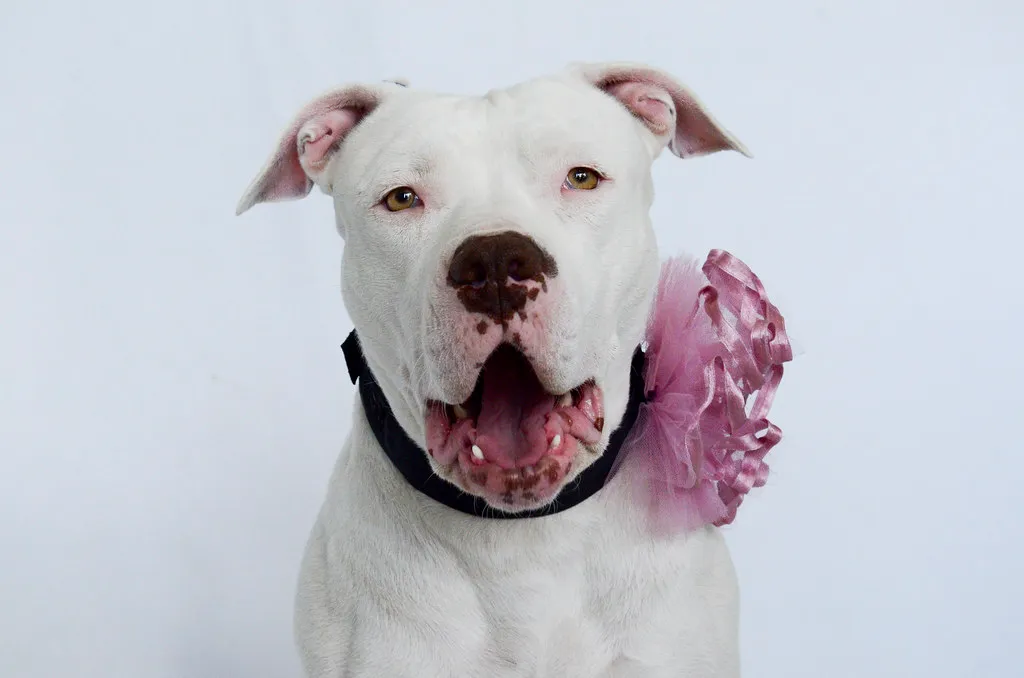
Shelter staff love a friendly dog, but they treasure a dog that can chill on its own. These are the dogs that might bark for a minute when people arrive, then lie down and chew a toy or nap.
In the meet-and-greet room, they’ll greet you enthusiastically, then quietly flop under your chair or onto a blanket. Nobody has to constantly pet, entertain, or talk to them to keep them settled.
Many adopters assume nonstop attention-seeking equals attachment. Staff know that dogs who physically cannot relax unless they’re being touched are at higher risk of returning when reality hits – jobs, kids, errands, and normal sleep schedules.
The dog who can chew a bone nearby, snooze while you watch TV, and not lose their mind when you walk to the bathroom is the one staff quietly flag as “this one is going to be easy to live with.”
- Easier crate training or confinement
- Lower risk of severe separation anxiety
- Better adjustment once the “honeymoon week” ends
#13 – They Read Human Body Language Surprisingly Well
🔥 Would you like to save this?
We'll email this post to you, so you can come back to it later!
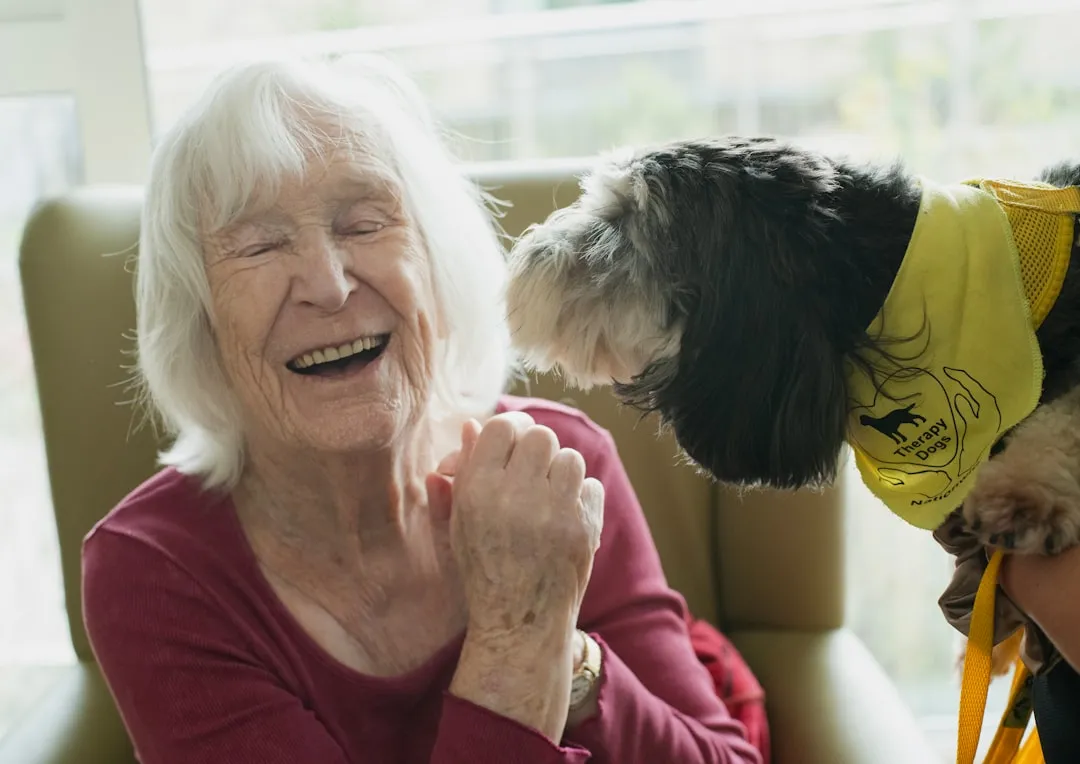
Some dogs are basically emotional mirrors. They track people like a hawk, picking up on tiny shifts most humans don’t even realize they’re broadcasting.
Shelter workers watch for these micro-moments: you lean forward and the dog looks up, you relax back in your chair and the dog sighs and settles, you laugh and the tail starts wagging, you frown and they pause to study your face. That attunement is called social referencing.
This trait is the secret sauce of dogs that stay forever. They notice your posture, pick up on tone-of-voice shifts, and adjust their own energy to match yours without a single command.
It’s not about obedience – it’s about emotional reading. These are the dogs that check in with the kids, notice when someone’s upset, and quietly become the unofficial therapy dog of the house.
#12 – They’re Interested in People, Not Just Other Dogs
🔥 Would you like to save this?
We'll email this post to you, so you can come back to it later!
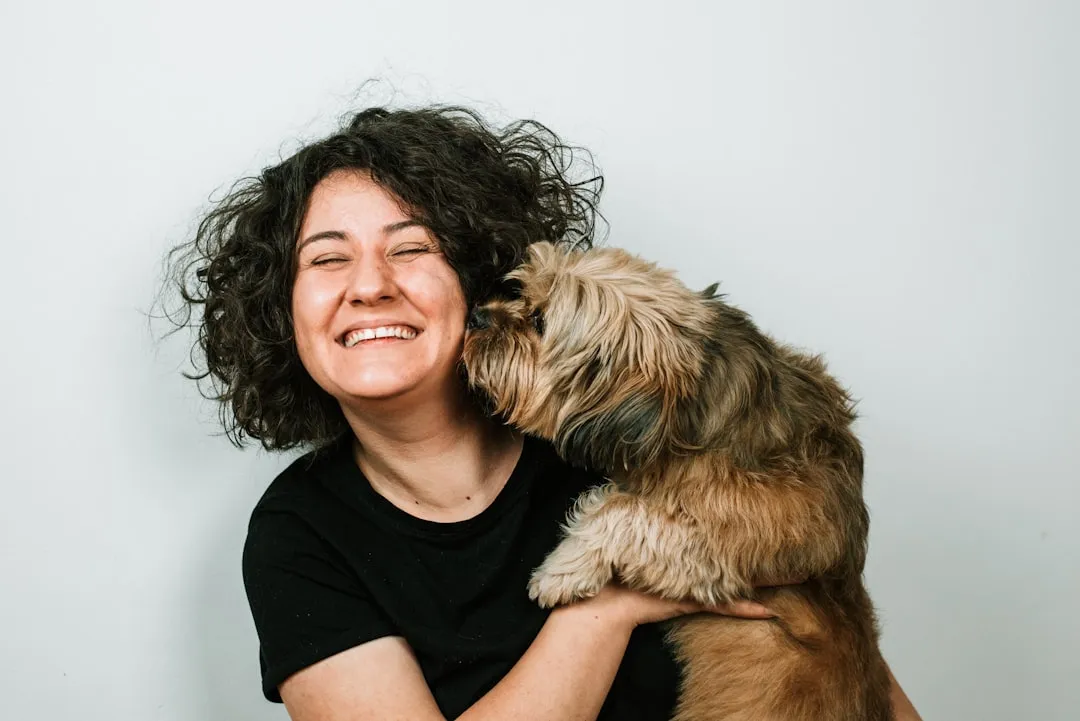
Contrary to popular belief, shelter pros don’t automatically celebrate the ultra-social “dog park butterfly” as the best family pet. What they quietly look for is people-focused interest.
In mixed meet-and-greets, the dogs that build the strongest lifelong bonds tend to greet other dogs politely, then move on and reorient right back to the humans in the room.
A dog obsessed with other dogs and barely aware of the humans nearby can be a blast at the dog park, but it frustrates adopters who wanted a companion, not a spectator. Staff see these matches fail when owners feel ignored in favor of every passing dog on the walk.
The sticky, people-oriented dog – even if they’re just “okay” with other dogs – usually bonds more deeply, focuses better in training, and gets more genuine satisfaction from human play. This is one area where adopters and staff quietly disagree, and it shows up months later at the return desk.
Quick Compare
- People-focused dog: greets other dogs politely, then re-orients back to their human
- Dog-focused dog: scans for other dogs first, humans second
- Best long-term fit for most families: the people-focused profile, even if only “okay” with other dogs
#11 – They Show Mild, Not Extreme, Reactions to New Things
🔥 Would you like to save this?
We'll email this post to you, so you can come back to it later!
The dogs that go the distance are rarely the bravest or the most timid – they’re the middle-of-the-road reactors. Shelter teams watch what happens when a mop rolls by, a door slams, a stroller appears, or a metal bowl clatters on the floor.
The best long-term candidates might jump slightly, sniff, investigate, or glance at the handler. Their tail might tuck for a second, then recover into a wag. That moderate reaction shows a balanced nervous system.
Two extremes worry staff for average homes: the dog that goes into full meltdown – shaking, hiding, refusing to eat – and the dog that seems completely unfazed, almost shut down or detached. Both can work in the right hands, but they demand more experience.
Most adopters don’t realize they’re choosing a temperament profile when they pick the dog that “seems so calm” in the kennel. Staff know that sometimes that calm is actually emotional shutdown, and it can explode later once the dog decompresses.
#10 – They Can Settle After Play Without Escalating
🔥 Would you like to save this?
We'll email this post to you, so you can come back to it later!
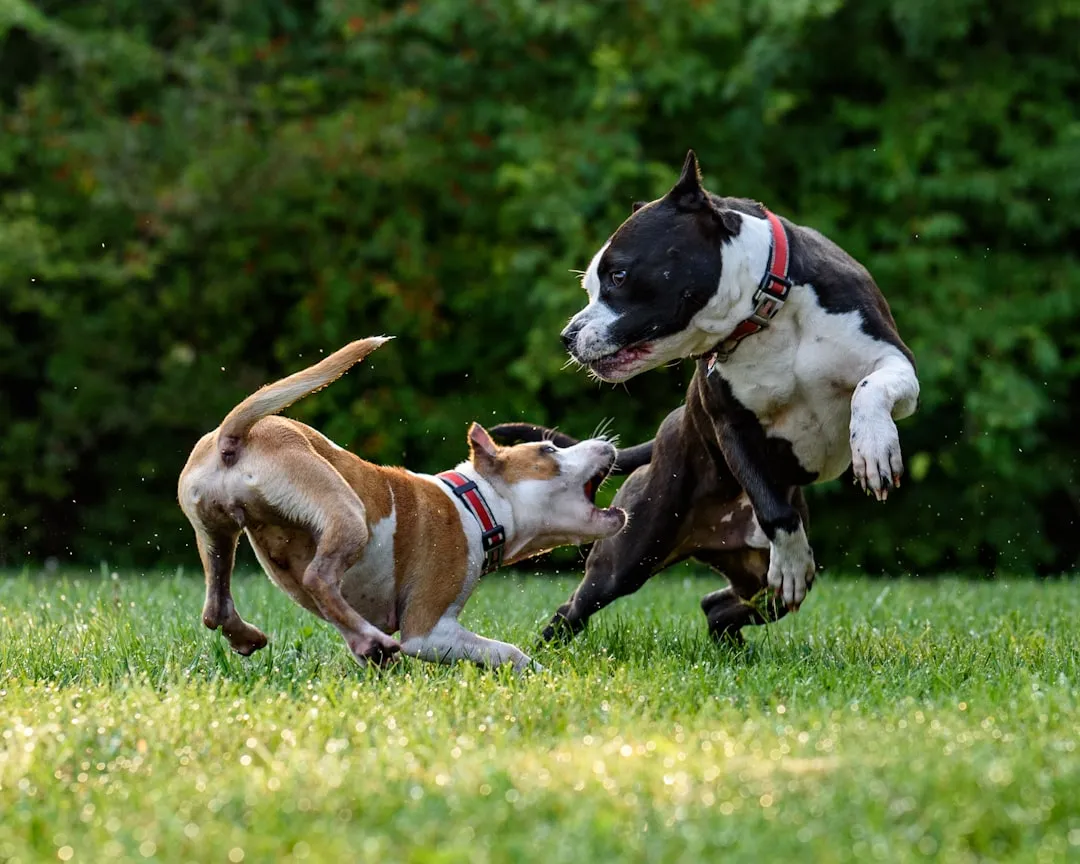
Shelter workers secretly love a dog that knows how to turn the volume down. During play or a yard session, they’re watching the transitions, not just the zoomies.
The dogs with the best long-term odds might play tug or fetch enthusiastically, take a break when invited with a sit or down, and lie beside the person when play ends instead of frantically demanding more.
Many returns happen because a dog that seemed “fun” during a short visit turns out to be unable to stop once wound up – mouthing, jumping, knocking over kids in the process. Dogs who can shift smoothly from play to rest tend to be easier around guests, handle holidays and busy days better, and rarely nip when overstimulated.
Social media loves the high-octane goofballs, but experienced staff quietly steer families toward the dogs with an off switch. Those are the ones still curled up on the couch ten years later.
#9 – They’re Comfortable Being Touched in Real-Life Ways

🔥 Would you like to save this?
We'll email this post to you, so you can come back to it later!
Cuddly is cute, but shelter staff are scanning for handling tolerance, not just snuggles. They’ll gently test paws and nails, lift ears, press lightly along the spine and hips, and briefly hold the collar.
The dogs that pass with flying colors might glance back or wiggle, but they don’t freeze hard, snap, or panic. A dog that calmly tolerates being examined like a vet or groomer would is a giant green flag for long-term living.
Household dogs regularly face bath time, nail trims, kids leaning heavily or hugging awkwardly, and collars grabbed in emergencies. Tolerant dogs simply have fewer scary incidents, and fewer reasons for a frustrated family to give up.
Interestingly, some “shy but snuggly” dogs allow petting but panic at paw or collar touches. Staff file that away quietly. The dog that says, in body language, “Sure, check my ears” without drama is the one they’re rooting for.
#8 – Their Energy Level Actually Matches the Home, Not the Fantasy
🔥 Would you like to save this?
We'll email this post to you, so you can come back to it later!
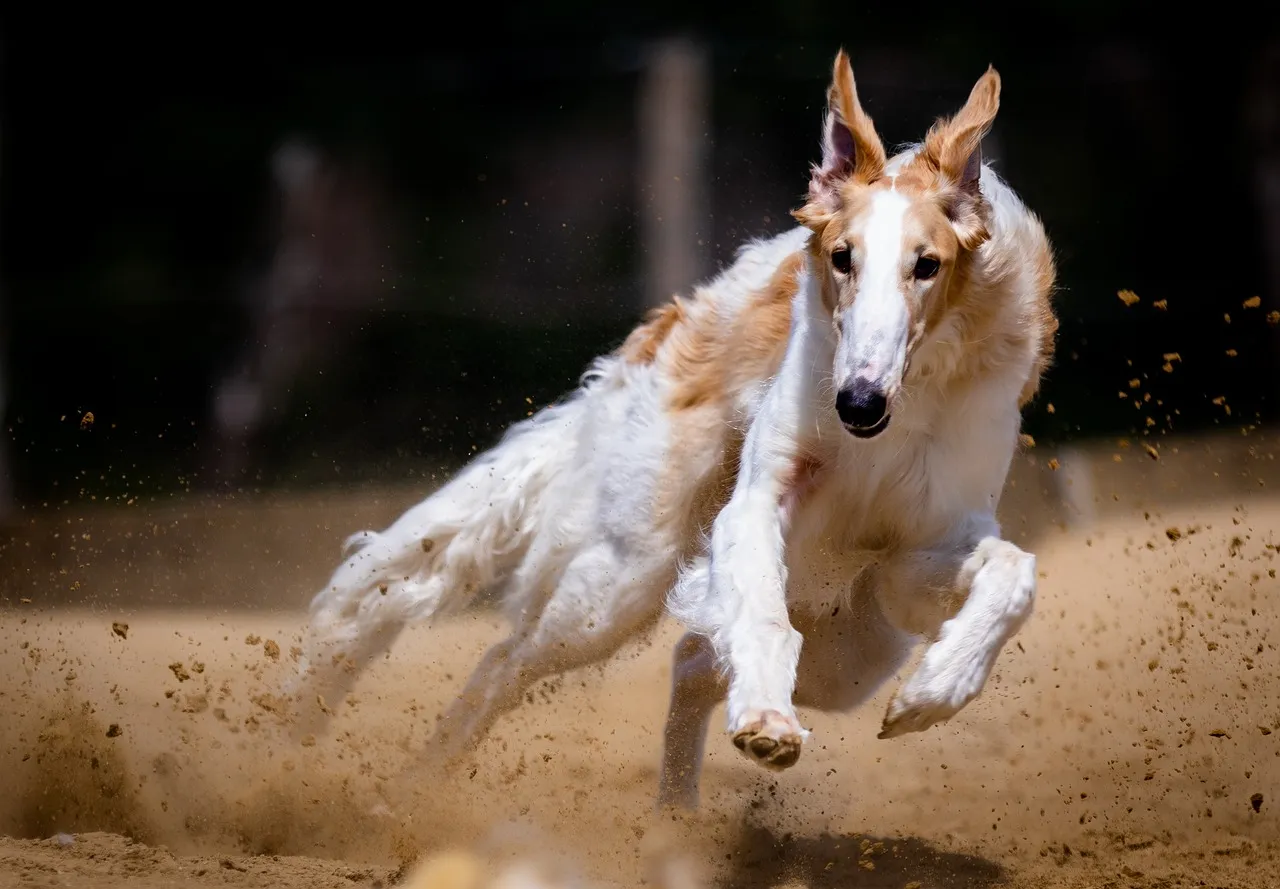
Staff have seen the same story a thousand times: high-energy dog, low-energy adopter – a return waiting to happen. The dogs that stay put are the ones whose energy truly matches the family’s actual lifestyle, not their aspirational one.
Shelter teams ask blunt questions: how many hours are you gone on workdays, do you really run or just like the idea of running, are there kids’ sports or long commutes eating up your evenings?
A dog who’s happy with a daily walk and a short play session, then genuinely content to nap, often gets paired with busy families or older adopters. That’s not settling – it’s reality-based matchmaking. Active, athletic dogs get pushed toward homes that genuinely hike, train, or compete.
Many people think they want a “high-drive” dog because it sounds impressive. Those dogs come back a lot. The quietly moderate ones just stay.
At a Glance
- Ask: how many hours is the dog alone on a typical workday?
- Ask: do we actually hike or run weekly, or just like the idea of it?
- Ask: how much evening energy is left after kids’ activities and commutes?
- Match the answers honestly – not aspirationally – to the dog’s real needs
#7 – They Handle Mild Frustration Without Melting Down
🔥 Would you like to save this?
We'll email this post to you, so you can come back to it later!
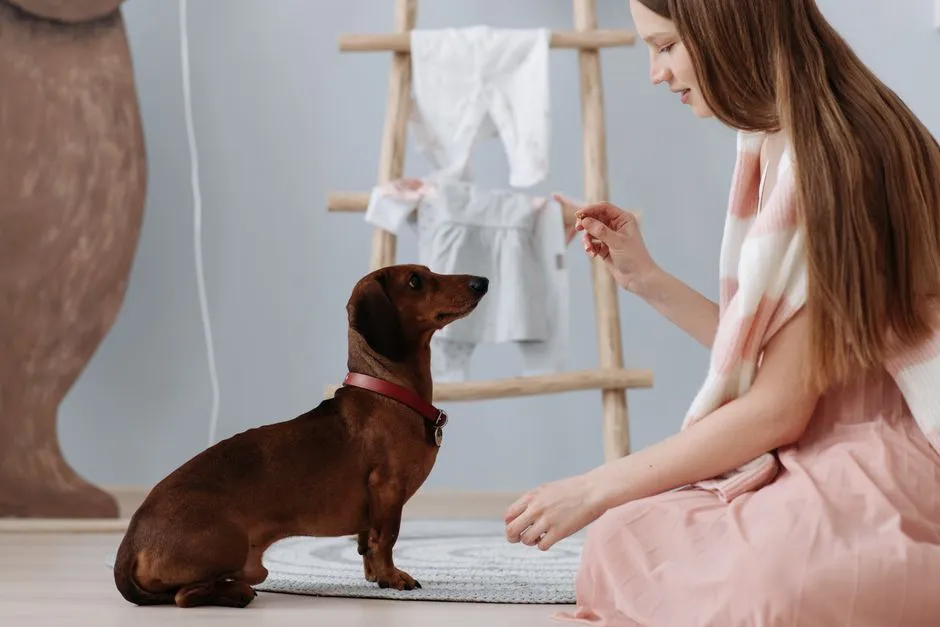
A surprising predictor of success is how a dog responds when they don’t get what they want. Staff watch for frustration tolerance in tiny moments – you stop petting, the treats run out, the leash gets tangled, a gate blocks something interesting.
The dogs that make it long-term might paw once, whine briefly, or glance at you, then move on. They don’t spiral into nonstop barking, nipping, or slamming their whole body into a barrier.
That ability to accept small disappointments is the difference between a dog that copes with delayed walks, canceled trips, and crate confinement – and a dog that turns daily life into a hostage situation.
Some trainers love working with intense, easily frustrated dogs; they can be brilliant sport partners. But average adopters get exhausted fast. Dogs who can shrug and try something else are simply easier to live with.
#6 – They Show Interest, Not Obsession, With Food and Toys
🔥 Would you like to save this?
We'll email this post to you, so you can come back to it later!
It sounds counterintuitive, but the most “trainable-looking” food-obsessed dogs can actually be too much for normal homes. Behavior-savvy staff search for a sane middle ground instead.
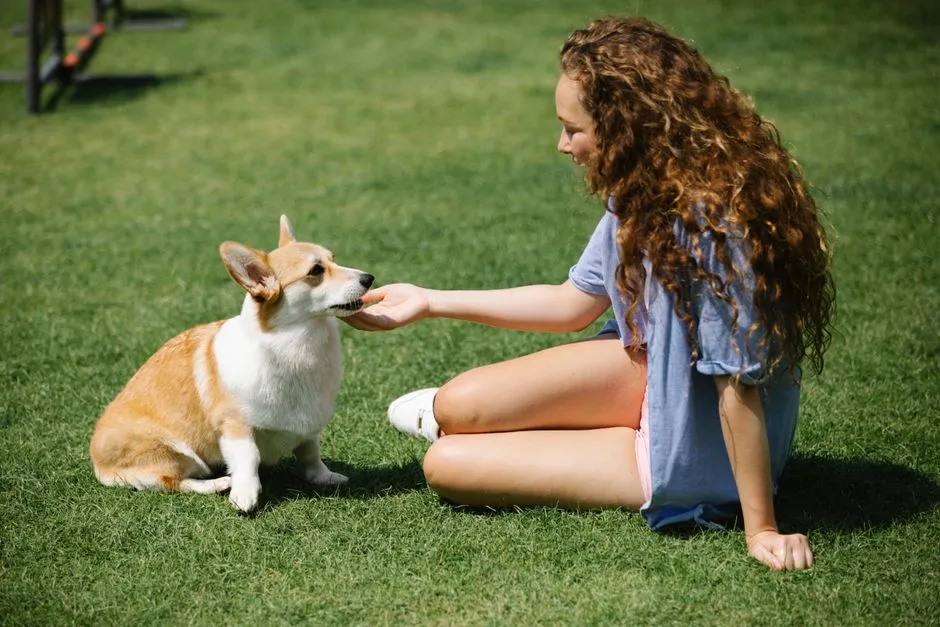
The ideal long-term pet works happily for treats and toys, can stop when asked, and doesn’t guard every crumb or object to the death. A dog that inhales food, freezes over the bowl, or won’t release a toy without a rodeo might be brilliant in expert hands, but for most families that intensity turns daily life into a conflict minefield.
On the flip side, a dog that refuses food purely from shelter stress may blossom later, which makes early assessment trickier. Staff pay attention to the dogs that, even under stress, will nibble a soft treat and gently take a toy – showing balanced motivation.
While social media loves the dramatic “ball crazy” dog, the one who says “sure, food is great, but so is chilling with you” tends to be the one still adopted years later.
#5 – They Can Sleep Deeply Even in a Busy Shelter

🔥 Would you like to save this?
We'll email this post to you, so you can come back to it later!
A dog that can truly sleep – not just lie awake and tense – in a shelter is basically broadcasting “my nervous system is solid.” Staff notice the ones who curl up and fully relax even with noise around, sigh and stretch like they’re in a real bedroom, and aren’t hyperalert to every footstep.
This isn’t laziness; it’s emotional safety. Dogs that never truly sleep in the shelter are often running on adrenaline, and once home, that chronic hypervigilance can turn into reactivity and poor impulse control.
Dogs who can log real rest despite stress tend to adjust quickly to nighttime in a new home, settle when humans sleep or leave, and handle guests without constant meltdown.
Many adopters gravitate toward the dog bouncing off the kennel walls because they feel bad for it. Staff quietly point toward the one peacefully snoozing on a blanket instead – because in a month, that’s the dog happily snoring on the couch.
#4 – They Recover Well From Minor Handling Mistakes
🔥 Would you like to save this?
We'll email this post to you, so you can come back to it later!
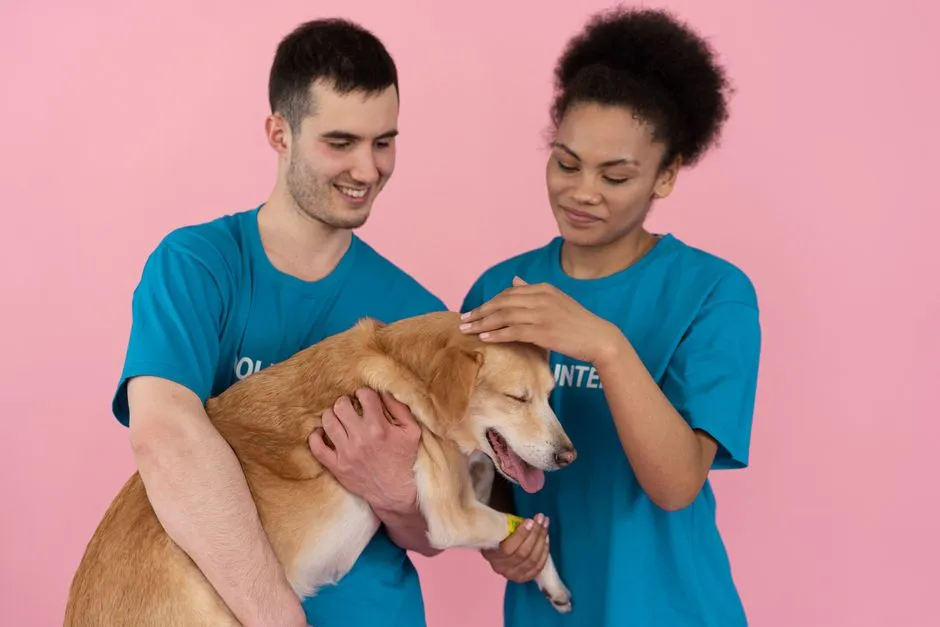
Real life is messy, and people will accidentally do clumsy things to dogs. Shelter staff test this gently – stepping near a paw, bumping a hip with a knee, lightly tugging a collar to redirect – not to scare the dog, but to see what happens next.
The long-term success stories usually flinch or move away, then immediately re-engage, shake off, or give a small “what was that?” look with no grudge attached. That tells staff the dog can handle a tripping toddler or a mis-aimed hug without escalating into a bite or lasting fear.
Compare that to dogs who freeze and shut down for a long stretch, growl or snap at the slightest misstep, or avoid the person for the rest of the interaction. Those dogs might thrive in an experienced, adult-only home, but they’re riskier matches for typical families.
The forgiving, bounce-back dog is the one who weathers normal human imperfection without keeping score.
#3 – They Show “Healthy Velcro” Without Panic
🔥 Would you like to save this?
We'll email this post to you, so you can come back to it later!
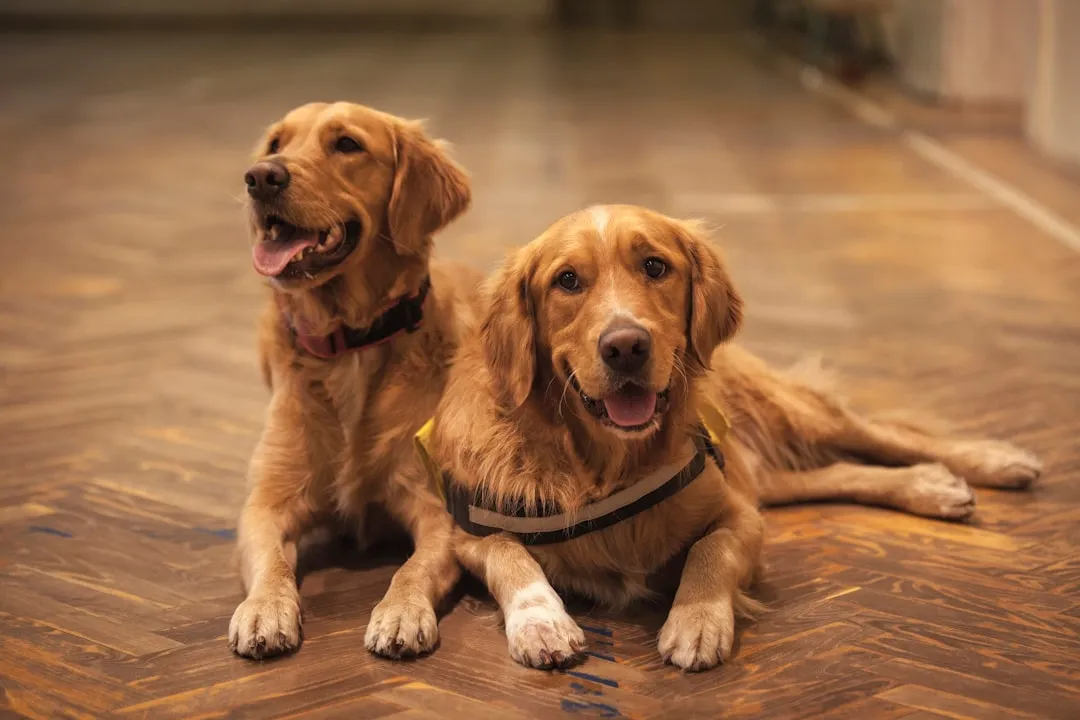
Shelter pros know there’s a big difference between a bonded dog and a desperate one. In meet-and-greets, watch for dogs who follow their person around the room at a relaxed pace, lie nearby while still watching the environment, and look mildly concerned – not frantic – if the person steps out for a moment.
That healthy Velcro pattern predicts dogs who bond deeply with their new person, still cope without them for reasonable stretches, and don’t shred doors the second they’re alone.
In contrast, dogs that scream, throw themselves at the door, or can’t eat or drink if the human leaves for thirty seconds are waving a giant separation anxiety flag. That doesn’t make them unadoptable, but it does make them tougher for the average household juggling jobs and errands.
Most people want to feel special, so they misread panic as love. Seasoned staff know the dog who trusts you and trusts its own ability to be okay alone is the one that actually fits into real life.
Why It Stands Out
- Follows at a relaxed pace instead of pressing against your legs
- Glances toward the door when you step out, but doesn’t panic
- Settles back down quickly once you return
- Can eat, drink, and rest even with you briefly out of sight
#2 – They’re Consistent Across Multiple Interactions

🔥 Would you like to save this?
We'll email this post to you, so you can come back to it later!
The most underrated trait of long-term success dogs is boring consistency. Shelter workers don’t put much weight on one “perfect” interaction – they watch for patterns across days and weeks.
Day one, a bit shy but warms up. Day three, similar behavior, maybe a touch more relaxed. Week two, same dog, just more comfortable. When that personality shows up the same way for multiple staff members and volunteers, it’s a strong sign.
Red flags look different: totally shut down in the kennel but wild and mouthy outside, angelic with one person but defensive with another, with no clear trigger connecting the two. Those cases usually need more experienced adopters.
The “what you see is what you get” dogs rarely go viral, but they quietly rack up multi-year, drama-free placements. Staff sometimes get frustrated watching adopters chase charisma instead of stability – because staff are usually the ones handling the returns.
#1 – They Fit the People’s Reality, Not Their Fantasy
🔥 Would you like to save this?
We'll email this post to you, so you can come back to it later!
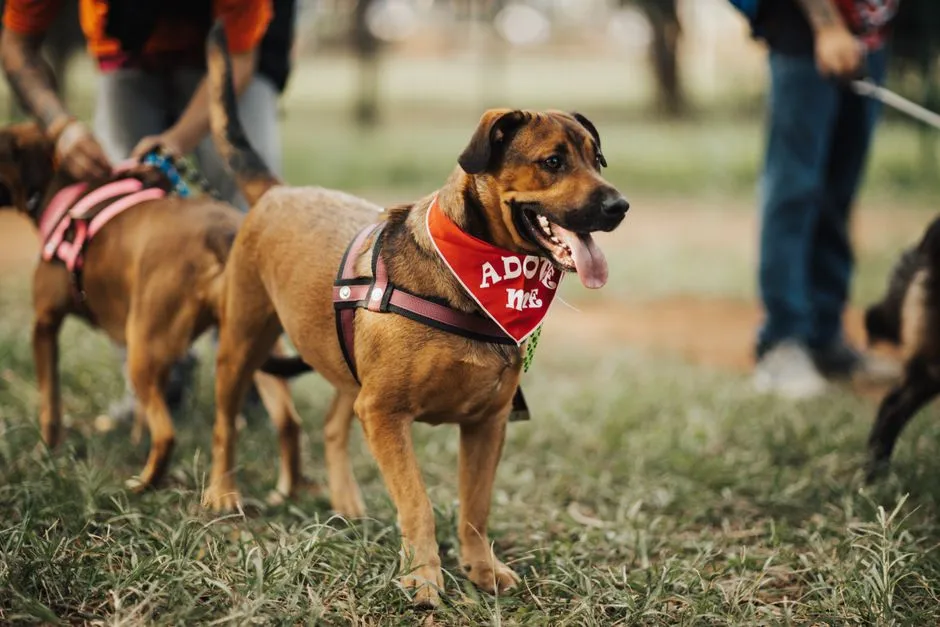
The single biggest “this match will last” trait isn’t in the dog at all – it’s in the fit. Shelter staff are blunt about this: the dogs that stay forever are the ones whose temperament, needs, and quirks line up with who the adopters actually are on a random Tuesday night, not who they imagine they’ll be on Instagram.
The best-match dogs match the family’s true energy level, tolerate the actual noise and chaos of the home, and have quirks the adopters genuinely understand and accept going in.
A mildly reactive dog can live happily with a low-key, savvy introvert who walks at odd hours and avoids crowds. That exact same dog will be a disaster for a sociable family that hosts barbecues every weekend and wanted a brewery buddy.
The dogs staff feel certain about are the ones where you can feel the mutual “oh, this just makes sense.” The adopters’ lifestyle, patience, and expectations align with what the dog already is, not what they hope to mold it into. That’s the match that lasts ten-plus years, not ten days.
The Bottom Line
🔥 Would you like to save this?
We'll email this post to you, so you can come back to it later!
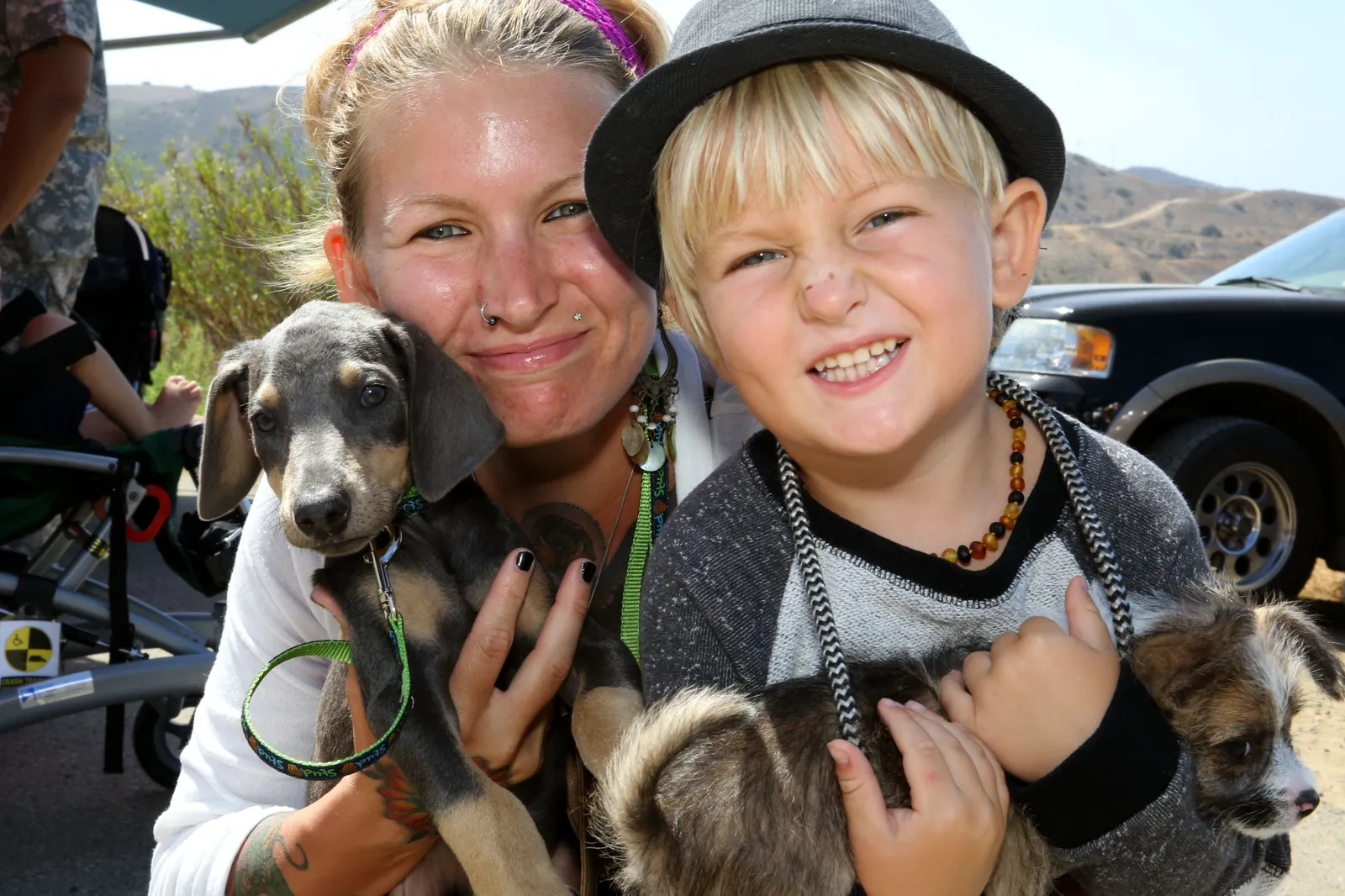
Shelter workers aren’t guessing which adoptions will last. They’re reading a long list of quiet, near-scientific clues that most visitors walk right past. Dogs that bounce back from stress, regulate their own emotions, read humans well, and genuinely match a family’s real lifestyle are the ones that quietly stay forever.
Flashy friendliness and heartbreaking clinginess grab attention at the kennel door, but resilience, balance, and fit are what actually keep dogs out of the return line. The uncomfortable truth is that plenty of “problem dogs” were never problems at all – just bad matches from day one.
The real success stories are usually the middle-of-the-road, slightly shy, gently curious dogs that staff can’t stop thinking about long after they’ve gone home. Which trait do you think matters most – and did we call your dog out on this list? Drop your take in the comments.

- 7 Everyday Habits That Can Make Your Senior Dog Happier - November 5, 2026
- 10 Enigmatic Structures That Continue to Puzzle Scientists Today - November 5, 2026
- 10 Strange Ruins in the Americas That Challenge What We Know About Early History - November 5, 2026