

Your vet spends maybe ninety seconds watching your old dog cross the exam room floor. In that time, she’s already clocked three or four things you never thought to mention – because to you, they just look like “getting old.” You spent those same ninety seconds explaining that he’s slower now, a little smellier, maybe a bit grumpy, but otherwise fine.
Here’s the uncomfortable part: most of what families wave off as normal aging is actually a body sending very specific distress signals. Vets aren’t guessing when they ask follow-up questions you didn’t expect – they’re pattern-matching against diseases that hide in plain sight. Below are the sixteen things vets quietly notice that most families read as absolutely nothing.
#1 – “Just Slowing Down” Is Usually Pain Wearing a Disguise
🔥 Would you like to save this?
We'll email this post to you, so you can come back to it later!
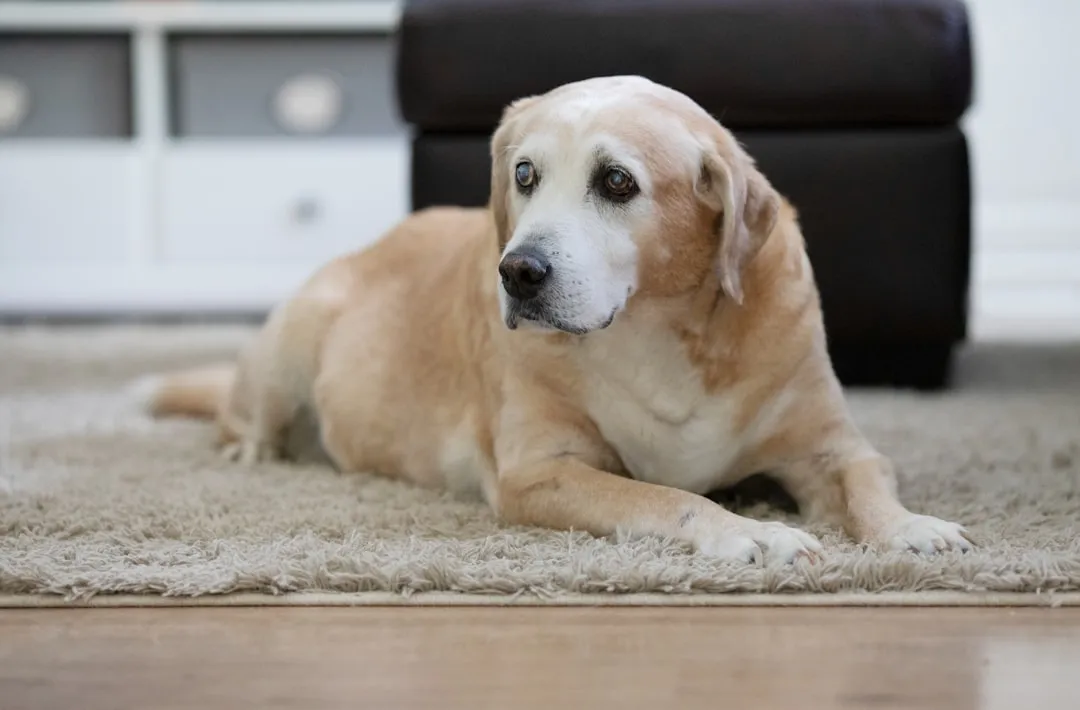
When families say, “He’s just not as active as he used to be,” most vets hear one thing: possible chronic pain. Arthritis is so common in senior dogs that many vets assume it’s present until proven otherwise. Owners miss it constantly, because it rarely looks like a yelp – it looks like laziness.
The real tells are hesitating at stairs or car jumps, taking longer to stand after naps, stiffness that eases as they “warm up,” and subtle weight-shifting off a sore limb. A dog who used to sprint to the door but now strolls there slowly isn’t getting philosophical about life – he’s likely hurting. Left alone, that pain quietly triggers weight gain, muscle loss, and irritability. Your vet sees a dog who could be noticeably more comfortable with joint supplements, weight control, and a few lifestyle tweaks. But that’s nothing compared to what we found about #2…
#2 – The Water Bowl Refilling Faster Is a Body Screaming for Help
🔥 Would you like to save this?
We'll email this post to you, so you can come back to it later!
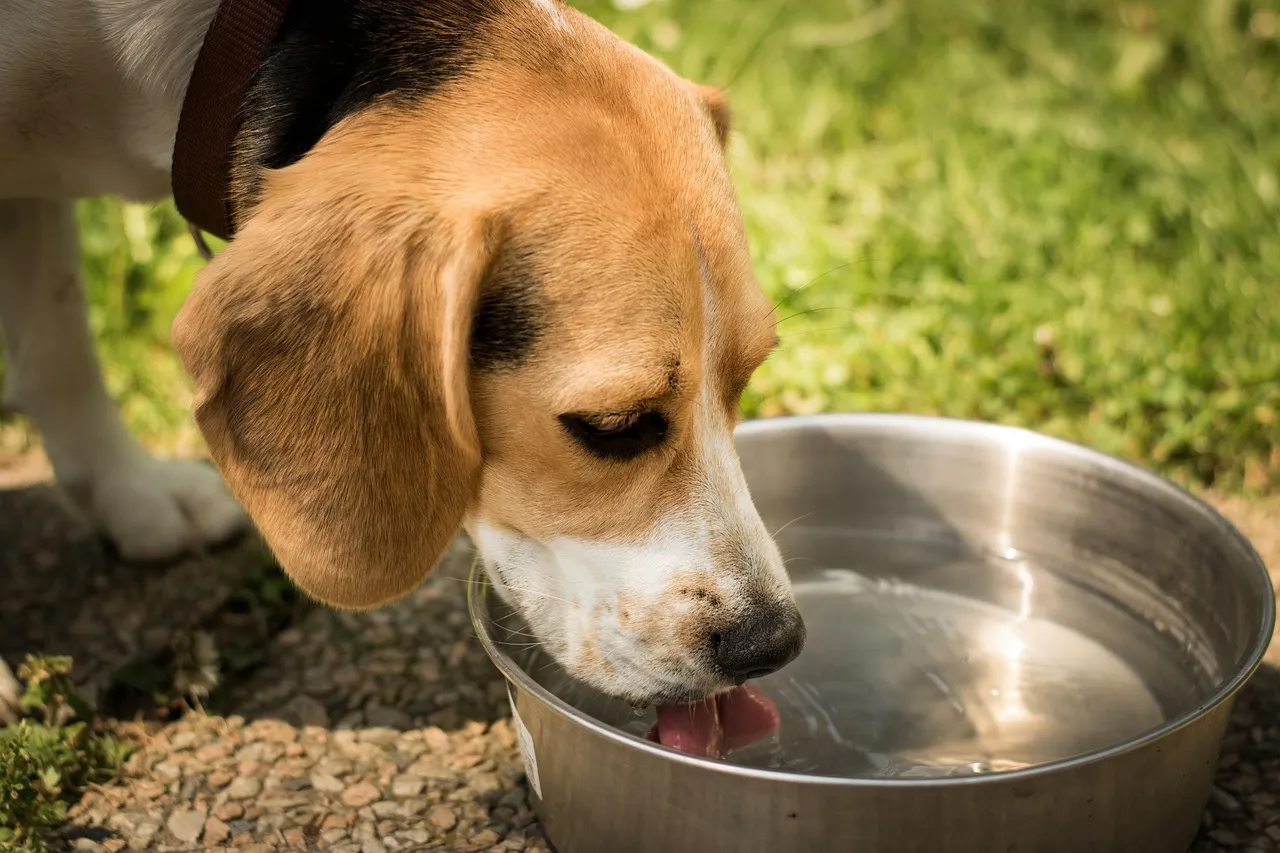
“Yeah, she’s drinking more, but it’s hot out and she’s old.” That’s the line vets hear right before they start testing kidneys, liver, and blood sugar. In a senior dog, increased thirst is a red siren, not a personality quirk.
The moment a bigger water bowl or bigger pee puddles come up, vets are already running a mental checklist: diabetes, Cushing’s disease, kidney disease, an infection in intact females, even early liver trouble. These conditions progress quietly for months, and owners often notice only once accidents start happening inside. Here’s the biology in one sentence: when kidneys or hormones go off track, the body flushes excess sugar, toxins, or hormones out – and that demands more water. Catching this early with a simple blood and urine test can add real years to a dog’s life. But that’s nothing compared to what we found about #3…
Fast Facts
- Increased thirst can point to diabetes, kidney disease, Cushing’s disease, or a urinary infection
- Vets usually start with a basic blood panel and urinalysis to narrow the cause down
- Excess drinking often shows up months before a dog seems “sick” in any other way
#3 – “Grumpy Old Man” Behavior Is Often a Pain Signal in Disguise
🔥 Would you like to save this?
We'll email this post to you, so you can come back to it later!
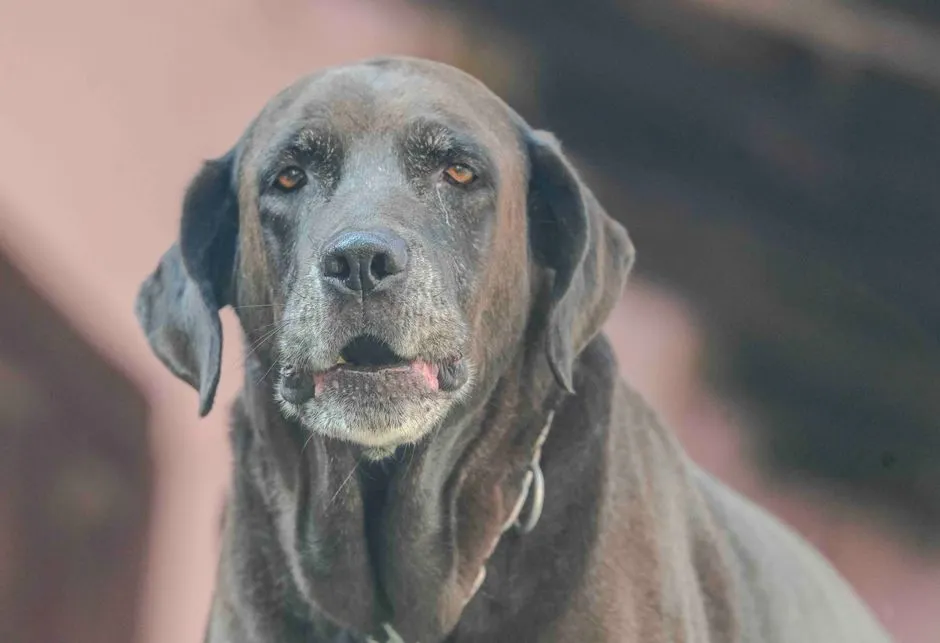
Most families shrug off a senior dog’s new snappiness – “he’s old and cranky, like Grandpa.” Vets don’t find that cute. Behavior change is one of the most underrated medical red flags in older dogs.
A dog who suddenly growls when you touch his hips, snaps when a child hugs him, or avoids being picked up usually isn’t meaner – he’s protecting a painful area. Arthritis, spinal pain, dental disease, and abdominal discomfort can all flip a tolerant dog into a “don’t touch me” dog. Then there’s the flip side: cognitive dysfunction, the canine version of dementia, which shows up as getting stuck behind furniture, staring at walls, or pacing and barking at night. Personality shifts are rarely just “attitude” in a senior – they’re often pain, confusion, or disease wearing a behavior costume. But that’s nothing compared to what we found about #4…
#4 – That “Old Dog Smell” Is Usually a Mouth Full of Infection

🔥 Would you like to save this?
We'll email this post to you, so you can come back to it later!
“His breath has always been bad” is one of the most dangerous assumptions owners make. Vets see advanced dental disease so often in seniors that they can practically smell it before the exam even starts. That “old dog smell” is usually infection, not age.
Under the tartar sits rotting tooth roots, exposed nerves, and infected gums that hurt with every bite. Families assume, “he’s still eating, so it can’t be that bad” – but dogs are hardwired to hide pain and will chew through astonishing discomfort. Watch for red, swollen gums, thick brown tartar, drooling, or chewing on one side. It’s not just bad breath – it’s chronic, systemic inflammation feeding bacteria into the bloodstream, where it can stress the heart, kidneys, and liver. The number of owners who say, “I had no idea he was in that much pain,” after a dental cleaning would genuinely surprise you. But that’s nothing compared to what we found about #5…
#5 – Sleeping “Peacefully” All Day Can Actually Be Exhaustion or Depression

🔥 Would you like to save this?
We'll email this post to you, so you can come back to it later!
Yes, older dogs sleep more. But vets get suspicious when a family says, “he doesn’t get up to greet me anymore” or “she just lies in her bed all day.” There’s a real difference between restful dozing and total disengagement.
True senior sleep still has spark – the dog wakes quickly, responds to noise, shows interest in food and walks. Pathological fatigue looks different: slow to respond, reluctant to rise, needing to be coaxed to eat or play. Vets think about anemia, heart disease, chronic pain, infection, and yes, depression from constant low-level discomfort. A dog living with untreated pain simply stops trying – he conserves energy, avoids interaction, and sleeps to cope, while families quietly mistake it for peaceful aging. But that’s nothing compared to what we found about #6…
#6 – The “Cute Chunky Senior” Look Vets Actually See as a Warning
🔥 Would you like to save this?
We'll email this post to you, so you can come back to it later!
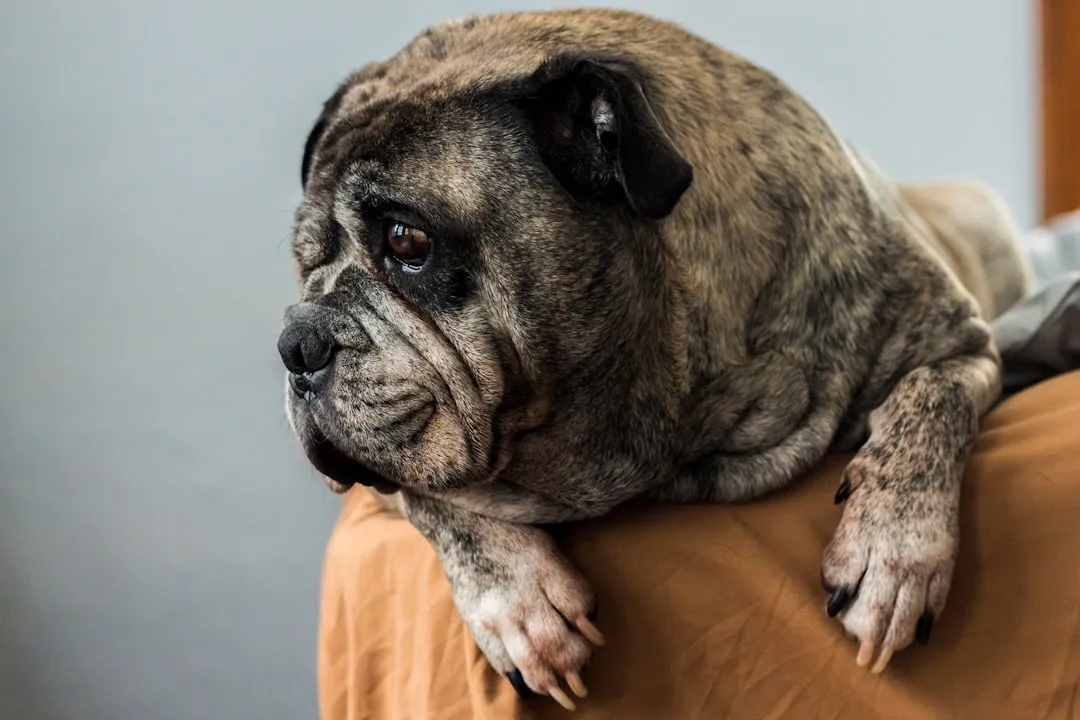
Plenty of owners think a chubby old dog is cute, even comforting. Vets quietly see a high-risk patient. Extra weight in an older dog is like piling bricks onto a crumbling foundation – it worsens arthritis, strains the heart, and raises the risk of diabetes and breathing problems.
“His metabolism just slowed down” is only part of the story. Vets often find overfeeding relative to exercise, too many treats, or a hidden hormone issue like hypothyroidism or Cushing’s disease driving the weight gain. What most owners miss is that even a few extra pounds on a medium dog can feel like a human carrying a 20 to 30 pound backpack all day, every day. Weight gain can also signal fluid buildup from heart or liver disease, not just fat. Vets would rather step in the moment those first extra pounds show up, not after mobility has already collapsed. But that’s nothing compared to what we found about #7…
#7 – “Thinning Out” With Age Is the Weight Loss Vets Fear Most
🔥 Would you like to save this?
We'll email this post to you, so you can come back to it later!
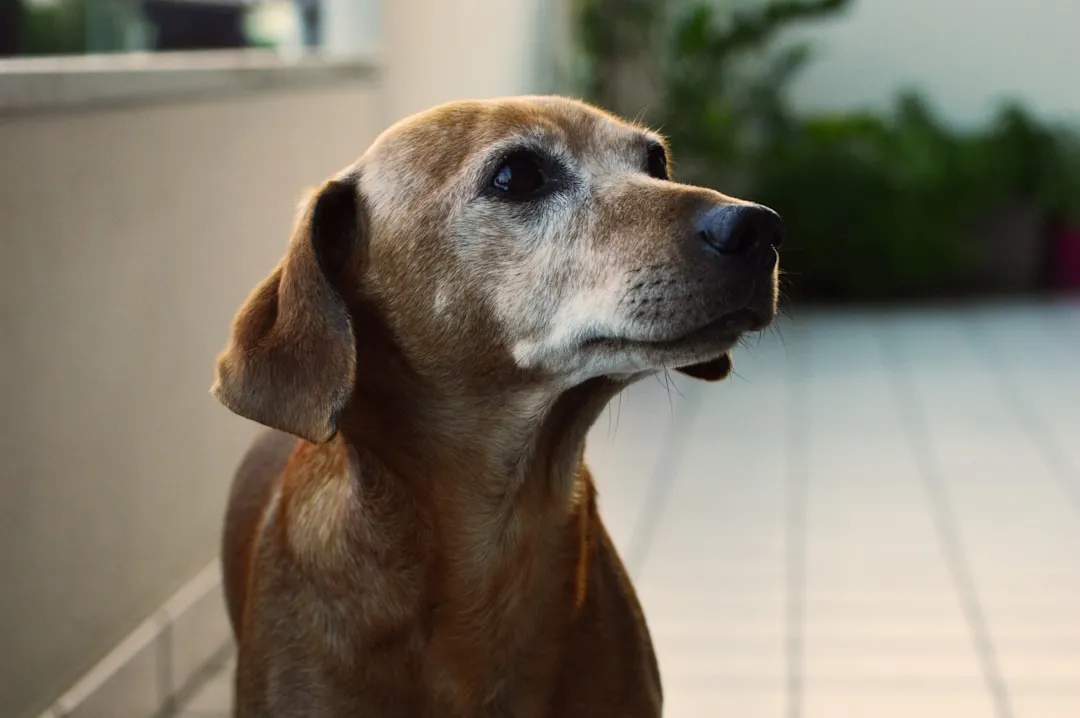
The flip side is even more worrying. “He’s just getting skinny in his old age” is a sentence that makes vets’ stomachs drop. Unintentional weight loss in a senior dog is a huge red flag, not a normal milestone.
Weight loss can mean cancer, kidney disease, chronic intestinal issues, dental pain, or metabolic disease. Owners insist “he eats fine, he’s just older,” but vets often find slower eating, walking away mid-meal, or trouble chewing harder food. Even without dramatic scale changes, muscle loss over the spine and hips alone is a warning sign – it usually means the body is breaking itself down to compensate for something going seriously wrong elsewhere. A vet won’t accept “he’s just old” as an explanation for shrinking; they want bloodwork, sometimes imaging, and a real diet review. But that’s nothing compared to what we found about #8…
#8 – That Harmless Little Night Cough Can Be a Failing Heart
🔥 Would you like to save this?
We'll email this post to you, so you can come back to it later!
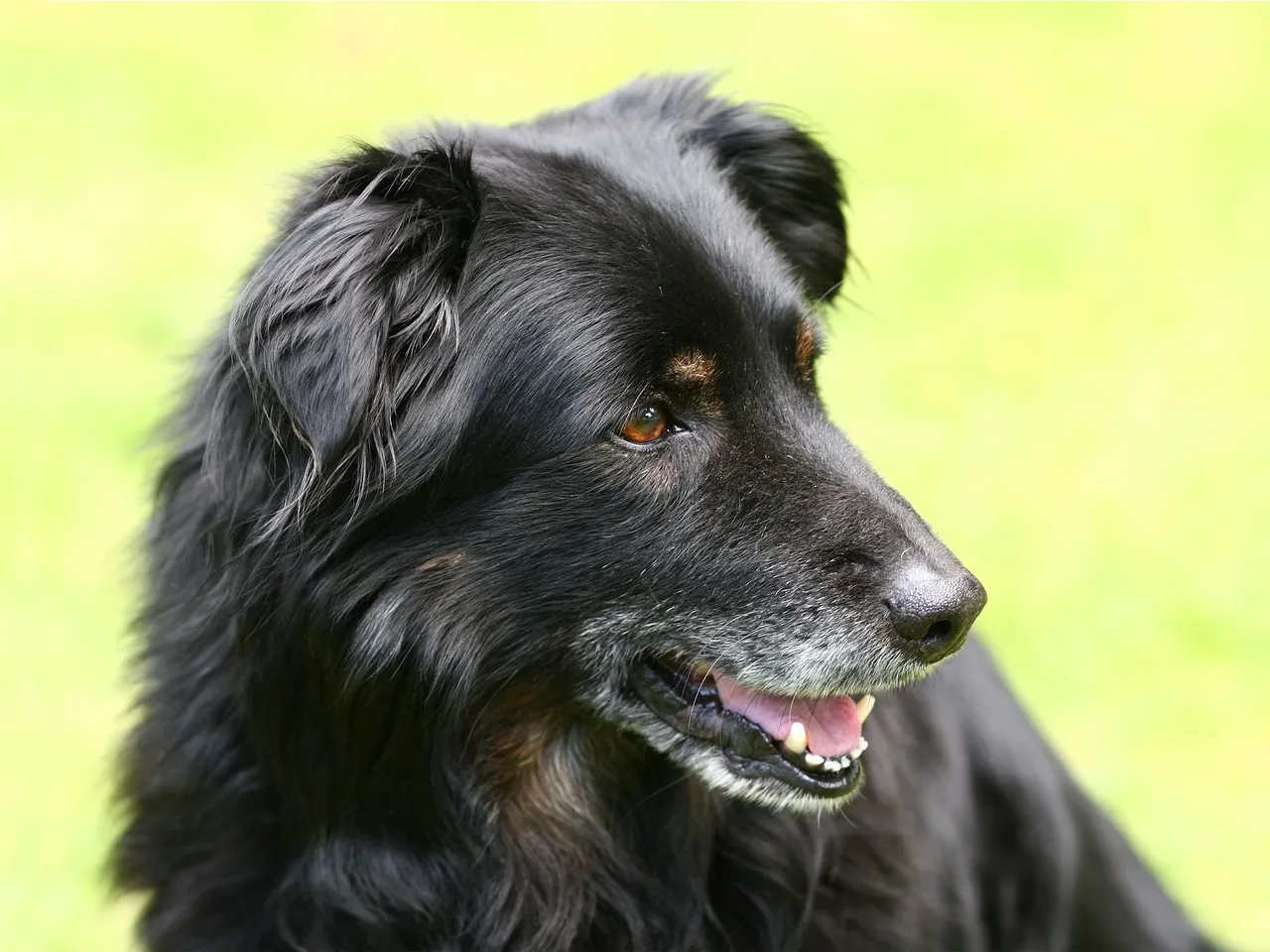
A senior dog that coughs “every now and then” usually doesn’t worry families, especially if it sounds like a throat clear. Vets know that chronic or recurring cough in older dogs is rarely nothing.
Common culprits include age-related heart disease (especially in small breeds), chronic bronchitis, collapsing trachea, or even lung tumors. Owners often say, “he only coughs at night” or “it happens when he’s excited” – and to a vet, those patterns are the diagnosis. Heart-related coughs tend to show up lying down or at night, as fluid backs up into the lungs; tracheal coughs flare with excitement or leash pressure on the neck. A cough lasting more than a couple weeks, even a mild one, is a medical problem in a senior – full stop. Waiting until breathing becomes labored is dangerously late. But that’s nothing compared to what we found about #9…
Quick Compare
- Heart-related cough: worse at night or lying down, often paired with fatigue
- Tracheal cough: triggered by excitement, leash pressure, or pulling
- Bronchitis-related cough: chronic, dry, and often worse in cold air
#9 – The First House Accident Is a Turning Point, Not Just a “Weak Bladder”

🔥 Would you like to save this?
We'll email this post to you, so you can come back to it later!
Many families think the first indoor accident is just a “weak bladder” and reach for pee pads. Vets see a turning point. House soiling in a previously trained senior dog is almost never just aging.
True age-related incontinence exists, especially in spayed females, but vets also rule out urinary tract infections, bladder stones, kidney disease, diabetes, or cognitive dysfunction that erases house training entirely. Watch for leaking urine while sleeping, unusually large puddles, or straining to urinate outside. A dog who suddenly can’t hold it is telling you something is wrong, not that he’s become lazy or spiteful. Untreated infections can climb to the kidneys, and stones can cause dangerous blockages – which is why vets want a urine sample and a real plan, not more rugs. But that’s nothing compared to what we found about #10…
#10 – The Lump You’ve Ignored “Forever” Is the One Vets Want Tested Now
🔥 Would you like to save this?
We'll email this post to you, so you can come back to it later!
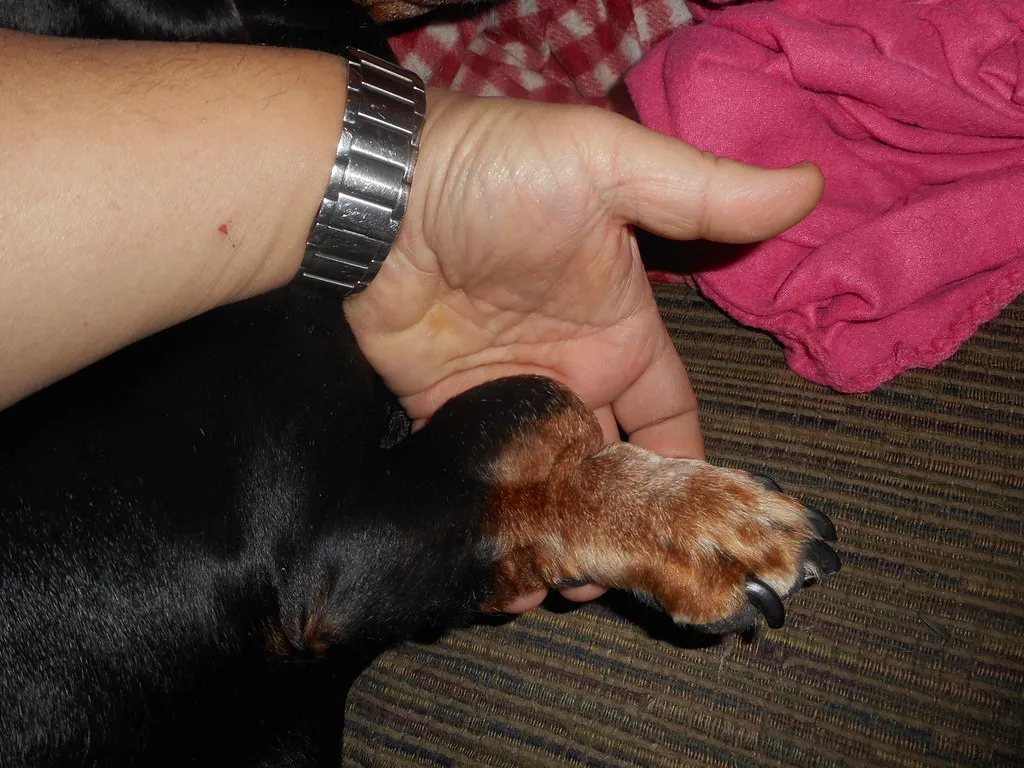
“I asked Dr. Google and it says it’s probably a lipoma.” That line makes vets tense. While many lumps really are harmless fat tumors, no vet can reliably diagnose a lump by eye and feel alone – and neither can an owner.
Senior dogs are lump factories; that’s just reality. Vets don’t panic at every bump, but they do want to measure it, note its texture and location, and often stick a needle in for a quick cell sample. Owners frequently wait until a lump is massive or ulcerated, yet many dangerous tumors are best removed while still small. “It’s been there forever” is exactly how some treatable cancers become untreatable. A needle sample takes minutes, usually without sedation, and gives vets information that eyesight simply can’t. But that’s nothing compared to what we found about #11…
#11 – “Selective Hearing” and Bumping Into Furniture Aren’t Just Old-Dog Jokes
🔥 Would you like to save this?
We'll email this post to you, so you can come back to it later!
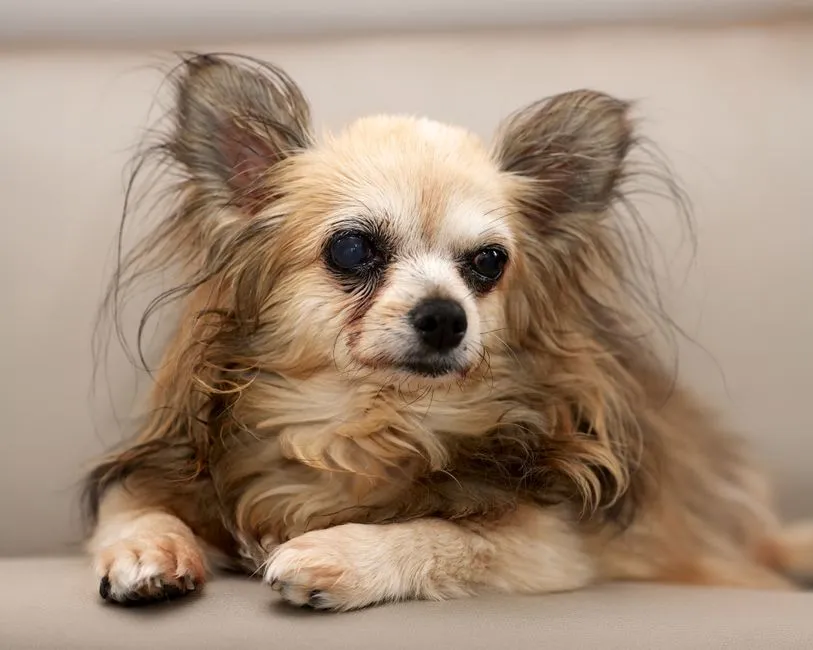
Families often joke that their senior dog has “selective hearing” or is “a little blind in the dark.” Vets know that sensory loss is more than a quirk – it changes safety, behavior, and quality of life.
Cloudy lenses are often harmless, but they can be confused with true cataracts, and dogs may start hesitating at stairs, bumping furniture in low light, or startling when approached from the side. Hearing loss doesn’t just mean ignoring commands – deaf or near-deaf dogs can become anxious, startle-reactive, or seem “disobedient” when they simply can’t hear you, and plenty of them get scolded for a medical limitation nobody caught. Vets check how suddenly the change happened and whether it’s age or something treatable, like an ear infection or high blood pressure. But that’s nothing compared to what we found about #12…
#12 – The Clingy Phase You Call “Sweet” Can Actually Be Panic
🔥 Would you like to save this?
We'll email this post to you, so you can come back to it later!
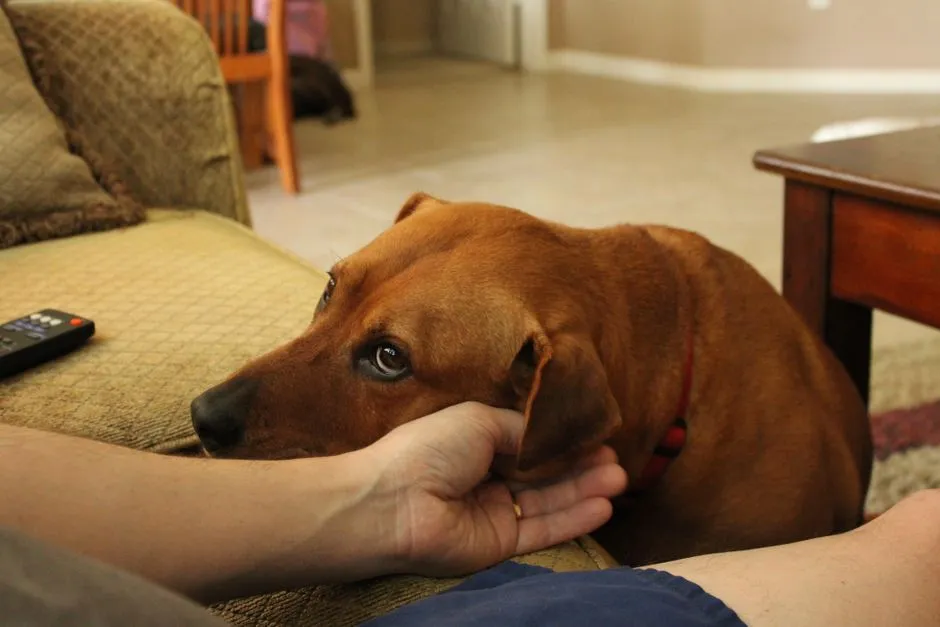
Many owners secretly enjoy it when their older dog turns into a velcro dog – “he loves me more now.” Vets often see something else entirely: increasing anxiety or confusion.
A dog who suddenly follows you room to room, panics when left alone even briefly, or paces and whines with no clear trigger may not be more affectionate – he may be disoriented or physically uncomfortable. Cognitive dysfunction can make a familiar house feel strange, and fading vision or hearing can make the world feel unpredictable and scary. Clinginess can be a coping strategy, not a love upgrade. Many vets now consider untreated anxiety in senior dogs one of the most underestimated welfare issues in pet homes, hiding behind a label as harmless as “cute.” But that’s nothing compared to what we found about #13…
#13 – The “Funny Little Walk” That’s Actually an Early Warning System
🔥 Would you like to save this?
We'll email this post to you, so you can come back to it later!
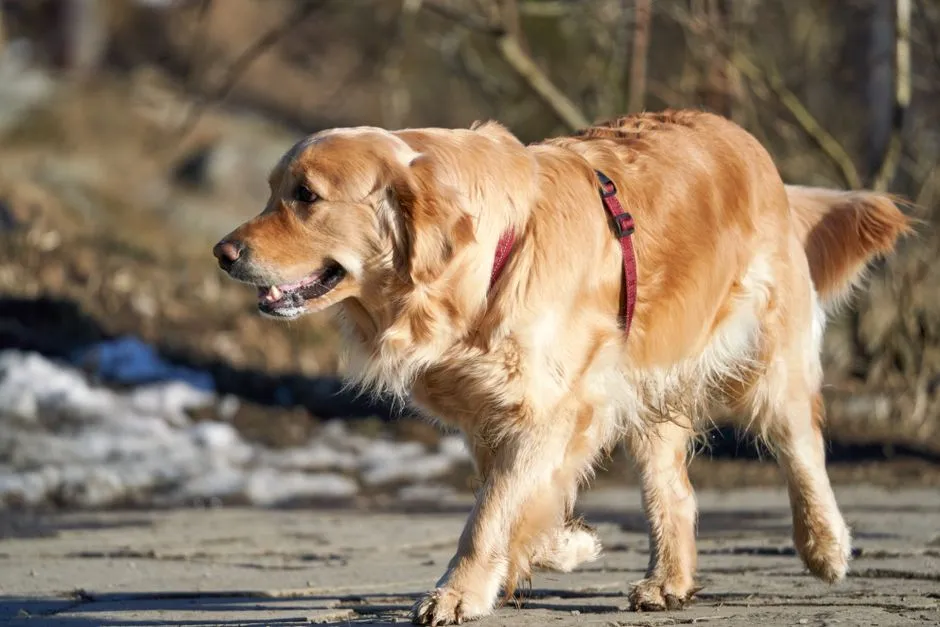
“He walks a little funny now, but he’s old.” That funny walk is exactly what vets zoom in on. Gait changes are often the earliest visible sign of serious orthopedic or neurological disease.
Watch for back legs slipping on smooth floors, toes dragging, nails wearing unevenly, or a weak, “bunny-hop” run. Owners tend to excuse it as clumsiness, while vets think about spinal cord issues, hip dysplasia, torn ligaments, or degenerative myelopathy in certain breeds. By the time a dog is consistently stumbling or falling, months of possible intervention are already gone. Early physical therapy, pain control, and weight management can dramatically slow the decline – and plenty of dogs that end up paralyzed started with a wobble nobody took seriously. But that’s nothing compared to what we found about #14…
Worth Knowing
- Back legs slipping on smooth floors is often one of the earliest visible signs
- Uneven nail wear can reveal a leg that’s no longer bearing full weight
- Degenerative myelopathy and hip dysplasia are common culprits in certain breeds
- Early physical therapy and weight control can meaningfully slow progression
#14 – “He’s Always Been Picky” Is the Excuse That Delays Real Diagnoses
🔥 Would you like to save this?
We'll email this post to you, so you can come back to it later!
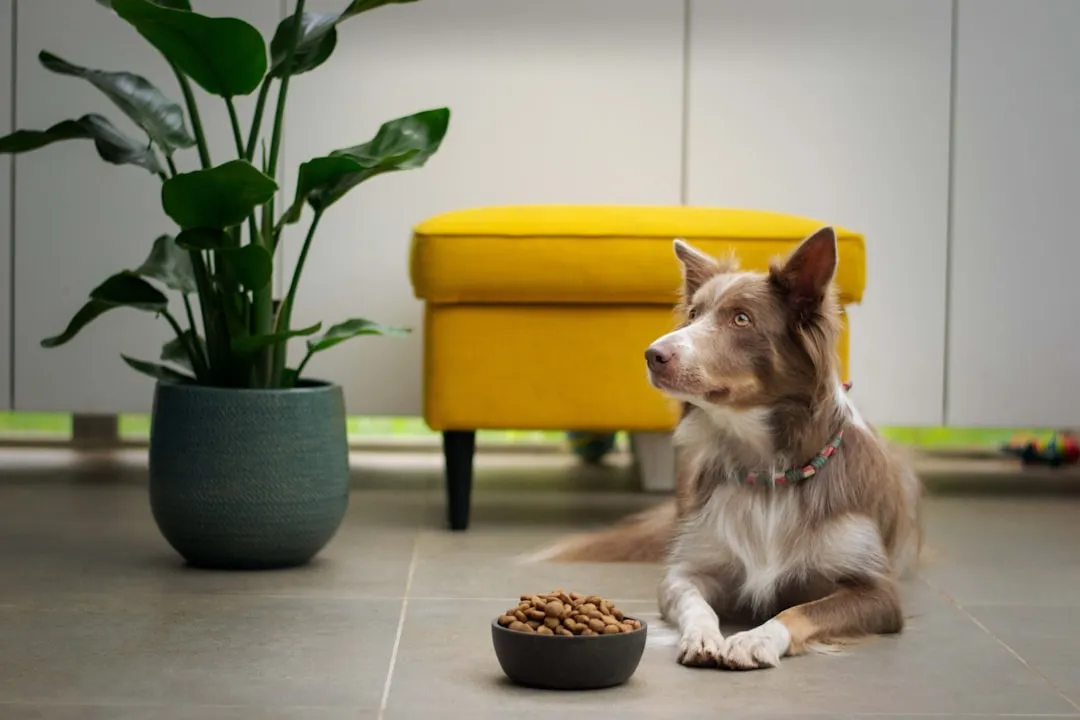
A lot of families normalize poor appetite in seniors: “he just eats when he feels like it.” Vets don’t buy that at face value. A healthy dog – young or old – should want to eat. Loss of appetite is pain or illness until proven otherwise.
Dental pain, nausea, liver or kidney disease, cancer, pancreatitis, and heart disease can all show up as vague food disinterest. Dogs will often still eat soft, smelly treats while ignoring regular meals, which vets recognize as an attempt to avoid chewing or a sign of mild nausea, not fussiness. Watch for meals skipped more often, food taken then dropped, or walking away and coming back repeatedly. Senior dogs rarely just “decide” to become picky – something changed, and catching it early can flag a problem long before obvious weight loss ever shows. But that’s nothing compared to what we found about #15…
#15 – Pacing All Night Isn’t “Old Dog Nights” – It’s a Distress Signal
🔥 Would you like to save this?
We'll email this post to you, so you can come back to it later!
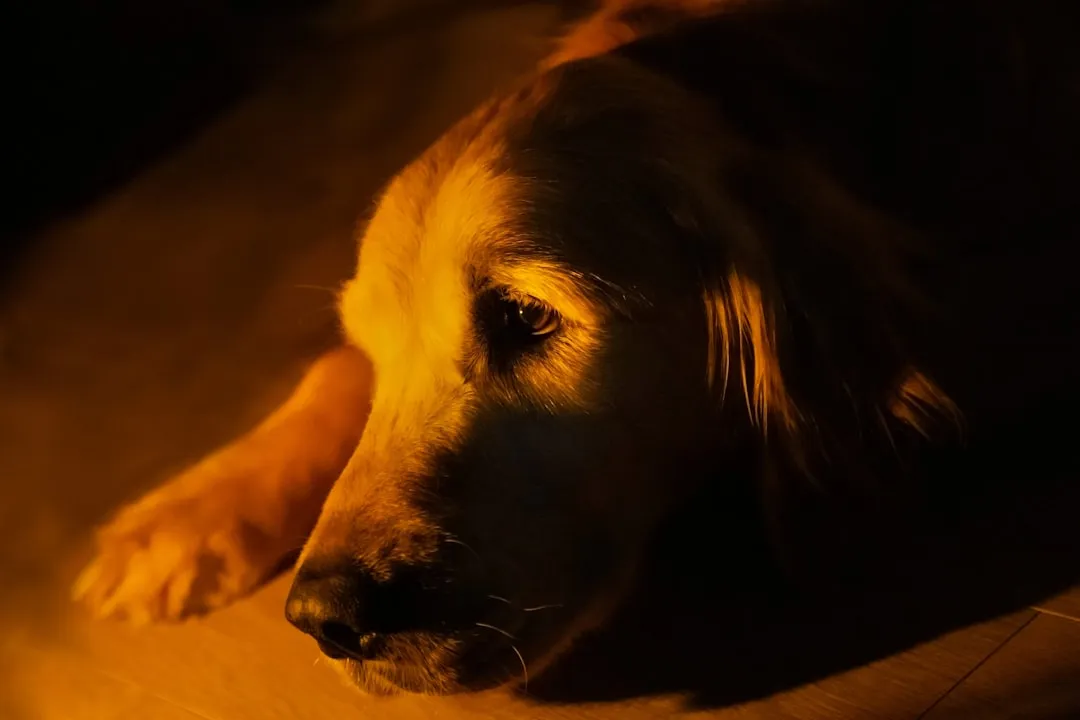
When owners say, “he’s up pacing half the night, it’s annoying but I guess he’s old,” vets hear alarm bells. Sleep changes in senior dogs are strongly linked to pain, cognitive decline, and underlying disease.
A dog who paces, pants, or whines at night, seems disoriented in the dark, or flips his schedule to sleep more by day and less by night isn’t just “being weird.” Pain often worsens at rest, heart or lung disease can make lying down uncomfortable, and dementia-like changes scramble the internal clock. This isn’t just a sleep issue – it’s a quality-of-life issue for both dog and family. Vets know a dog who can’t rest is a dog who can’t heal, which is why they take nighttime restlessness far more seriously than most owners ever expect. But that’s nothing compared to what we found about #16…
#16 – “He’s Just Old” Is the Most Dangerous Diagnosis You’ll Ever Make at Home
🔥 Would you like to save this?
We'll email this post to you, so you can come back to it later!
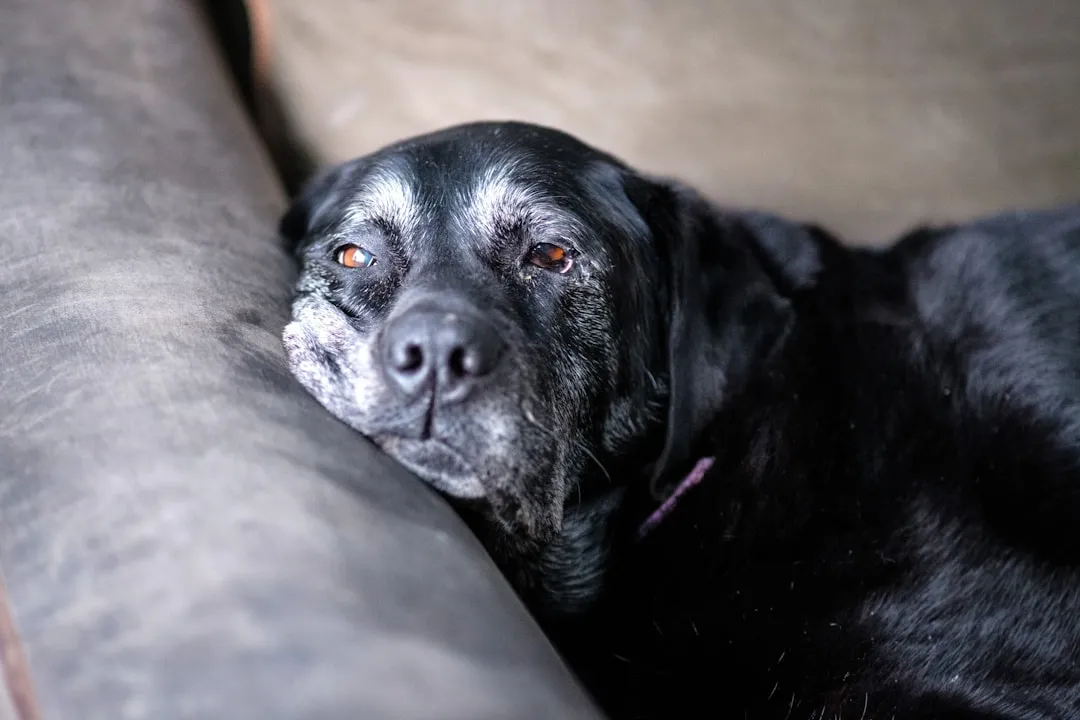
The single biggest thing vets notice that families don’t? The blanket phrase “he’s just old” used as a diagnosis for everything. Slower, stiffer, smellier, quieter, more tired, more clingy – owners roll it all into one explanation and stop asking questions. That’s exactly where the real damage happens.
Aging isn’t a disease. It’s a risk factor. Many “old dog problems” are manageable, like arthritis and cognitive decline; treatable, like infections and hormone imbalances; and sometimes even reversible, like pain and anxiety caught early. Many seniors can be more comfortable, more active, and live longer with far less suffering – if those “little” changes prompt a vet visit instead of a shrug. Vets don’t expect a 14-year-old dog to act 2. But they don’t accept constant pain, confusion, or untreated disease as normal, either – and that quiet mismatch is exactly where most senior dogs lose years of good life.
At a Glance
- Manageable: arthritis, cognitive decline, mild anxiety
- Treatable: infections, hormone imbalances, dental disease
- Sometimes reversible: pain-driven behavior changes and early appetite loss
The Bottom Line
🔥 Would you like to save this?
We'll email this post to you, so you can come back to it later!
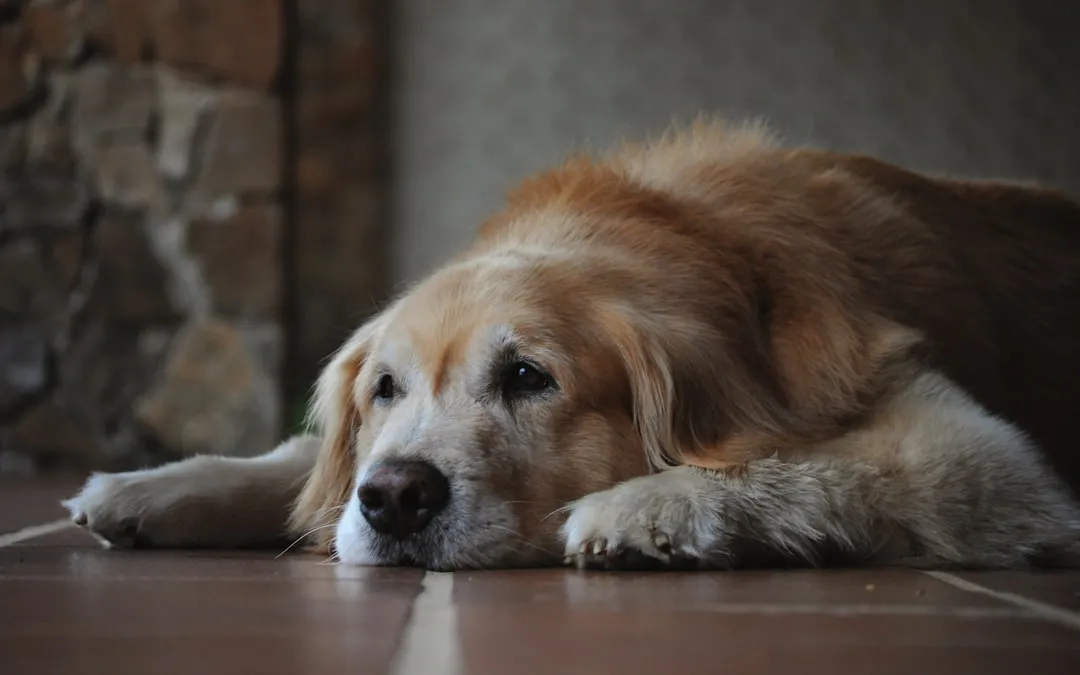
Most people think they’re being realistic when they say, “he’s just getting old.” In reality, they’re often normalizing pain, infection, organ disease, anxiety, or cognitive decline that a vet could diagnose and at least partly relieve – if given the chance.
Here’s the opinion part: “he’s just old” isn’t compassion, it’s avoidance dressed up as acceptance. If your senior dog is drinking more, moving less, getting snappy, pacing at night, or simply acting different, your vet sees a story you’re choosing not to read. That story might still have plenty of good chapters left – but only if you stop treating the fine print as background noise and finally ask the question you’ve been avoiding.

- 23 Warm Corners an Elderly Cat Keeps Returning To All Winter - October 29, 2026
- 16 Behaviours Showing a Cat Considers a House Permanent Now - October 29, 2026
- 15 Wildlife Programmes a Lifetime Pass Holder Over 62 Can Join Free - October 29, 2026