
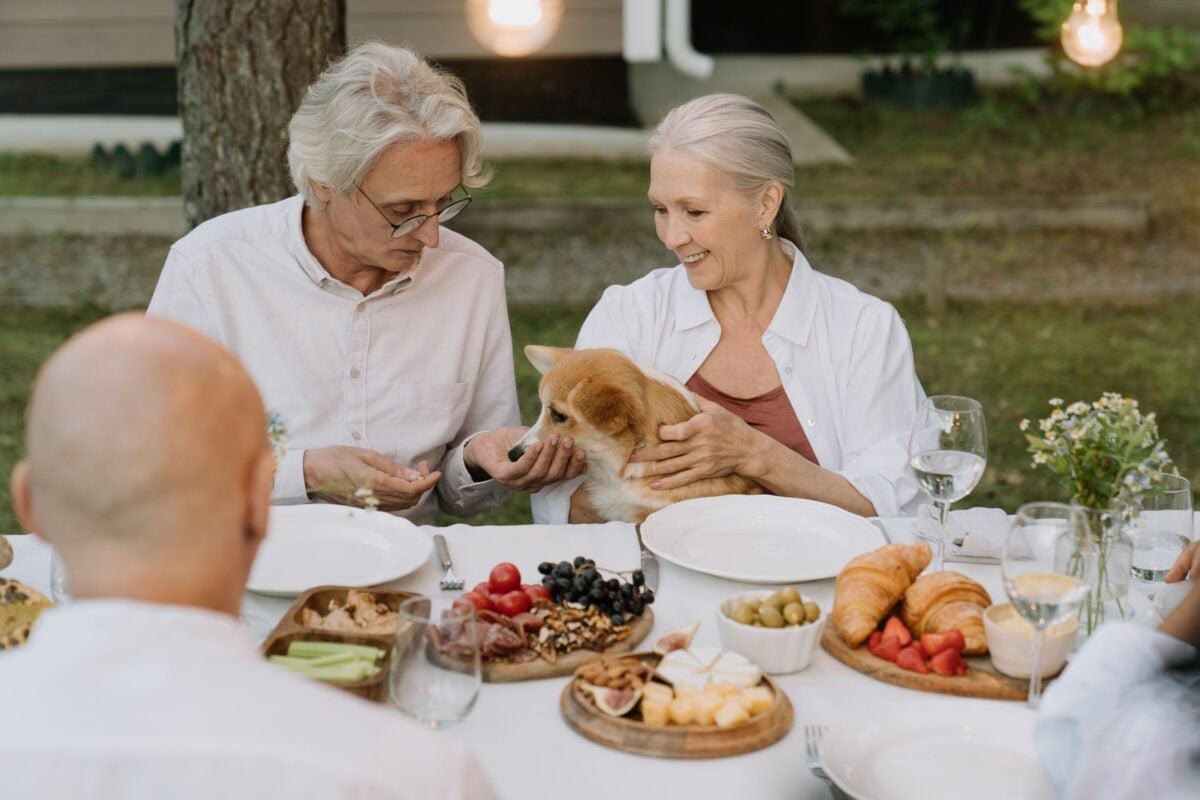
Most people believe a senior dog just slows down for a while, then one day simply doesn’t wake up. It’s a comforting story. It’s also rarely how it actually happens.
Veterinarians who spend their careers with aging dogs describe something different: a quiet, specific set of signals that shows up long before that last day. Dogs don’t usually announce the big stuff. They whisper it, weeks or even months ahead of time, through small shifts in how they eat, sleep, play, and look at you.
Recognizing those signals early isn’t giving up on your dog. It’s finally catching up to what they’ve already been trying to tell you. Here are the 14 signs longtime owners and hospice-focused vets say matter most – including one almost nobody notices until they’ve already seen it happen twice.
#14 – Their Favorite Games Quietly Lose Their Magic
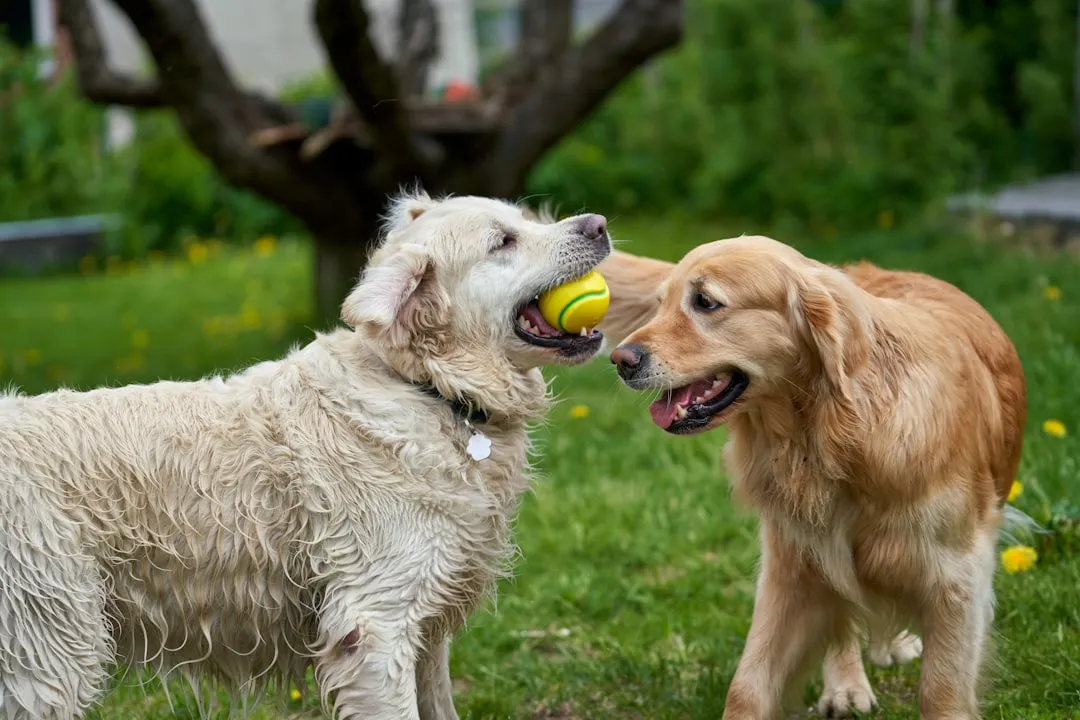
One of the earliest, most honest signs is that play stops being wild and starts being whisper-soft. A dog who once launched after tennis balls for an hour might now chase it twice, then lie down with the ball just to mouth it.
That’s not laziness. That’s a nervous system and a set of aching joints quietly saying, “I’d rather watch than chase.”
Many owners push their dog to “stay active,” worried that slowing down means giving up. In reality, the dog is self-protecting, not surrendering.
You’ll still see the old spark when the leash comes out or the toy box rattles – it’s just gentler now, more like nostalgia than urgency. The excitement is real; the body just can’t cash the check anymore.
Instead of demanding the old energy back, this is the moment to pivot the relationship instead of the dog:
- Swap fetch marathons for sniffy, slow walks.
- Trade agility drills for puzzle feeders on a soft rug.
#13 – They Start Choosing Quiet Rooms Over Busy Ones
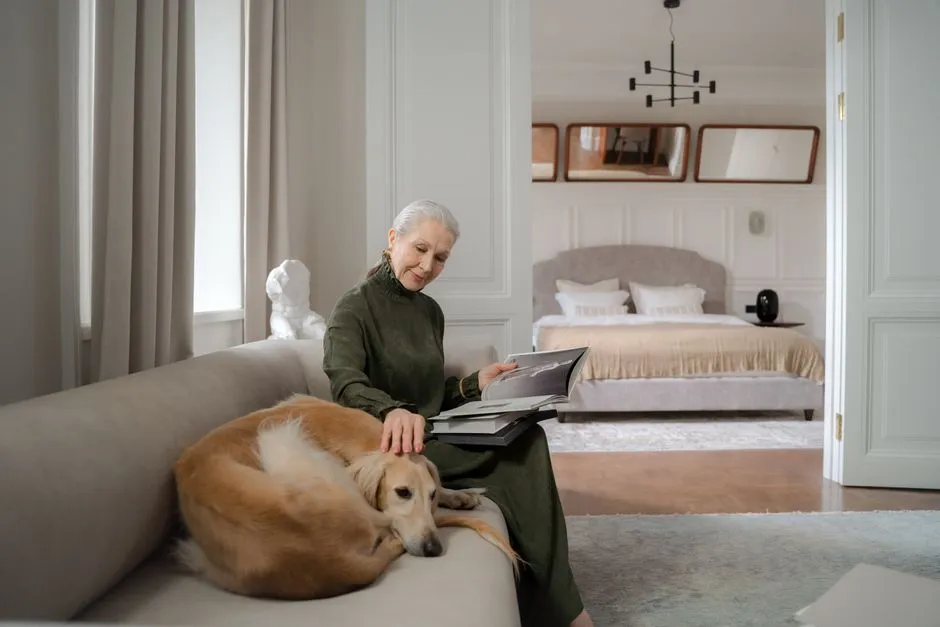
Senior dogs often get surprisingly picky about where they rest. A dog who used to camp out in the loudest part of the house – kitchen chaos, TV noise and all – may start slipping off to a spare bedroom, a hallway corner, or a crate with the door left open.
This isn’t about disliking you. It’s sensory overload. Aging brains and changing hearing can turn clattering dishes and loud laughter into too much noise to process.
They’ll still wander over to say hi, then quietly retreat – like an elder who steps away from the party table for some air.
Some owners take this personally, worried their dog has “gone distant.” But many hospice vets consider this a healthy sign of self-regulation, not depression.
Your job now is simple: respect the choice. Put a comfortable bed where they naturally gravitate, dim the lights in that space at night, and let the naps happen undisturbed.
#12 – Their Appetite Turns From “Everything” to “Only If It’s Worth It”
Most people panic the second an old dog skips a meal. Appetite changes matter, but context matters more.
In the late senior years, many dogs shift from hoovering every kibble to picking only the most tempting bites and walking away from the rest. This “selective appetite” can simply mean the body is slowing its demand for fuel.
They may respond better to warmed food, softer textures, or hand-feeding from someone familiar. When a dog that once inhaled dry food will only eat boiled chicken or a spoonful of wet food, it’s usually not about spoiling them – it’s about staying comfortable. Nausea from medication or organ changes can play a role too.
Here’s the hard truth: a sudden refusal to eat can be an emergency. But a gradual pattern of eating less, more slowly, and more selectively in a very old dog can be a sign they’re gently stepping back from the physical world.
The goal quietly shifts from “get the calories in at all costs” to “make every bite pleasant and pressure-free.”
Fast Facts
- Selective eating in senior dogs often reflects lower calorie needs, not necessarily illness.
- Warming food releases more aroma, which can help entice a dog with a fading sense of smell.
- Nausea from medication or organ decline can suppress appetite even when a dog otherwise seems comfortable.
- A total refusal to eat for more than 24 hours is different from selective eating and deserves a prompt vet call.
#11 – They Sleep Like It’s Their Full-Time Job
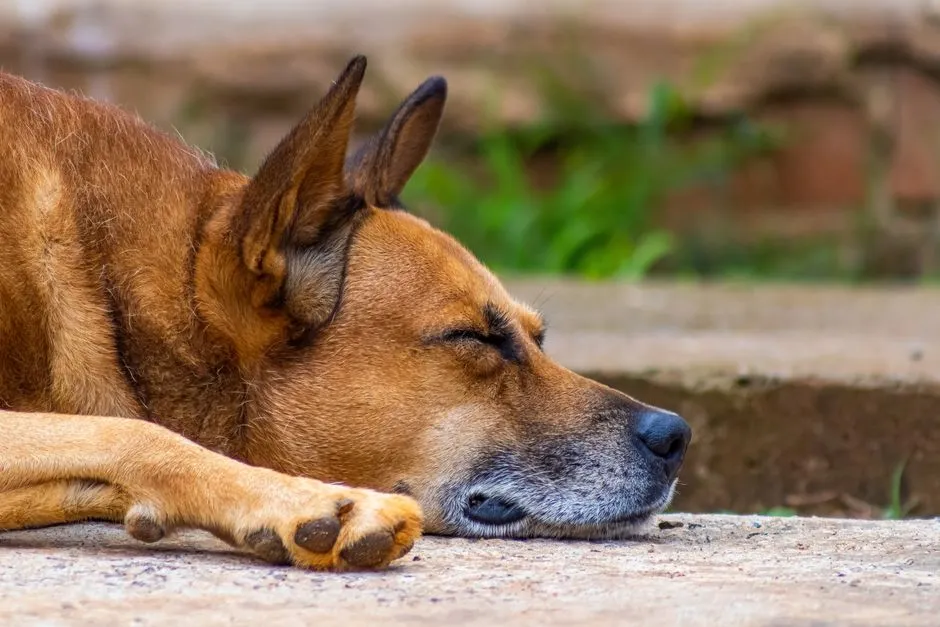
Yes, seniors sleep more. But near the end, the quality and pattern of that sleep change too.
A dog nearing its last chapter may sleep 18 to 20 hours a day, with deeper, harder-to-rouse naps. You’ll notice long stretches where they’re truly gone – no ear flick for dropped keys, no head lift when the fridge opens.
Some dogs start dreaming more visibly – paddling paws, soft whines, twitching tails – as if their inner life has gotten busier than their outer one. Waking up looks slower too, with a few foggy seconds before they recognize you and their surroundings.
Many guardians keep trying to get them up and moving all day, afraid that letting them rest means giving in. Hospice professionals quietly say the opposite: long, undisturbed sleep can be the body’s way of easing pain and protecting fading systems.
Comfort now means soft bedding, stable temperatures, and resisting the urge to force alertness just to soothe your own guilt.
#10 – Walks Turn Into Gentle Rituals, Not Cardio Sessions
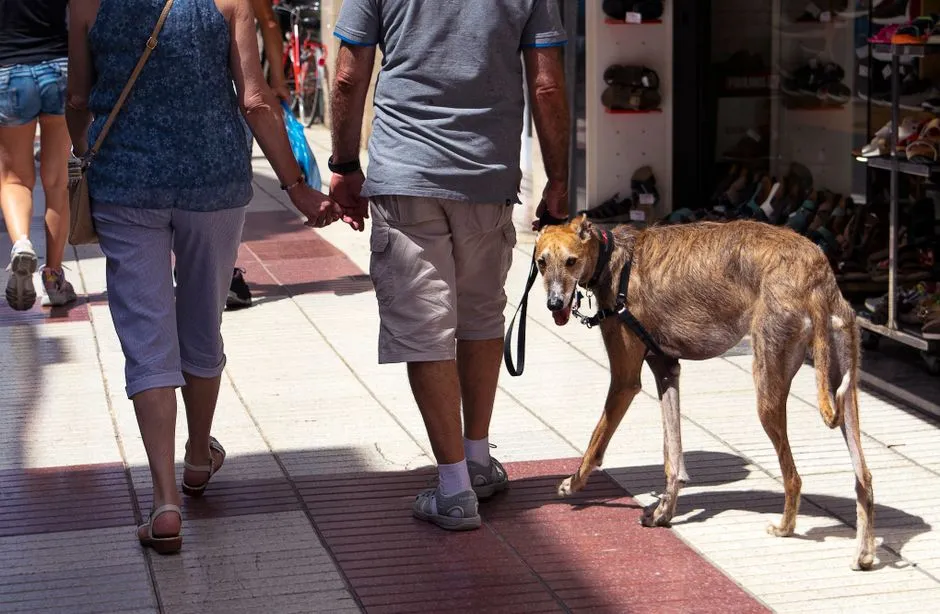
At a certain point, the daily walk stops being exercise and becomes ceremony. Instead of charging down the block, a dog in this chapter may shuffle to the corner, sniff the same patch of grass for a long time, and then want to go home.
They might sit in the yard instead of powering through the neighborhood, watching the world rather than moving through it. The leash becomes less about distance and more about fresh air, sunshine, and the simple joy of smelling who’s been around.
That’s not giving up. That’s a shift from output to enjoyment.
Some people stubbornly drag their dog for “at least 30 minutes” because that used to be the rule. But senior-care experts argue forcing distance at this stage is one of the most common mistakes owners make.
The dog is telling you, plainly, “I want the experience, not the workout.” Shorter, slower, more meaningful walks – maybe even just to the porch – become exactly right for a body winding down.
#9 – Sudden Clinginess… or a Calm, Quiet Distance
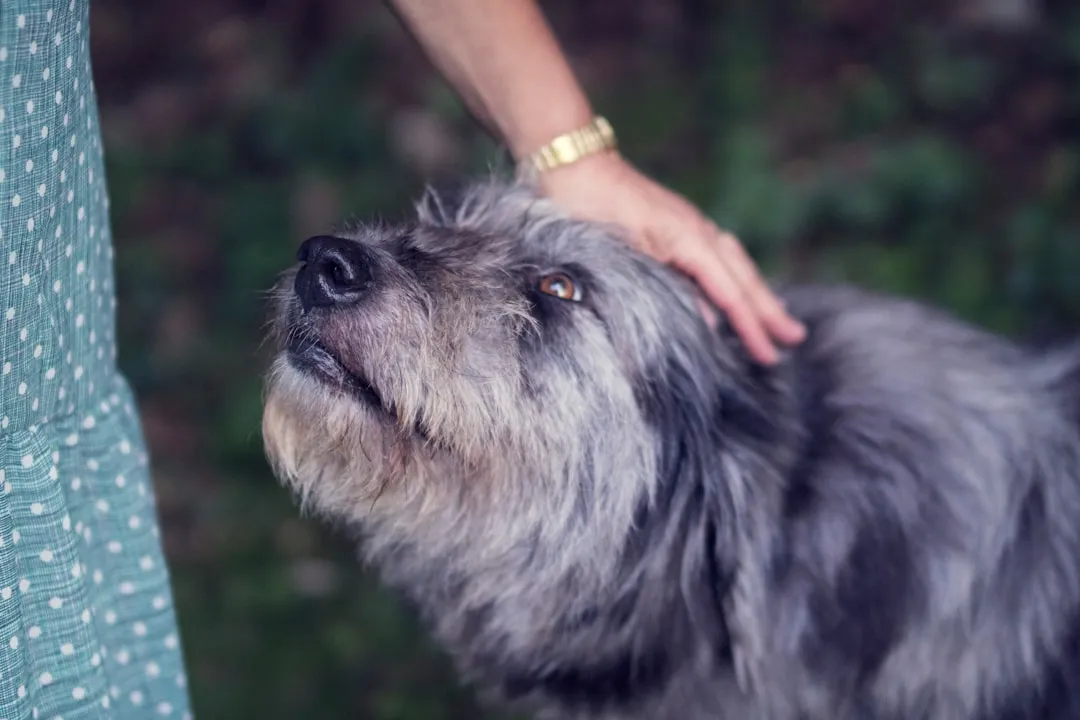
Attachment patterns at the end can swing in two opposite directions, and both can be completely normal.
Some senior dogs become velcro overnight – following their person from room to room, panicking if a door closes, only settling once they can feel you nearby. This can be a mix of cognitive changes, fading vision or hearing, and a simple awareness that their world has gotten smaller, and you are the safest part of it.
Others go the opposite way, becoming calmly, almost regally independent – choosing a favorite bed and staying put, content but no longer inclined to be underfoot.
People argue about which one means suffering. Hospice vets look past the behavior itself and focus on emotional tone: does the dog seem panicked, or peacefully attached? Do they relax once they reach you, or stay restless?
A dog that melts into relaxation next to you – even if needier than before – may simply be choosing comfort as it lets go of its old bravado.
Quick Compare
- Clingy pattern: follows you room to room, may panic if a door closes, settles only when near you.
- Distant pattern: picks one favorite spot, seems content alone, no longer seeks constant contact.
- Shared healthy sign: calm relaxation once close to you, in either pattern, points to comfort-seeking rather than distress.
- Watch for: restlessness or pacing in either pattern, which can signal pain or anxiety worth a vet visit.
#8 – They Stop “Faking It” Around Strangers and Noise
For years, many dogs perform. They perk up for visitors, force themselves to stand when the doorbell rings, and play host even when they’re sore.
Near the final chapter, that performance drops. Guests arrive and your dog barely lifts its head, or chooses not to come out at all. Fireworks, loud cars, and barking neighbor dogs stop getting much of a reaction.
Instead of scanning the environment for everything happening around them, they keep their focus small: their bed, their people, their food bowl.
This isn’t always a cognitive problem. Sometimes it’s emotional editing – they stop spending energy on things that don’t matter anymore.
Some families see this as giving up on life. Others, especially those who’ve walked this road more than once, recognize it as a kind of quiet wisdom: investing their last attention in the few things that still feel safe, instead of pretending every stimulus deserves a reaction.
#7 – House-Training Slips, But Their Shame Tells a Bigger Story

This is one of the hardest changes to witness, and one of the most misinterpreted.
A senior dog who’s been perfectly house-trained for a decade may suddenly leak urine in their sleep, forget to signal at the door, or have an accident on the way outside. Physically, this can come from weak sphincter muscles, spinal issues, or reduced sensation.
But emotionally, what matters most is their reaction. Many dogs look visibly ashamed – avoiding eye contact, slinking away, trying to lick up the mess themselves. That’s not a “bad dog.” That’s a dog realizing their body no longer obeys the way it used to.
Harsh scolding at this stage isn’t just unfair, it’s cruel. Hospice-savvy owners quietly shift from discipline to dignity:
- Waterproof pads under favorite beds.
- Easier access to the yard, ramps instead of stairs.
When a dog seems relieved that you clean up without anger, that’s a bond deepening in the face of decline – not a household failing.
#6 – Grooming Battles Fade Into “Whatever Keeps Them Comfortable”
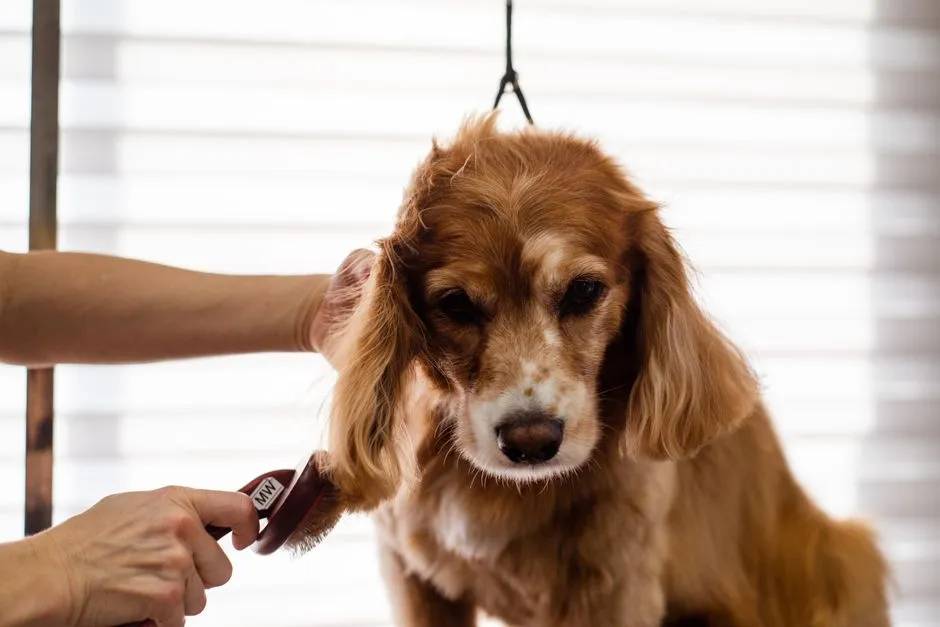
There’s a moment when aesthetic grooming stops mattering and comfort grooming takes over.
Dogs who once visited the groomer every six weeks for a perfect trim may now find the whole process too exhausting. Owners start noticing a full bath, blow-dry, nail trim, and clip leaves their senior wiped out for a day or more, panting or trembling afterward.
At this stage, many vets and behaviorists quietly advise scaling way back. Clean, trimmed, and safe is enough; show-ready is no longer the goal. Home sponge baths, paw wipes, and just-the-essentials nail trims often replace the full salon visit.
This is controversial – plenty of people insist on “keeping them looking their best” right to the end. But a senior dog making peace with its last chapter doesn’t care about perfect fur symmetry.
They care about not slipping on overlong nails, not having painful mats pulling at thin skin, and not being cold and damp after a long bath. Comfort becomes the new definition of well-groomed.
#5 – Pain Management Becomes More Important Than “Fixing” Things
Somewhere along the timeline, the goal quietly shifts from cure to comfort.
Look back far enough and you’ll probably find years of X-rays, joint supplements, dental cleanings, maybe even surgeries. Then one day, your vet starts talking less about big interventions and more about keeping pain scores low – even if that means more medication and fewer procedures.
Regular pain meds, joint injections, laser therapy, soft bedding, and ramps start to matter more than chasing perfect lab numbers. The dog’s behavior backs this up: they move more easily after pain meds, settle better at night, and seem more like themselves even if the underlying disease hasn’t changed.
Some people fight this stage, insisting on “one more surgery” or “one more treatment,” even when the risks are high and the benefits are small. Many senior-care experts argue the bravest choice is sometimes to stop waging war on every diagnosis and instead defend your dog’s comfort like it’s sacred.
When your old dog visibly relaxes on a day built around pain control instead of appointments, that’s your sign they’re ready for gentler priorities.
At a Glance
- Pain scores are increasingly tracked as closely as lab results in senior-dog care plans.
- Common comfort tools include joint injections, laser therapy, orthopedic bedding, and ramps.
- Surgery risk-versus-benefit gets weighed differently once a dog is in its final chapter.
- Easier movement and better sleep after pain control often confirm the plan is working, even without curing the underlying disease.
#4 – Their World Shrinks to a Few Deeply Loved Rituals
Dogs in their final gentle chapter often trade novelty for ritual. They may stop caring about new toys, new routes, or new people, but light up for the same few things every single day: the 8 a.m. treat, the sun spot on the rug, the nightly couch cuddle, the car ride to exactly one quiet park.
If that ritual gets disrupted, they seem more unsettled than they would have years ago. Their emotional anchor points become obvious once you watch for them – a certain blanket, a specific room, a favorite person’s spot in bed.
Some guardians see this as boring. Those who’ve walked multiple dogs through old age recognize it as focus – this is your dog curating its final playlist, keeping only the hits that still feel good and quietly discarding everything else.
Your job now is to protect those rituals fiercely. Don’t skip them, don’t rush them, and don’t underestimate how much comfort they bring when the rest of life has gotten small.
#3 – The “Good Days / Bad Days” Scale Tips More Often
Late in life, it rarely feels like a straight line. It’s more like a wobble.
You’ll have mornings where your dog eats well, moves fairly comfortably, greets you with a tail wag, and even asks for a toy – followed by afternoons where they seem withdrawn, stiff, or flat.
At first, the good days clearly outnumber the bad. Over time, families often notice that balance reversing: more days of discomfort or restlessness than days that feel clearly happy. Many hospice vets actually suggest writing it down, so emotion doesn’t cloud the pattern.
This is one of the most emotionally charged debates in pet care. Some argue you should wait until the very last shred of joy disappears; others believe waiting that long is unfair to the dog.
A more grounded approach: when bad days are frequent and intense enough that they define your dog’s week, it can be a sign they’re ready to stop fighting their body. Recognizing that pattern isn’t betrayal – it’s a final act of protection.
Worth Knowing
- Many vets suggest marking each day “good” or “bad” on a simple calendar or notes app instead of relying on memory alone.
- A “good” day often includes eating, relatively comfortable movement, and interest in surroundings.
- A “bad” day typically means stiffness, withdrawal, or low appetite lasting most of the day.
- Tracking over two to four weeks tends to reveal patterns that day-to-day emotion can easily obscure.
#2 – They Give You “That Look” More Often (and It’s Not Your Imagination)

Many longtime dog people swear there’s a specific look seniors give near the end, and they’re not all being sentimental.
It’s rarely dramatic. Often it shows up in quiet moments: your dog lifts their head from the bed, catches your eyes, and just holds the gaze longer than usual – soft and steady, with a relaxed mouth and a slow blink. There’s no obvious request in it. No hunger, no need to go out, no toy nearby.
Owners describe it as if the dog is checking in, memorizing, or even seeking permission. Behaviorists would probably say we’re projecting. But if you’ve seen it, you know how different it feels from an ordinary glance.
Is it scientifically measurable? Not really. But the sheer consistency of these reports, from people who’ve loved many dogs across many years, adds up to a pattern that’s hard to dismiss.
When that look starts showing up more often, paired with the physical signs, it’s reasonable to consider that your dog is peacefully acknowledging the end of the story you’ve written together.
#1 – They Seem Strangely Peaceful, Even as Their Body Fails

The most powerful sign rarely shows up on X-rays or bloodwork: an overall sense of peace.
You might notice that, despite obvious weakness, arthritis, organ disease, or cognitive quirks, your dog spends more time simply resting with a soft, calm expression – not fighting every limitation anymore. They let you carry them up the stairs without protest, accept help getting into the car, and lie quietly during vet visits that once caused panic.
They may no longer chase anything, but they still lean into your touch, sigh contentedly when you lie beside them, and settle quickly at night with you nearby. The drama fades, even as the body is clearly winding down.
This is the stage where many guardians, if they’re honest, feel their dog has already mentally let go of the old life and is simply savoring what’s left of it.
When physical struggle is high but emotional distress is low – when they seem ready, even if you are not – that’s often the clearest sign they’ve made peace with their last gentle chapter. Your final responsibility is to honor that peace, not prolong suffering because you can’t bear goodbye.
The Bottom Line
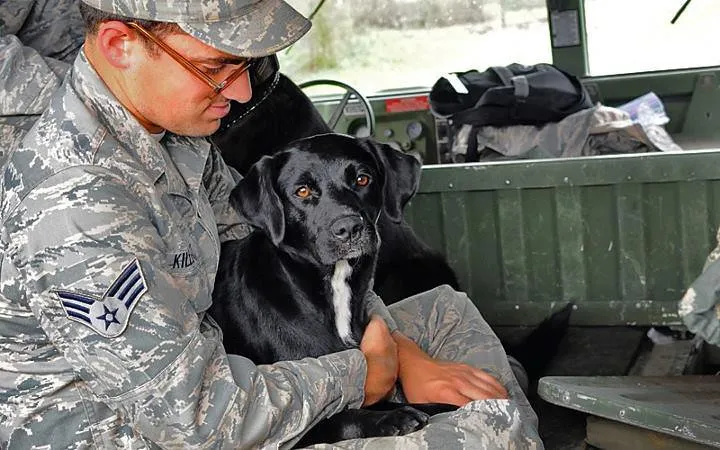
Senior dogs almost never just get old and die overnight. They send a dozen quiet, specific signals that their priorities have shifted from adventure to comfort, from performance to presence.
The real mistake isn’t missing one sign. It’s stubbornly insisting they live like a three-year-old when their body is clearly writing a softer ending.
Pain control over procedures. Rituals over novelty. Short sniff walks over long hikes. Dignity over discipline. None of that is you giving up – it’s you finally matching your care to their reality.
Some people will always argue you should fight for every last hour, no matter the cost. Others believe love sometimes means choosing a kinder, earlier goodbye. Where you land on that is deeply personal, and no stranger on the internet gets to decide it for you.
What matters most is this: were you paying attention when your dog was quietly telling you it was ready? Did we miss a sign you’ve seen in your own senior dog? Tell us in the comments – another dog owner reading this might need to hear it.
