
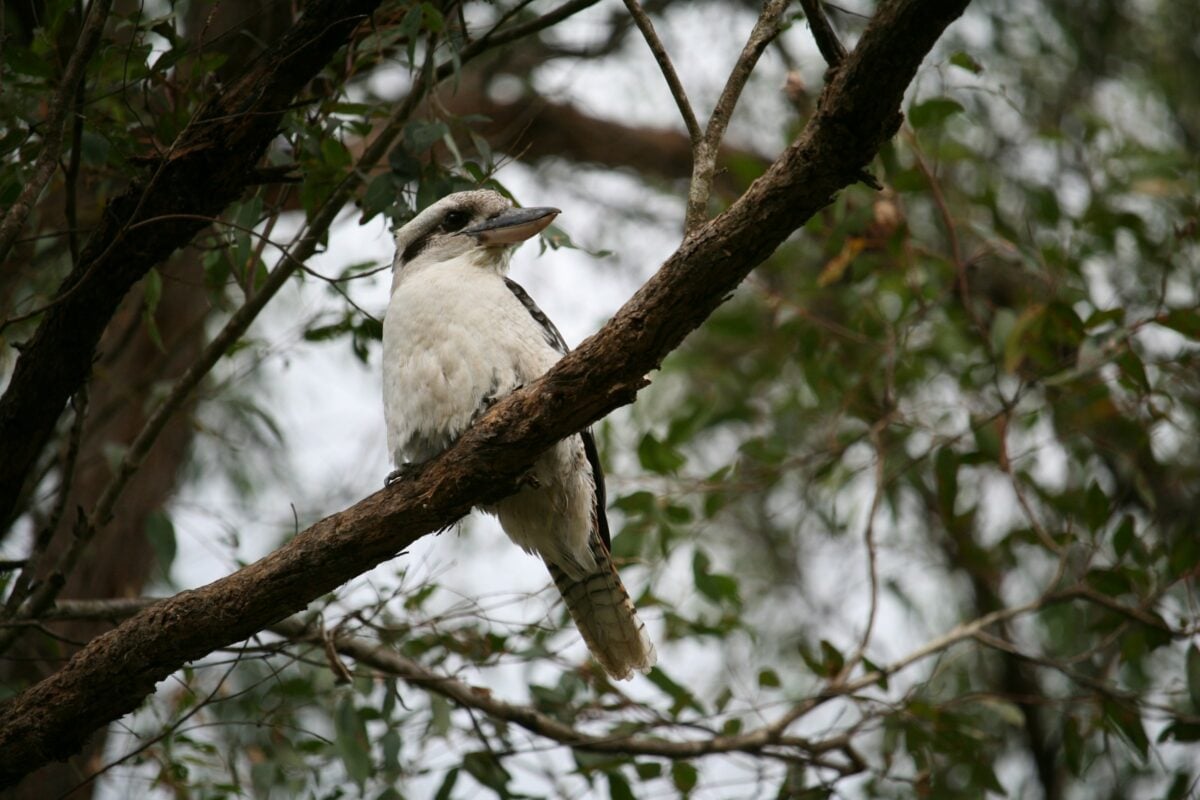
Have you ever found yourself pausing to watch a bird’s intricate dance or marveling at the delicate patterns on a butterfly’s wings? If so, you might be an accidental naturalist. Without realizing it, your backyard adventures could be nurturing a deep connection with the natural world. Here are 14 signs that your outdoor space has transformed you into a keen observer of nature.
You Recognize Individual Birds by Their Songs
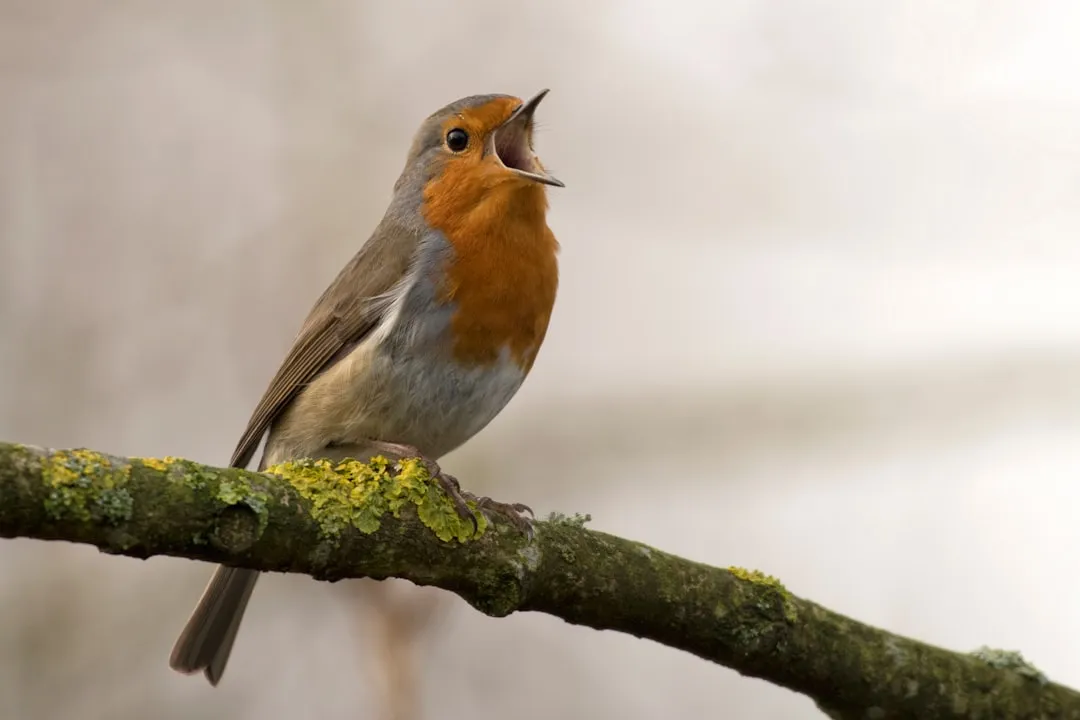
One day, you notice a particular melody and realize it’s the same bird that visits every morning. Over time, you’ve learned to distinguish the cheerful chirps of a robin from the melodic whistles of a cardinal. This newfound ability to identify birds by their songs indicates a heightened awareness of your avian neighbors.
Your mornings are now filled with familiar tunes, and you find comfort in recognizing these feathered friends. This attentiveness to bird calls is a hallmark of a naturalist’s keen observation skills.
You’ve Started Naming the Squirrels
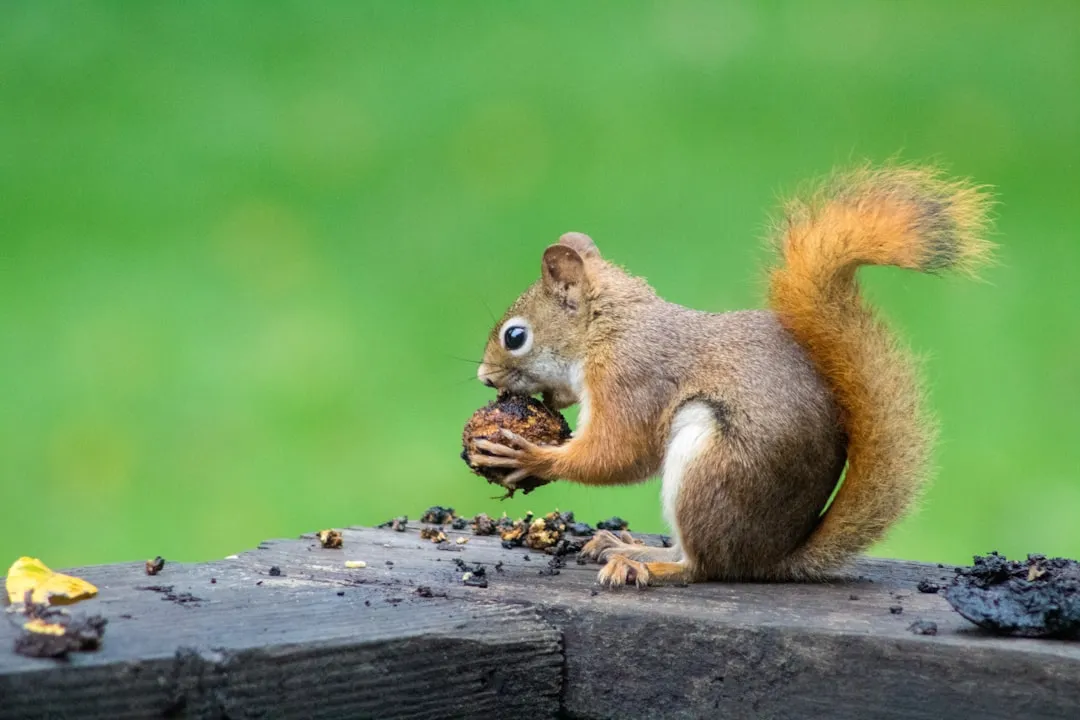
The once indistinguishable squirrels have become unique characters in your backyard narrative. Perhaps there’s one with a bushier tail or a daring acrobat who leaps between branches with ease. Assigning names like “Bushy” or “Daredevil” shows you’re paying close attention to their behaviors and personalities.
This personal connection reflects a deeper appreciation for the wildlife sharing your space. Observing their daily routines and interactions has become a source of entertainment and learning.
Your Garden Includes Native Plants to Attract Pollinators
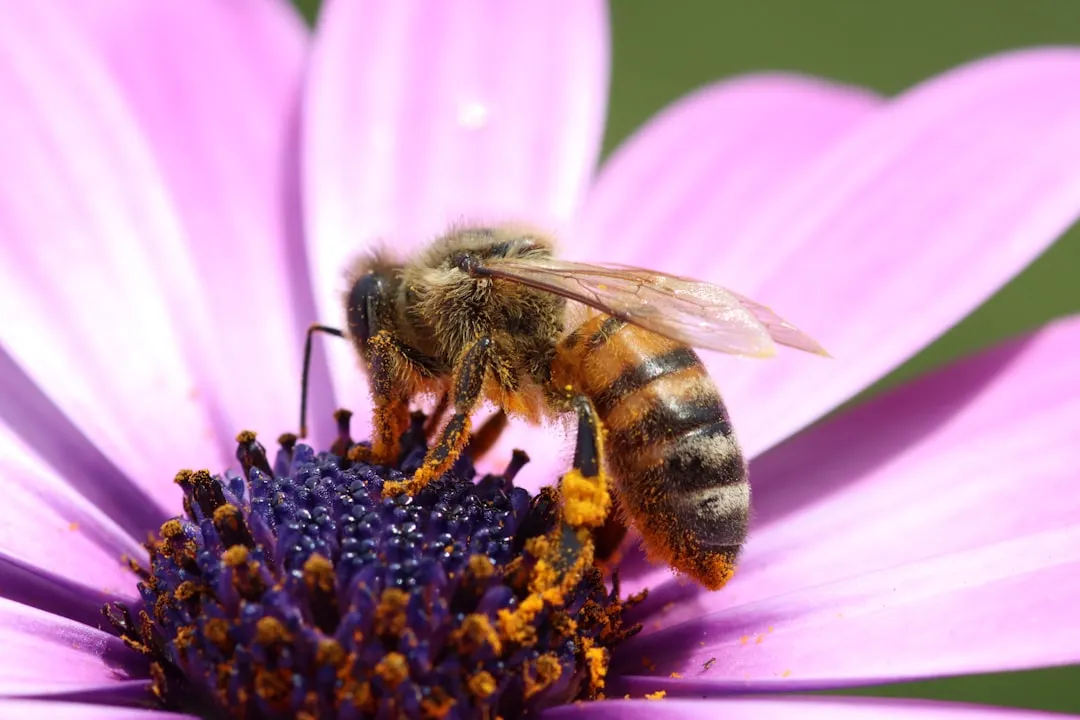
In an effort to support local ecosystems, you’ve incorporated native plants into your garden. These choices not only thrive in your region but also attract essential pollinators like bees and butterflies. Watching these creatures flit from flower to flower brings a sense of fulfillment.
By selecting plants that benefit local wildlife, you’re actively participating in conservation efforts. This intentional gardening approach is a clear sign of your growing naturalist tendencies.
You Keep a Journal of Backyard Wildlife Sightings
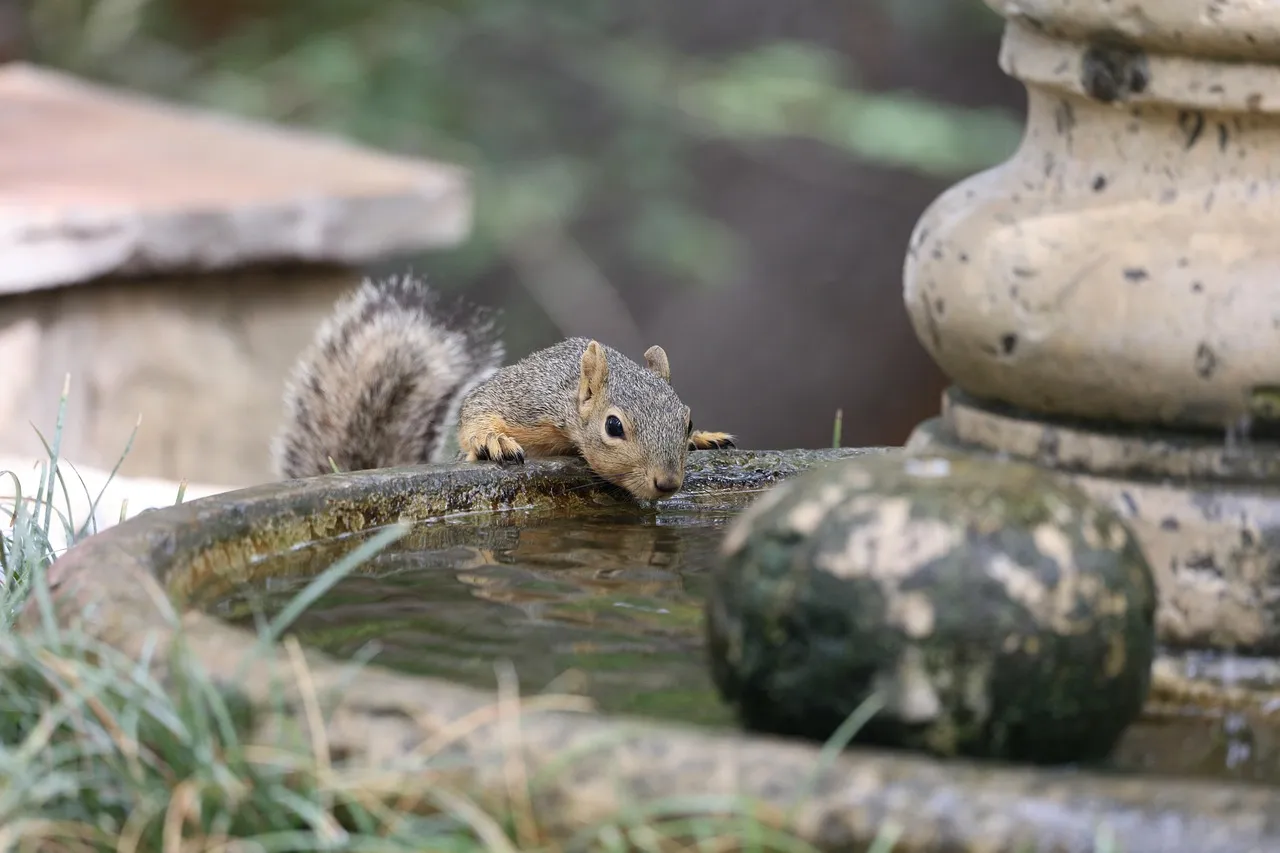
A simple notebook sits by your window, filled with notes about the creatures you’ve observed. From the first robin of spring to the unexpected appearance of a fox, each entry captures a moment in your backyard’s dynamic ecosystem.
Documenting these sightings not only enhances your observational skills but also creates a personal record of nature’s rhythms. This practice mirrors the habits of seasoned naturalists who cherish detailed field notes.
You’ve Installed a Bird Feeder and Monitor Its Visitors
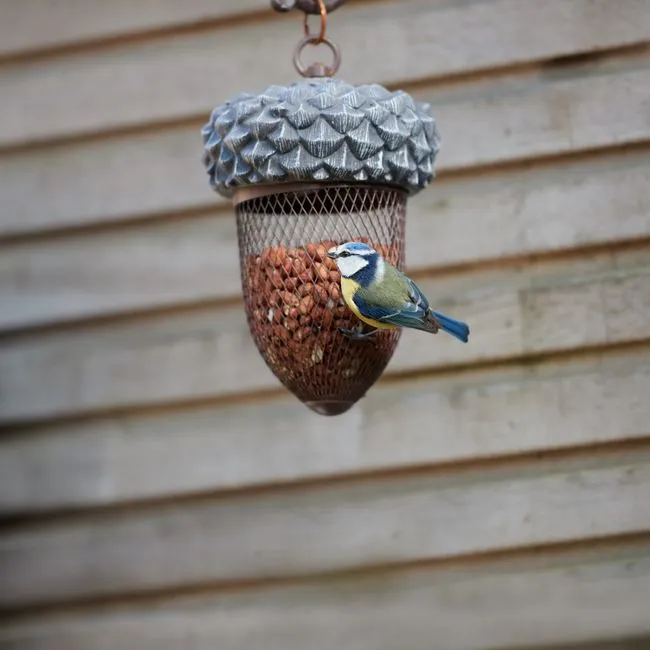
The addition of a bird feeder has transformed your backyard into a bustling avian café. You find joy in identifying the various species that stop by for a snack, noting their preferences and behaviors.
This active engagement with local bird populations demonstrates a commitment to understanding and supporting wildlife. Your feeder has become a focal point for daily observations and learning.
You’re Fascinated by Insect Behavior
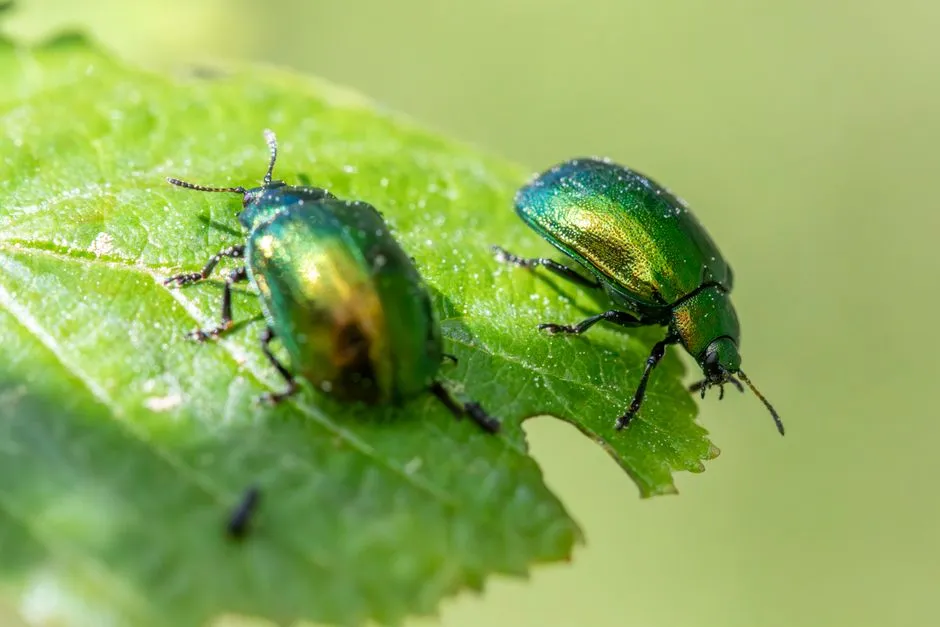
What was once dismissed as mere bugs have now become subjects of intrigue. You watch as ants form intricate trails, bees perform their waggle dances, and spiders weave elaborate webs. Each insect’s behavior offers a glimpse into the complexity of nature.
This curiosity about the smallest inhabitants of your backyard signifies a deepening appreciation for biodiversity. Your interest aligns with the naturalist’s pursuit of understanding all forms of life.
You Notice Seasonal Changes in Plant Life
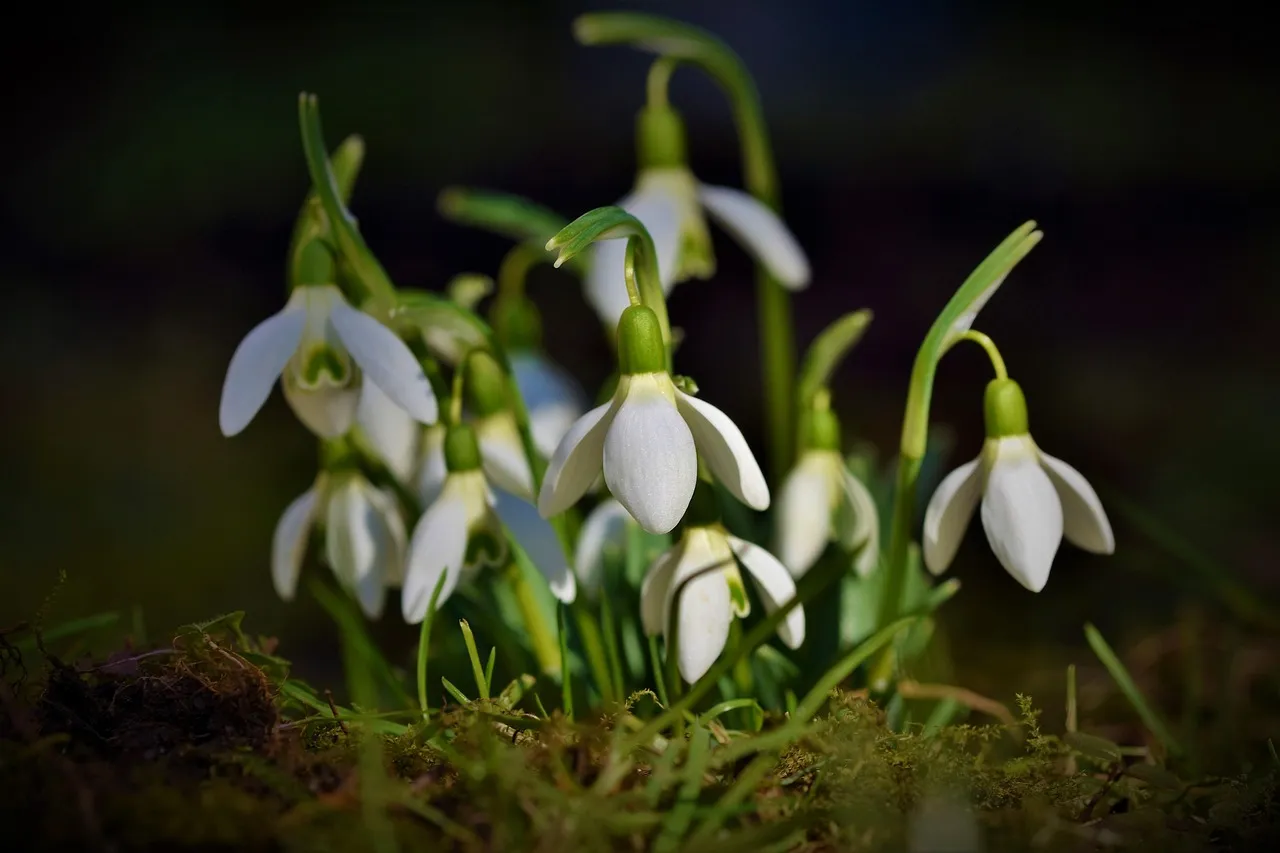
The subtle shifts in your garden don’t go unnoticed. You observe the first buds of spring, the lush growth of summer, the vibrant hues of autumn, and the dormancy of winter. Each season brings a new chapter in your backyard’s story.
This awareness of phenology – the study of seasonal natural phenomena – reflects a naturalist’s attunement to the environment. Recognizing these patterns enhances your connection to the natural world.
You’ve Created Habitats for Local Wildlife
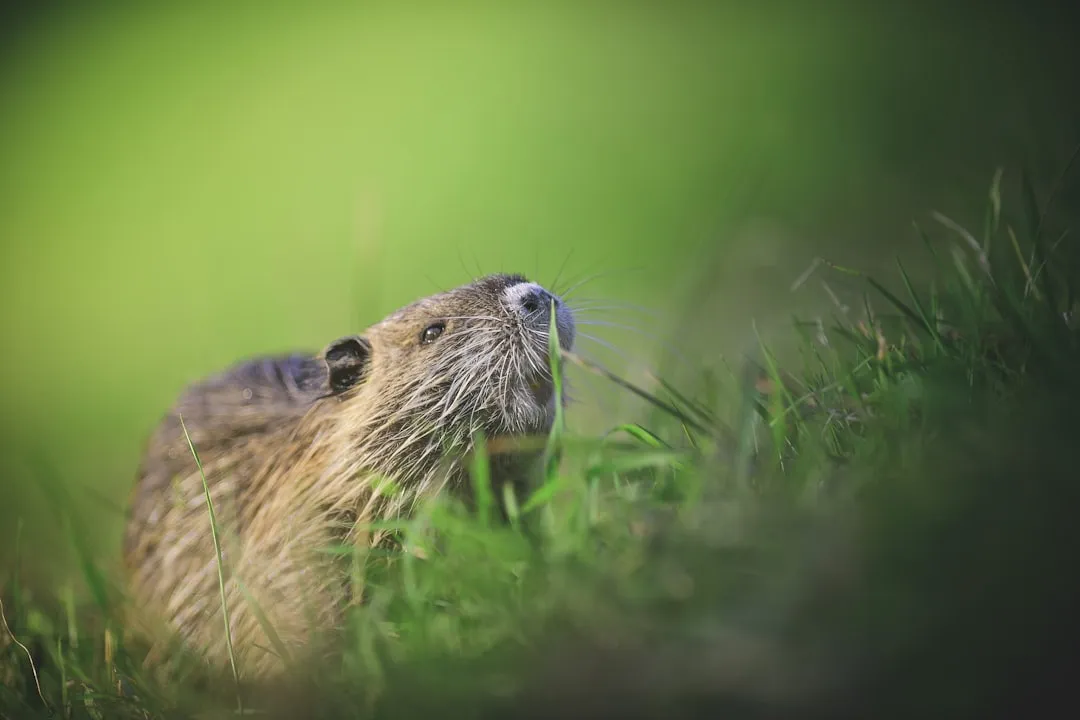
Beyond planting flowers, you’ve added features like a small pond, brush piles, or nesting boxes to provide shelter for various creatures. These additions have invited frogs, birds, and beneficial insects to make your backyard their home.
By designing spaces that cater to wildlife needs, you’re actively contributing to local biodiversity. This stewardship is a hallmark of a dedicated naturalist.
You Participate in Citizen Science Projects

Your observations have extended beyond personal interest to contributing to larger scientific efforts. Whether it’s reporting bird sightings to a national database or monitoring butterfly populations, you’re engaged in citizen science.
This involvement not only aids researchers but also deepens your understanding of ecological patterns. Your backyard has become a valuable data point in the broader study of nature.
You’ve Developed a Keen Eye for Animal Tracks and Signs
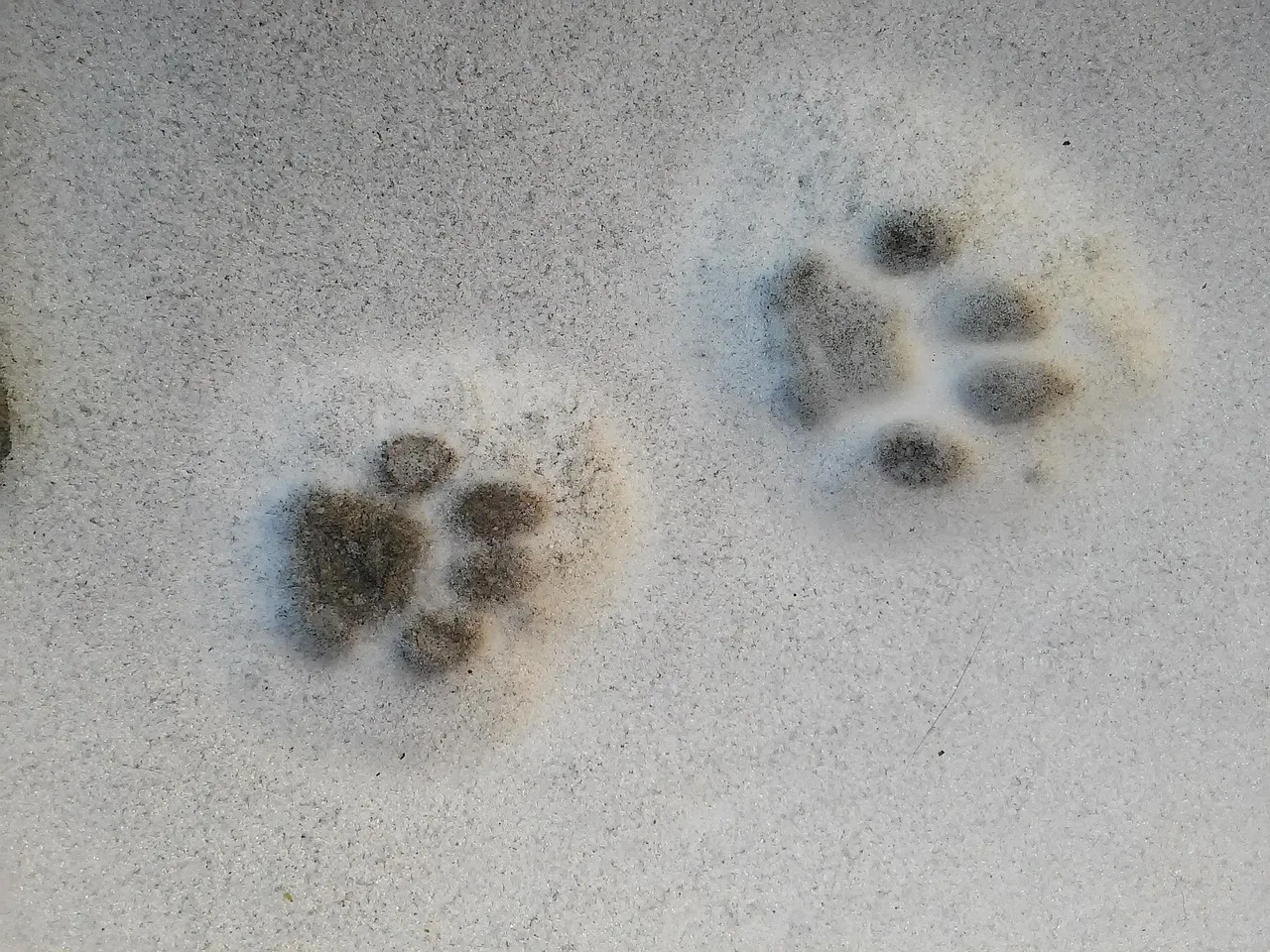
A rustle in the bushes or a set of tracks in the mud piques your curiosity. You find yourself identifying the footprints of raccoons, the gnaw marks of rabbits, or the feathers left behind by a hawk’s meal.
This skill in reading the subtle signs of wildlife presence showcases your growing expertise. It’s a testament to your dedication to understanding the unseen activities in your backyard.
You Practice Mindful Observation

Moments of stillness have become part of your routine. Sitting quietly, you absorb the sounds, sights, and smells of your surroundings. This mindfulness allows you to notice details that others might overlook.
Such deliberate observation is a core practice of naturalists. It fosters a deeper connection and appreciation for the intricate web of life in your backyard.
You’ve Researched Local Ecosystems and Species
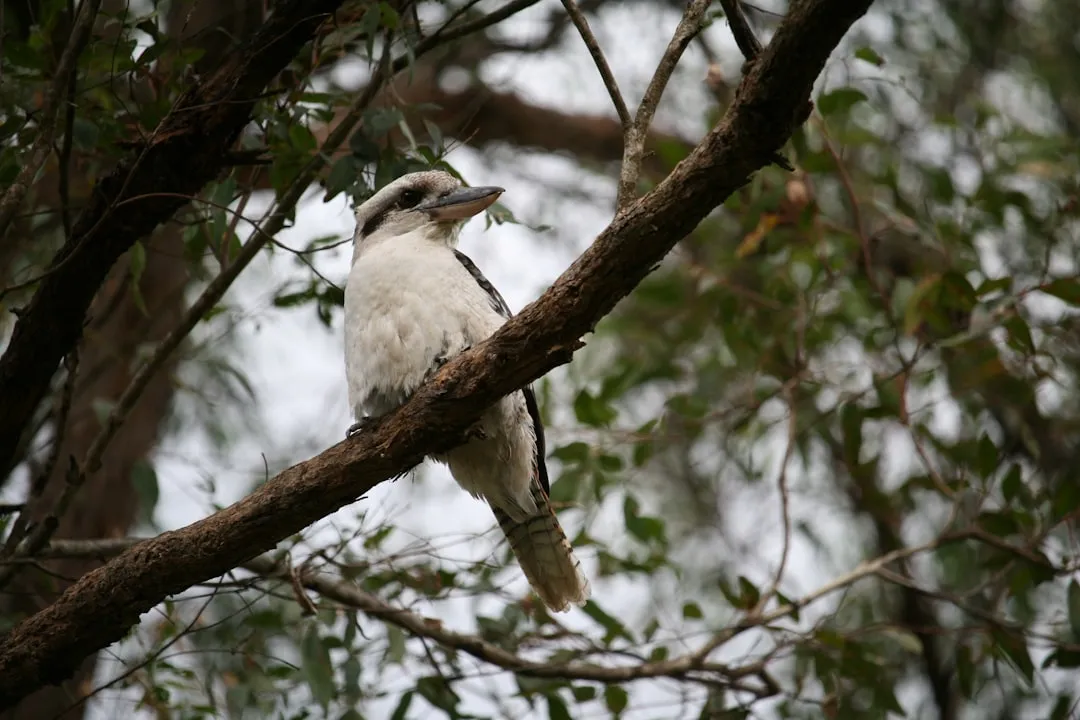
Your curiosity has led you to learn about the native flora and fauna of your region. Understanding the roles each species plays in the ecosystem has enriched your backyard experiences.
This knowledge empowers you to make informed decisions that support local wildlife. It’s a proactive step in embracing the naturalist’s role as both observer and protector.
You Share Your Discoveries with Others

Excited by your findings, you share stories and photos with friends and family. Perhaps you’ve even started a blog or social media account dedicated to your backyard adventures.
By spreading awareness and enthusiasm, you’re inspiring others to connect with nature. This outreach is a vital aspect of the naturalist’s mission to foster appreciation and conservation.
Your Backyard Feels Like a Sanctuary
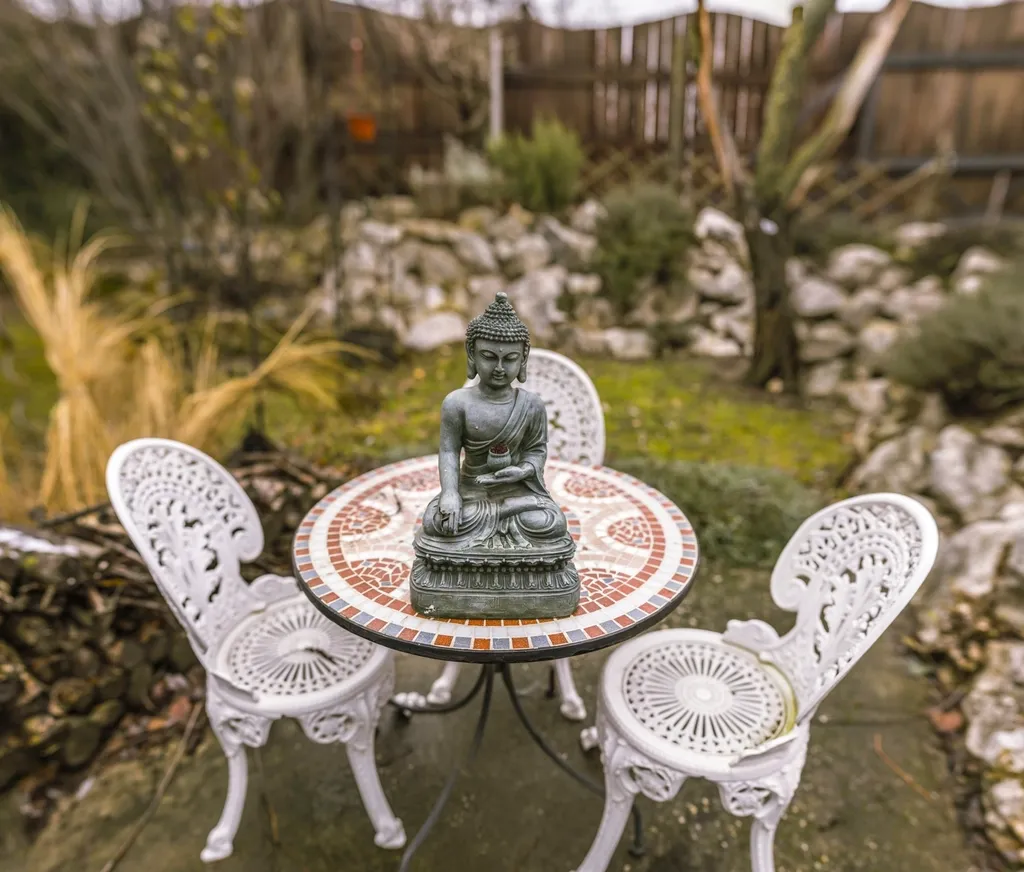
What was once just an outdoor space has become a haven of tranquility and wonder. You find solace and joy in the daily dramas unfolding among the plants and animals.
This deep sense of connection and stewardship is the essence of being a naturalist. Your backyard has transformed into a living classroom, offering endless opportunities for discovery and reflection.
In conclusion, if these signs resonate with you, congratulations – your backyard has indeed turned you into an accidental naturalist. Embracing this role not only enriches your life but also contributes to the broader understanding and preservation of the natural world. So, the next time you step outside, take a moment to observe, appreciate, and continue your journey as a steward of nature. Who knew that a simple backyard could open the door to such profound experiences?

- 14 Signs Your Backyard Has Turned You Into an Accidental Naturalist - July 12, 2026
- 14 Signs Your Backyard Has Turned You Into an Accidental Naturalist - July 12, 2026
- What It Means When Ducks Suddenly Leave a Pond Together - July 12, 2026