
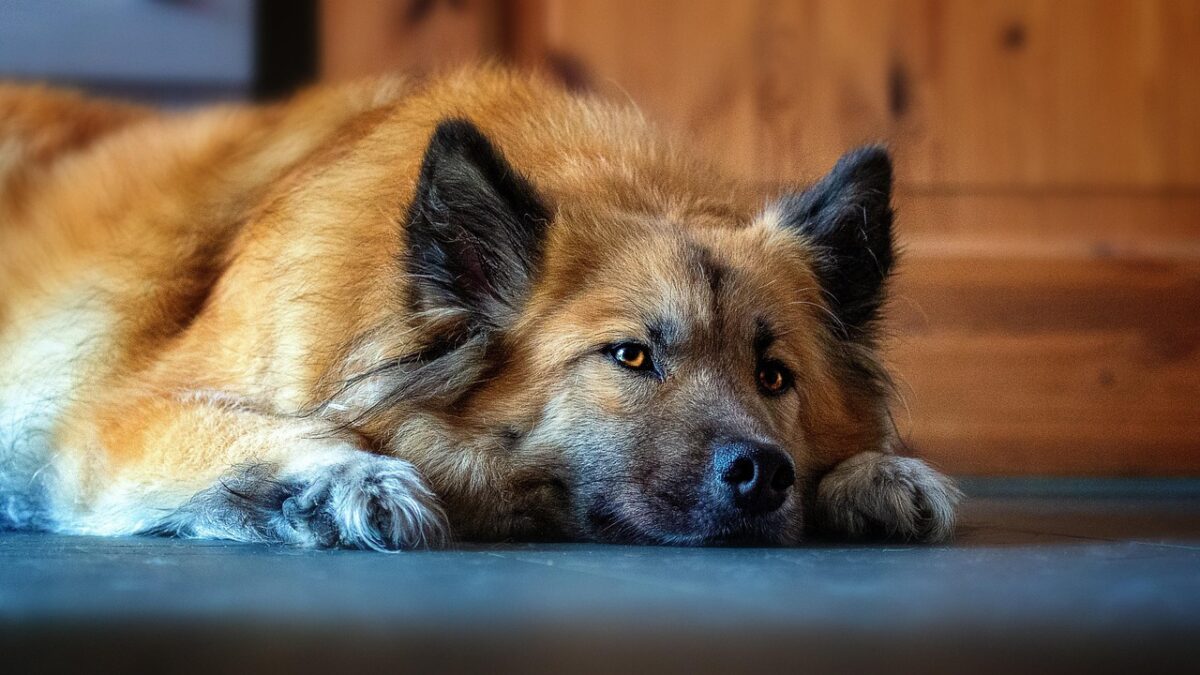
Most of us assume that when a dog starts to decline, they simply pull away and fade. They hide under the bed, stop eating, go quiet. We’ve been told that’s just what happens. But dozens of long-time vets and animal hospice workers describe something completely different – dogs in their final weeks and days actively, deliberately fighting to stay connected to the person they love most. Not giving up. Holding on.
What makes this so heartbreaking is that the signs are real, they’re happening, and most owners don’t recognize them until much later – sometimes only in hindsight, when it’s too late to fully receive them. Every single item on this list is something a dog does on purpose. Once you see it, you can’t unsee it. And if your dog is showing even a few of these right now, what comes next will matter more than you know.
At a Glance
- End-of-life decline can begin months before death with subtle changes in weight, coat, and energy.
- The final active stage typically spans days to a few weeks, not just hours.
- Many dogs show connection-seeking behavior even as physical functions decline.
- Veterinarians use quality-of-life tools like the HHHHHMM Scale to guide end-of-life decisions.
- Pet hospice and palliative care are real options – focused on comfort, dignity, and bond preservation.
#1 – The Intentional “Goodbye” Affection Sessions
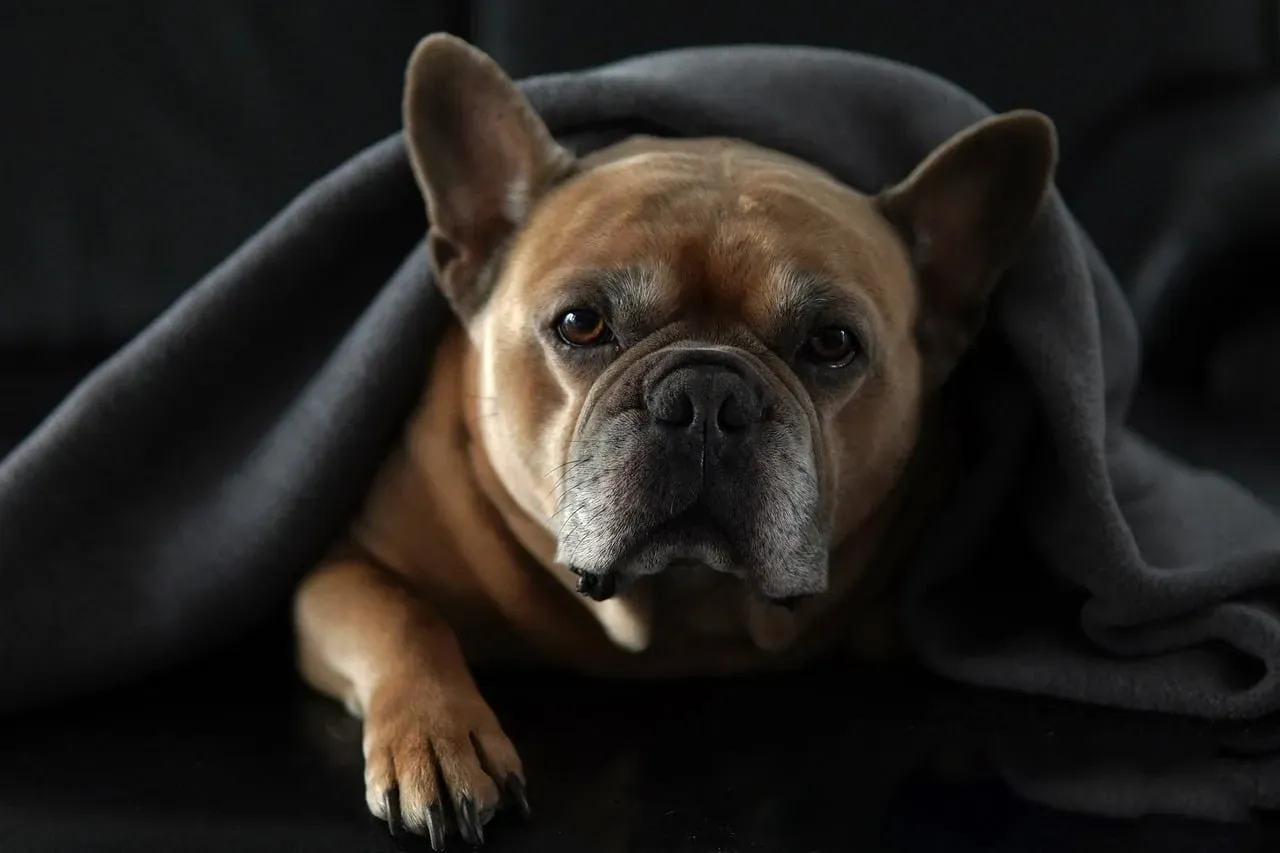
This is the one most owners only understand after the fact, and it’s the reason this list exists. There comes a point – sometimes days before the end, sometimes just hours – when a dog initiates something that feels unmistakably different from their usual affection. A long, pressed-in snuggle. Slow licking of your hands or face. Lying against you so completely it feels like they’re trying to memorize you. It doesn’t look like a dog asking for something. It looks like a dog giving something.
What makes this sign so powerful is the timing. These sessions tend to happen when the dog is at their physical weakest – when standing up costs them something real – and yet they choose closeness anyway. Vets who specialize in end-of-life care say they hear this described constantly by grieving owners: “I didn’t realize that was our last real moment together.” If your dog is pressing into you with unusual intention right now, don’t scroll past it. Be there for all of it.
#2 – Changes in Sleeping Position to Stay Closer Overnight
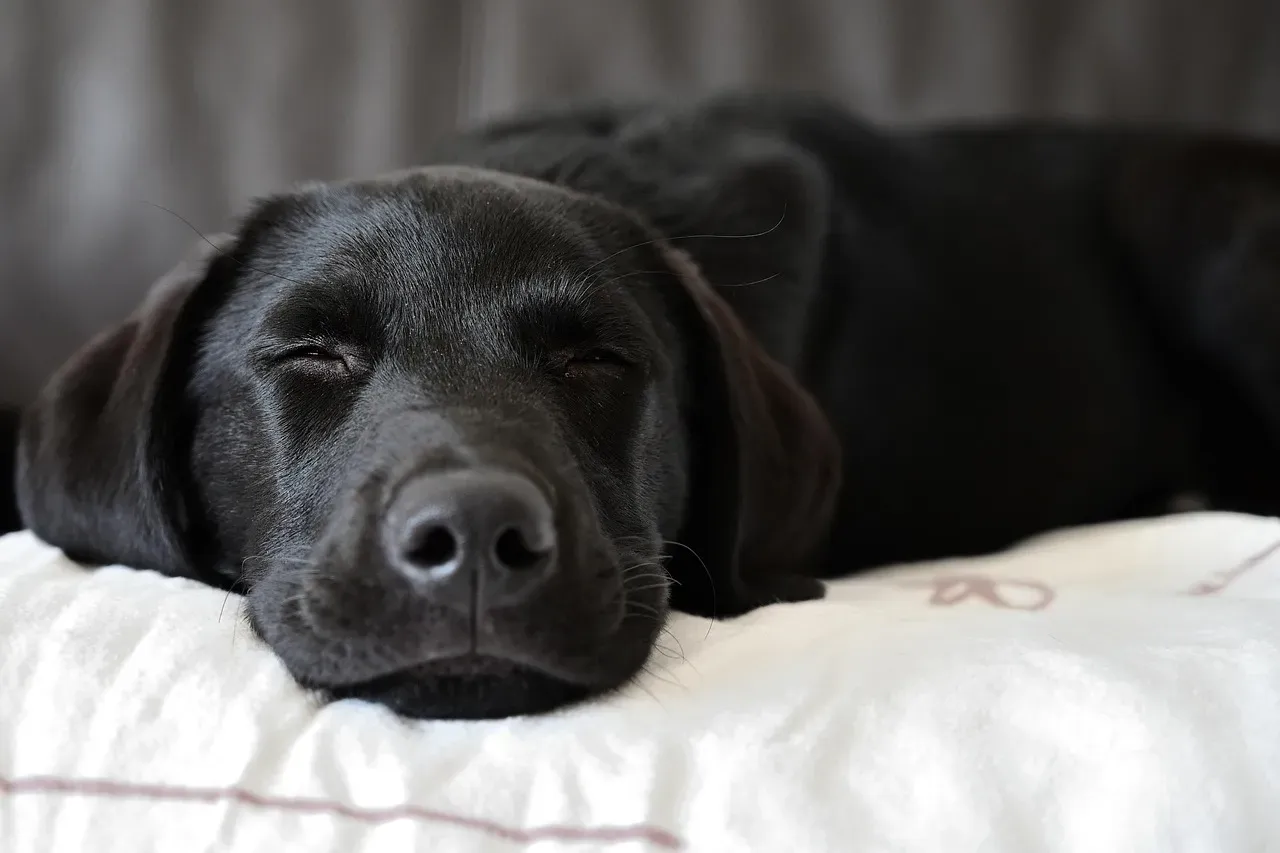
A dog who has slept in their own bed for years suddenly migrates to the floor beside yours. Most owners read this as restlessness, arthritis discomfort, or just a phase. But watch the pattern closely: they’re not moving away from something. They’re moving toward you. They’ll accept a harder floor, an awkward angle, a cold draft – because those things are less painful than the alternative, which is being far from you when the night feels uncertain.
The detail that gives this away is the timing of their return. Many dogs will hold that position through the night and only drift back toward their own space after you’ve woken up and they’ve confirmed you’re still there. They weren’t uncomfortable and wandering. They were standing watch. That distinction is everything.
#3 – Last Bursts of Tail Wags or Small Movements Just for You
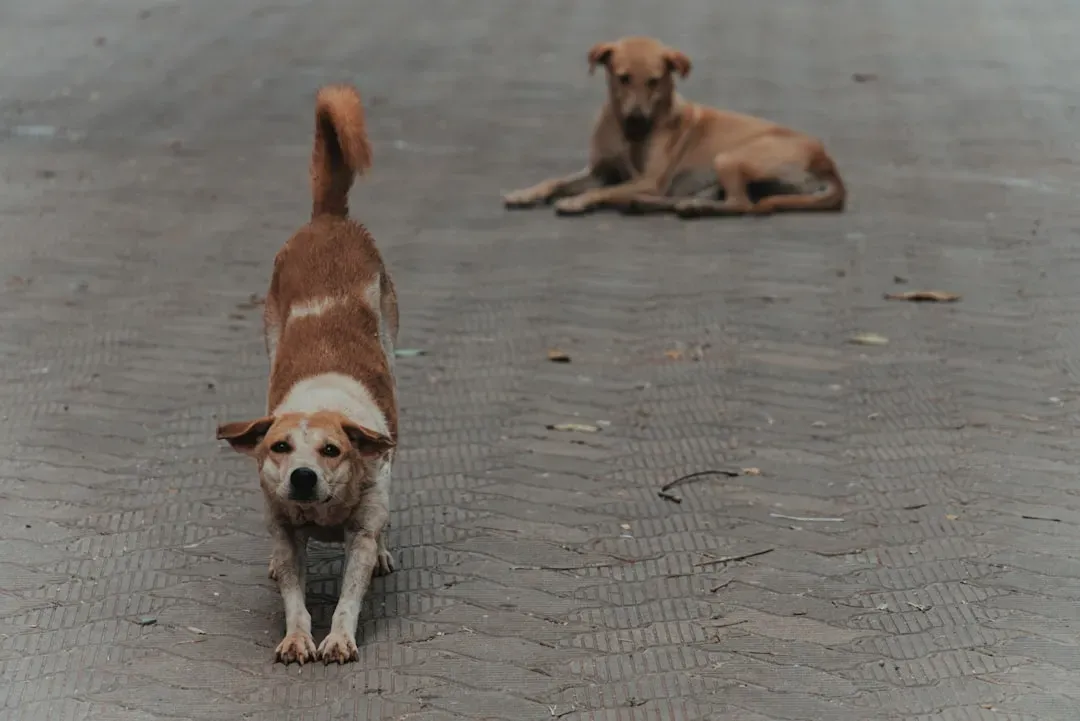
A single, slow tail wag from a dog who can barely lift their head is easy to dismiss as reflexive or accidental. It isn’t. Watch what triggers it – it’s almost always your direct attention, your voice, your face coming close to theirs. Other sounds in the house, other people moving past, the TV, the front door – none of it produces the same response. But you do. Every single time you give them your full attention, something in them rises to meet it.
These small gestures cluster around your presence in a way that can’t be coincidence. One wag, one ear perk, one slow blink – then rest. Then you come back and it happens again. They are spending something to give you that moment. Understand what it costs them, and you’ll understand what it means.
Fast Facts
- A dog’s hearing is one of the last senses to decline – your voice remains recognizable even late in the process.
- Tail wags triggered specifically by an owner’s presence are a selective, intentional response – not a reflex.
- Even dogs with limited mobility retain the neurological capacity for small expressive movements.
- Vets note that eye contact and ear orientation toward a known person persist well into the final stage.
#4 – Seeking Quiet Corners Near Where You Spend Time
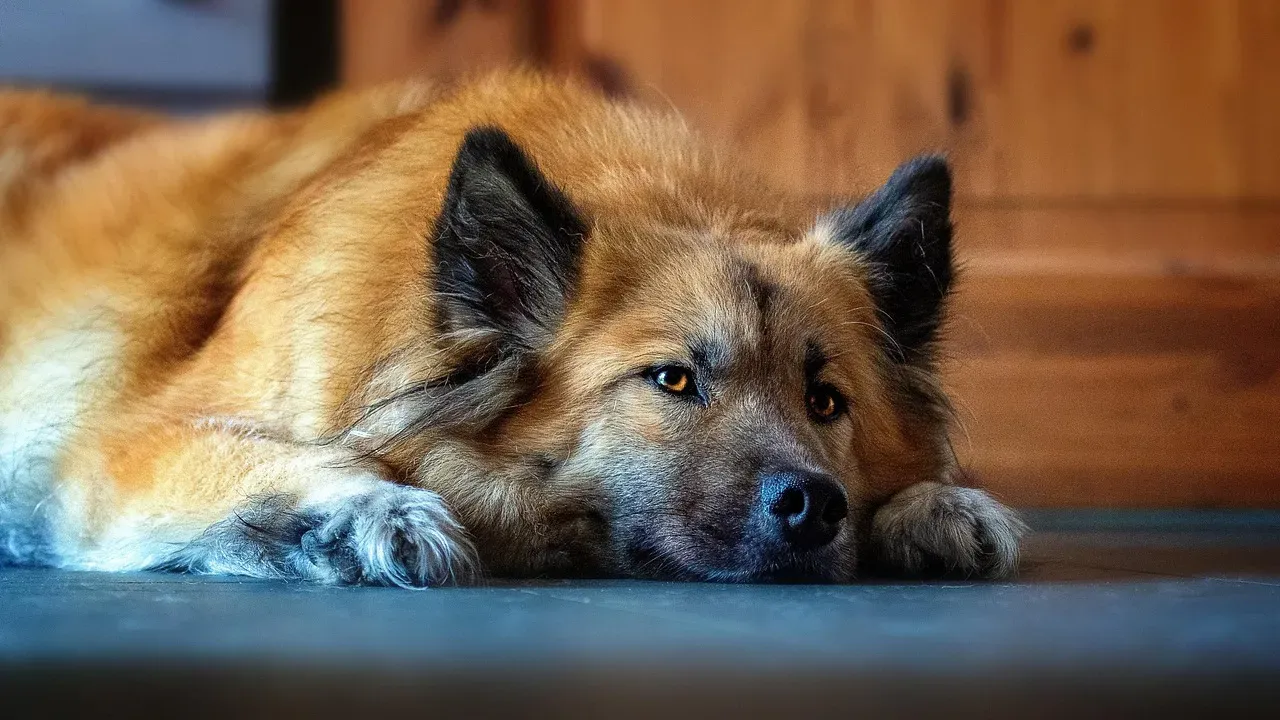
Hiding is real, and it happens. But there’s a version of this sign that gets misread constantly: the dog who retreats to a quiet spot, but always chooses the quiet spot in whatever room you’re in. Not the back bedroom. Not the basement. The corner behind the armchair in the living room where you watch TV. The space beside the kitchen island where you make coffee every morning. They want the quiet. They also want you. They found the compromise.
Pay attention to how they update this choice throughout the day. If you move from the kitchen to the home office, they’ll often relocate too – slowly, deliberately, settling back in near you. That’s not random. That’s a dog who knows exactly where you are and keeps making the choice to be near you, even when moving hurts.
#5 – Unusual Stillness While Remaining Alert to Your Voice
From the outside, this looks like a dog who has checked out. They’re motionless, eyes half-open, barely responding to the world. Owners sometimes panic, thinking the end is closer than it is. But then you say their name – or even just walk in and start talking – and something lights back up. The ears shift. The eyes track you. A breath changes. They were never fully gone. They were resting and listening for you specifically.
What’s remarkable is the selectivity. The mailman, another dog barking outside, a dropped pan in the kitchen – nothing. Your footsteps in the hallway, your voice on a phone call, the sound of your car in the driveway – immediate response. They are conserving everything they have and spending it on you. That is not a dog who has given up. That is a dog who has decided where to put their last reserves.
#6 – Eating Small Amounts Only in Your Presence
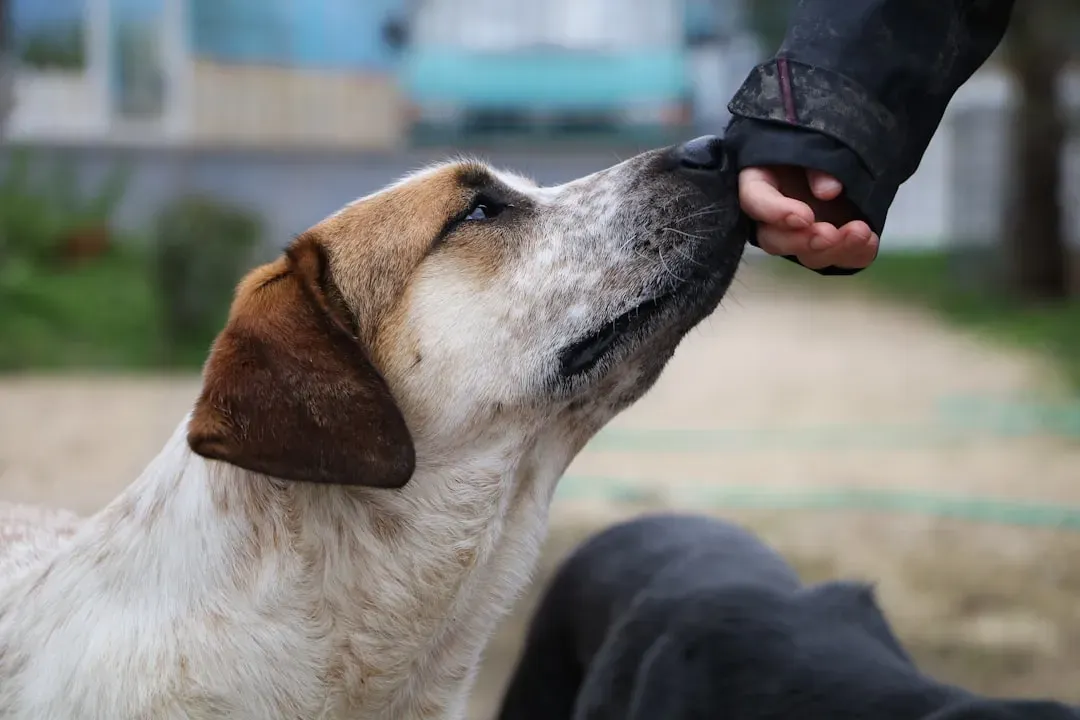
When a dog stops eating, it feels like a door closing. But some dogs at this stage will make a quiet exception – not for the food, but for you. They’ll refuse their bowl when you’re out of the room, ignore it completely when a family member puts it down, and then take a few careful bites when you sit beside them, your hand near the dish, your voice low and encouraging. They’re not eating because they’re hungry. They’re eating because you asked them to, and they still want to give you that.
The owners who catch this sign describe the same thing: food accepted from the hand, never from the bowl alone. A dog pressing their nose against your fingers before taking anything. It’s not about nutrition at that point. It’s about the ritual of sharing a moment with you, one more time, because that ritual means something to them even now.
Worth Knowing
- Loss of appetite in declining dogs is often organ-related, not stubbornness – the digestive system begins to slow.
- Hand-feeding creates direct sensory contact – scent, warmth, and presence – that a bowl simply cannot replicate.
- Vets suggest warm, soft foods with strong aromas as a gentle option when appetite fades.
- A dog accepting food only from a trusted person reflects deep relational trust, not just hunger.
#7 – Resting With Their Head on Your Foot or Lap
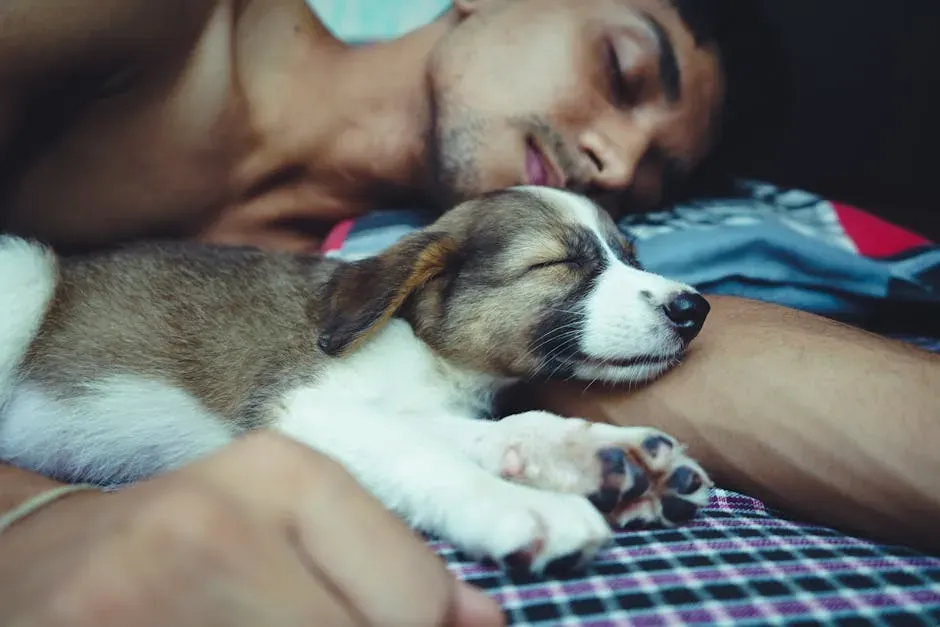
This one looks so ordinary that it slips right past people. But there’s a version of it that’s different from regular cuddling – when a dog is struggling to get comfortable, when every position seems to cost them, and yet they keep adjusting until they’ve found a way to have some part of their body in contact with yours. A head on your foot. A paw across your ankle. Their back pressed against your calf. Contact. Maintained.
Notice when it happens most. Often it’s during the dog’s hardest hours – the middle of the night, the late afternoon when pain tends to peak. They choose that moment to find you and hold on. They’re not looking for relief from the discomfort. They’re looking for something that makes the discomfort worth enduring. And apparently, you are that thing.
#8 – Bringing You Toys or Small Gifts Even Without Playing
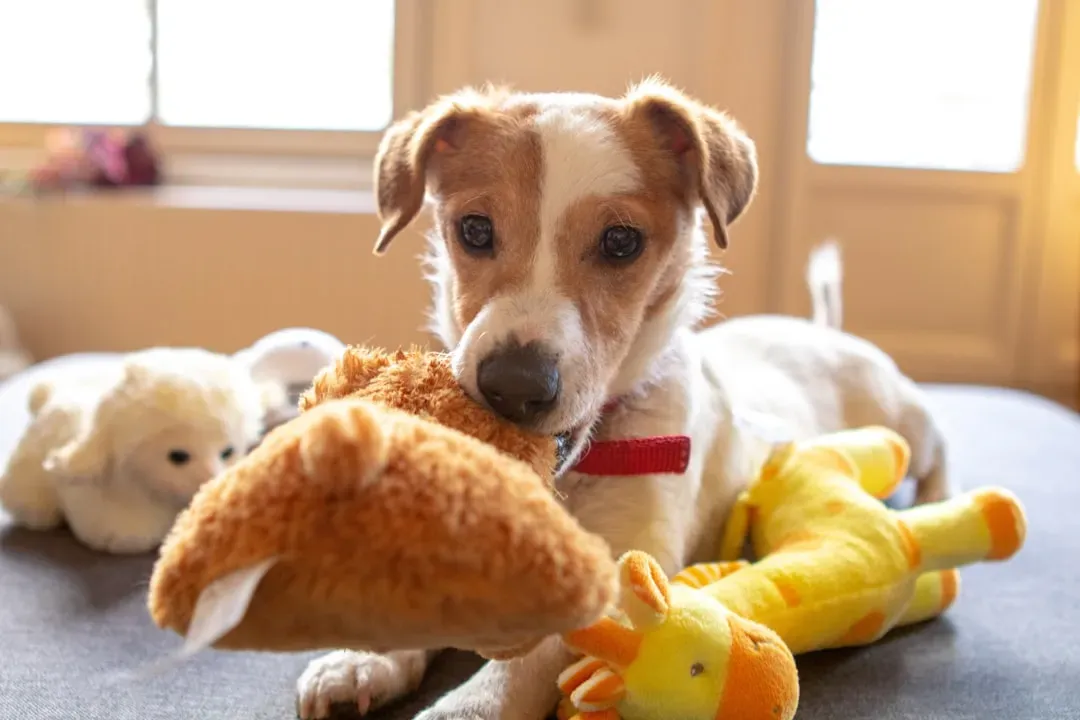
When a dog who no longer has the energy to play still summons the strength to carry something across the room and drop it at your feet – then immediately lies down – that’s not a request. That’s an offering. They’re not asking you to throw the ball. They picked up the thing that has always meant “I love being with you” and they brought it to where you are, because that gesture still means something even if the game is gone.
What’s telling is which item they choose. It’s almost always something loaded with history – the toy from their puppyhood, the rope you’ve played tug with for years, the stuffed animal they’ve carried since they were small. They know what those things represent. They’re not confused. They’re communicating in the language that has always worked between you two.
#9 – Soft Whining or Sighing Only When You Leave the Room

This gets written off as separation anxiety, and sometimes it is. But in a declining dog, there’s a specific version of this that’s worth separating out: a single soft sound – barely a whine, more of an exhale with a voice in it – that happens the moment you leave, and stops the moment you return. Not constant distress. Not generalized anxiety. One quiet protest, directed at one specific absence.
The stop-and-start quality is the tell. Separation anxiety tends to escalate. This doesn’t. It’s a punctuation mark, not a spiral. They’re saying, simply: you left, and I noticed, and I want you to know. When you come back, the sound stops because the message was received. They wanted to be heard, not consoled. There’s a dignity to that worth recognizing.
Quick Compare: Separation Anxiety vs. End-of-Life Vocal Signs
- Separation anxiety: escalates over time, can include destructive behavior, affects multiple people leaving
- End-of-life signaling: one soft sound, stops immediately on return, directed only at the primary person
- Anxiety: generalizes to all departures regardless of duration
- Intentional signaling: proportional – brief trip to another room may still trigger it, long absence may produce stillness instead
#10 – Positioning Themselves to Be Touched or Petted
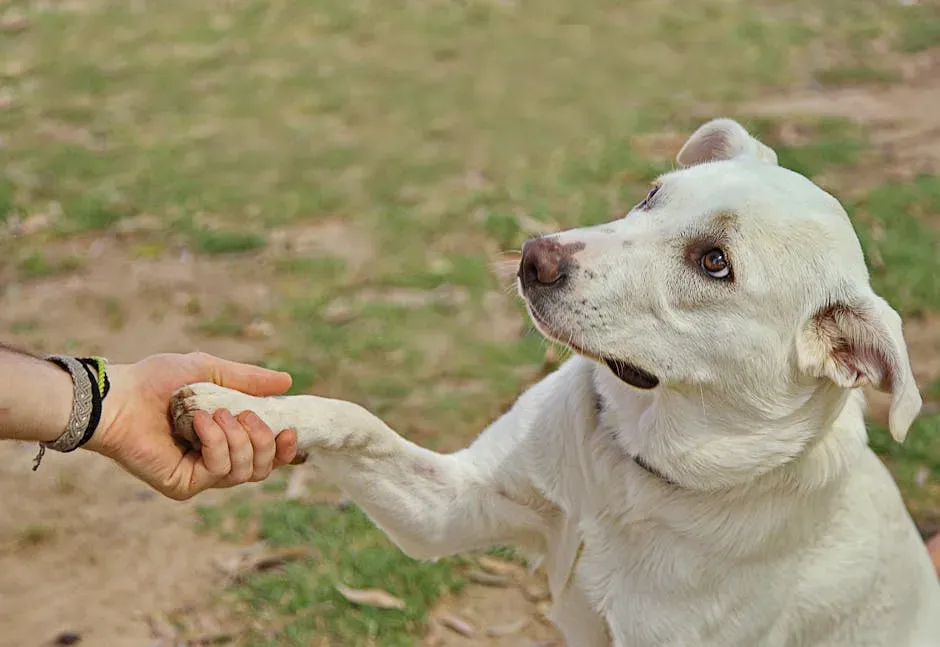
Watch closely the next time you sit near your dog and don’t immediately reach for them. A healthy dog might wander off, sniff something, settle wherever. A dog who is fighting to stay connected will often make a deliberate physical move – a slow roll toward you, a paw stretched in your direction, a head tilted up and held there, angled exactly toward your hand. They’re not waiting passively. They’re asking. Specifically, from you.
The timing is what makes this unmistakable: they do it when you’re nearby but distracted, as if reminding you they’re still there. They are still there. Every one of these small position adjustments is a choice made against stiffness and fatigue, because being touched by you is worth the effort. That’s not weakness. That’s one of the most determined things a living creature can do.
#11 – Extra Licking or Gentle Nuzzling When They Normally Wouldn’t
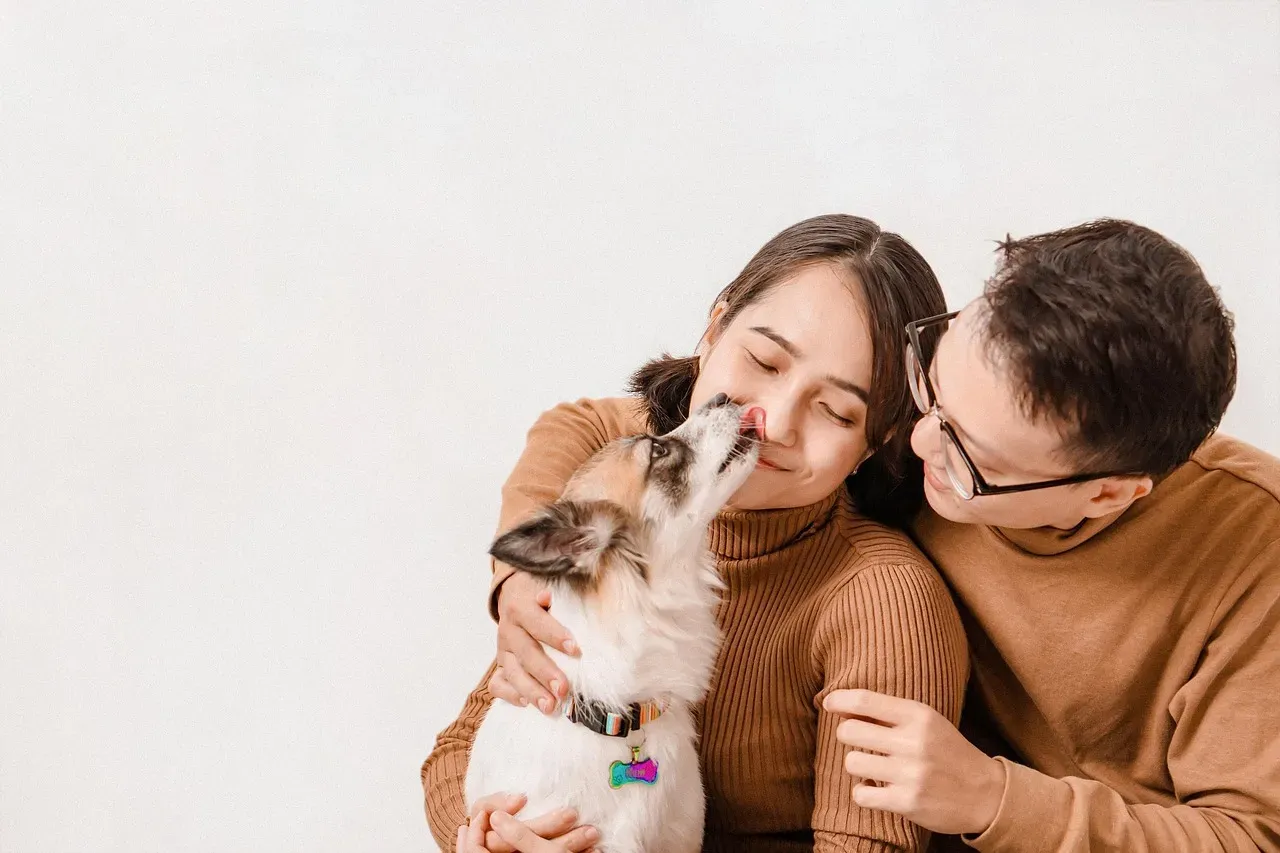
Some dogs were never big lickers. They showed affection in other ways – leaning, following, the slow blink. So when a dog like that starts pressing their muzzle against your hand, or licking your wrist softly and slowly in a way they never did before, it stands out. This isn’t a dog who has randomly developed a new habit. This is a dog reaching for a form of contact that goes deeper than their usual personality, because what they need to express has gotten bigger than their regular vocabulary.
Vets who work in animal hospice describe this pattern consistently – dogs initiating gentle, sustained physical contact even when eating, walking, and normal movement have become difficult or painful. The contact isn’t about comfort for them in a physical sense. It’s about something they’re trying to give you. Reassurance, maybe. Or just presence. I’m still here. I still feel you. Don’t forget I was here.
#12 – Seeking Your Scent on Clothes or Belongings
A shirt left on the couch. A pillow from your side of the bed. Your shoes by the door. To you, these are just objects. To a dog navigating confusion, pain, or failing senses, they are anchors. When a dog buries their nose in something that carries your smell and stays there – not just a passing sniff, but a long, deliberate rest with their face pressed into the fabric – they are using scent to do what their body can no longer always do, which is find you.
Some dogs go further. They’ll carry a sock or a worn shirt to their sleeping spot and keep it there. They’re not playing. They’re building a version of you they can hold onto when you’re not in the room. It’s one of the quietest signs on this list, and one of the most heartbreaking, because it means they’ve developed a strategy for missing you – and they’re already using it.
Fast Facts
- A dog’s sense of smell is estimated to be 10,000 to 100,000 times more acute than a human’s.
- Scent is processed in the limbic system – the brain’s emotional center – making it deeply tied to feelings of safety and bonding.
- As vision and hearing decline, scent often remains the sharpest remaining sense in aging dogs.
- Leaving a worn garment with a declining dog is a technique recommended by many animal hospice caregivers for comfort.
#13 – Following You Room to Room Despite Obvious Weakness
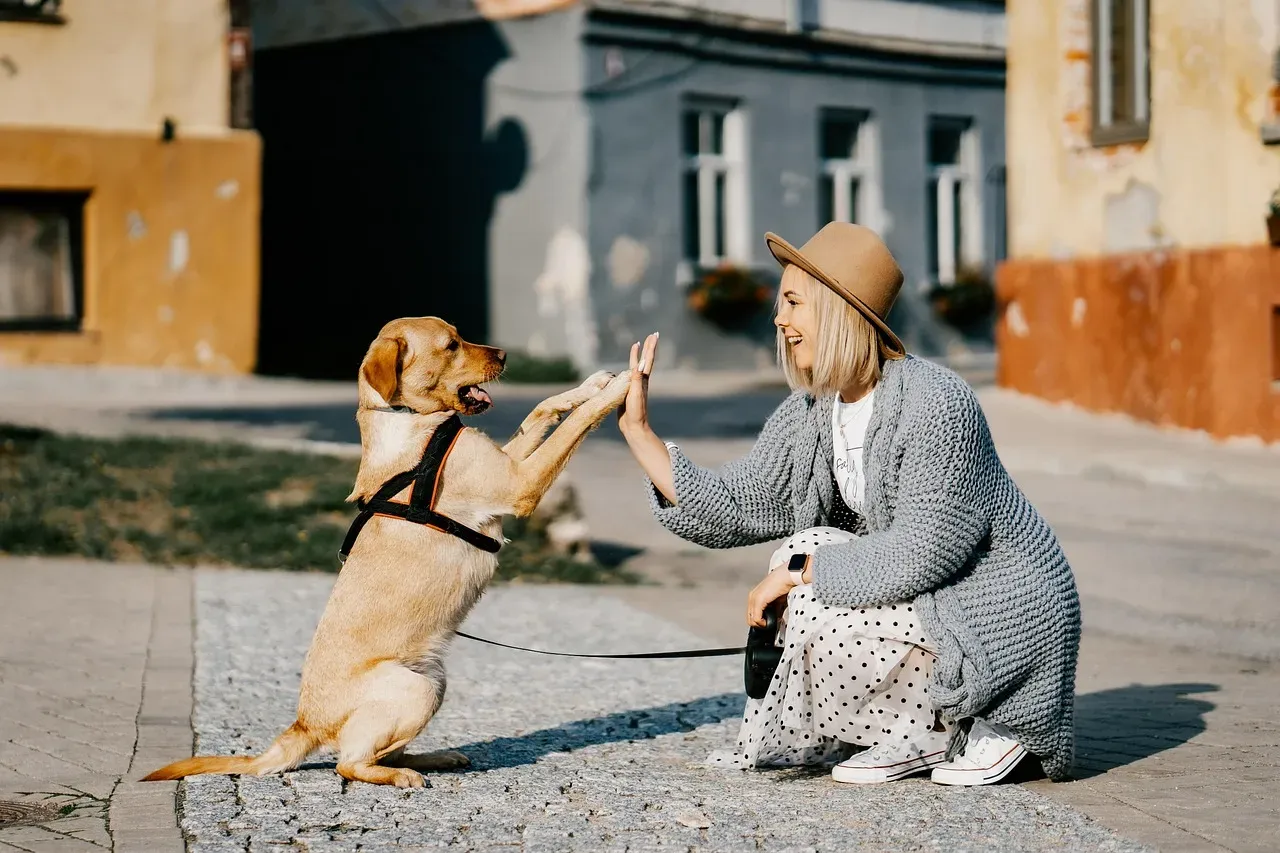
This is the one owners tend to misread most as clinginess or anxiety – and it’s neither. A dog who trails you down the hallway when their back legs are unsteady, who hauls themselves up off the floor every time you move to another room, who appears in the kitchen doorway and simply stands there looking at you before slowly lowering themselves back down – that dog is not being needy. That dog is making a series of costly physical decisions, over and over, because being near you is the priority that overrides everything else.
The most revealing moment is the doorway hover. They don’t always come all the way in. Sometimes they just need to see you – to confirm you’re there, that the room you’re in is safe, that they haven’t lost track of you. Then they settle, right there in the threshold, because that’s close enough. They weren’t following you out of habit or boredom. They were keeping you in sight because that is the one thing that still feels worth the effort.
#14 – Intense Staring That Feels Different
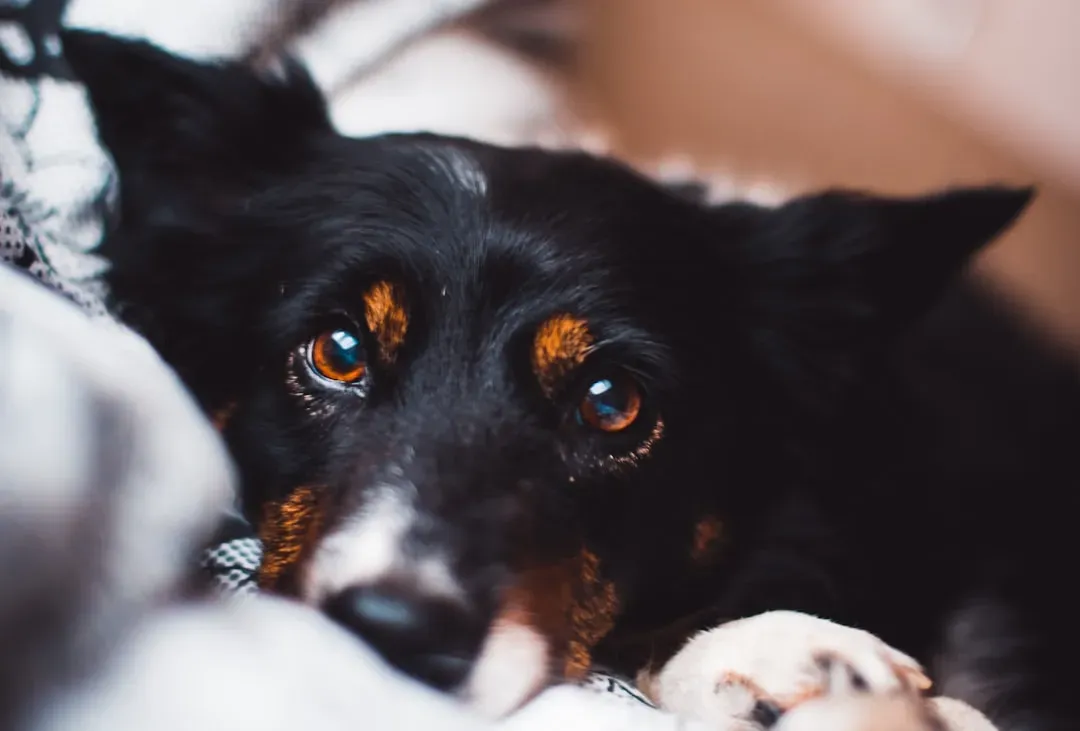
You know the difference. Every dog owner does. There’s the casual glance across the room, the expectant stare before dinner, the look that means “throw the ball.” And then there’s this – a sustained, soft, unblinking gaze that settles on you and stays. It doesn’t ask for anything. It doesn’t move toward anything. It just holds. And it feels, somehow, like more than a dog looking at a person. It feels like communication.
What makes this sign so significant is that it persists even as other functions decline. Dogs will hold this gaze when their vision has started to go, when moving is painful, when they haven’t eaten. They are looking at you because looking at you is still something they can do, and they are doing it with everything they have left. Some owners describe feeling, in those moments, like their dog was memorizing them. Maybe they were. Let them.
What You Do With This Matters
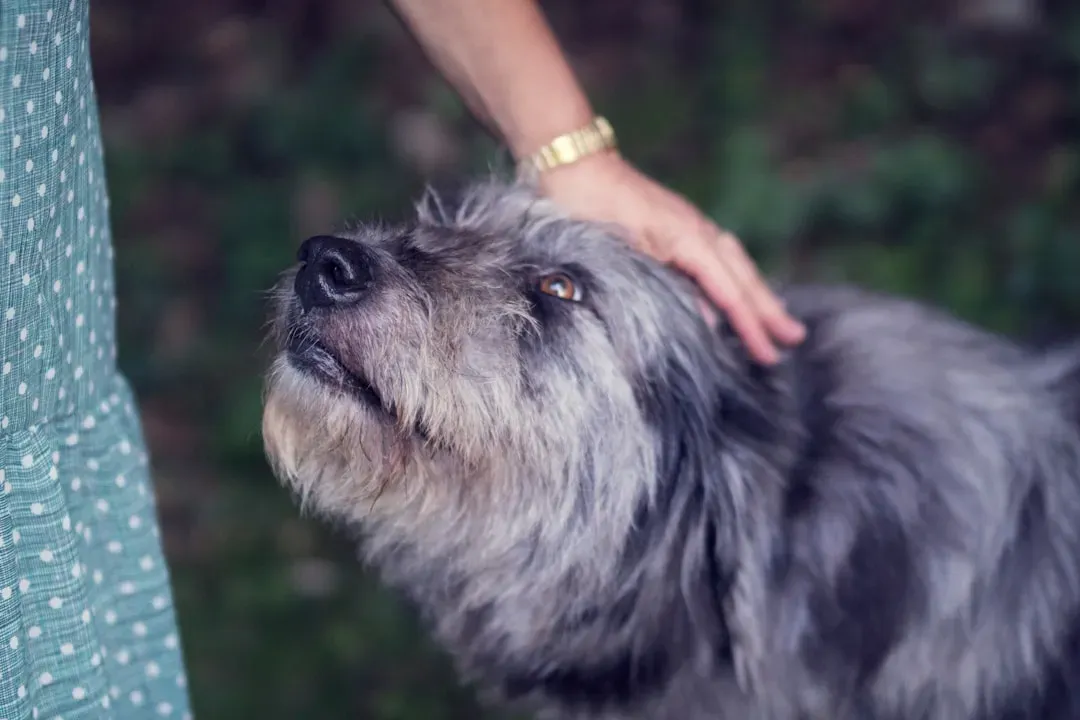
Here’s the hard opinion: we have done dogs a quiet disservice by teaching ourselves that withdrawal is the only natural end-of-life response, that a dying dog wants space and darkness and solitude. Some do. But many don’t. Many are doing the exact opposite – reaching, signaling, showing up for us in the most physically costly ways imaginable – and we miss it entirely because we’re waiting for the version of grief we were told to expect.
Every sign on this list is a dog spending something they don’t have much of: energy, comfort, time. They are spending it on you, specifically, on purpose. If your dog is showing even a handful of these right now, the most important thing you can do is stop moving through the room and sit down with them. Not to fix anything. Not to prepare for anything. Just to be received. They’ve been fighting to stay with you. The least we can do is be fully present for the time that’s left.
Worth Knowing: How to Show Up in Return
- Sit on the floor with them – getting down to their level removes barriers and signals you’re fully present.
- Speak softly and often – your voice is one of the last anchors they have to the world.
- Minimize disruptions in their environment – familiar smells, sounds, and routines provide real comfort.
- Ask your vet about palliative care – it focuses on comfort and quality of life, not just medical management.
- Don’t rush the quiet moments – the slow stare, the pressed-in lean, the single wag. Receive all of it.
