
You did everything the way you were taught. The leaves are bagged, the beds are cut to the ground, and the yard looks like a magazine cover. For the butterflies, bees, frogs, fireflies and songbirds you hope to see next spring, it may look more like an eviction notice.
That’s why this list is worth your next five minutes. Some of what you’re about to haul to the curb is shelter, and some of it is the winter pantry. A few of these items are so ordinary you’ve probably never wondered what lives in them. And the one at #1 is the habit most of us are proudest of, and the one that may be quietly erasing next summer’s light show.
#14 – Rock Piles and Old Stone Walls
🔥 Would you like to save this?
We'll email this post to you, so you can come back to it later!
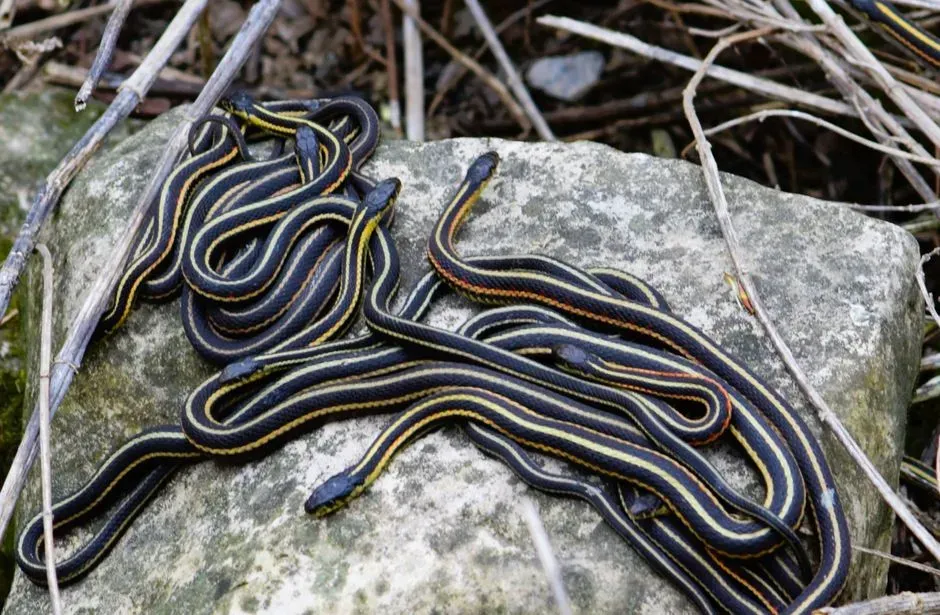
That crumbling stone wall at the edge of your yard is secretly a winter apartment block.
Gaps between stones hold steadier temperatures than open ground. Garter snakes, toads, salamanders, chipmunks and plenty of insects use those crevices to ride out the cold. Deep, interconnected spaces matter most, because the animals need to get below the frost line.
Many snakes return to the same hibernation spots year after year. Garter snakes can gather in large communal dens, and in places like Manitoba, a single den site can hold thousands of them. Most homeowners never see it, and a few would be stunned to learn what’s under their feet.
Tearing out a rock pile in October can displace animals that have nowhere else to go. Rebuilding or moving rock features is far better done in late spring or summer, when animals are active and can relocate on their own.
But that’s nothing compared to what’s hiding in the tangle on your fence at #13…
#13 – Old Ivy and Tangled Vines
🔥 Would you like to save this?
We'll email this post to you, so you can come back to it later!
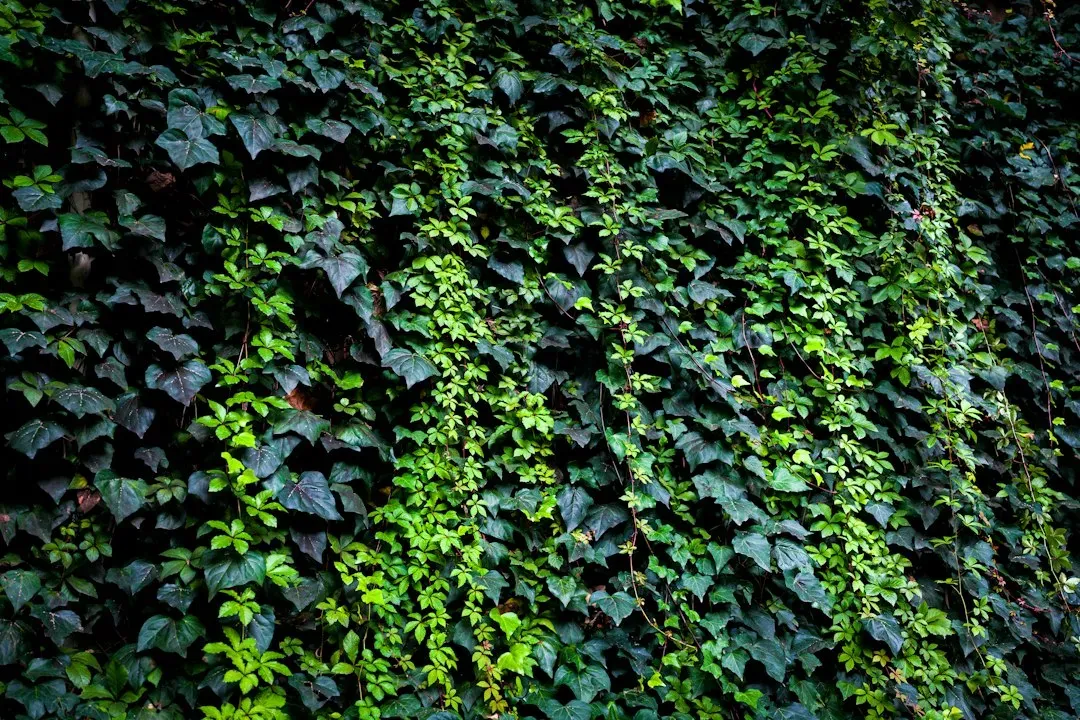
That vine-covered fence you’ve been meaning to rip out is a cafeteria and a windbreak in one.
Dense evergreen cover blocks wind and holds off rain and snow. Small birds such as wrens and sparrows tuck into it at night. Mature, thick growth is the key, because thin stems offer little protection.
In its native Britain, common ivy flowers late in the year, when few other plants are still offering nectar. Its berries ripen in late winter, so birds get a food source just when options run thin. Many wildlife groups point to it as a surprisingly useful plant.
Here’s the controversial part. Some gardeners swear ivy is a menace, yet many wildlife experts argue it’s among the most valuable winter plants you can keep. The truth depends on where you live. Some ivy species are invasive in parts of North America, so check your local guidance before you leave any in place.
Never tear vines from a tree or wall in fall. Cutting them back lightly in late winter or early spring is far less disruptive to anything sleeping inside.
- Keep: native or non-invasive vines on fences and sheds
- Check first: any ivy that’s spreading into woods
- Avoid: heavy trimming between autumn and early spring
Next up is a pile most people hide in the corner of the yard, at #12…
#12 – The Compost Heap
🔥 Would you like to save this?
We'll email this post to you, so you can come back to it later!
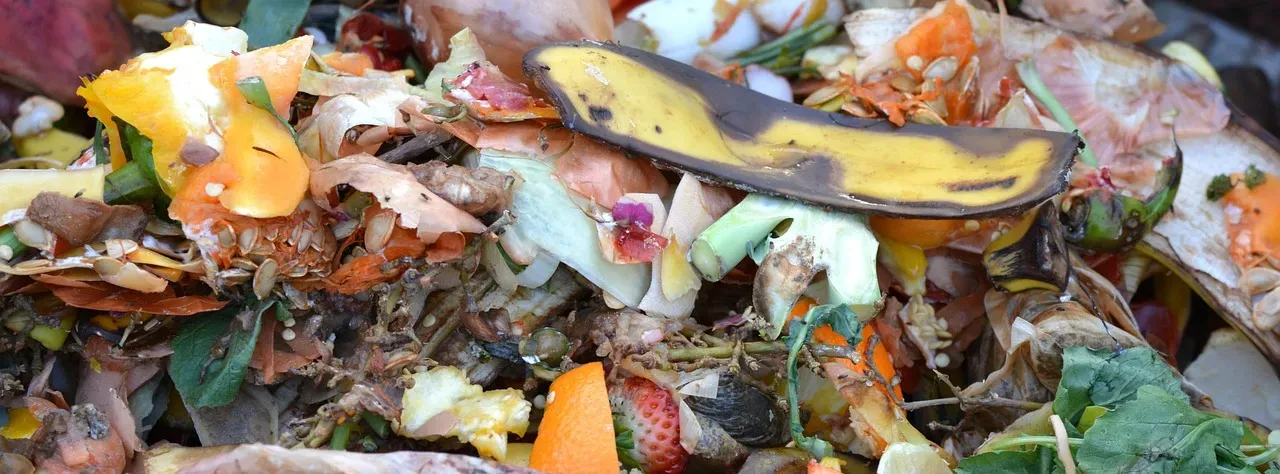
Your compost pile isn’t just breaking down kitchen scraps. It’s also running a winter shelter.
Decomposition generates heat, so a working compost heap stays warmer inside than the air around it. Toads, snakes, beetles and other small creatures can use that gentle warmth. In parts of Europe, grass snakes are well known for using compost heaps.
Think of it as a heated bunk room that nobody told you about. The animals settle in as temperatures fall, and then they go still.
Turning the pile in late autumn can expose or injure animals that have already settled in. Those that are disturbed may not have the energy to find another refuge before the cold arrives.
That’s why a simple rule helps. Dig and turn your compost in spring or summer, and leave it alone once temperatures drop. Add new material gently to the top instead of forking through the whole heap.
Winter is also when overlooked structures matter most, like the ones at #11…
#11 – Nest Boxes
🔥 Would you like to save this?
We'll email this post to you, so you can come back to it later!
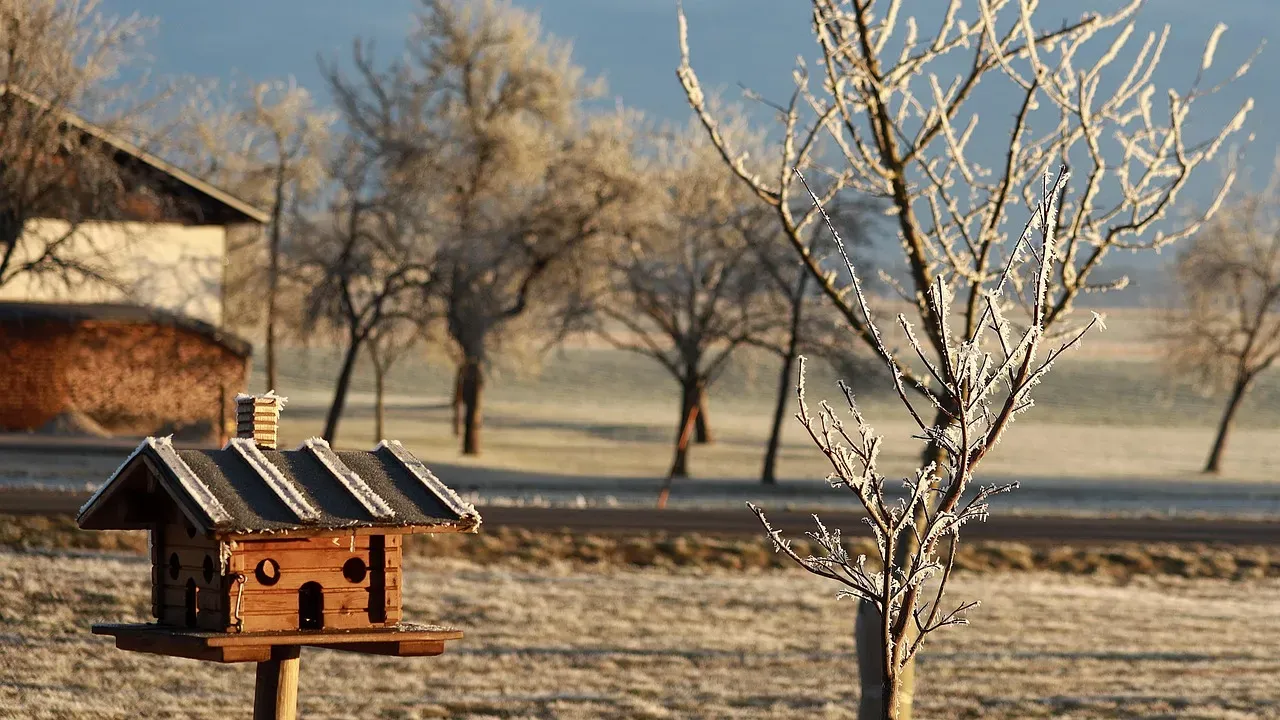
Taking down your nest boxes in autumn may be the opposite of what birds need.
Many people assume a nest box is only for spring. In reality, several small birds use them as winter roosts. Bluebirds, wrens and chickadees are among the species known to shelter in cavities on cold nights.
Some birds huddle together to share body heat. A snug, enclosed space can reduce heat loss on freezing nights. Chickadees also lower their body temperature overnight to save energy, so a sheltered cavity gives them extra help.
Clean boxes out after the nesting season ends, then put them back up. Old nesting material can harbor parasites. Wear gloves, scrape out debris and skip the chemical cleaners.
Check your local wildlife agency’s advice on timing, because it varies by species and region.
- Make sure drainage holes are clear
- Check for cracks that let in drafts
- Face the entrance away from prevailing wind
What’s lying on your lawn right now may matter even more, as we found at #10…
#10 – Fallen Fruit
🔥 Would you like to save this?
We'll email this post to you, so you can come back to it later!
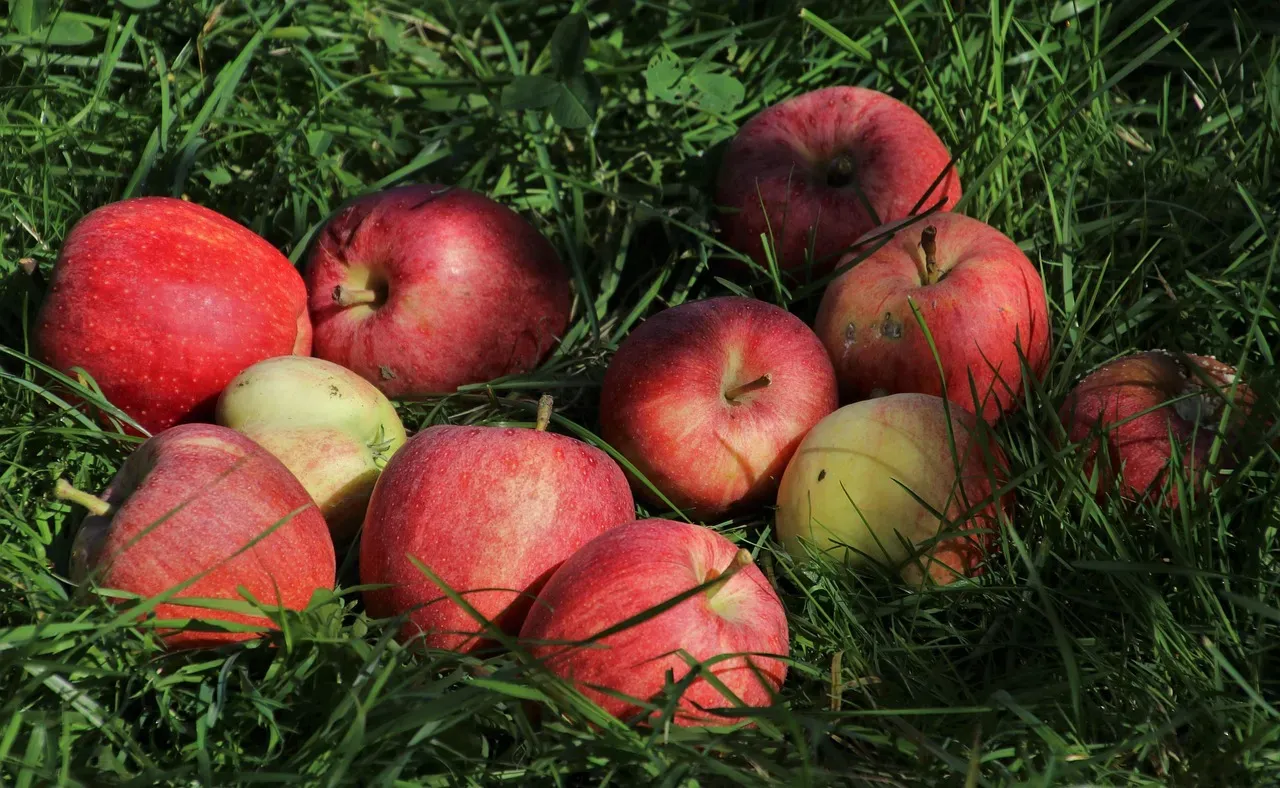
That rotting apple on the ground is winter food for more animals than you’d guess.
Windfall apples, pears and plums keep giving long after harvest. Thrushes, blackbirds and other fruit-eating birds feed on them. Mammals, from foxes to small rodents, will also take advantage.
Insects add another layer. Overripe fruit draws butterflies and other insects that need sugar. As the weather cools, fruit that’s still on the ground keeps feeding wildlife when natural food is thinner.
Here’s where it gets debated. Some gardeners clear every fallen apple to prevent pests and disease, while others argue that removing all of it starves wildlife. The sensible middle is to remove fruit that’s visibly diseased and leave a portion in a quiet corner.
Don’t pile up large quantities near the house, though. A heap of fermenting fruit can attract unwanted guests such as rats or wasps. A few apples scattered under a tree is plenty.
Speaking of leaving things alone, the next one has an even bigger audience at #9…
#9 – Clumps of Ornamental Grass
🔥 Would you like to save this?
We'll email this post to you, so you can come back to it later!
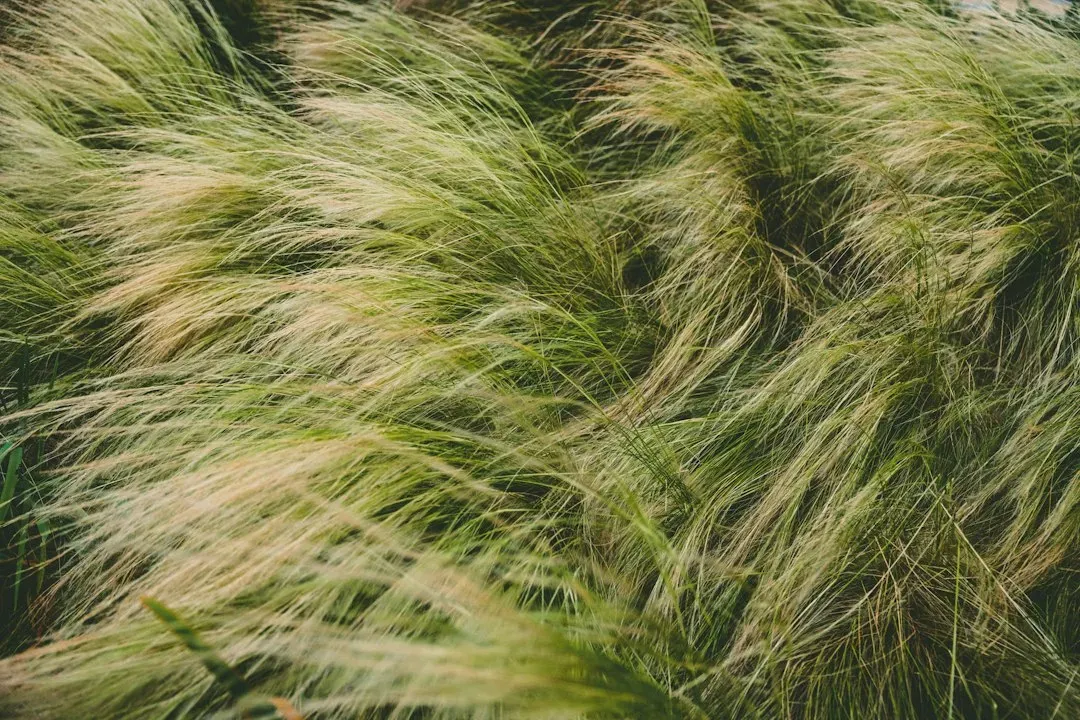
That shaggy clump of grass you’re about to chop down may already have tenants.
Dense tufts of dead grass hold air, which makes them excellent insulation. Some butterfly and skipper larvae shelter in them, along with other insects. Small mammals such as voles also use them for cover.
Bumble bees are known to nest in old grass tussocks and similar dense, dry cover. Once a queen has chosen a spot, disturbing it can be fatal for the colony.
Worth Knowing
- Built-in insulation: Dry, hollow grass blades trap air, so the center of a clump stays milder than open ground.
- Caterpillar crib: Several skipper butterflies spend winter as caterpillars tucked into grass.
- Bee-friendly cover: Bumble bees often nest at ground level in tussocks or old rodent burrows.
- Easy win: Even leaving one or two clumps standing helps.
Standing grasses also hold their shape through snow and give birds a perch and some wind protection. They look good in frost too, which is a bonus most people overlook.
Cut grasses back in late winter or early spring, not in fall. Wait until you see new growth starting at the base. That timing gives overwintering insects a chance to emerge first.
- Leave stems standing through winter
- Cut back to a few inches in early spring
- Leave the cuttings nearby in a pile instead of bagging them
Keep reading, because the next secret is under your feet at #8…
#8 – Patches of Bare Soil
🔥 Would you like to save this?
We'll email this post to you, so you can come back to it later!
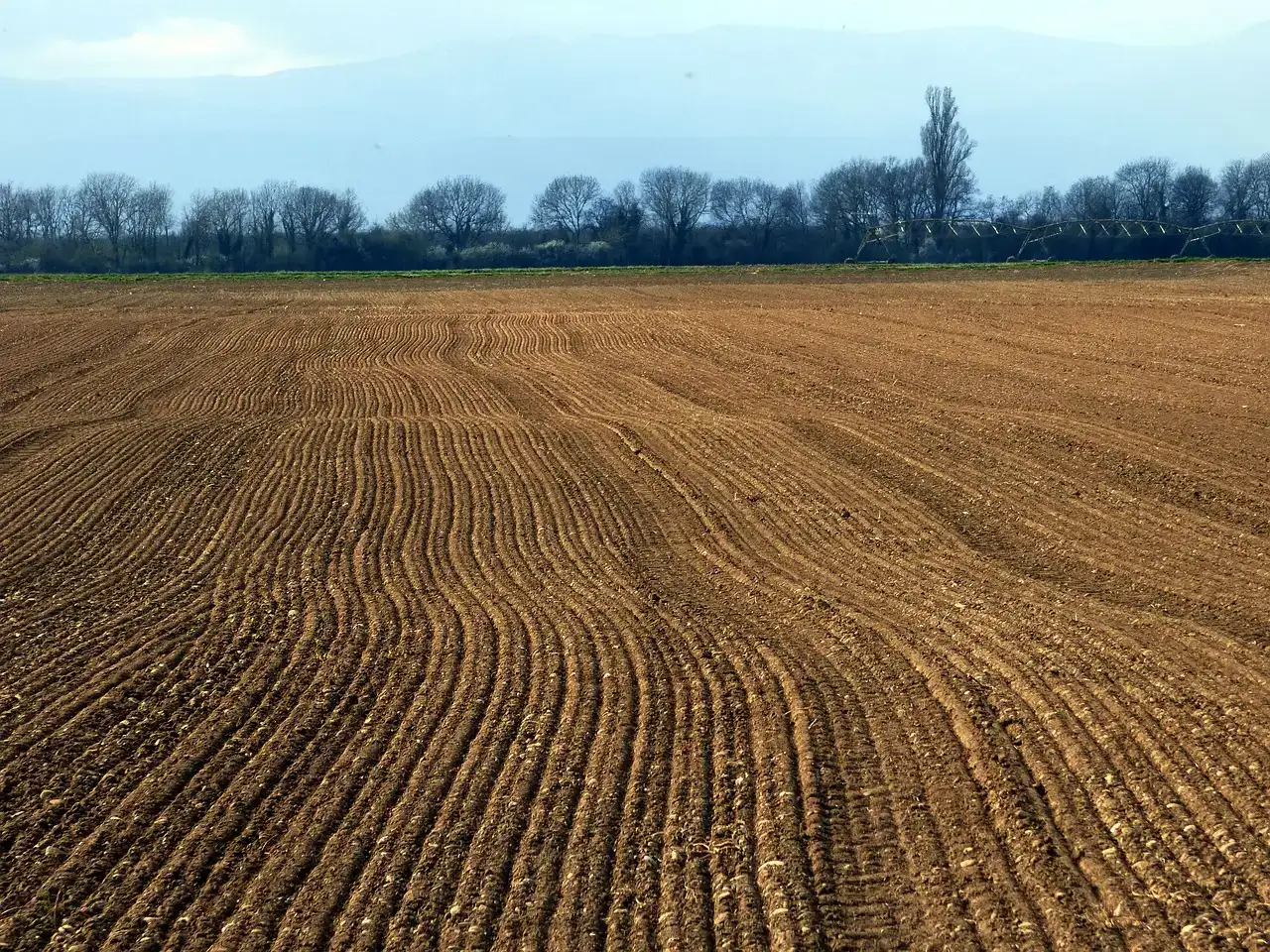
A perfectly mulched garden bed is secretly a locked door for many native bees.
Most people picture bees nesting in hives. In fact, most native bee species nest in the ground. They dig small tunnels into bare or sparsely covered soil, and a thick layer of mulch blocks their way.
Bumble bee queens also tunnel into loose soil to hibernate alone through winter. They’re the only members of the colony that survive. Come spring, each one emerges and starts a new colony by herself.
Lawn-obsessed neighborhoods can accidentally create a landscape with almost nowhere for these bees to live. Leave a few sunny, well-drained patches uncovered. South-facing slopes are especially valuable.
And if you think that’s surprising, wait until you meet the next one at #7…

Glass Hummingbird Feeder for Outdoors Hanging
Check Price on AmazonAs an Amazon Associate, we earn from qualifying purchases.
10/7/2026 1:21 pm GMTi

Dog Stairs for Bed 18" H, 4-Step Dog Steps for High Bed
Check Price on AmazonAs an Amazon Associate, we earn from qualifying purchases.
10/9/2026 2:42 pm GMTi

Halloween Cat Costume Cloak Witch Hat Pet Accessories
Check Price on AmazonAs an Amazon Associate, we earn from qualifying purchases.
10/9/2026 2:44 pm GMTi

Orthopedic Extra Large Dog Bed, Waterproof Washable XL Pet Bed 44"
Check Price on AmazonAs an Amazon Associate, we earn from qualifying purchases.
10/7/2026 1:32 pm GMTi

Air Purifiers for Home Pets Large Room Up to 3000 Ft²,HEPA Air Cleaner with Washable Double-Side Filter, PM2.5 Air Quality Monitor,15dB Sleep Mode for Bedroom Odor Dust Pollen,White
Check Price on AmazonAs an Amazon Associate, we earn from qualifying purchases.
10/8/2026 8:23 am GMTi
#7 – Standing Dead Trees
🔥 Would you like to save this?
We'll email this post to you, so you can come back to it later!
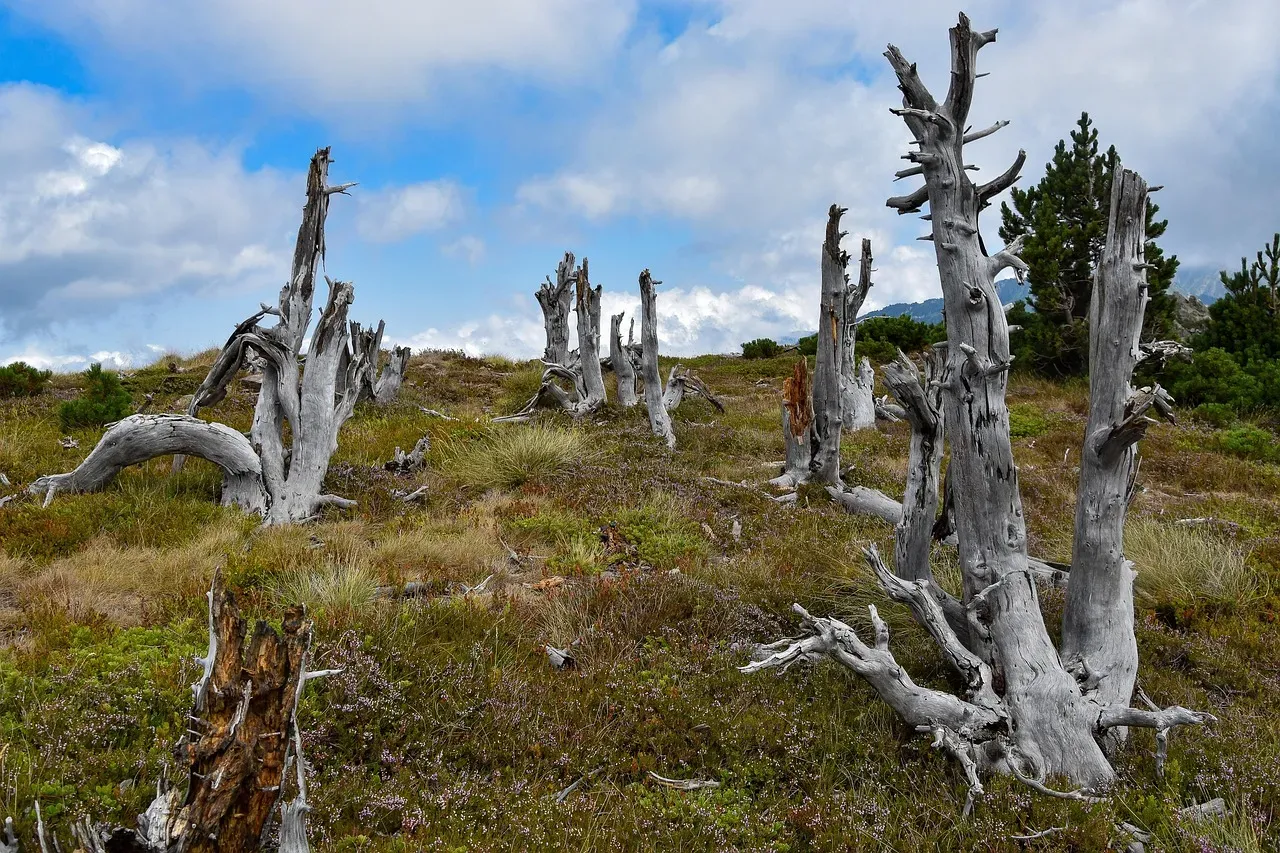
That dead tree isn’t a hazard to remove. In the right spot, it’s the busiest address in the neighborhood.
Wildlife biologists call dead standing trees “snags.” Woodpeckers hammer out cavities in them. Later, chickadees, nuthatches, owls, bats and flying squirrels move into the holes the woodpeckers left behind.
Fast Facts
- The builders: Woodpeckers carve most of the cavities in a snag.
- The move-ins: Owls, bats, flying squirrels and many songbirds take over the vacated holes.
- The best candidates: Thick, tall trunks usually offer the most room and the longest-lasting habitat.
- The safety test: If the tree fell, could it reach a building, driveway or power line? If so, it’s the wrong snag to keep.
Insects fuel the whole system. Beetle larvae and other creatures live in the decaying wood, and woodpeckers feed on them all winter. One snag can support food, shelter and nesting all at once.
Here’s the catch. A dead tree beside your house, shed or driveway can be dangerous, and that’s a good reason to take it down. The safest compromise is to leave it if it’s far from anything it could hit, or to have an arborist cut it to a shorter trunk. Even a stump of several feet still provides habitat.
Don’t strip the bark either. Loose bark gives overwintering insects a place to tuck in, and some bats roost behind it in warmer months.
Next, a feature that only looks like it’s gone downhill at #6…
#6 – Pond Edges and Shallow Water
🔥 Would you like to save this?
We'll email this post to you, so you can come back to it later!
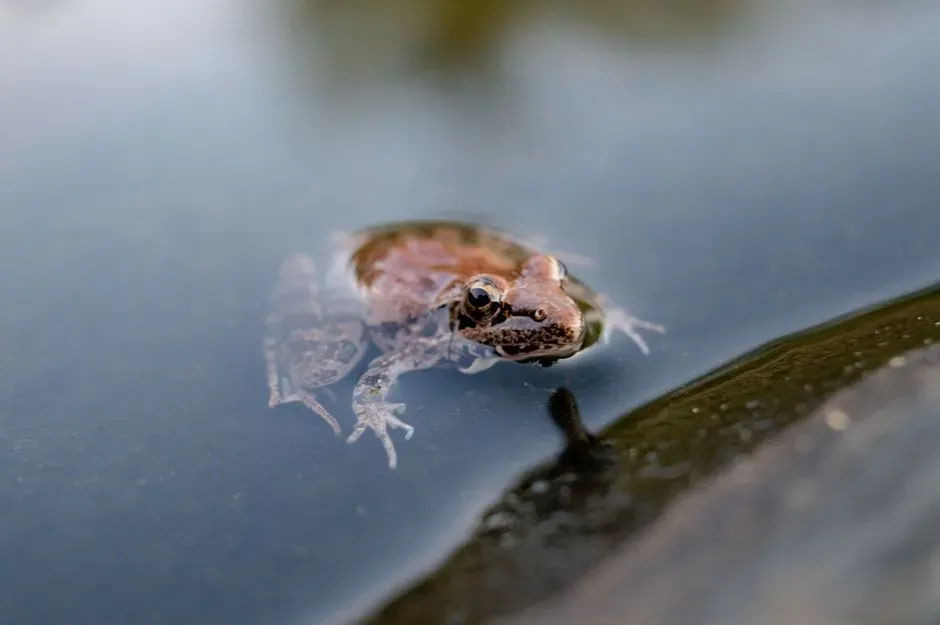
A cleaned-out pond looks sharp in October, but it can be a trap by January.
Many amphibians don’t leave water for winter. Some frogs, including green frogs and bullfrogs, can overwinter underwater, and tadpoles of certain species do too. They rely on the bottom mud and plant cover for protection.
Dead, submerged vegetation provides some of that cover. It also supports tiny invertebrates that fish and amphibians eat. Stripping a pond bare removes the shelter and the food.
The water surface is also where winter problems start. Decaying matter under ice can build up harmful gases, so a small opening in the ice may help. Don’t smash the ice, though, because the shock can stress animals. Float a ball or use a pond de-icer instead.
The next one shows up on every garden to-do list, and it’s probably the biggest mistake of all at #5…
#5 – Spent Seed Heads
🔥 Would you like to save this?
We'll email this post to you, so you can come back to it later!
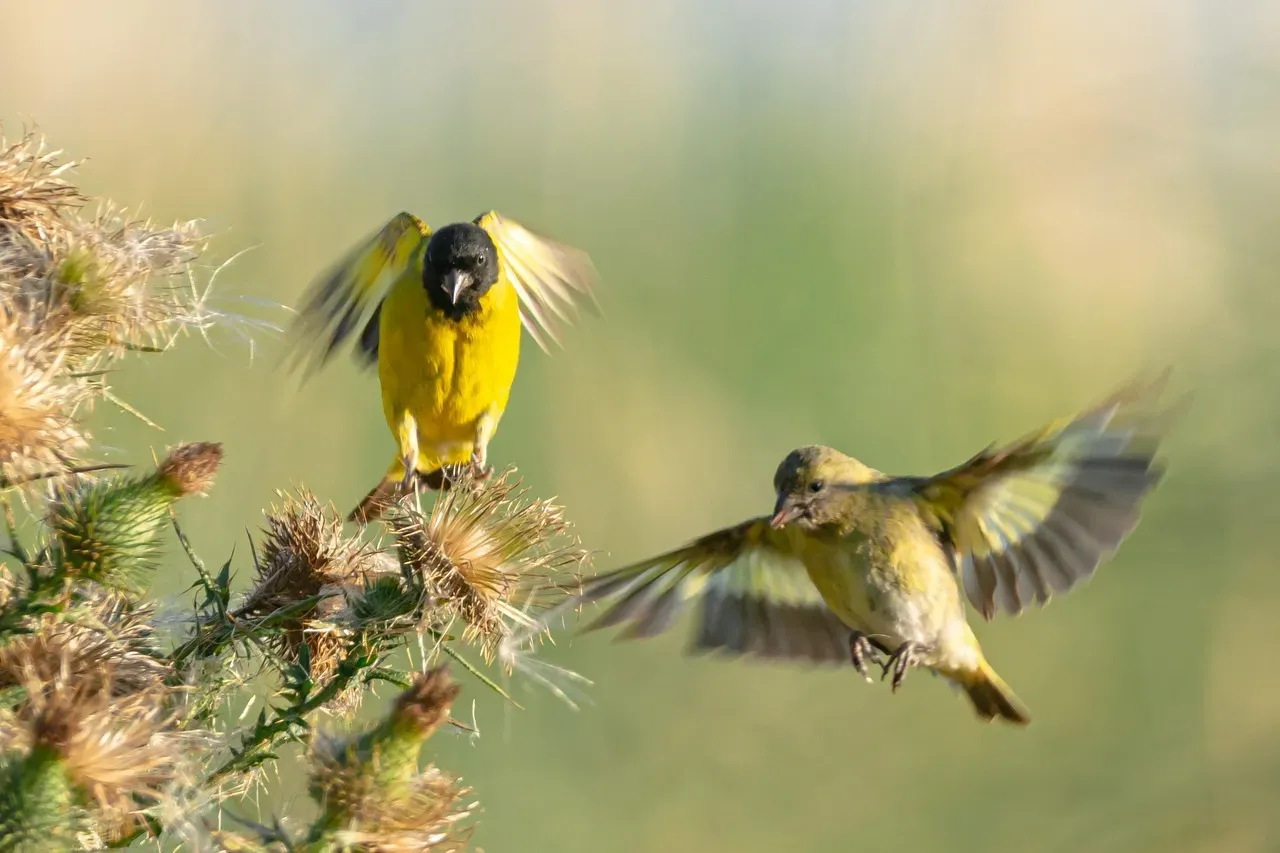
Cutting back your faded flowers removes a free bird feeder you didn’t have to buy.
Coneflowers, sunflowers, black-eyed Susans and many other perennials produce seed that birds need. Goldfinches, chickadees and sparrows pick through them in cold weather. Standing stems also stay above the snow, which keeps the seeds within reach.
Seed heads also look good against frost, which is a reason to leave them even if you aren’t thinking about wildlife. A garden that hums with finches in December is a better advertisement than a bare bed.
Here’s an opinion that gets heated. Bird feeders get most of the credit, but a seed-rich garden may feed more birds for less money. Feeders help, but they can’t supply the insects, cover and natural variety that standing plants do.
Quick Compare
- Feeder: Fast, reliable and easy to watch from a window, but it needs regular refilling and cleaning.
- Seed heads: Free, zero upkeep, and they come with insects and cover attached.
- Best combo: A feeder near a seedy border gives birds both a quick meal and a place to hide.
Here’s how to put the garden half of that into practice:
- Leave coneflower, rudbeckia and sunflower heads standing
- Skip deadheading from late summer on
- Let a few self-seeded plants stay where they are
Those same stems hold a hidden secret, but first we need to look at what’s dropping to the ground, at #4…

Professional 7 in 1 Dog Paw Cleaner for Dogs & Cats - Includes 1 Portable Paw Washer, 1 Bath Brush
Check Price on AmazonAs an Amazon Associate, we earn from qualifying purchases.
10/7/2026 1:26 pm GMTi

PetSafe Oasys Pet Fountain, 1/2 Gallon (64 oz), Small Dogs & Cats
Check Price on AmazonAs an Amazon Associate, we earn from qualifying purchases.
10/8/2026 8:14 am GMTi

Halloween Dog Collar with Bow, Orange Cute Ghost Collar,
Check Price on AmazonAs an Amazon Associate, we earn from qualifying purchases.
10/9/2026 2:43 pm GMTi

Earth Rated XL Dog & Puppy Pee Pads, Discreet Top, Max Absorbency
Check Price on AmazonAs an Amazon Associate, we earn from qualifying purchases.
10/7/2026 1:28 pm GMTi

2 Pcs Halloween Pet Hat Bandana Set, Witch Pumpkin Costumes for Dogs
Check Price on AmazonAs an Amazon Associate, we earn from qualifying purchases.
10/9/2026 2:45 pm GMTi
#4 – Fallen Logs and Old Stumps
🔥 Would you like to save this?
We'll email this post to you, so you can come back to it later!
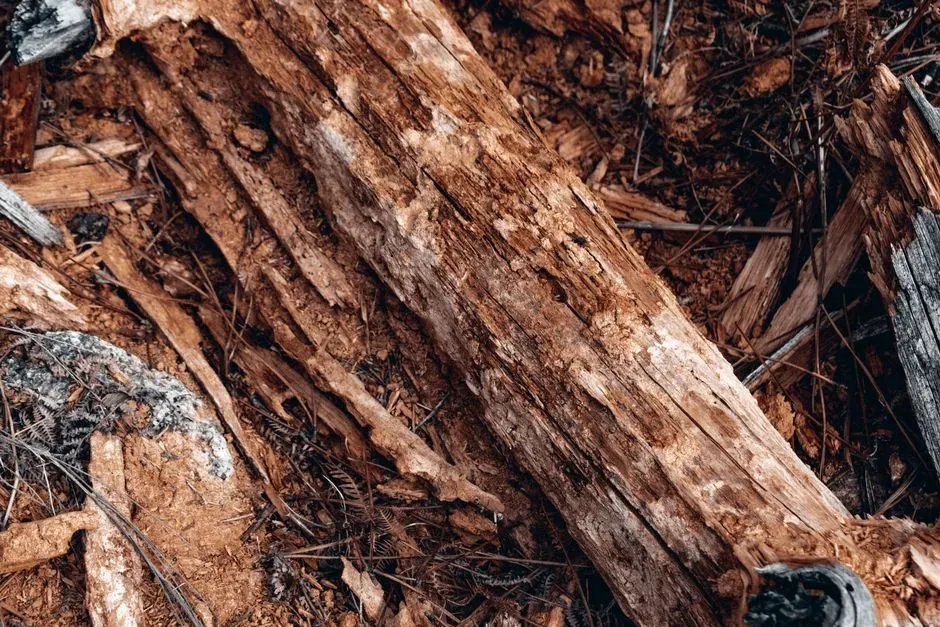
That rotting log isn’t waste. It’s a slow-release habitat that can last for years.
As wood decays, it stays damp and sheltered. Salamanders, beetles, centipedes and other invertebrates settle in. Frogs and toads may use the moist spaces too.
Loose bark gives overwintering insects a place to hide. Mourning cloak butterflies spend winter as adults, tucked into bark and similar crevices. They’re one of the few butterflies that can emerge on warm days in late winter.
Fungi and other decomposers also work through the wood, which cycles nutrients back into the soil. Rotting logs can support a whole food web from a single trunk.
Not sure where to put one? Try the shady side of the yard, away from walkways. A log doesn’t have to be large to help, though bigger ones last longer.
The next one is a bit more work, but the payoff is bigger at #3…
#3 – A Brush Pile
🔥 Would you like to save this?
We'll email this post to you, so you can come back to it later!
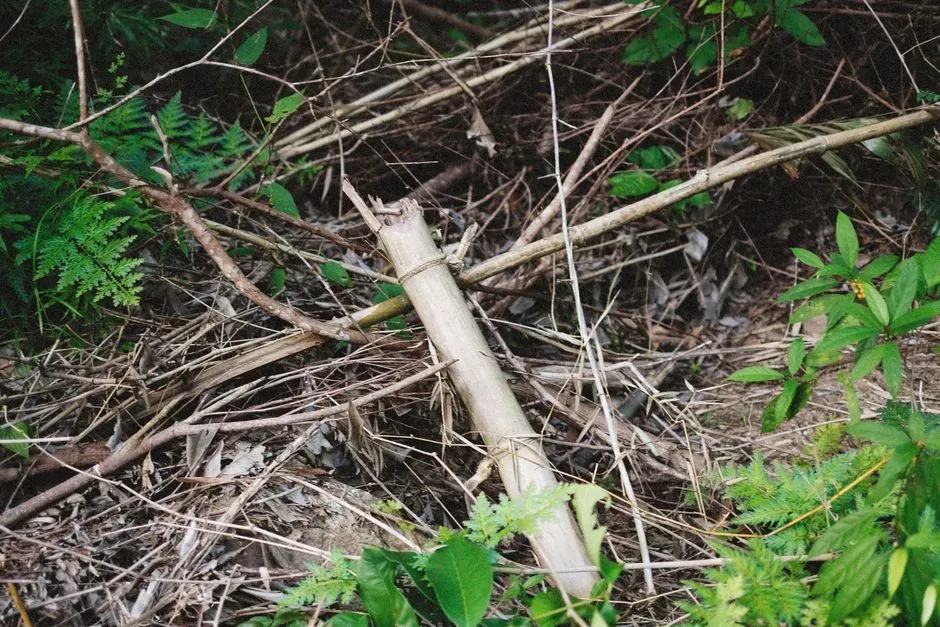
Instead of hauling your branches to the curb, you could build the best winter shelter in the neighborhood.
A loose pile of branches, sticks and prunings offers shelter from wind, snow and predators. Wrens, sparrows, towhees and rabbits all use them. Small mammals and some reptiles shelter in the lower layers too.
Construction matters more than size. Start with a base of larger logs or rocks to create open gaps. Then pile smaller branches over the top in a crisscross pattern, so the result is a layered structure with many entrances.
A brush pile works because predators struggle to reach deep inside the tangles. Birds can dive in quickly when a hawk appears. Brush also gives them a quiet place to wait before heading to a feeder.
Put it a short distance from the house and away from firewood stacks, which can attract mice. A corner beside a hedge is a good spot.
- Use big pieces at the base
- Add smaller branches loosely on top
- Avoid placing it right next to buildings
Next, a surprising feature of the plants themselves at #2…
#2 – Hollow Stems and Dead Plant Stalks
🔥 Would you like to save this?
We'll email this post to you, so you can come back to it later!
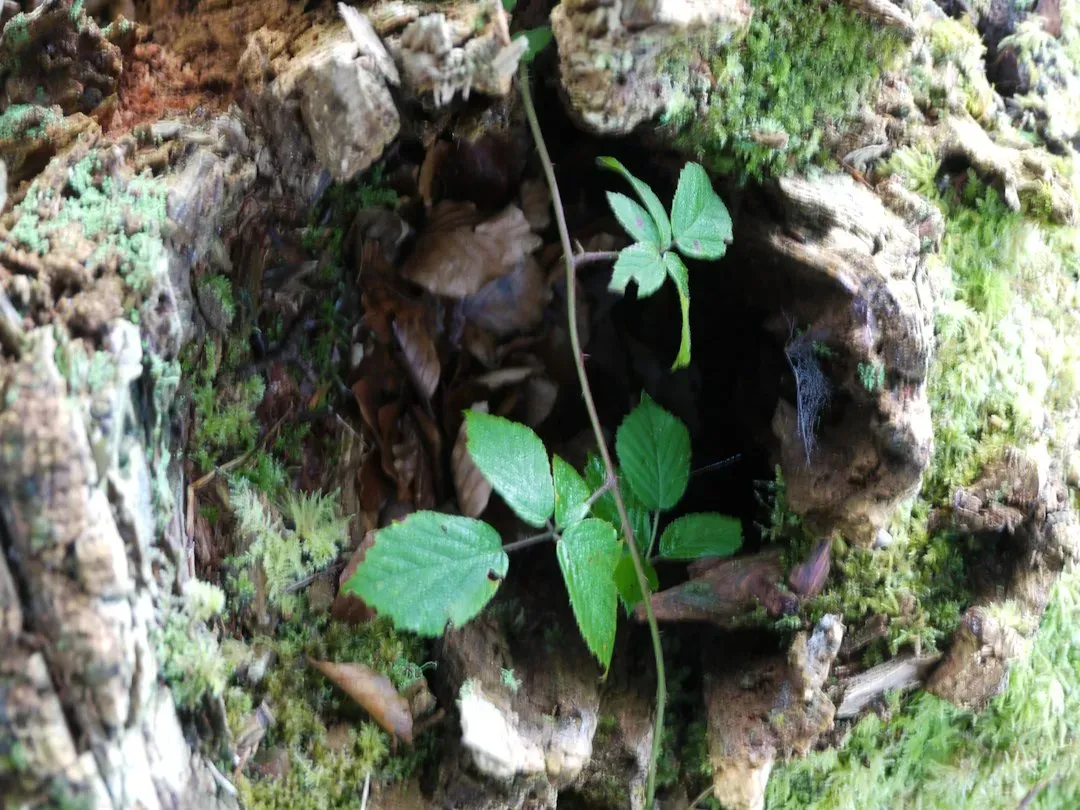
Those brown stalks you cut down every autumn are secretly nurseries and hotels for native bees.
Not all native bees nest underground. Some use hollow or pithy stems, such as those of bee balm, raspberry canes, elderberry and sumac, for nesting. Other insects overwinter inside them as eggs, larvae or pupae.
If you cut stems to the ground and bag them, you remove the next generation with them. Cutting and discarding stems in fall can wipe out an entire year of bee offspring.
Stems that stay upright also keep animals up off damp soil and out of pooling water.
Wait until you see the first thing most gardeners remove, at #1…

Hand Blown Glass Hummingbird Feeders for Outdoors Hanging, 24oz Wild Bird Nectar Feeder
Check Price on AmazonAs an Amazon Associate, we earn from qualifying purchases.
10/7/2026 1:23 pm GMTi

Portable Dog Water Bottle Foldable Dog Travel Water Bottle
Check Price on AmazonAs an Amazon Associate, we earn from qualifying purchases.
10/7/2026 1:29 pm GMTi

Glass Hummingbird Feeder for Outdoors Hanging, 16 oz Leak-Proof Nectar Feeder with Bee Guards & Ant Moat
Check Price on AmazonAs an Amazon Associate, we earn from qualifying purchases.
10/7/2026 1:22 pm GMTi

Smart Bird Feeder with Camera Solar Powered, 2K HD Live Video, 10,000+ Bird Species AI Identification
Check Price on AmazonAs an Amazon Associate, we earn from qualifying purchases.
10/7/2026 1:22 pm GMTi
#1 – Leaf Litter
🔥 Would you like to save this?
We'll email this post to you, so you can come back to it later!
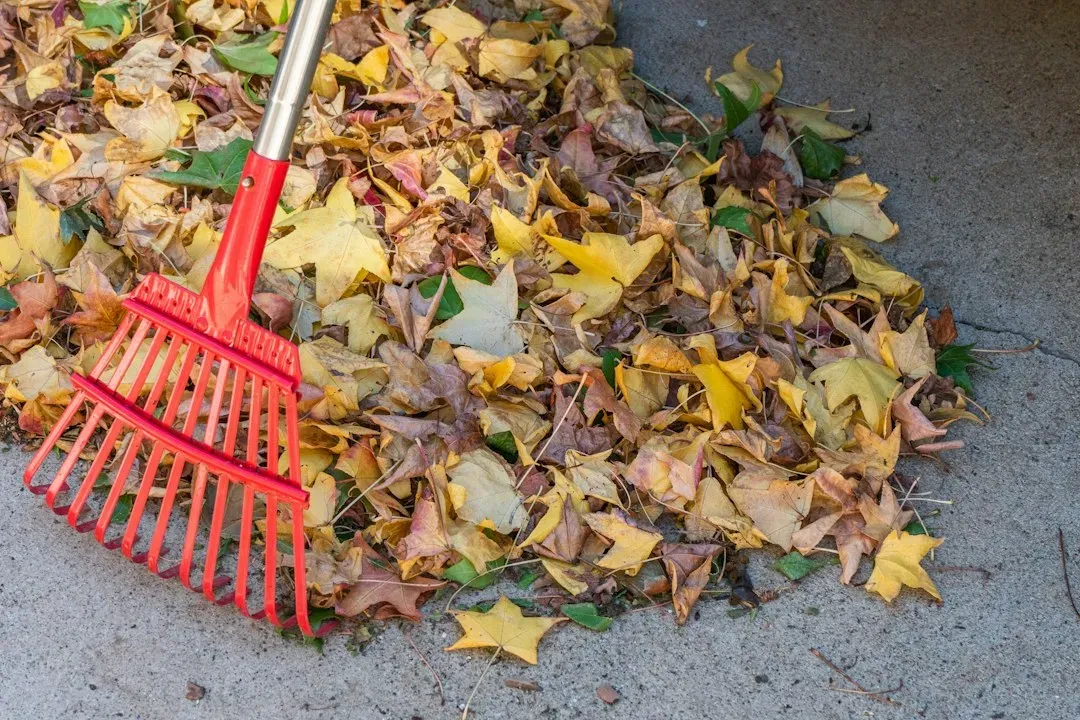
The single most destructive fall habit may be the one we’re proudest of: bagging the leaves.
Leaf litter is a whole habitat. Many butterfly and moth caterpillars overwinter in it, and some pupate there. Fireflies spend most of their lives as larvae in soil and litter, often for a year or more, so removing leaves removes the next summer’s light show.
Bumble bee queens burrow beneath it, and ladybugs and other beneficial insects tuck in too. Box turtles and toads dig into it for cover. Birds then forage through it all winter.
Wood frogs can survive being partly frozen, with roughly two-thirds of their body water turning to ice, but they depend on a blanket of leaves to survive. The litter insulates the ground and helps keep conditions stable.
You don’t need to give up your lawn. Rake leaves off grass, where a thick layer can smother it, and move them into garden beds, under shrubs and around trees. Shredding leaves with a mower is another option, and it also feeds the soil.
A neat yard is mostly a human preference, and for wildlife it’s often a loss. Leaf litter, hollow stems, seed heads, logs and bare soil each do a job that no purchased product can match. The most helpful winter habitat is mostly the stuff we throw away.
My opinion: the “perfect lawn” deserves less respect than it gets. Bird feeders are fine, but a yard with layered, imperfect cover will beat a spotless one with a feeder every time. Keep it safe, keep it away from your house, and keep a corner wild.
This winter, the most generous thing you can do for the wildlife around you may be nothing at all. Leave the mess, and see who shows up in spring.

- 14 Things to Clear Before Winter That Wildlife Actually Needs Left - November 9, 2026
- 8 Things Over 65s Can Book Ahead That Everybody Else Queues For - November 9, 2026
- 8 Things to Leave Standing in a Garden All Winter for Animals - November 9, 2026