
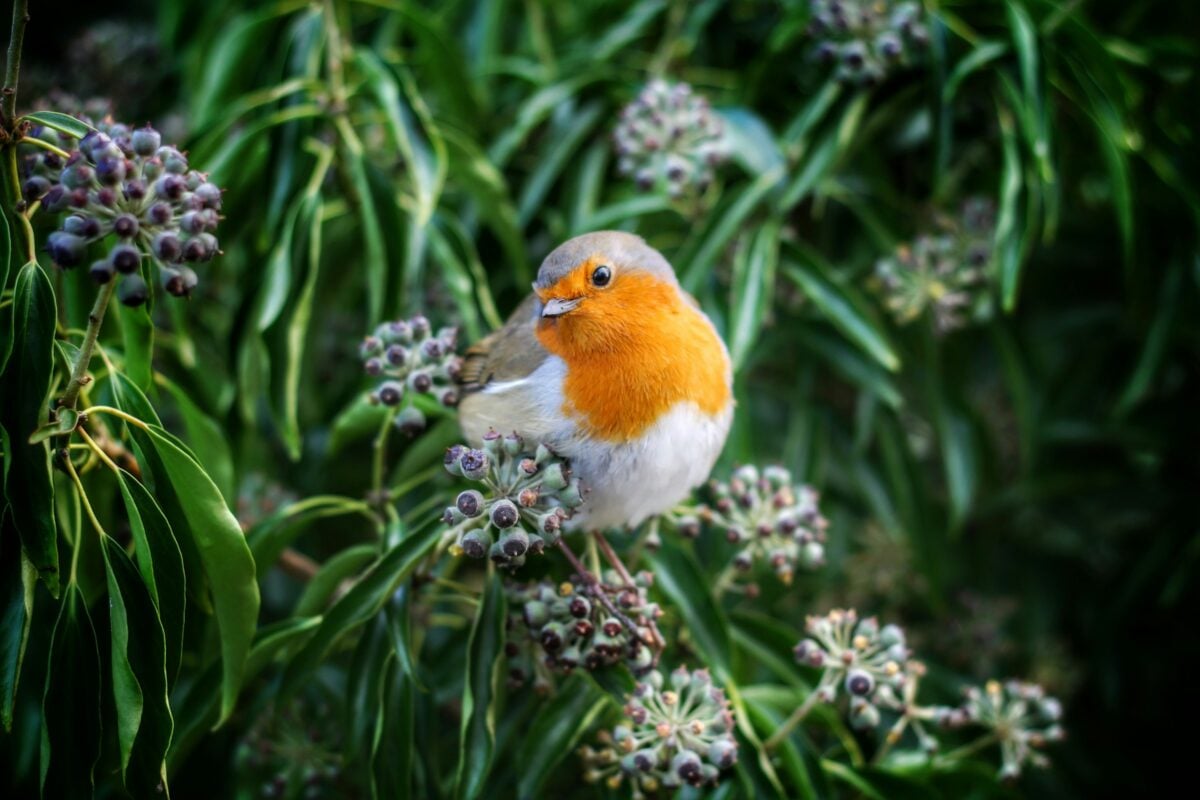
That crisp, scalped garden you finish in October? To a sparrow, it looks like a grocery store that has been emptied and switched off. The seeds are gone, the cover is gone, and so are the sleeping insects that were supposed to become next summer’s pollinators.
Here are eight things worth leaving exactly where they are all winter, and each one is quietly doing a job you’ve probably never noticed. The strange part is that the most useful ones are often the ones that look the worst: a stick pile, a dead trunk, a bed of brown stalks. And the No. 1 pick isn’t even standing, yet most of us bag it by the dozen.
#8 – Ornamental Grasses: The Shaggy Clump With a Secret Tenant
🔥 Would you like to save this?
We'll email this post to you, so you can come back to it later!
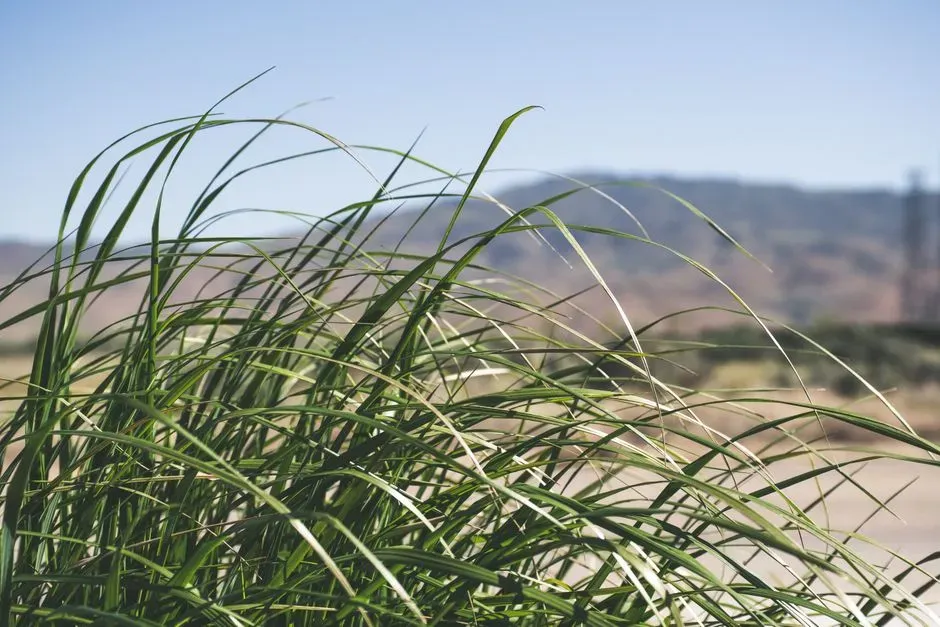
That dried-out clump of grass in the corner is one of the busiest winter shelters in your yard.
Switchgrass, little bluestem and feather reed grass hold their shape through frost and snow. Their dense bases create a windbreak at ground level, and small birds and mammals tuck in there to escape cold gusts and predators. Snow that piles against the stems adds a layer of insulation, so the base of the clump can be calmer than the open yard around it.
Seeds are the second draw. Sparrows, juncos and other seed-eaters often work the seed heads and the ground beneath them. A grass clump left standing is a pantry and a bedroom in one package, and it asks for nothing but to be ignored.
The third use is the least obvious. Some caterpillars spend winter hidden low in grass clumps. Many skipper caterpillars overwinter inside little shelters made from grass blades stitched together with silk. Chop the clump in October and you may be chopping them up too.
Good picks for wildlife:
- Switchgrass
- Little bluestem
- Indian grass
- Prairie dropseed
Most gardeners treat the fall chop as an essential chore, but many wildlife gardeners argue it’s mostly about appearance. The grass doesn’t need it, and the animals benefit from skipping it. If you can’t stand the look by late winter, wait until early spring and leave some stubble behind rather than shaving it flat.
Grasses cover shelter and seeds. The next item is what many birds turn to when the insects disappear.
#7 – Berries and Fruit Left on the Branch: Winter Rations in Disguise
🔥 Would you like to save this?
We'll email this post to you, so you can come back to it later!
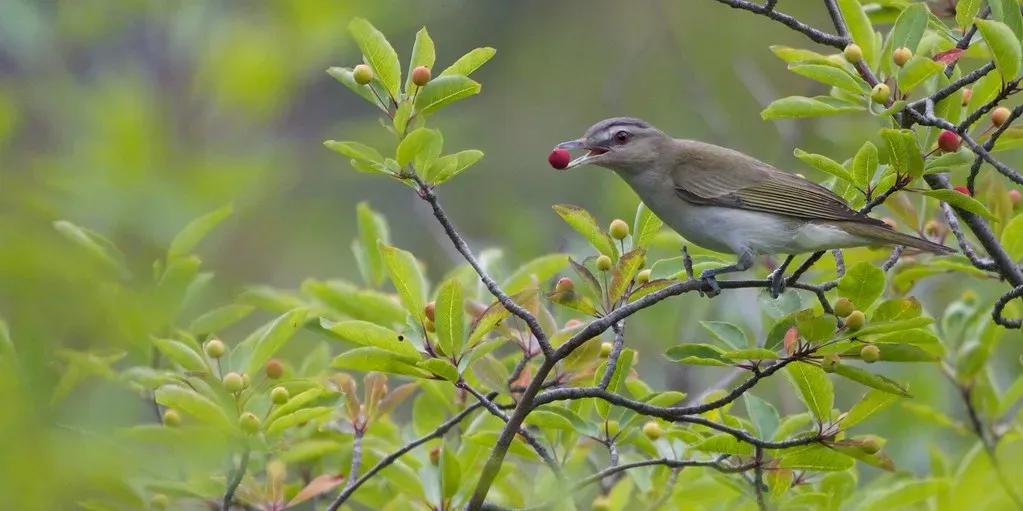
Those shriveled berries you keep meaning to clear away are winter rations.
Winterberry holly, crabapple, hawthorn, native viburnums and sumac can hold fruit well into the cold months. Birds such as robins, cedar waxwings, bluebirds and mockingbirds rely on that fruit when bugs are scarce.
Robins aren’t just worm-eaters, either. In winter, many robins switch largely to fruit and roam in flocks to find it. The lawn full of robins in January is often a flock hunting berries, not worms.
Some fruits get eaten last. Crabapples and certain hollies are often ignored until they soften after repeated freezing and thawing. Pick them or prune them early and you remove the food just when it’s finally ready. Waxy native fruits like bayberry have their own fans: yellow-rumped warblers are among the few warblers able to digest them, which is why they can stay north when other warblers leave.
The most common mistake is fall pruning, which removes next year’s fruiting wood along with this year’s berries. If you grow winterberry, remember it needs a male plant nearby for the females to fruit.
Reliable fruit providers:
- Winterberry holly
- Crabapple
- Hawthorn
- Native viburnums
- Staghorn sumac
Here’s the controversial part. Birds also eat the fruit of invasive shrubs like multiflora rose and Japanese barberry. That’s exactly the problem, because they spread the seeds into woodlands and fields. If you’re planting something new, choose native fruit instead and let the birds spread the good stuff.
Berries feed birds. The next item might be what houses them.
#6 – Standing Dead Wood: The Ugly Tree That Runs a Hotel
🔥 Would you like to save this?
We'll email this post to you, so you can come back to it later!
An “ugly” dead tree can be the most valuable thing in your yard.
A dead or dying tree, called a snag, is a food source before it’s anything else. Insects tunnel under loose bark, and woodpeckers, nuthatches and brown creepers come to feed on them. In winter, that protein is hard to find elsewhere.
Snags are also housing. Woodpeckers chisel out cavities, and later tenants move in, including chickadees, bluebirds and wrens. Many cavity-nesting birds can’t build their own holes, so they depend on old woodpecker work or natural decay. Without a dead trunk, those birds are effectively homeless.
Fast Facts
- A snag is simply a dead or dying tree left standing
- Diners: woodpeckers, nuthatches and brown creepers
- Later tenants: chickadees, bluebirds and wrens
- Danger zones: houses, driveways, play areas and power lines
Cavities also work as winter roosts. Small birds can shelter inside on freezing nights, and loose bark offers extra crevices for creepers and other tiny residents. Once a snag falls, it keeps giving, because rotting logs host fungi, beetles and other creatures that feed the next level of the food chain.
Safety comes first. Snags near houses, driveways, play areas or power lines are hazards and should be assessed by a qualified arborist. If a tree is risky, ask whether it can be cut to a tall trunk rather than removed entirely.
The practical options:
- Leave a safe snag well away from structures
- Keep a tall trunk after removing the dangerous top
- Stack the cut logs in a quiet corner
Most homeowners see a dead tree as an eyesore. Many wildlife experts see it as a missed opportunity. When it’s safe, the “clean” option is the poorer one for wildlife.
A snag is the big-ticket habitat piece. The next item costs even less, and you may already be holding it in your pruning shears.
#5 – Seed Heads of Coneflowers, Black-Eyed Susans and Sunflowers: The Free Bird Feeder
🔥 Would you like to save this?
We'll email this post to you, so you can come back to it later!
Deadheading in autumn is secretly one of the most expensive habits in wildlife gardening.
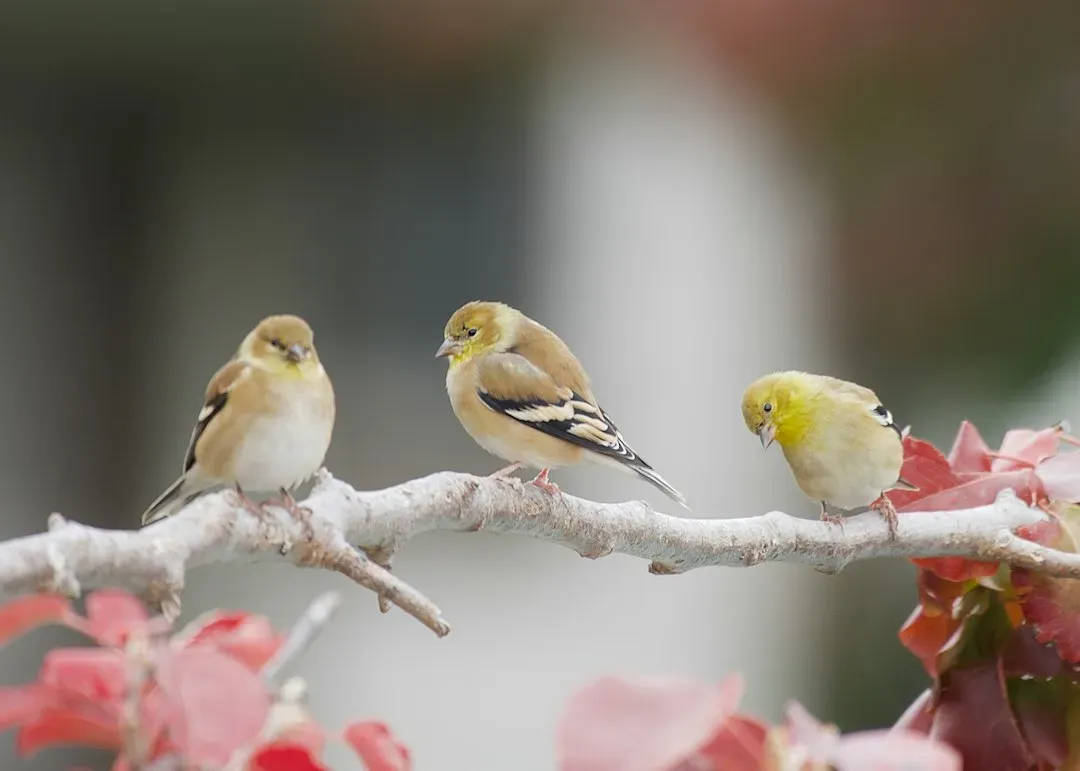
Coneflowers, black-eyed Susans, asters and sunflowers go to seed in autumn. Chickadees, nuthatches, juncos and goldfinches land on the stiff, dry stalks to pick out seeds. A single bed can feed a surprising range of birds.
Goldfinches are especially tied to these plants. American goldfinches are unusual among songbirds because they feed seeds to their nestlings. That’s why they nest late in summer, when seed plants ripen. The male’s sunny yellow fades to a drab olive in winter, so the bird on your coneflower in January may look like a different species.
Seed heads give back in other ways too. Dropped seeds feed ground-feeding birds and may sprout new plants in spring. The stalks also catch snow and make a small windbreak, and the dead stems can shelter insects that overwinter inside them.
Plants worth leaving:
- Purple coneflower
- Black-eyed Susan
- Sunflowers
- Asters
- Bee balm
Here’s an opinion that stirs debate. Some wildlife gardeners say a few seed-bearing natives are a smarter first investment than a feeder. Feeders still fill a real gap in harsh weather, but seed heads cost almost nothing and don’t need refilling.
Seed heads are only half the picture. The other half is shelter on the ground.

Earth Rated XL Dog & Puppy Pee Pads, Discreet Top, Max Absorbency
Check Price on AmazonAs an Amazon Associate, we earn from qualifying purchases.
10/7/2026 1:28 pm GMTi

Orthopedic Extra Large Dog Bed, Waterproof Washable XL Pet Bed 44"
Check Price on AmazonAs an Amazon Associate, we earn from qualifying purchases.
10/7/2026 1:32 pm GMTi

Smart Bird Feeder with Camera Solar Powered, 2K HD Live Video, 10,000+ Bird Species AI Identification
Check Price on AmazonAs an Amazon Associate, we earn from qualifying purchases.
10/7/2026 1:22 pm GMTi

Portable Dog Water Bottle Foldable Dog Travel Water Bottle
Check Price on AmazonAs an Amazon Associate, we earn from qualifying purchases.
10/7/2026 1:29 pm GMTi

Air Purifiers for Home Pets Large Room Up to 3000 Ft²,HEPA Air Cleaner with Washable Double-Side Filter, PM2.5 Air Quality Monitor,15dB Sleep Mode for Bedroom Odor Dust Pollen,White
Check Price on AmazonAs an Amazon Associate, we earn from qualifying purchases.
10/8/2026 8:23 am GMTi
#4 – A Brush Pile: The Cheapest Shelter You’ll Ever Build
🔥 Would you like to save this?
We'll email this post to you, so you can come back to it later!
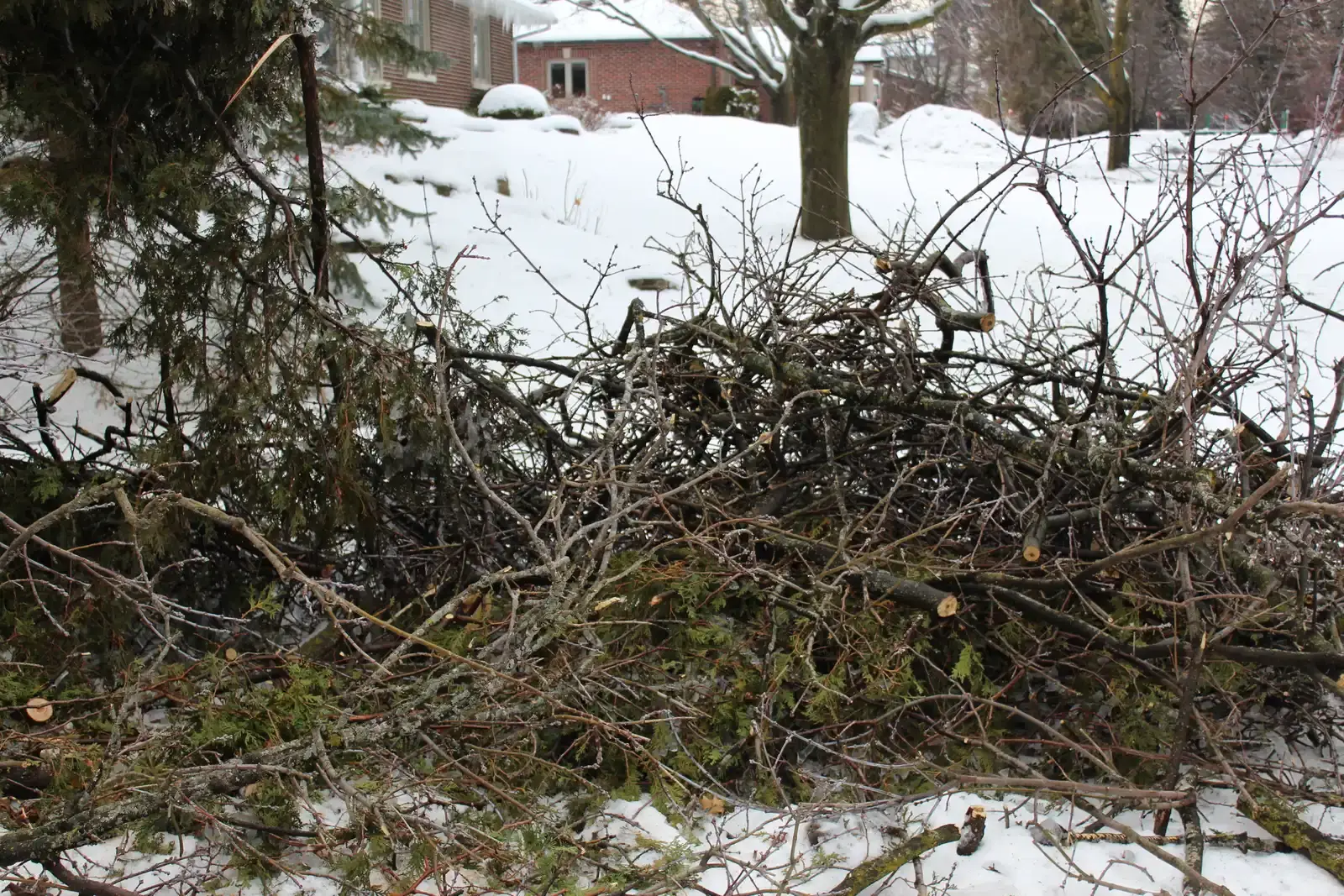
A heap of twigs is the cheapest wildlife shelter you will ever build.
A brush pile is a loose stack of branches, logs and prunings. It looks like nothing special. To a wren, sparrow, towhee or rabbit, it’s a place to hide from hawks, wind and snow.
Toads, chipmunks and even garter snakes may use the lower, tunnel-like spaces. The gaps inside a good brush pile stay more sheltered than the open ground around it. That’s why animals will often choose it over a much bigger, more exposed space.
The structure matters more than the size. Lay thick logs on the bottom to make gaps, then add branches crosswise, and finish with leafy brush on top. Open channels are the key, because a pile packed solid gives nobody room to move in.
Building tips:
- Start with large logs as a base
- Cross smaller branches over the top
- Keep it away from the house and woodshed
- Place it near existing cover, like a hedge or fence line
If you prune in winter, don’t haul the cuttings to the curb. Stack them. Many gardeners rank a brush pile as the ugliest feature in the yard, but it may be the best performer per dollar.
Quick Compare
- A pile that works: thick log base, crosswise branches, open channels inside
- A pile that flops: tightly packed, no gaps, nowhere for animals to move
- Best spot: beside a hedge or fence line. Worst spot: against the house or woodshed
One note: any pile of wood can attract rodents. Keep it away from buildings and you reduce that risk.
The next entry is so small you might walk right past it, yet it holds the future of many bee species.
#3 – Hollow and Pithy Stems: The Secret Bee Nursery
🔥 Would you like to save this?
We'll email this post to you, so you can come back to it later!
Cut your flower stalks too early and you may be destroying a bee nursery.
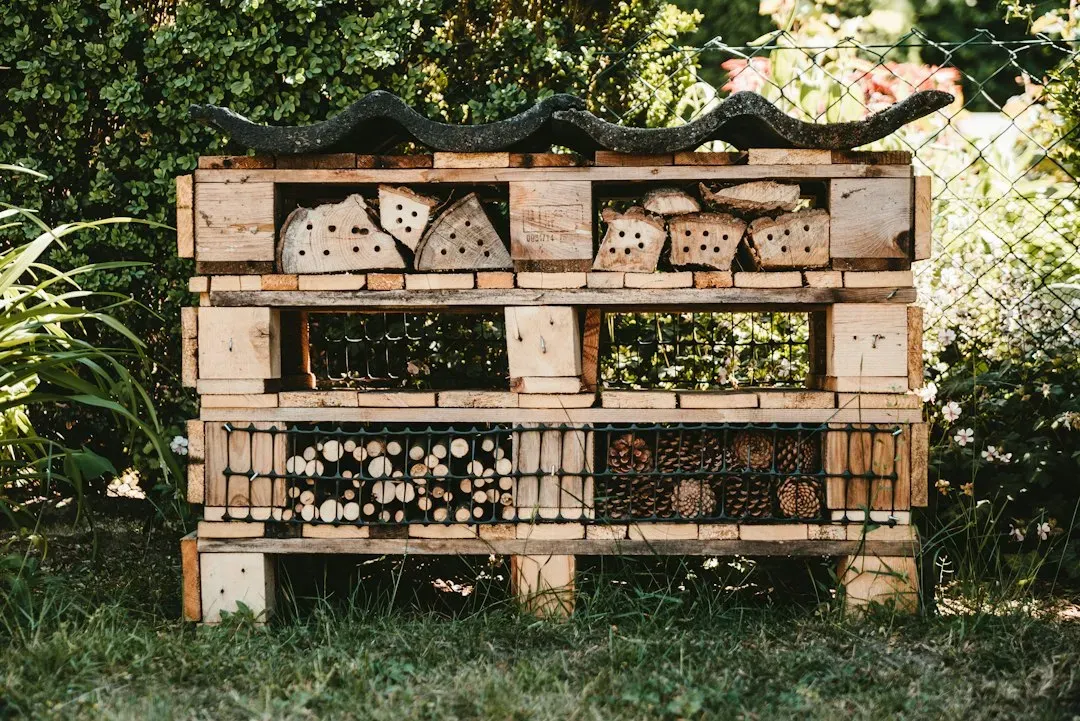
Most people picture bees as hive dwellers. In fact, most native bees are solitary, and many nest in the ground. A good share nest in cavities, including the hollow or pith-filled stems of plants.
Small carpenter bees, mason bees and others use these stems. Some native bees spend the entire winter sealed inside a plant stem, either as larvae or as adults. Cutting that stem down and tossing it can end the nest. Stems and twigs can also carry praying mantis egg cases, which look like little foam lumps and are easy to throw away by accident.
Conservation groups such as the Xerces Society generally advise leaving stems standing through winter. If you need to cut, leave stubs roughly a foot or two tall. Nests are inside the stems, so cutting low removes them.
Stems that often work:
- Elderberry
- Raspberry canes
- Sumac
- Joe Pye weed
- Bee balm
Don’t be in a hurry in spring either. Wait for consistently warm weather, since bees emerge later than most gardeners expect. Tidiness before then is mostly cosmetic.
There’s one more type of plant to leave up, and it gives shelter you can see from the street.

Halloween Cat Costume Cloak Witch Hat Pet Accessories
Check Price on AmazonAs an Amazon Associate, we earn from qualifying purchases.
10/9/2026 2:44 pm GMTi

Hand Blown Glass Hummingbird Feeders for Outdoors Hanging, 24oz Wild Bird Nectar Feeder
Check Price on AmazonAs an Amazon Associate, we earn from qualifying purchases.
10/7/2026 1:23 pm GMTi

Glass Hummingbird Feeder for Outdoors Hanging, 16 oz Leak-Proof Nectar Feeder with Bee Guards & Ant Moat
Check Price on AmazonAs an Amazon Associate, we earn from qualifying purchases.
10/7/2026 1:22 pm GMTi

Halloween Dog Collar with Bow, Orange Cute Ghost Collar,
Check Price on AmazonAs an Amazon Associate, we earn from qualifying purchases.
10/9/2026 2:43 pm GMTi

Dog Stairs for Bed 18" H, 4-Step Dog Steps for High Bed
Check Price on AmazonAs an Amazon Associate, we earn from qualifying purchases.
10/9/2026 2:42 pm GMTi
#2 – Evergreens, Left Unclipped: The Roost Behind the Hedge
🔥 Would you like to save this?
We'll email this post to you, so you can come back to it later!
Your overpruned hedge is probably failing the birds it was meant to help.
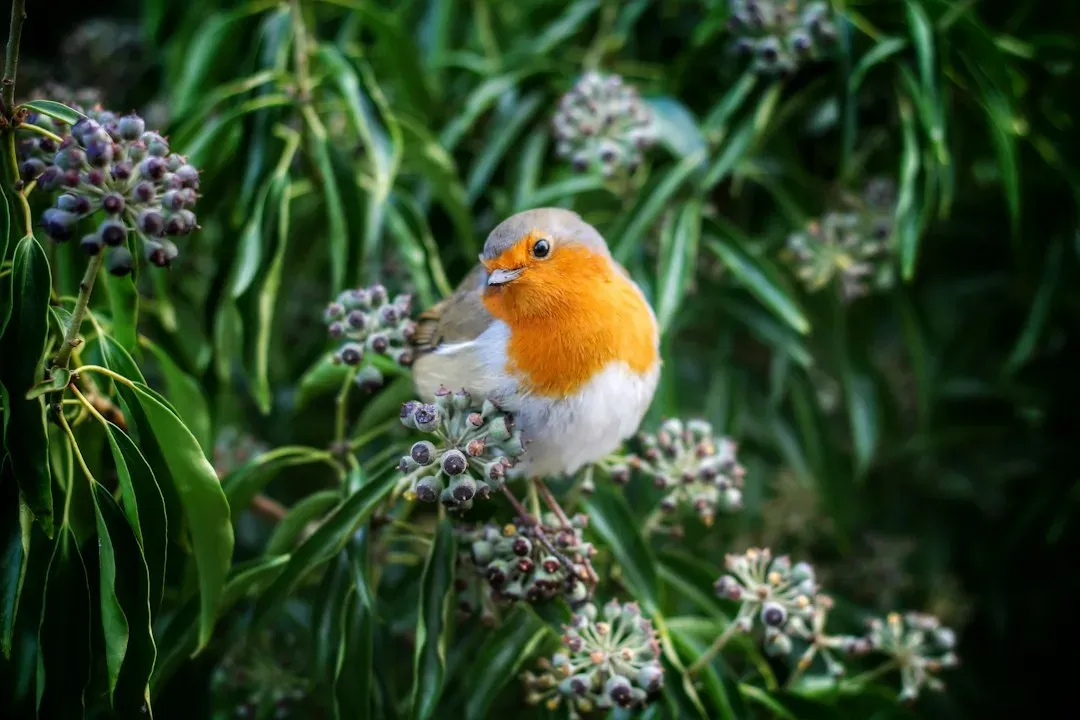
Dense evergreens such as spruce, pine, juniper, arborvitae and holly work as winter shelters. Their thick branches cut wind and hold off snow. Small birds use them as nighttime roosts, huddling in the interior where the air is calmer.
Evergreens also feed. Chickadees and nuthatches search needles and bark for insects, and cones from pine and spruce carry seeds. Juniper “berries” aren’t actually berries. They’re modified seed cones. Waxwings and robins still eat them, and cedar waxwings are named for their fondness for the fruit of eastern red cedar.
Why It Stands Out
- Thick branches cut wind and hold off snow
- The calm interior makes a nighttime roost
- Needles and bark hide insects; cones and juniper cones supply seed and fruit
- It stays green and useful when everything else is bare
The main mistake is shearing a hedge into a flat wall. That removes the inner branching birds use for perching and hiding. Winter trimming also removes shelter exactly when it’s needed.
Avoid shaking heavy snow off branches too. It can snap frozen limbs, and the snow cover itself adds insulation.
What to do instead:
- Prune evergreens lightly, if at all, in winter
- Let the lower branches stay dense
- Plant a group, not a single specimen, for better wind protection
Plant evergreens in clusters, ideally near berry shrubs or a feeding spot, so birds can move between food and cover quickly. A bird that feeds and shelters within a few hops spends less energy getting there, and on a bitter night that saved energy matters.
But the biggest winter hiding place of all is the one most gardeners remove first.

2 Pcs Halloween Pet Hat Bandana Set, Witch Pumpkin Costumes for Dogs
Check Price on AmazonAs an Amazon Associate, we earn from qualifying purchases.
10/9/2026 2:45 pm GMTi

Professional 7 in 1 Dog Paw Cleaner for Dogs & Cats - Includes 1 Portable Paw Washer, 1 Bath Brush
Check Price on AmazonAs an Amazon Associate, we earn from qualifying purchases.
10/7/2026 1:26 pm GMTi

Glass Hummingbird Feeder for Outdoors Hanging
Check Price on AmazonAs an Amazon Associate, we earn from qualifying purchases.
10/7/2026 1:21 pm GMTi

PetSafe Oasys Pet Fountain, 1/2 Gallon (64 oz), Small Dogs & Cats
Check Price on AmazonAs an Amazon Associate, we earn from qualifying purchases.
10/8/2026 8:14 am GMTi
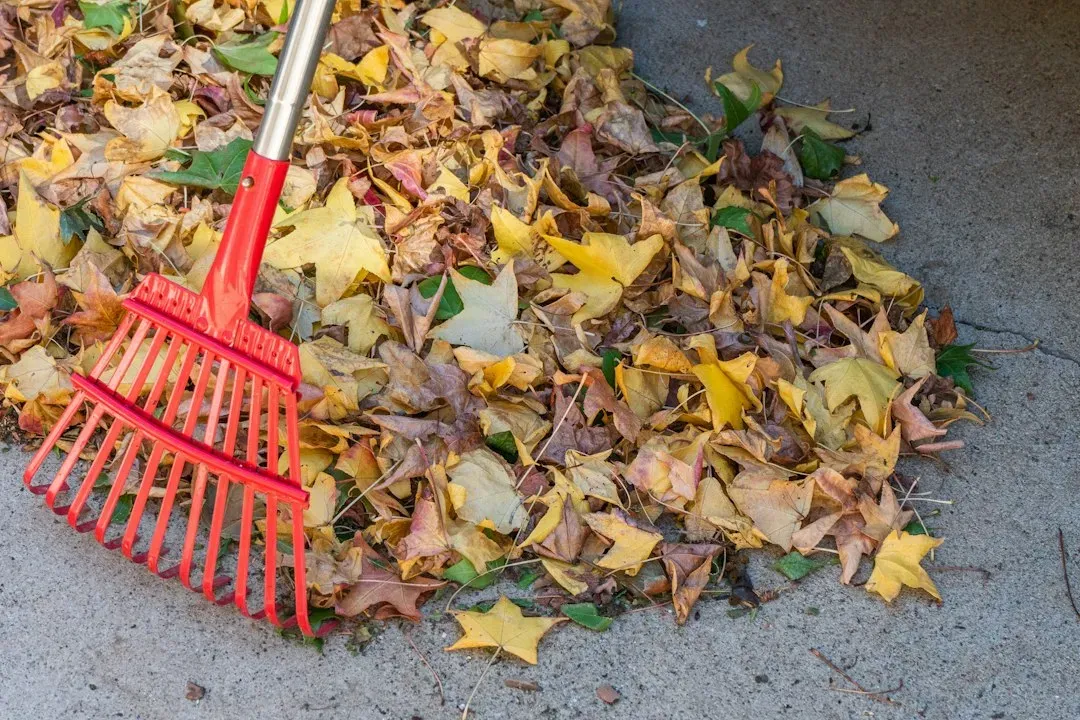
#1 – Fallen Leaves: The Blanket You Keep Bagging
🔥 Would you like to save this?
We'll email this post to you, so you can come back to it later!
The leaves you’re bagging are home to creatures you’d actually miss.
Leaves aren’t standing, but they matter more than anything else on this list. Leaf litter is a living layer. Beneath it, insects, spiders, snails and other small creatures overwinter, and many animals depend on them.
Start with fireflies. Adult fireflies live for just a few weeks, while the larvae can spend a year or two in the soil and leaf litter. Bag the leaves and you remove those larvae from the yard. Those glowing larvae are also predators that hunt snails and slugs, so they’re working for you the whole time.
Luna moth cocoons lie in leaf litter, and woolly bear caterpillars shelter beneath it. Queen bumble bees often burrow into soil or leaf litter to overwinter. Toads and box turtles also use it.
Birds benefit too. Towhees, thrushes and wrens flip leaves to find insects. Take away the leaves and you remove the buffet that ground-foragers rely on in cold weather.
You don’t have to bury your lawn. Thick, matted leaves can smother grass, so rake them onto garden beds and under trees. Lightly shred the rest with a mower.
So here’s my verdict. The biggest mistake in autumn gardening is treating wildlife habitat as garbage. Grass clumps, seed heads, hollow stems, leaves, brush and a few untrimmed shrubs all do real work between November and March. Most of them cost nothing and take less effort than the cleanup they replace.
My opinion: the “perfect” winter garden is overrated. A yard that looks spotless in January is usually a yard with nothing alive in it. You don’t need to leave everything wild. Pick two or three of these, keep them safe and away from your house, and you’ve already done more than most yards do.
Which one of these would you refuse to leave in your own yard, and why?

- 8 Things to Leave Standing in a Garden All Winter for Animals - November 9, 2026
- 19 Things a Vet Works Out From Watching an Animal Enter Reception - November 9, 2026
- 13 Garden Habits That Quietly Help Animals Survive an American Winter - November 9, 2026