


Volcanic eruptions are awe-inspiring natural events that remind us of the Earth’s dynamic and ever-changing nature. While most people might think of Hawaii or Alaska when considering volcanic activity in the United States, various states across the country hold the potential for eruptions. In this article, we’ll explore the 14 U.S. states most likely to experience a volcanic eruption, delving into the geological factors that make them hotbeds of volcanic activity.
Understanding Volcanic Eruptions

Volcanic eruptions occur when there is a build-up of pressure from the molten rock beneath the Earth’s crust. This pressure forces magma to the surface, leading to an eruption. The intensity and type of eruption depend on various factors, including magma composition, gas content, and the volcano’s structure. Understanding these elements helps in assessing the risk of eruptions in different regions.
Alaska America’s Volcanic Giant
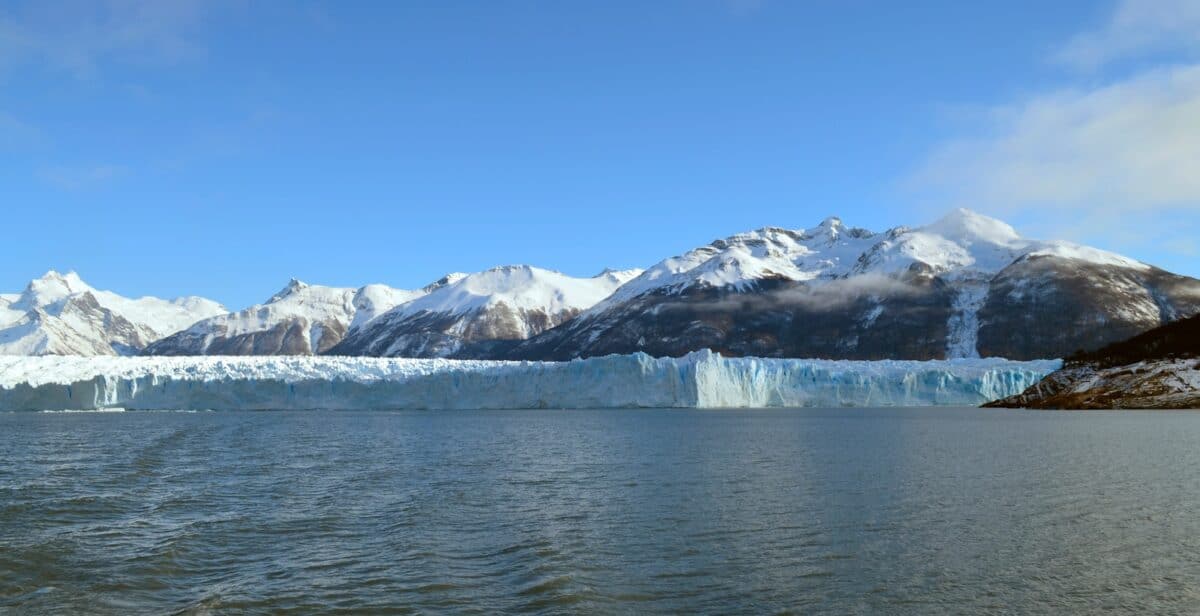
Alaska is home to over 130 volcanoes, and it sees more eruptions than any other state. The state’s volcanoes are part of the Pacific Ring of Fire, a zone of high volcanic and seismic activity. Alaska’s location on multiple tectonic plate boundaries makes it a hotspot for eruptions, with notable volcanoes like Mount Redoubt and Augustine Volcano.
Hawaii The Volcanic Islands
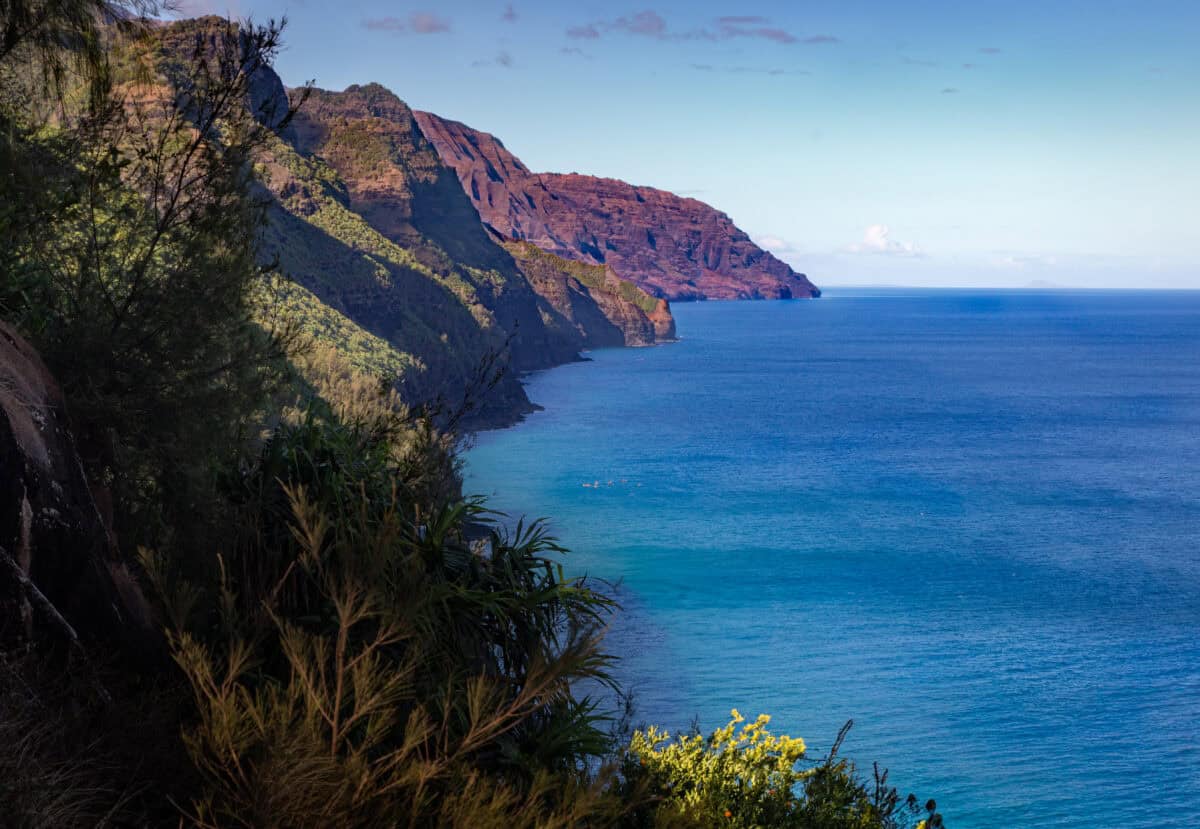
Hawaii’s volcanic activity is primarily due to a hot spot located beneath the Pacific Plate. The most famous Hawaiian volcano is Kilauea, which has been erupting since 1983. Hawaiian volcanoes are known for their effusive eruptions, characterized by the steady flow of lava rather than explosive activity.
California’s Volcanic Threats
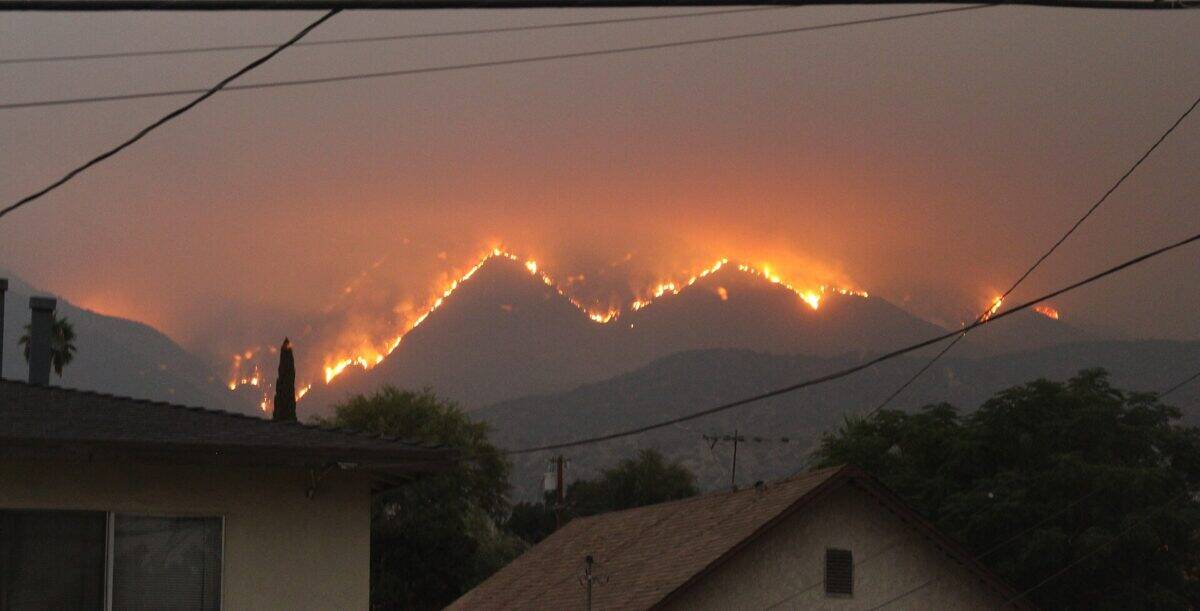
California might be more famous for earthquakes, but it also has several active volcanic regions. The Long Valley Caldera and Mount Shasta are significant volcanic systems that pose a threat. While eruptions are less frequent, the potential for significant volcanic events remains a concern for this populous state.
Oregon’s Cascade Range
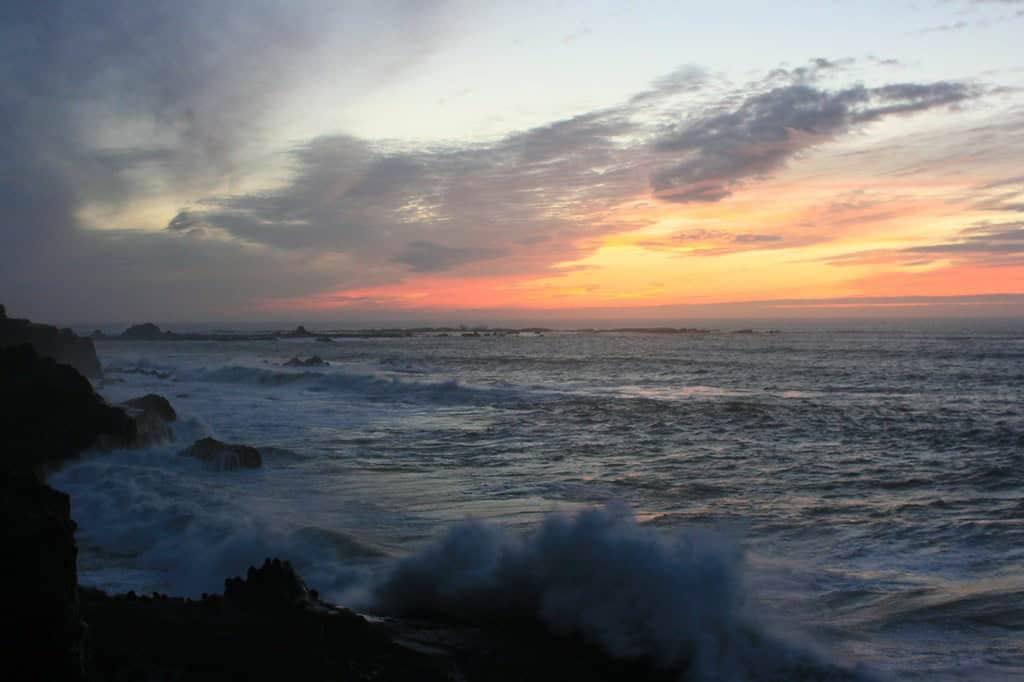
The state of Oregon houses a portion of the Cascade Range, a volcanic arc responsible for many of North America’s explosive eruptions. Mount Hood and Crater Lake are notable volcanic sites. This range’s formation is linked to the subduction of the Juan de Fuca Plate beneath the North American Plate.
Washington’s Active Volcanic Landscape

Washington’s Mount St. Helens famously erupted in 1980, proving the state’s vulnerability to volcanic activity. The state is part of the Cascade Range and includes other potentially active volcanoes like Mount Rainier and Mount Adams. The state’s geological activity is closely monitored for early signs of future eruptions.
Wyoming’s Yellowstone Caldera
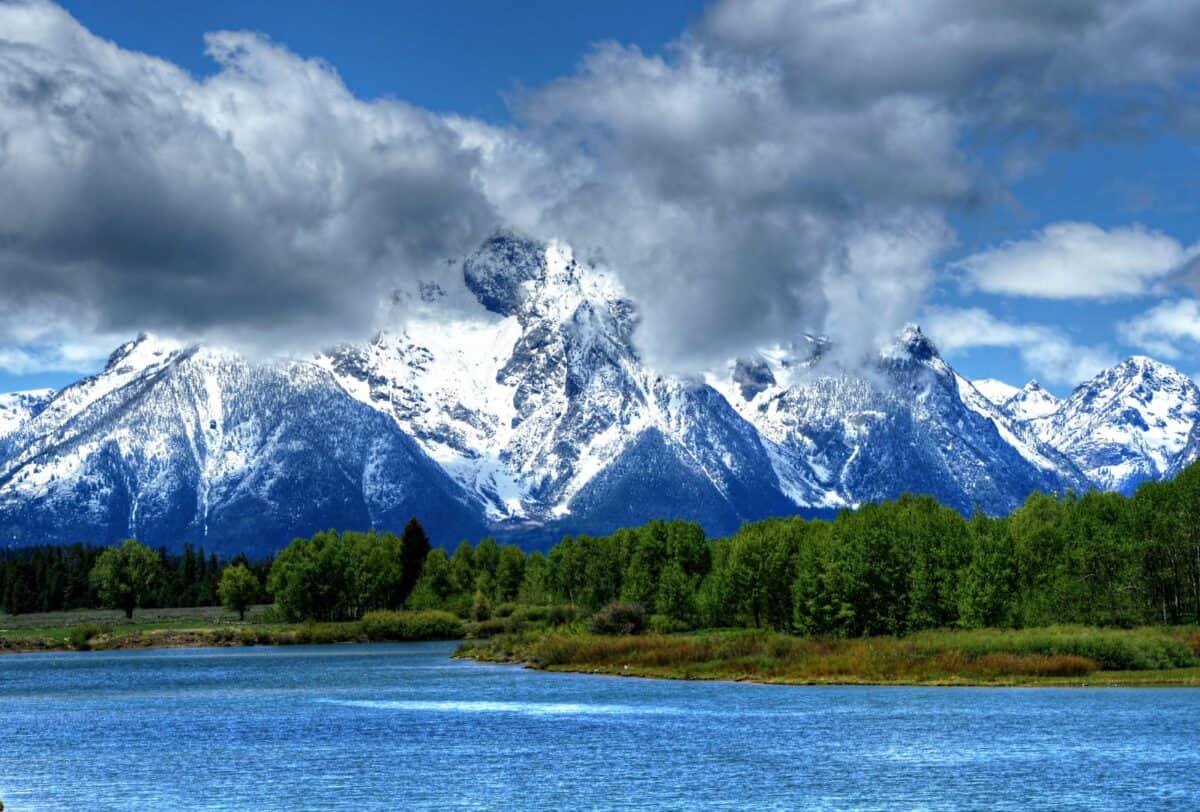
The Yellowstone Caldera is one of the world’s most famous super volcanoes. While major eruptions are infrequent, the potential impacts are catastrophic on a global scale. The caldera’s geothermal features and regular seismic activity make it a focal point for monitoring and research.
Idaho’s Volcanic Potential
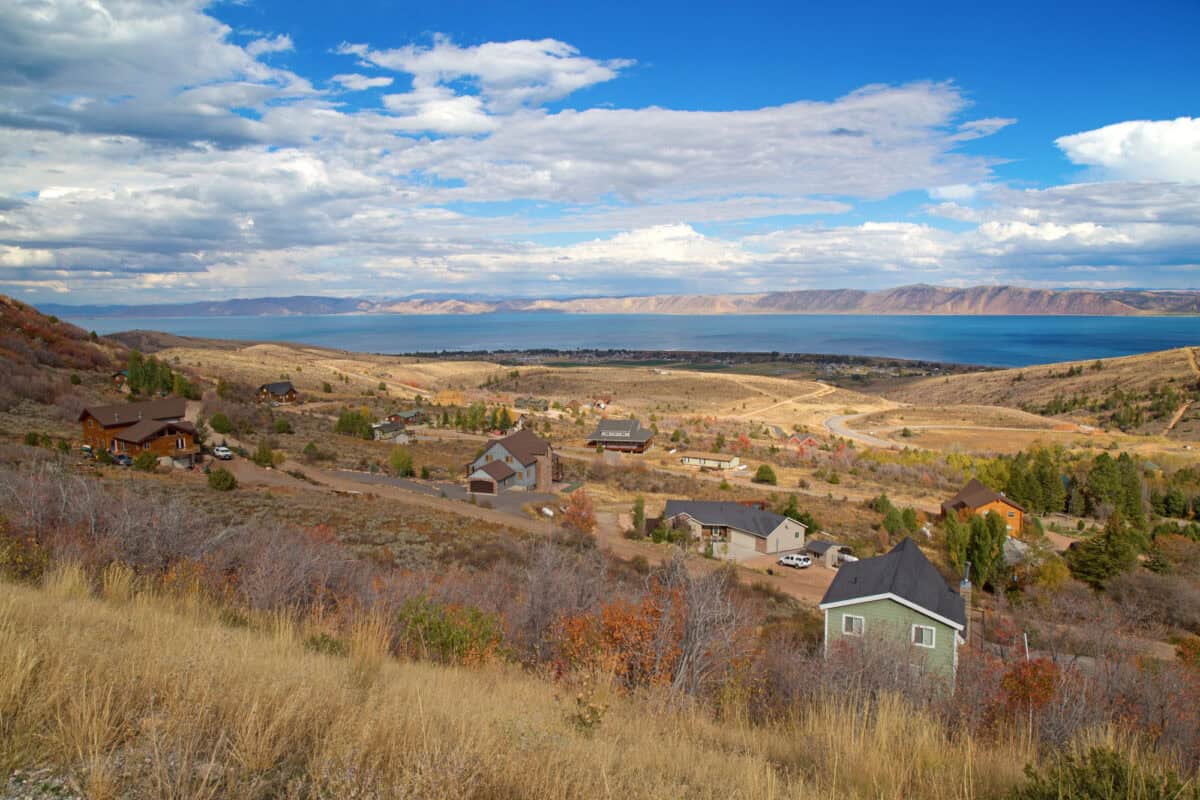
Idaho hosts the Snake River Plain, a volcanic region characterized by past basaltic lava flows. The plain is a remnant of the Yellowstone Hotspot’s migration. While recent activity is limited, the volcanic history suggests potential hazards from future eruptions.
Arizona’s Volcanic Past

Arizona may not be an overt volcanic hotspot, but its volcanic field in the San Francisco Peaks area tells a tale of its fiery past. Sunset Crater Volcano last erupted around 1085 AD. Although current activity is dormant, geological evidence underscores potential future eruptions.
Nevada’s Geologic Restlessness
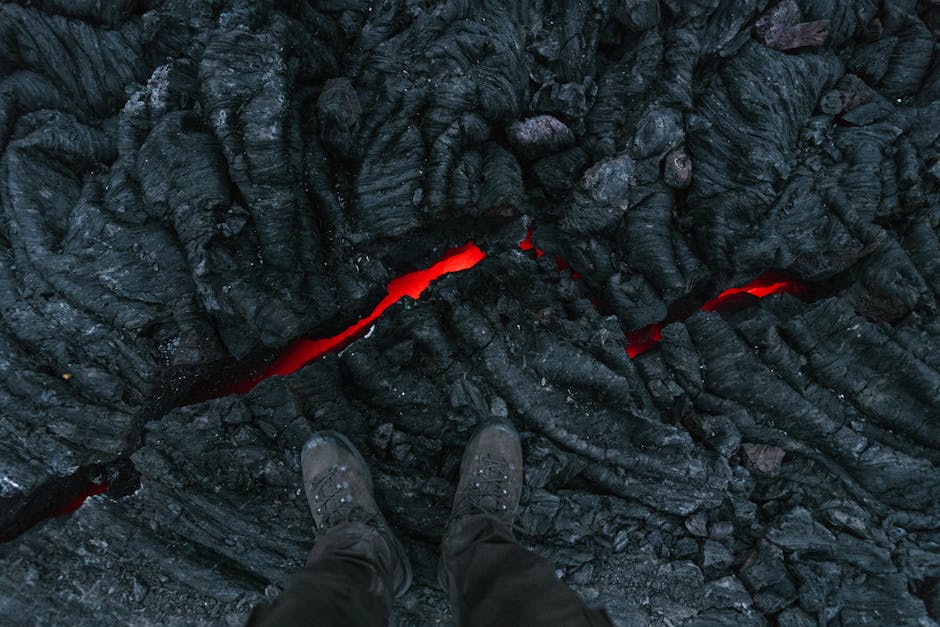
The volcanic fields in Nevada are lesser-known but represent the state’s geologically active history. The Black Rock Desert and Lunar Crater Volcanic Field feature young volcanic deposits, highlighting the potential for forthcoming eruptions in the region.
New Mexico’s Explosive History
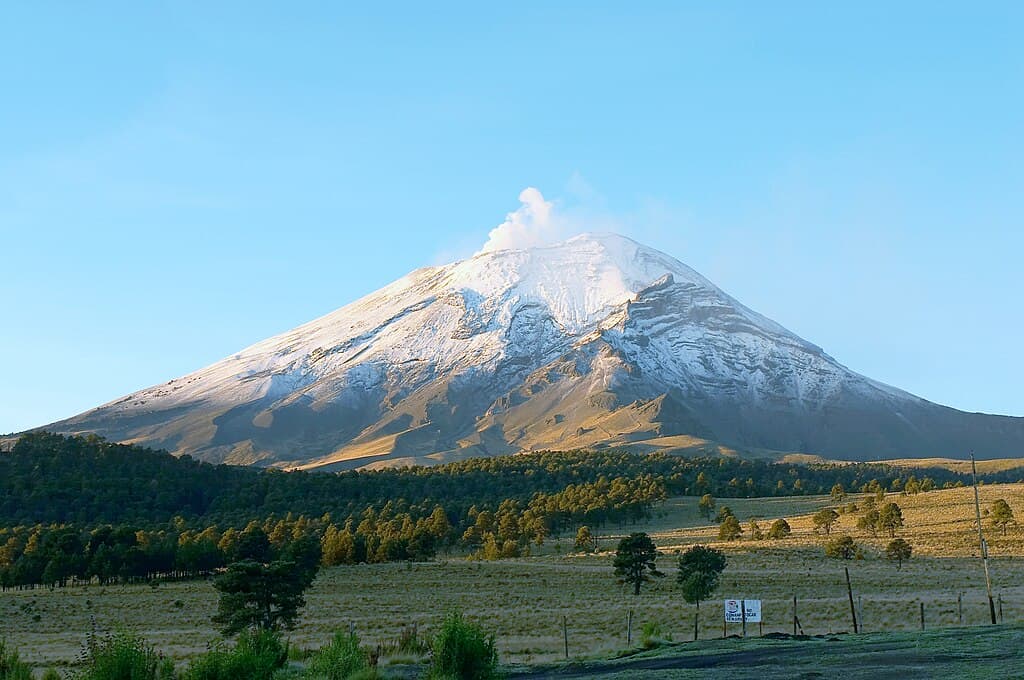
New Mexico’s volcanic landscape is marked by the Valles Caldera, an ancient and potentially active supervolcano. While the last major eruption occurred over a million years ago, ongoing geothermal activity indicates future volcanic potential.
Colorado’s Dormant Volcanoes
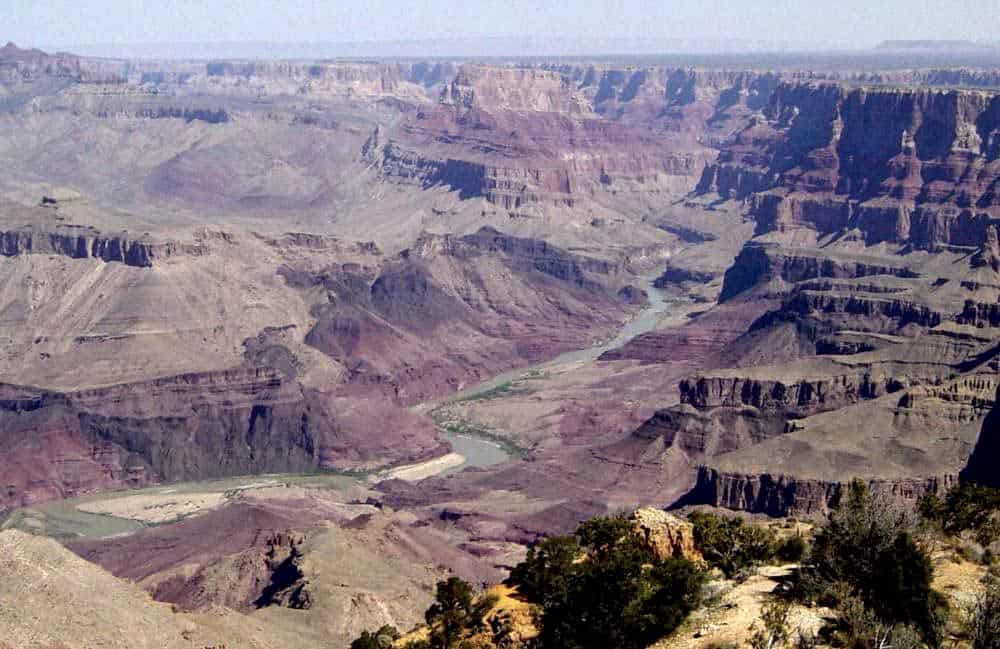
Colorado’s San Juan Volcanic Field showcases the state’s volcanic past. While currently dormant, the region’s past activity and the dynamic earth beneath make it a noteworthy area for future monitoring and research into volcanic potential.
Utah’s Black Rock Desert
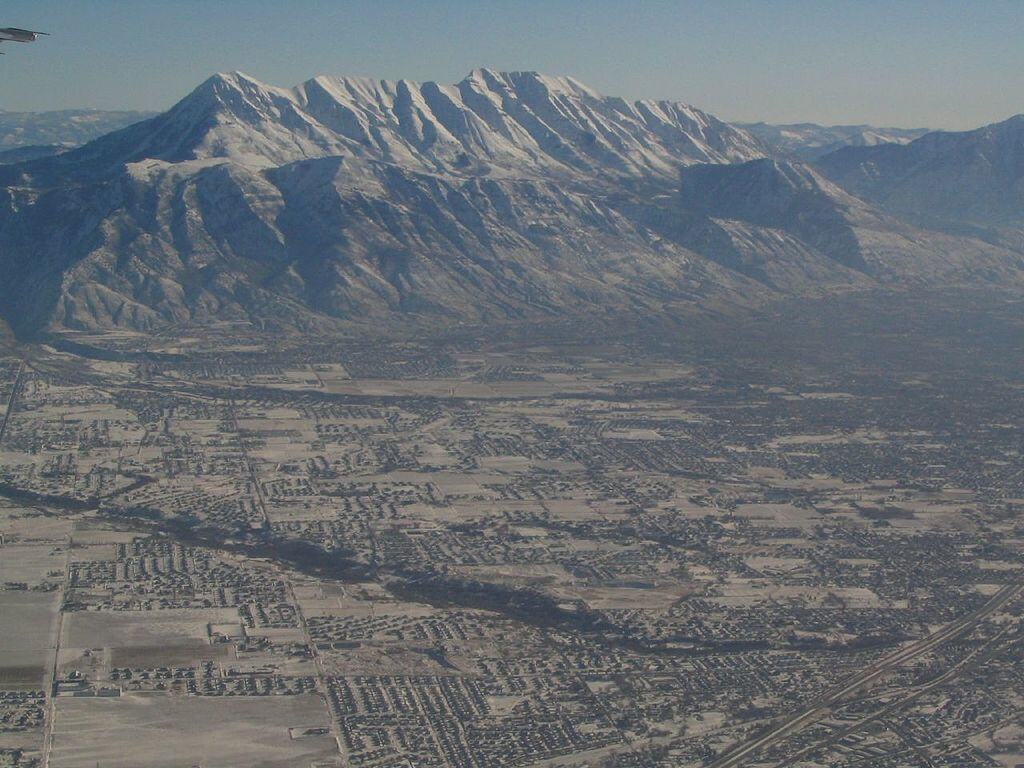
Utah’s Black Rock Desert features a series of young volcanic cones and lava flows. The last eruption occurred around 660 years ago, suggesting the potential for future activity. This desert highlights the often-overlooked volcanic potential within Utah.
Montana’s Seismic Activity

Although Montana lacks currently active volcanoes, the state’s proximity to the Yellowstone Caldera and regional seismic activity warrants inclusion in the conversation about potential eruptions. The state’s geological features suggest a history of volcanic activity, contributing to its seismic landscape.
Conclusion: Preparing for Potential Eruptions

Understanding the volcanic potential in these 14 states is crucial for disaster preparedness and mitigation. Each state’s unique geological characteristics contribute to its eruption risk, necessitating ongoing monitoring and research. By studying these potential hotspots, we can better anticipate and prepare for the natural marvel—and potential hazard—that is a volcanic eruption.

As a little kid, I fell in love with nature, wildlife, and animals. Living in the USA, South Africa, Italy, China and Germany gave me the opportunity to discover the world's Wildlife. My favorite animals are Mountain Gorillas, Siberian Tigers, and Great White Sharks.
I'm a certified PADI Open Water Diver, went to Everest Base Camp and Trekked Gorillas in Uganda. I hold a Master of Science in Economics and Finance.
Please send any feedback to feedback@animalsaroundtheglobe.com
- 14 Stunning Animals You Can See in India - July 18, 2026
- The Most Enormous Lobster Ever Pulled From Maine Waters - July 18, 2026
- The Most Dangerous Waters for Sharks in North America - July 18, 2026