

Walk into any natural history museum and you’ll find towering dinosaur skeletons that capture our imagination with their prehistoric majesty. Yet what many visitors don’t realize is that while they’re admiring these ancient fossils, living dinosaurs are likely chirping in the trees outside. Birds are dinosaurs, of course, but the story of prehistoric survival goes much deeper than that simple fact.
These creatures, such as the coelacanth and crocodiles, have not only survived the challenges of eons but continue to thrive even as modern ecosystem engineers. Their existence offers invaluable insights into both the past and the ongoing processes of natural selection. Living fossils represent one of nature’s most remarkable achievements. They’ve witnessed ice ages, volcanic catastrophes, and mass extinctions that wiped out countless species, yet somehow they endured. So let’s get started and discover these incredible survivors that continue to share our planet today.
Horseshoe Crabs: Ancient Mariners of the Seafloor
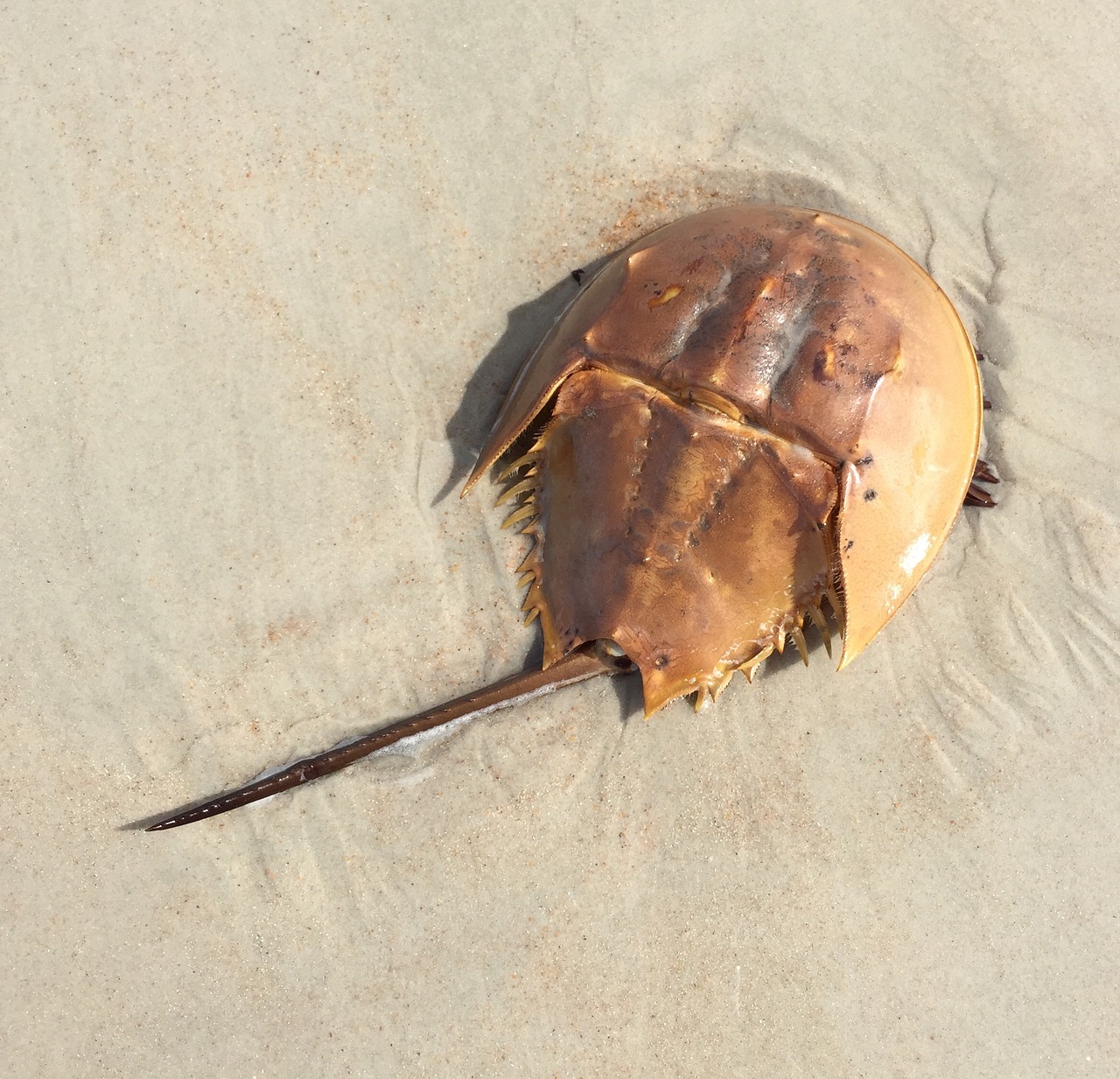
With a lineage dating back over 450 million years, horseshoe crabs are among the oldest species still alive to date. These prehistoric animals have survived multiple mass extinctions, which makes their blue blood highly valued for medical research. Think about that for a moment. These creatures were scuttling across ocean floors when the first fish were developing jaws.
Despite their name, horseshoe crabs aren’t actually crabs. They are arthropods, and share more similarities with spiders and scorpions. Their copper-blue blood contains unique compounds that react to bacterial toxins, making it invaluable for testing the safety of vaccines and medical devices. Spawning season is just beginning, and swarms of horseshoe crabs dot the intertidal zone to lay their eggs – an unfailing, ancient phenomenon that stretches back millions of years.
The Coelacanth: Back from the Dead
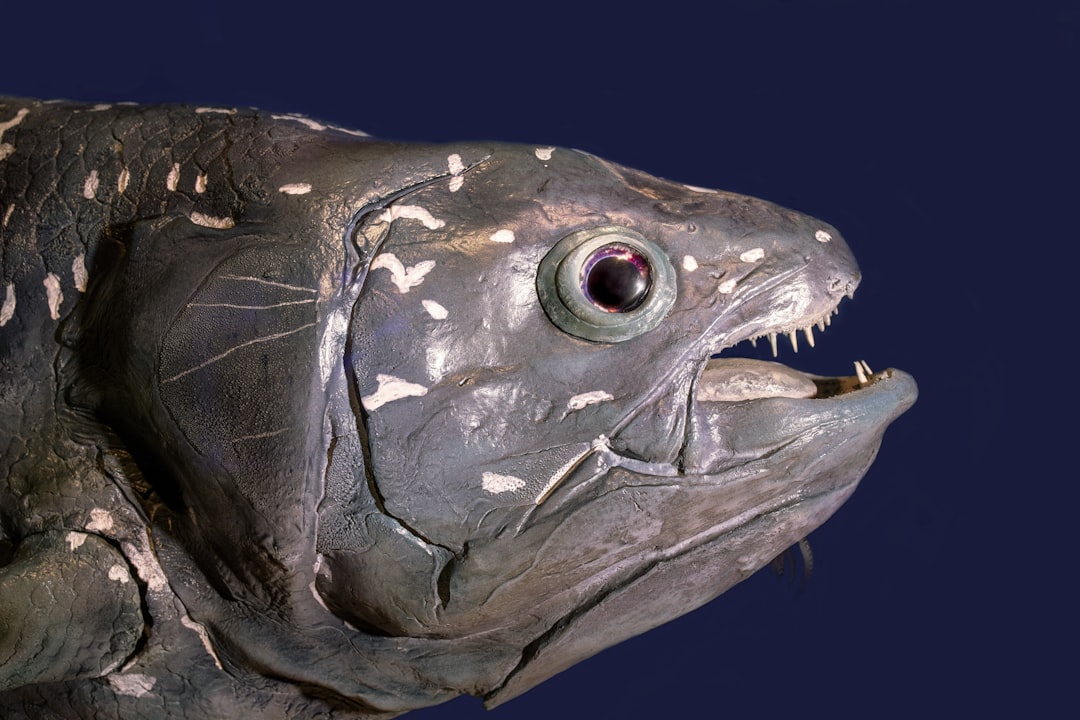
Often dubbed a “living fossil,” the coelacanth was thought to be extinct until it was rediscovered in 1938. As one of the oldest prehistoric animals still alive today, the coelacanth has remained largely unchanged for millions of years. Picture the shock of that South African museum curator who spotted this “extinct” fish at a local market.
Genetic studies confirm modern coelacanths are nearly identical to their fossil ancestors from a shocking 400 million years ago. These “living fossils” have many primitive features, including a hinged skull, oil-filled buoyancy bladder, small limbs with lobed fins, and metallic blue scales. They live deep offshore waters, only emerging at night, which explains how they stayed hidden from science for so long.
Tuatara: The Dragon That Time Forgot

The tuatara is a reptile from New Zealand. It’s one of several prehistoric animals that are still alive today that resembles lizards but belongs to a distinct lineage dating back to the dinosaur age. Since it’s outlived many other species over centuries, the tuatara is a unique example of evolutionary persistence.
An unusual looking creature with a third eye in the middle of its head and two rows of top teeth, the Tuatara loosely resembles a lizard. However, the Tuatara is not a lizard, but the last surviving species of an archaic order of reptilians called Rhynchocephalia, belonging to the group Sphenodontia. That third eye actually functions as a light sensor, helping regulate daily and seasonal behavior cycles.
Goblin Sharks: Prehistoric Nightmares of the Deep
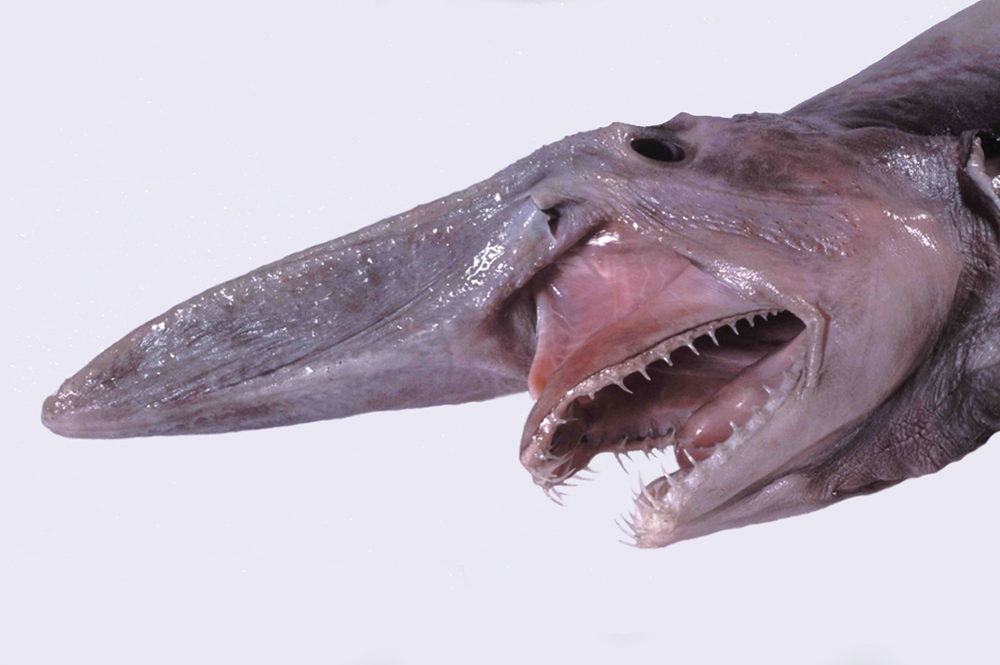
The goblin shark is known for its protruding snout and striking appearance. It’s another one of many prehistoric animals alive today that are often referred to as living fossils. This rare species continues to elude scientists by embodying the mystery of the ocean’s depths.
The goblin shark, hauntingly rare and distinct, has inhabited the deep sea for approximately 125 million years. Its protrusible jaw and elongated snout are reminiscent of its prehistoric relatives, providing a unique glimpse of ancient marine life. When hunting, their jaws literally shoot out like something from an alien horror movie. Despite the frightening look and large size, this shark species is practically harmless to humans.
Lungfish: Masters of Two Worlds
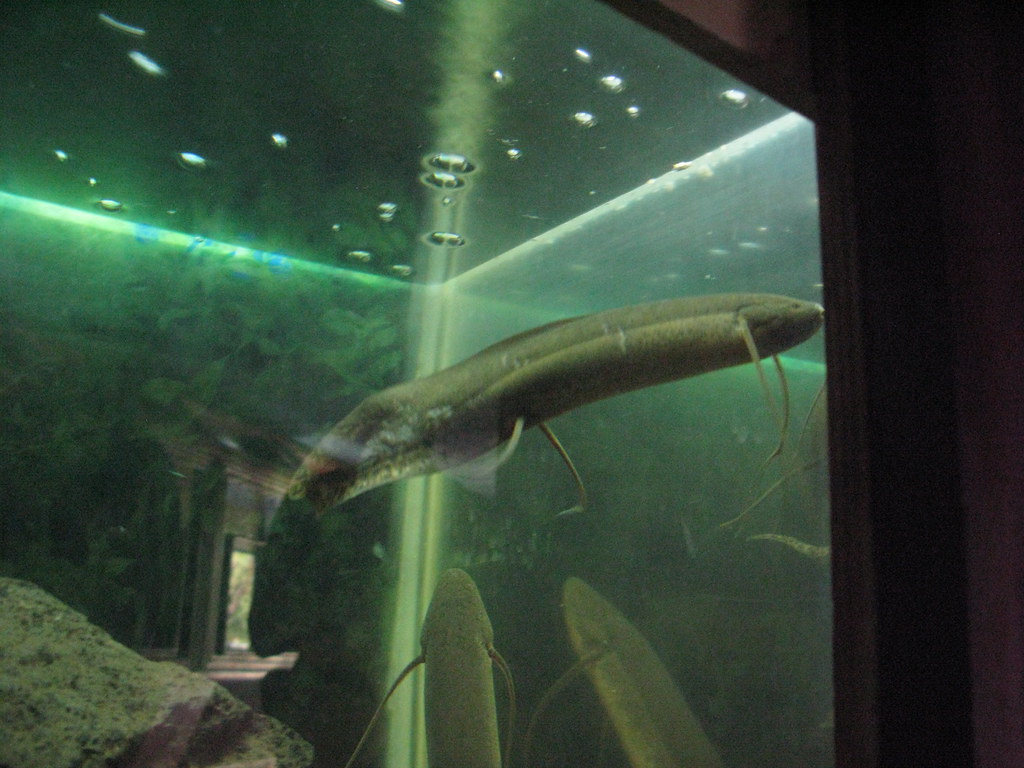
Lungfish have been present for approximately 400 million years, renowned for their ability to breathe both in water and on land. Their evolutionary adaptations add to the narrative of life transitioning from aquatic to terrestrial environments. These remarkable fish literally have lungs alongside their gills.
Today just 6 species of lungfish remain across Africa, South America, and Australia. Lungfish can estivate in dried mud during droughts, going into a state of torpor or dormancy for years, or even decades while waiting for water. That remarkable evolutionary adaptation is key to the species thriving for aeons relatively unchanged. Imagine surviving in a mud cocoon for decades, waiting for the rains to return.
Crocodilians: Ultimate Survivors
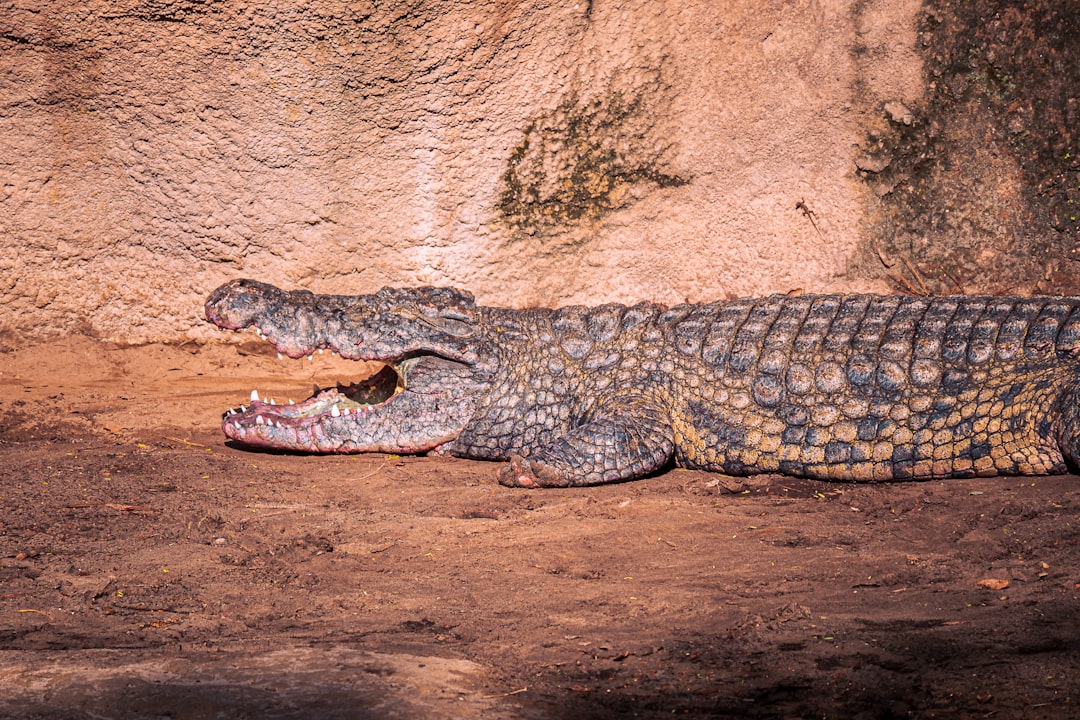
Crocodilians lived with dinosaurs, and they were capable of killing and eating the terrible lizard. They survived the worst mass extinctions in the planet’s history that wiped out 90% of the creatures during that time. These apex predators have mastered the art of evolutionary perfection.
These extant crocodilians share a common ancestor that lived alongside the dinosaurs in the Late Cretaceous, about 80 million years ago. Yes, today’s crocodilians may look prehistoric, but they’ve come a long way since their ancestors’ origins in the Late Triassic and may continue to diversify as climate change forces them to adapt. Their design is so effective that evolution barely needed to tinker with it.
Chinese Giant Salamander: Ancient Amphibian Giant
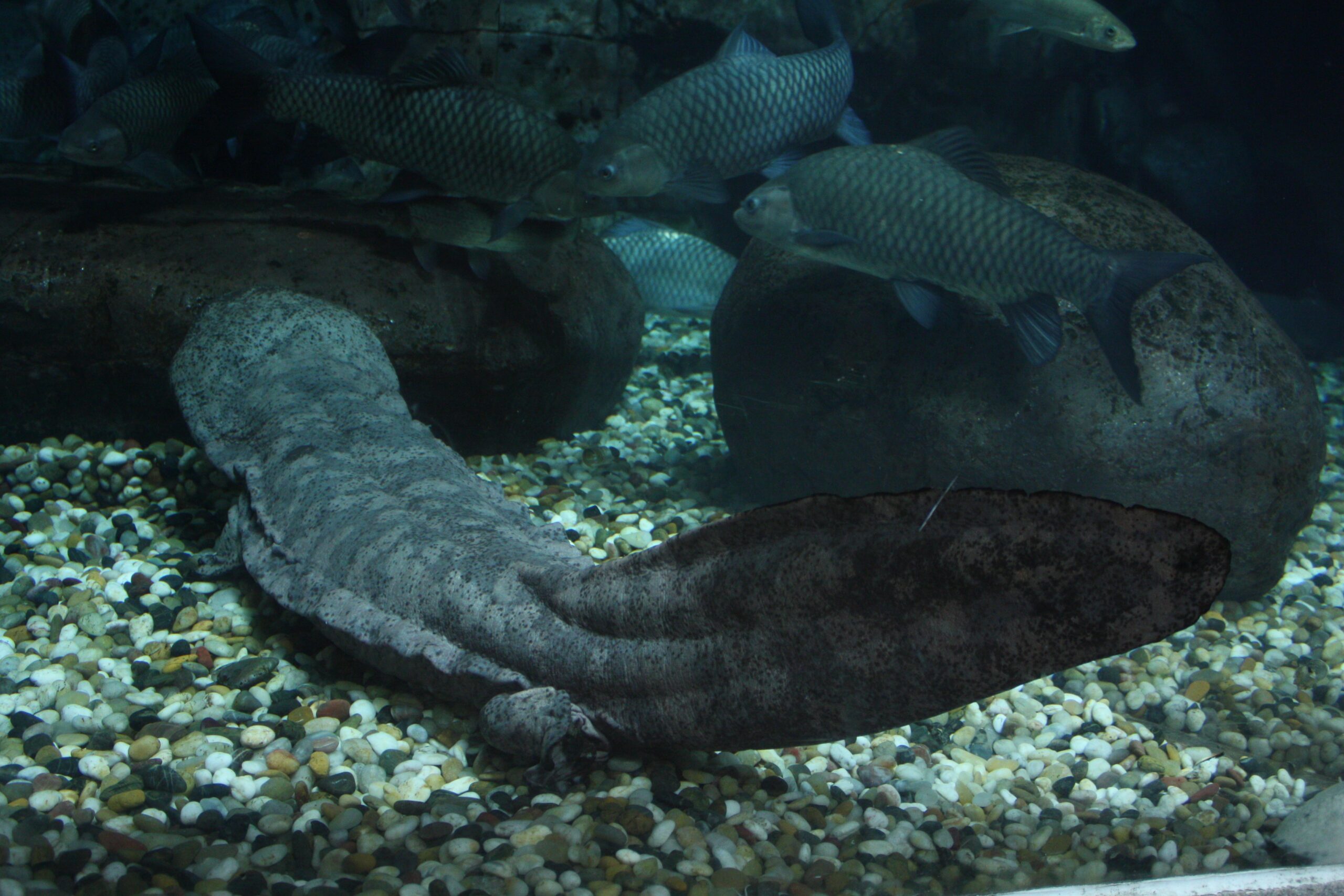
The world’s largest amphibian, the Chinese giant salamander, has remained largely unchanged for approximately 30 million years. This critically endangered species is a sensitive indicator of freshwater ecosystem health and an extraordinary example of long-term survival.
The Chinese giant salamander is the largest salamander in the world and can reach six feet long. They weigh over 100 pounds and approach six feet in length. These gentle giants can live for over a century, breathing through their skin and hunting by detecting vibrations in the water. Tragically, habitat destruction and harvesting for traditional medicine have pushed them to the brink of extinction.
Ginkgo Trees: Living Time Capsules
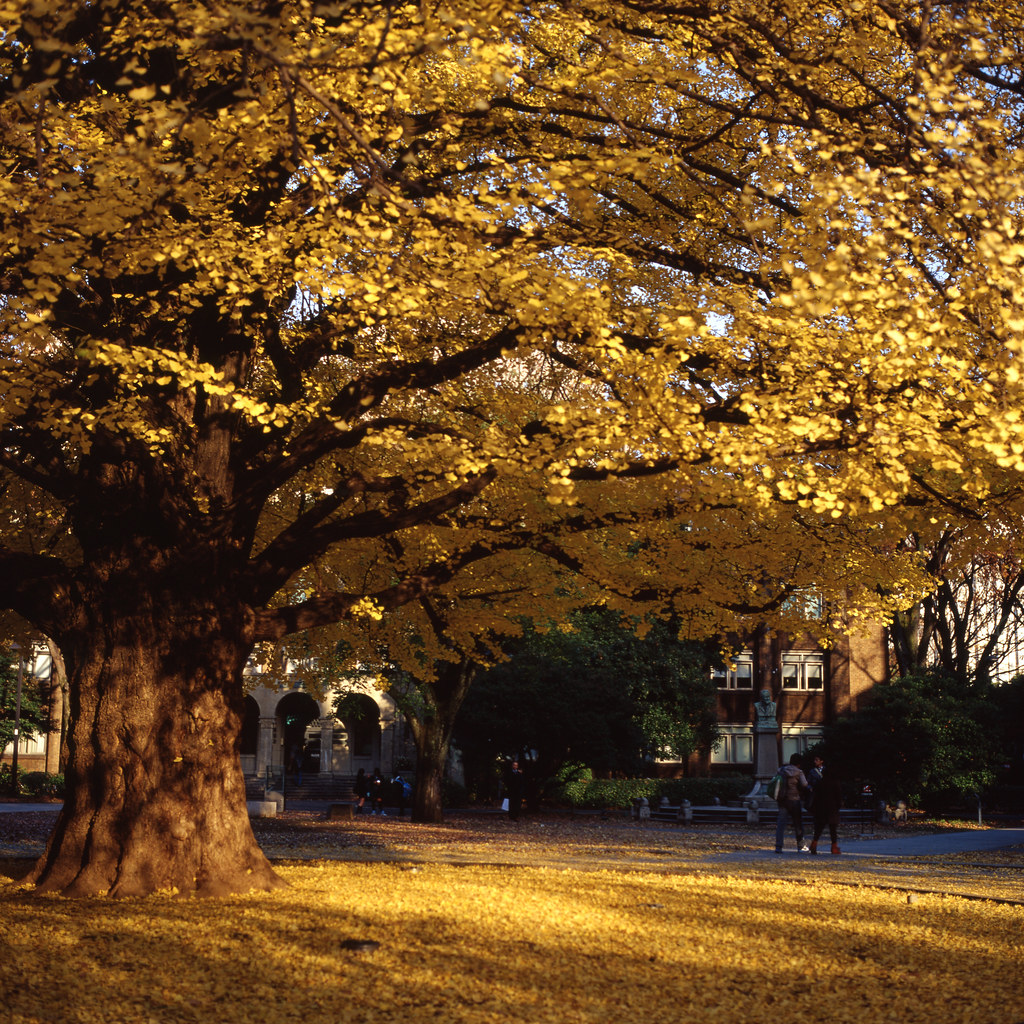
The ginkgo (Ginkgo biloba) is a living fossil, with fossils similar to the modern plant dating back to the Permian, 270 million years ago. Not all living fossils swim or crawl. This remarkable tree stands as a testament to plant resilience.
Scientists know the species Ginkgo biloba has existed in its current form for approximately 170-200 million years; it has genetically similar ancestors dating back 170 million years to the Jurassic Period. In its nearly 200-million-year timeline, “they gradually were whittled down. They almost went extinct. Then they have this renewal that comes from their association with humans.”
Sea Jellies: Oceanic Immortals
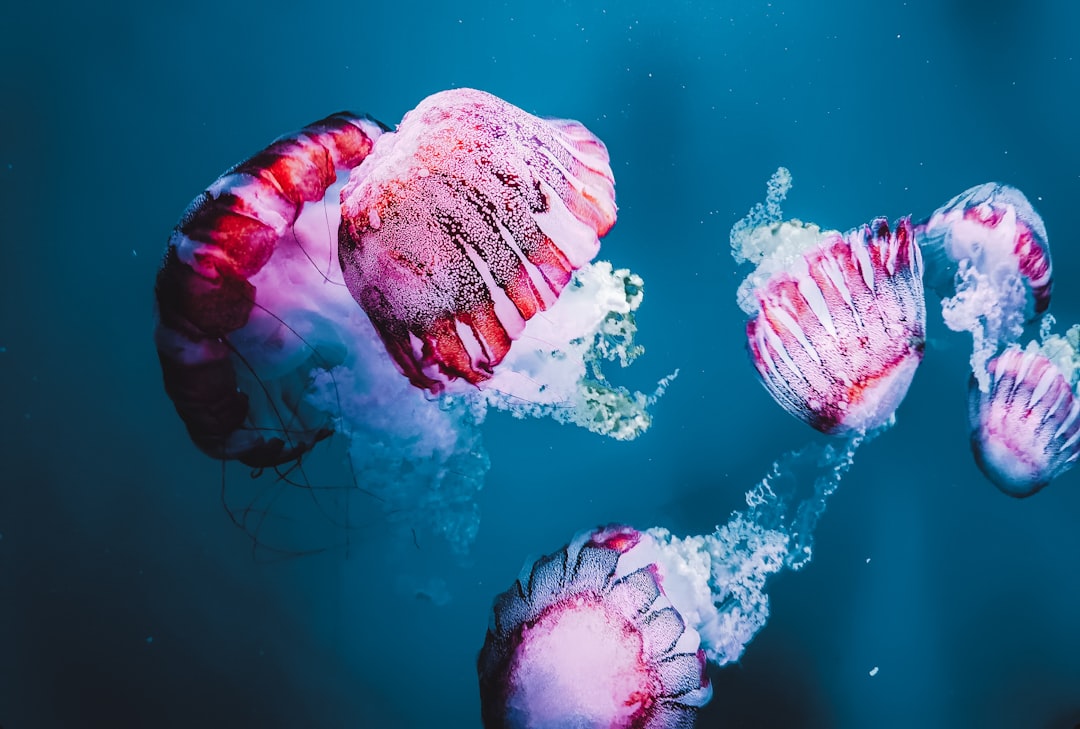
Sea jellies (aka jellyfish) are a charismatic subphylum that is familiar to all. Fossil evidence dates sea jellies as far back as 500 million years ago – if not longer. Because they are soft bodied creatures and are at least 95% water, their fossils are extremely difficult to find, but not impossible when preserved in fine sediment.
What sets sea jellies apart from the rest of the animals on this list is their high adaptability and predicted successful future. Because of their lack of complex features, things like temperature, salinity and acidity, which are causing the demise of so many ocean animals, are not a problem for sea jellies. In fact, warm temperatures and dead zones (areas of water with depleted oxygen) are places where sea jellies thrive. They might inherit the oceans as other species struggle with climate change.
Sturgeons: Ancient Fish of Many Waters
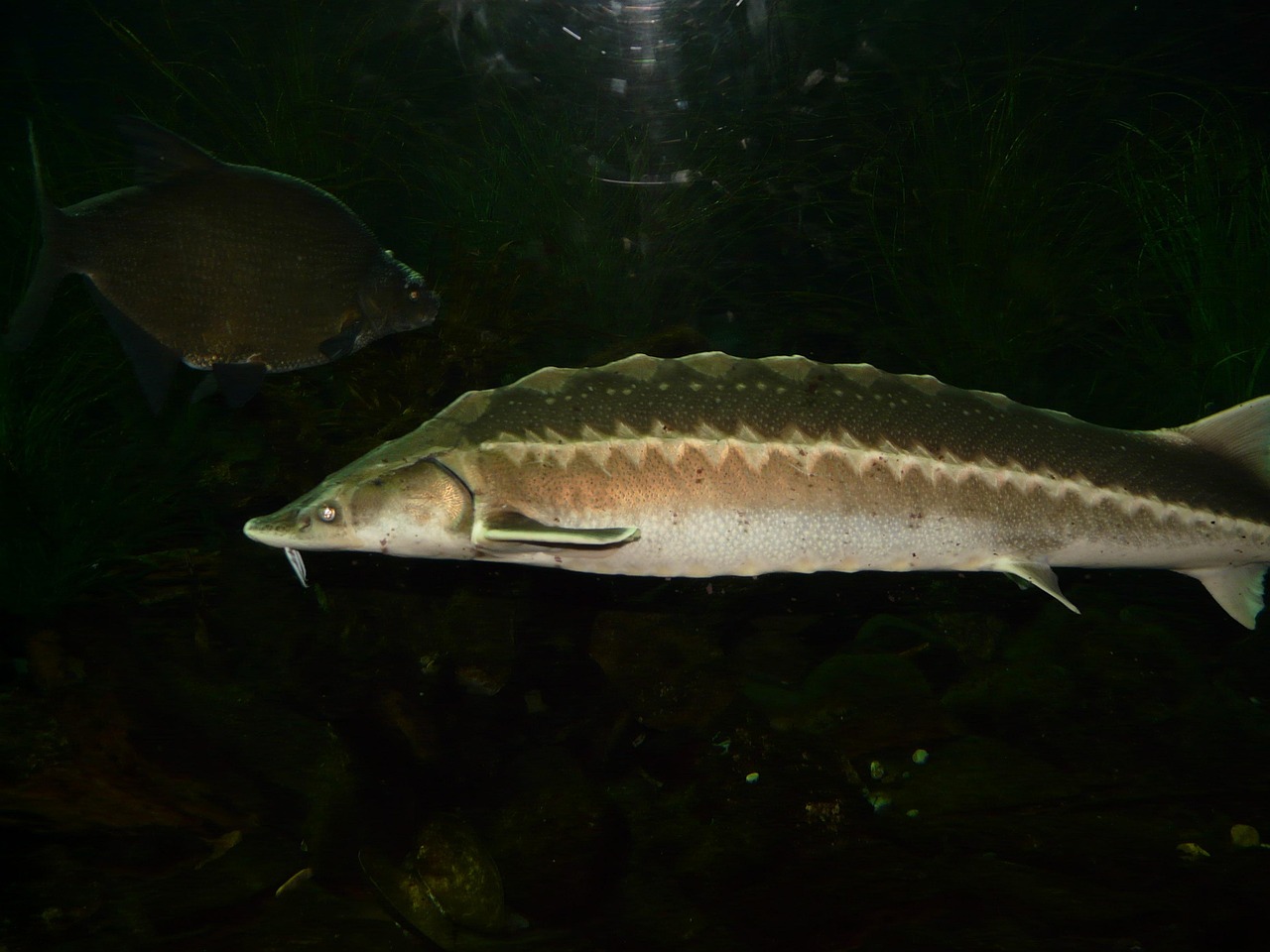
There are many different species of sturgeon and most have been around for 100 million years. Sturgeon have existed for 100 million years and they’re found in both fresh and saltwater environments. There are over 25 different types throughout temperate regions of the Northern Hemisphere.
These large, bony fish have been swimming in Earth’s oceans for over 100 million years. Their distinctive elongated bodies, armored plates, and shark-like cartilaginous skeleton have remained largely unchanged throughout their evolutionary history. Some of the best caviar in the world is harvested from sturgeon which has put some species at risk of extinction. The largest sturgeons are well over 1,000 pounds. These living fossils produce some of the world’s most expensive food.
Conclusion: Windows to Earth’s Deep Past

These extraordinary survivors offer us something more precious than any museum exhibit could provide. They’re living links to worlds that existed hundreds of millions of years before humans took their first steps. The presence of these prehistoric animals on is a testament to their adaptability and resilience. They serve as valuable links to our planet’s past, providing insights into the evolutionary processes that have shaped life on Earth. As we continue to explore the natural world, we may uncover even more of these living fossils, each offering a unique perspective on the remarkable history of life on Earth.
Yet many of these ancient survivors now face their greatest challenge. Climate change, habitat destruction, and human activity threaten creatures that outlasted the dinosaurs and survived multiple mass extinctions. Perhaps it’s time we learned from their remarkable resilience and worked to ensure these living treasures continue their incredible journeys through time.
What do you think about it? Tell us in the comments.

- 12 Architectural Wonders From The Ancient World That Inspire Us Today - July 18, 2026
- 6 Beautiful Ancient Cities That Time Forgot (But Shouldn’t) - July 18, 2026
- 6 Common Animal Behaviors That Are Often Misunderstood by Humans - July 18, 2026