
Most of us grew up assuming the animal kingdom runs on cold, hard instinct – eat or be eaten, survive with your own kind, and never trust a predator. That assumption makes sense on paper. It just keeps getting demolished in real life. Across sanctuaries, farms, zoos, and open wilderness, animals are forming deep, lasting bonds with species they should, by every rule of nature, be ignoring or hunting. Researchers have documented these pairings for decades, and the honest answer from the scientific community is still: we don’t fully understand why.
What makes these friendships so unsettling – in the best possible way – is that they aren’t flukes or one-time photo opportunities. They persist for months, sometimes years. Predators protect their prey. Solitary animals abandon solitude. Orphaned creatures find surrogate family in the most improbable places. The 14 cases below range from quietly beautiful to genuinely jaw-dropping, and at least a couple will make you rethink everything you thought you knew about what animals are capable of feeling.
#14 – The Giraffe and the Ostrich That Ignored Every Rule
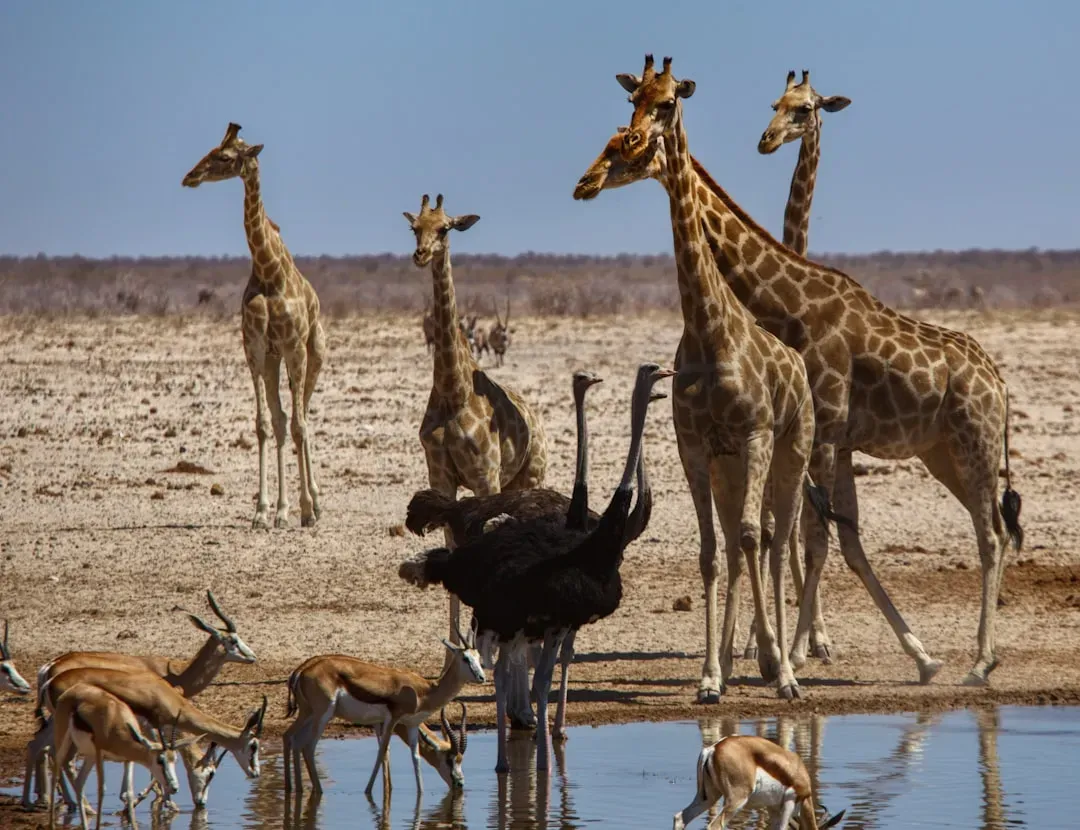
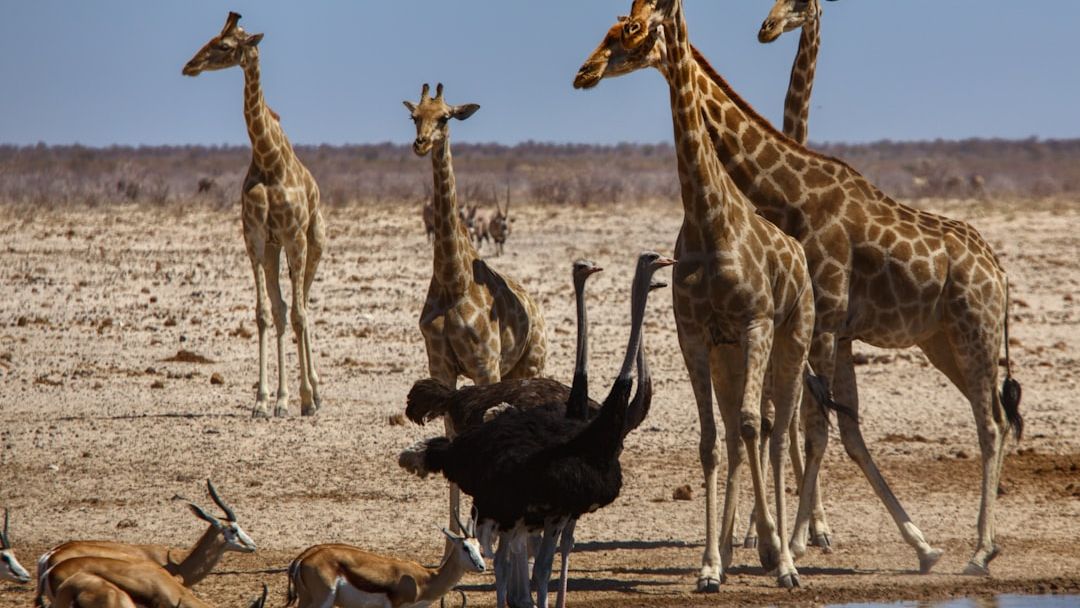
Bea the giraffe and Wilma the ostrich at a Florida sanctuary had no evolutionary reason to seek each other out. One is a towering browser built for treetop leaves; the other is a flightless bird that barely clears the giraffe’s knee. Yet the two became constant companions – sharing space, syncing their daily routines, and moving through the sanctuary grounds like they’d written the schedule together. Staff observed them spending hours side by side with none of the skittish tension or competitive friction that usually flares between animals of mismatched sizes.
What nudged this pairing from curious to genuinely puzzling was what happened next. The ostrich began sampling vegetation it had always ignored before – mimicking the giraffe’s feeding patterns on plants outside its normal diet. That kind of behavioral bleed, one species adopting the habits of a completely different one, isn’t something researchers can easily file under instinct. The bond formed quickly after introduction and showed no signs of fading. Sometimes proximity alone rewrites the rules.
#13 – The Macaque and Pigeon Duo That Defied Abandonment
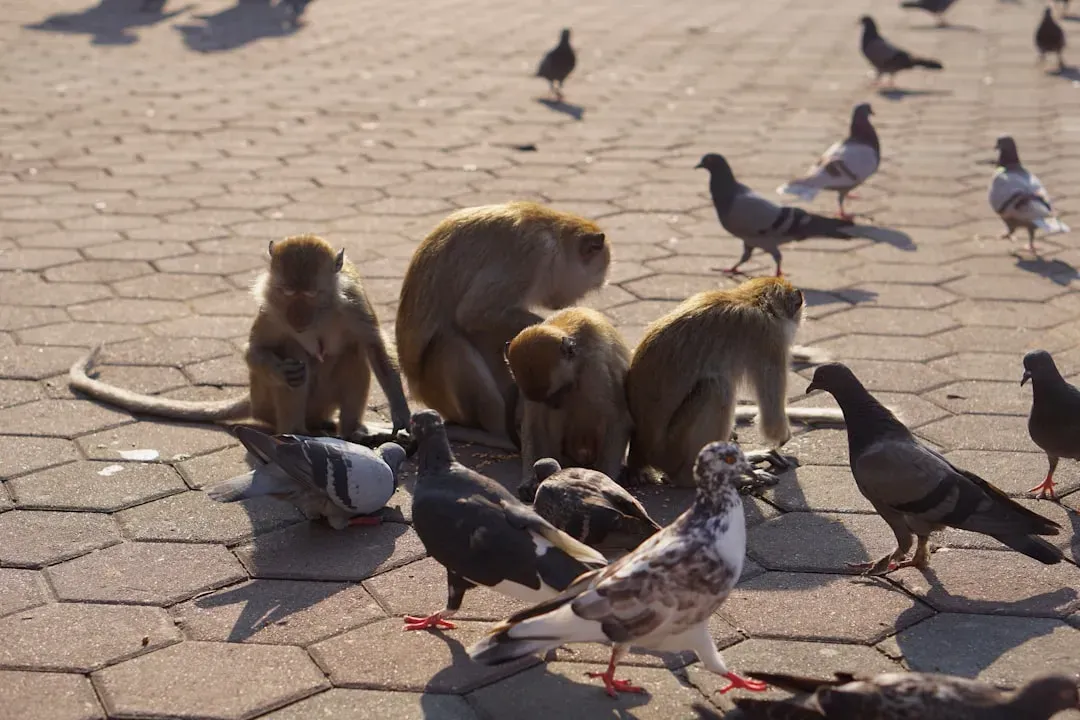
When a young macaque at a Chinese animal facility was rejected by its mother, the loneliness could have sent it into the kind of prolonged distress common in isolated primates. Instead, it found a pigeon. The two began sharing meals – wild corn eaten side by side, daily – and the monkey started hugging the bird with the kind of grip usually reserved for a mother or sibling. Caretakers documented the relationship over months, watching it hold steady even as the macaque’s health improved and its need for a surrogate should, theoretically, have lessened.
The pigeon’s side of this equation is arguably stranger. Birds have deep-wired flight responses to close mammal contact – it’s survival coding written over millions of years. This pigeon tolerated being held, hugged, and followed without triggering that response at all. Researchers studying the case noted that social isolation appears capable of dismantling species barriers in ways that are difficult to model or predict. The macaque wasn’t just finding comfort. It was, in some sense, building a family from scratch with whatever was available.
Fast Facts
- Primates rejected by their mothers can suffer long-term hormonal and behavioral effects from isolation
- Cross-species bonds in primates are more commonly documented in captive or sanctuary settings than in the wild
- Pigeons have been documented tolerating close contact with humans and other species after repeated non-threatening exposure
- Social bonding hormones like oxytocin are not exclusive to same-species interactions – researchers have detected elevated levels during interspecies contact in mammals
#12 – The Cat That Protected a Chicken Instead of Hunting It
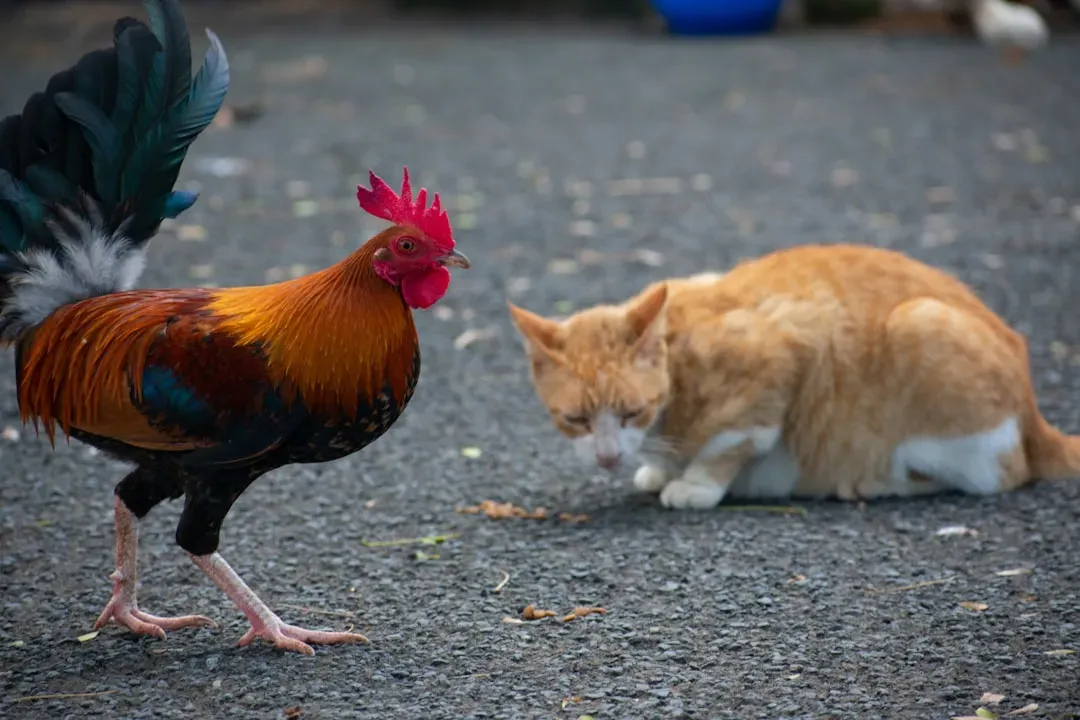
On a Suffolk farm, a chick named Gladys survived a fox attack that killed the rest of her flock. What happened afterward is the part nobody saw coming. Snowy the farm cat – an animal every bird instinct would flag as a predator – adopted her. Not tolerated her. Adopted her. The cat began grooming the chick, guarding her during outdoor time, and refusing to be separated from her as the weeks passed. Owners watched what should have been a predator-prey dynamic quietly become something that looked, uncomfortably, like affection.
Gladys grew into a full adult hen. She still chose to spend her days near Snowy. She wasn’t cornered, wasn’t constrained, and wasn’t confused – she actively sought the cat’s company once she had complete freedom to roam. Scientists who study feline behavior point out that nurturing instincts, particularly toward small, vulnerable creatures, can sometimes override the hunting drive – but a chicken actively returning to a cat for companionship sits in murkier territory. This wasn’t Snowy tolerating Gladys. This was a two-way friendship between a bird and the animal built to eat it.
#11 – The Fox and Cat Living as Roommates in Turkey
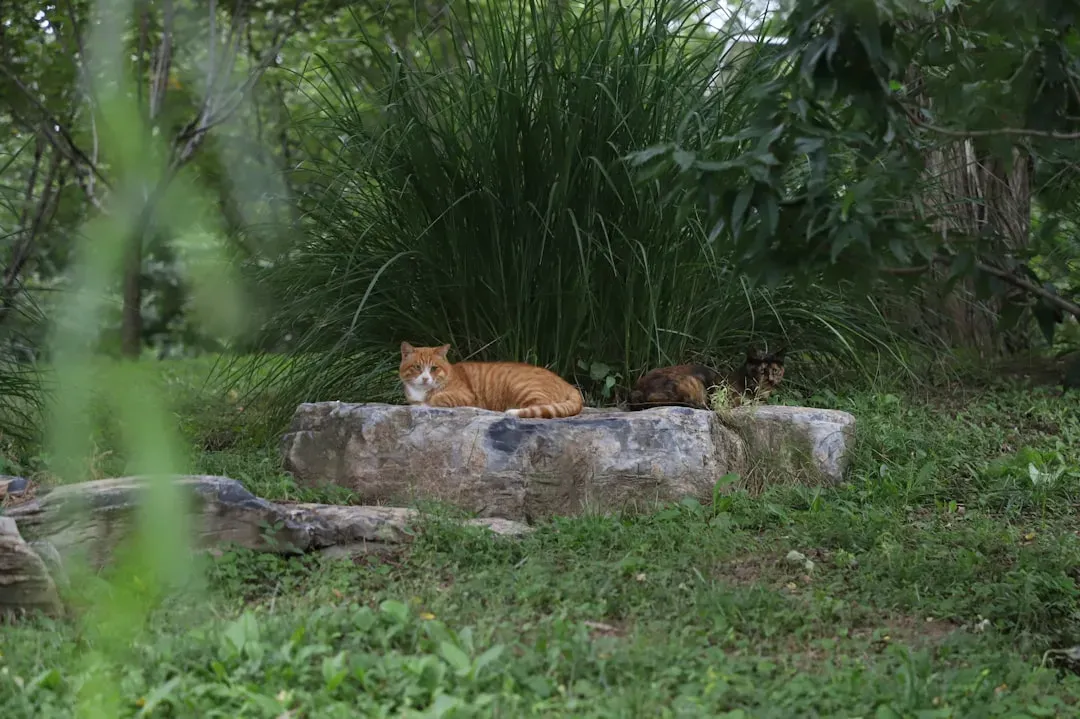
Foxes are wild, largely solitary, and not known for their warm social overtures toward domestic animals. So when locals along the shores of Lake Van in Turkey started noticing a wild fox and a domestic cat spending extended time together – sharing food, grooming each other, resting in the same patch of ground – it drew enough attention to be documented properly. There was no fence keeping them together and no human forcing the arrangement. Both animals came and went freely. They just kept returning to each other.
What makes this case particularly interesting to animal behaviorists is who initiated contact. It was the cat. The domestic animal extended play behaviors toward the fox – bowing, nudging, circling – and the fox reciprocated consistently rather than retreating into its natural wariness. Whether this fox had been partially socialized to humans at some early point, or whether something more fluid was happening, researchers haven’t settled. What they can say is that two animals with very different relationships to human civilization found common ground no one handed them.
#10 – The Sheep That Calmed an Orphaned Elephant
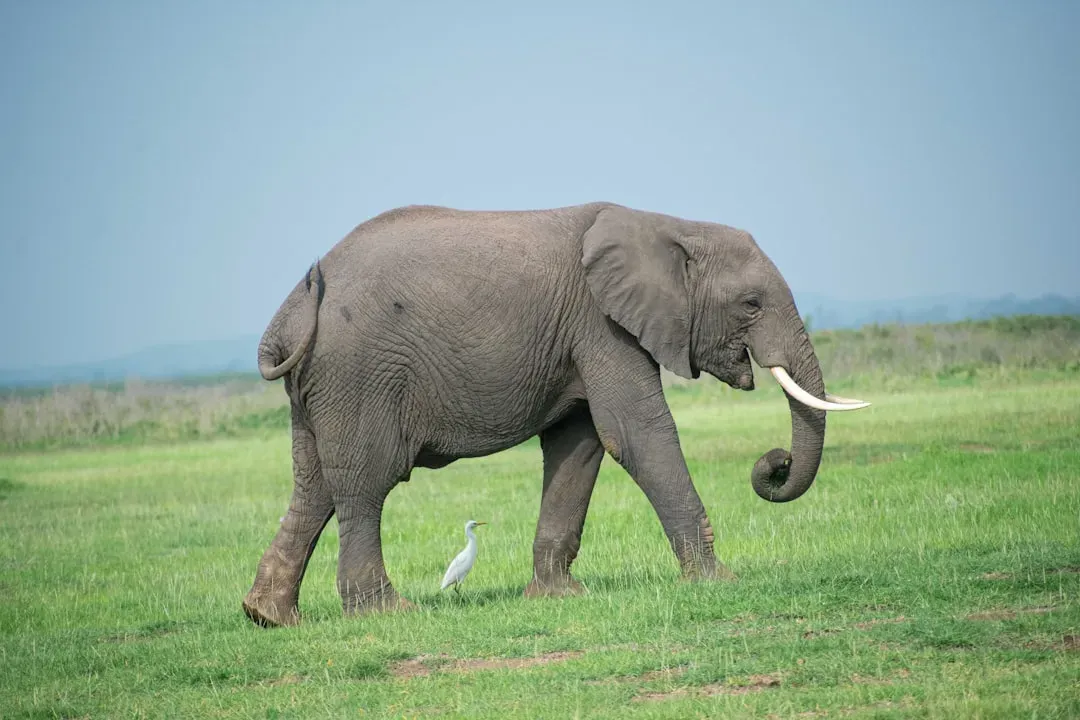
Themba was eight months old when he fell from a cliff in South Africa’s Sanbona Wildlife Reserve and was found alone, his mother gone. After a week of waiting for the herd to return, caretakers at a nearby center made a decision that seemed unlikely to work: they introduced him to Albert, an adult sheep. For the first three days, Themba chased Albert relentlessly around the enclosure. Then, without apparent reason, he stopped. The two began sleeping side by side, and within a week were inseparable.
Over the following months, something remarkable played out in reverse. Albert, the prey animal, became the teacher. The elephant learned safe browsing techniques – which plants to eat, how to navigate thorny scrubland – by watching the sheep and copying his movements with precision. Caretakers credited Albert’s calm presence with helping Themba recover from the trauma of abandonment faster than anyone had projected. A sheep teaching an elephant how to survive in the bush isn’t a pairing anyone draws up in advance. Yet the results were real, measurable, and lasting.
At a Glance
- Elephants are among the most socially dependent mammals on Earth – isolation after loss can be life-threatening for calves
- Surrogate companions of any species have been shown to reduce stress-related behaviors in orphaned elephants at rehabilitation centers
- Behavioral mirroring – copying another animal’s movements – is documented in elephants and considered a marker of social learning
- Sanbona Wildlife Reserve covers approximately 58,000 hectares in South Africa’s Western Cape
#9 – The Owl and Dog That Shared Daily Walks
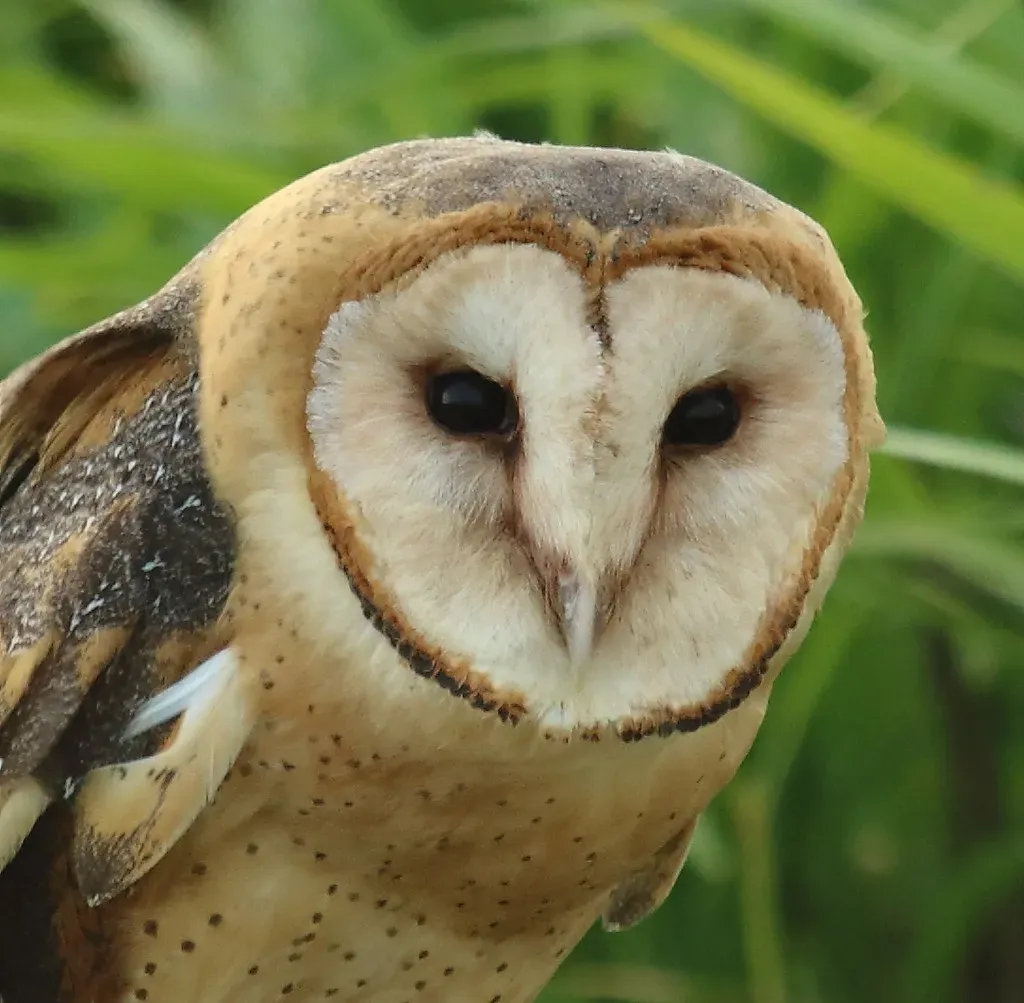
Ingo the Belgian Shepherd and Napoleon the owl live in Germany with photographer Tanja Brandt, who has documented their friendship in enough detail to make skeptics pause. Owls are nocturnal, solitary, and not particularly known for seeking out the company of large mammals that aren’t prey. Napoleon ignored all of that. The two developed a routine of shared outdoor walks and indoor rest sessions, with physical closeness – feathers pressed against fur – that Brandt captured over years of consistent interaction.
The behavioral shift that stands out most is Napoleon’s relationship with daylight. Owls avoid it. Napoleon began tolerating full daylight activity specifically to stay near Ingo. That’s not a small adjustment – it cuts against deep biological programming. Researchers who’ve reviewed the documentation acknowledge it as a genuine case of individual preference overriding species instinct, which raises uncomfortable questions about how rigid those instincts actually are. Ingo, for his part, showed none of the prey-drive excitement dogs typically display around birds. He matched Napoleon’s stillness. They found a register they could both exist in.
#8 – The Dog That Swam Daily With a Wild Dolphin
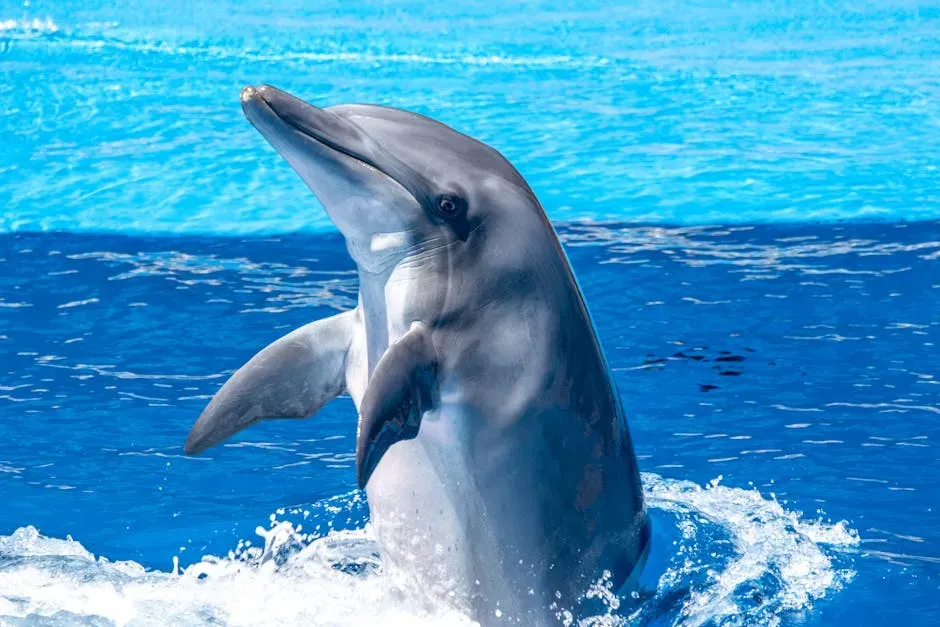
Ben the Labrador and a bottlenose dolphin named Duggie became regulars in the waters off the Irish coast near Tory Island, meeting daily for swimming sessions that observers described as unmistakably playful. Ben would swim out from shore; Duggie would alter course to meet him. This wasn’t accidental overlap – the dolphin was changing its path specifically to reach the dog. The sessions included circling, nudging, and the kind of synchronized movement that marine researchers associate with social bonding in dolphin pods.
What separates this case from a charming anomaly is the setting. This wasn’t a controlled environment or a staged encounter for cameras. It was open water, a free-ranging wild dolphin, and a dog who had to make an active choice to swim out into the Atlantic every day. The fact that Duggie reciprocated – and kept reciprocating – challenges what we think we know about wild dolphin behavior. Dolphins are highly social animals, but their social bonds are typically species-specific. Whatever Duggie saw in Ben, it was enough to restructure his daily routine around a Labrador.
Worth Knowing
- Bottlenose dolphins are one of the few non-human species documented forming lasting bonds with individuals outside their pod
- Play behavior in dolphins – circling, nudging, synchronized swimming – mirrors the same patterns used in intra-species social bonding
- Solo dolphins (those who leave or lose their pod) are significantly more likely to seek interaction with other species, including humans and dogs
- Tory Island sits off the northwest coast of Ireland, roughly 14 kilometers from the mainland
#7 – The Cheetah That Relied on a Dog for Calm
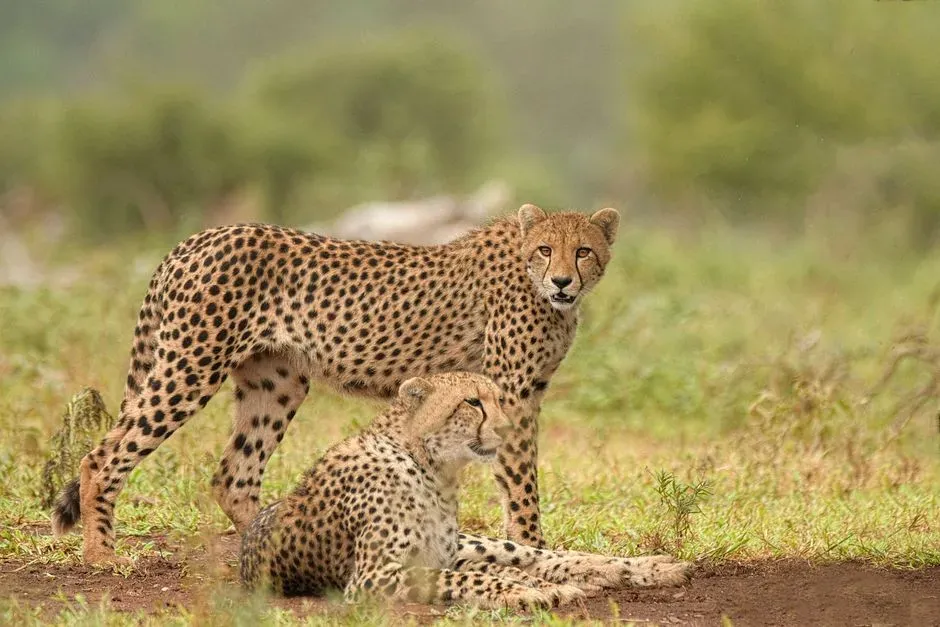
Cheetahs are among the most anxious big cats in captivity. They startle easily, stress visibly, and often struggle to adapt to zoo environments in ways that affect their long-term health. The cheetah-dog pairing program traces its roots to 1976, when conservation biologist Laurie Marker hand-reared a lonely cheetah cub named Khayam at Wildlife Safari in Oregon and introduced a dog as a companion. It worked so well that the practice spread – today, more than 15 zoos across the U.S. run similar programs. Cheetahs with companion dogs show measurably lower cortisol levels and are significantly more comfortable in public settings.
What caught researchers off guard wasn’t the calming effect – that was the goal. It was who was initiating contact. The cheetahs were leaning against the dogs, grooming them, and seeking physical proximity the way a cub seeks a littermate. Big cats don’t typically display affiliative behaviors toward other species; it runs counter to their solitary adult nature. Critics of the program argue it’s a product of captivity forcing unnatural adaptations. But the zookeepers who watch these pairs daily point out something harder to dismiss: the cheetahs seem, by any observable measure, genuinely happier.
#6 – The Orangutan That Fed Tiger Cubs
At Myrtle Beach Safari in South Carolina, a male orangutan began doing something no one asked him to do and no one fully anticipated: feeding tiger cubs. After observing human caretakers bottle-feeding the young cats, the orangutan started replicating the behavior on his own – picking up bottles, positioning the cubs, and feeding them with a patience and gentleness that mirrored the staff’s technique. The behavior wasn’t prompted, wasn’t rewarded, and wasn’t part of any training protocol. It emerged from observation alone.
The detail that unsettled researchers most was the food-sharing aspect. Orangutans guard their food with significant intensity – it’s deeply embedded survival behavior. This one was voluntarily surrendering portions to tiger cubs, animals that represent, in the wild, a mortal threat to a juvenile ape. The explanation that fits best is observational learning so powerful it overrode both the hoarding instinct and the predator-avoidance instinct simultaneously. That’s not a small cognitive feat. It’s the kind of behavioral flexibility that blurs the line between instinct and something that looks, uncomfortably, like choice.
#5 – The Chimpanzee Surrogate Raising Tiger Cubs
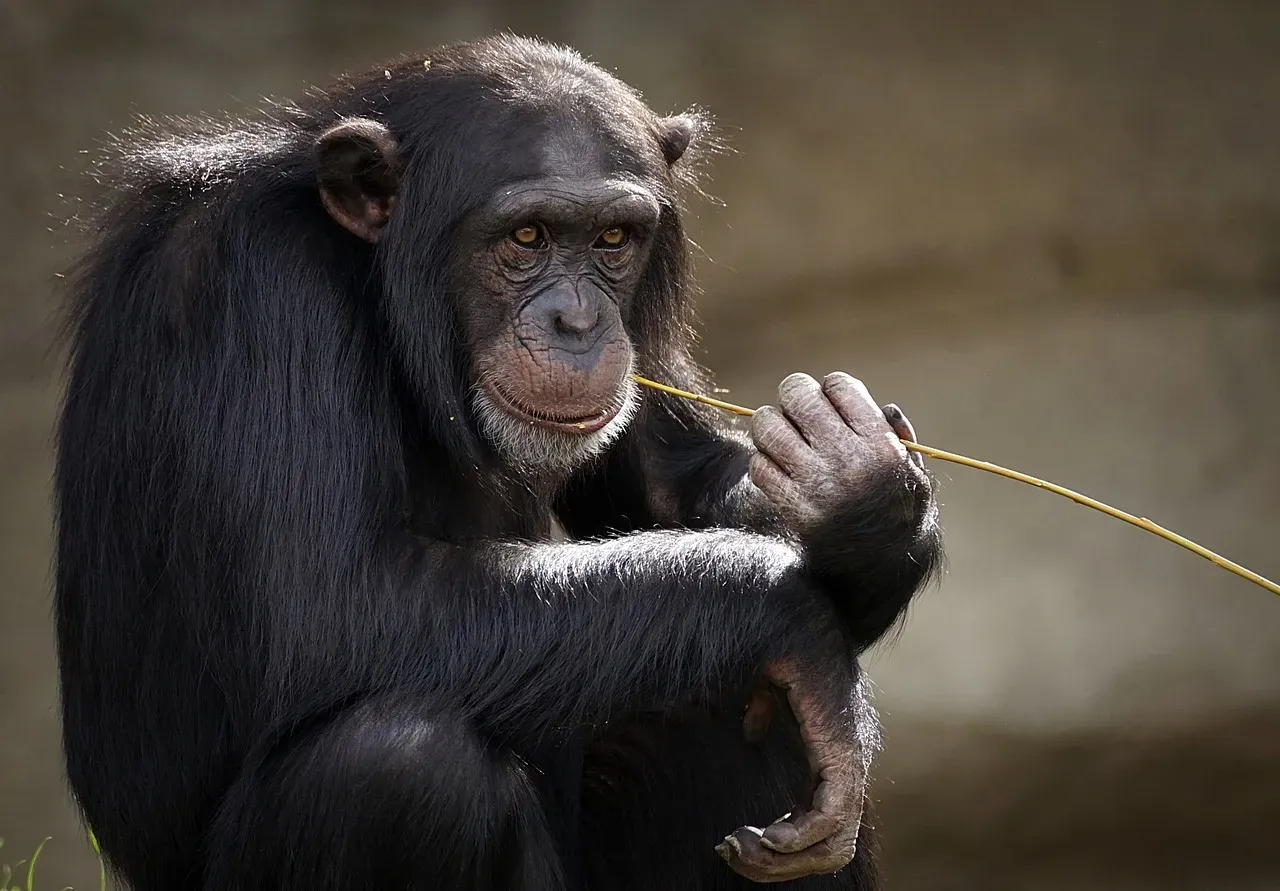
Anjana the chimpanzee grew up at The Institute of Greatly Endangered and Rare Species (T.I.G.E.R.S.) sanctuary in South Carolina alongside human caretakers who raised young animals of many species. When white tiger cubs were separated from their mother, Anjana stepped in – grooming them, sleeping curled around them, and shepherding them through the facility with the attentiveness of a mother who had done this before. She hadn’t. She had no prior exposure to tiger cubs and received no training for the role. She simply extended her caregiving instincts across a species boundary that, in the wild, would be a hard survival line.
The behavior that stopped observers cold was Anjana’s protectiveness. When she perceived a threat to the cubs – unfamiliar sounds, sudden movements – she positioned herself between the tigers and the source of danger and displayed the kind of aggressive posturing chimps reserve for threats to their own offspring. A chimpanzee standing guard over tiger cubs isn’t something evolutionary biology draws a neat arrow to. It suggests that maternal programming, once activated, may be far less species-specific than the textbooks imply – and that’s a finding researchers are still working out how to fully categorize.
Quick Compare: What Makes Cross-Species Maternal Bonds So Unusual
- Normal maternal behavior: Triggered by species-specific scent, sound, and physical cues from offspring
- Anjana’s behavior: Triggered across species lines with no prior conditioning or reward-based training
- Typical chimp response to tiger cubs: Avoidance or threat display – tigers are natural predators of great apes
- Anjana’s actual response: Grooming, sheltering, and aggressive defense of the cubs against outside threats
- Scientific category: Alloparenting across species – documented but poorly understood, especially in great apes
#4 – The Tiger That Befriended Its Intended Meal
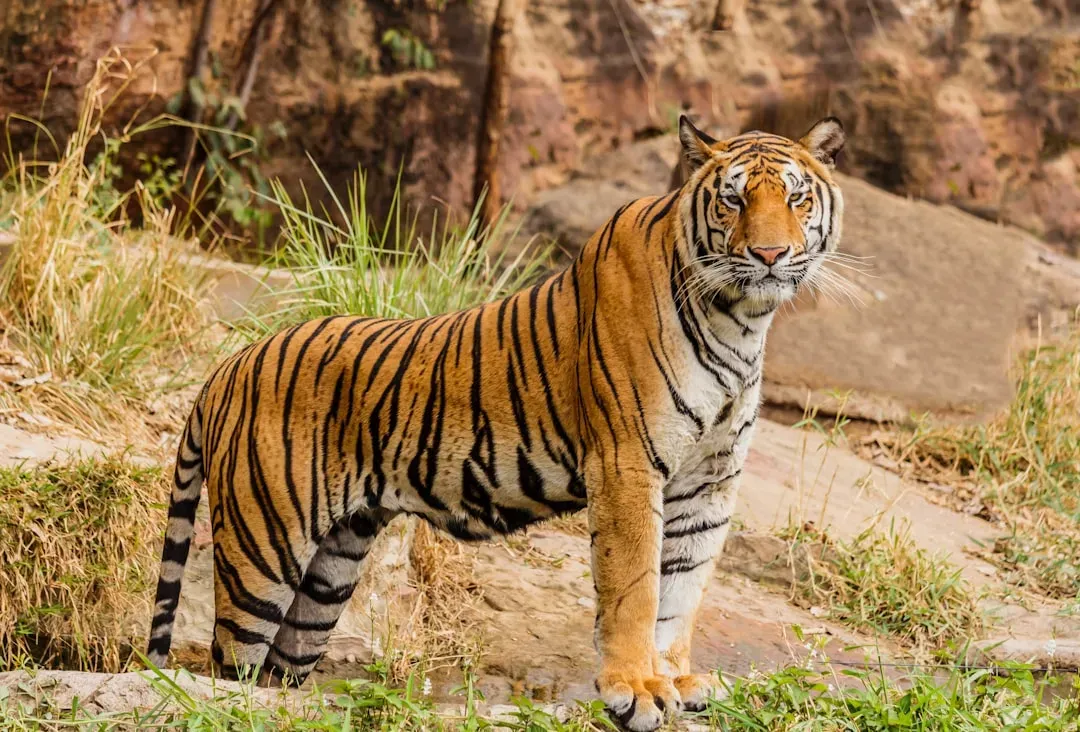
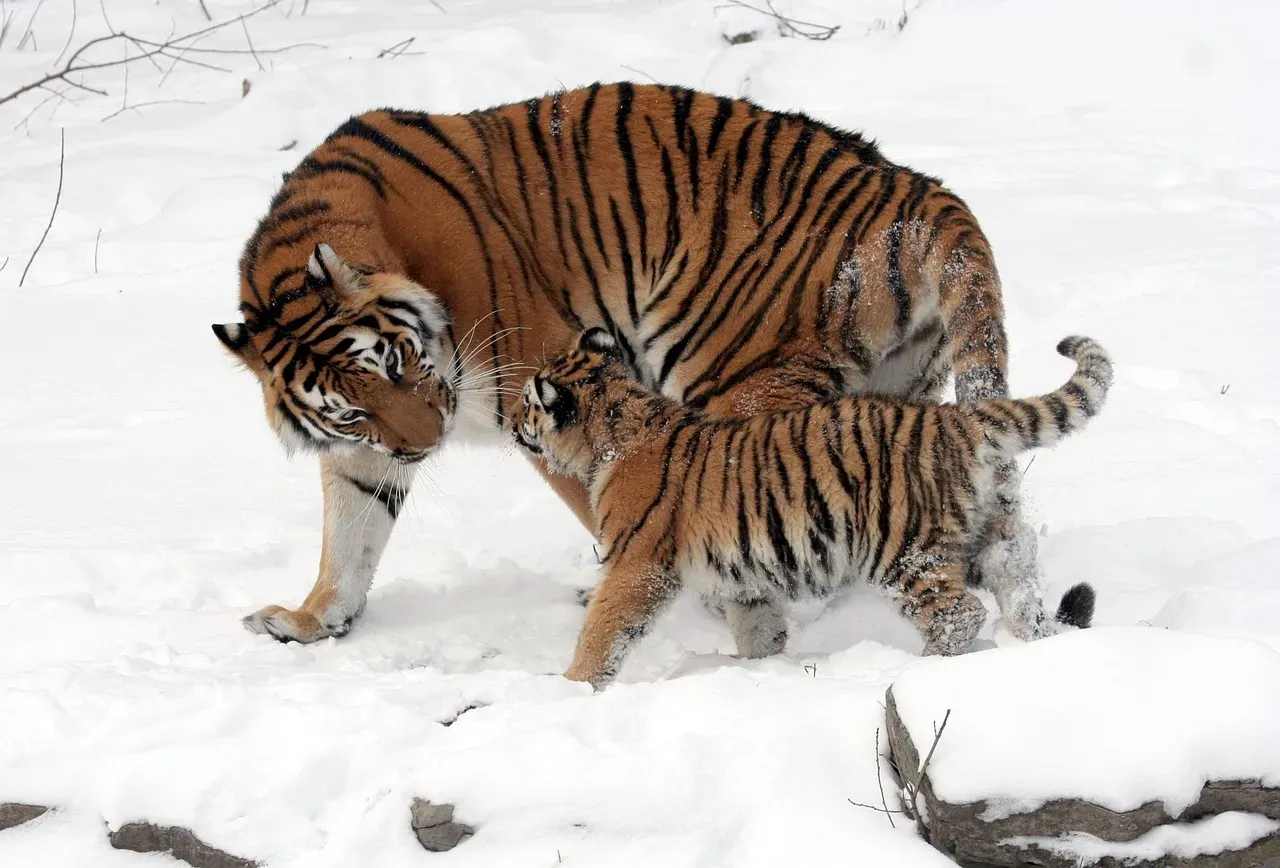
In 2015, a Siberian tiger at Primorsky Safari Park in Russia was presented with a live goat – standard practice for feeding large predators in some facilities. The tiger, named Amur, did not eat the goat. He chased it once, then stopped. By the following morning, the two were sharing the same space. Within days, they were eating together, sleeping near each other, and moving through the enclosure in the kind of easy, unhurried proximity that animals only maintain when threat has been fully removed from the equation. Staff named the goat Timur.
Amur remained uninterested in harming Timur through weeks of continued cohabitation, despite having ample opportunity and no deterrent beyond whatever had shifted in that first night. Zoo directors and animal behaviorists who reviewed the case couldn’t land on a clean explanation. The tiger was healthy, regularly fed, and under no stress that would account for suppressed predatory behavior. Some researchers pointed to individual personality variation in big cats – a documented but poorly understood phenomenon. Others suggested the goat’s lack of flight response may have short-circuited Amur’s hunting trigger. The honest answer remains: we’re not sure. And that uncertainty is exactly what makes this case worth knowing.
#3 – The Bear, Lion, and Tiger Trio Sharing One Enclosure
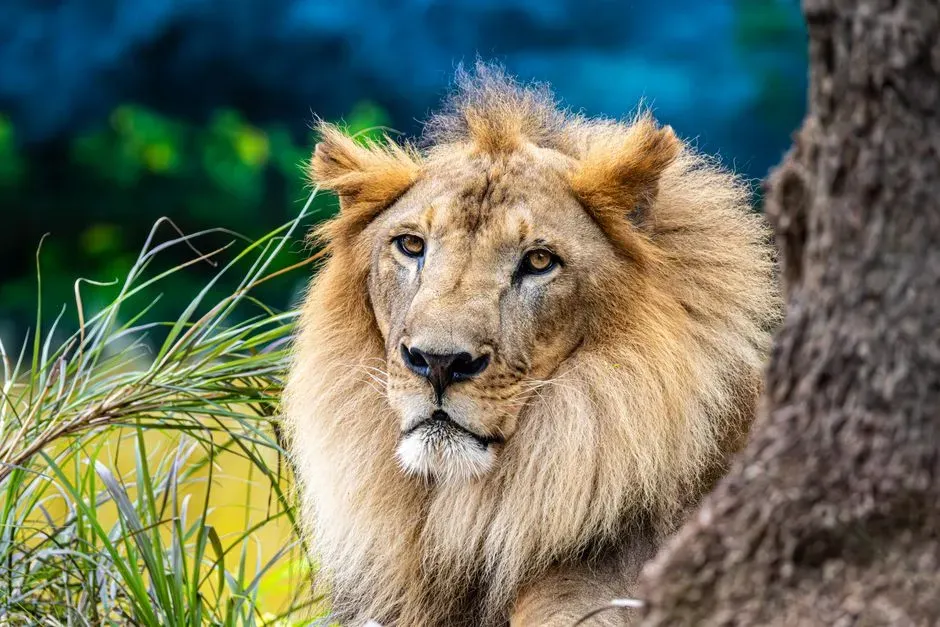
Baloo the American black bear, Leo the African lion, and Shere Khan the Bengal tiger were rescued together as cubs from a drug dealer’s basement in Atlanta in 2001, all showing signs of abuse and malnourishment. Noah’s Ark Animal Sanctuary in Georgia took them in, and rather than separating them – which is standard protocol for animals that would compete fiercely in any natural setting – the staff recognized that the three had already formed a bond and chose to honor it. Two decades later, they still share an enclosure, still sleep in proximity, and still engage in the kind of relaxed, unhurried play that siblings show.
What zookeepers find most striking is the absence of hierarchy conflict. Lions, tigers, and bears each carry strong territorial and dominance instincts – sharing space long-term should generate constant friction. It hasn’t. The three developed synchronized routines that sanctuary staff compare to littermate behavior: coordinated rest cycles, shared space without resource guarding, mutual tolerance during feeding. The most credible explanation points to early socialization – these animals imprinted on each other before instinct fully hardened. But that explanation still doesn’t account for how cleanly those instincts stayed suppressed across twenty-plus years of adult life. The BLT trio, as they became known, shouldn’t still work. They do.
The greatness of a nation and its moral progress can be judged by the way its animals are treated.
Mahatma Gandhi
#2 – The Coyote and Badger Hunting Partners
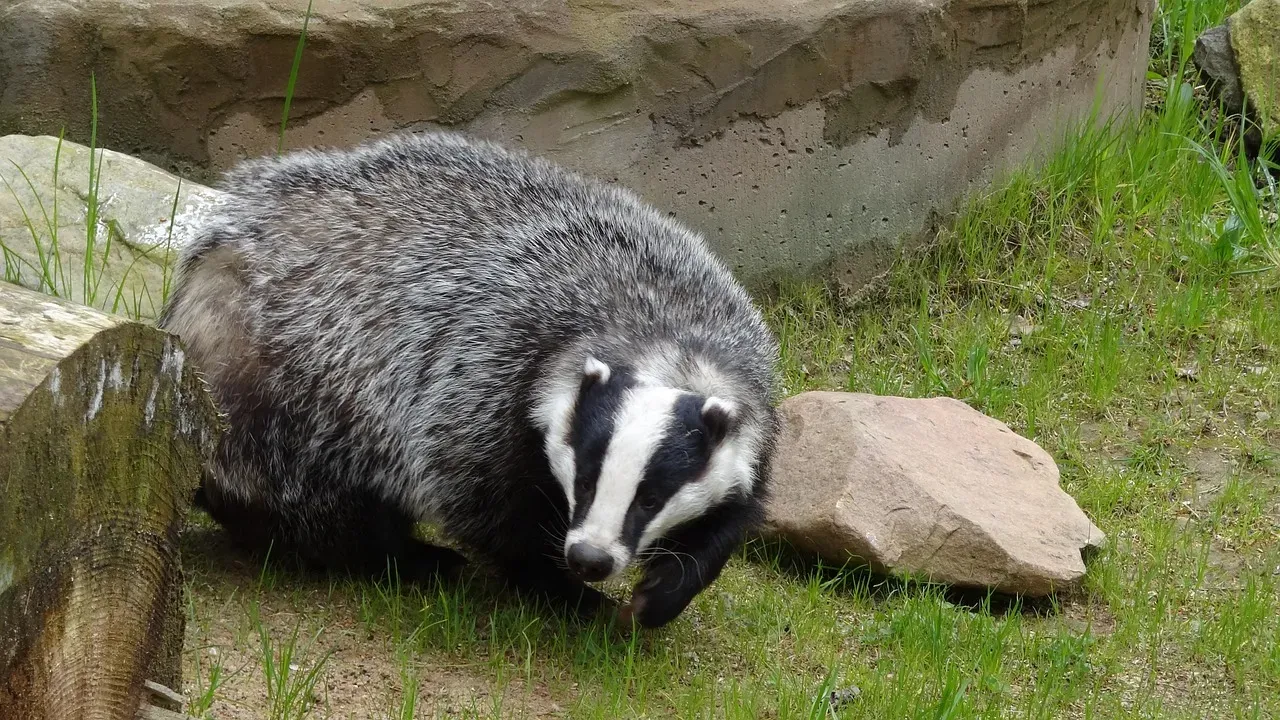
Unlike most entries on this list, the coyote-badger partnership isn’t confined to one sanctuary or one documented pair – it’s been observed repeatedly across the American West, and there’s now video evidence from the Santa Cruz mountains showing the two species traveling together through a culvert with the easy familiarity of animals that have been doing this for a while. The arrangement is mutually practical: badgers dig out burrowing prey, ground squirrels and prairie dogs scatter, and coyotes catch what the digging flushes to the surface. Both animals eat. Neither one dominates.
What elevates this beyond simple mutualism – and into territory that genuinely puzzles researchers – is the social dimension. Coyotes have been documented initiating play bows toward badgers, a submissive, affiliative gesture they display rarely even within their own social groups. The partnership sometimes extends beyond the hunt itself, with the two resting together and traveling in the same direction over sustained periods. This isn’t just two species tolerating shared space because the math works out. There’s something happening socially between coyotes and badgers that doesn’t fit neatly into any category we have for interspecies relationships. Researchers are still building the vocabulary to describe it properly.
Fast Facts: Coyote-Badger Partnership
- A Wyoming study found coyotes hunting with a badger had a 34% higher prey capture rate than solo coyotes
- In 90% of documented joint hunts, the pairing is one coyote and one badger – rarely more
- The partnership has been observed across Canada, the U.S., and Mexico – and was recognized by Indigenous peoples long before European settlers arrived
- Badgers spent significantly more time below ground when hunting with coyotes, suggesting reduced effort – not just coincidence
- Active research is ongoing across Colorado, South Dakota, Wyoming, and New Mexico to map when and why the partnership forms
#1 – The Lioness That Adopted an Antelope Calf
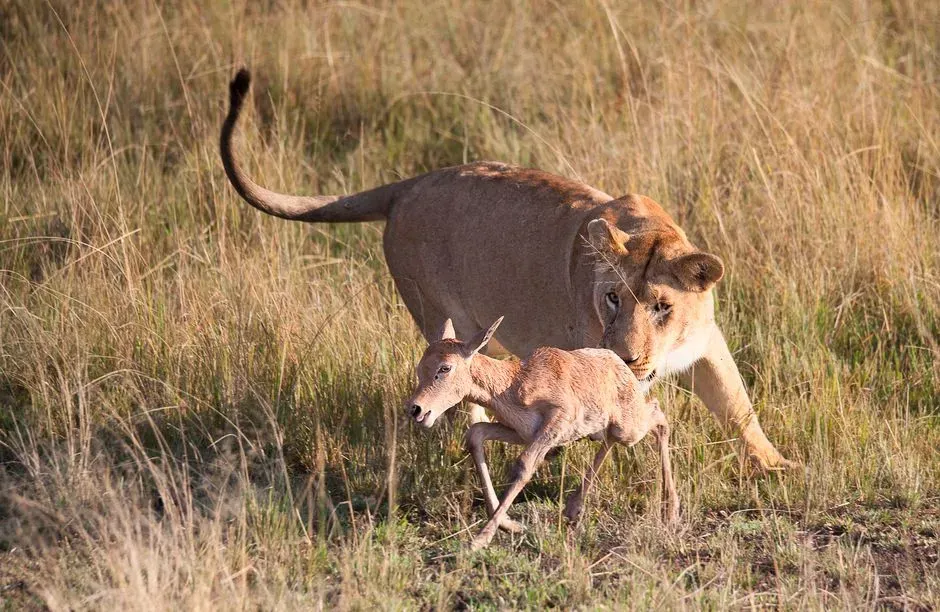
In Kenya’s Samburu National Reserve in 2002, a lioness named Kamunyak – whose name means “the blessed one” in the Samburu language – did something that wildlife researchers had essentially no framework for: she began protecting an oryx calf instead of killing it. She guarded it from other predators – including other lions – allowed it to nurse from its mother under supervision, and maintained the bond with an attentiveness that observers described as unambiguously maternal. When the first calf eventually died, Kamunyak adopted another oryx. Then another. She did this six times across a span of roughly two years, each time choosing protection over predation at considerable cost to her own caloric needs – often going without food entirely while standing guard.
No prior bonding period preceded these adoptions. There was no gradual introduction, no early socialization, no deprivation history that researchers could point to as a trigger – though some experts suggested her solitary status and possible pride loss may have activated an unusually strong bonding drive. Kamunyak was last sighted in February 2004 and has not been seen since. Her story was documented on film by Saba Douglas-Hamilton and later broadcast on the BBC and Animal Planet. The scientific community offered cautious hypotheses: misfired maternal instinct, an unusual neurological variation, an empathy response that exceeded species boundaries. None of the explanations fully satisfied. What Kamunyak did remains, two decades later, one of the most documented and least explained behaviors in modern wildlife research. Some things in nature don’t wait for us to understand them before they happen.
What These Friendships Are Actually Telling Us
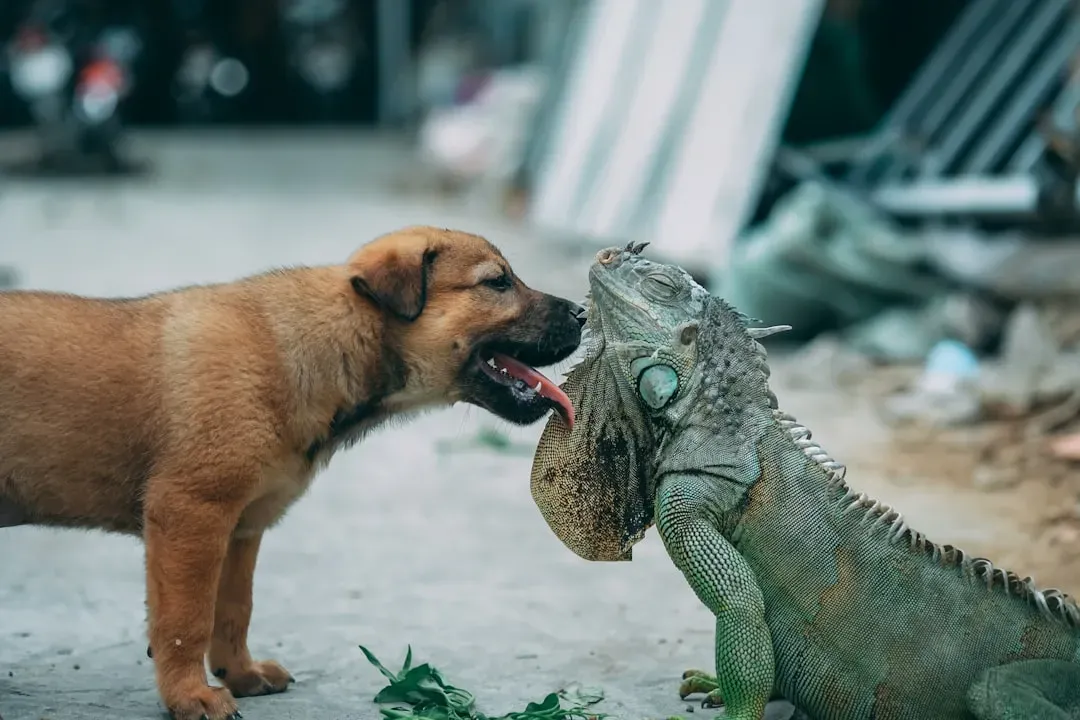
Fourteen cases. Fourteen times that evolution’s instruction manual got quietly set aside in favor of something science hasn’t fully named yet. The honest takeaway isn’t that animals are secretly soft or that instinct doesn’t matter – it clearly does, most of the time, for most animals. The takeaway is that the exceptions are far more common, far more durable, and far more emotionally complex than the traditional framework ever accounted for.
What unites these stories isn’t sentimentality. It’s evidence. A tiger that chooses a goat over a meal. A chimpanzee standing guard over tiger cubs. A lioness who adopts her prey six times in a row. These aren’t glitches – they’re data points that keep accumulating faster than the explanations for them. If we’re being honest, the animal kingdom may understand something about connection that we’re still figuring out how to measure. The fact that researchers “can’t fully explain” these bonds isn’t a gap in the science. It might be an invitation to rethink what we thought the science already settled.

- Animal Science Says Vampire Bats Share Food With Hungry Companions They Know - August 15, 2026
- What Eagle Are You According to Your Zodiac Sign - August 15, 2026
- 8 Things Secretary Birds Do to Snakes That Make Them Extraordinary Hunters - August 15, 2026