
Most people think a horse “picks” whoever brings the treats or owns the halter. Horse behavior experts will tell you that’s almost backwards. Real attachment doesn’t live in the grain bucket – it lives in tiny, repeatable choices a horse makes in moments when it could easily just walk away.
It’s not about who rides the most or who pays the vet bills. It’s about where that horse’s nervous system decides it feels safest. Once you know what to look for, the signs are so obvious it’s almost embarrassing how long people miss them.
#1 – They Leave the Herd… and Walk Straight to You
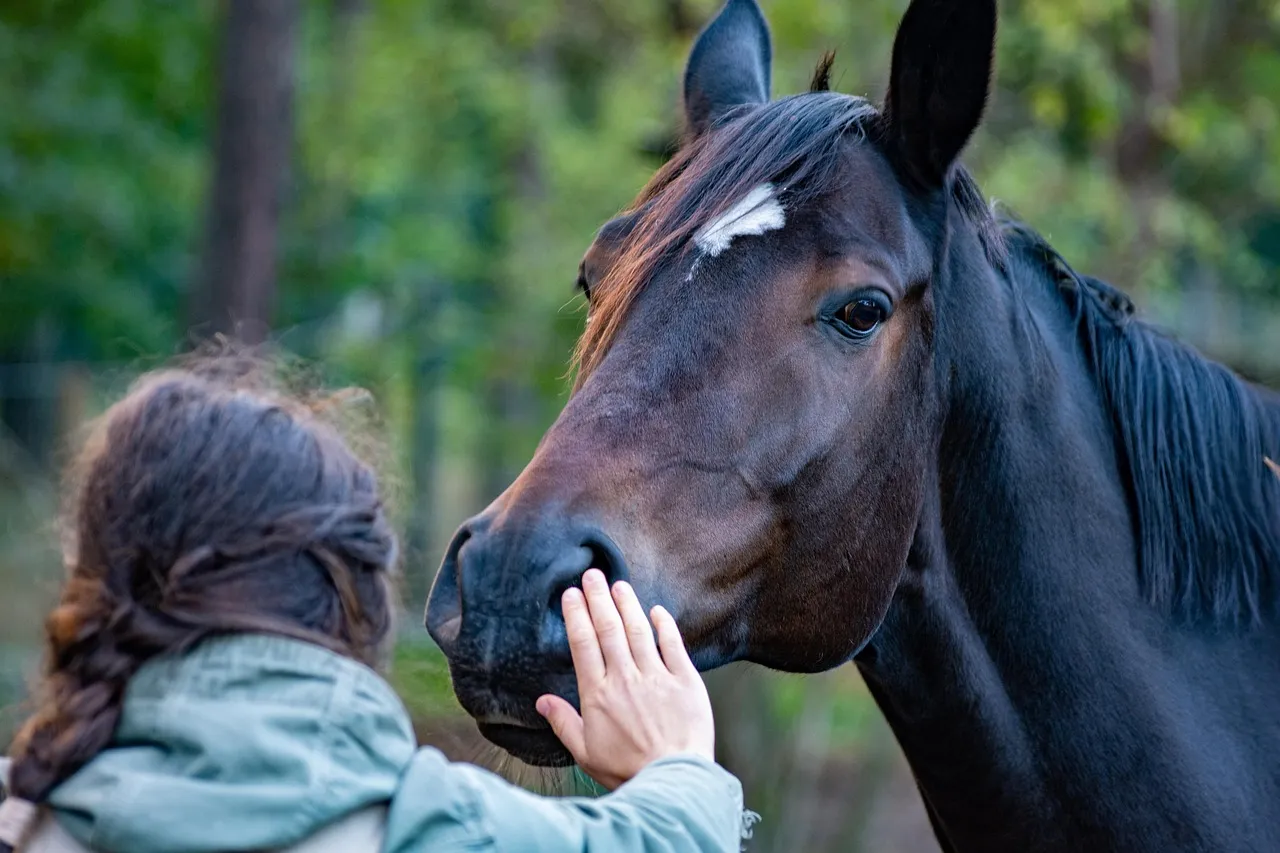
A horse that has truly picked you will do something prey animals don’t do lightly: it chooses to leave the safety of the herd. You’ll notice it most in turnout, when everyone else is heads-down grazing but your horse lifts its head the second your truck hits the driveway.
Instead of waiting at the gate only when it’s grain time, they’ll peel away from their buddies mid-graze to meet you halfway. That’s an enormous risk from a prey animal’s perspective – they’re trading the safest place they know for the bubble of safety around you. Watch for the moments with no grain bucket, no halter, and no obvious “job” lined up. If they still choose you, that’s attachment, not appetite.
#2 – They Park Their Body Right in Your Space… and Stay There
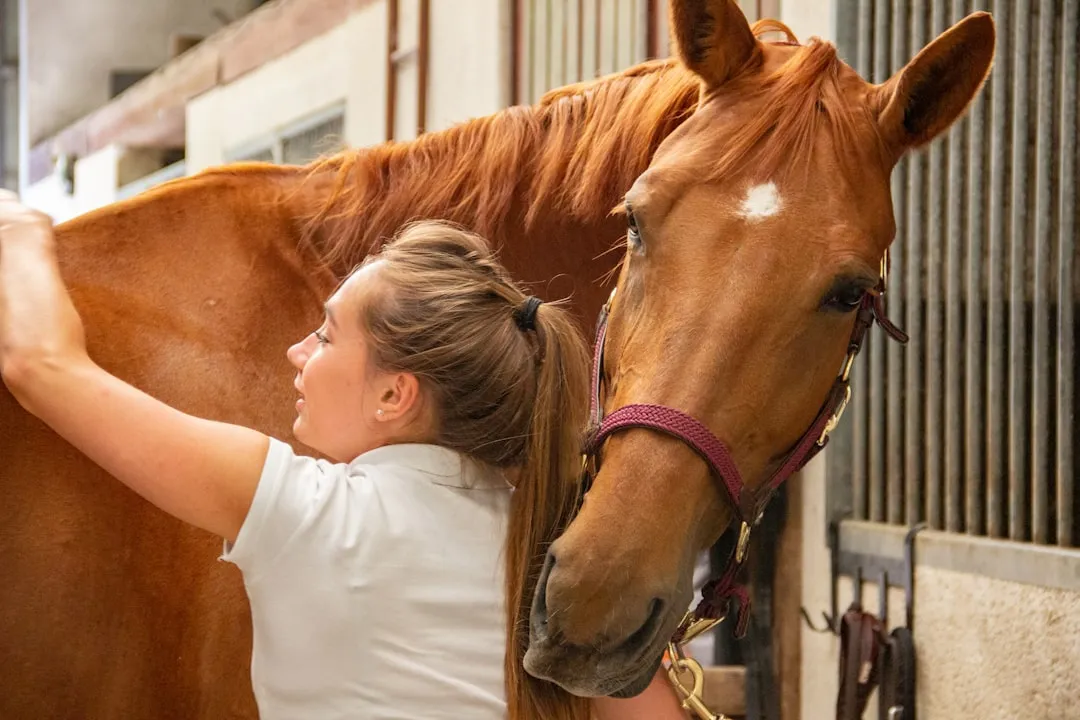
Most riders assume a horse crowding your space is just “pushy.” Sometimes it is. But when boundaries are otherwise solid, a horse that quietly parks next to you and settles there is broadcasting trust.
Look for the horse that stands with a hip or shoulder gently touching you, adjusts just enough to keep contact when you shift, and drops a hip to relax instead of bracing or fidgeting. They’re not trying to dominate; they’re using you as a safe post, the same way a nervous kid leans against a trusted adult in a crowded room. Their heart rate can actually drop just from resting a muzzle on your arm. When a thousand-pound prey animal chooses your body as home base, that’s personal.
Fast Facts
- Horses are prey animals hardwired to prioritize herd safety over individual bonds, so choosing a person over the group is a rare override of instinct.
- A calm, resting horse’s heart rate typically sits in the 30s to low 40s beats per minute, and trusted human contact can nudge it even lower.
- A dropped hip, a softened eye, and a lowered head are classic relaxation signals, not stress signals.
- This posture is entirely voluntary – the horse can walk away at any moment but chooses not to.
#3 – Their Ears and Eyes Keep Tracking You in a Busy Environment
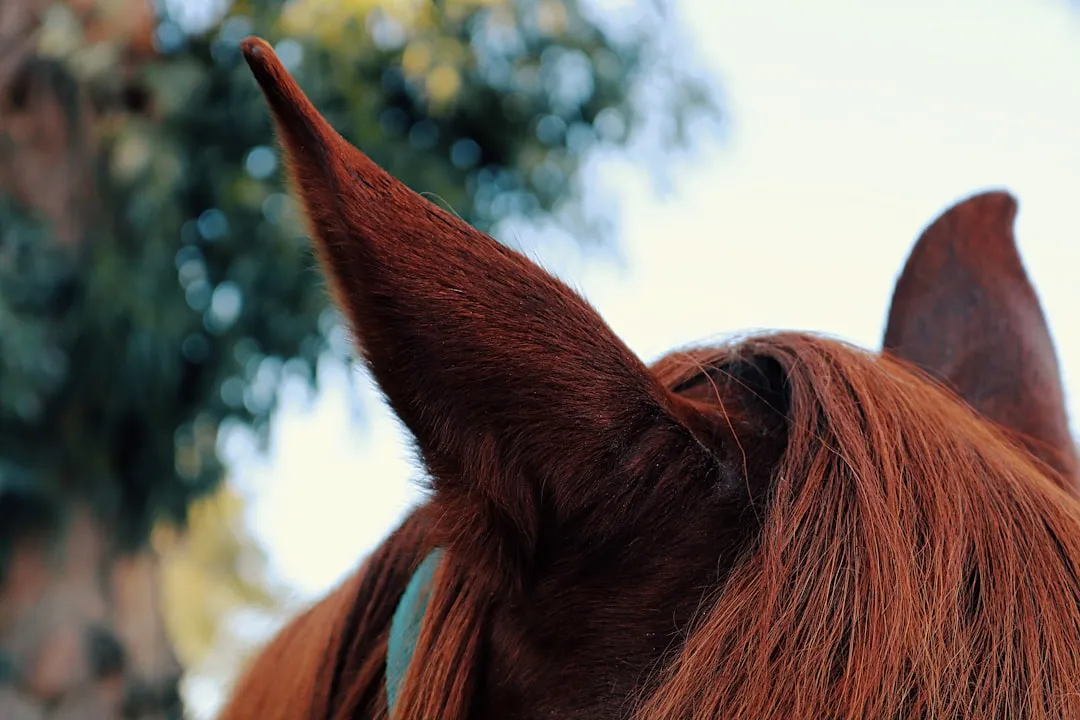
At a hectic show, clinic, or chaotic barn afternoon, most horses go into sensory overload – scanning everything, ready to spook, half out the door mentally. If your horse has picked you, one thing stands out: their focus keeps boomeranging back to you.
Watch for one ear locked on you while the other monitors the world, quick eye flicks to check your location before reacting, or a visible sigh and lick-and-chew the moment they spot you in the crowd. It’s like they’re thinking, “Where’s my human? Okay, found them, I can handle this.” Some behaviorists call this the social anchor effect – your presence literally regulates their stress in real time.
#4 – They Match Your Energy Without You Asking
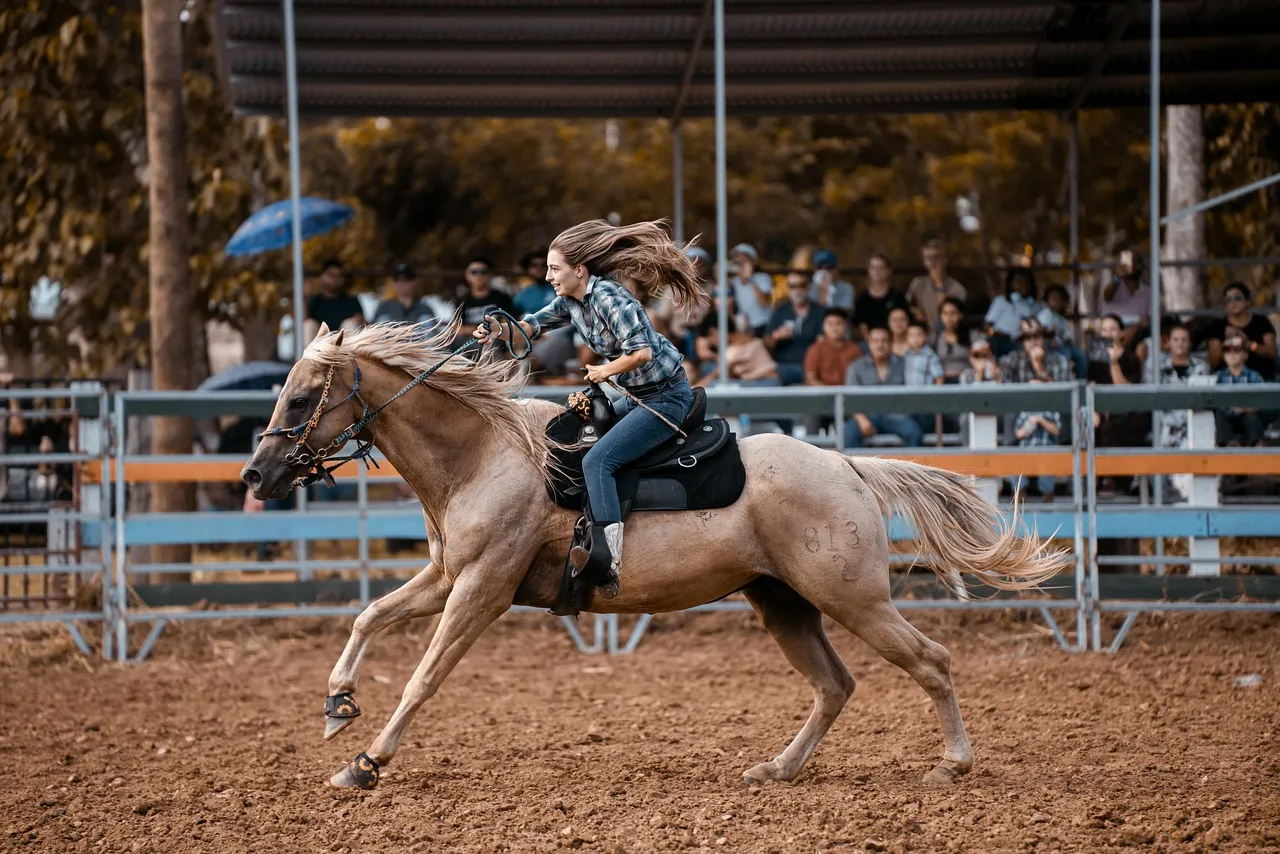
Most riders obsess over cues – leg here, rein there. Horses that have truly picked someone do something far more subtle: they mirror that person’s energy automatically, no cue required.
Walk in tired and quiet, and your horse may soften, blink more, and slow down on the lead. Come in energized and purposeful, and suddenly they’re stepping out with you, muscles awake, matching your stride. This shows up on the lunge as they adjust tempo to your intention, at liberty as they slow or perk up beside you, and during grooming as they relax when your own breathing deepens. This isn’t “woo” – it’s regulation. Herd animals survive by syncing with whoever feels safest, and if that’s you, your mood is their weather report.
#5 – They Tolerate Your Mistakes… and Still Try to Understand
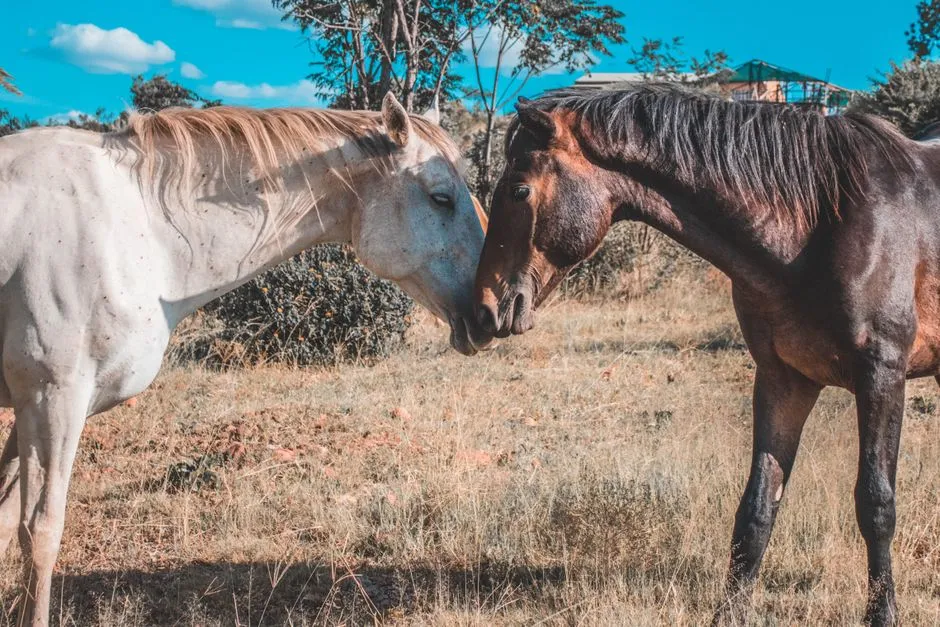
Here’s the brutal truth: horses notice every inconsistency we think we’re hiding. The one who has actually picked you does something rare – they keep trying for you even when your cues are a mess.
You botch a transition, your timing is late, your hands get clumsy. A horse that hasn’t chosen you often gets frustrated, hollow, or shuts down. The one who has will pause, search for what you meant, and offer something close anyway. They forgive a bumped mouth instead of flinging their head, keep their feet under you when you stumble leading them, and offer the same answer again even if your reward timing was off. That doesn’t excuse bad riding, but it does reveal loyalty. They’re not just obeying – they’re collaborating with you.
#6 – They Show You Their Most Vulnerable Spots
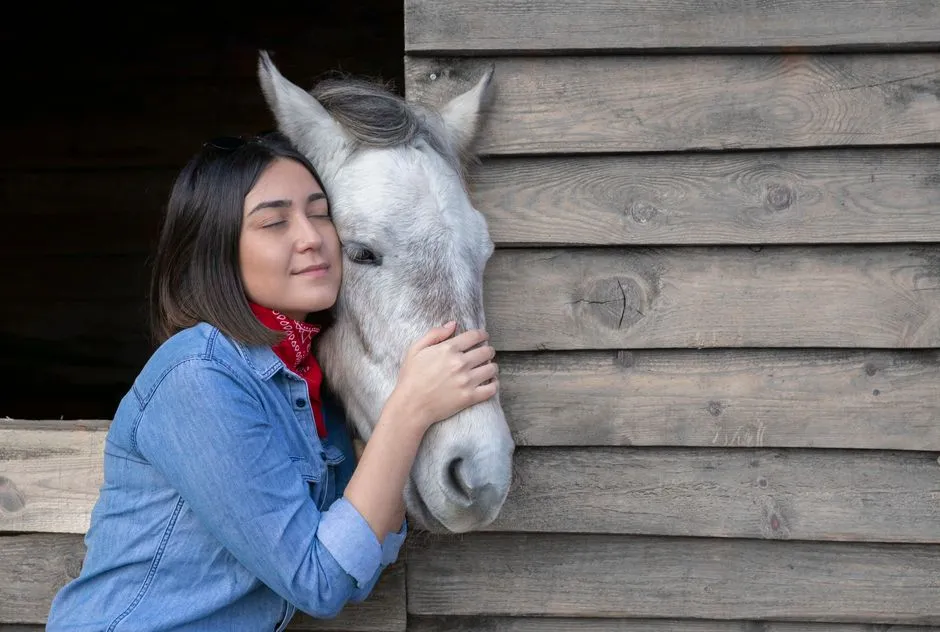
Prey animals don’t expose soft underbellies, literally or emotionally, unless they feel profoundly safe. When a horse picks you, they start offering up the places they’d rather keep armored, and that’s not cuteness – that’s raw trust.
Watch for them backing an itchy tailhead or gaskin into your hands, lowering their head into your chest and fully closing their eyes, or letting you handle ears, sheath, or sensitive scars without bracing. Some horses will even lie down near you and stay reclined as you approach. Lying down is when a horse is most vulnerable to predators, so if they stay down while you sit beside them, they’ve just told you that you’re not merely “not a threat” – you’re their security system.
#7 – They Choose Your Voice Over Everyone Else’s Cues
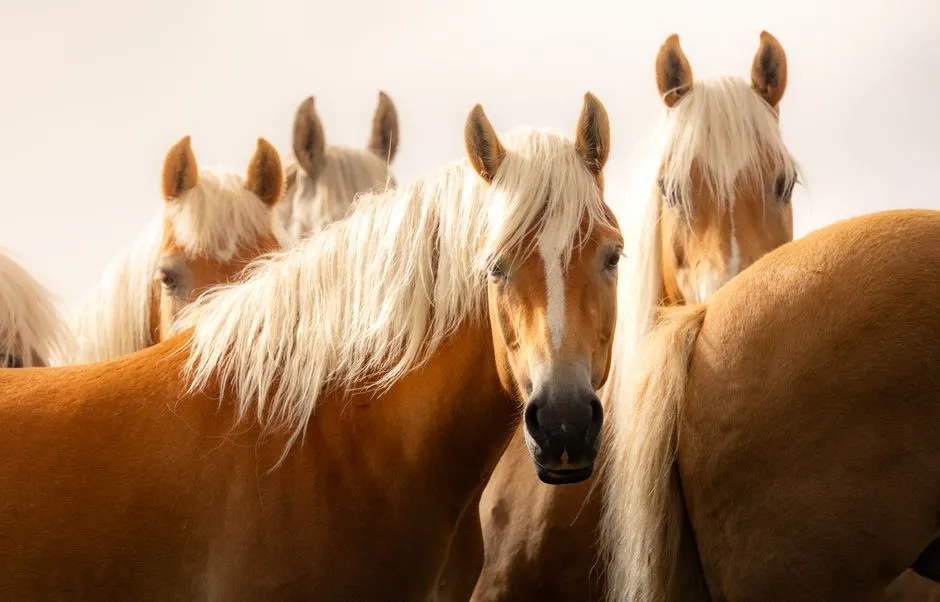
Plenty of horses will respond to anyone holding a lead rope. Very few will prioritize one specific human’s voice and body language over another person’s instructions in the moment.
You’ll see it at clinics or when friends try your horse: someone else is leading them, but their ears keep darting back to your voice. You say their name softly and they hesitate mid-movement with another handler. A simple “easy” from you carries more de-escalating power than the reins in someone else’s hands. Some owners find this annoying – why won’t he listen to anyone else? – but behaviorally, it’s a tell. You’ve become the primary reference point in their entire social world.
Quick Compare
- With you: a soft “easy” slows their feet mid-stride.
- With someone else: the same word barely registers.
- With you: ears swivel back and stay locked on your voice.
- With someone else: compliance may happen, but the tension never fully leaves their body.
#8 – They Calm Down Faster When You’re the One Holding the Line
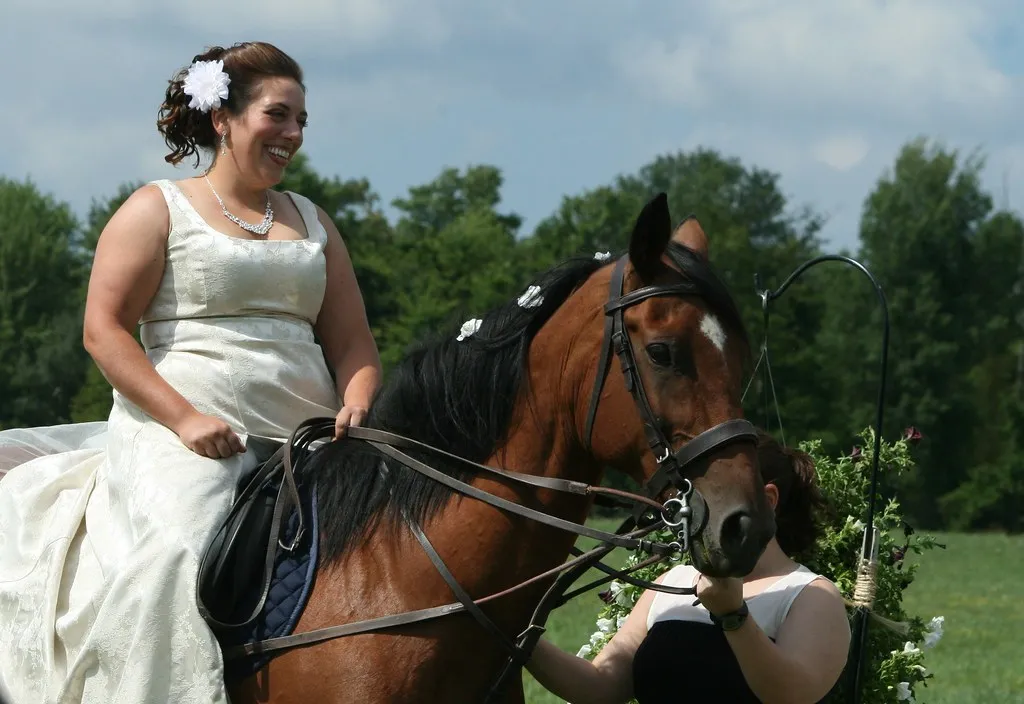
Every barn has that one horse who’s fine until the wind kicks up, a tarp flaps, or the farrier pulls out a rasp. The real test isn’t whether they spook – it’s who can bring them back down fastest.
If you’re the one they’ve picked, their breathing slows sooner when you’re on the lead rope, they settle at the mounting block with you but fidget with others, and a hand on their neck from you has a visible melting effect. This isn’t magic, it’s conditioned safety. Your consistent reactions taught their brain, “When in doubt, check with this human – they don’t panic.” That association is strong enough to shorten their entire stress curve around you.
#9 – They Follow You at Liberty Even When There Are “Better” Options
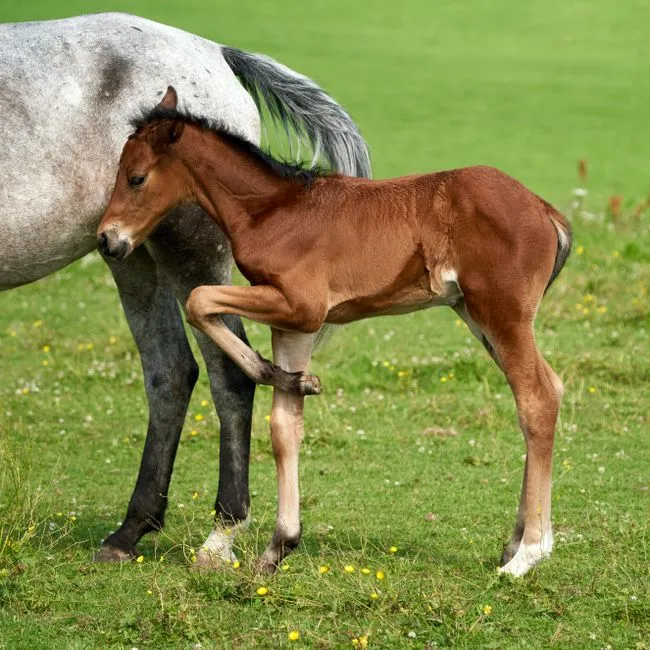
Treat-chasing doesn’t count here. The real test is what happens when your horse is loose, has options, and still shadows you for no obvious payoff.
In the arena or field, notice how they arc around and fall back in beside you when you change direction, how they stop and wait – maybe nudging your arm – when you pause to check your phone, and how they orbit your space even when other horses drift away or hay is sitting right there. Lower-ranking horses often choose to shadow a trusted leader for safety, not because they’re forced. When a horse follows you like that, with no rope at all, they’re telling you exactly where they believe safety and clarity live.
#10 – They Greet You With “Soft” Behaviors, Not Just Excitement
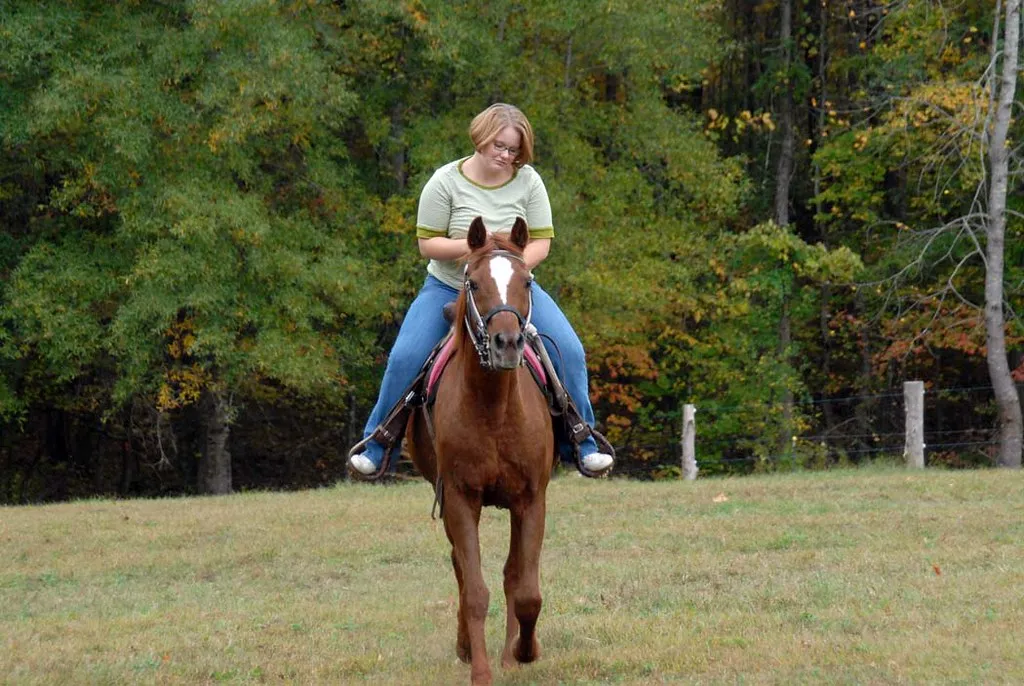
Lots of horses get jazzed when the grain cart rolls in. That’s not the same as what behaviorists call a “soft greeting,” and it’s that softness that shows you’ve truly been picked.
Look for a low nicker instead of a frantic scream, ears forward but relaxed with blinking eyes and soft mouthing, and a slow walk toward you with head and neck level instead of yanking the gate off its hinges. The difference is regulation versus frenzy. Excitement shows up for anyone with food or turnout. Softness, the kind where the whole body unwinds as they reach your hands, is relational – they’re not just happy something is happening, they’re content that you’re the one making it happen.
Worth Knowing
- Frantic gate-rushing and screaming are often more about anticipating food or turnout than about the person delivering it.
- A low nicker, soft eye, and relaxed ears point to contentment rather than pure arousal.
- Behaviorists draw a real line between “arousal” behavior and “affiliative” behavior – the second is the relational one.
- An unhurried walk with a level head toward you is a stronger trust signal than an eager trot toward the gate.
#11 – They “Complain” Safely Instead of Exploding Around You
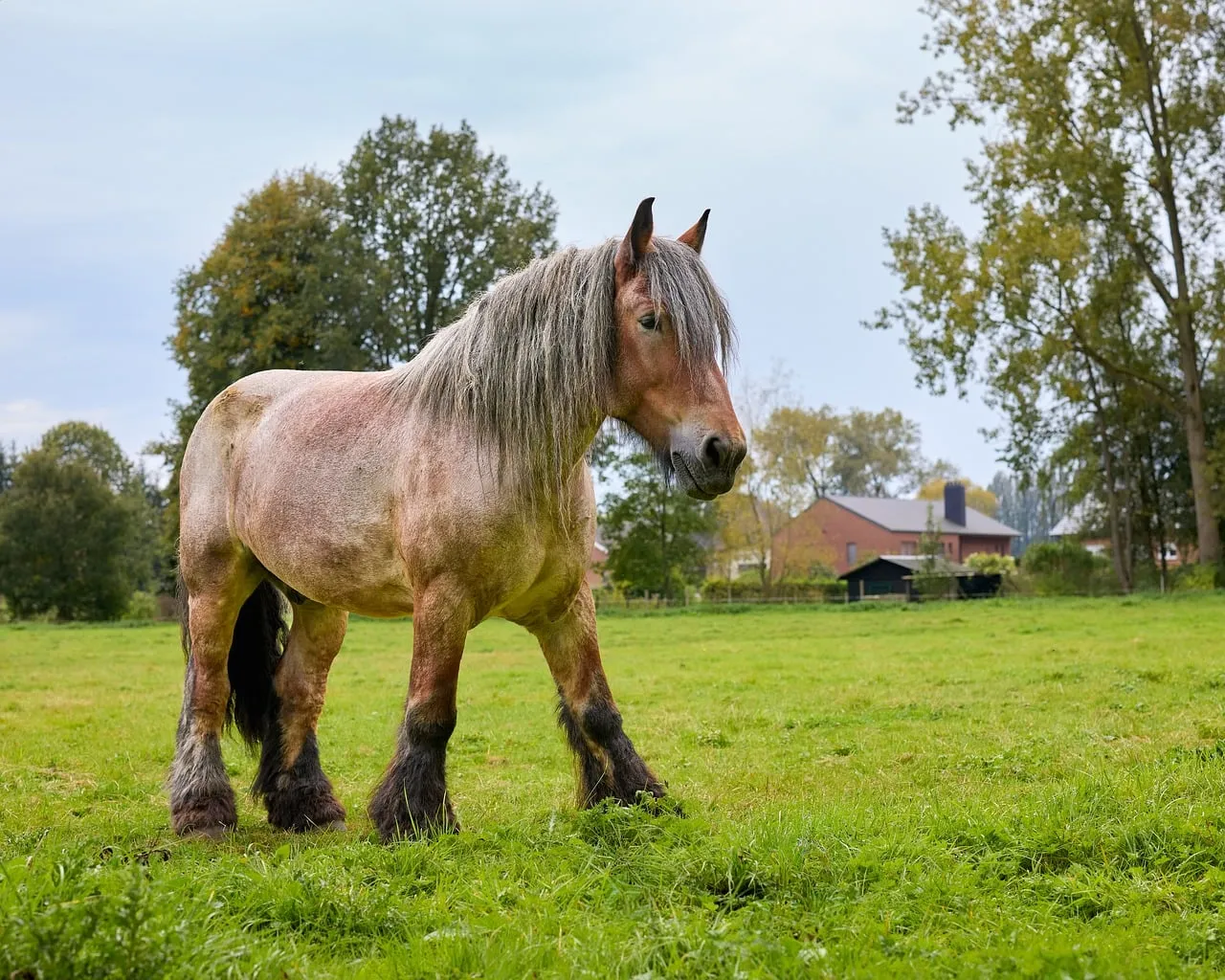
This one is controversial, and honestly, it separates fair horsemanship from ego. A horse that has picked you doesn’t magically become an angel. They still have opinions – they just bring them to you in smaller, safer ways.
Instead of full-on bolting, they hesitate and stomp once while looking at you. They swish their tail or pin an ear but stay present instead of mentally checking out. They give a tiny crow-hop under saddle instead of a full rodeo, as if to say, “Hey, this is too much,” not “I’m done with you.” Most riders misread this and punish the complaint, which is tragic, because that horse trusted you enough to downgrade their reaction and hope you’d listen.
Horses are incredibly generous and forgiving. Of all the animals, I think they are the most amazing to me because of the way they will bond with a person.
Buck Brannaman
#12 – They Try to Reconnect After a Scare or a Fight
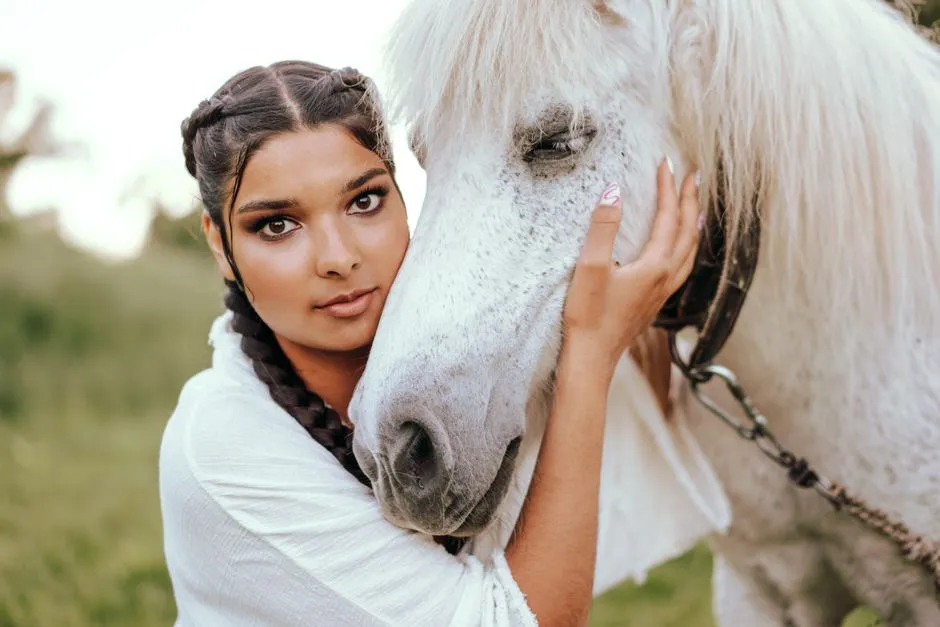
You can tell a lot about any relationship by what happens after conflict. With horses, the post-scare or post-argument behavior is often more informative than the event itself.
After a bad ride, a spook, or a vet visit, watch closely. Do they drift away and avoid eye contact the next day, or do they come up cautiously seeking reassurance? Do they sniff your hands, blow out, and relax into your touch even if yesterday was rough? A horse that has chosen you may overreact in the moment, but they’ll circle back to you as their solution – stepping closer at liberty, resting a muzzle on your chest, or simply standing near you longer than usual. Some “broke” horses never do this and stay guarded forever. The one that actively seeks reconnection has moved you from handler to herd.
#13 – They Struggle More When Others Handle Them Roughly
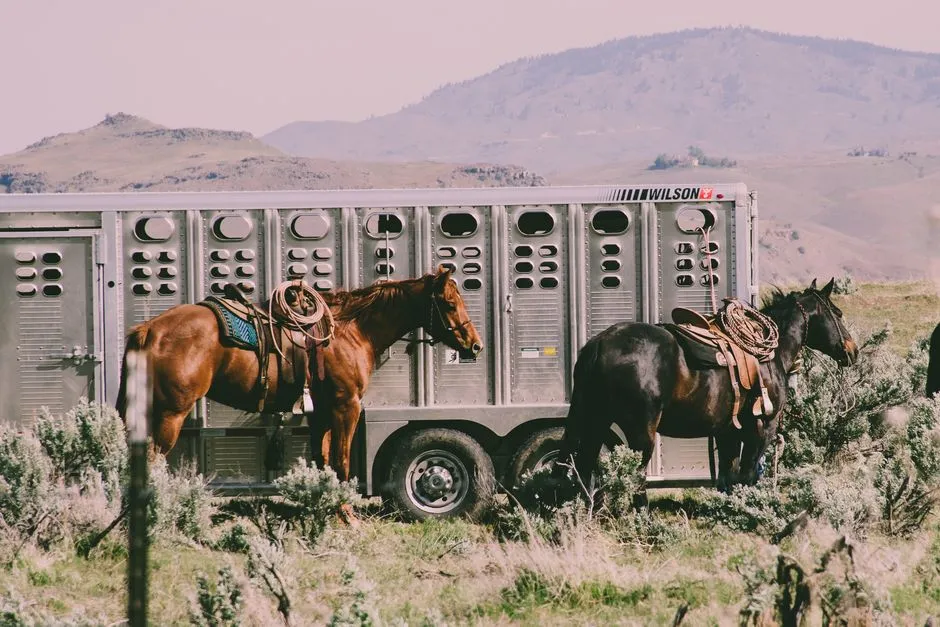
This is the sign nobody wants to admit: your horse might genuinely behave “worse” for other people because they feel safe enough to resist, and they only feel that safe with you.
For you, they load after a brief pause; for the rushed hauler, they plant their feet. For you, they accept the bit with a deep breath; for someone yanking the reins, they throw their head and brace. Many barns write this off as “spoiled” or “he only behaves for her.” The harder truth is that horses who feel secure in one relationship often protest treatment that doesn’t match it – they’ve learned there’s a better way, and they stop quietly submitting to worse.
At a Glance
- Loading: a brief pause and cooperation with you; planted feet for a rushed handler.
- Bit acceptance: a deep breath and softness with you; head-tossing and bracing for rough hands.
- Overall pattern: horses that feel secure enough to protest have usually learned a better standard exists – with you.
#14 – They Look for You When Things Go Wrong
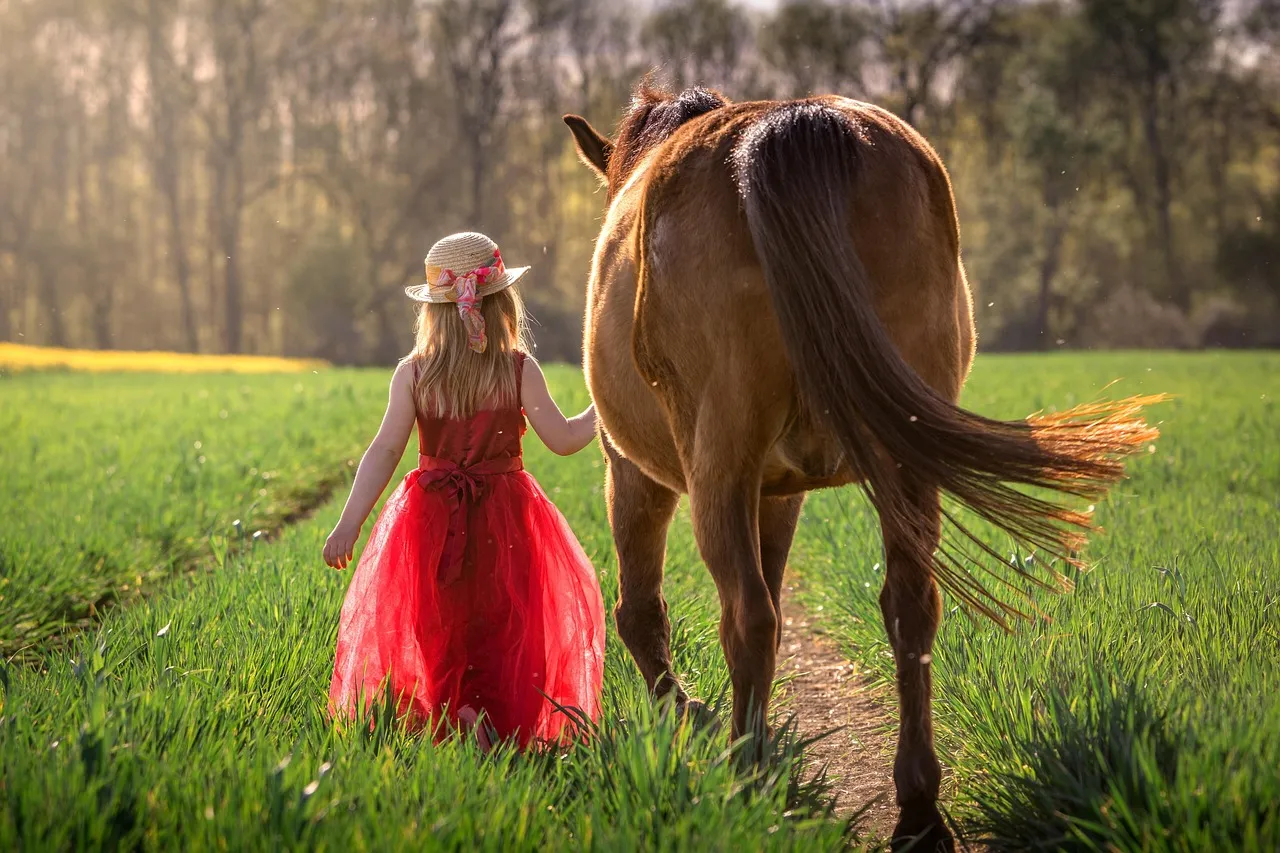
This is the clearest, most humbling sign a horse has picked you over everyone else: in genuine fear or confusion, they seek you, not an escape route.
A tarp flies, horses scatter, and yours spins, then scans the chaos until they spot you and bee-lines your way. In a new arena, they snort at the bleachers but keep checking in with your eyes, asking, “Are we okay?” During a trailer issue, instead of hurling themselves backward blindly, they pause when you step in and focus on your voice to decide what to do. Most people assume the horse who stands rock-still is the “best.” But the one who is scared, honest about it, and still chooses to orient to you? That’s the horse that has truly, undeniably picked you.
The Bottom Line
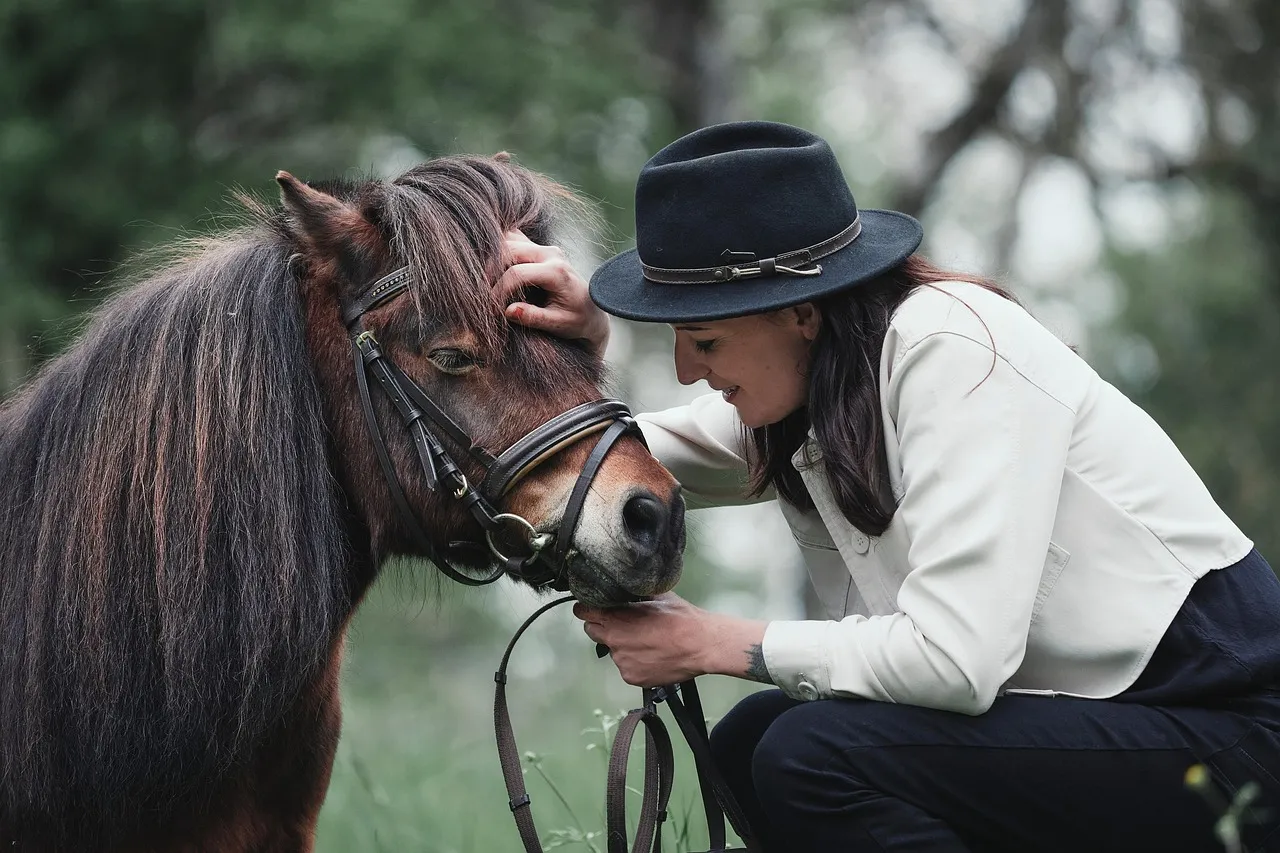
Strip away the romantic Instagram captions, and a horse “picking” you looks less like fairy dust and more like a thousand tiny, consistent choices. They leave the herd for you, park their body and attention in your space, and downgrade their reactions because they trust you’ll listen. They protest safer, reconnect after conflict, and when the world tips sideways, they look for your face before they look for an exit.
Plenty of people can ride a horse. Very few become that horse’s actual anchor. If you recognized your own relationship in these fourteen signs, you’re not imagining it – your horse has genuinely rearranged its survival wiring around you, and that is not a small thing to be handed by a prey animal.

- 14 Ways a Horse Shows It Has Picked You Above Everyone Else - July 25, 2026
- 15 Gentle Signs Vets Look for That Show a Senior Dog Is Doing Well - July 25, 2026
- 10 Amazing Facts About Penguins - July 24, 2026