
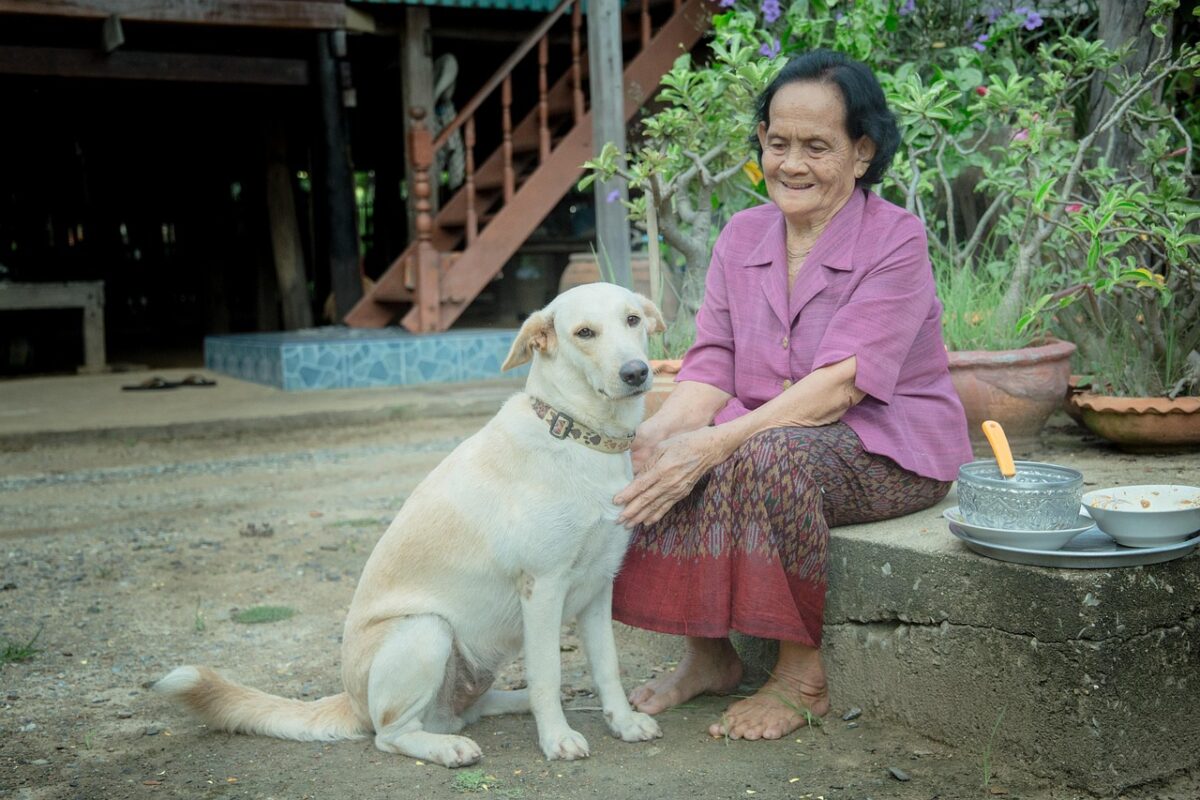
Most people assume an old dog is simply “slowing down” – stiffer joints, longer naps, less interest in the world. That’s the story everyone tells themselves. It’s also only half true.
Behind the slower steps and cloudy eyes, a lot of senior dogs are quietly working overtime, pushing through pain and exhaustion for one specific reason: they don’t want to leave you yet. Owners see the small stuff – the pacing, the sighing, the refusal to eat from the bowl – and chalk it up to “just getting old.” But vets and behaviorists who’ve watched thousands of dogs through their final years say something else is happening underneath. Keep reading, because a few of these will completely change how you see your dog’s last chapter.
#14 – They Can’t Relax Unless You’re in the Room
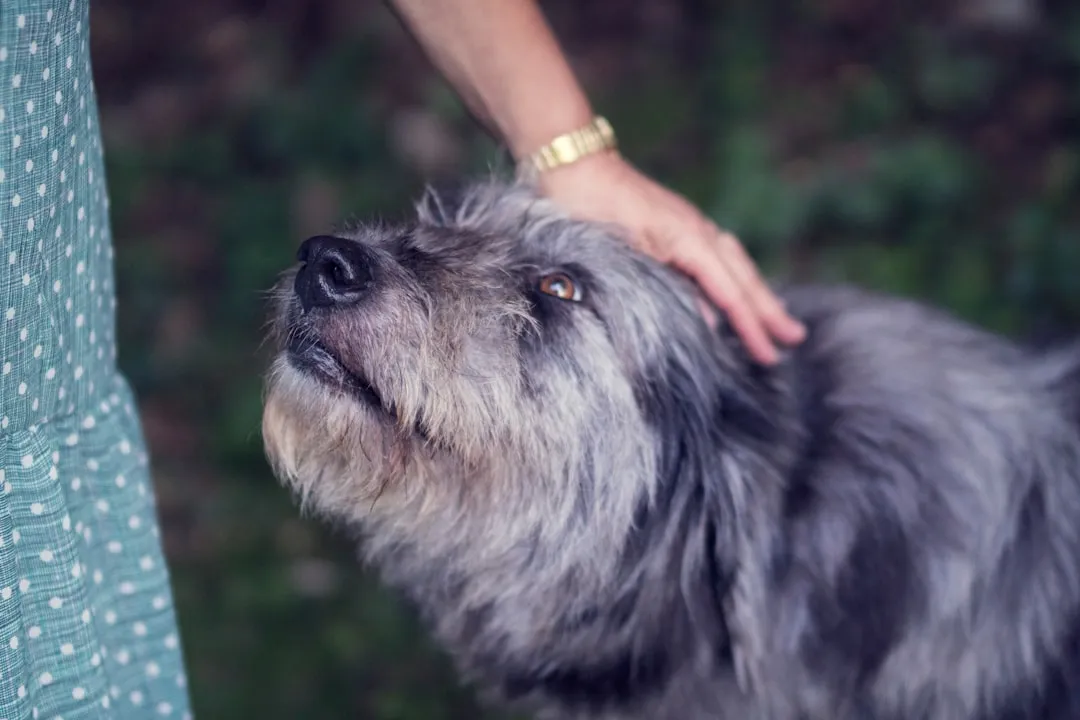
A dog that used to nap anywhere – hallway, backyard, under the table – suddenly refuses to settle unless you’re close by. This isn’t random clinginess. As vision, hearing, and mobility fade, you become their main source of safety and orientation in a world that’s gotten confusing and unfamiliar.
Your presence actually lowers their stress hormones and helps steady their breathing and heart rate. That’s why you’ll catch them pacing anxiously until you finally sit down – and then comes that long, heavy sigh, like a weight lifted.
- They change rooms the second you change rooms.
- They sleep pressed against your bed frame or chair leg.
People get annoyed and call it “needy,” but for a senior dog, staying physically close is how they cope with joint pain, disorientation, and nighttime anxiety. They’re not being clingy for attention – they’re holding onto the one thing in their world that still makes sense.
#13 – They Force Themselves to Eat, Just Because You Asked
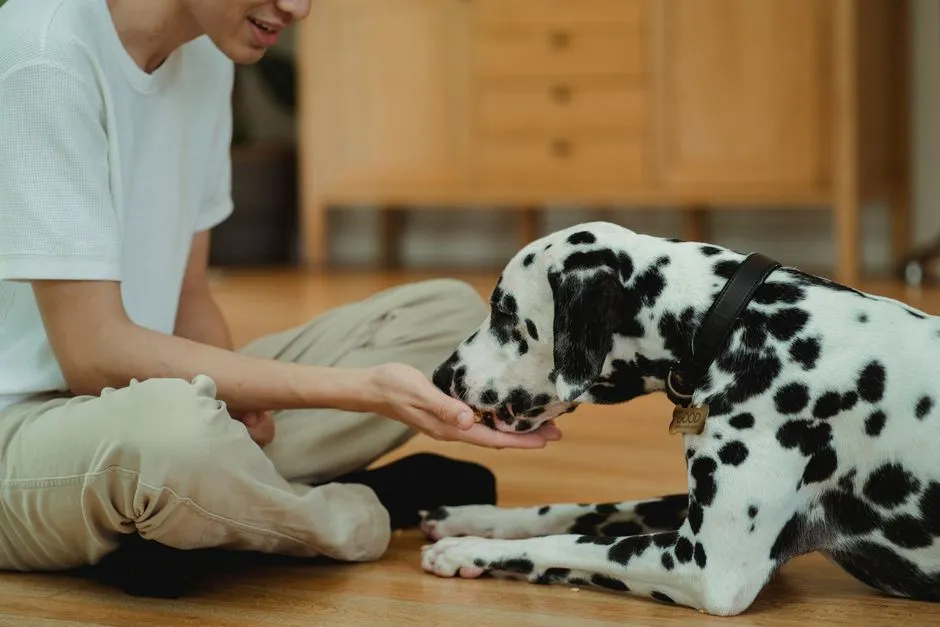
Appetite almost always shifts with age. Pain, dental problems, organ decline, and medication side effects all play a role. But owners notice something stranger, too: a dog who ignores the food bowl completely will suddenly “try” to eat the moment you gently hand-feed them or talk softly while they eat.
That’s not stubbornness or drama. It’s classic canine social behavior – responding to the person they love even when their own body is telling them no. Watch closely and you’ll see the pattern repeat night after night.
Worth Knowing
- They ignore the bowl but eat straight from your hand.
- They perk up the instant you sit on the floor and talk to them.
- Sudden appetite loss lasting more than a day or two is worth a vet call, not just a shrug about “old age.”
- Warmed food, softer textures, and raised or low bowls can make eating physically easier on sore joints and teeth.
Is that sustainable long-term? No – appetite loss in seniors is a real medical concern that needs a vet’s attention. But that flicker of effort when you ask them to “eat for me” is often your dog pushing past nausea or pain for your sake, not because they suddenly want the food.
#12 – They Hide Their Pain So You Won’t Worry
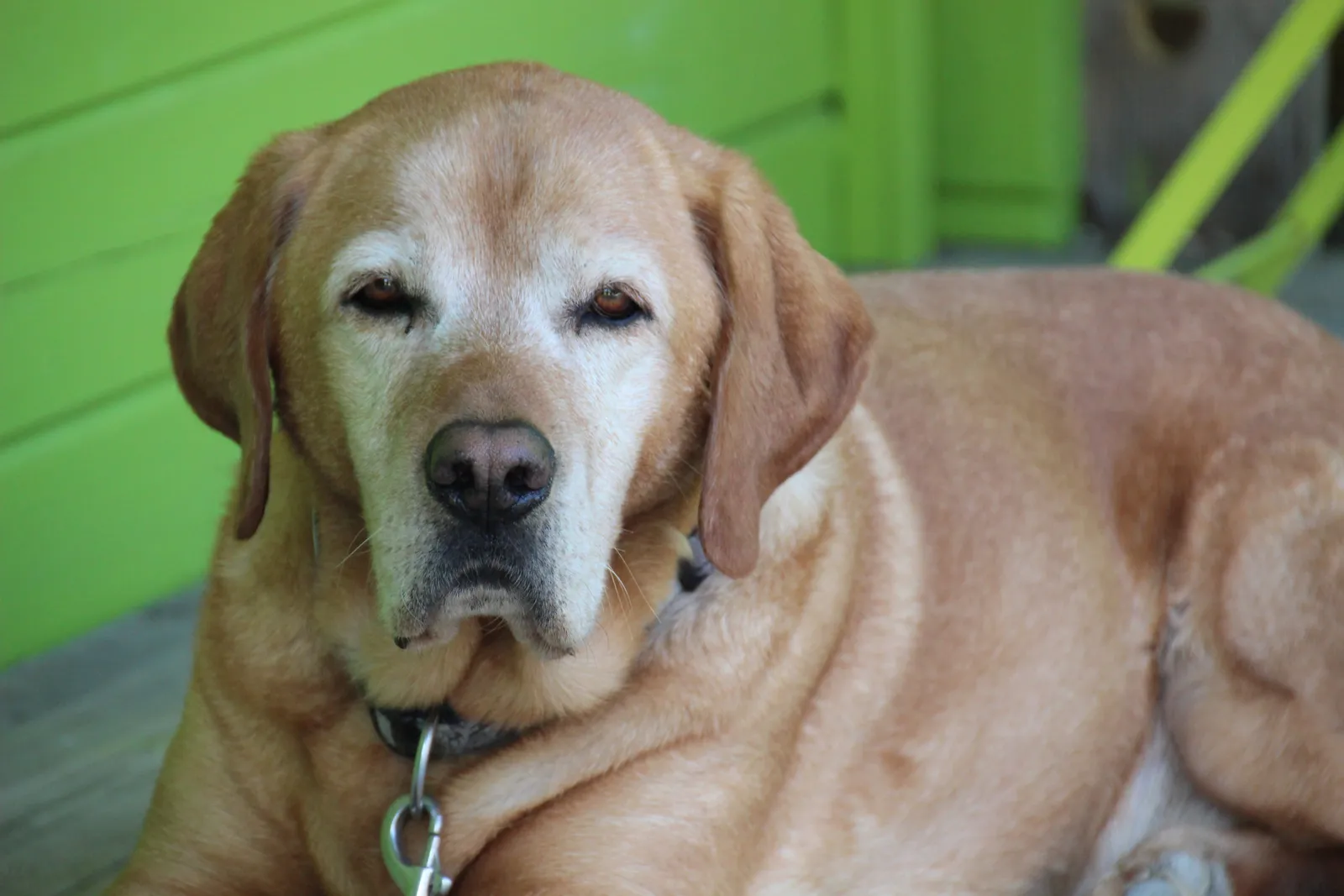
Most owners have no idea how far dogs will go to mask what hurts. Instinct tells them that showing weakness makes them vulnerable. Combine that instinct with a deep bond to you, and you get seniors who will stand when it hurts, walk when they’re dizzy, and wag their tail when they can barely catch their breath – because your worry stresses them out more than the pain itself does.
That’s why so many “sudden” declines in old dogs aren’t sudden at all. The signs were quietly there for months; your dog was just determined not to let you see them.
- Stiffness that looks “a little off,” then vanishes the moment they get excited.
- Quick, forced tail wags followed by long, heavy rests.
Owners often say, “He was fine last week.” He wasn’t. He was simply choosing, day after day, not to make you afraid. It’s heartbreaking to realize in hindsight, but it’s also one of the clearest proofs that an old dog is holding on for you.
#11 – They Guard the Old Routine Like It’s Their Last Job
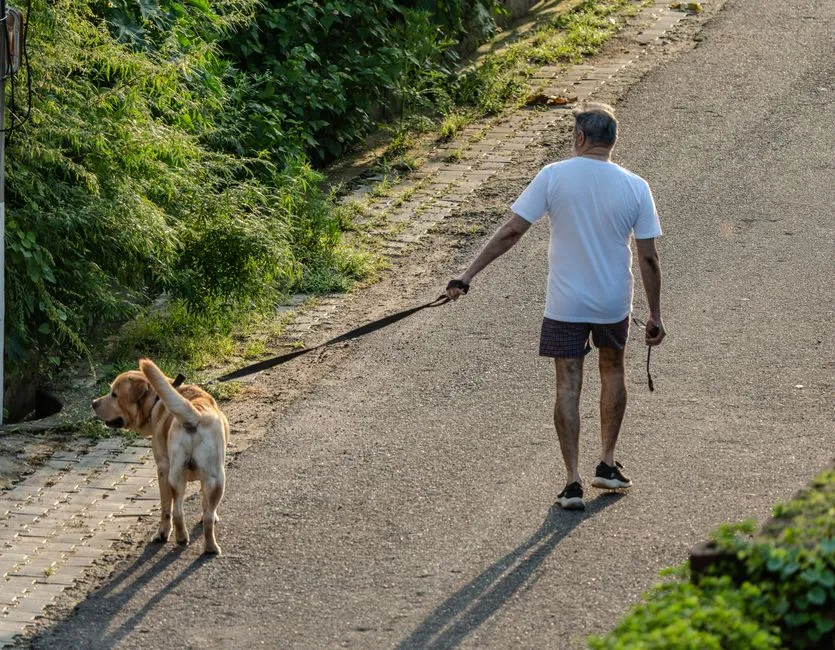
Old dogs live and die by routine, and when they love you, they treat “the schedule” like a sacred promise. They may barely be able to make it to the door, but they’ll still drag themselves up at exactly the same time every day for the walk you always took together.
Even if that walk has shrunk down to ten slow, wobbling steps to the mailbox, they insist on it – because in their mind, keeping the ritual alive means life is still okay. Losing the routine feels, to them, like losing you.
- They still insist on going to “their spot” at mealtimes, even if they barely eat.
- They get visibly restless if bedtime or morning routines run late.
People assume, “He loves this walk so much, he must still be fine.” In reality, your dog may be exhausting themselves to protect a shared ritual – and by extension, to protect you. Shortening the walk, using a stroller, or just sitting outside together isn’t giving up on the routine. It’s letting them keep the job without breaking their body doing it.
#10 – They Quietly Watch You More Than Ever
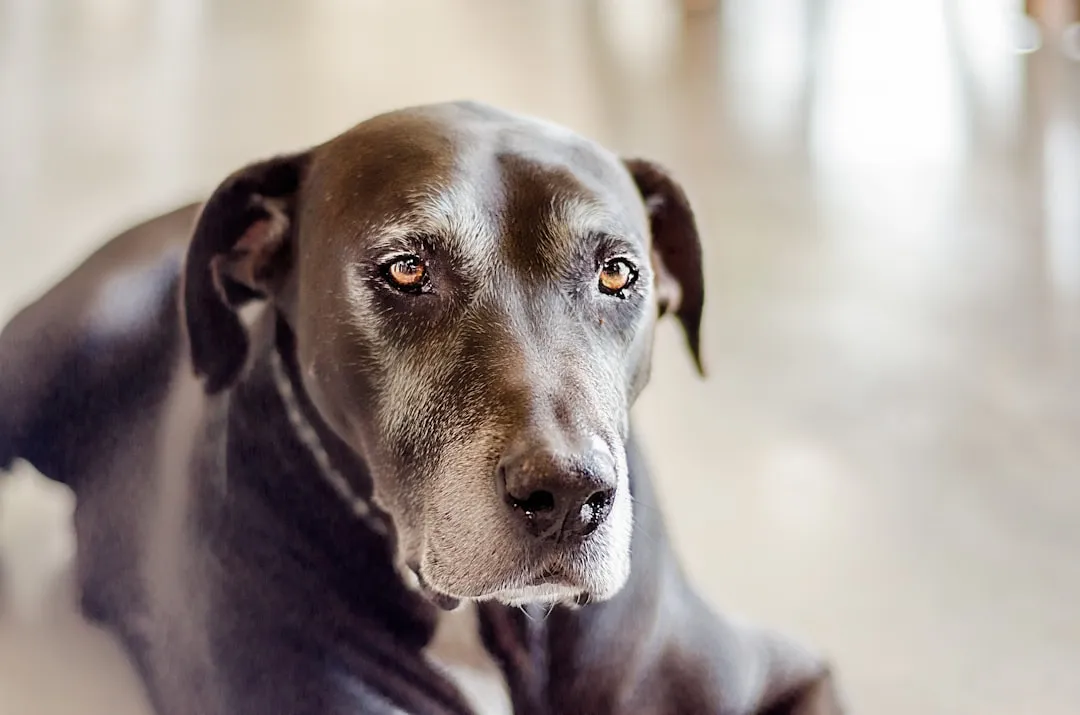
You might think your senior dog is “zoning out” lying on the rug with their head down and eyes half-closed. Look closer. Old dogs often track you with small, deliberate eye movements, turning their head slowly every time you cross the room.
Their body can’t follow you around the house like it used to, but mentally, they’re still shadowing your every move. For a dog, simply keeping you in sight is its own quiet form of caretaking – a job they refuse to fully retire from.
- Lying facing the doorway where you usually appear.
- Sleeping in the one spot where they can see both you and the front door.
Some people dismiss this as “all he does now is sleep.” But that constant, low-effort visual check-in is your dog staying on duty even after their body has clocked out. They rest more, yes – but they’re still watching over you.
#9 – They Push Themselves to Greet You, No Matter How Bad They Feel
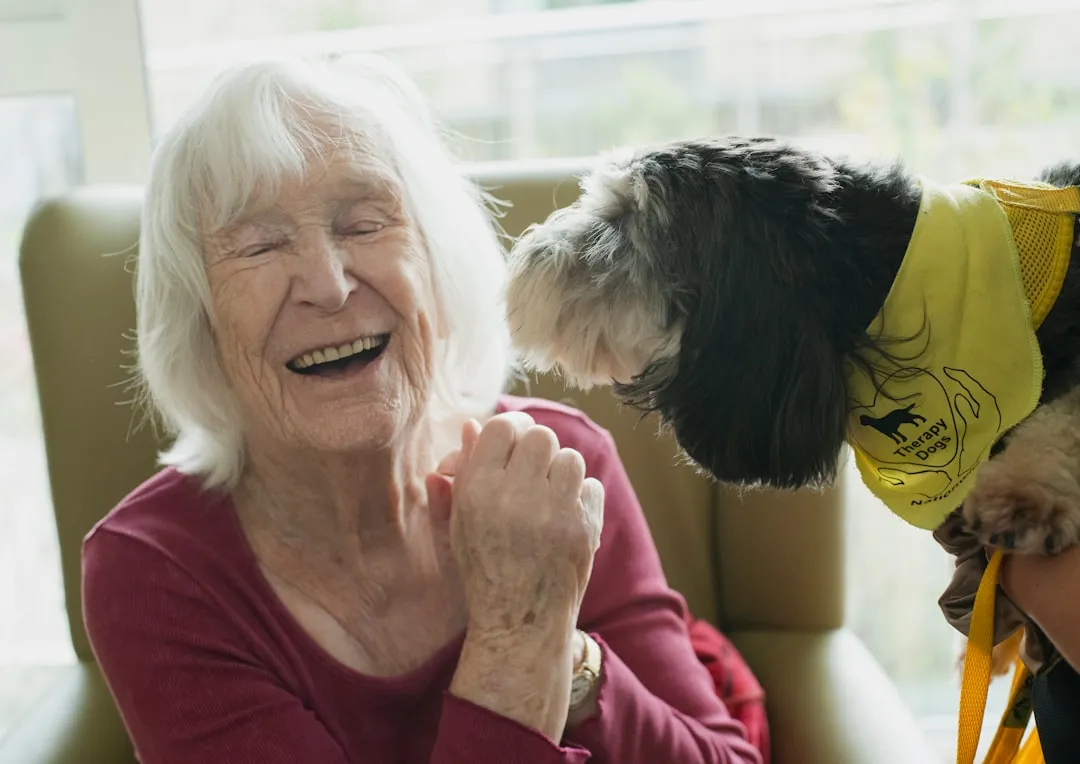
One of the most painful late-life patterns is this: a dog who struggles to stand for anything else all day long will still heave themselves up, wobble to the door, and give you a slow, deliberate tail wag the moment you walk in.
It’s not just muscle memory. Greetings are a core part of the human-dog bond, and for many seniors, that moment becomes exactly where they choose to spend their limited energy – over everything else in the day.
- They won’t get up for anything else – but they’ll get up for you.
- The greeting is smaller now, but unmistakably still meant for you.
Vets will tell you dogs often spend their last real reserves on hellos and goodbyes. Nobody’s saying every wag is a grand declaration of love, but in those specific moments, your dog is clearly choosing you over their own comfort. It’s their way of saying, I’m still here. I’m still your dog.
#8 – They Sleep in Doorways Like a Fading Bodyguard
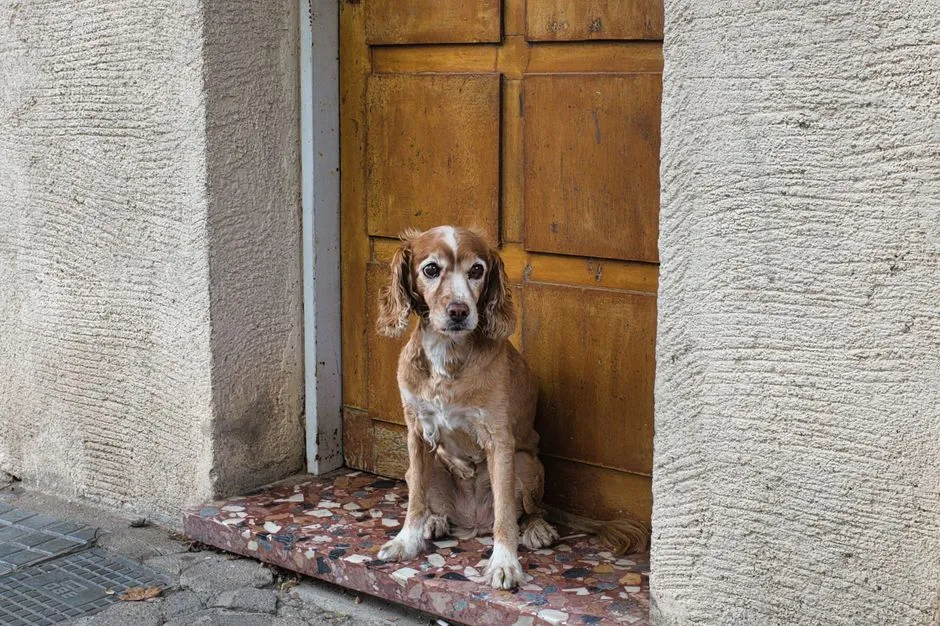
A lot of owners assume their senior dog is picking awkward sleeping spots out of confusion. Sometimes that’s true. But there’s another pattern worth noticing: old dogs deliberately planting themselves in doorways, hallway intersections, or bedroom thresholds – classic sentinel positions.
They can’t sprint to the window or bark a warning like they used to, but in their own mind, they’re still guarding the person they love. That instinct doesn’t retire just because the body does.
- They sleep exactly where they can see multiple rooms at once.
- They choose a hard, uncomfortable floor over a cushy bed near you.
Part of this is habit, sure. But security dogs, herding breeds, and even former couch potatoes tend to default to “monitor mode” for as long as their bodies allow it. Sacrificing comfort for position is a quiet, stubborn way your old dog keeps watch, even with cloudy eyes and stiff joints.
#7 – They Stop Complaining About Things That Used to Bother Them
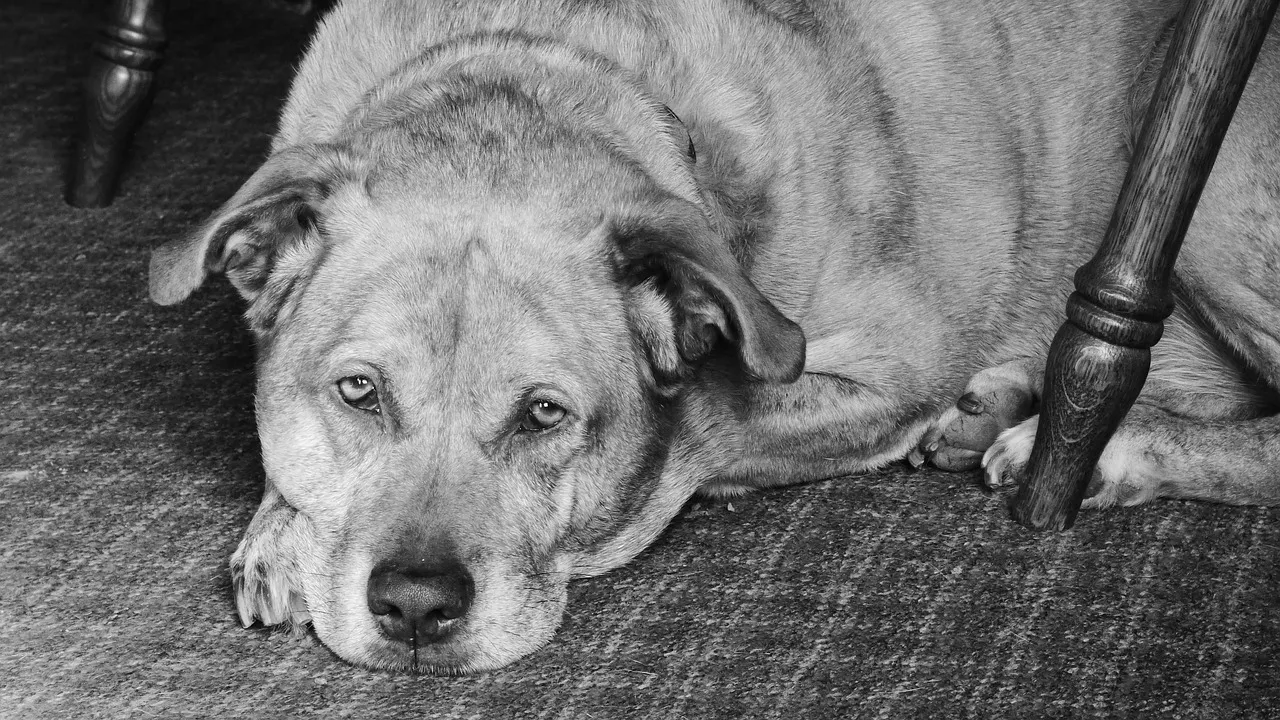
This is the part almost nobody talks about. Younger dogs whine at closed doors, bark for attention, protest a late dinner. Old dogs often just… stop. They go strangely quiet, tolerating delays and discomforts that would have driven them crazy a few years earlier.
Owners misread this constantly as “he’s finally calmed down” or “she’s so well-behaved now.” In reality, it usually means something different is happening under the surface.
At a Glance
- They’re conserving energy instead of spending it arguing with life.
- Their priority has quietly shifted from “I want this now” to “I just want to be near you, however that looks.”
- Barking, whining, and pacing over small annoyances typically drop off sharply in the last stage of life.
- Quiet acceptance can mask real discomfort, so “calm” doesn’t always mean “comfortable.”
Some behaviorists caution against over-romanticizing this – mammals near the end of life commonly stop wasting resources on low-priority complaints in general. But for a deeply bonded dog, you are the highest priority left. They’re not necessarily happier. They’re just letting almost everything else go so they can hold onto the one thing that still matters: time near you.
#6 – They Follow Your Emotional State More Than Your Words
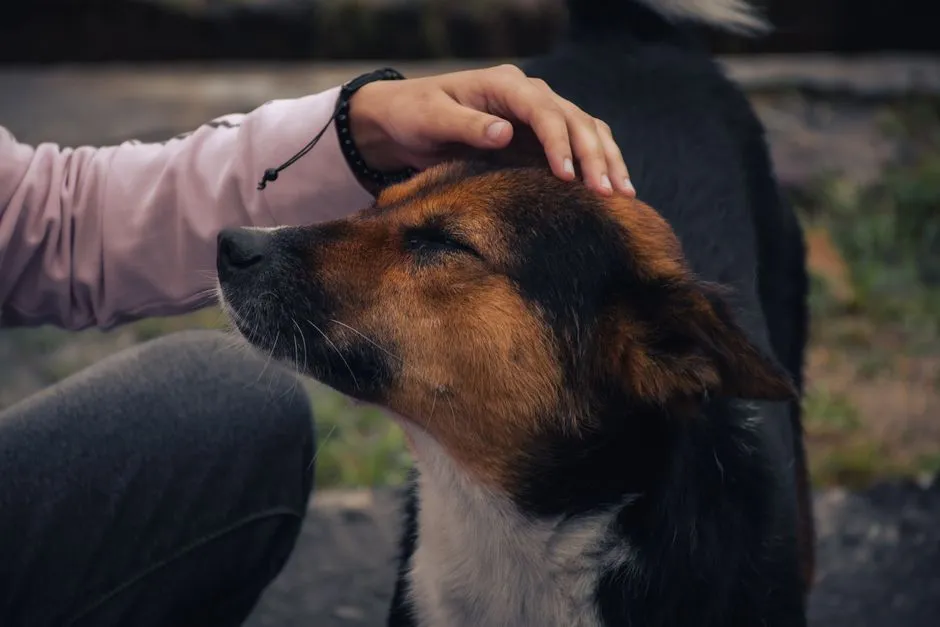
Hearing and eyesight fade late in life, but a dog’s sensitivity to emotional tone often gets sharper. A senior dog might completely miss the command “come” – and still lift their head the instant they hear you cry, argue, or laugh in another room.
Oxytocin, the so-called bonding hormone, flows both directions in the dog-human relationship, and older dogs seem to tune into that emotional channel almost exclusively as their other senses dim.
- Watch what happens when you’re anxious versus calm – does their breathing, pacing, or resting position change?
- Sit quietly and stroke them for ten minutes – do they visibly relax more deeply?
Most people don’t realize how much their own stress spills directly into their dog’s final days. An old dog may force themselves to stay alert when you’re upset, or drag themselves closer when your voice shakes, even after hours of heavy sleep. They may not understand the details of what’s wrong. They’re still trying, in their own limited way, to steady you.
#5 – They Accept Help They Would’ve Refused Years Earlier
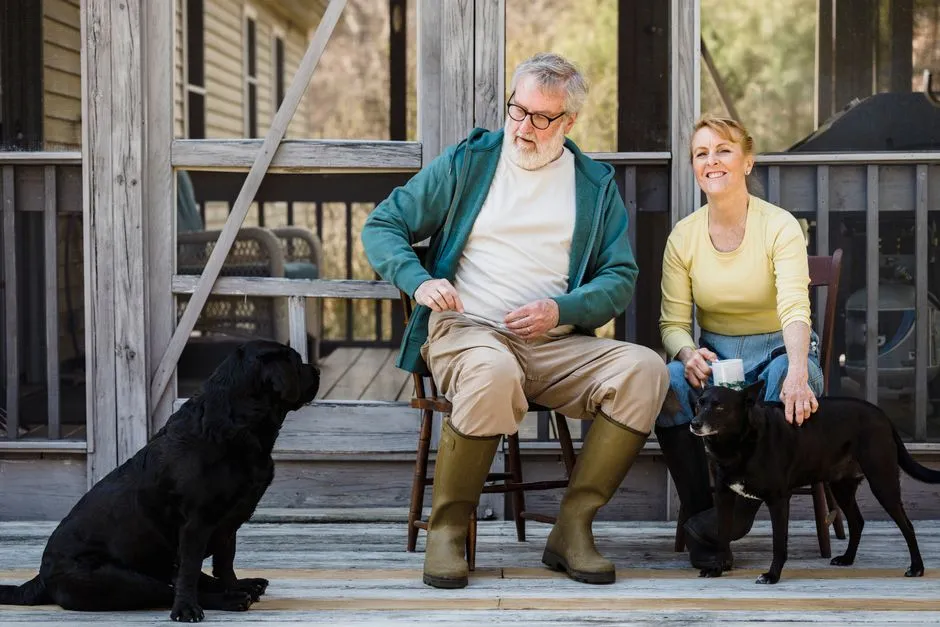
Proud, independent dogs often hate being lifted, carried, or physically guided when they’re young or middle-aged – ask anyone who’s tried to force a healthy dog into a bath. Then something shifts. As they age, and as their bond with you deepens, many seniors finally let you help them onto the couch, up the stairs, or into the car without a fight.
It’s not just physical weakness talking. It’s trust, sharpened by years together into something quieter and steadier.
Quick Compare
- Younger dog: Fights the harness, wriggles out of your arms, refuses a helping hand.
- Senior dog: Leans into you on the stairs and tolerates ramps, slings, and lifts without protest.
- Younger dog: Pushes ahead, independent, barely notices you’re there.
- Senior dog: Waits for your hand before attempting anything difficult.
Some owners mistake this for “giving up.” From a relationship standpoint, it’s closer to the opposite. Accepting help is a genuinely vulnerable act. Letting you lift their frail body, or clean them up after an accident, is their way of saying, I’m still with you – just in a different role now. They’re holding on by finally letting you carry part of the load.
#4 – They Pick One or Two “Essential” People and Quietly Filter Out Everyone Else
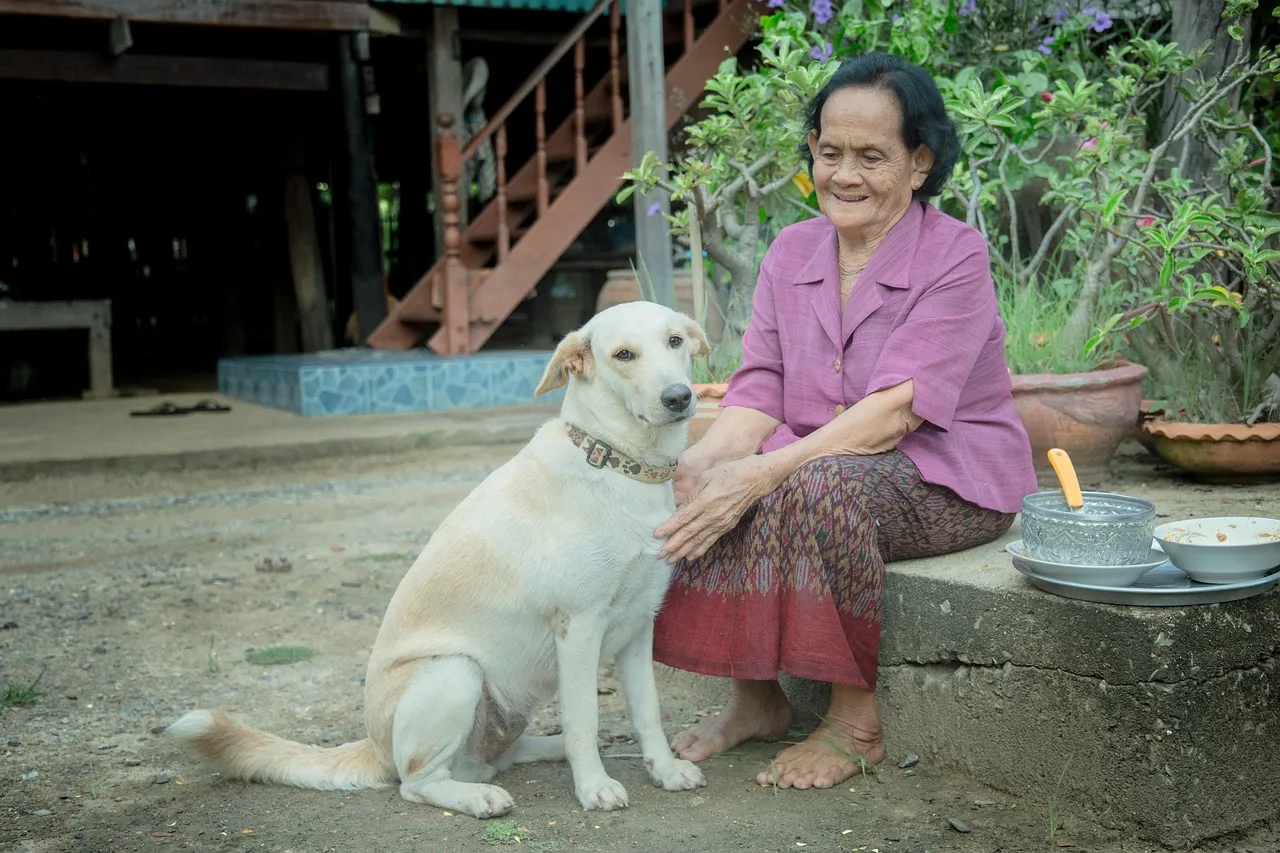
Old dogs often stop spreading their attention around the way they used to. The dog who once greeted every single visitor at the door may now ignore guests, grandkids, even other pets in the house – and save their last bursts of focus for one or two specific humans.
To outsiders, it can look rude, or like the dog has simply “checked out.” In reality, it’s something closer to ruthless emotional triage, sorting the world by what still matters.
- They no longer get up for guests, but they will for “their person.”
- They stop engaging in play with other dogs but still lift their nose for your hand.
Some of this is plain fatigue or cognitive decline, and it’s fair to admit that. But the pattern holds up again and again: energy goes where the attachment is strongest. Behavior experts warn against reading too much into it – yet anyone who’s watched a dying dog lift their head only for one specific voice knows there’s something real happening there.
#3 – They Rally on “Important” Days, Then Crash Hard Afterward
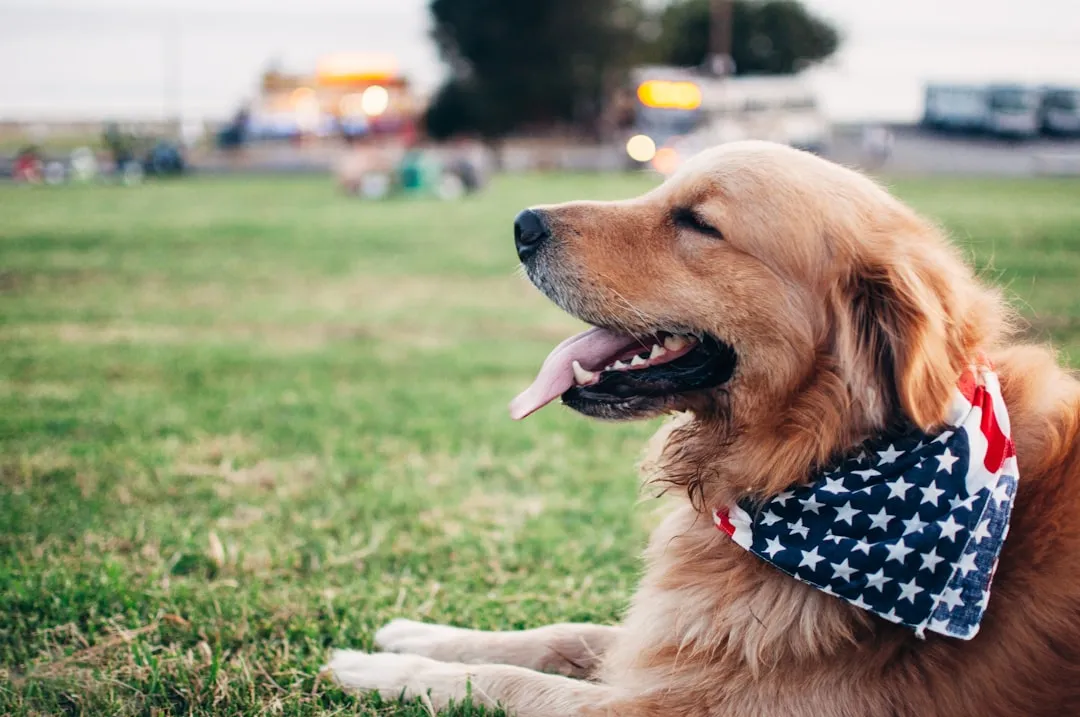
Ask any vet about “the last rally” and they’ll nod immediately – it’s a well-known pattern. Dogs across the country, in totally unrelated households, suddenly seem brighter, steadier on their feet, even playful for a short window – often on holidays, birthdays, or the day a family member finally comes home.
Then, just as quickly, they weaken again. Nobody fully understands the physiology behind it, but a surge of adrenaline and cortisol likely explains the temporary boost.
Fast Facts
- A few unexpectedly “good” hours, or one surprisingly normal day.
- Followed by a sharp, sudden drop in energy, appetite, or mobility.
- Vets often refer to this as a “final rally,” and it’s reported across breeds, sizes, and ages.
- A short-lived surge of adrenaline and cortisol is the leading physiological explanation.
People argue about this one. Some call it coincidence; others swear their dog “held on” specifically to see someone, or to share one last ordinary afternoon together. Both explanations can be partly true at once. What’s certain is that a rally is not recovery – it’s the last of their physical resources being poured, deliberately, into one more moment with the people they love.
#2 – They Wait Until You’re Safe, or Until You Let Go
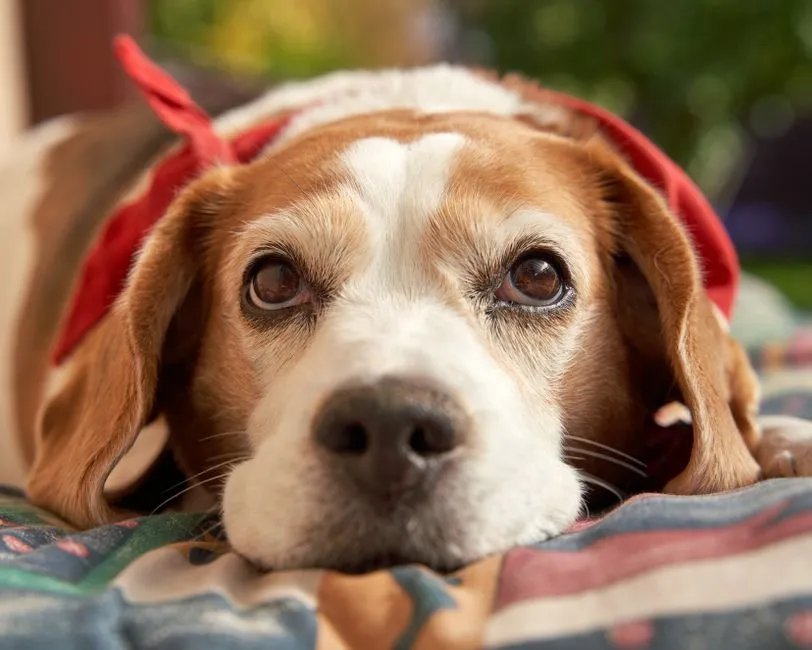
Not every story fits this pattern, but there are enough of them that vets bring it up quietly, almost cautiously. Some dogs seem to wait – for the kids to fall asleep, for their person to walk through the door, or, more painfully, for their person to step out of the room for just a moment. Then they pass.
Others hang on through obvious, visible suffering until their human finally says out loud, “It’s okay. You can go,” or makes the call to schedule euthanasia.
- Passing away shortly after a family member returns home from a trip.
- Passing minutes after their person leaves the room they’d been quietly holding vigil in.
Science is honest here: there’s no solid data proving dogs consciously “choose” the moment of death the way we describe it. But nearly every vet has a story that’s hard to explain away. Whether it’s timing, biology, or something we simply don’t have the tools to measure yet, many old dogs seem to resist the end until they sense their person is, on some level, ready to let them.
Dogs are not our whole life, but they make our life whole.
Roger Caras
#1 – They Keep Trying to Be “Your Dog” Even When the Roles Have Reversed
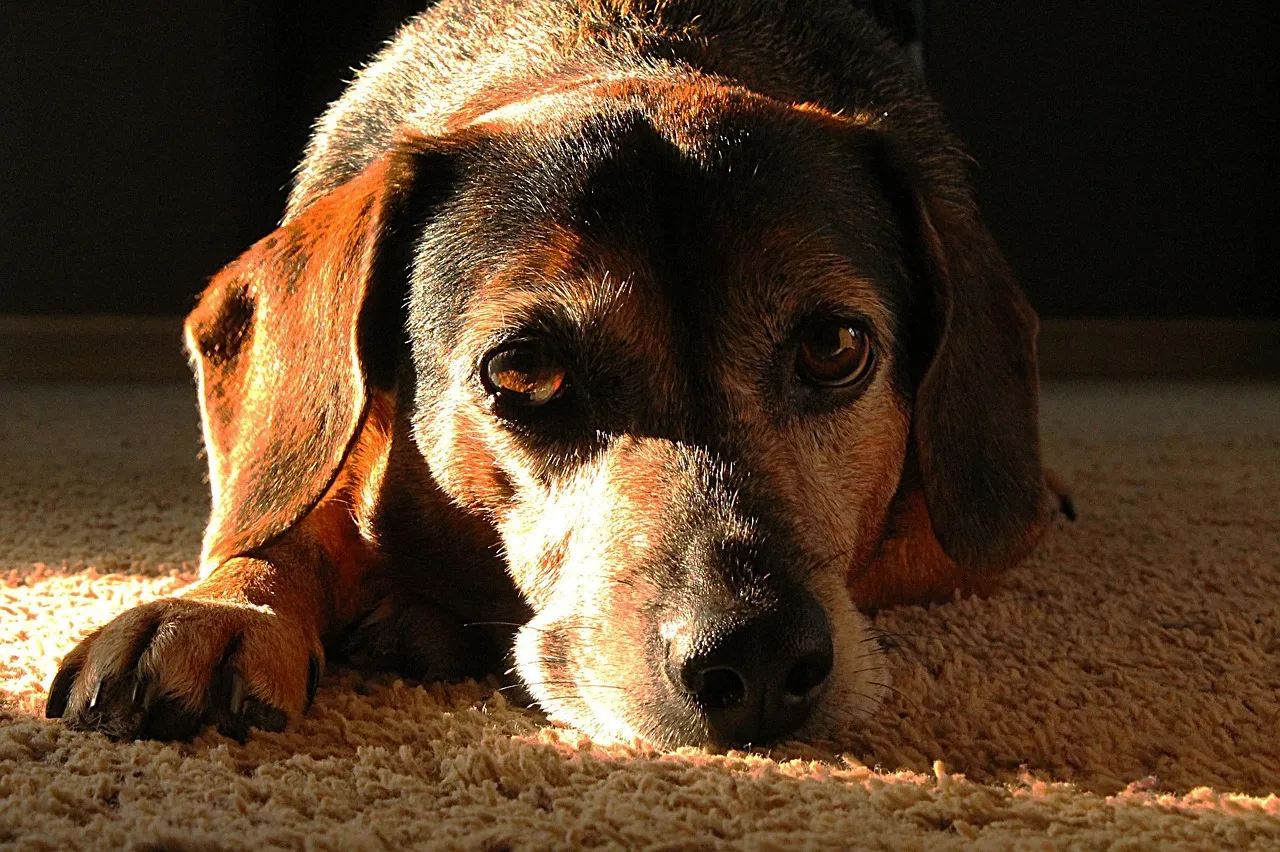
This is the hardest truth on the list. Right up to the very end, many old dogs are still trying to be the version of themselves you fell in love with – the fetch champion, the couch cuddler, the car-ride buddy – even as their body flatly refuses to cooperate.
They’ll pick up a toy, then drop it halfway across the room. They’ll try to jump into the car and panic when their legs give out beneath them. They aren’t confused about being old. They’re trying to live up to the identity you gave them, for as long as their body will let them fake it.
- The protector, even though you’re the one protecting them now.
- The adventure partner, even when “adventure” is just standing in the front yard.
This is where your role has to change completely. The most loving thing you can do for a dog who’s holding on for you is to stop asking them to be who they were, and start loving them openly for who they are right now – slow, sore, sleepy, but still entirely yours. Sometimes the final kindness isn’t encouraging them to hold on. It’s giving them permission to rest.
The Bottom Line
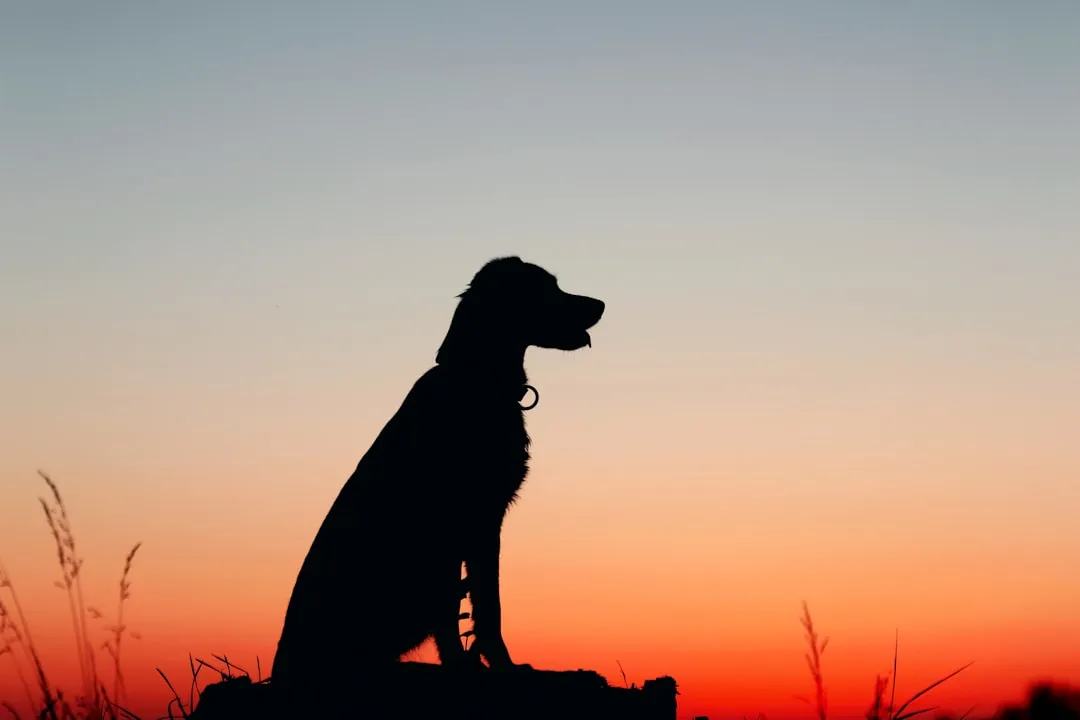
Here’s the uncomfortable truth: old dogs often work harder for us at the end than we ever work for them. They hide pain so we won’t worry. They cling to rituals long after those rituals exhaust them. They rally for one more greeting at the door and pour their last strength into watching over us from a hallway floor.
Their bodies fail, but the bond doesn’t weaken – it concentrates into something smaller and fiercer. That’s exactly why their tiniest choices in those final months matter so much.
And here’s the part people get wrong most often: “holding on” isn’t always a gift we should quietly accept. Sometimes it’s a signal that we need to step up – adjust the routine, manage the pain better, or make the impossible call to let them go before they break themselves trying to stay for us. If you’ve lived through this with a dog, you already know exactly how complicated that feels. So – did your old dog do any of these things for you, or something else entirely that still crosses your mind at random moments?

- 14 Ways an Old Dog Holds On a Little Longer for the Person It Loves - July 21, 2026
- 15 Tender Things Old Dogs Do the Closer the End Quietly Comes - July 21, 2026
- 14 Ways a Rescue Cat Shows It Has Given You Its Fragile Heart - July 21, 2026