


When it comes to our beloved furry, feathered, or scaled companions, we often witness behaviors that leave us scratching our heads in confusion or concern. From dogs chasing their tails to cats staring at blank walls, pet owners frequently wonder if their animal’s quirky habits indicate a problem. The good news is that many of these seemingly strange behaviors are perfectly normal aspects of animal instinct and communication. Understanding the natural behaviors of our pets not only alleviates unnecessary worry but also deepens the bond we share with them. Let’s explore fourteen peculiar pet behaviors that might seem odd at first glance but are completely normal manifestations of their instincts.
14. The Infamous “Zoomies”

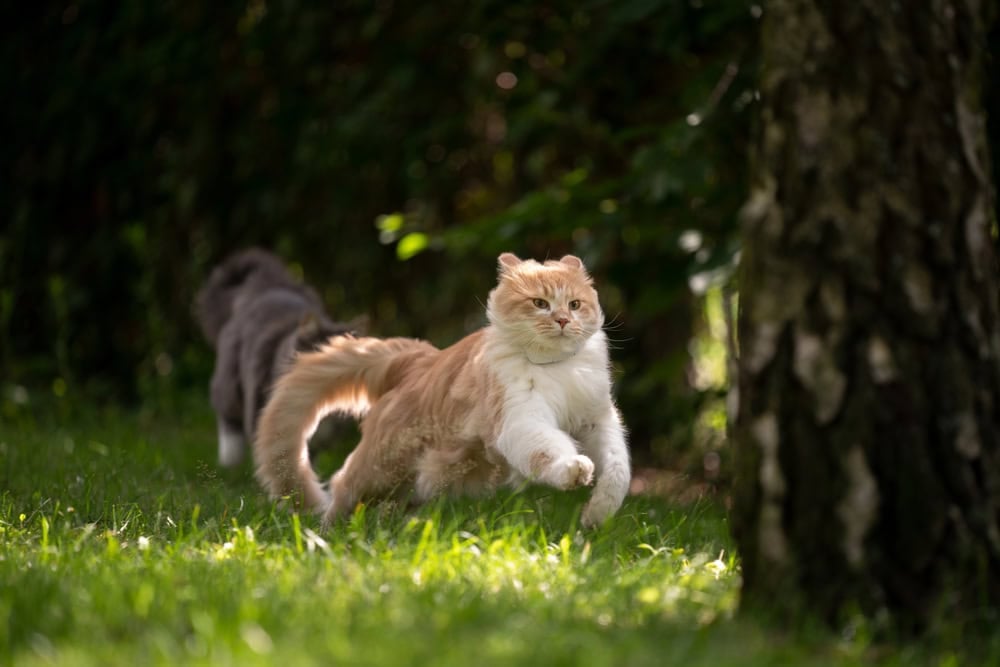
Those sudden bursts of energy where your dog or cat tears around the house at lightning speed—aptly named “zoomies”—are scientifically known as Frenetic Random Activity Periods (FRAPs). This behavior typically occurs when pets have excess energy to burn or are feeling particularly playful or excited. You might notice zoomies after bath time, during playful moments, or when your pet wakes up from a nap. These energetic outbursts are especially common in younger animals but can occur at any age. Rather than indicating a problem, zoomies are simply your pet’s way of expressing joy and releasing pent-up energy. As long as your pet isn’t putting themselves in danger during these episodes, there’s no need for concern—just make sure breakable items are secured!
13. Wall-Staring and Ceiling-Gazing

Has your cat ever spent minutes—or even hours—staring intently at a wall or ceiling with nothing visibly there? This behavior often alarms pet owners, who worry about possible neurological issues. In reality, your pet likely detects something you cannot. Cats and dogs have significantly more sensitive hearing and can detect high-frequency sounds inaudible to humans, such as the movement of mice within walls or insects behind drywall. Additionally, they may be seeing subtle shadows or light reflections that our less sensitive visual systems miss. Some animals also have an enhanced ability to sense electromagnetic fields, which might explain their apparent fascination with certain spots in your home. Unless accompanied by other concerning symptoms, such as disorientation or aggression, this behavior is typically just your pet utilizing their superior senses.
12. Eating Grass Despite Not Being Herbivores

Finding your carnivorous dog or cat munching on grass often triggers concern, especially when followed by vomiting. However, grass consumption is a normal, instinctual behavior with several possible explanations. Some veterinarians believe pets eat grass to induce vomiting when they feel nauseated, essentially self-medicating. Others suggest that grass provides dietary fiber or fulfills a nutritional need not met by their regular diet. Research has shown that only about 25% of dogs vomit after eating grass, and most don’t appear ill beforehand, suggesting they’re not always eating it due to stomach upset. Wild canines and felines also consume plant material occasionally, indicating this behavior has evolutionary roots. As long as the grass hasn’t been treated with harmful chemicals and your pet isn’t consuming excessive amounts, this behavior is generally harmless and instinctually driven.
11. The Post-Bath Frenzy
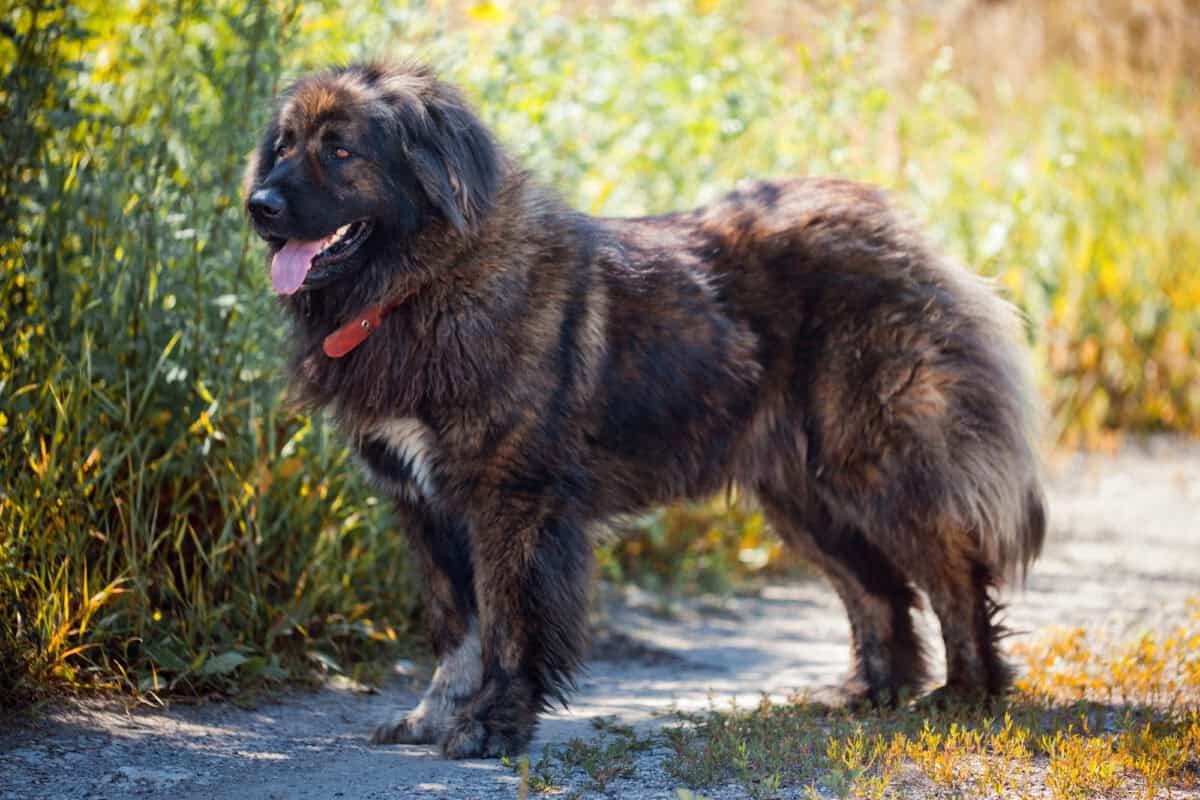
The wild dash your pet makes after bath time—rolling on carpets, rubbing against furniture, and generally acting frantic—is a normal behavior driven by several factors. First, animals naturally want to restore their familiar scent after being washed with products that leave them smelling “wrong” to their sensitive noses. By rolling and rubbing against surfaces, they’re attempting to reclaim their scent identity. Additionally, the sensation of water on their fur or feathers can feel uncomfortable or unnatural, particularly for animals that don’t naturally swim. The frantic running and rubbing helps them dry off more quickly and relieve the unusual sensation. While entertaining to watch, this behavior serves important purposes for your pet’s comfort and sensory equilibrium. To reduce stress, using pet-specific, gentle products and thoroughly drying your pet after bathing can help minimize the intensity of the post-bath frenzy.
10. Head-Tilting When You Speak

That adorable head tilt your dog does when you speak to them isn’t just cute—it’s functional. Dogs tilt their heads to better process what they’re hearing and seeing. Studies suggest this behavior helps them adjust their ears to locate sound sources more effectively and may improve their visual perception of your face by moving their muzzle, which can partially block their view. Research published in the journal Animal Cognition found that dogs with longer muzzles tend to tilt their heads more frequently than flat-faced breeds, supporting this theory. Additionally, this behavior often earns positive reactions from humans, reinforcing it through social reward. The head tilt also indicates your pet is paying attention and processing information, showing cognitive engagement and interest in what you’re communicating. Far from weird, this behavior demonstrates your pet’s attempts to better understand you and their environment.
9. Burying Food and Toys

Finding toys hidden under couch cushions or discovering your dog attempting to “bury” a treat in your carpet might seem strange, but this caching behavior has deep evolutionary roots. Wild canines would bury surplus food to preserve it for leaner times, protecting it from other predators and creating a food storage system. Domestic dogs and cats have retained this instinct despite no longer needing to worry about their next meal. The behavior can intensify in households with multiple pets, where competition for resources may trigger ancestral hoarding instincts. Some animals also “bury” particularly prized possessions, treating special toys or high-value treats as resources worth protecting. This behavior demonstrates that despite thousands of years of domestication, our pets still retain many of their wild ancestors’ survival instincts. Unless the burying behavior becomes obsessive or disruptive, it’s a normal expression of instincts.
8. Tail-Chasing and Spinning

The classic image of a dog chasing its tail often evokes laughter, but this behavior serves several purposes in the animal world. For puppies, tail-chasing is often exploratory—they’re literally getting to know their own bodies. In older dogs, occasional tail-chasing typically represents play or energy release. However, it’s important to distinguish between occasional tail-chasing and compulsive spinning. Normal tail-chasing is intermittent and usually stops when the animal is distracted or tired. If your pet engages in this behavior occasionally and in a playful context, it’s generally nothing to worry about. Interestingly, certain breeds like Bull Terriers and German Shepherds have genetic predispositions to tail-chasing behaviors. If your pet’s spinning becomes frequent, intense, or difficult to interrupt, consultation with a veterinarian is warranted, as compulsive behaviors can indicate stress or medical issues. But the occasional playful tail chase? That’s just your pet being a normal, somewhat silly animal.
7. Kneading or “Making Biscuits”
Cat owners are familiar with the rhythmic pushing of paws against soft surfaces—a behavior affectionately known as “making biscuits” or kneading. This behavior begins in kittenhood, when nursing kittens knead their mother’s mammary glands to stimulate milk flow. Adult cats continue this behavior throughout their lives as a self-soothing mechanism that indicates contentment and security. When your cat kneads on your lap, it’s actually a tremendous compliment—they’re displaying the same comfort-seeking behavior they associated with maternal nurturing. Some cats also knead while purring or before settling down for sleep, further supporting the connection to comfort and relaxation. The behavior may also serve a territorial purpose, as cats have scent glands in their paw pads that release pheromones during kneading, effectively marking the surface (or person) as “theirs.” While the pressure or occasional unsheathed claws might be uncomfortable for humans, this behavior is one of the clearest signs of a happy, secure cat.
6. Scooting and Dragging the Rear

While undeniably awkward to witness, the infamous bottom-drag across your floor—known as “scooting”—usually has a straightforward explanation. Most commonly, this behavior indicates your pet is experiencing anal gland discomfort. Dogs and cats have small scent glands located on either side of their anus that normally express small amounts of fluid during defecation. When these glands become impacted or irritated, animals instinctively try to relieve the discomfort by dragging their rear against a surface. Other potential causes include parasites, allergies causing itchiness, or foreign material stuck in the fur. While occasional scooting might not warrant immediate concern, persistent or frequent scooting should prompt a veterinary visit, as untreated anal gland issues can lead to infection or abscess. Professional expression of the glands can provide immediate relief, and addressing underlying causes like allergies or parasites can prevent recurrence. Despite its unsavory appearance, scooting is your pet’s practical attempt to address a physical discomfort.
5. Twitching and Running During Sleep

Those charming paw movements, small barks, or whisker twitches during your pet’s sleep are generally signs that they’re experiencing REM (Rapid Eye Movement) sleep—the phase associated with dreaming. Just like humans, animals cycle through different sleep stages, and research suggests they likely dream about daily activities. A 2001 MIT study found that rats appeared to replay their daily maze-running experiences while sleeping, indicating that animal dreams may resemble our own in recapping daily events. The muscle twitches occur because during REM sleep, the brain sends signals to muscles while simultaneously producing chemicals that induce temporary paralysis to prevent animals from physically acting out their dreams. Sometimes this paralysis is incomplete, resulting in the adorable paw movements or muffled vocalizations. Puppies and older dogs may experience more movement during sleep because their sleep-regulating systems are either underdeveloped or deteriorating. Unless the movements appear distressing or violent, there’s no need to wake your dreaming pet—they’re simply experiencing normal sleep cycles.
4. Eating Non-Food Items (Pica)
Finding your pet nibbling on strange items like socks, plastic, or rocks can be alarming, but occasional exploration through taste is normal for many animals. This behavior, called pica when excessive, often has evolutionary roots in exploration and resource assessment. Young animals especially use their mouths to explore their environment, similar to how human babies put everything in their mouths. Some specific non-food items, like grass for cats or dogs, serve potential digestive purposes as discussed earlier. However, it’s important to distinguish between occasional exploratory mouthing and compulsive consumption of inedible objects. Factors that might contribute to problematic pica include nutritional deficiencies, boredom, anxiety, or certain medical conditions. Wool-sucking in Siamese cats and rock-eating in Labrador Retrievers appear to have genetic components. While you should certainly prevent your pet from consuming harmful objects, don’t be concerned if your puppy or kitten occasionally mouths non-food items during play or exploration. This represents normal sensory learning about their environment.
3. The “Crazy Hour” Before Bedtime

That surge of activity many pets display in the evening hours—running around, playing vigorously, or suddenly becoming more vocal—aligns with their natural activity cycles. Cats, being crepuscular animals (most active at dawn and dusk), typically experience energy peaks during these transitional light periods, with many domestic cats showing particular activity in the early evening. This behavior reflects their wild ancestors’ hunting patterns, when prey was most vulnerable during twilight hours. Dogs may display similar patterns based on their ancestral activity cycles or simply in response to the changing household energy as family members return home and settle in for the evening. Additionally, if your pet has been alone or relatively inactive during the day, this burst of energy helps them release accumulated physical and mental energy before sleep. Rather than trying to suppress this natural behavior, incorporating an interactive play session during this time can help your pet healthily channel their energy and potentially enhance your bond.
2. Trancing or “Ghost Walking”

One of the strangest-looking pet behaviors is what veterinary behaviorists call “trancing” or “ghost walking”—when a dog or cat moves in slow motion with a fixed gaze, often under hanging objects like tablecloths or houseplants. This peculiar behavior is characterized by a slow, deliberate gait with raised paws and an almost hypnotic focus. While it can appear concerning to owners, research suggests this is a normal, if uncommon, behavior without clear pathological significance. Bull Terriers, Greyhounds, and Basset Hounds seem particularly prone to trancing, suggesting possible genetic factors. The behavior typically lasts a few minutes before the animal returns to normal activity. There’s debate about what causes trancing, with some experts suggesting it might relate to sensory pleasure from the light touch of objects against the back or head. Unless accompanied by other neurological symptoms or becoming compulsive, trancing doesn’t require intervention. If your pet occasionally exhibits this behavior, they’re simply experiencing a unique sensory phenomenon that certain animals find pleasurable or intriguing.
1. Reverse Sneezing in Dogs

The alarming sound of a reverse sneeze—a rapid, forceful inhalation through the nose often accompanied by snorting or gagging sounds—can terrify unprepared pet owners who may mistake it for choking. During a reverse sneeze episode, dogs typically stand still with extended necks and may appear distressed. Despite its concerning appearance, reverse sneezing is generally harmless and results from irritation or inflammation of the nasopharynx, causing a spasm that narrows the airway. Common triggers include excitement, exercise, pulling on leashes, environmental irritants, or nasal mites. Episodes typically last less than a minute and resolve spontaneously without intervention. Some owners find that gently stroking their dog’s throat or briefly covering the nostrils to encourage swallowing can help terminate an episode sooner. While occasional reverse sneezing is normal and not cause for concern, persistent or increasingly frequent episodes warrant veterinary evaluation to rule out underlying conditions. Understanding this normal respiratory phenomenon can spare both pets and owners unnecessary distress.
Understanding Our Pets Better

The seemingly strange behaviors our pets exhibit often represent normal, instinctual patterns deeply rooted in their evolutionary history. By recognizing these behaviors as natural rather than problematic, we can respond more appropriately and avoid unnecessary stress for both ourselves and our animal companions. The key distinction lies in frequency, intensity, and context—occasional odd behaviors in an otherwise healthy pet rarely indicate problems, while sudden changes or obsessive repetition may warrant professional attention. Learning to “speak animal” by understanding these natural behaviors enhances the human-animal bond and contributes to more harmonious households. Most importantly, this knowledge allows us to provide better care by distinguishing between behaviors that need medical attention and those that simply make our beloved pets the wonderfully unique creatures they are.

As a little kid, I fell in love with nature, wildlife, and animals. Living in the USA, South Africa, Italy, China and Germany gave me the opportunity to discover the world's Wildlife. My favorite animals are Mountain Gorillas, Siberian Tigers, and Great White Sharks.
I'm a certified PADI Open Water Diver, went to Everest Base Camp and Trekked Gorillas in Uganda. I hold a Master of Science in Economics and Finance.
Please send any feedback to feedback@animalsaroundtheglobe.com
- 13 Snowstorms That Shut Down Entire States - July 28, 2026
- The Smallest Carnivorous Fish – A Ferocious Predator Despite Its Size - July 28, 2026
- How Horses Form Breeding Bonds in the Wild and in Domestic Settings - July 28, 2026