

The animal kingdom is full of mysteries that continue to baffle even the most dedicated researchers. Despite centuries of scientific inquiry and technological advancements, numerous animal behaviors remain unexplained. These biological enigmas challenge our understanding of cognition, evolution, and adaptation, reminding us that nature still holds many secrets. From synchronized movements of thousands of individuals to seemingly purposeless rituals, these behaviors highlight the complexity of animal minds and the limitations of human comprehension. This article explores fifteen remarkable animal behaviors that continue to puzzle scientists, offering a glimpse into the ongoing quest to understand the intricate world of animal behavior.
The Mysterious Migration of Monarch Butterflies

Monarch butterflies embark on one of the most remarkable migrations in the animal kingdom, traveling up to 3,000 miles from Canada to Mexico each autumn. What baffles scientists is how these delicate insects, weighing less than a paperclip, navigate with such precision to specific overwintering sites they’ve never visited before. Even more puzzling is that it takes several generations to complete the round trip – no single butterfly makes the entire journey. This means the navigation information must be genetically encoded rather than learned, a process scientists still don’t fully understand. Recent research suggests a combination of celestial cues and internal magnetic compasses, but how these tiny brains process such complex geographical information remains one of nature’s greatest mysteries.
The Synchronized Flashing of Fireflies

In certain parts of Southeast Asia and the Great Smoky Mountains, fireflies gather by the thousands and flash their bioluminescent lights in perfect synchrony, creating a breathtaking natural light show. This phenomenon, known as synchronous flashing, has puzzled scientists for decades. While we understand the biochemical process that allows fireflies to produce light, the mechanism behind their precise coordination remains elusive. Some theories suggest that lead fireflies initiate the pattern, which others then follow, while alternative hypotheses propose that each insect adjusts its rhythm based on its neighbors. However, neither explanation fully accounts for the near-perfect synchronization across thousands of individuals spread through dense forests. This collective behavior seems to exceed what we’d expect from the neural capabilities of these small insects.
The Self-Destructive March of Lemmings
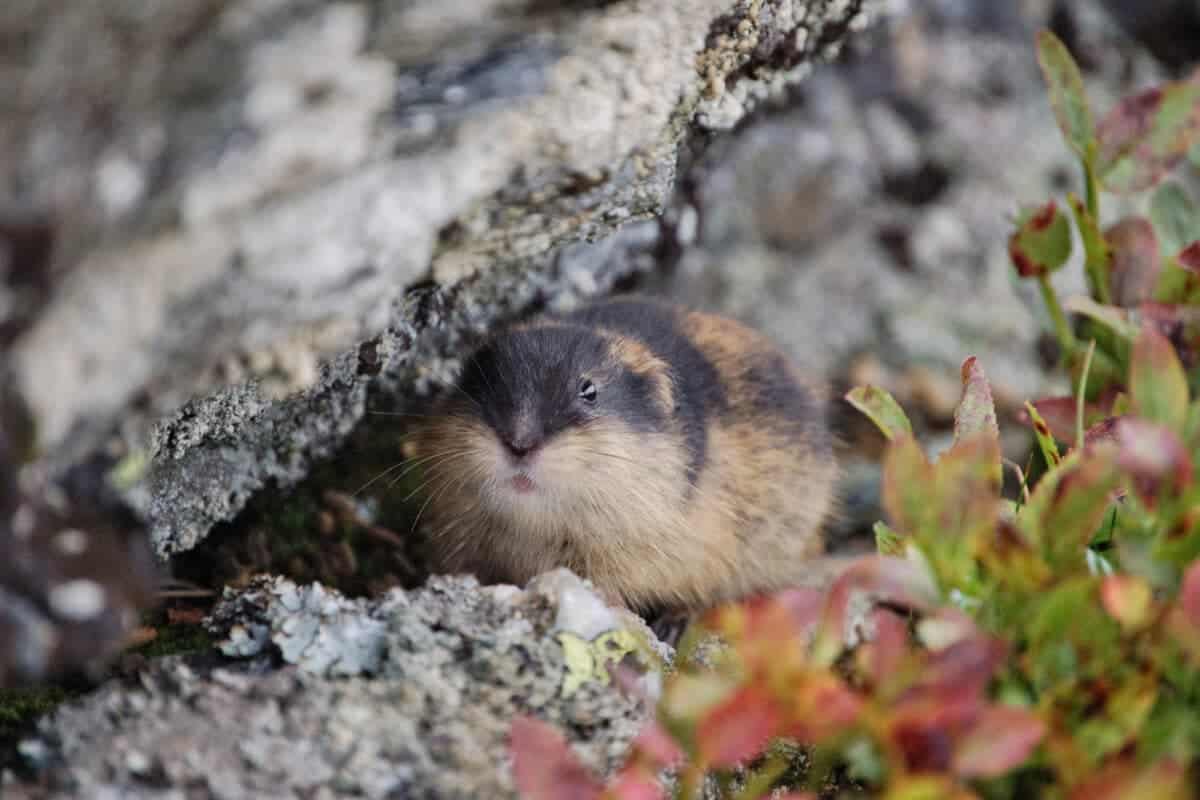
The myth of lemming mass suicide has persisted for decades, partly due to a staged Disney documentary from the 1950s. While scientists have debunked the deliberate suicide myth, lemming population behaviors still present genuine mysteries. Every three to four years, lemming populations explode, followed by dramatic crashes that can see up to 90% of the population disappear. During these high-density periods, lemmings undertake dangerous mass migrations, with many drowning while attempting to cross bodies of water. Unlike typical migration patterns, these movements don’t follow consistent routes or destinations. Researchers remain puzzled by what triggers these population cycles and the seemingly reckless dispersal behavior that follows. Some theories point to predator-prey relationships or food supply fluctuations, but the complete picture of this cyclical population dynamic continues to elude scientists.
The Architectural Precision of Termite Mounds

Termite mounds stand as remarkable examples of animal architecture, reaching heights of up to 30 feet with sophisticated ventilation systems, temperature regulation, and agricultural chambers for growing fungus. What mystifies researchers is how thousands of nearly blind termites, each with a tiny brain, coordinate to build these complex structures without any centralized planning or blueprint. The mounds feature precise air conditioning systems that maintain temperatures within one degree Celsius despite extreme external fluctuations. Scientists have proposed that termites might follow simple rules that, when performed collectively, result in these sophisticated structures—a concept called emergent behavior. However, the specific mechanisms that allow for such precision and the way information transfers through the colony remain largely unknown, making termite architecture one of the most impressive unsolved mysteries in animal behavior.
The Underwater Crop Circles of Pufferfish
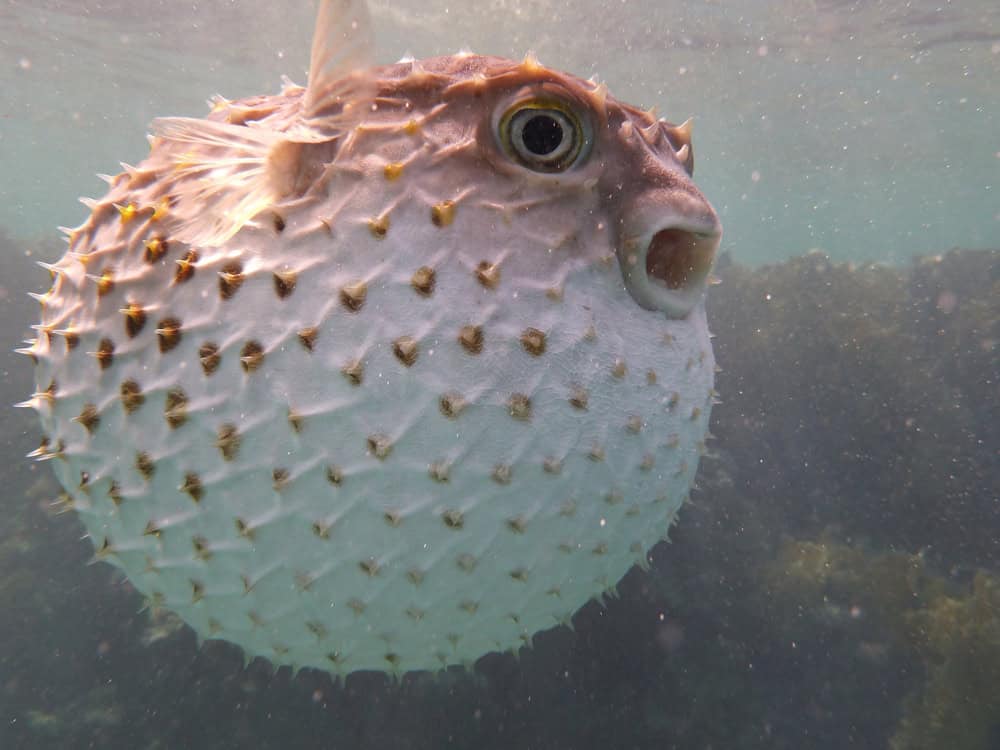
In 1995, divers off the coast of Japan discovered intricate geometric patterns on the seafloor—perfect circles adorned with complex ridges, valleys, and decorative elements spanning six feet in diameter. It wasn’t until 2011 that scientists identified the artist: the male pufferfish, measuring just a few inches long. These tiny fish work tirelessly for weeks, using only their fins to create these underwater masterpieces as part of their mating ritual. What perplexes scientists is how such a small fish with no formal concept of geometry can create such mathematically precise designs. Moreover, researchers still don’t understand how the patterns serve their apparent purpose—the intricate central valleys appear to enhance water circulation, potentially helping to oxygenate eggs, but this doesn’t explain the decorative elements. The cognitive abilities required to create these structures seem far beyond what we’d expect from a fish’s brain capacity.
The Collective Decision-Making of Honeybees

When a honeybee colony outgrows its hive, it faces a critical decision: where to establish a new home. What follows is one of nature’s most sophisticated democratic processes. Scout bees explore dozens of potential sites, then return to perform waggle dances that communicate the location and quality of sites they’ve found. Other bees visit these locations and conduct their own assessments. Eventually, through a process scientists call “quorum sensing,” the entire swarm reaches a consensus on the optimal new location. The mystery lies in how thousands of individual bees with limited cognitive abilities can collectively evaluate complex variables—distance, cavity size, predator presence, sun exposure—and reliably select the best available option. Even more baffling is how the final decision emerges without any central authority. Despite decades of research, the precise mechanisms of this democratic decision-making process remain only partially understood.
The Unexplained Mass Strandings of Whales
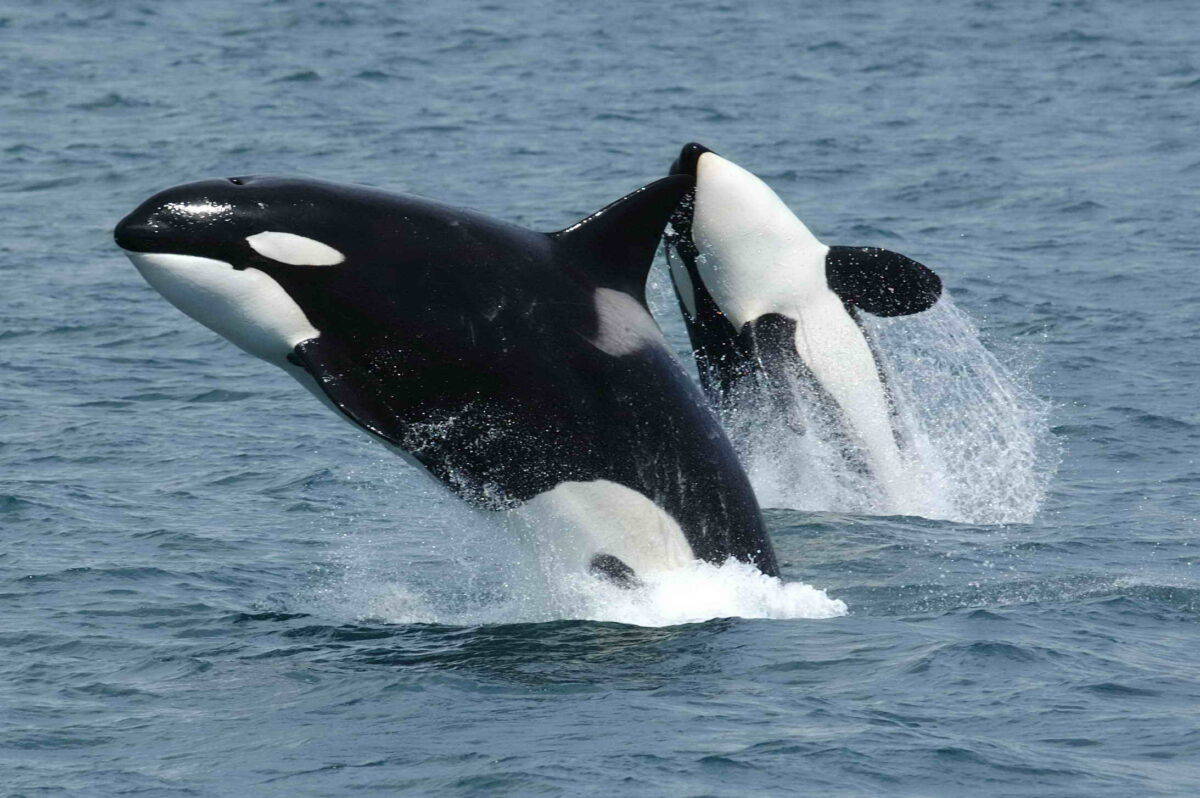
For centuries, humans have witnessed the tragic and puzzling phenomenon of mass whale strandings, where dozens or even hundreds of whales simultaneously beach themselves, often resulting in death. Despite extensive research, scientists still cannot fully explain why these intelligent marine mammals sometimes swim into shallow waters and become stranded. Several theories exist, including navigational errors due to geomagnetic anomalies, confusion caused by naval sonar, or the strong social bonds that might lead healthy whales to follow sick pod members into danger. A particularly perplexing aspect is that certain beaches around the world—in places like New Zealand, Australia, and Cape Cod—experience repeated strandings year after year. Some recent research suggests that specific coastal topographies might interfere with the echolocation abilities of certain species, particularly pilot whales, but this doesn’t account for all cases. With no single explanation covering all instances, mass strandings remain one of the ocean’s most disturbing mysteries.
The Precise Navigation of Desert Ants

Cataglyphis desert ants perform navigational feats that would impress even the most sophisticated engineers. These tiny insects forage in the scorching Sahara Desert, wandering in random patterns up to 1,000 feet from their nest—an enormous distance relative to their body size. The remarkable part is their return journey: after finding food, they calculate the shortest direct route back to their nest entrance, which may be just millimeters wide and completely invisible in the shifting sands. Scientists have discovered that the ants use a method called “path integration,” essentially creating an internal vector based on the sun’s position and their step count. What remains unexplained is how their minuscule brains, containing fewer than 100,000 neurons, can perform these complex calculations while simultaneously adjusting for the sun’s movement across the sky. Even more mysteriously, if experimentally displaced, some ants can still find their way home using visual landmarks, suggesting multiple backup navigational systems in a brain smaller than a pinhead.
The Prenatal Memory of Wood Frogs
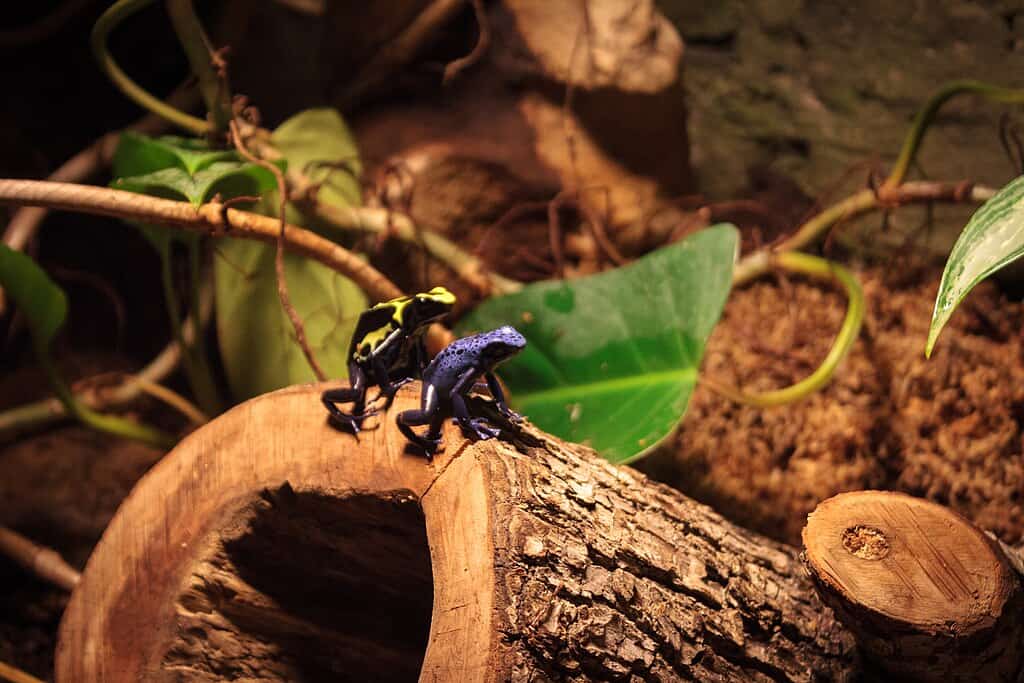
Wood frogs (Lithobates sylvaticus) possess one of the most extraordinary and unexplained abilities in the animal kingdom: they can freeze solid during winter and then thaw back to life in spring. Up to 65% of their body water converts to ice, their heart stops beating, and they cease breathing for weeks or months. While the biochemical mechanisms involving glucose and urea that prevent cell damage during freezing are partially understood, scientists remain baffled by how these frogs “remember” to prepare their bodies before each freeze. Even more mysterious, lab-raised frogs that have never experienced freezing temperatures still produce the necessary protective compounds before their first freeze. This suggests some form of genetic memory or environmental sensing that triggers these complex physiological changes. How exactly this information transfers across generations and what specific environmental cues trigger the response remain unanswered questions that challenge our understanding of adaptation and biological programming.
The Synchronized Hunting of Sperm Whales
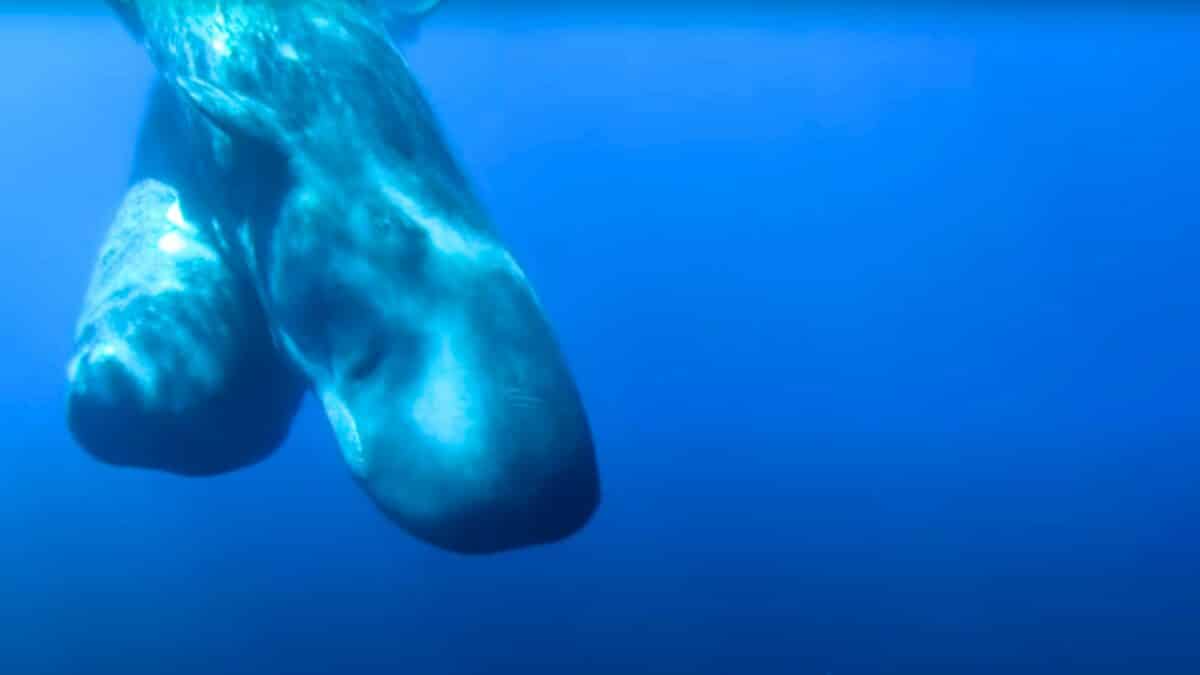
Sperm whales, possessing the largest brains on Earth, exhibit hunting behaviors that continue to mystify marine biologists. These massive mammals dive to depths exceeding 3,000 feet in pursuit of giant squid, navigating in complete darkness using sophisticated echolocation. What particularly puzzles researchers is how sperm whales coordinate their hunting strategies in the abyssal depths. Recent studies using acoustic monitoring have revealed that whales appear to synchronize their movements and hunting tactics with remarkable precision, despite being separated by considerable distances in the pitch-black deep. Scientists have recorded what seems to be coordinated “creaking” sounds that might facilitate this teamwork, but the exact nature of their communication remains unclear. Even more baffling is evidence suggesting that different whale families may have distinct hunting “cultures” that they pass down through generations. How these complex behaviors evolve and transmit through whale societies represents a profound mystery at the intersection of cognition, culture, and communication.
The Predictive Dance of Bees Before Earthquakes

For centuries, anecdotal reports have suggested that bees exhibit unusual behavior shortly before earthquakes strike. Recent scientific studies have begun to corroborate these observations, documenting distinct changes in honeybee activity up to 24 hours before seismic events. During this period, bees may abandon their hives en masse, cease their foraging patterns, or become notably agitated with dramatically increased buzzing. What mystifies scientists is precisely what the bees are detecting. Hypotheses range from their sensitivity to changes in the Earth’s magnetic field, detection of released groundwater gases, or perception of subtle vibrations that precede major quakes. A 2019 study in Taiwan monitored bee colonies continuously for several years and found statistically significant behavioral anomalies before all earthquakes above magnitude 4.0 within a 30-kilometer radius. However, the specific mechanism allowing bees to sense these impending events before our most sensitive instruments can detect them remains one of science’s most intriguing unsolved questions, with potential implications for earthquake early warning systems.
The Deceptive Death-Feigning of Opossums

When threatened, Virginia opossums exhibit one of nature’s most convincing death performances. They don’t simply play dead—they enter an involuntary physiological state where their bodies become limp, their breathing slows dramatically, they drool, their anal glands emit a corpse-like odor, and they can remain in this condition for hours. What perplexes scientists is that this isn’t a conscious act but rather an uncontrolled response triggered by extreme fear—essentially a form of tonic immobility. The mystery deepens when considering the evolutionary advantage: while playing dead may deter predators that prefer live prey, it leaves the opossum completely vulnerable to any predator willing to scavenge. Even more puzzling is why opossums can’t voluntarily exit this state once the threat passes, sometimes remaining “dead” for up to four hours regardless of continued danger. Researchers still don’t understand the exact neurological mechanisms that trigger this response or how it became so elaborate compared to similar behaviors in other species.
The Spontaneous Healing Abilities of Axolotls

The axolotl, a salamander native to Mexico, possesses regenerative capabilities that continue to astound scientists. These remarkable amphibians can regrow entire limbs, parts of their heart, sections of their spinal cord, and even portions of their brain—all without scarring. What baffles researchers is not just the extent of this regeneration but the complex molecular mechanisms behind it. Unlike most animals that form scar tissue after injury, axolotls somehow revert mature cells back to a stem cell-like state through a process called dedifferentiation. They then rebuild the missing structures perfectly, maintaining the original pattern and function. Scientists have identified some of the genes involved, but the precise cellular communication that orchestrates this regeneration remains largely mysterious. Even more puzzling is why mammals, which share many of these genes, have lost this regenerative ability through evolution. Understanding these mechanisms could revolutionize human medicine, but despite intensive research, the axolotl still guards many secrets of its extraordinary healing powers.
The Sixth Sense of Animals Before Natural Disasters

Throughout history, unusual animal behavior preceding earthquakes, tsunamis, and volcanic eruptions has been documented across cultures. Before the 2004 Indian Ocean tsunami, witnesses reported seeing elephants fleeing to higher ground, flamingos abandoning low-lying breeding areas, and zoo animals refusing to leave their shelters—all before humans had any indication of the impending disaster. Similar accounts exist for earthquakes, where rats, snakes, and toads have been observed behaving erratically hours before seismic activity is detected by instruments. While these phenomena have been consistently reported, scientific explanation remains elusive. Various theories propose that animals might detect infrasound waves, subtle changes in ground tilt, fluctuations in the Earth’s magnetic field, or even gases released from the Earth’s crust before these events. Despite numerous studies, researchers have failed to identify a definitive mechanism that explains how diverse animal species, from elephants to worms, can sense these disasters before our most sophisticated technology. This mysterious predictive ability represents one of the most intriguing unsolved puzzles in animal behavior research.
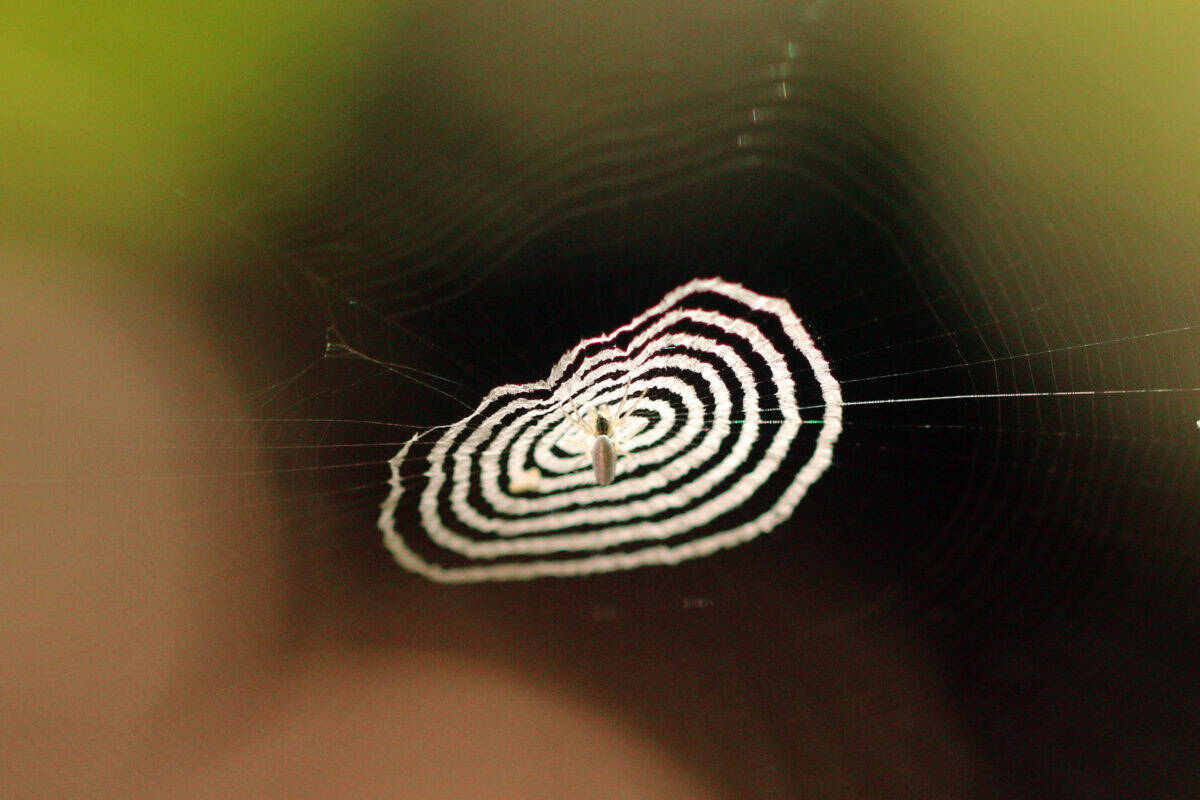
The Mathematical Precision of Spider Webs
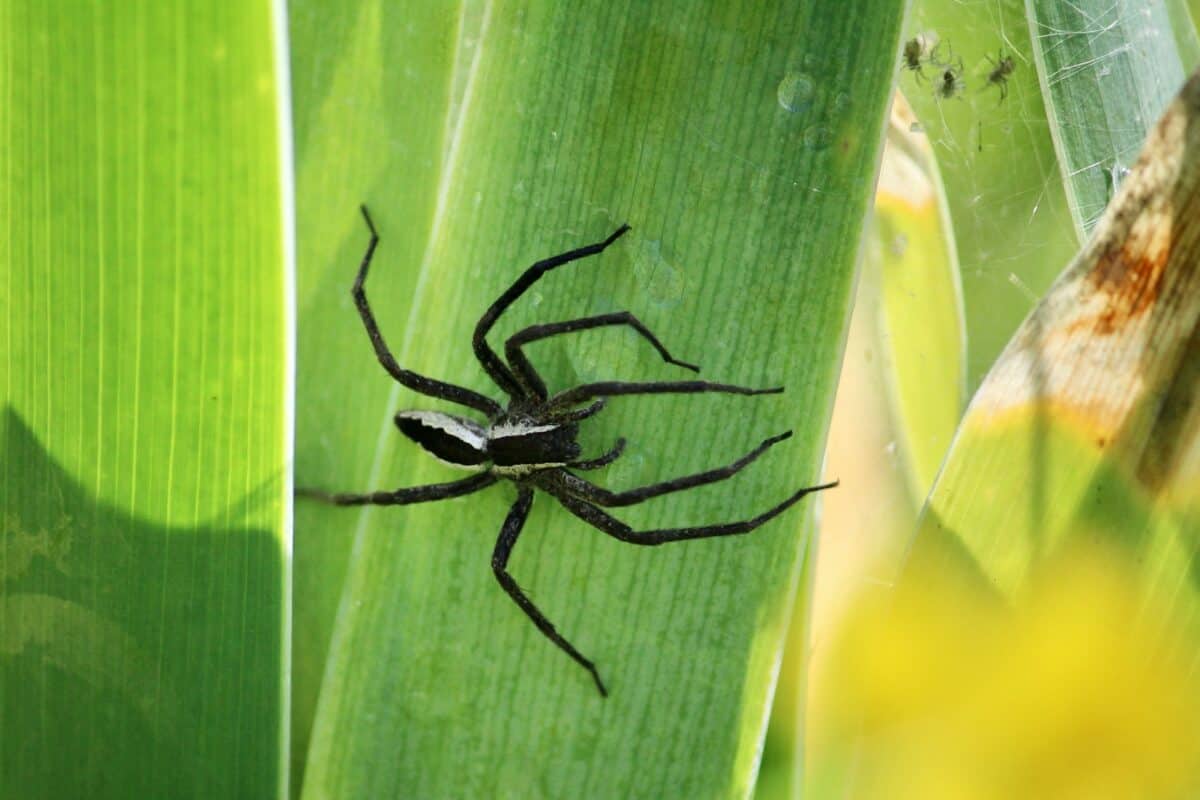
Spiders construct webs of astonishing geometric complexity and mathematical precision, despite possessing brains smaller than a pinhead. What confounds researchers is how these tiny arthropods calculate and execute these intricate three-dimensional structures without any formal understanding of geometry or engineering principles. A typical orb web consists of radial supports and a spiral catching surface, with the spacing, tension, and adhesive properties precisely calibrated for maximum prey-catching efficiency. Even more remarkably, spiders adjust their web designs based on available space, prey types, and even weather conditions—suggesting sophisticated problem-solving abilities. Some species even incorporate deliberate structural “errors” that actually enhance the web’s functionality by optimizing energy absorption from flying insects. Recent research indicates that certain aspects of web construction may rely on the spider sensing tension in the silk threads through its legs, but this doesn’t fully explain the consistent geometric patterns across generations and species. How these small-brained creatures perform these complex architectural feats without training remains one of biology’s most elegant mysteries.
Conclusion: The Enduring Mysteries of Animal Behavior
The fifteen enigmatic behaviors explored in this article represent just a fraction of the natural world’s unexplained phenomena, highlighting both the remarkable capabilities of animals and the limitations of our scientific understanding. These mysteries remind us that despite centuries of research and technological advancement, nature continues to surprise and humble us with its complexity. As we develop more sophisticated research tools and interdisciplinary approaches, we may eventually unravel some of these behavioral puzzles, potentially revealing insights that could transform fields from medicine to engineering. Until then, these unexplained behaviors serve as powerful reminders that the animal kingdom still holds countless secrets waiting to be discovered, and that scientific inquiry—like evolution itself—is an ongoing, ever-evolving process rather than a completed task.

As a little kid, I fell in love with nature, wildlife, and animals. Living in the USA, South Africa, Italy, China and Germany gave me the opportunity to discover the world's Wildlife. My favorite animals are Mountain Gorillas, Siberian Tigers, and Great White Sharks.
I'm a certified PADI Open Water Diver, went to Everest Base Camp and Trekked Gorillas in Uganda. I hold a Master of Science in Economics and Finance.
Please send any feedback to feedback@animalsaroundtheglobe.com
- 13 Cat Breeds That Get Along with Dogs - July 20, 2026
- The 12 Largest Dog Breeds That Still Love to Cuddle - July 20, 2026
- 12 Pet Habits That Secretly Mean They Love You - July 20, 2026