
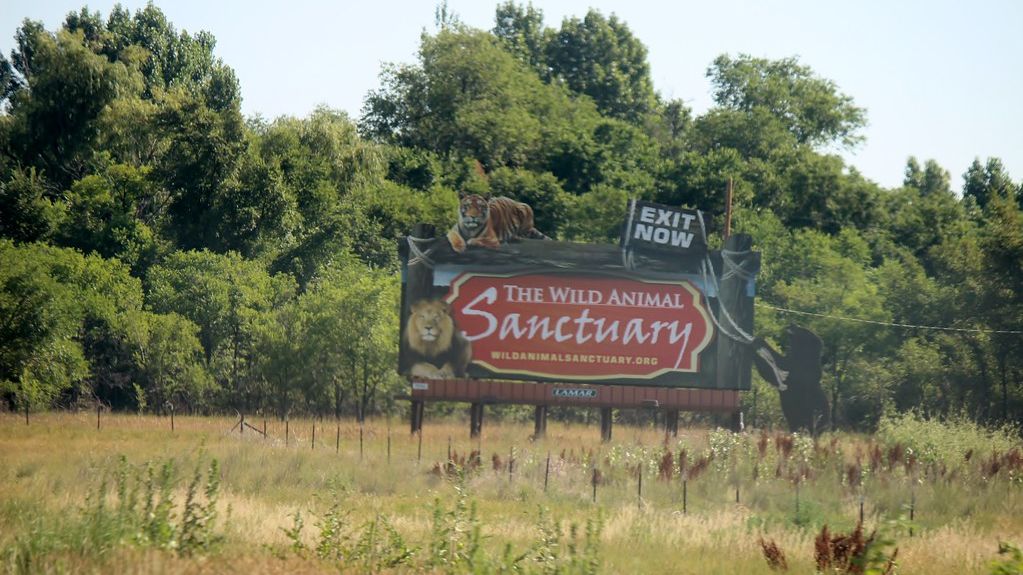
Think you know where all the wildlife sanctuaries are? There’s a good chance you’ve never heard of most of the places caring for animals who’ve been saved from dire circumstances. While famous zoos and big-name conservation centers get all the attention, hidden across America are sanctuaries doing extraordinary work that rarely makes headlines. These quiet havens operate away from the spotlight, offering second chances to creatures many have written off.
From bats rescued from the exotic pet trade to horses saved from slaughter, these sanctuaries represent compassion in its purest form. Let’s discover some of the most remarkable yet overlooked refuges in the country.
Bat World Sanctuary, Texas
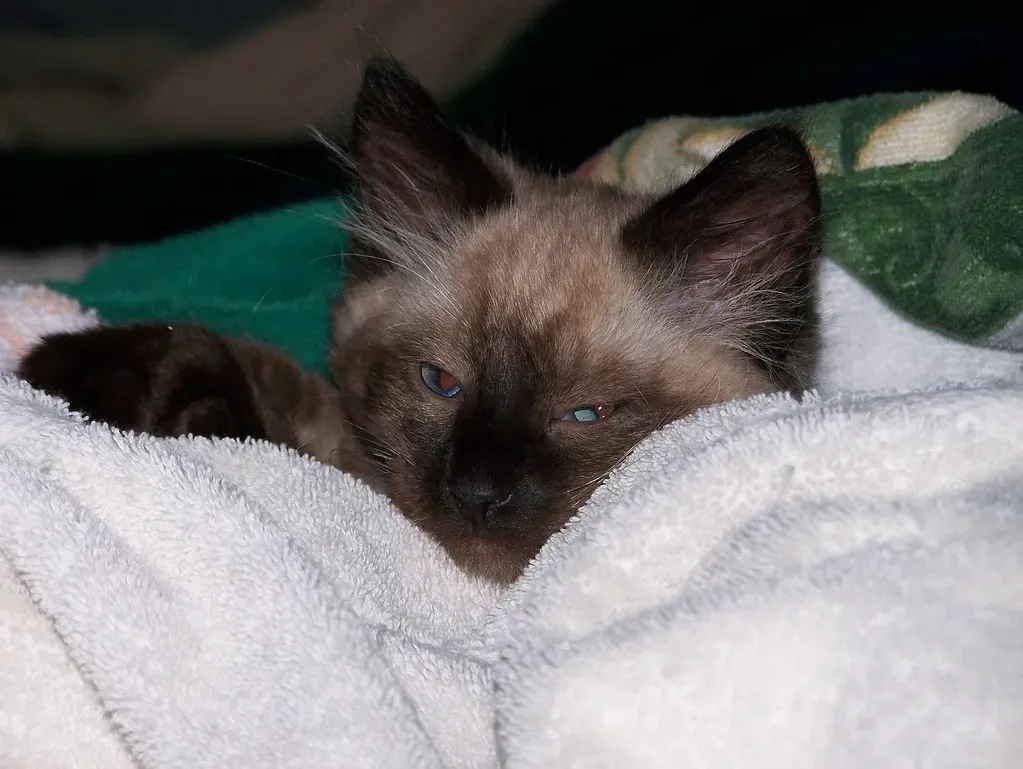
Located near Weatherford, Texas, this facility might just be the most specialized rescue you’ve never heard of. It has been described as “the largest bat rescue center on the planet.” Each year they rescue hundreds of bats who might otherwise die, providing lifetime sanctuary to non-releasable bats, including those that are orphaned, injured, and rescued from the exotic pet trade, zoos and research facilities.
What makes this place truly unique is its founder’s origin story. Amanda Lollar was inspired to start the organization in 1988 when she discovered an injured Mexican free-tailed bat, put it in a box with food and water so that it could die a peaceful death, but the bat recovered and lived for another two-and-a-half years. The facility holds about 400 non-releasable bats who live there permanently. Honestly, bats don’t exactly get the warm reception most animals receive, which makes this sanctuary’s mission even more meaningful.
Carolina Waterfowl Rescue, North Carolina
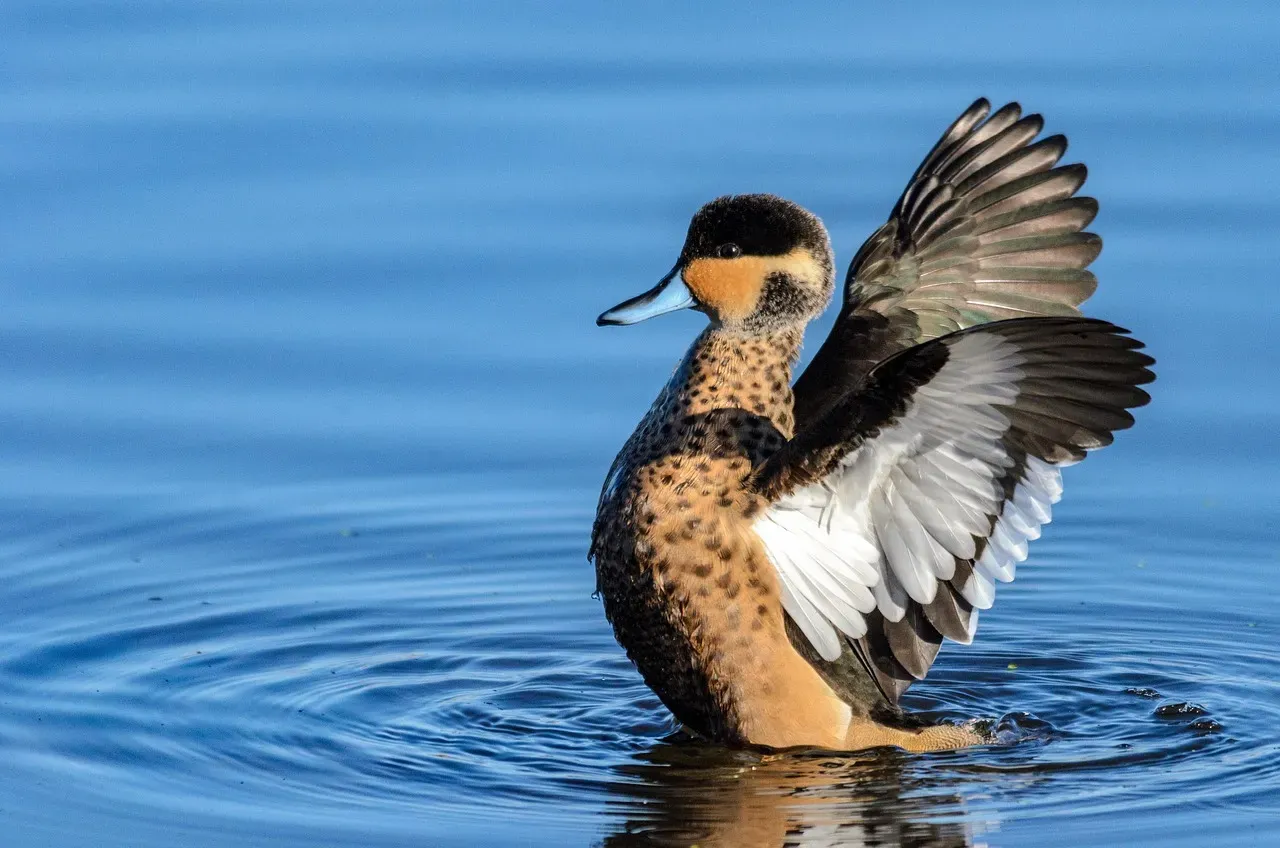
Officially incorporated in 2003, Carolina Waterfowl Rescue is a nationally-recognized wildlife rescue and animal sanctuary, specializing in avian, reptile, and farm animal species. The sheer numbers here are staggering. CWR admits an average of around 7,000 animals annually.
CWR operates on a 15-acre property with a building complex comprised of a front desk reception, a produce kitchen, a treatment clinic, a radiograph suite, a hospital and barn for patient housing, a songbird department, and several outdoor aviaries. The founder started this place after discovering that ducks were just considered meat in her area and nobody was willing to help them. The Songbird Nursery program requires 100,000 mealworms a week at a cost of roughly ten thousand dollars per month through the summer. Let’s be real, that’s dedication most people can’t fathom.
The Wild Animal Sanctuary, Colorado
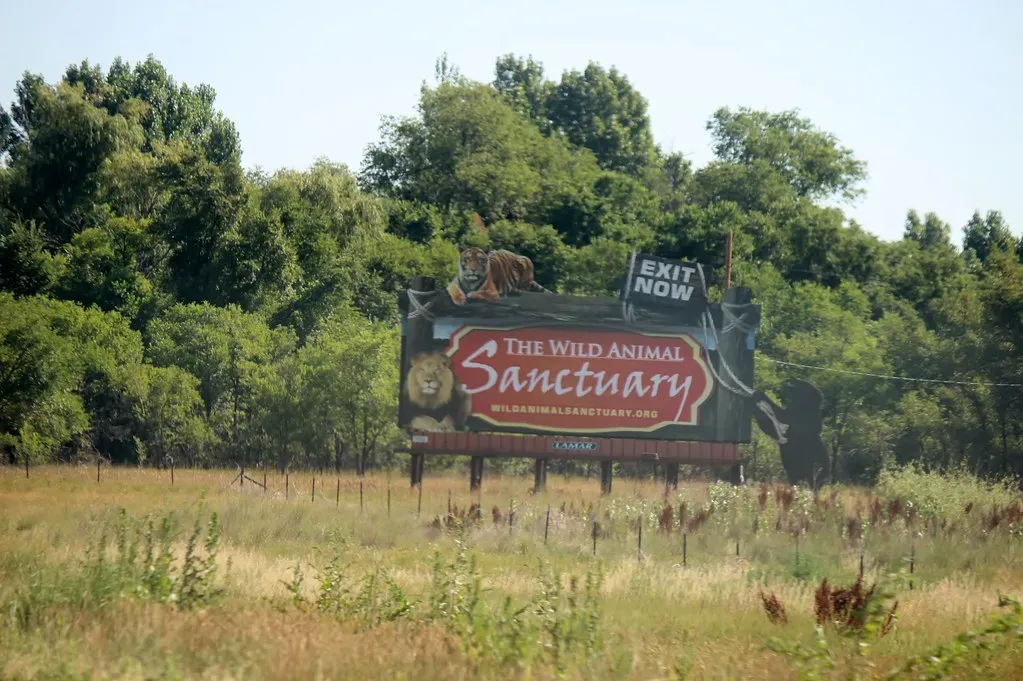
This place isn’t just big, it’s enormous. The educational facility is located outside of Keenesburg, Colorado, on 1,214 acres of rural, rolling grasslands, sheltering more than 750 large carnivores. TWAS is the largest and oldest sanctuary of its kind in the World. The sanctuary specializes in rescuing exotic animals from horrific situations.
They have built more than 120 species-specific habitats ranging greatly in size, for Tiger, Wolf, Black Bear, Grizzly Bear, African Lion, Leopard, Lynx and Bobcat. All of their large-acreage habitats have unique underground dens that are spacious, comfortable and maintain constant temperature of about 60 degrees all year long. The sanctuary famously received Joe Exotic’s animals after his facility was shut down. It’s hard to say for sure, but this might be one of the most important rescue operations in America for large predators.
Chimp Haven, Louisiana
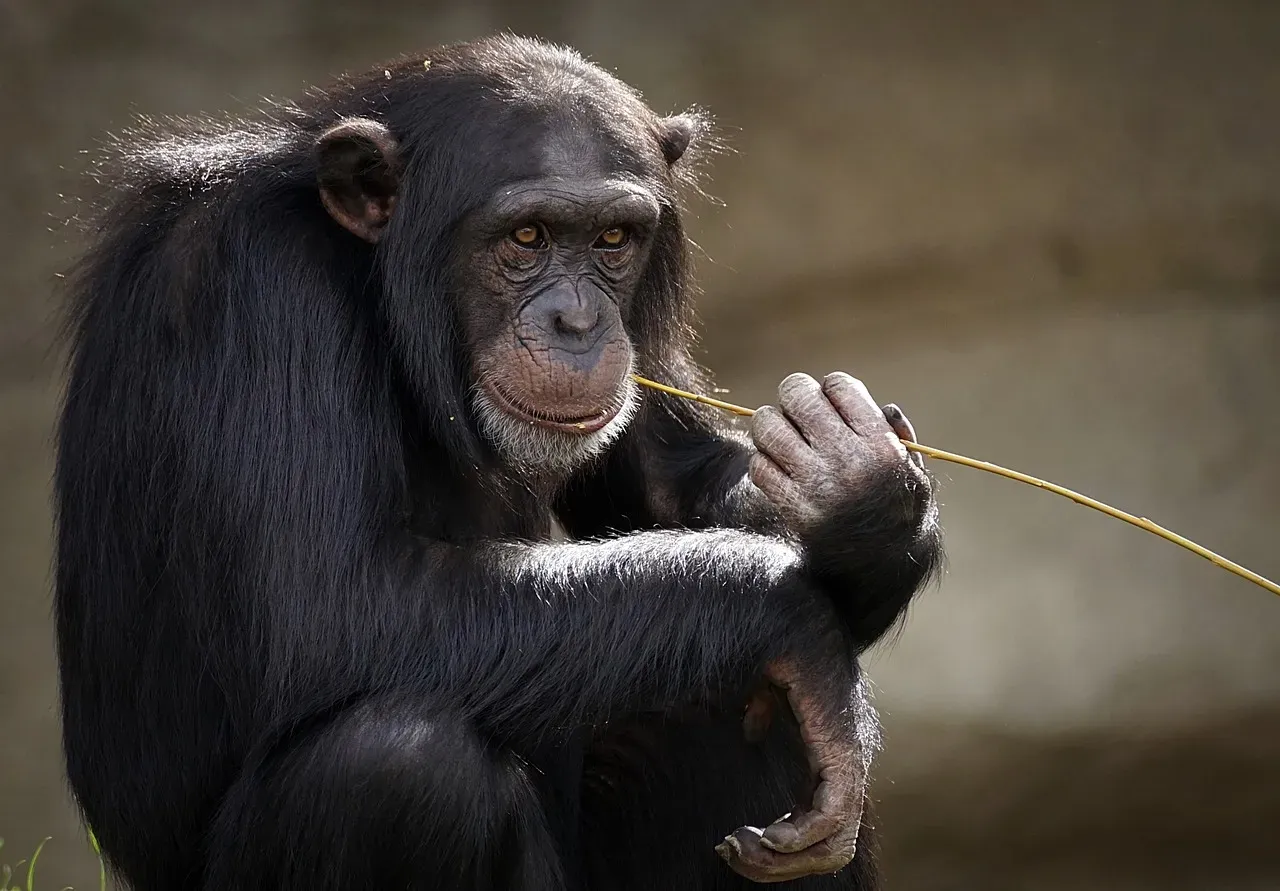
Hidden in the forests of Louisiana, Chimp Haven has become a retirement home for chimpanzees used in research. Chimp Haven saw an incredible victory in 2015 when the National Institutes of Health stopped using chimpanzees for medical research, and the U.S. Fish & Wildlife Service classified chimps as an endangered species protected under the Endangered Species Act.
Chimp Haven continues to take in and care for retired chimps as well as primates from other sanctuaries. These aren’t animals born in the wild. They’re individuals who spent years in labs, subjected to experiments, and now finally get to experience something resembling a normal life. The sanctuary provides them space to socialize, play, and simply be chimpanzees without needles and cages defining their existence.
Indraloka Animal Sanctuary, Pennsylvania
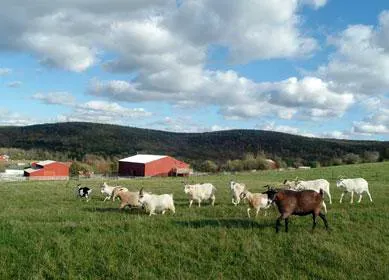
Founded in 2005 by Indra Lahiri, Indraloka moved from its original 30 acres in Mehoopany, Pennsylvania to nearly 100 acres in Dalton, PA in the spring of 2020. Indraloka rescues and provides lifetime care for the most at-risk animals in the world – farm animals facing abuse, neglect, hoarding, and worse.
Here’s the thing: farm animals rarely get the sympathy that dogs or cats receive. Indraloka is accredited by both the Global Federation of Animal Sanctuaries, earned in 2016, and the American Sanctuary Association, earned in 2018. Double accreditation isn’t common and speaks volumes about their standards. These animals finally get names instead of numbers, and they get to live out their days in peace rather than on someone’s dinner plate.
Turpentine Creek Wildlife Refuge, Arkansas
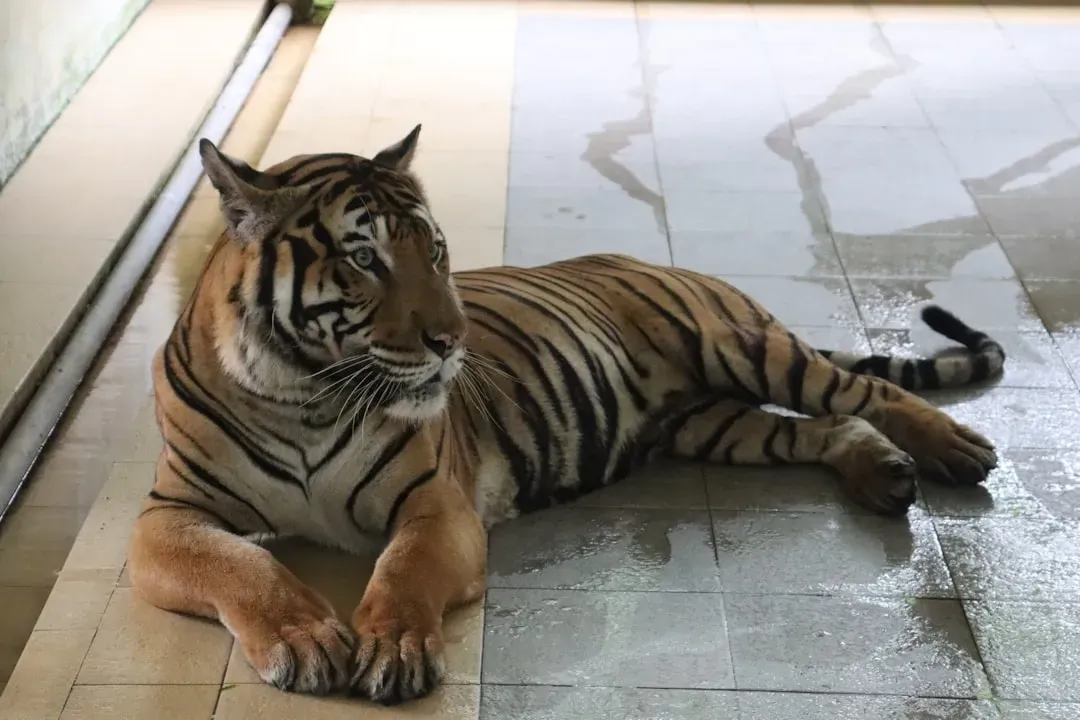
You might remember Carole Baskin from Tiger King, and what happened to her cats afterward. Baskin’s cats were rehomed at Turpentine Creek Wildlife Refuge. The cats surrendered to Turpentine Creek have typically suffered some abuse and cannot be released back into the wild, and big cats living at Turpentine Creek will stay there for the remainder of their lives, cared for diligently by dedicated staff and volunteers.
The facility raises awareness about the dangers of the exotic animal trade and the need to preserve big cats. Tigers in tiny cages, lions in basements, leopards chained for photo ops. This sanctuary takes in the victims of America’s disturbing obsession with owning exotic animals as status symbols. Each resident has a story that’ll break your heart, followed by a recovery that might just restore your faith in humanity.
Proud Spirit Horse Sanctuary, Oregon
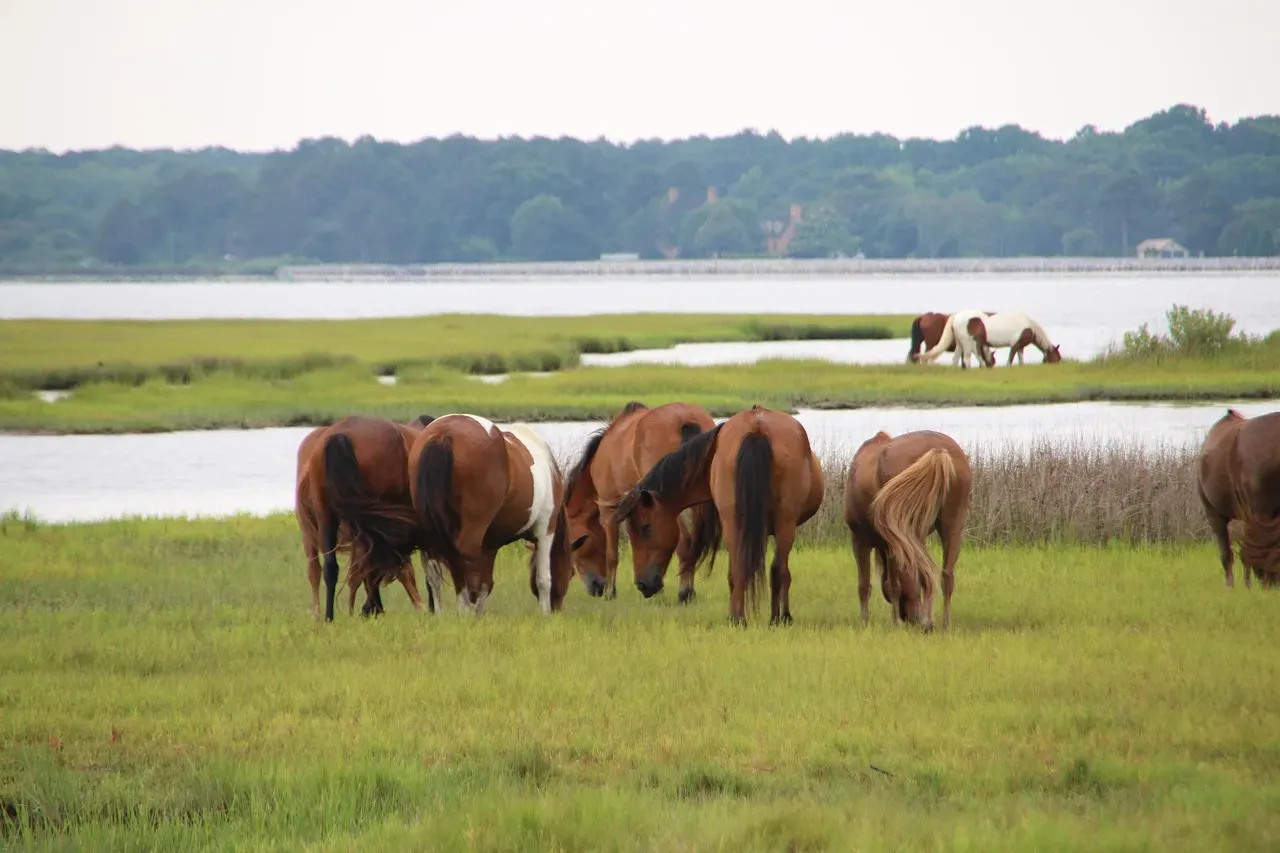
Proud Spirit Horse Sanctuary began in Florida on a tiny five acres of land with one humble horse, and today the sanctuary has expanded to more than 180 acres and moved twice across the country. The sanctuary’s founder, Melanie Sue Bowles, created the facility to care for elderly and abused horses.
One interesting fact about Proud Spirit Horse Sanctuary is that the horses on-site are never stalled, allowing them to run, graze, and explore freely with their herd. The sanctuary has housed and cared for over 300 horses and continues its legacy through donations, education, and rescue. Horses often get discarded when they’re no longer useful for riding or breeding, treated like machinery instead of living beings. This sanctuary lets them finally just be horses.
Alaqua Animal Refuge, Florida
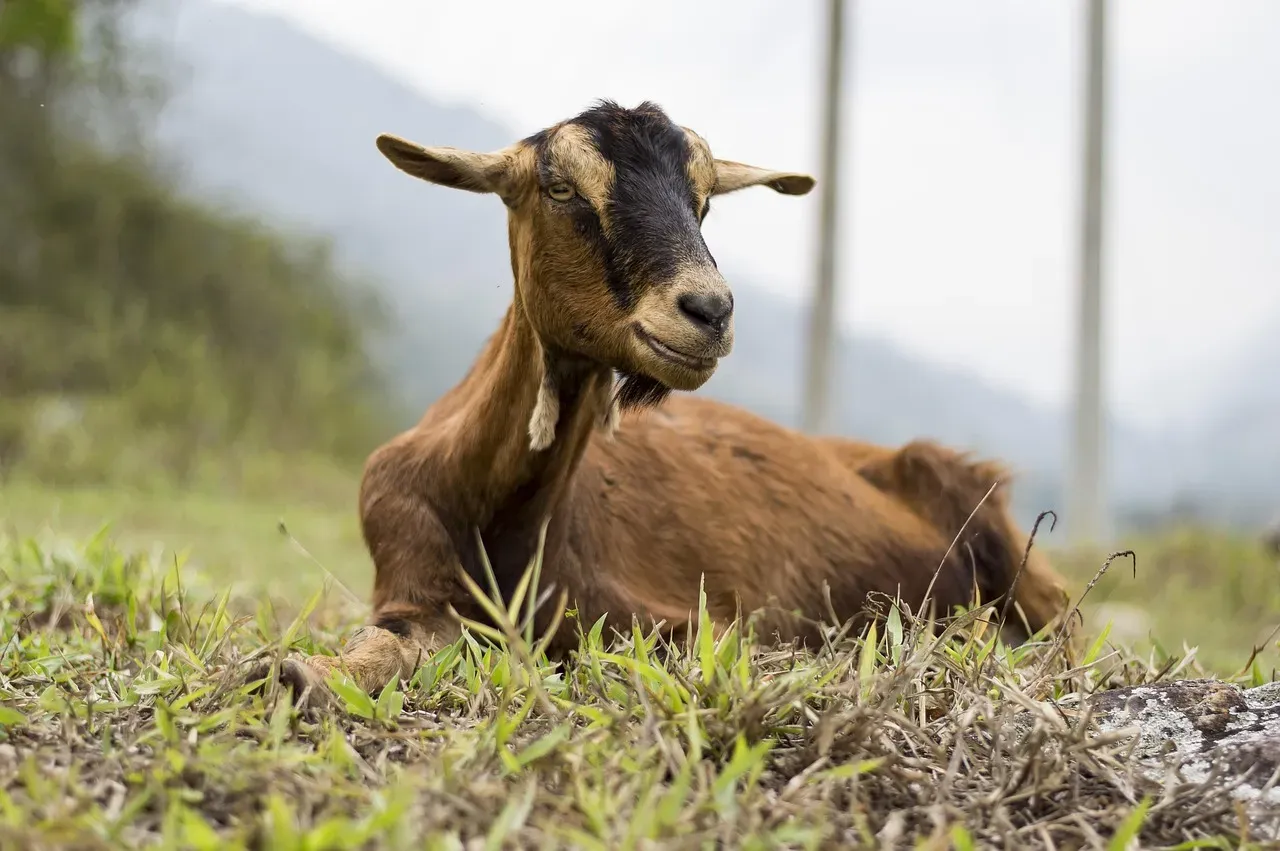
Alaqua Animal Refuge is a one-of-a-kind, no-kill facility founded in 2007, located on 100-acres in Freeport, FL, about 20 minutes north of the Emerald Coast. This refuge combines stunning natural Florida beauty with a mission to save animals nobody else wants.
Unlike many facilities that focus exclusively on one type of animal, Alaqua takes a broader approach. They rescue everything from abandoned dogs to neglected horses to farm animals facing slaughter. The 100 acres gives residents room to heal, both physically and emotionally, from whatever trauma brought them there. It’s peaceful, it’s beautiful, and for the animals lucky enough to end up there, it’s salvation.
Best Friends Animal Sanctuary, Utah
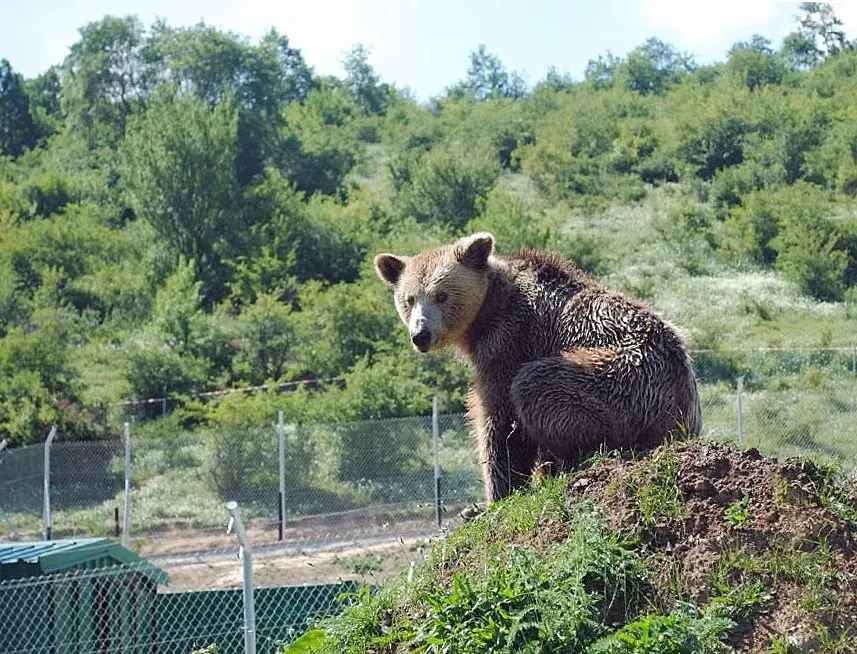
Tucked into a twisting canyon lined with tawny cliffs in southern Utah is a refuge for more than 1,600 companion animals, including dogs, cats, donkeys, horses, potbellied pigs, goats, parrots, and other furry and feathered friends. Best Friends calls itself “the nation’s largest no-kill safe haven for displaced, homeless, or unwanted domestic animals.”
Best Friends animal sanctuary sprawls across 3,700 acres in a high desert canyon, surrounded by another 33,000 acres leased from the Bureau of Land Management. The sanctuary is divided into different animal sectors like Dog Town, which has been featured on the National Geographic Channel, and there’s also Cat World, Piggy Paradise, Horse Haven, Bunny House, and Parrot Garden. The variety here is astounding. No matter what animal needs help, they’ve probably got a place for it.
Lindsay Wildlife Rehabilitation Hospital, California
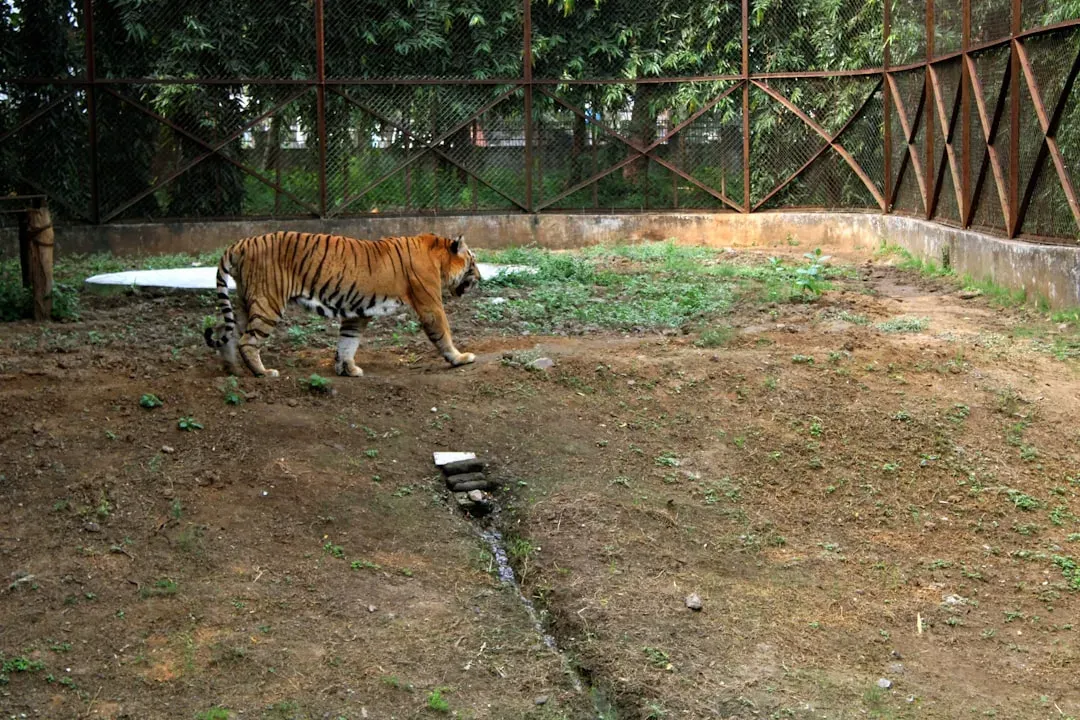
Lindsay Wildlife Rehabilitation Hospital is the first and among the largest wildlife rehabilitation centers in the United States, treating more than 5,500 injured and orphaned wild animals each year. This facility has been pioneering wildlife rehabilitation since before most people even knew what that meant.
The hospital treats everything from tiny hummingbirds to large raptors, giving each patient individualized care based on their species and injuries. Their success stories include birds hit by cars, baby mammals orphaned by natural disasters, and reptiles injured by human activity. They don’t just patch animals up and hope for the best. They provide professional veterinary care that rivals what most humans receive, then carefully prepare each animal for release back into the wild.
Conclusion
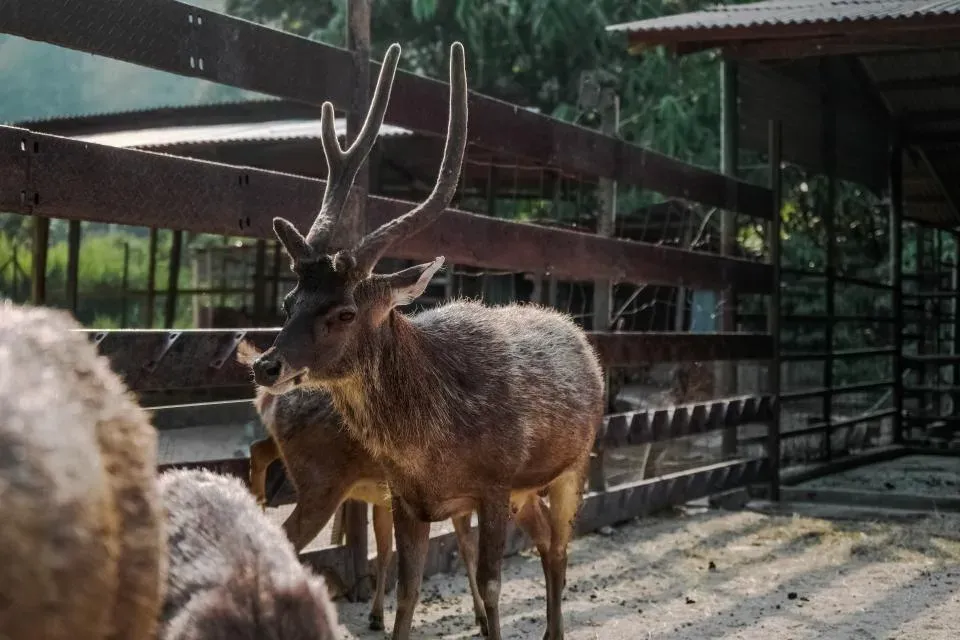
These sanctuaries represent the quiet heroes of animal welfare, operating far from the glitz of major zoos or celebrity-endorsed conservation projects. They survive on donations, volunteers, and the sheer determination of people who believe every life matters, whether it’s a bat, a tiger, or a forgotten horse. The animals here didn’t ask to be abused, abandoned, or exploited, yet they ended up paying the price for human cruelty and indifference.
Each sanctuary proves that compassion still exists, even in a world that often seems to have forgotten it. These places offer more than shelter. They offer dignity, healing, and hope. What do you think about these hidden sanctuaries? Have you visited any, or do you know of others doing similar work? Share your thoughts.

- Why Veterinarians Say If Your Cat Sleeps With Their Back to You, It's the Highest Form of Trust in Feline Behavior - July 20, 2026
- Animal Science Says Ravens Remember Human Faces for Years and Warn Other Ravens About Dangerous People - July 20, 2026
- Marine Biology Says When Dolphins Suddenly Go Silent in Open Water It's Not Rest – They've Detected a Predator You Cannot See and Their Survival Strategy Reveals How They Read Danger - July 20, 2026