

In the vast and varied tapestry of the animal kingdom, love and partnership manifest in myriad ways. While many species embrace diverse and sometimes complex mating systems, certain animals stand out for their peculiar dedication to monogamy. These creatures form enduring bonds, often lasting a lifetime, with one mate. This article delves into the fascinating world of 15 animal species that commit to lifelong pairings, highlighting their behaviors and what drives such fidelity in nature.
Albatross The Loyal Flyers

Known for their impressive wingspans and long-distance flights, albatrosses also capture attention for their monogamous bonds. These oceanic birds engage in intricate courtship dances, which help solidify their pair bonds. Once a bond is formed, albatross couples are remarkably loyal, reuniting each breeding season to raise their young together. This partnership plays a critical role in their reproductive success on the isolated islands they call home.
Beavers Engineering Partnerships

Beavers are nature’s architects, constructing elaborate lodges and dams. They are also known for their monogamous family units. A mated pair of beavers works collaboratively to build and maintain their habitat, ensuring safety and warmth for their offspring. This cooperative effort is a cornerstone of beaver life, as both parents play active roles in nurturing and teaching their young.
Wolves The Pack’s Foundation

Wolves live in structured packs, where the alpha pair leads the group. This pair often mates for life, exemplifying monogamous behavior. Their commitment ensures stability within the pack, which is vital for survival and hunting efficiency. The alpha pair’s bond provides a model for other wolves, fostering a tightly-knit social structure based on cooperation and loyalty.
Swans Elegance in Unity

Perhaps the most iconic symbol of romantic fidelity, swans are celebrated for their beautiful, lifelong partnerships. These birds form pairs at a young age, maintaining their bond through elaborate displays and synchronized movements. Their monogamy is not only a romantic notion but also plays a practical role in raising cygnets, as both parents contribute equally to caregiving.
Gibbons Primates with a Purpose
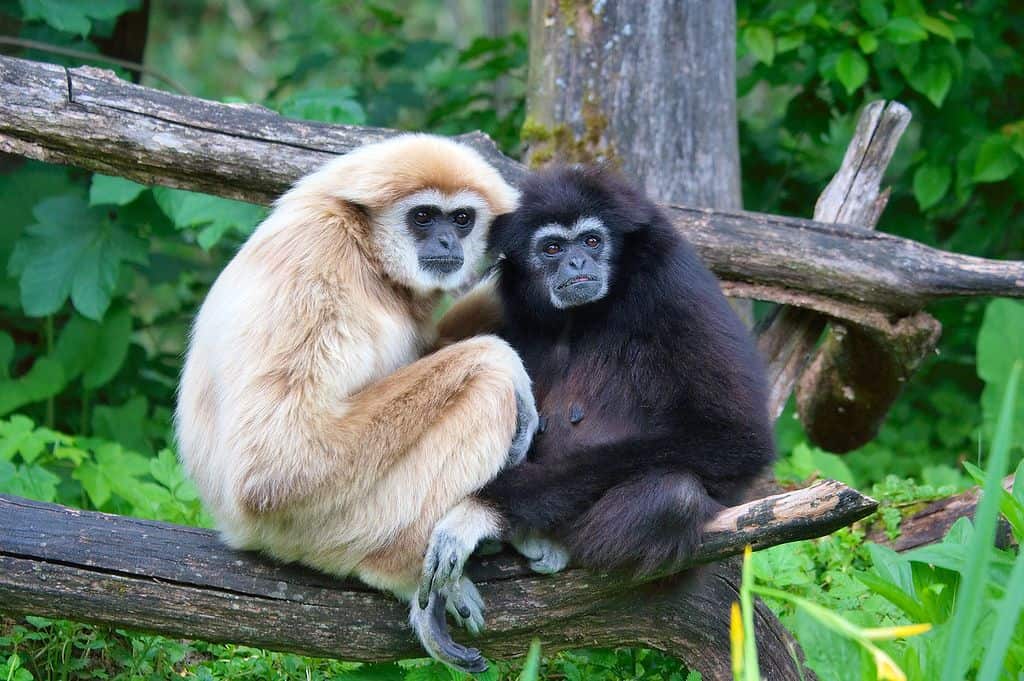
In the primate world, gibbons stand out for their monogamous lifestyle. These small apes form tight family units, typically consisting of a mated pair and their offspring. The pair often stays together for many years, vocalizing to defend their territory and strengthen their bond. Monogamy among gibbons is believed to reduce competition and create a stable environment for raising young.
French Angelfish Devotion in the Ocean
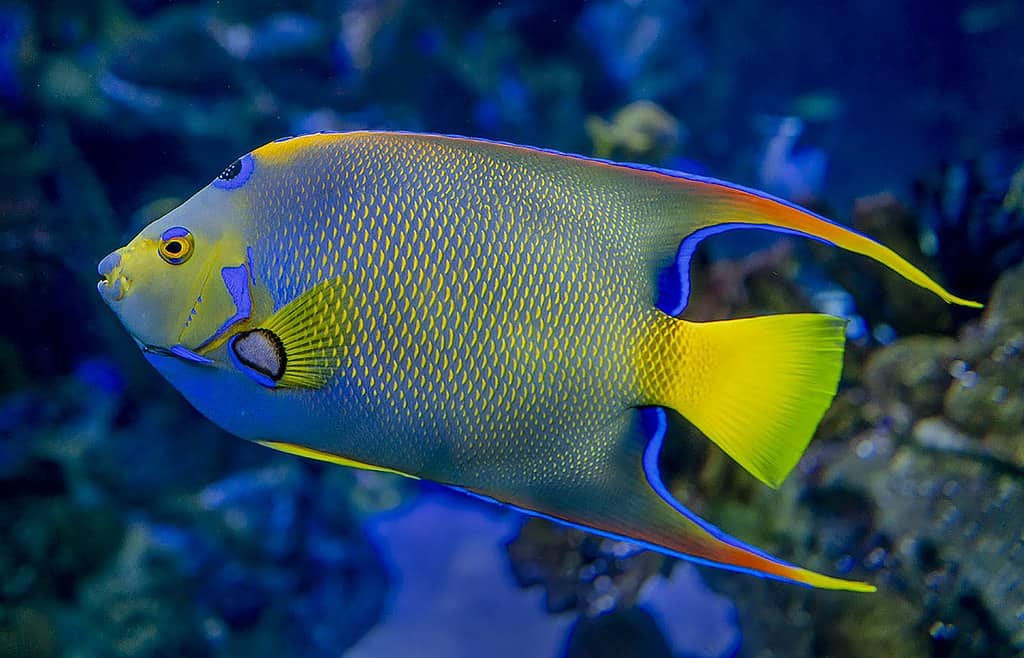
Despite the vastness of the ocean, French angelfish remain faithful to their partners. These brightly colored fish pair off for life, swimming side by side in a display of unity. Their cooperation extends to defending their territory and protecting each other from predators. Such fidelity ensures their genetic stability in the dynamic coral reef ecosystems they inhabit.
Bald Eagles Majestic Monogamy

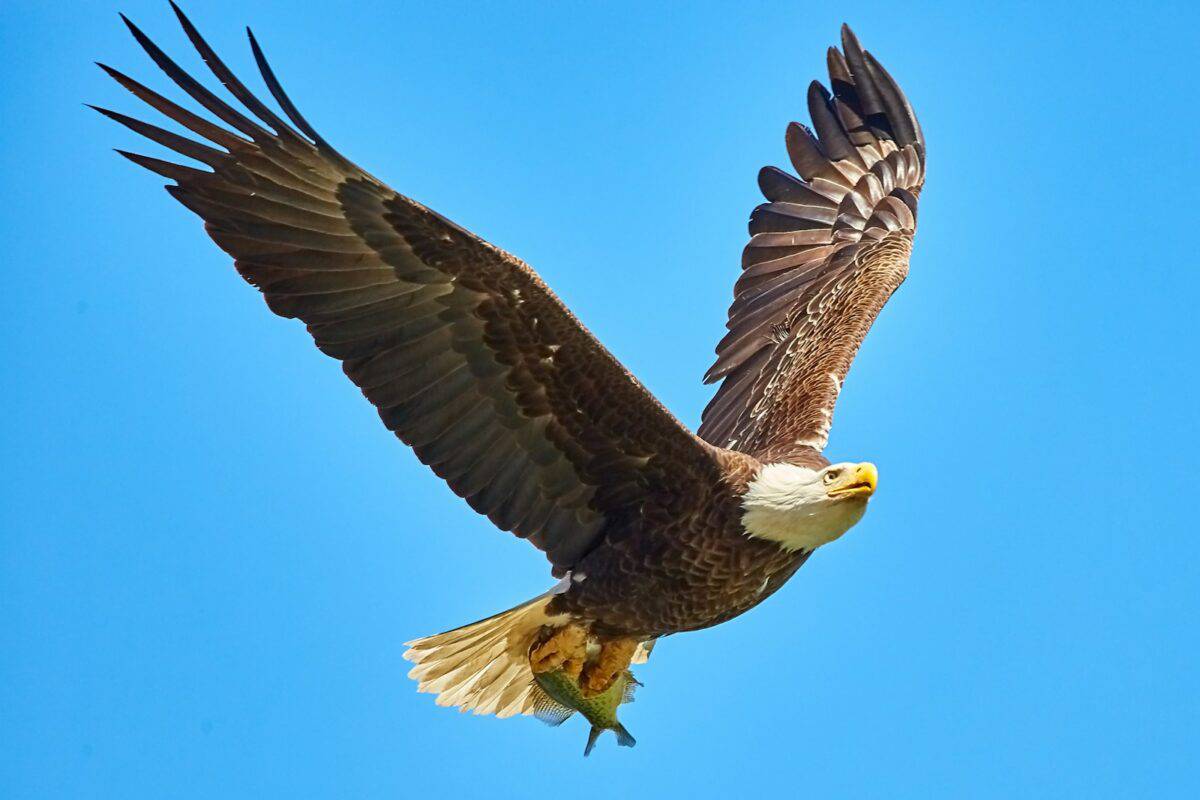
Bald eagles boast long-term, committed relationships marked by impressive aerial displays and nest-building rituals. These raptors are known to return to the same nesting sites each year, reinforcing their pair bonds through collaborative efforts in rearing their young. This partnership enhances their efficiency in hunting and territorial defense, ensuring the continuity of their lineage.
Prairie Voles Love on the Ground

Prairie voles have garnered scientific interest due to their monogamous tendencies. These small rodents form lifelong bonds characterized by shared nesting and grooming behaviors. Researchers have discovered that prairie voles’ monogamy is influenced by brain chemistry, offering insights into the biological foundations of companionship and fidelity among mammals.
Sandhill Cranes Dance of Togetherness

Sandhill cranes are renowned for their elaborate courtship dances, which serve to strengthen their lifelong bonds. These birds demonstrate extreme devotion, migrating vast distances together and jointly raising their chicks. Their monogamous lifestyle supports their survival and breeding success, particularly in the demanding environments they traverse.
Dik-Diks Small Yet Steadfast
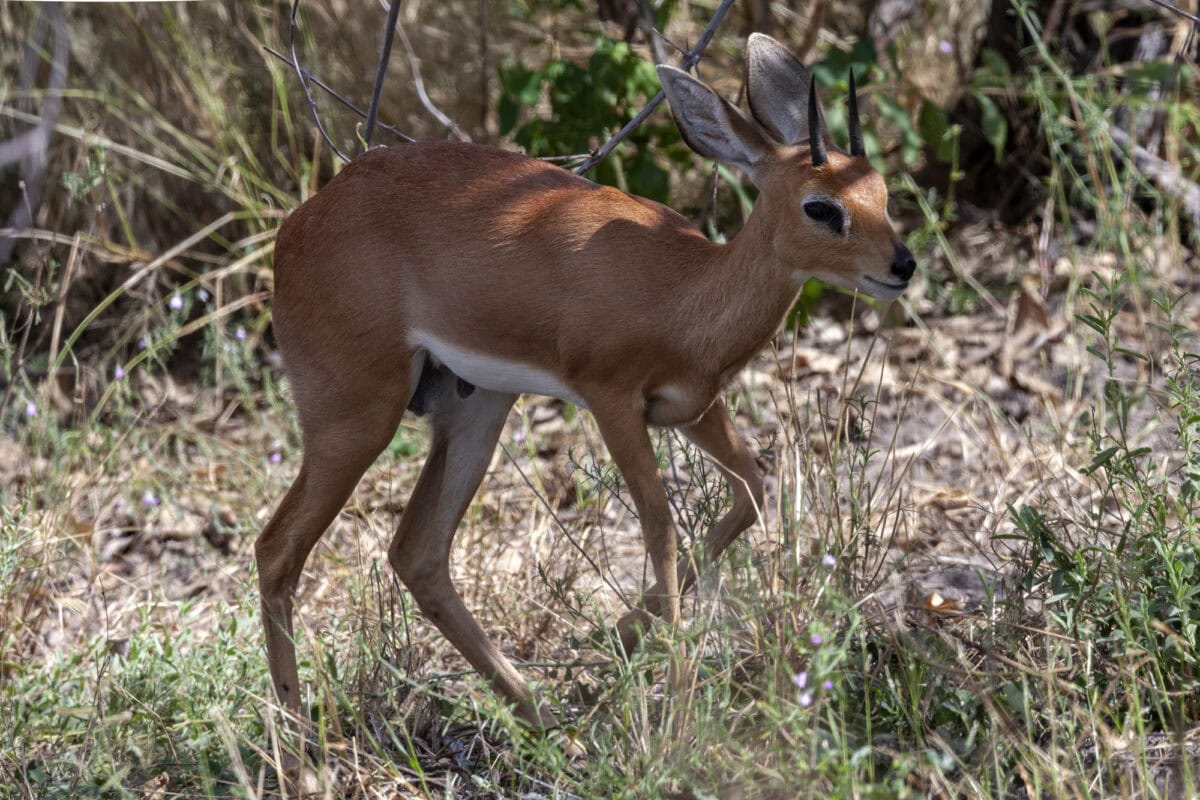
Dik-diks, small antelopes native to Africa, exemplify monogamous dedication. They form pairs that work together to defend their territory and evade predators. The couple’s cooperation extends to parenting, where both play essential roles in nurturing their young. This lifelong partnership is critical for their survival in challenging habitats.
Owl Monkeys Nocturnal Nuptials

Owl monkeys, also known as night monkeys, are unique nocturnal primates that form exclusive, monogamous pairings. These bonds are reinforced by shared parenting duties and mutual grooming. The pair’s cooperation in foraging and caring for offspring ensures their survival in the forest habitats of Central and South America, making monogamy a strategic adaptation.
Seahorses Unconventional Love
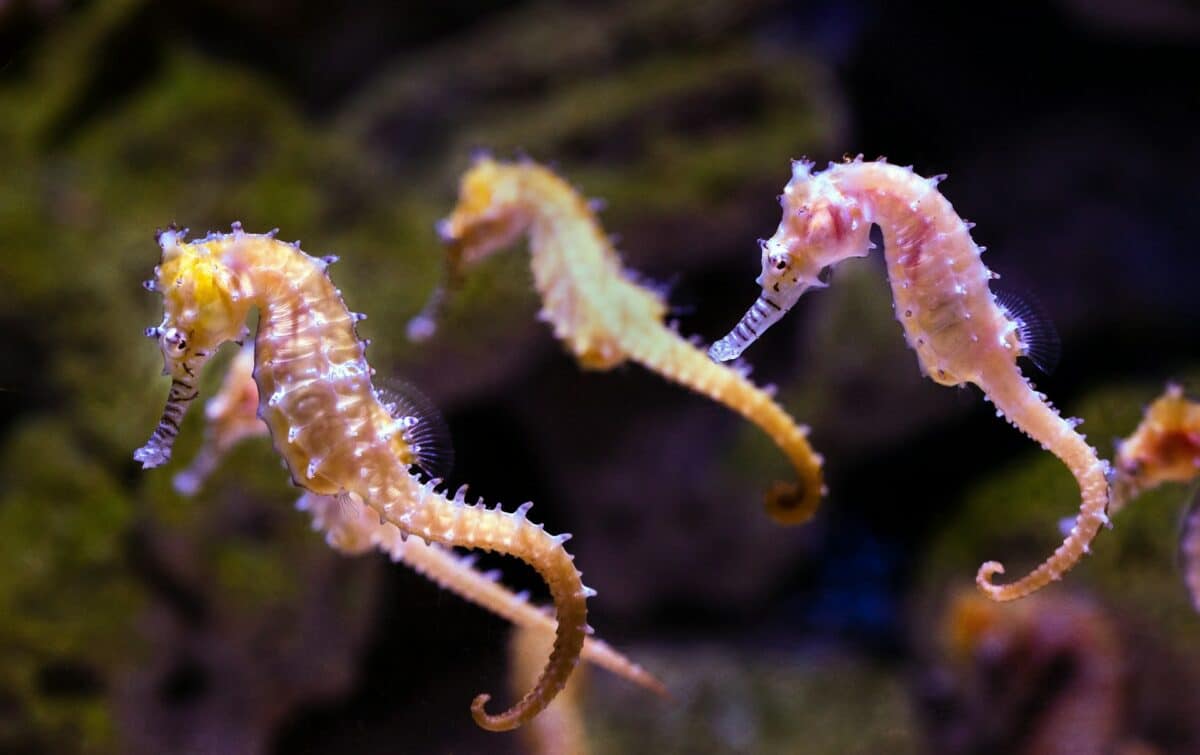
Seahorses challenge traditional gender roles in monogamous relationships, with males taking on pregnancy duties. These enchanting fish form pairs that last throughout the breeding season or longer. Despite their small size, their commitment to one partner and shared responsibilities have fascinated researchers, highlighting the diverse expressions of monogamy in nature.
Shingleback Skinks Reptilian Romance
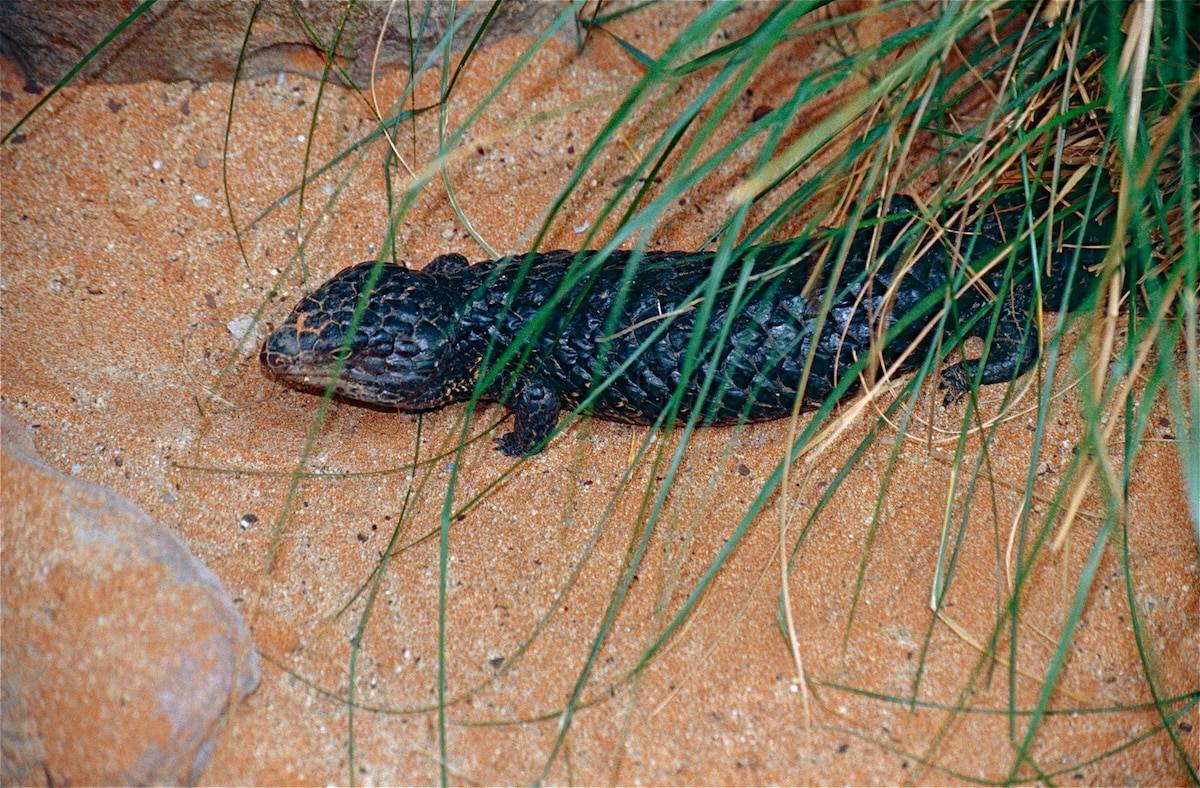
Among reptiles, shingleback skinks exhibit notable monogamous behavior. These Australian lizards travel in pairs, staying together for several months a year and reuniting during the breeding season. Their fidelity is believed to enhance reproductive success, as long-term partners collaborate effectively in nurturing their young and avoiding predators.
Marbled Salamanders: Silent Sentinels
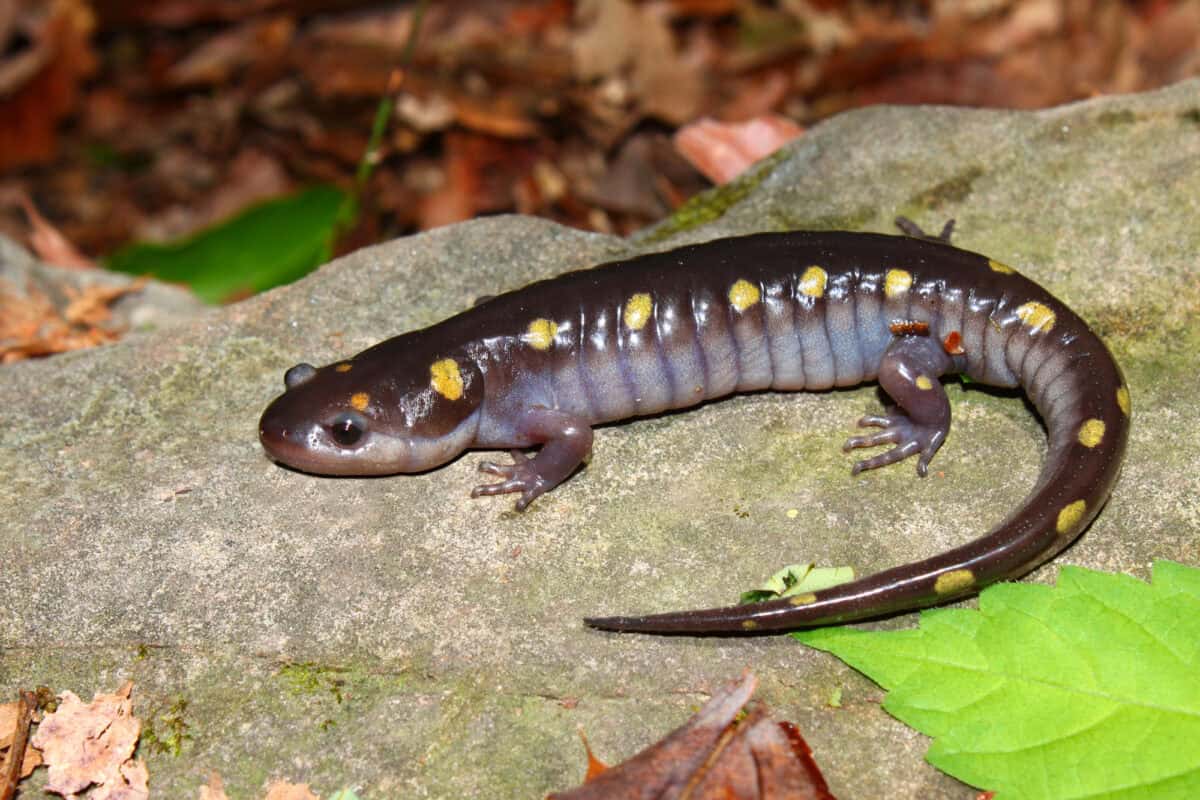
Marbled salamanders are secretive creatures that form monogamous bonds for reproductive purposes. During the breeding season, these amphibians pair up, with the female laying eggs and the male guarding them. This cooperative effort increases the likelihood of offspring survival in their terrestrial habitats, offering an example of how monogamy can translate to shared parental duties.
Puffins Partners on the Cliffs

Known for their colorful beaks and charming demeanors, puffins often return to the same breeding grounds and reunite with their monogamous partners each year. These seabirds employ teamwork to excavate burrows and care for their chicks. Their seasonal monogamy supports efficient territory management and successful rearing of their young in harsh cliffside environments.
Conclusion:

Monogamy in the animal kingdom often serves specific ecological and biological purposes. From enhancing reproductive success to fostering cooperative parenting, lifelong partnerships in the animal world embody a diversity of strategies that enhance survival. These 15 species not only highlight the spectrum of fidelity in nature but also offer a window into the complex relationships that other beings, much like humans, navigate in the ongoing dance of life.

As a little kid, I fell in love with nature, wildlife, and animals. Living in the USA, South Africa, Italy, China and Germany gave me the opportunity to discover the world's Wildlife. My favorite animals are Mountain Gorillas, Siberian Tigers, and Great White Sharks.
I'm a certified PADI Open Water Diver, went to Everest Base Camp and Trekked Gorillas in Uganda. I hold a Master of Science in Economics and Finance.
Please send any feedback to feedback@animalsaroundtheglobe.com
- The Most Camouflaged Creature Lurking in Pacific Waters - July 17, 2026
- 9 Things Cats Love About You And 4 That Annoy Them - July 17, 2026
- Why Manta Rays Are Swarming Floridas Gulf Coast - July 17, 2026