


Cats have captivated humans for thousands of years with their enigmatic personalities and independent nature. Unlike dogs, who wear their hearts on their sleeves, cats can be more subtle in showing affection, leading many owners to wonder: “Does my cat actually like me?” Understanding what your feline companion appreciates about you—and what might secretly drive them crazy—can help strengthen your bond and create a harmonious household. This guide explores nine things your cat genuinely loves about you, along with four behaviors that might be testing their feline patience.
The Comfort of Your Warm Lap
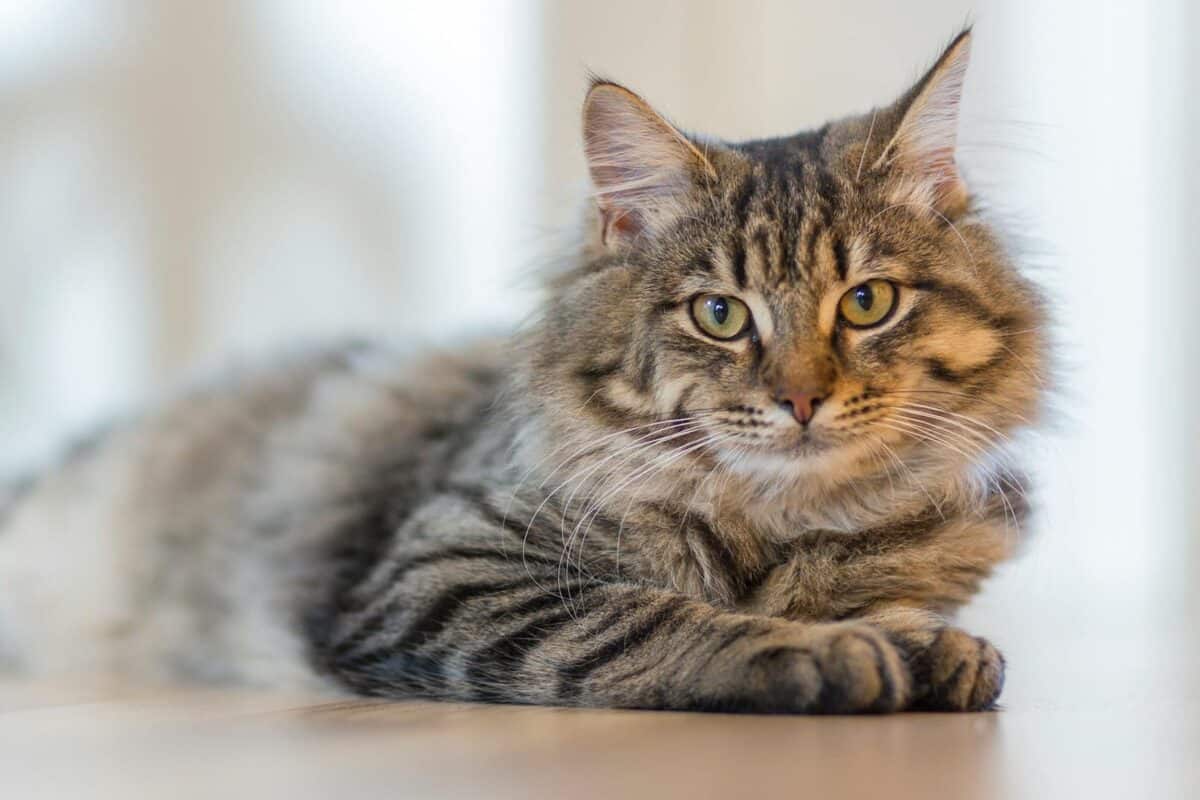
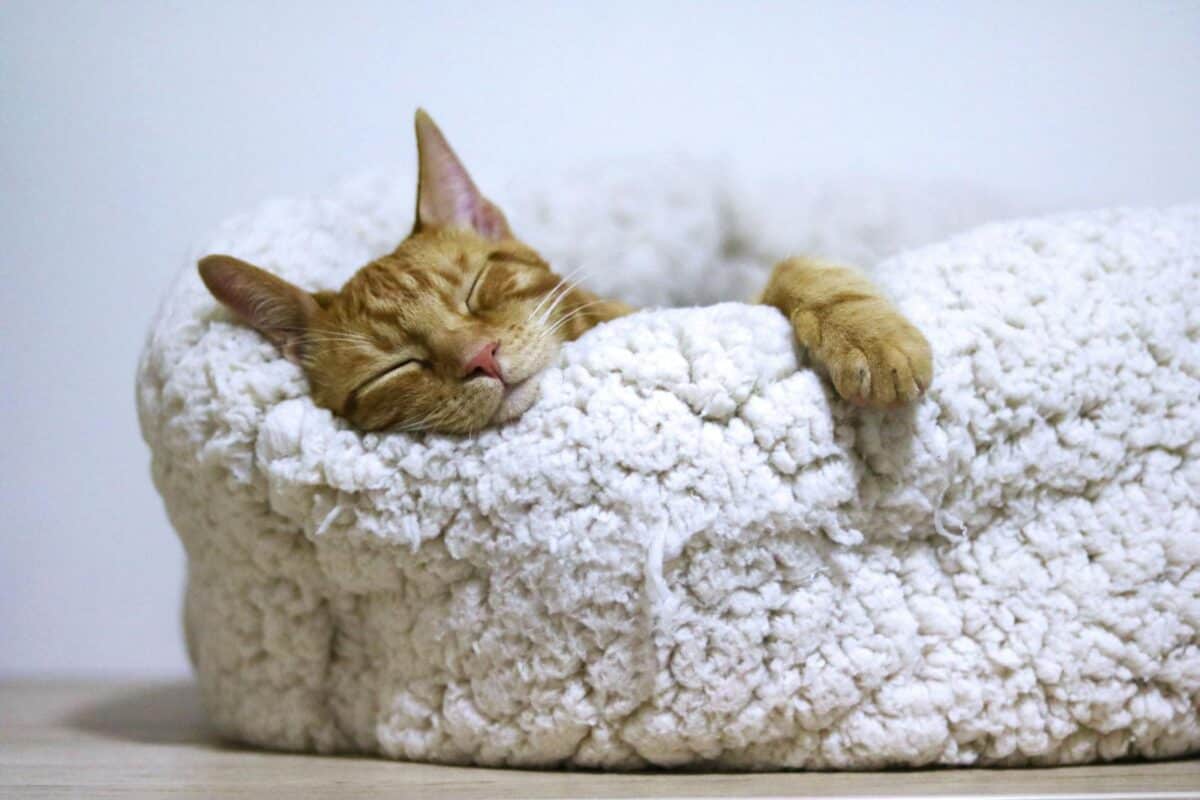
Cats are naturally drawn to warmth, a trait that dates back to their desert-dwelling ancestors. Your lap provides the perfect combination of comfort, elevation, and most importantly, heat. When your cat chooses your lap as their napping spot, it’s one of the highest compliments they can pay you. Research shows that a cat’s ideal environmental temperature is between 86-97°F (30-36°C), which is why your body heat makes such an attractive resting place.
This preference for warmth explains why you’ll often find your cat basking in sunbeams, curling up near radiators, or snuggling into blankets you’ve recently used. When they select your lap over these other warm options, they’re demonstrating not just practical temperature-seeking behavior but also trust and affection. Many cats will even knead your lap before settling down—a behavior rooted in kittenhood that indicates contentment and security.
Your Consistent Feeding Schedule
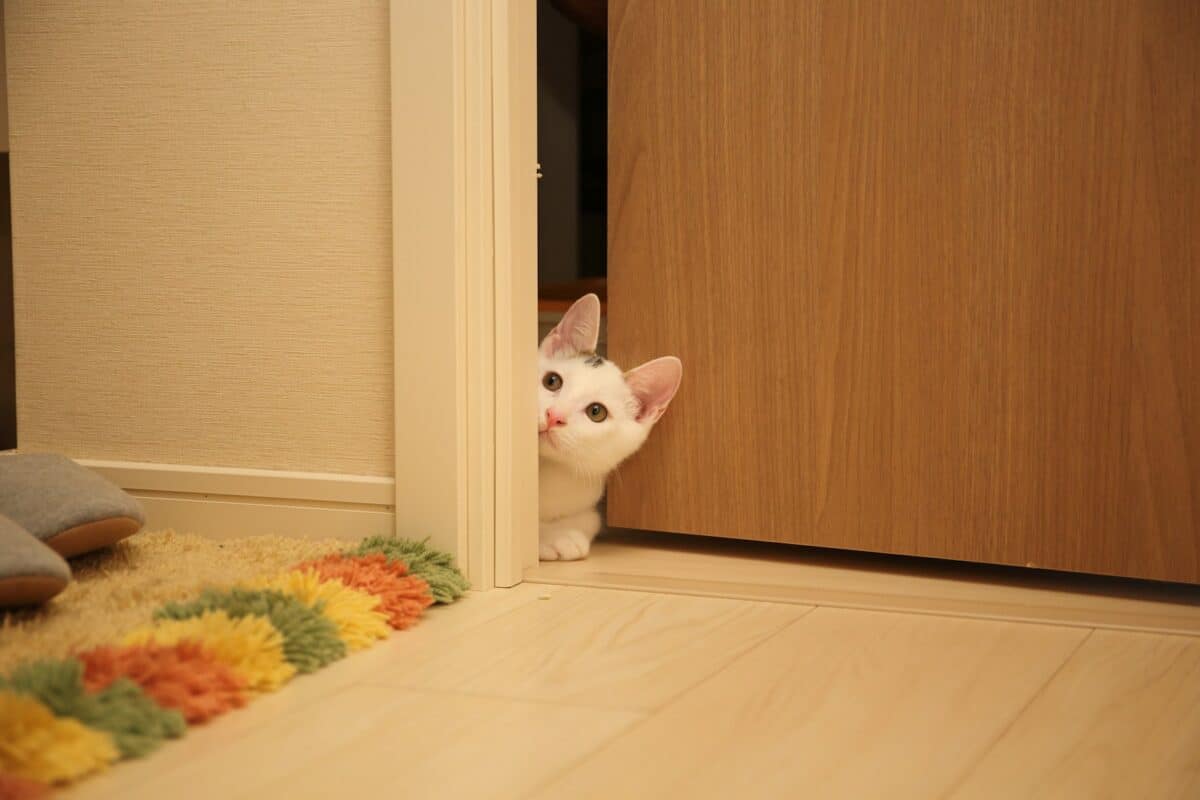
Cats thrive on routine, and nothing earns their appreciation quite like reliability at mealtime. In the wild, cats hunt multiple small meals throughout the day, and domestic cats retain this preference for regular, predictable feeding patterns. By maintaining a consistent feeding schedule, you’re not just satisfying their hunger—you’re providing security and structure that aligns with their natural instincts.
This appreciation for mealtime reliability often manifests as “anticipatory behavior”—those moments when your cat weaves between your legs, meows enthusiastically, or waits attentively by their feeding area when they know it’s almost time to eat. These behaviors aren’t just about hunger; they’re expressions of trust in your reliability. Cats particularly appreciate owners who understand their individual preferences, whether that’s the right food temperature, preferred serving style, or respecting their need for a quiet dining space.
The Joy of Interactive Play
Despite their reputation for independence, cats deeply appreciate engaging play sessions with their human companions. Interactive play satisfies their natural hunting instincts while strengthening your bond. When you wiggle a wand toy or roll a crinkle ball for your cat to chase, you’re acknowledging and respecting their innate predatory behaviors in a way that’s both stimulating and safe.
Cats particularly love play that mimics natural prey movements—erratic, unpredictable motions that trigger their hunting response. Research indicates that regular interactive play reduces behavioral problems, decreases stress, and increases overall happiness in domestic cats. The most satisfying play sessions for cats often end with a “capture,” allowing them to experience the full hunting sequence of stalking, chasing, pouncing, and finally “catching” their prey. This completion of the predatory cycle is incredibly fulfilling for cats and something they genuinely appreciate you facilitating.
Your Gentle Touch and Grooming
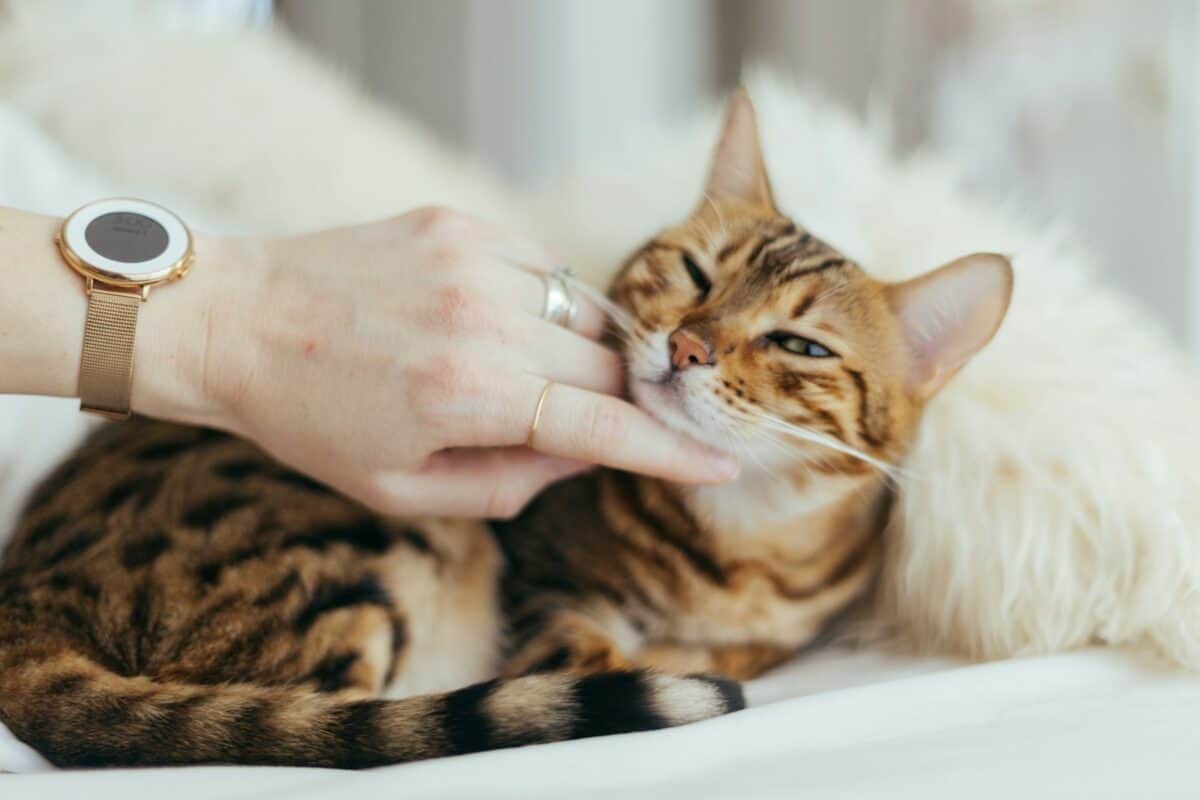
Many cats deeply appreciate gentle petting and grooming, particularly when it’s done according to their individual preferences. For most felines, the areas around the cheeks, chin, and base of the ears contain scent glands that, when stroked, release feel-good pheromones. This explains why many cats lean into these touches and appear so content when you focus on these spots. Gentle grooming with a brush can also replicate the social bonding that occurs between cats in multi-cat households or colonies.
The key to becoming your cat’s favorite groomer lies in recognizing their unique preferences and respecting their boundaries. Most cats have specific areas they enjoy being touched and others that are strictly off-limits. By learning your cat’s individual “petting map” and respecting when they’ve had enough, you build trust and create positive associations with physical contact. This respectful approach to touch is something cats genuinely value in their human companions.
Your Soothing Voice

Cats are remarkably responsive to human vocalizations, particularly when delivered in a calm, gentle tone. Research has shown that cats can distinguish their owner’s voice from strangers’ and often respond more positively to high-pitched, melodic speech patterns. This “cat-directed speech,” similar to how many people talk to babies, tends to engage cats more effectively than regular adult conversational tones.
Many cats appreciate when their owners talk to them regularly, even if the conversation is one-sided. This vocal interaction helps strengthen your bond and provides enrichment for your cat. Some cats will even respond with their own vocalizations, creating a form of cross-species communication. The comfort that cats derive from familiar human voices explains why many felines seem to prefer having the television or radio on when left alone—these sounds can simulate the comforting presence of their human companions.
The Security of Personal Space

Unlike dogs, who generally love constant companionship, cats deeply appreciate humans who respect their need for personal space and independence. Your recognition of when your cat wants interaction versus when they need solitude demonstrates an understanding of their natural behavioral needs. Cats value having safe retreats throughout your home where they can observe without being disturbed—high perches, cozy hideaways, or simply a quiet corner of a room.
This appreciation for respected boundaries reflects cats’ evolutionary history as both predators and prey. Having escape routes and observation posts helps them feel secure, while knowing you won’t force interaction during their alone time builds tremendous trust. Cats particularly love owners who provide enriching environments with multiple resting spots at various heights, which allows them to exercise control over their social interactions and stress levels. By honoring these spatial needs, you’re speaking directly to your cat’s instinctual requirements.
Your Morning Rituals

Many cats develop deep attachments to their owners’ morning routines, finding comfort and security in these predictable daily patterns. Whether it’s the sound of your alarm, the coffee machine brewing, or simply your footsteps as you move about, these familiar morning rituals signal the start of a new day with their favorite human. Cats appreciate this consistency because it helps them anticipate the day’s structure.
For many cats, participating in these morning rituals becomes a cherished form of bonding. They might follow you to the bathroom, supervise your breakfast preparation, or settle nearby as you check your emails. Some cats even develop specific morning “jobs,” like helping make the bed or inspecting the shower after you’ve used it. By accommodating your cat’s desire to participate in these daily ceremonies, you’re acknowledging their place in your life and routine—something that resonates deeply with their need for belonging and significance.
The Scent of Familiarity

Cats navigate their world primarily through scent, and they find tremendous comfort in environments that carry familiar olfactory signatures. Your personal scent is particularly important to your cat—it represents safety, security, and connection. This explains why many cats love to sleep on recently worn clothing, knead your favorite blanket, or rub against objects you frequently touch. By surrounding themselves with your scent, they’re creating a comforting olfactory cocoon.
This appreciation for your scent also explains some seemingly puzzling cat behaviors, like why they might become more affectionate after you shower (they’re “fixing” your scent) or why they may show stress when you introduce new furniture or rearrange existing pieces (disrupting the familiar scent landscape). Cats particularly value owners who understand this need for olfactory stability and take steps to maintain it during times of change, such as leaving a worn t-shirt with them when traveling or gradually introducing new items to allow for scent marking.
Your Patient Understanding

Perhaps what cats appreciate most about their favorite humans is patience and understanding of their unique feline nature. Cats value owners who don’t try to force them into dog-like behaviors or expect instant affection on demand. Your willingness to let relationships develop at a cat’s pace, to learn their individual preferences, and to respect their species-specific needs demonstrates a level of interspecies empathy that cats genuinely recognize and appreciate.
This understanding manifests in countless small ways: waiting for your cat to initiate contact, recognizing their subtle communication cues, adapting your home environment to meet their needs, and accepting that sometimes they just want to be near you without direct interaction. Research shows that cats form secure attachments to owners who are attuned to their behavioral signals and respond appropriately. This mutual understanding forms the foundation of the most successful human-cat relationships.
When You Interrupt Their Sleep

Cats are champion sleepers, averaging 12-16 hours of rest daily, with some senior cats sleeping up to 20 hours. This extensive sleep requirement isn’t laziness—it’s an evolutionary adaptation from their wild ancestors who needed to conserve energy between hunts. When you wake your cat from a deep sleep, you’re disrupting important physical and mental restoration processes. Unlike humans who typically experience one extended sleep period, cats cycle through numerous sleep episodes throughout the day and night.
What particularly annoys cats is being startled awake, which triggers their instinctual fight-or-flight response. This sudden arousal from sleep can lead to stress, anxiety, and in some cases, behavioral issues like inappropriate elimination or aggression. Cats especially dislike when their sleep is repeatedly interrupted in what should be their safe spaces, such as their beds or favorite resting spots. To maintain a harmonious relationship, try to observe your cat’s sleep patterns and avoid disturbing them during their deeper sleep cycles, recognizable by twitching whiskers, paws, or rapid eye movements visible through closed eyelids.
Your Inconsistent Attention

While cats value their independence, they’re particularly frustrated by unpredictable or inconsistent attention from their humans. Contrary to popular belief, domestic cats are social animals who form genuine attachments to their owners and rely on consistent social interaction for their emotional wellbeing. What irritates many cats is not the quantity of attention but its unpredictability—being ignored when seeking interaction, then pursued for affection when they’re not receptive.
This inconsistency creates confusion and anxiety, as cats thrive on being able to predict and control their social interactions. They’re especially annoyed by forced affection when they’ve clearly communicated they want space, or being suddenly ignored when they’re in a social mood. Behaviors like flattened ears, tail twitching, or deliberately turning away are signals that your attention is unwelcome in that moment. Cats appreciate owners who learn to read these cues and respect them, creating a relationship based on mutual consent rather than human convenience.
Loud or Startling Noises

Cats have extraordinarily sensitive hearing, capable of detecting sounds at frequencies up to 64 kHz (compared to humans’ 20 kHz limit). This acute auditory perception means that noises that seem moderate to us can be overwhelming and stressful for feline companions. Vacuum cleaners, blenders, loud music, shouting, or sudden unexpected sounds can trigger intense stress responses. Cats find these auditory assaults particularly annoying because they can’t rationalize the source or purpose of the noise.
What compounds this irritation is their limited ability to escape in indoor environments. In nature, cats would simply move away from disturbing sounds, but in homes, they often feel trapped with the noise. Cats particularly dislike when loud noises occur in their core territory areas like feeding stations or resting spots. They appreciate owners who create sound buffers around essential feline zones, provide advance warning before noisy activities (like running the vacuum), and ensure there are always quiet retreat spaces available. Some cats will develop noise phobias if repeatedly exposed to startling sounds without mitigation, leading to lasting behavioral changes.
Unwanted Physical Handling

Few things annoy cats more than being handled against their will or in ways that make them uncomfortable. This includes being picked up when they don’t want to be, having sensitive areas like their belly or tail touched, or being restrained for longer than they can tolerate. Cats have strong preferences about physical contact and value their ability to control these interactions. Unlike many dogs, most cats prefer to initiate physical contact on their terms, deciding both when it begins and when it ends.
Cats find it particularly frustrating when humans ignore their clear communication signals indicating discomfort, such as tail swishing, skin twitching, ears flattening, or attempting to move away. Continuing to handle a cat showing these signs damages trust and can lead to defensive behaviors like scratching or biting. They especially dislike when strangers attempt to touch them without allowing for proper introduction and acclimation. Cats deeply appreciate owners who teach visitors (especially children) about appropriate ways to interact with them, respecting their bodily autonomy and communication signals.
Conclusion: Understanding Your Feline Friend The Key to a Harmonious Relationship

The relationship between humans and cats represents one of the most fascinating interspecies bonds in our modern world. By recognizing and respecting what your cat appreciates about you—from your warm lap to your patient understanding—you create a foundation of trust and mutual respect. Equally important is acknowledging the behaviors that may frustrate your feline friend, such as inconsistent attention or unwanted handling, and making mindful adjustments to accommodate their needs.
This balanced approach to cat companionship acknowledges that our feline friends are neither aloof roommates nor furry children, but unique beings with species-specific needs and communication styles. The most successful cat-human relationships develop when we meet cats on their terms, appreciating their natural behaviors rather than trying to reshape them to fit our expectations. By learning to speak your cat’s language—both what delights and what annoys them—you open the door to a deeper, more satisfying connection with one of nature’s most captivating companions.
Remember that each cat is an individual with unique preferences and personality traits shaped by both genetics and experience. What one cat loves, another might merely tolerate, and what mildly annoys one cat might seriously distress another. The true art of feline companionship lies in becoming an expert not just in cats generally, but in your specific cat particularly—their quirks, preferences, and unique ways of communicating their needs and affections.
Ultimately, the most rewarding aspect of sharing your life with a cat is the dance of mutual adaptation—the subtle ways you adjust to each other over time, creating a relationship that honors both human and feline needs in a beautiful balance of companionship and respect.

As a little kid, I fell in love with nature, wildlife, and animals. Living in the USA, South Africa, Italy, China and Germany gave me the opportunity to discover the world's Wildlife. My favorite animals are Mountain Gorillas, Siberian Tigers, and Great White Sharks.
I'm a certified PADI Open Water Diver, went to Everest Base Camp and Trekked Gorillas in Uganda. I hold a Master of Science in Economics and Finance.
Please send any feedback to feedback@animalsaroundtheglobe.com
- The Most Camouflaged Creature Lurking in Pacific Waters - July 17, 2026
- 9 Things Cats Love About You And 4 That Annoy Them - July 17, 2026
- Why Manta Rays Are Swarming Floridas Gulf Coast - July 17, 2026
Leave a comment
You must be logged in to post a comment.