
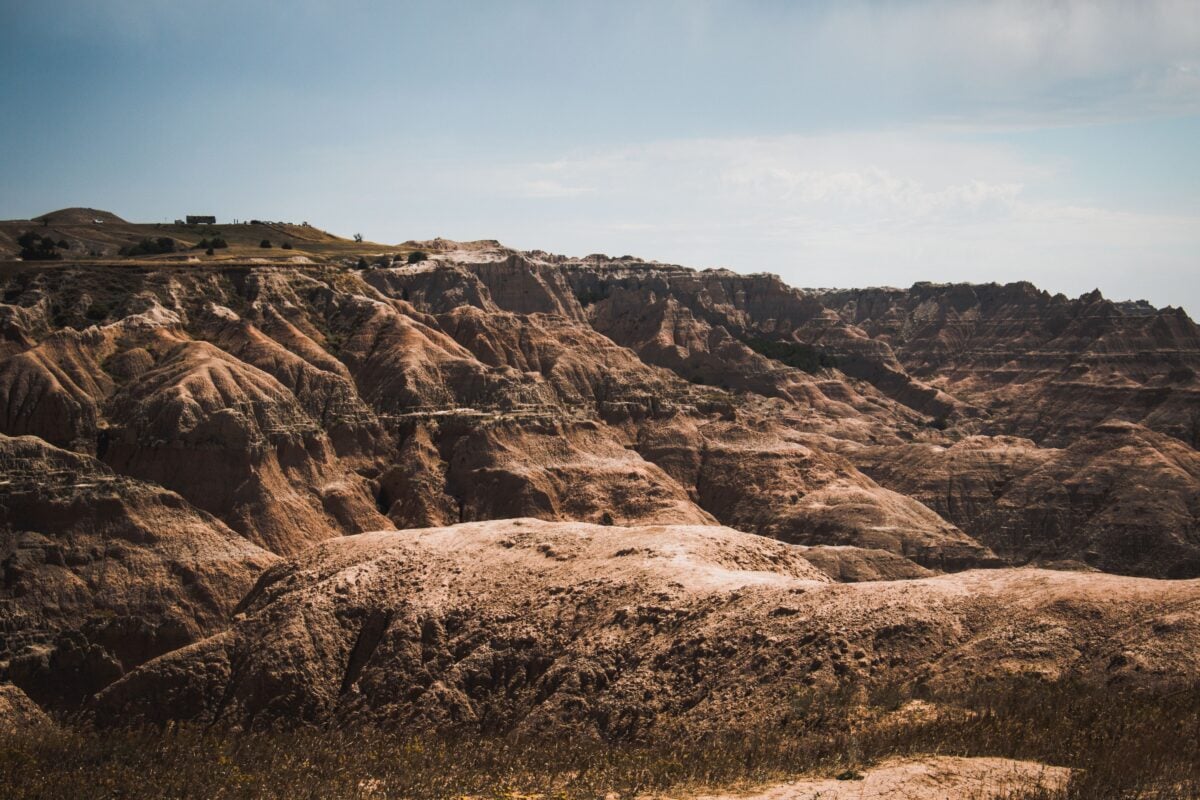
The Badlands look like a dead planet. Cracked spires, bone-dry canyons, not a tree in sight for miles. Most visitors assume they’re driving through the emptiest, most lifeless patch of America they’ll ever see. They’re wrong.
Beneath those grey and pink stripes of rock sits one of the richest fossil graveyards on Earth – a place where saber-toothed predators, three-toed horses, and 40-foot marine reptiles once ruled a world that no longer exists. Scientists have been digging here for over 150 years and they’re still finding things nobody expected. Here’s what paleontologists actually say about the ground beneath your feet in Badlands National Park.
#10 – The Name Itself Was a Warning From Two Different Cultures
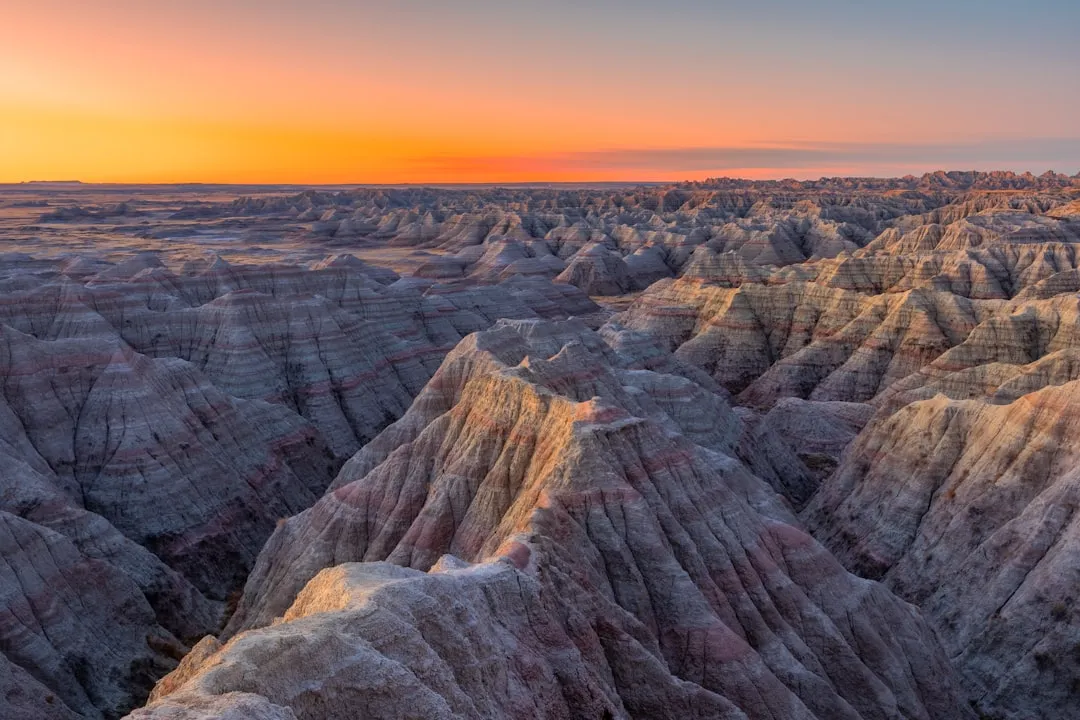
Long before it was a national park, this place earned its name from people who had to survive it, not just photograph it.
The Lakota people who lived on this land called the area “mako sica,” literally “bad lands.” French fur trappers who tried to cross the same terrain independently arrived at almost the exact same conclusion, describing it as “les mauvaises terres á traverser,” or “bad lands to travel through.” Two cultures, an ocean apart in origin, both landed on the same verdict without ever comparing notes.
Most people don’t realize the park’s federal protection status is relatively recent. National park status was designated in 1978, but it was previously established as a national monument in 1939. That’s nearly four decades of protected status before it earned the full “national park” title. But naming the land was the easy part – figuring out what was buried inside it took considerably longer, and what they found next changes everything.
#9 – An Ancient Sea Monster Swam Where Tourists Now Park Their Cars
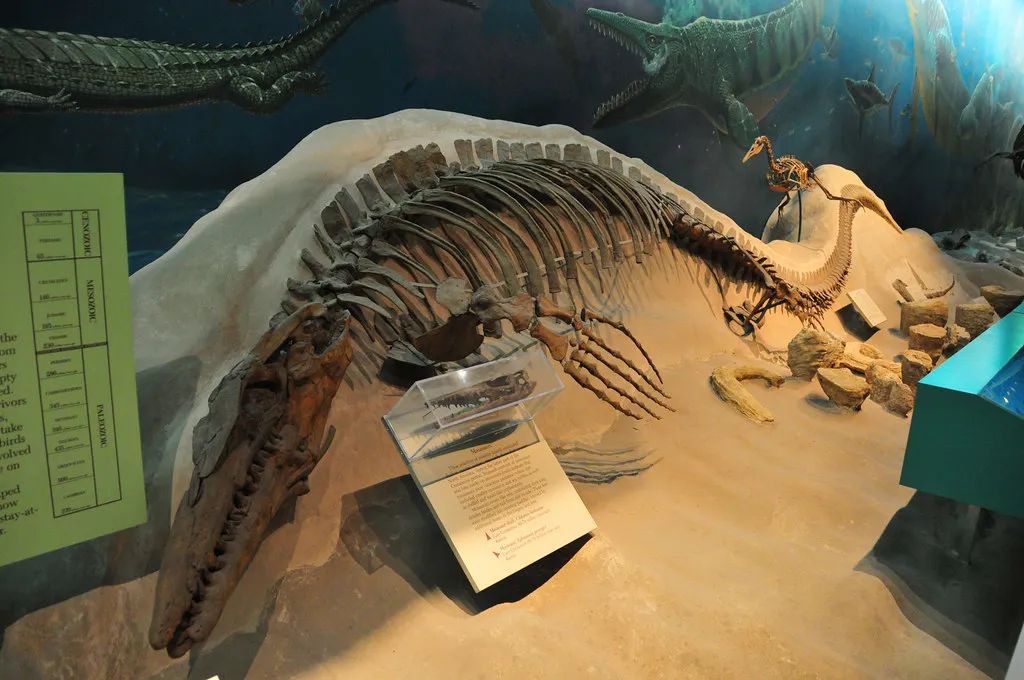
Before there were buttes, there was water – a lot of it, and something enormous was swimming in it.
Roughly 75 million years ago, the flat-lying rock at the base of the park wasn’t rock at all – it was seafloor. The Pierre Shale, which forms the bottommost layer of the park’s geology, was deposited 75-69 million years ago by a shallow inland sea known as the Western Interior Seaway, which stretched from the Gulf of Mexico to the Arctic Ocean, covering most of the modern Great Plains in shallow, warm water. Somewhere in that warm water, mosasaurs – gigantic marine reptiles – patrolled like ancient submarines through what is now bone-dry, cracked earth.
Here’s the twist that surprises most visitors: this sea existed at the same time as the dinosaurs, but because dinosaurs couldn’t swim, none of them show up in the Pierre Shale. Just marine life, layer after layer. That single fact quietly demolishes the biggest myth about this park, which we’ll dig into further down this list.
#8 – The Rock Layers Are Literally Stacked Like a Layer Cake
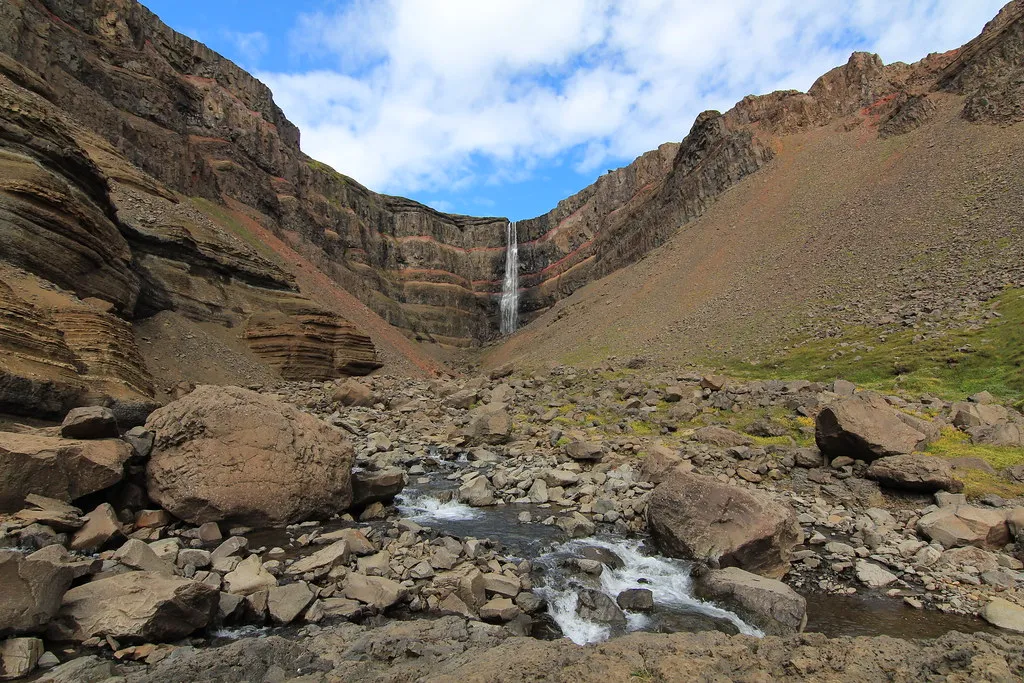
Every colorful stripe you see driving through the park is a separate chapter of Earth’s history, stacked in the exact order it happened.
Deposition is the process of rocks gradually building up – over the course of millions of years, the layered rocks of the Badlands were slowly stacked on top of each other like a layer cake, laid down by shallow inland seas, rivers, and wind. It began about 75 million years ago with the Pierre Shale and wrapped up around 28 million years ago with the Sharps Formation, the uppermost unit of Badlands stratigraphy.
In between those bookends sits a formation that would’ve felt tropical. The Chadron Formation, made largely of light gray claystone, was deposited about 37-34 million years ago across an ancient floodplain that would have looked and felt like the Everglades do today, home to ancient alligators and the massive, rhino-like Brontothere. Then the climate flipped. The Brule Formation, deposited 34-30 million years ago, marks a cooler, drier stretch when those hot, wet floodplains dried into open savannah. One park, four completely different climates stacked in order, right on top of each other.
At a Glance: Badlands Formation Timeline
- Pierre Shale – ~75-69 million years ago – ancient seafloor
- Chadron Formation – ~37-34 million years ago – tropical floodplain
- Brule Formation – ~34-30 million years ago – cooling, drying savannah
- Sharps Formation – ~28 million years ago – uppermost layer, digging wraps up here
#7 – The Volcanic Ash Traveled 500 Miles to Get Here
Some of the rock beneath your boots didn’t form locally at all – it blew in from a volcanic eruption states away.
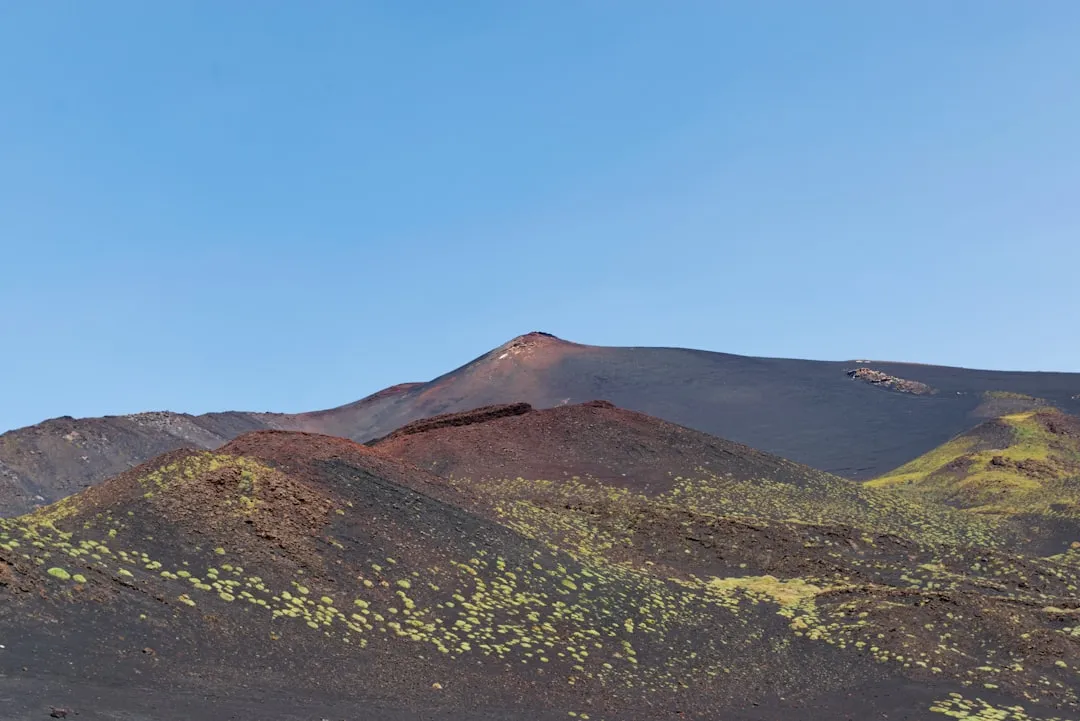
The colorful layer-cake of sedimentary rock in Badlands National Park includes volcanic ash that remarkably originated from volcanoes over 500 miles away in present-day Nevada and Utah, carried east on the wind before settling here. That’s the rough equivalent of ash from a modern Rocky Mountain eruption drifting all the way to the East Coast and quietly burying it.
Most of that ash didn’t arrive pure – it mixed with local sediment on the way down, washing in alongside eroded material from the Black Hills until many layers became a roughly 50-50 blend of ash and sediment. Only one single layer in the entire park is pure, undiluted volcanic ash – it’s called the Rockyford Ash. Everything else is a geological smoothie of wind, water, and fire.
#6 – This Is One of the Richest Fossil Beds on the Entire Planet
Forget “impressive” – the sheer scale of what’s buried here puts Badlands in a global category of its own.
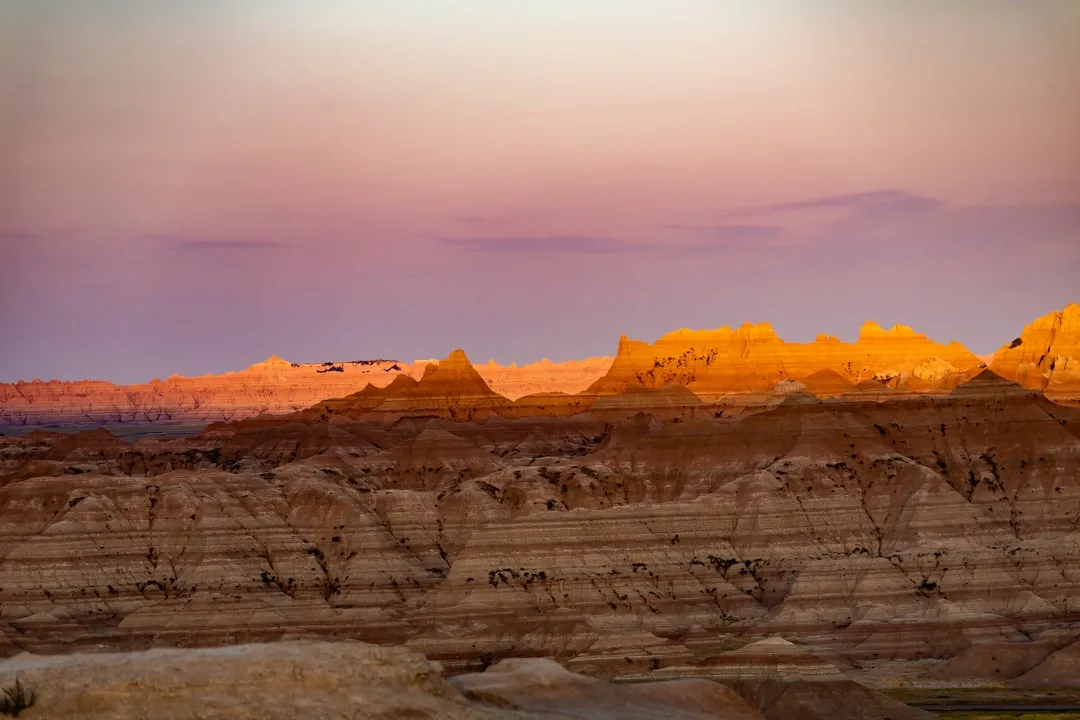
Badlands National Park deposits contain one of the world’s richest fossil beds, with finds of more than 250 fossil vertebrate species, including both herbivores and carnivores – ancient horses and rhinos once roamed here, alongside cat-like mammals and tiny, hornless deer. Two hundred fifty species is not a typo. That’s more biodiversity packed into these cliffs than most entire modern ecosystems hold today.
And it’s not just the big, obvious skeletons. Mammals, vegetation, and even insects left behind evidence of their lives during the late Eocene and early Oligocene epochs, so wander almost anywhere in the park and you might stumble on a fossil hackberry seed, a fossilized dung beetle ball, or something bigger. A fossilized dung beetle ball sounds unglamorous until you realize it’s a 30-million-year-old snapshot of an entire ecosystem’s ordinary Tuesday – insects, plants, and predators all preserved in the same thin slice of rock.
#5 – There Are Zero Dinosaur Fossils Here, and That Surprises Everyone
Here’s the fact that trips up almost every first-time visitor: this iconic, prehistoric-looking park has never produced a single dinosaur bone.
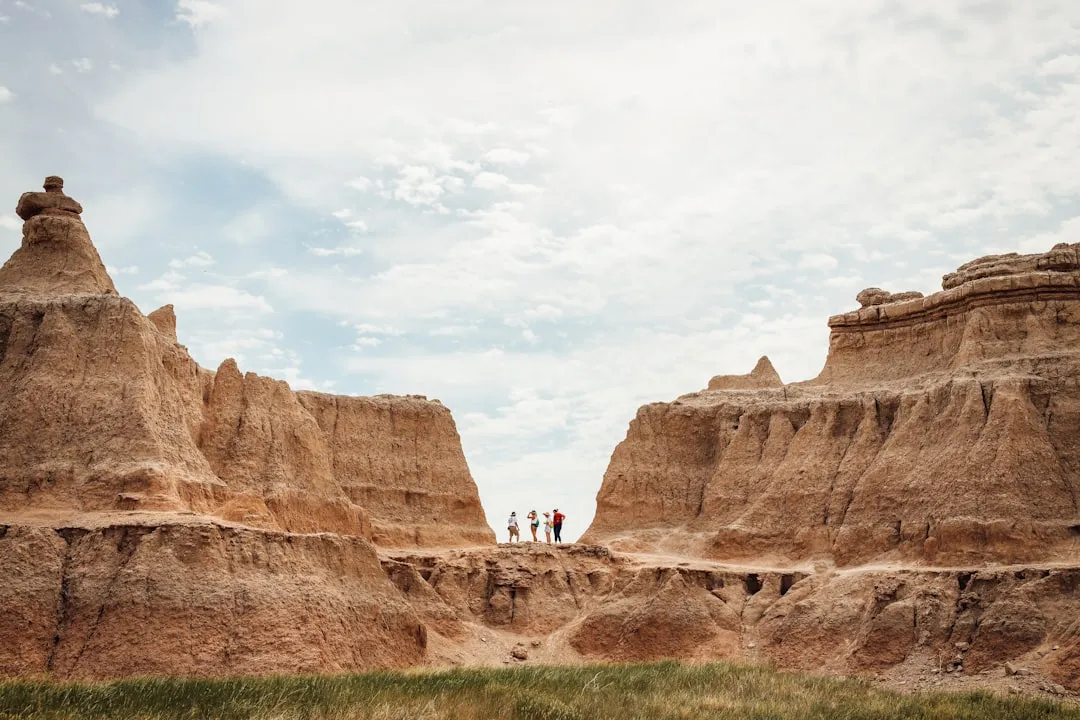
The Park does not contain any dinosaur fossils. The eroding layers hold marine fossils and an incredibly rich diversity of extinct mammals from the Age of Mammals instead. Most people don’t realize the timeline simply doesn’t overlap – dinosaurs walked the earth between roughly 243 and 66 million years ago, while the fossils found in Badlands tend to run from about 37 to 28 million years old.
That’s a gap of tens of millions of years between when dinosaurs disappeared and when these rock layers even started forming. Instead of a Tyrannosaurus, you get saber-toothed cats, ancient camels, and rhinos – the actual stars of the Age of Mammals. It’s a strange kind of anticlimax that somehow makes the park more interesting, not less: this is a monument to what came after the dinosaurs went extinct, not during.
Quick Compare: Dinosaur Era vs. Badlands Fossils
- Dinosaurs roamed Earth: ~243 to 66 million years ago
- Badlands fossils date to: ~37 to 28 million years ago
- Gap between the two eras: tens of millions of years, with zero overlap
#4 – A Backbone in a Picnic Area Turned Into a 15-Year Excavation
One overlooked bone at a family picnic spot accidentally became one of the longest digs in park history.
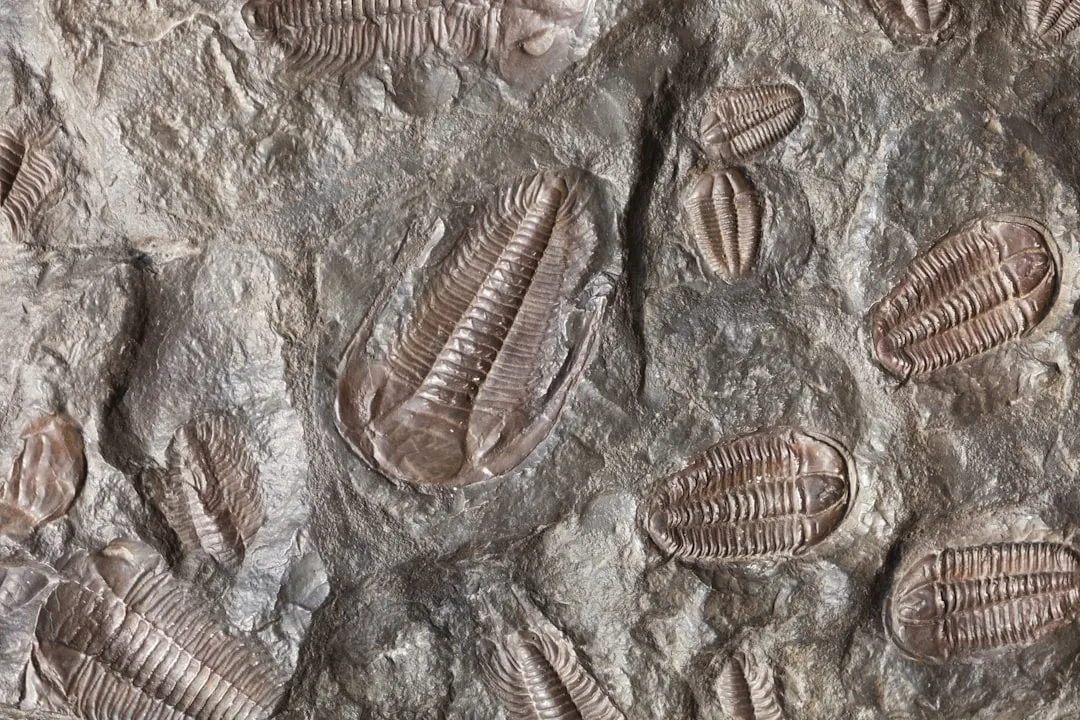
Digging began in 1993 after two park visitors reported seeing a large backbone sticking out of the ground. The site became known as the “Pig Dig” because rangers believed the fossil belonged to an ancient pig-like mammal called Archaeotherium – though it was later identified as a hornless rhinoceros called Subhyracodon. Scientists got the species wrong and kept the nickname anyway.
What started as a routine identification spiraled fast. Officials pulled the bones to prevent vandalism or theft, but underneath sat a whole layer of additional fossils that needed extracting too, triggering a domino effect that stretched on and on. Onlookers watched for 15 years as fossils kept coming out of the ground. More than 13,000 bones have been removed from the site, and scientists now believe this was once a spring-fed watering hole, 33 million years ago. One backbone. Fifteen years. Thousands of fossils.
#3 – Ordinary Tourists Keep Finding Scientifically Important Fossils
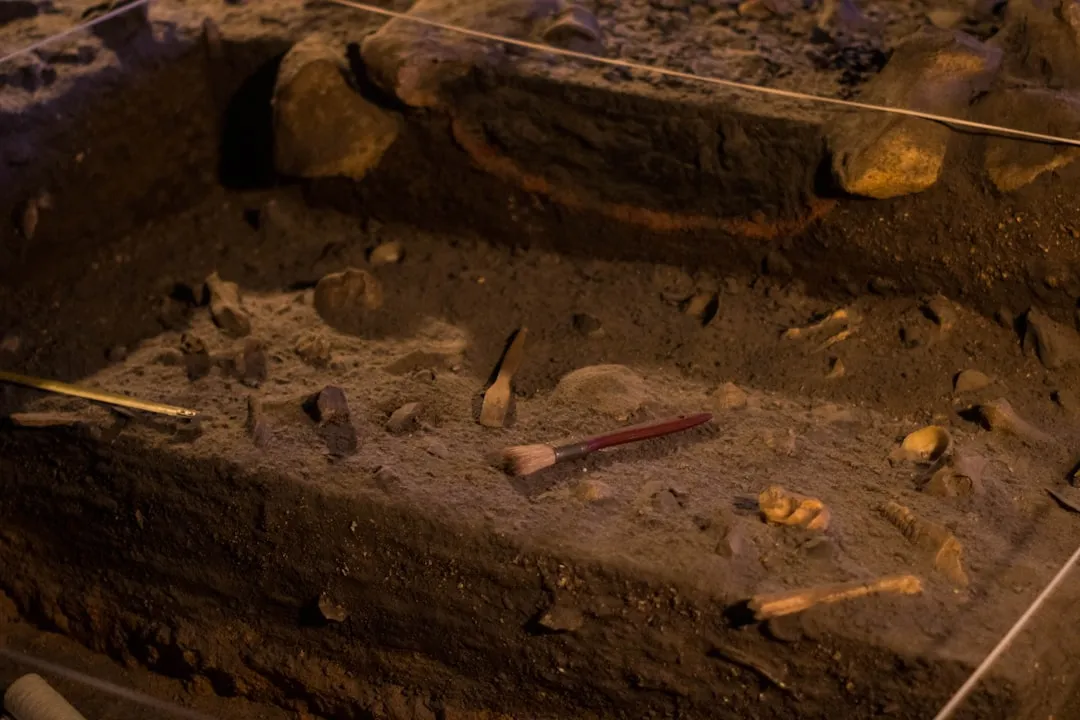
You don’t need a PhD to make a real paleontological discovery here – you just need to be paying attention.
The park runs a formal program specifically because visitors keep stumbling onto real science. Over 375 fossils were reported by visitors in 2019 alone. That’s more than one new discovery reported every single day of the year, made by hikers with zero formal training, not park staff.
Some of these accidental finds become genuinely significant. Nimravids, sometimes called “false saber-tooth cats,” prowled the Badlands millions of years ago, and one of their skulls was found by a 7-year-old visitor named Kylie Ferguson. A seven-year-old found a predator’s skull that professional paleontologists had missed. The Visitor Site Reporting program built around discoveries like hers has grown into the largest citizen science program the park runs, with hundreds of fossils turned in by visitors every single year.
Fast Facts
- Over 375 fossils reported by visitors in 2019 alone
- That’s roughly one new discovery reported every day of the year
- Most reports come from untrained hikers, not park staff
- The Visitor Site Reporting program is now the park’s largest citizen science effort
#2 – You Can Watch Scientists Excavate Fossils Live, Through Glass
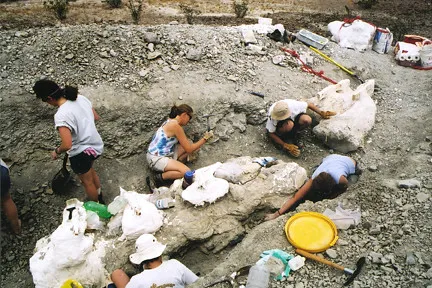
Most fossil labs hide their work behind locked doors. Badlands does the opposite, and it’s turned into one of the most popular things in the entire park.
Following the discovery of a significant saber-tooth cat-like skull (Hoplophoneus primaevus) in 2012, the Badlands Fossil Preparation Lab opened its doors to the public. Unlike any other fossil prep lab in the National Park Service, visitors are invited inside to watch the work up close, with an air filtration system keeping everything safe while researchers pick rock away from bone in real time.
The response has been staggering. Operating typically between June and September, the lab pulls in tens of thousands of visitors each summer, and in 2019 it set a record with over 71,000 visitors in a single four-month season – a dramatic jump from roughly 39,000 in its opening year. Roughly one in four people who walk into the main visitor center during summer make a point of stopping at the lab, according to park estimates.
#1 – Everything You’re Looking At Will Be Gone in 500,000 Years
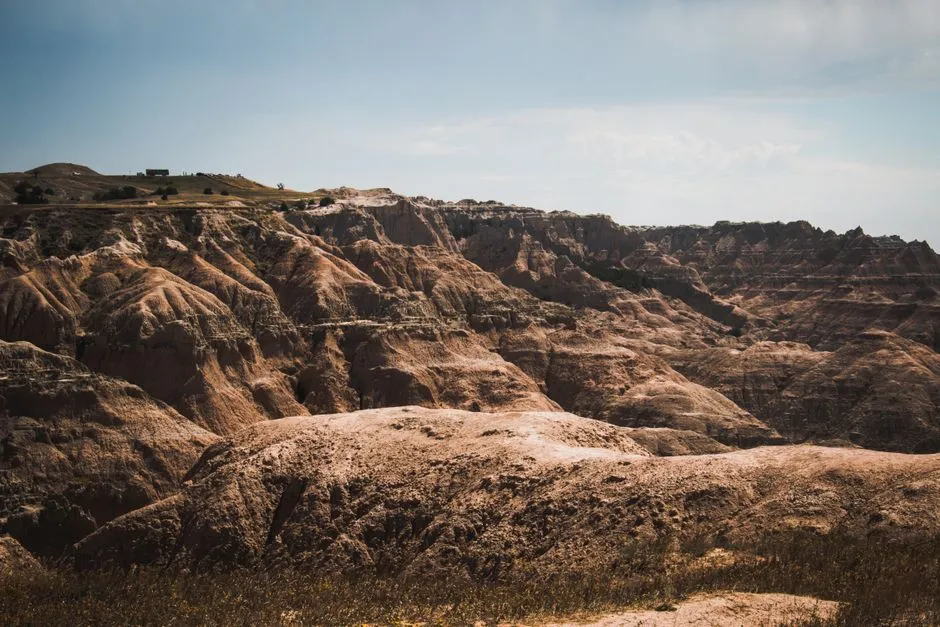
Here’s the fact that changes how you look at every photo you take in this park: it’s actively disappearing, and it’s happening faster than almost any other landscape in America.
The Badlands began eroding about 500,000 years ago as the Cheyenne and White Rivers carved through the landscape, and researchers estimate the rock erodes at roughly one inch per year – a shockingly fast rate for stone. Compare that to its neighbor: the granite of the Black Hills just to the west erodes at about one inch per 10,000 years. The Badlands are eroding 10,000 times faster than the mountains sitting right next door.
Run that math forward and the conclusion gets uncomfortable. Scientists estimate that within the next 500,000 years, the Badlands will have eroded away completely, giving these formations a total lifespan of roughly one million years. In geologic terms, this entire park is a temporary event – a fleeting flash of exposed history that will eventually wash back into the plains, taking its secrets with it.
Worth Knowing
- Erosion began roughly 500,000 years ago, driven by the Cheyenne and White Rivers
- Current erosion rate: about 1 inch of rock per year
- Nearby Black Hills granite erodes about 10,000 times slower
- Projected total lifespan of the formations: roughly 1 million years
The Bottom Line
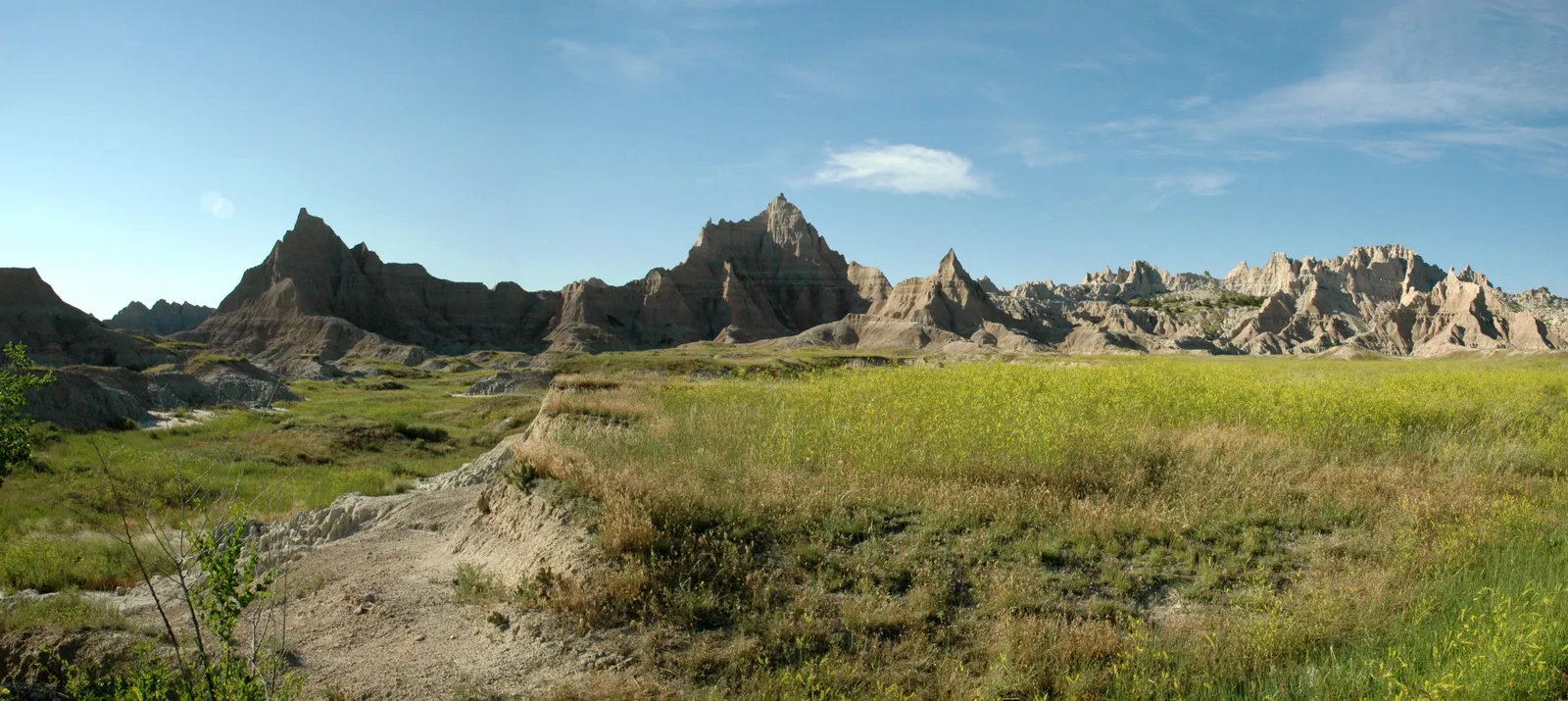
The Badlands aren’t a wasteland – they’re a countdown clock disguised as a national park. No dinosaurs, 250-plus mammal species, a seven-year-old finding a predator’s skull, and a landscape actively erasing itself an inch a year: this is one of the most misunderstood places in the entire park system.
Most tourists drive through for the photo and never realize they’re standing inside a working fossil laboratory that’s disappearing in real time. Honestly, if more people understood this landscape has a literal expiration date, we’d probably see a lot less litter and a lot more people stopping to report what they find. Which fact surprised you the most – the missing dinosaurs, or the 500,000-year deadline? Drop it in the comments.
