


In the animal kingdom, survival often depends on an individual’s ability to avoid detection. Through millions of years of evolution, many species have developed remarkable disguise techniques that allow them to hide in plain sight. From changing colors to mimicking other species or blending seamlessly with their environment, these natural masters of camouflage demonstrate nature’s incredible ingenuity. Let’s explore 18 of the most impressive animal illusionists whose disguise abilities have been perfected through natural selection.
The Leafy Sea Dragon
🔥 Would you like to save this?
We'll email this post to you, so you can come back to it later!
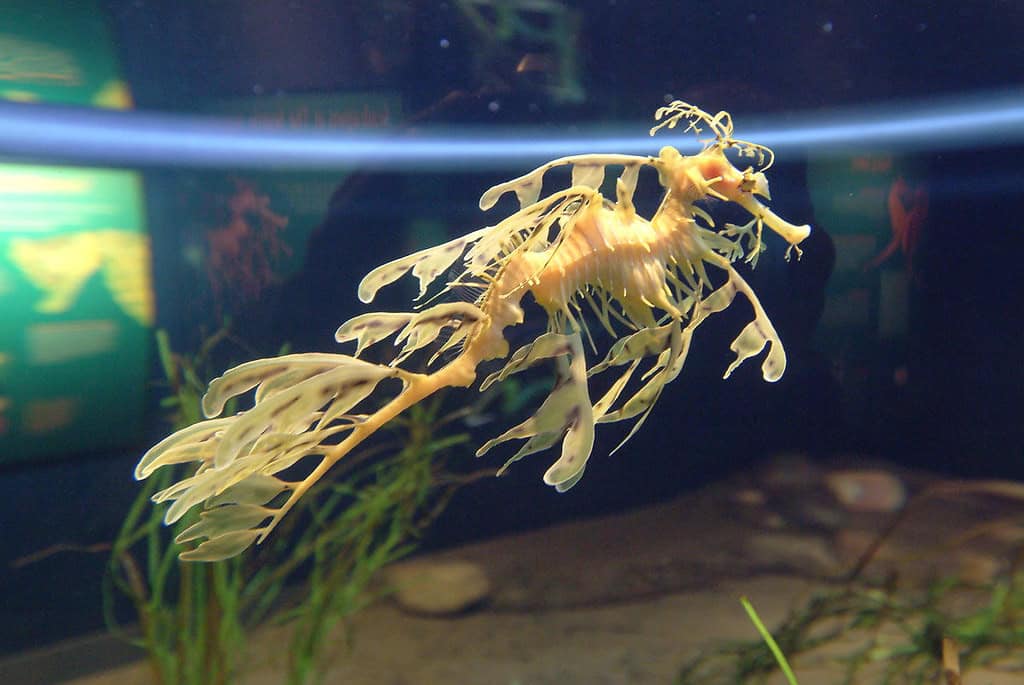
The leafy sea dragon (Phycodurus eques) is perhaps one of nature’s most elaborate disguise artists. Native to the southern and western coasts of Australia, these marine creatures have evolved leaf-like appendages that extend from their bodies, creating a perfect resemblance to floating seaweed. Their yellowish-brown to olive-green coloration enhances this disguise, making them nearly impossible to spot among the kelp and seagrass beds they inhabit. Unlike their seahorse relatives who use their tails for grasping, leafy sea dragons allow their camouflaged bodies to drift with ocean currents, further enhancing their plant-like appearance. This exceptional disguise not only protects them from predators but also allows them to ambush small crustaceans and plankton that serve as their primary food source.
The Stick Insect
🔥 Would you like to save this?
We'll email this post to you, so you can come back to it later!
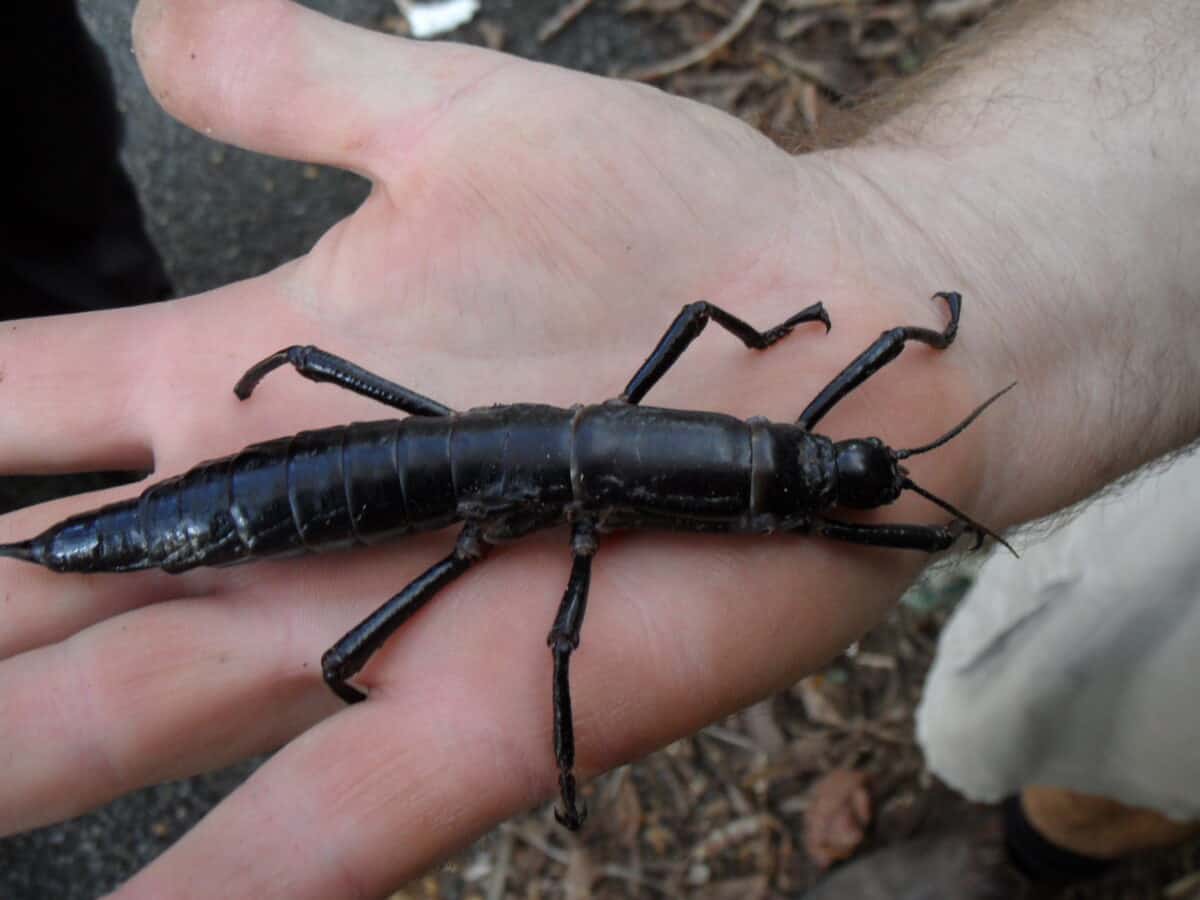
Stick insects, belonging to the order Phasmatodea, represent one of the most successful examples of disguise in the insect world. With over 3,000 species worldwide, these remarkable insects have evolved body shapes, colors, and behaviors that mimic twigs and branches with astonishing precision. Some species can grow up to 12 inches long, with bodies featuring bark-like textures, knots, and even moss-like growths. Their disguise is so effective that they often sway gently back and forth when at rest, mimicking branches moving in a light breeze. This behavior, combined with their physical appearance, makes them virtually undetectable to predators. Many stick insects take their camouflage abilities even further by changing color seasonally to match their surroundings, shifting from green during spring and summer to brown during autumn and winter.
The Mimic Octopus

🔥 Would you like to save this?
We'll email this post to you, so you can come back to it later!
The mimic octopus (Thaumoctopus mimicus), discovered in 1998 in Indonesian waters, has elevated animal disguise to an art form. Unlike most camouflage specialists that simply blend into their environment, this intelligent cephalopod can impersonate multiple dangerous sea creatures. Researchers have documented the mimic octopus transforming its body and behavior to resemble at least 15 different species, including sea snakes, lionfish, flatfish, and venomous jellyfish. By changing color, texture, and shape within seconds through specialized skin cells called chromatophores, these octopuses can select the most appropriate disguise based on the specific threat they face. This remarkable ability to impersonate multiple species is unique in the animal kingdom and represents one of the most sophisticated defense mechanisms known to science. Beyond physical transformation, the mimic octopus also replicates the swimming patterns and behaviors of the animals it impersonates, creating a complete and convincing disguise.
The Dead Leaf Butterfly
🔥 Would you like to save this?
We'll email this post to you, so you can come back to it later!
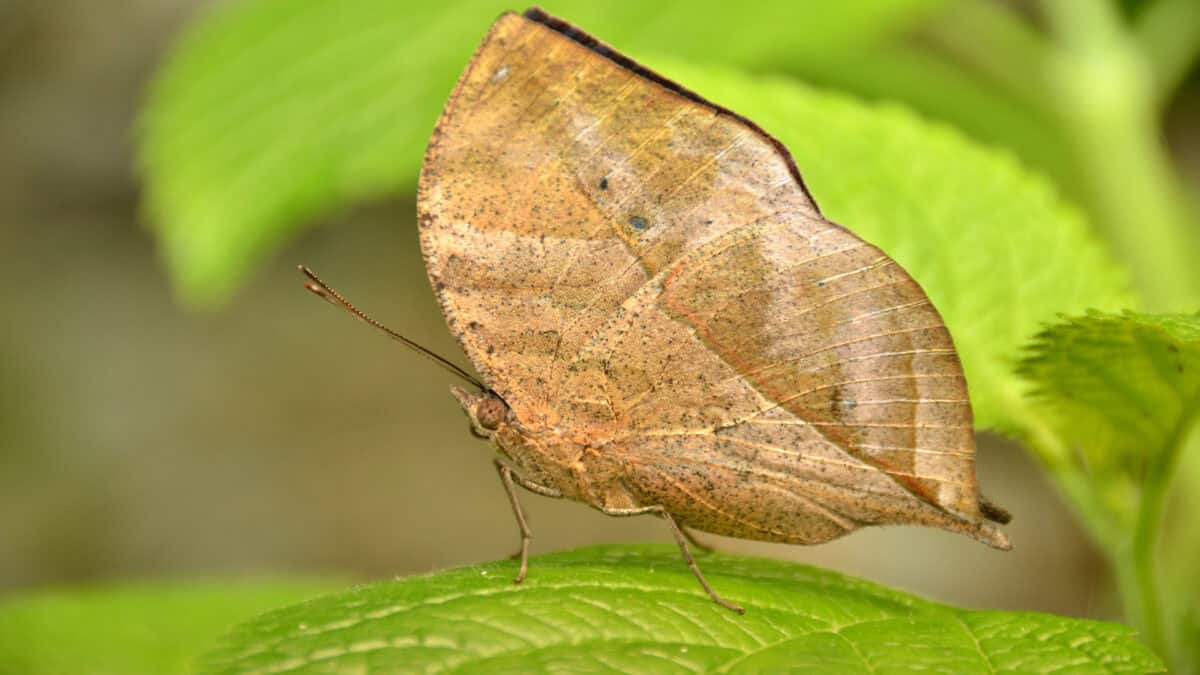
The Kallima, or dead leaf butterfly, found throughout tropical Asia, demonstrates one of the most precise environmental mimicries in nature. With wings closed, these butterflies are virtually indistinguishable from dead leaves, complete with veins, midribs, and even what appear to be fungal spots and decay marks. Their disguise extends to behavior as well—they often position themselves among real dead leaves and adopt irregular flight patterns that resemble falling leaves when moving between resting spots. What makes this disguise particularly fascinating is the stark contrast between the butterfly’s camouflaged exterior and its brilliantly colored wing interior, which flashes vibrant blues, oranges, and purples during flight. This dual-purpose adaptation allows the Kallima to both avoid predation when at rest and attract mates when in flight, demonstrating the complex evolutionary balance between survival and reproduction.
The Cuttlefish’s Color-Changing Mastery

🔥 Would you like to save this?
We'll email this post to you, so you can come back to it later!
Cuttlefish possess perhaps the most sophisticated color-changing abilities in the animal kingdom, making them extraordinary masters of disguise. These cephalopods can transform their appearance in less than a second using specialized skin cells that include chromatophores (pigment cells), iridophores (reflector cells), and leucophores (white cells). This complex arrangement allows cuttlefish to produce an almost limitless palette of colors, patterns, and textures. What truly sets cuttlefish apart is their ability to analyze their surroundings and create a customized camouflage pattern that matches not just the colors but also the texture and lighting conditions of their environment. Studies have shown that cuttlefish can even produce different camouflage patterns on different sides of their bodies simultaneously, allowing them to hide from predators approaching from multiple angles. Despite being colorblind themselves, cuttlefish create these precise color matches through unique visual processing mechanisms that scientists are still working to fully understand.
The Arctic Fox’s Seasonal Transformation
🔥 Would you like to save this?
We'll email this post to you, so you can come back to it later!
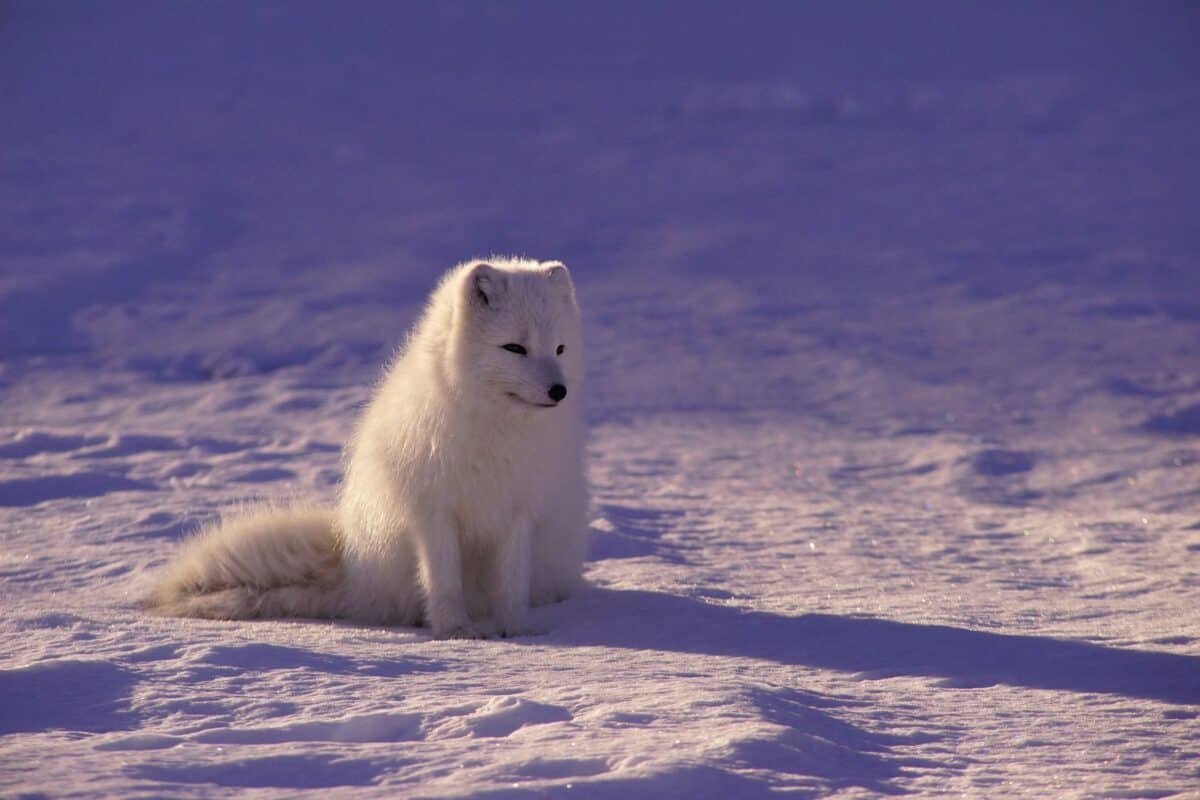
The Arctic fox (Vulpes lagopus) demonstrates one of the most dramatic seasonal disguise transformations among mammals. During winter months, these foxes develop a thick, pure white coat that perfectly blends with the snow-covered tundra landscape, making them nearly invisible to both predators and prey. As spring arrives and the snow begins to melt, Arctic foxes undergo a remarkable transformation, shedding their white fur to reveal a brownish-gray summer coat that matches the exposed rocks and vegetation of their habitat. This seasonal color change is triggered by changes in daylight hours rather than temperature, ensuring the fox’s camouflage remains synchronized with its environment regardless of unusual weather patterns. The adaptation is critical for survival in the harsh Arctic climate, where these small predators must hunt lemmings and other small mammals while avoiding larger predators like wolves and polar bears. The Arctic fox’s disguise ability extends beyond fur color—their compact bodies, short muzzles, and small rounded ears minimize heat loss while also reducing their visible profile against the stark Arctic landscape.
The Remarkable Tawny Frogmouth

🔥 Would you like to save this?
We'll email this post to you, so you can come back to it later!
Often mistaken for an owl, the tawny frogmouth (Podargus strigoides) of Australia demonstrates how effective posture can be in creating a convincing disguise. When sensing danger, these birds adopt their iconic “broken branch” pose—stretching their bodies, stiffening, closing their eyes to narrow slits, and pointing their beaks upward to eliminate their facial features. Their mottled gray, white, and brown plumage perfectly mimics the appearance of tree bark, while their nearly frozen posture eliminates the movement that might otherwise give them away. Tawny frogmouths will maintain this rigid position for hours if necessary, even when approached closely by potential threats. During breeding season, these birds take camouflage a step further by covering their nests and themselves with downy feathers that resemble lichen growing on branches. Unlike many camouflage specialists that rely solely on color matching, the tawny frogmouth’s disguise success comes primarily from its exceptional ability to mimic both the appearance and behavior of an inanimate object.
The Deceptive Orchid Mantis

🔥 Would you like to save this?
We'll email this post to you, so you can come back to it later!
The orchid mantis (Hymenopus coronatus) employs a fascinating form of aggressive mimicry that turns the concept of camouflage on its head. Rather than simply blending into its surroundings, this Southeast Asian insect has evolved to resemble a flower—specifically a pink or white orchid—to attract prey rather than avoid predators. Its legs are flattened and shaped like petals, while its body displays the appropriate coloration to complete the floral disguise. Research has shown that the orchid mantis doesn’t need to position itself on actual flowers to be effective; it is so convincing that pollinating insects are more attracted to the mantis than to real flowers in its vicinity. This remarkable adaptation allows these predators to simply wait as their prey approaches voluntarily, drawn to what appears to be a nectar-rich flower. The disguise serves a dual purpose, also protecting the mantis from birds and other potential predators that overlook it as just another tropical bloom in the forest canopy.

Glass Hummingbird Feeder for Outdoors Hanging, 16 oz Leak-Proof Nectar Feeder with Bee Guards & Ant Moat
Check Price on AmazonAs an Amazon Associate, we earn from qualifying purchases.
10/7/2026 1:22 pm GMTi

Earth Rated XL Dog & Puppy Pee Pads, Discreet Top, Max Absorbency
Check Price on AmazonAs an Amazon Associate, we earn from qualifying purchases.
10/7/2026 1:28 pm GMTi

Portable Dog Water Bottle Foldable Dog Travel Water Bottle
Check Price on AmazonAs an Amazon Associate, we earn from qualifying purchases.
10/7/2026 1:29 pm GMTi

Dog Stairs for Bed 18" H, 4-Step Dog Steps for High Bed
Check Price on AmazonAs an Amazon Associate, we earn from qualifying purchases.
10/9/2026 2:42 pm GMTi

Halloween Cat Costume Cloak Witch Hat Pet Accessories
Check Price on AmazonAs an Amazon Associate, we earn from qualifying purchases.
10/9/2026 2:44 pm GMTi
The Leaf-Tailed Gecko’s Perfect Imitation

🔥 Would you like to save this?
We'll email this post to you, so you can come back to it later!
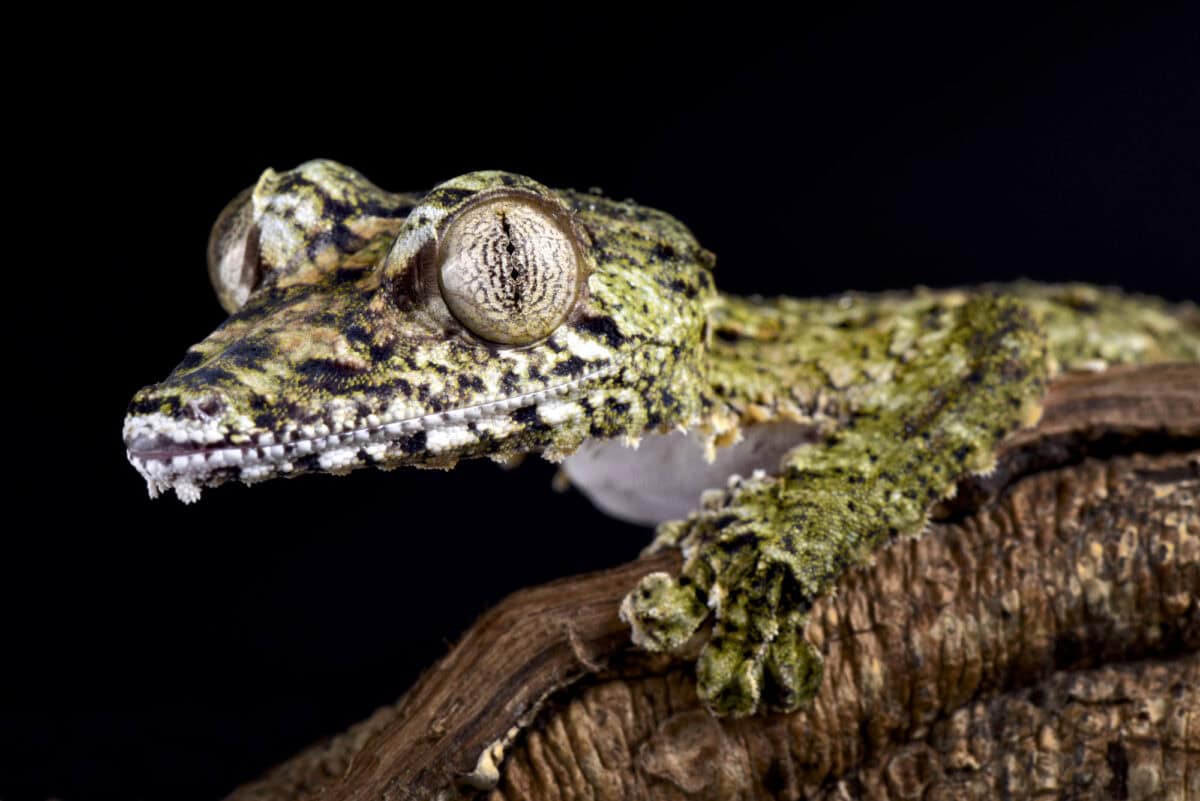
The leaf-tailed geckos of Madagascar, particularly the Uroplatus genus, have perfected the art of disguise through both physical adaptations and behavioral strategies. Their bodies feature irregular edges that mimic leaf margins, complete with notches, spots, and even what appear to be decay marks. Their flattened bodies and extravagantly wide tails are textured and colored to resemble dead leaves, right down to the veins and occasional fungal spots. What makes these geckos particularly remarkable is how they complement their physical disguise with strategic positioning—they press their bodies flat against tree trunks, eliminate any shadows by filling gaps with their leaf-shaped appendages, and remain motionless during daylight hours. Some species, like Uroplatus phantasticus (the satanic leaf-tailed gecko), have evolved such extreme leaf mimicry that they even curl their tails to resemble dried, curled leaves. These geckos also possess skin flaps along their bodies that eliminate telltale shadows and break up their body outline, further enhancing their remarkable camouflage.
The Stone Flounder’s Adaptive Camouflage
🔥 Would you like to save this?
We'll email this post to you, so you can come back to it later!
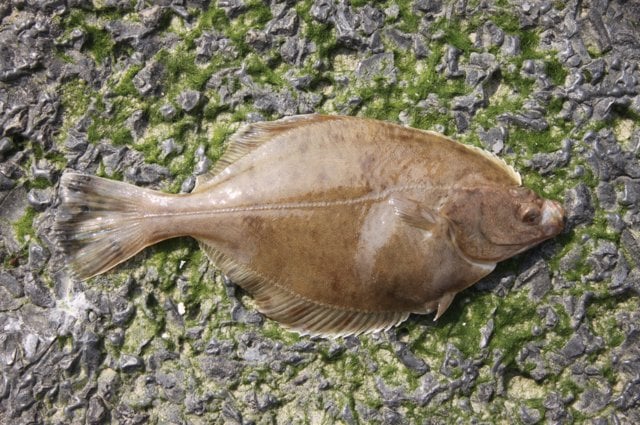
The stone flounder (Kareius bicoloratus) exemplifies how fish have evolved sophisticated camouflage techniques for life on the ocean floor. These flatfish begin life as normally oriented fish with eyes on both sides of their head, but undergo a remarkable metamorphosis as juveniles. One eye migrates across the head to join the other, and the fish begins to swim on its side, with both eyes facing upward. The upward-facing side develops the extraordinary ability to change color and pattern to match the surrounding seafloor with remarkable precision. Studies have shown that stone flounders can recreate complex patterns including sand ripples, pebbles, and even artificial checkerboard patterns placed on the seabed. This dynamic camouflage is accomplished through specialized cells called chromatophores that contain different pigments, which can be expanded or contracted to create different colors and patterns. The disguise is so effective that stone flounders can disappear from sight almost instantly when settling on a new patch of seafloor, making them nearly invisible to both predators and prey despite often inhabiting relatively barren underwater environments.
The Bird-Dropping Spider
🔥 Would you like to save this?
We'll email this post to you, so you can come back to it later!
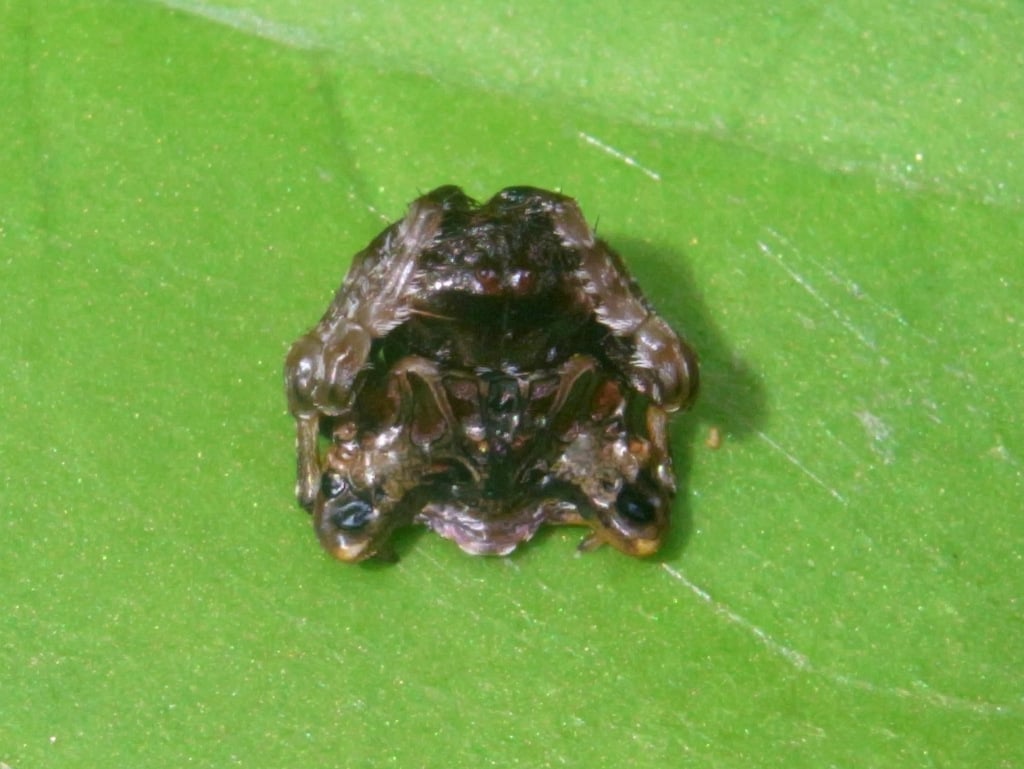
The bird-dropping spider (Celaenia excavata) of Australia demonstrates one of nature’s more unusual disguise strategies—mimicking something that predators actively avoid. As their name suggests, these arachnids have evolved to closely resemble bird droppings, complete with white, black, and sometimes brown coloration that mimics the appearance of avian excrement. During daylight hours, these spiders tuck their legs beneath their bodies and remain motionless on leaves or branches, completing the unappetizing disguise. This strategy exploits the natural aversion most predators have to fecal matter, effectively rendering the spider invisible not by blending in, but by appearing to be something undesirable. At night, the spider undergoes a remarkable transformation, extending its legs and becoming an active hunter that specializes in catching moths. The bird-dropping spider adds another layer to its disguise by producing a silk pad that resembles the white splatter pattern of bird droppings, on which it positions itself for maximum effect. This specialized form of camouflage is known as masquerade, where an animal resembles an inedible or uninteresting object rather than blending into the background.
The Walking Leaf Insect
🔥 Would you like to save this?
We'll email this post to you, so you can come back to it later!
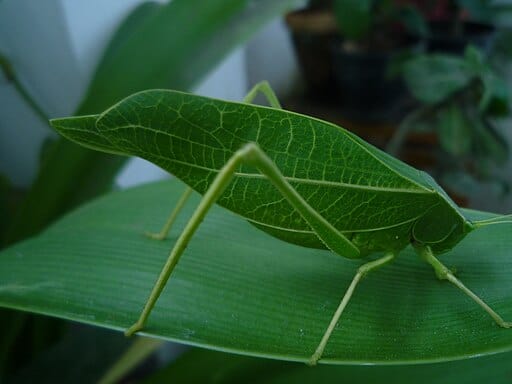
Leaf insects, particularly those from the Phylliidae family, represent perhaps the most perfect example of leaf mimicry in the animal kingdom. Unlike stick insects that resemble twigs, leaf insects have evolved flattened, leaf-shaped bodies complete with veins, irregular edges, and even apparent bite marks or signs of decay that make them indistinguishable from actual leaves. The disguise extends to their behavior—they often sway gently as if moved by a breeze and maintain a rigid posture when at rest. Some species, like the giant Malaysian leaf insect (Phyllium giganteum), can grow up to 4 inches long and feature translucent edges to their bodies that create the illusion of thin leaf margins when light passes through them. What makes leaf insects particularly fascinating is the variation among individuals, with some appearing as fresh green leaves while others mimic leaves in various stages of decay, complete with brown spots and yellowing edges. Even their eggs contribute to the disguise, closely resembling plant seeds both in appearance and in how they’re dispersed, providing protection for the next generation before they’ve even hatched.

Professional 7 in 1 Dog Paw Cleaner for Dogs & Cats - Includes 1 Portable Paw Washer, 1 Bath Brush
Check Price on AmazonAs an Amazon Associate, we earn from qualifying purchases.
10/7/2026 1:26 pm GMTi

Halloween Dog Collar with Bow, Orange Cute Ghost Collar,
Check Price on AmazonAs an Amazon Associate, we earn from qualifying purchases.
10/9/2026 2:43 pm GMTi

Smart Bird Feeder with Camera Solar Powered, 2K HD Live Video, 10,000+ Bird Species AI Identification
Check Price on AmazonAs an Amazon Associate, we earn from qualifying purchases.
10/7/2026 1:22 pm GMTi

2 Pcs Halloween Pet Hat Bandana Set, Witch Pumpkin Costumes for Dogs
Check Price on AmazonAs an Amazon Associate, we earn from qualifying purchases.
10/9/2026 2:45 pm GMTi

Air Purifiers for Home Pets Large Room Up to 3000 Ft²,HEPA Air Cleaner with Washable Double-Side Filter, PM2.5 Air Quality Monitor,15dB Sleep Mode for Bedroom Odor Dust Pollen,White
Check Price on AmazonAs an Amazon Associate, we earn from qualifying purchases.
10/8/2026 8:23 am GMTi
The Snow Leopard’s Vanishing Act

🔥 Would you like to save this?
We'll email this post to you, so you can come back to it later!
The snow leopard (Panthera uncia) demonstrates how effective camouflage can be even for large predators in seemingly sparse environments. Native to the rugged mountain ranges of Central and South Asia, these elusive big cats possess a pale gray to yellowish coat patterned with dark gray to black rosettes and spots that perfectly match the rocky, snow-dusted landscapes they inhabit. Their thick fur, which changes slightly in color seasonally, allows them to blend seamlessly against rock faces, scree slopes, and partially snow-covered terrain. Unlike many camouflage specialists that rely on remaining stationary, snow leopards maintain their disguise even while moving through their territory. Their long, thick tails, which help with balance when navigating steep terrain, are also wrapped around their bodies when resting, providing additional insulation while breaking up their body outline against the landscape. Snow leopards further enhance their natural camouflage by selecting travel routes and hunting positions that take advantage of the terrain’s natural features, often approaching prey from above where their coloration most effectively blends with the rocky backdrop of their mountainous habitat.
The Baron Caterpillar’s Bird Dropping Disguise

🔥 Would you like to save this?
We'll email this post to you, so you can come back to it later!
The caterpillar of the Baron butterfly (Euthalia aconthea) employs a strategy similar to the bird-dropping spider but with even more convincing detail. In its early instars (developmental stages), this caterpillar presents a remarkable resemblance to fresh bird droppings, with a glistening, moist-looking white and brown body that even includes what appears to be the white uric acid portion of bird excrement. As it matures, the caterpillar’s disguise evolves to resemble older, dried bird droppings, with darker coloration and a less shiny appearance. This transformation mirrors the natural aging process of actual bird droppings, maintaining the effectiveness of its disguise throughout its development. The caterpillar enhances its disguise by remaining motionless during daylight hours on the upper surfaces of leaves—exactly where birds would naturally defecate. This strategic positioning, combined with its appearance, creates such a convincing display that predatory birds and insects simply ignore it. The Baron caterpillar’s disguise demonstrates the remarkable specificity of natural selection, where even the subtleties of different ages of bird droppings are replicated to ensure survival.

Hand Blown Glass Hummingbird Feeders for Outdoors Hanging, 24oz Wild Bird Nectar Feeder
Check Price on AmazonAs an Amazon Associate, we earn from qualifying purchases.
10/7/2026 1:23 pm GMTi

PetSafe Oasys Pet Fountain, 1/2 Gallon (64 oz), Small Dogs & Cats
Check Price on AmazonAs an Amazon Associate, we earn from qualifying purchases.
10/8/2026 8:14 am GMTi

Orthopedic Extra Large Dog Bed, Waterproof Washable XL Pet Bed 44"
Check Price on AmazonAs an Amazon Associate, we earn from qualifying purchases.
10/7/2026 1:32 pm GMTi

Glass Hummingbird Feeder for Outdoors Hanging
Check Price on AmazonAs an Amazon Associate, we earn from qualifying purchases.
10/7/2026 1:21 pm GMTi
The Ghost Mantis’s Spectral Form
🔥 Would you like to save this?
We'll email this post to you, so you can come back to it later!
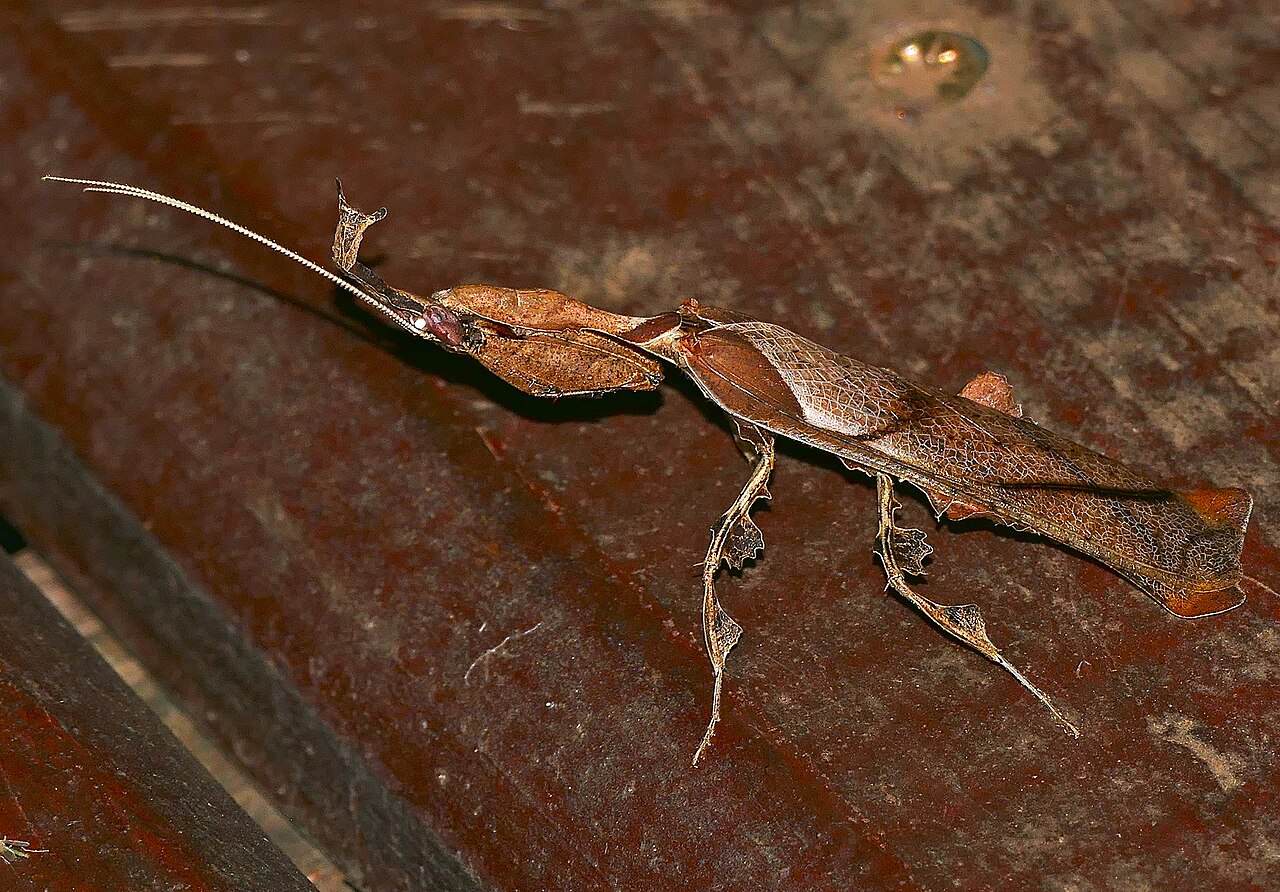
The ghost mantis (Phyllocrania paradoxa) from Africa represents one of the most otherworldly disguise specialists in the insect world. Unlike the bright, flower-mimicking orchid mantis, the ghost mantis has evolved to resemble dead, withered leaves with extraordinary detail. Its body features irregular, leaf-like extensions with serrated edges and veined textures in browns, grays, and sometimes greenish hues depending on its environment. What makes the ghost mantis particularly remarkable is the elaborate crown-like extension on its head that resembles a dried, curled leaf tip, and the flattened projections on its legs that eliminate shadows and break up its outline. This mantis enhances its disguise with behavior, often swaying gently as if it were a dead leaf moving in a light breeze. The ghost mantis’s camouflage is so effective that it continues to hunt while disguised, moving with glacial slowness toward prey until it’s within striking distance. Unlike many insects that use camouflage only during certain life stages, the ghost mantis maintains its dead leaf appearance throughout its life cycle, with even the juveniles resembling tiny fragments of decaying vegetation.
Conclusion:
🔥 Would you like to save this?
We'll email this post to you, so you can come back to it later!
The natural world is filled with extraordinary examples of camouflage, each evolved to meet the specific survival needs of the species that use it. From the leafy sea dragon’s drifting seaweed mimicry to the ghost mantis’s haunting imitation of dead foliage, these creatures demonstrate the remarkable power of evolution to shape life in ways that defy belief. Whether through color-changing cells, behavioral mimicry, or anatomical adaptations, each species showcases a unique solution to the age-old challenge of remaining unseen. These animal illusionists not only highlight nature’s creativity but also serve as a reminder of the delicate balance and complexity of ecosystems where even the ability to disappear can mean the difference between life and death.

As a little kid, I fell in love with nature, wildlife, and animals. Living in the USA, South Africa, Italy, China and Germany gave me the opportunity to discover the world's Wildlife. My favorite animals are Mountain Gorillas, Siberian Tigers, and Great White Sharks.
I'm a certified PADI Open Water Diver, went to Everest Base Camp and Trekked Gorillas in Uganda. I hold a Master of Science in Economics and Finance.
Please send any feedback to feedback@animalsaroundtheglobe.com
- 15 Animals That Are Masters of Disguise - November 9, 2026
- 12 Dog Breeds That Need the Most Grooming - November 9, 2026
- 14 Most Dangerous Predators Roaming North America - November 9, 2026
Leave a comment
You must be logged in to post a comment.