
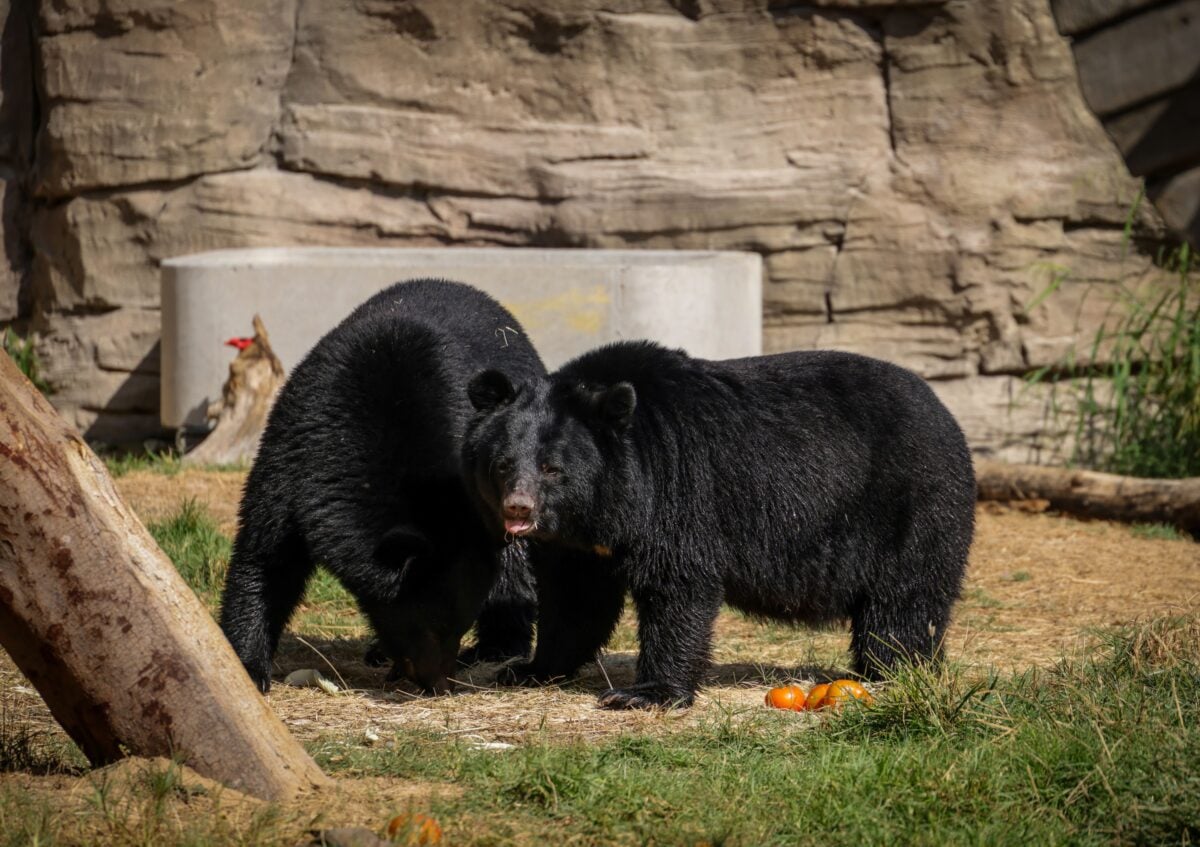
Bears raiding a bird feeder is an old story. A bear climbing through a bedroom window is a newer one. This year, wildlife agencies have been fielding calls about exactly that kind of thing.
According to The Washington Post, agencies in at least 15 states have reported increased calls this year, as drought and population growth drive the animals closer to people in search of food. Eight of those states tell the story especially well, and each one has its own twist.
8. Colorado: The State Where the Surge Is Loudest
🔥 Would you like to save this?
We'll email this post to you, so you can come back to it later!
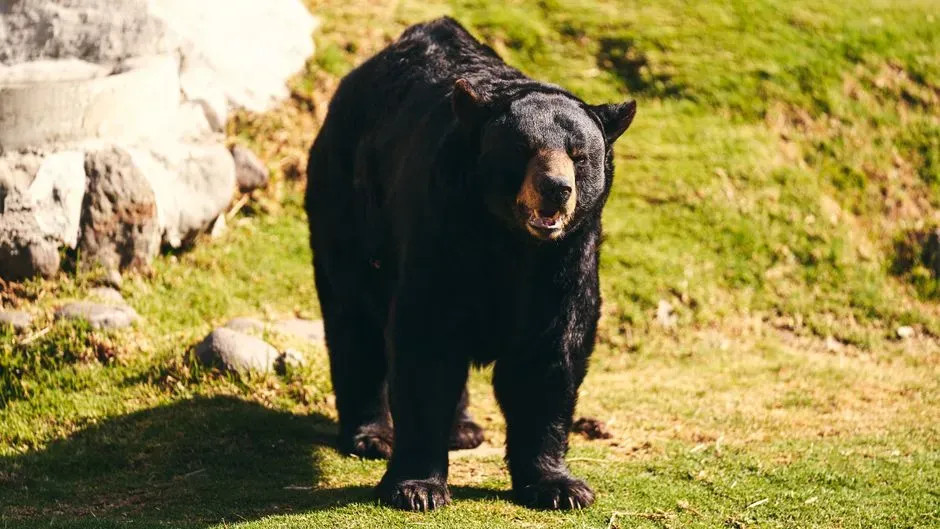
If one state sits at the center of 2026’s bear headlines, it’s Colorado. Colorado has seen the biggest surge in black bear activity. Reports have increased by as much as 200 percent in some places.
Drought is a big part of the explanation. Dry conditions in Colorado, Montana, Nevada, Utah and other western states are cutting into the resources bears depend on. When berries and acorns fail, a garage freezer or an unlatched dumpster starts to look pretty good.
Mountain towns feel it most, since homes sit right up against bear habitat. Still, the pressure isn’t limited to resort communities. Any neighborhood with a nearby green belt can end up on a hungry bear’s route.
7. Connecticut: Bears That Have Learned the Way Indoors
🔥 Would you like to save this?
We'll email this post to you, so you can come back to it later!
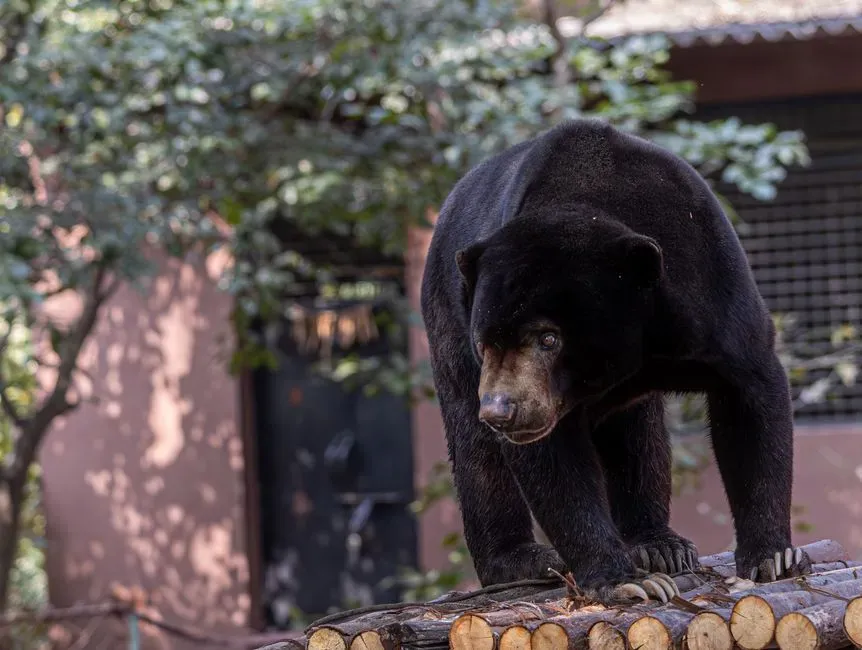
Connecticut may be the most surprising entry here. It’s a small, crowded state, yet bears have been walking into houses. Reports say bears have entered more than sixty homes this year.
That isn’t a one year blip. The number has risen over the past seven years and is higher than in neighboring states. Connecticut is also a notable case because many states use hunting to manage their black bear populations, but Connecticut does not.
Whether hunting would change the picture isn’t something the evidence settles. Bears learn from experience, and a home with easy food is a lesson they tend to repeat. Wildlife officials in the region have also suggested that some of this learned behavior may be spreading to neighboring areas.
6. Utah: Record Highs in Cities
🔥 Would you like to save this?
We'll email this post to you, so you can come back to it later!
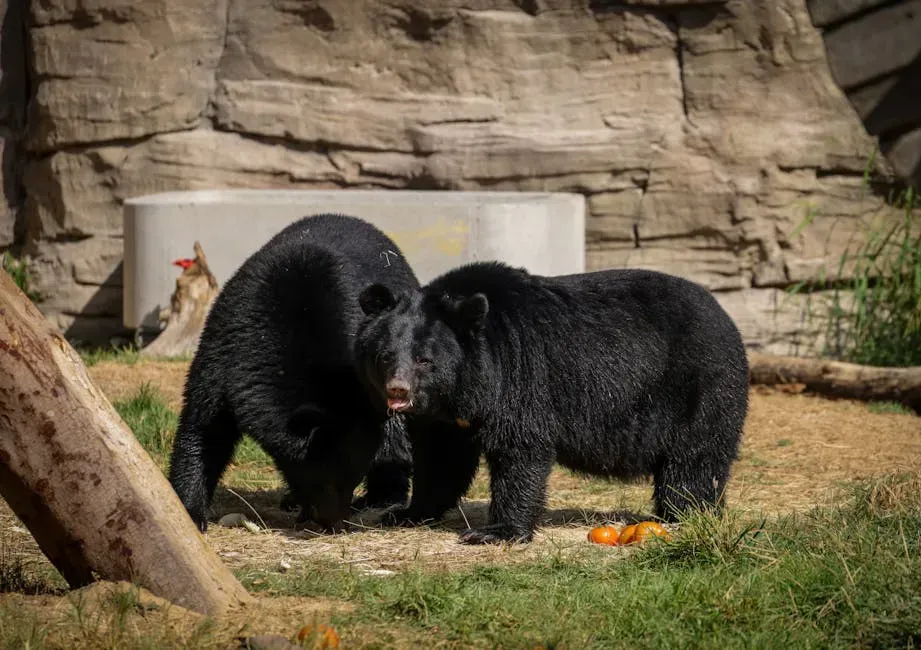
Utah’s numbers have been climbing fast. Bears in the state’s cities have reached a record high. One roundup cites at least 168 black bear incidents so far this year, double the previous year’s count.
The likely driver is the same dry weather hitting its neighbors. Bears that can’t find enough natural food will travel farther, and Utah’s towns often sit just below the canyons and foothills where they live.
Residents often notice the problem through small things first. They might find a tipped trash can or a raided fruit tree. Those are the early signs that a bear has figured out your street.
5. California: From Mountain Towns to the Edges of Los Angeles
🔥 Would you like to save this?
We'll email this post to you, so you can come back to it later!
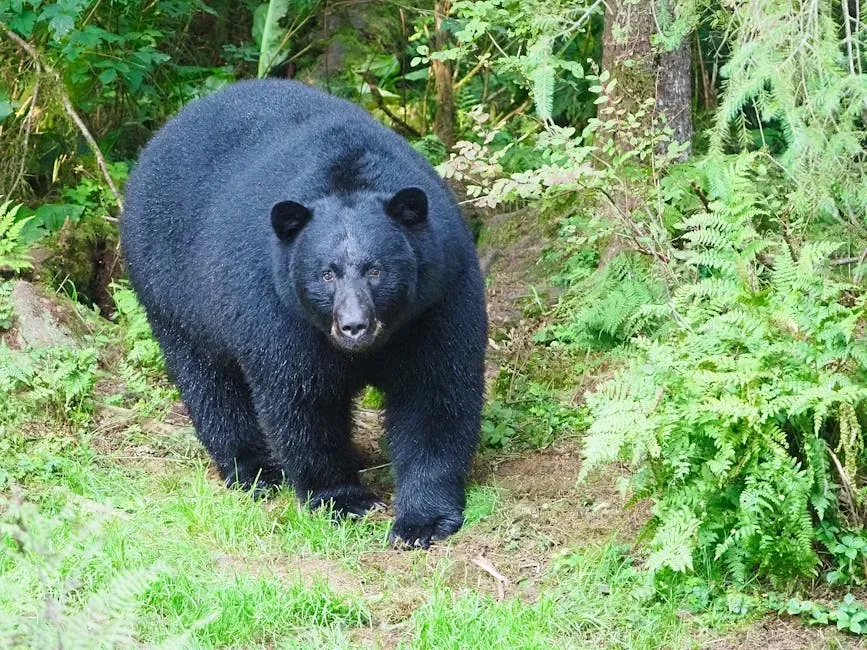
California has long had black bears, but the setting keeps changing. There have been reports of bears wandering the suburbs of Los Angeles. That’s a long way from the stereotype of a bear deep in the backcountry.
Northeastern University reported that bear sightings have increased in most areas of the United States and Canada over the last five years, drawing on data from the International Association for Bear Research and Management. California fits that wider pattern.
Foothill neighborhoods are the usual hot spots, because homes and wild land meet there. A bear moving through a canyon can end up in a backyard without ever crossing what feels like a border.

Earth Rated XL Dog & Puppy Pee Pads, Discreet Top, Max Absorbency
Check Price on AmazonAs an Amazon Associate, we earn from qualifying purchases.
10/7/2026 1:28 pm GMTi

Halloween Cat Costume Cloak Witch Hat Pet Accessories
Check Price on AmazonAs an Amazon Associate, we earn from qualifying purchases.
10/9/2026 2:44 pm GMTi

2 Pcs Halloween Pet Hat Bandana Set, Witch Pumpkin Costumes for Dogs
Check Price on AmazonAs an Amazon Associate, we earn from qualifying purchases.
10/9/2026 2:45 pm GMTi

Dog Stairs for Bed 18" H, 4-Step Dog Steps for High Bed
Check Price on AmazonAs an Amazon Associate, we earn from qualifying purchases.
10/9/2026 2:42 pm GMTi

Orthopedic Extra Large Dog Bed, Waterproof Washable XL Pet Bed 44"
Check Price on AmazonAs an Amazon Associate, we earn from qualifying purchases.
10/7/2026 1:32 pm GMTi
4. North Carolina: Mountain Scenery With Bears Attached
🔥 Would you like to save this?
We'll email this post to you, so you can come back to it later!
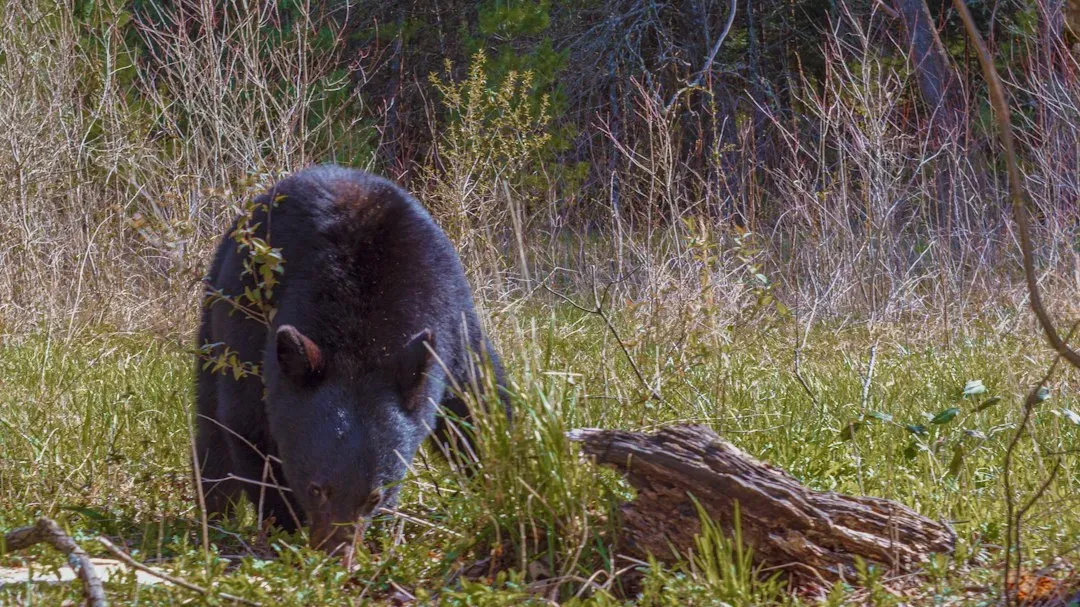
Western North Carolina is a prime example of bears and people sharing the same hillsides. Bears come with the territory in the mountains. Around Asheville, bears have turned up in yards, on porches, and near busy roads.
North Carolina was also named among the states with notably increased encounters this year. Growth in mountain housing has pushed more homes into forest, which makes close encounters more likely even when bear numbers hold steady.
The Great Smoky Mountains region has a related situation. The national park is the country’s most visited and home to nearly 2,000 black bears, with some that wander between the park and the city.
3. Massachusetts: A Comeback Story With Side Effects
🔥 Would you like to save this?
We'll email this post to you, so you can come back to it later!
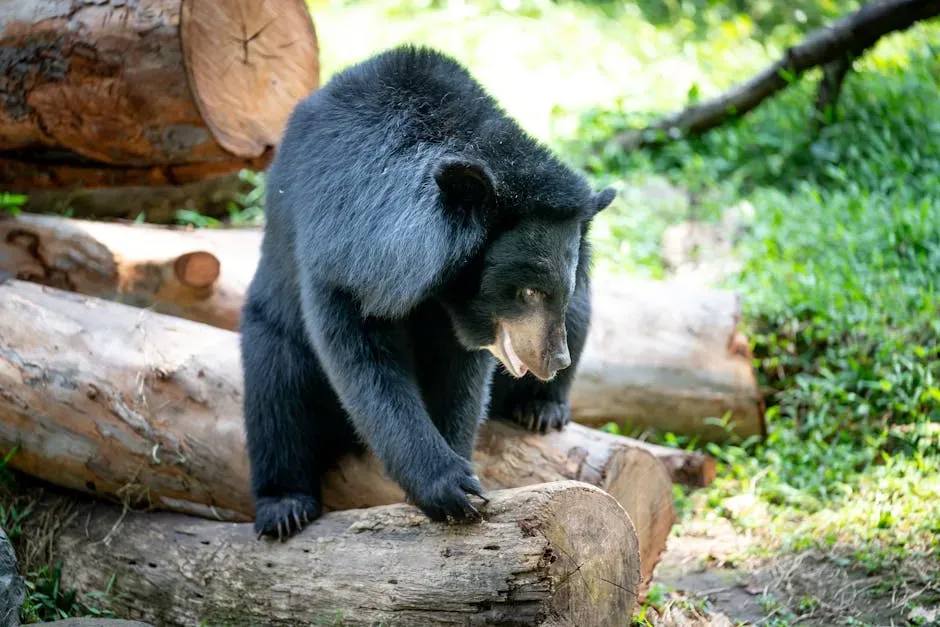
Massachusetts shows how a conservation success can bring complications. The state’s Division of Fisheries and Wildlife reports the black bear population now numbers over 4,500, compared to 100 only 50 years ago. That’s a remarkable recovery.
More bears means more chances for them to meet people, especially in the greater Boston area’s wooded suburbs. Massachusetts has also seen an increase in bears entering homes.
Even so, some experts note that serious conflict remains uncommon. In developed places like Massachusetts and Connecticut, bears and humans are reported to have minimal negative interaction. Most visits end with nothing worse than a mess.

Halloween Dog Collar with Bow, Orange Cute Ghost Collar,
Check Price on AmazonAs an Amazon Associate, we earn from qualifying purchases.
10/9/2026 2:43 pm GMTi

Hand Blown Glass Hummingbird Feeders for Outdoors Hanging, 24oz Wild Bird Nectar Feeder
Check Price on AmazonAs an Amazon Associate, we earn from qualifying purchases.
10/7/2026 1:23 pm GMTi

Portable Dog Water Bottle Foldable Dog Travel Water Bottle
Check Price on AmazonAs an Amazon Associate, we earn from qualifying purchases.
10/7/2026 1:29 pm GMTi

Air Purifiers for Home Pets Large Room Up to 3000 Ft²,HEPA Air Cleaner with Washable Double-Side Filter, PM2.5 Air Quality Monitor,15dB Sleep Mode for Bedroom Odor Dust Pollen,White
Check Price on AmazonAs an Amazon Associate, we earn from qualifying purchases.
10/8/2026 8:23 am GMTi

Smart Bird Feeder with Camera Solar Powered, 2K HD Live Video, 10,000+ Bird Species AI Identification
Check Price on AmazonAs an Amazon Associate, we earn from qualifying purchases.
10/7/2026 1:22 pm GMTi
2. Pennsylvania: A Big Bear State With Growing Suburbs
🔥 Would you like to save this?
We'll email this post to you, so you can come back to it later!
Pennsylvania has one of the country’s larger bear populations. The animals aren’t confined to remote woods. Spring and summer of 2026 offered a vivid example.
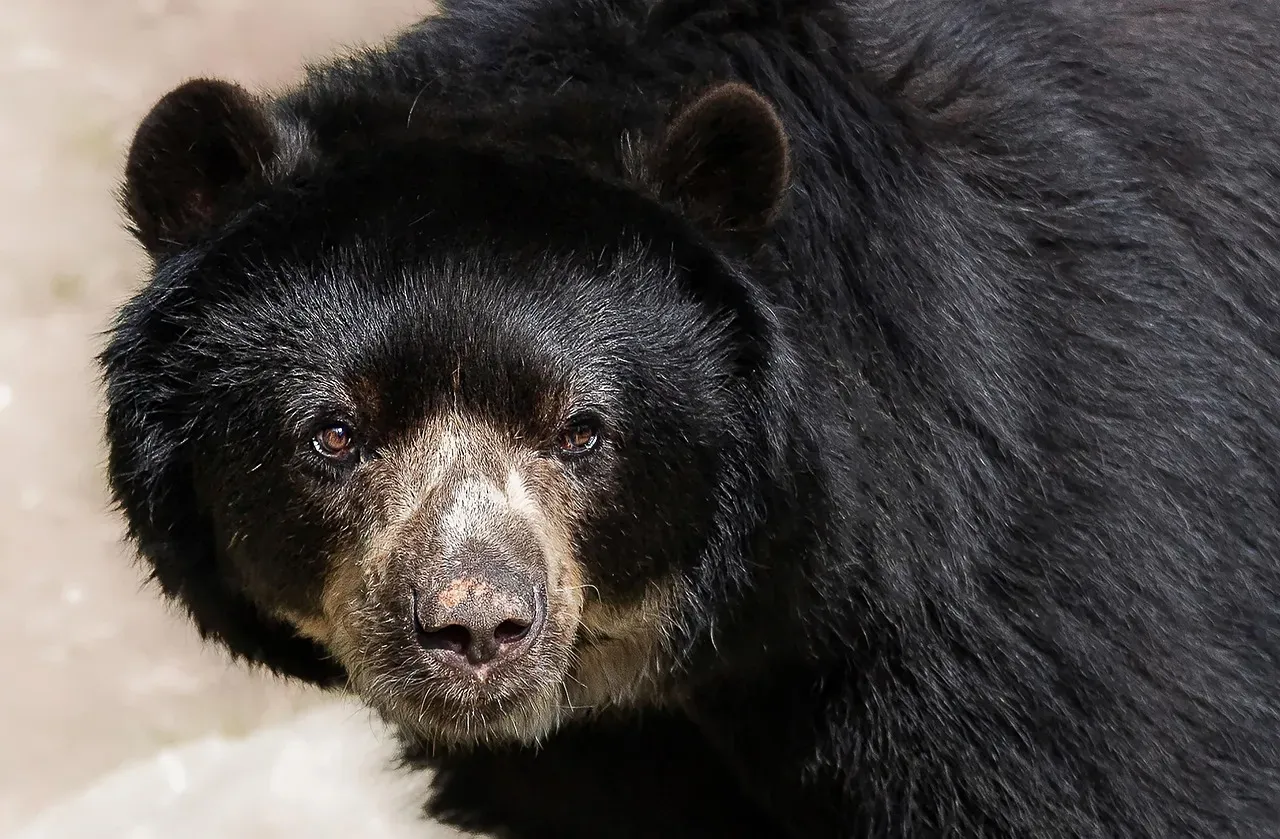
On June 9, a black bear was caught on a home security camera wandering the streets of Media, a suburb in Delaware County. That’s close to Philadelphia, which surprises many people.
Young bears tend to disperse in early summer, looking for territory of their own. Doorbell cameras and neighborhood apps now capture these wanderers, which may make the trend feel bigger than it is. The real increase in sightings is still well documented.
1. New Jersey: Dense Suburbs With Bears in the Mix
🔥 Would you like to save this?
We'll email this post to you, so you can come back to it later!
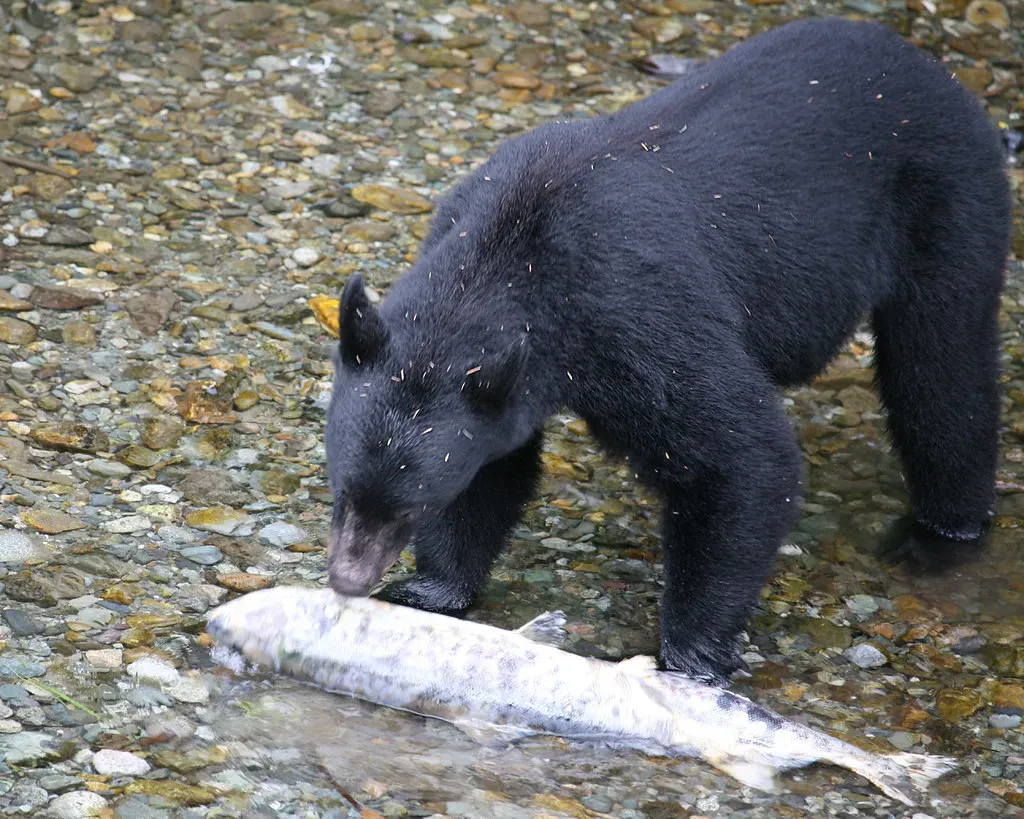
New Jersey tops the list for sheer contrast. It’s the most densely populated state in the country, yet it also has a sizable black bear population concentrated in the northwestern counties.
The state is a reminder that bears don’t need wilderness, only food and cover. Suburban yards offer plenty of both, including trash, pet food, grills and bird feeders.
Because homes and woodlots are so intertwined there, coexistence tends to depend on household habits. Securing garbage and removing food attractants are the main ways residents can lower the odds of a visit.

Glass Hummingbird Feeder for Outdoors Hanging
Check Price on AmazonAs an Amazon Associate, we earn from qualifying purchases.
10/7/2026 1:21 pm GMTi

Glass Hummingbird Feeder for Outdoors Hanging, 16 oz Leak-Proof Nectar Feeder with Bee Guards & Ant Moat
Check Price on AmazonAs an Amazon Associate, we earn from qualifying purchases.
10/7/2026 1:22 pm GMTi

PetSafe Oasys Pet Fountain, 1/2 Gallon (64 oz), Small Dogs & Cats
Check Price on AmazonAs an Amazon Associate, we earn from qualifying purchases.
10/8/2026 8:14 am GMTi

Professional 7 in 1 Dog Paw Cleaner for Dogs & Cats - Includes 1 Portable Paw Washer, 1 Bath Brush
Check Price on AmazonAs an Amazon Associate, we earn from qualifying purchases.
10/7/2026 1:26 pm GMTi
Final Thoughts
🔥 Would you like to save this?
We'll email this post to you, so you can come back to it later!
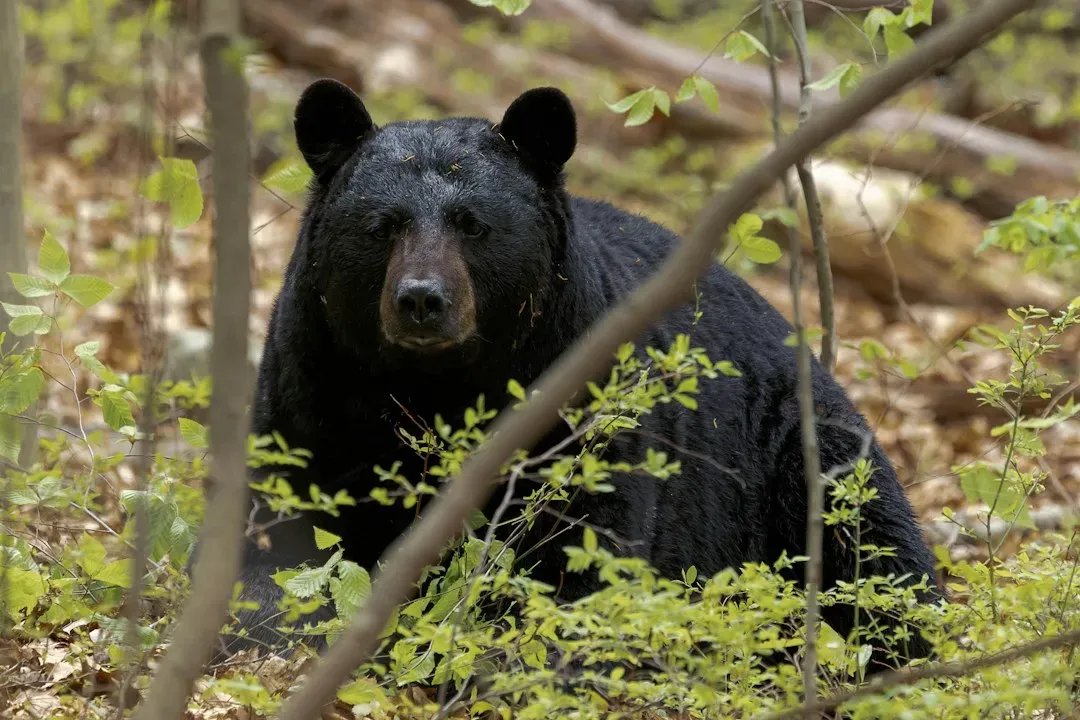
It’s tempting to blame the bears, but I think that gets the story backwards. The animals are doing what they’ve always done, which is following calories. We’re the ones who keep leaving the calories out.
Population recovery is a real success, since black bears were once nearly eliminated by European settlers, and reforestation has since reestablished populations in at least 40 states. Drought and development are the complicating factors this year. Neither will vanish soon.
The practical answer is boring, which is probably why it gets ignored. Lock up trash, pull feeders in warmer months and don’t treat a bear in the yard as a photo op. A little tedious effort now beats a bear in the kitchen later.

- 8 U.S. States Where Black Bears Are Increasingly Showing Up in Suburbs - November 9, 2026
- 19 Things a Cat Does in a Quiet House That a Busy One Never Sees - November 9, 2026
- 13 Signals a Cat Gives Before It Accepts a Second Person - November 9, 2026