

Everyone likes to believe that animals are resilient. Toss them in a new home, give them a few weeks, and surely they’ll forget the old life and settle in, right? That’s the comforting story shelters, zoos, and even wildlife agencies have told for decades.
But when researchers actually followed these animals after separation, the story fell apart. Some stopped eating. Some stopped singing. Some searched for a missing partner for months, calling out into empty air. This isn’t sentimentality; it’s documented behavior, and it starts with a lizard nobody expected to care this much.
#15 – Sleepy Lizards Keep the Same Partner for 27 Years – And Fall Apart Without Them
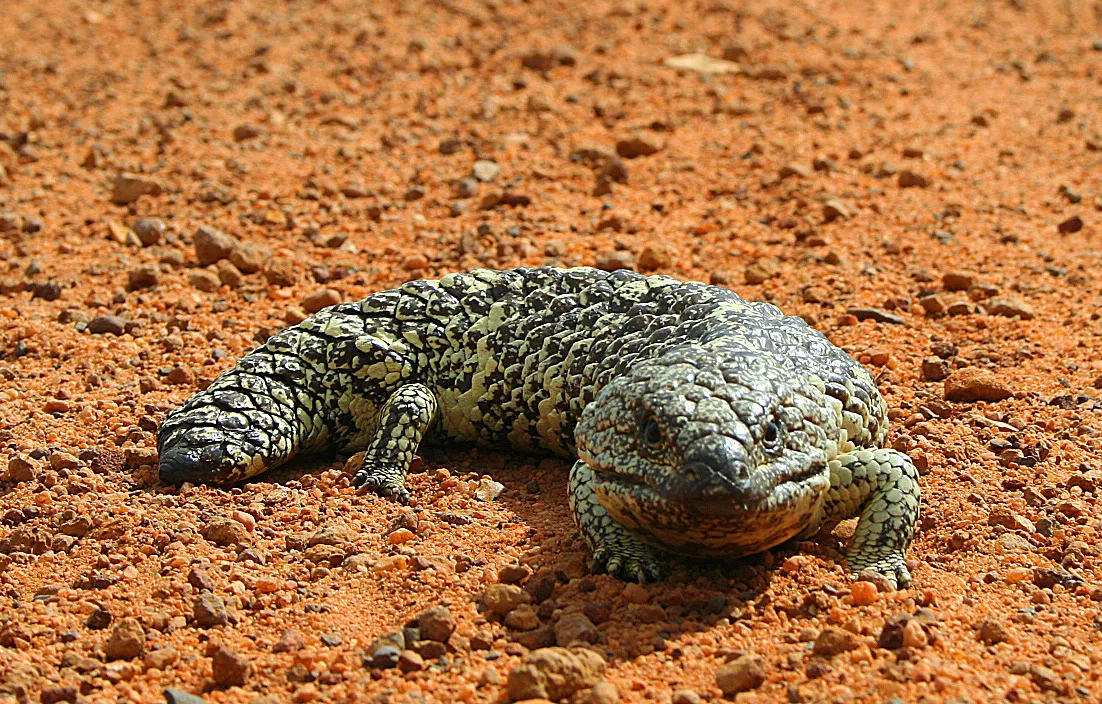
Reptiles have a reputation for being cold, detached, practically robotic. Sleepy lizards blow that stereotype apart. These slow-moving Australian skinks return to the same partner year after year, sometimes for decades, walking side by side through the same territory like an old married couple taking their evening stroll.
Split a bonded pair and the survivor doesn’t just find a replacement and move on. Its activity drops, its ranging patterns shift, and rescuers say re-pairing rarely brings back the old vigor. One long-term study followed pairs for up to 27 years and found the bonded ones out-reproduced and out-survived every new match. That’s not instinct on autopilot. That’s investment in one specific relationship, and it’s exactly why the next animal on this list caught researchers off guard.
Fast Facts
- Native to Australia, sleepy lizards are also known as shingleback or bobtail skinks
- Some bonded pairs have been tracked returning to each other for up to 27 straight years
- Reunited couples out-survive and out-reproduce newly formed pairs
- Partners are often found within meters of each other every mating season
#14 – California Mice Stay Faithful Even When Temptation Walks Right In
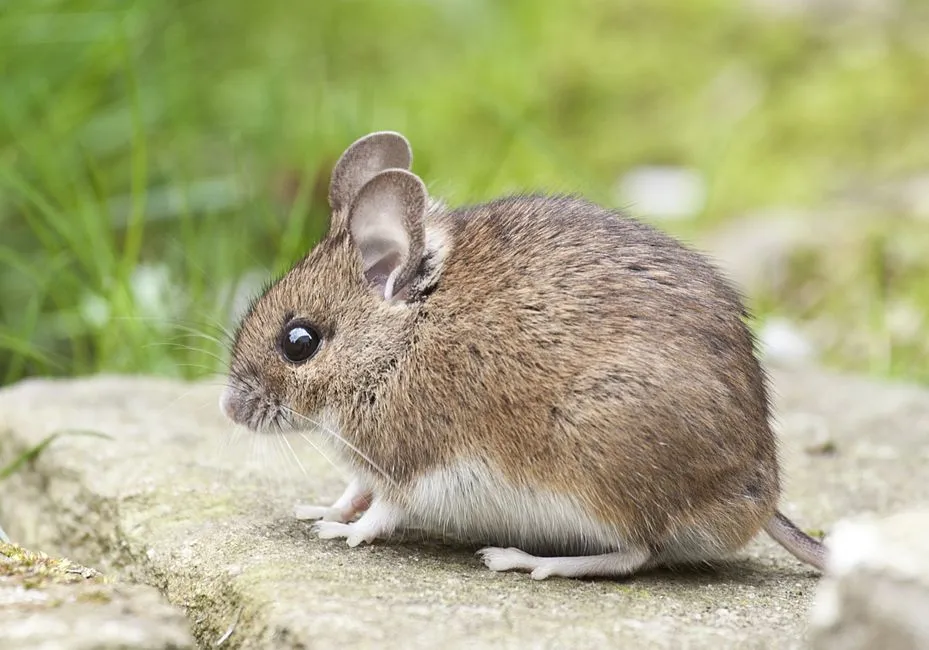
Put a California mouse in a cage with a tempting new partner and something strange happens: nothing. Most stay loyal to their original mate even when a fresh option is right there. It’s the kind of fidelity researchers don’t expect from a rodent the size of a thumb.
Widowhood changes everything. Shelter workers who care for orphaned lab mice say these animals often stop eating and withdraw completely after losing a cage mate, and reunited pairs have been known to let out distressed “angry barks” for days after any separation, justified or not. A creature this small carrying grief this visibly should make anyone rethink how casually rehoming decisions get made.
#13 – Sandhill Cranes Dance for Decades, Then Grieve in Silence
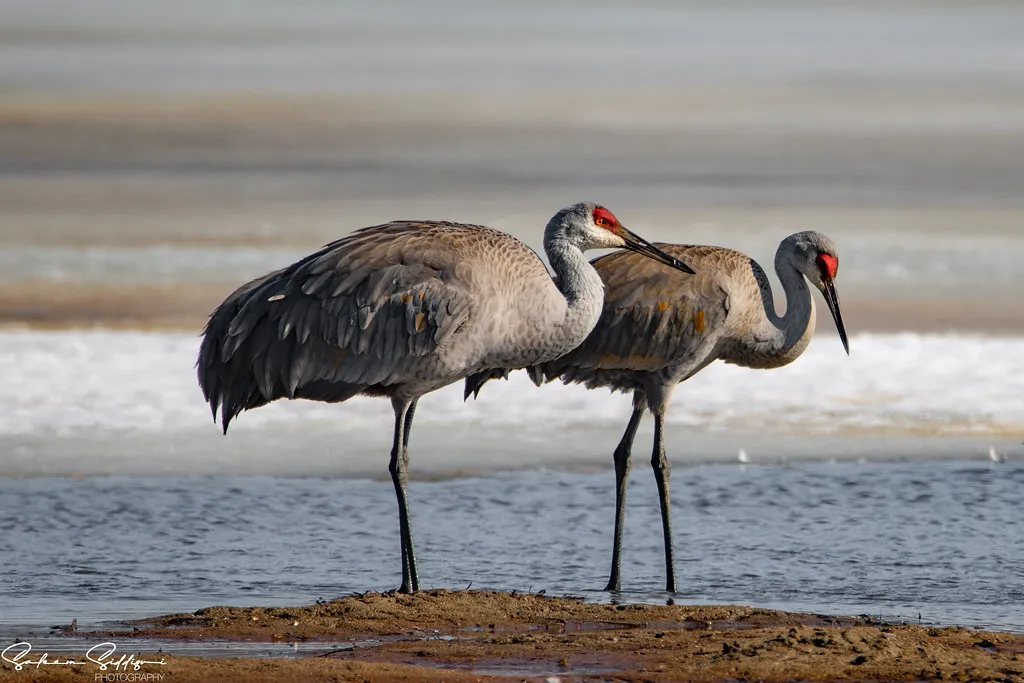
Sandhill cranes court each other with an elaborate, leaping, bowing dance that looks almost choreographed. That dance seals a bond that can last the bird’s entire life. It’s not performance for performance’s sake; it’s the glue holding a decades-long partnership together.
When one partner vanishes, the other often stops dancing altogether. Wildlife rehabilitators regularly see cranes arrive alone after a mate’s death or capture, and many never fully regain breeding condition again. Some males have even been documented mimicking their lost partner’s specific call long after the separation, as if still trying to bring them home.
#12 – Ravens Remember Their Partner’s Voice Long After They’re Gone
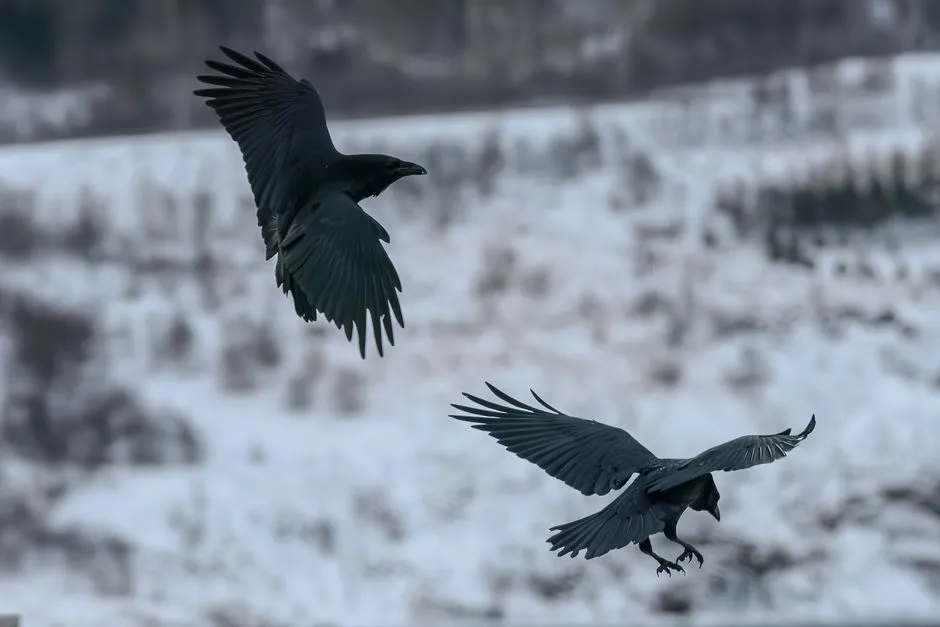
Ravens groom each other daily, coordinate hunts, and defend territory as a unit. It’s a partnership built on constant, deliberate contact, not just proximity. Take that away suddenly, and the change in behavior is impossible to miss.
Sanctuaries report that ravens who lose a long-term companion become less social and noticeably more aggressive toward new birds introduced afterward. Some have even been observed staying near a deceased partner’s body for extended periods before finally moving on, a behavior that looks uncomfortably close to mourning. Try telling a bird sanctuary worker that ravens “just move on.”
#11 – Beavers Let the Dam Fall Apart When Their Mate Disappears
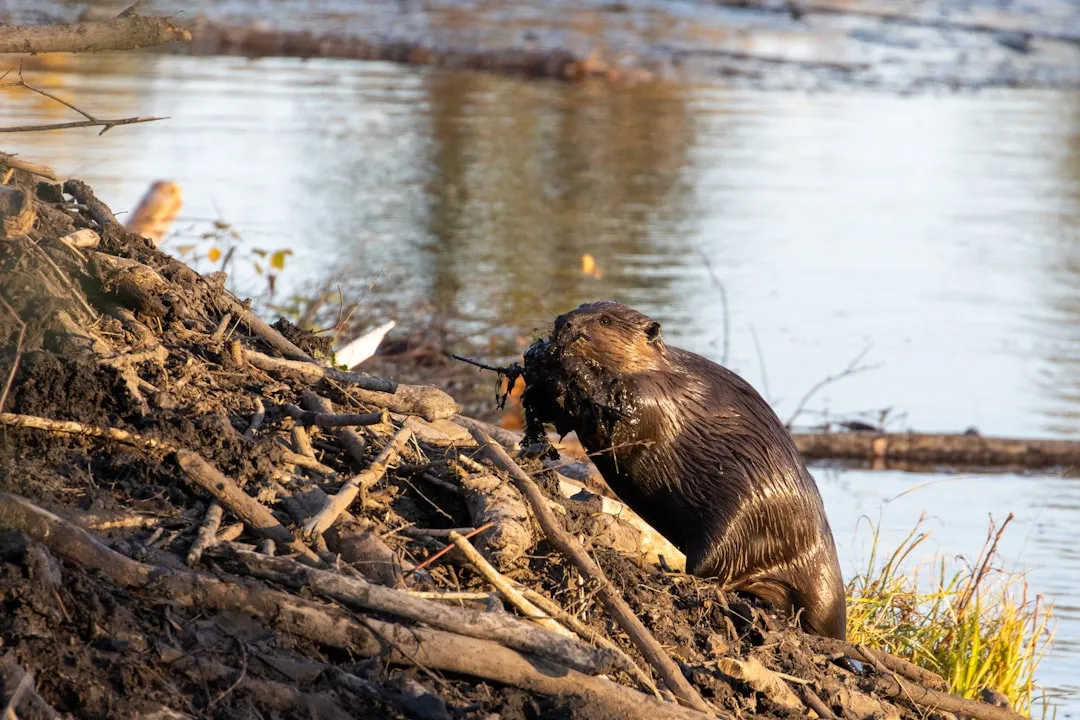
Beavers are engineers, and their lodges are joint projects built and maintained by both partners over years. Remove one from the equation and the survivor often lets the structure decay, sometimes abandoning it outright. That neglect isn’t laziness; it’s a collapse of the shared system that kept the family safe.
Wildlife managers note that widowed beavers take longer to claim new territory and frequently skip breeding seasons entirely. Pairs that lose a partner show delayed kit production compared to intact couples, meaning one rehoming decision can echo through an entire breeding cycle. The hidden cost isn’t obvious until you’re watching a half-finished dam wash away in the rain.
#10 – Gibbons Sing Love Songs Every Morning – Until One Voice Goes Quiet
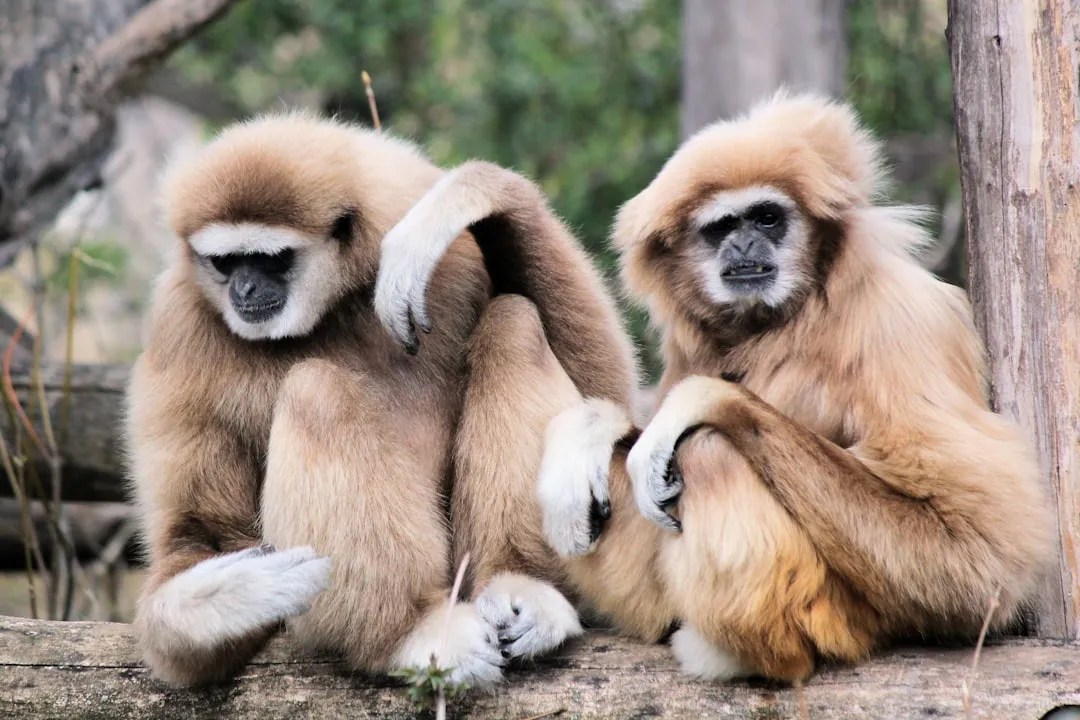
Every morning, gibbon pairs perform duets that ring through the forest canopy, a daily ritual that reinforces bonds lasting 20 to 30 years. It’s one of the most recognizable sounds in the primate world, and it only works with two voices.
Separate a gibbon pair and both individuals show elevated stress hormones along with a noticeable drop in singing. Primate centers report that gibbons rehomed without their mate often develop repetitive, stereotypic behaviors and resist new pairings altogether. Some pairs have even been heard calling toward each other across long distances after being forced apart, an acoustic loyalty that makes sanctuary transfers a genuinely delicate operation.
#9 – Prairie Voles Grieve So Hard, Scientists Use Them to Study Human Heartbreak
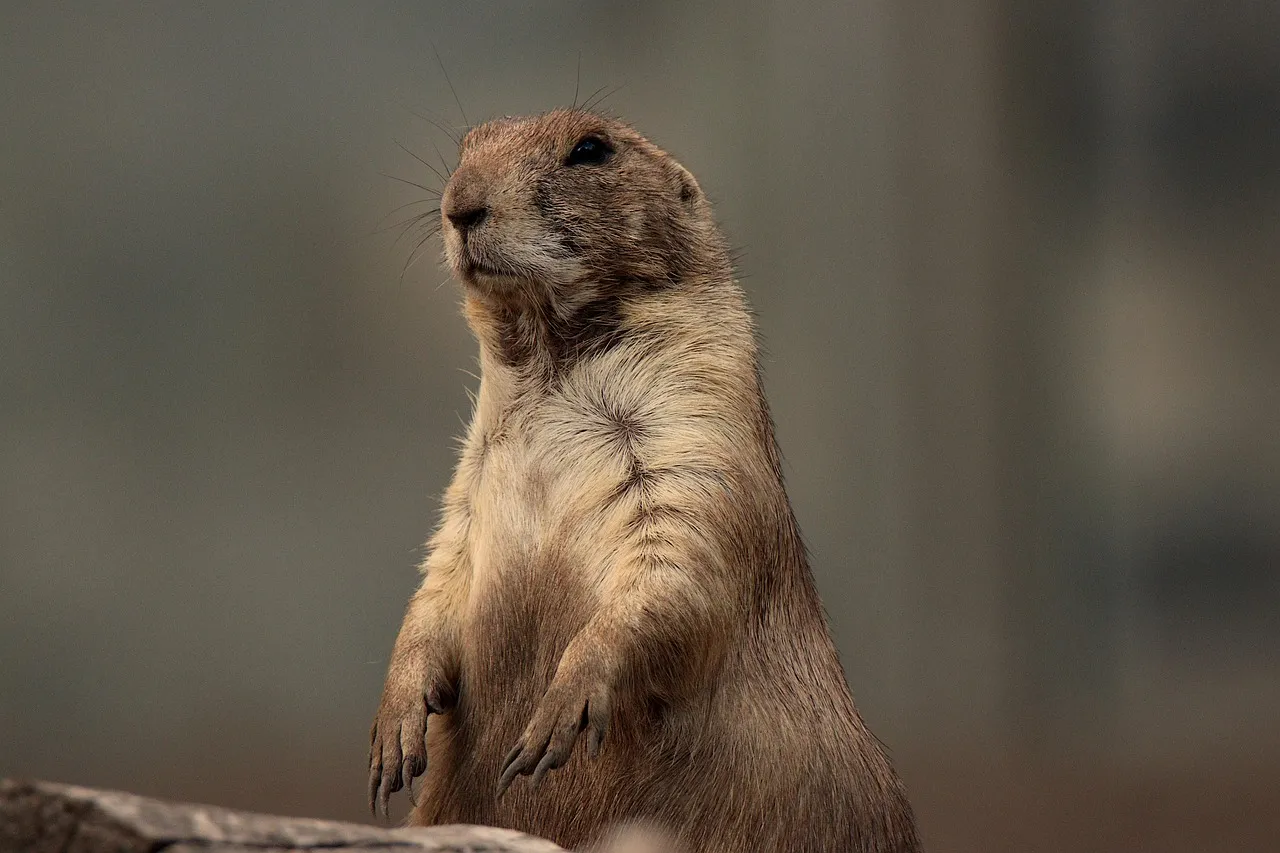
Prairie voles are one of the rare mammals that form true lifelong pair bonds, and scientists have used them for years as a model for studying human attachment. When a partner is removed, the physiological response is measurable: elevated cortisol and disrupted reward pathways that don’t just fade overnight.
Facilities housing voles report individuals losing weight and becoming noticeably less active without their bonded mate nearby. Their grief response parallels findings from mammalian attachment research closely enough that it’s reshaped how scientists think about loss in small animals.
It isn’t only human beings who have personality, who are capable of rational thought and emotions like joy and sorrow.
Jane Goodall
#8 – Coyotes Pick One Mate for Life and Rarely Ever Look Back
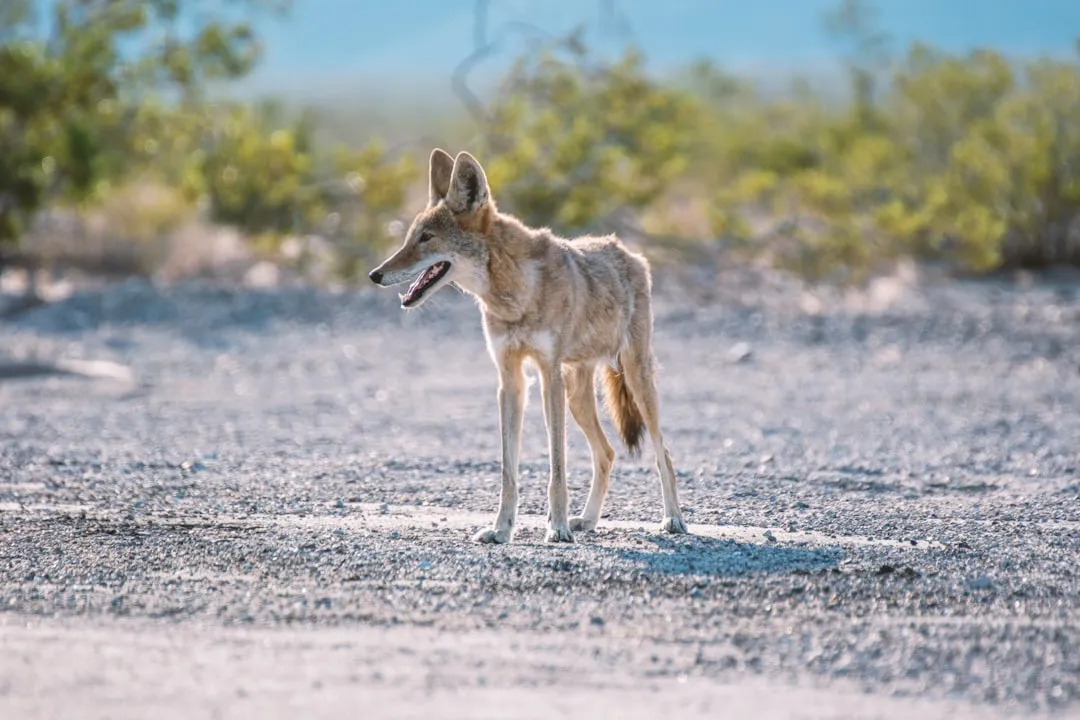
Coyotes have a reputation as opportunistic survivors, but their love lives tell a different story. Most choose one partner and stay with them for life, switching only when death takes that partner away. Recent field studies confirm widowed coyotes show reduced activity and shifted ranging patterns that persist long after the loss.
Urban wildlife programs have observed something even riskier: lone coyotes searching for a missing mate sometimes wander into higher-risk areas, closer to roads and people, than they normally would. That’s not carelessness. That’s an animal disoriented by the collapse of a partnership it built its entire routine around.
Quick Compare
- Bonded pairs: stable territory, predictable routes, steady distance from roads
- Widowed coyotes: erratic ranging, drops in activity, riskier movement near people
- Re-paired coyotes: rare – most stay solitary rather than replace a lost mate
#7 – Swans Carry Grief for Years After Losing “The One”
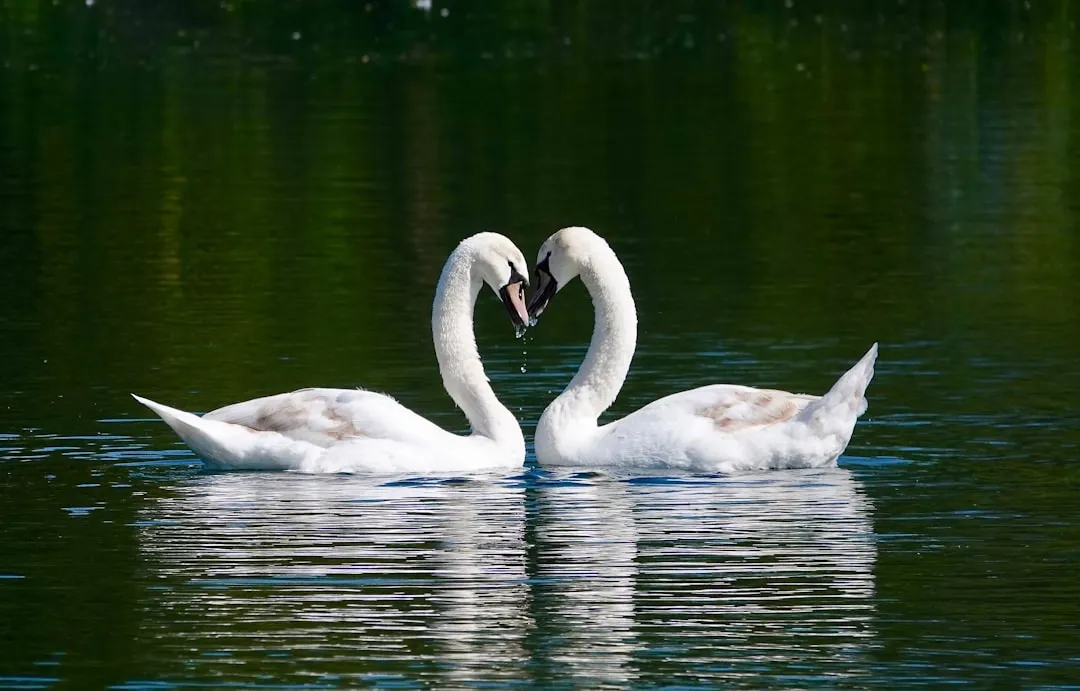
Swans are the poster animal for lifelong love, and the reputation is earned. Pairs share migration routes, nesting duties, and territory defense built over years of coordination. When one dies, the survivor doesn’t simply find a replacement and carry on unaffected.
Sanctuaries caring for widowed swans report reduced appetite, isolation, and elevated stress that can last for years, with some birds never regaining full breeding condition or social confidence again. Widowed swans have even been seen lingering near locations tied to their lost partner, a kind of spatial memory that adds an unexpectedly emotional layer to an already heartbreaking pattern.
#6 – Chimpanzees Remember Old Friends for Decades
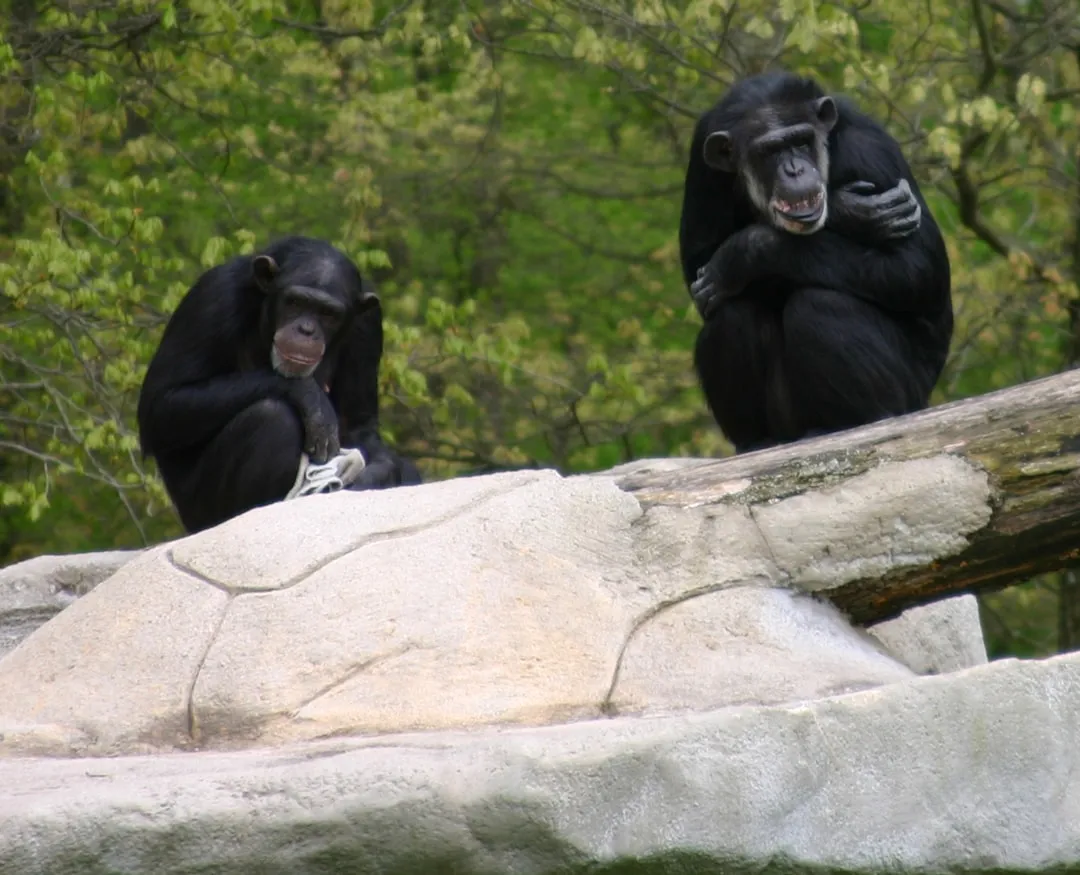
Chimpanzee friendships aren’t casual. They’re built over years, sometimes decades, through grooming, shared alliances, and mutual protection within a community. Mother-daughter bonds in particular can shape social rank and influence behavior for the animal’s entire life.
Remove a close companion and the effects ripple outward immediately: grooming networks weaken, and sanctuary records document chimps becoming withdrawn or aggressive toward unfamiliar group members after a long-term associate disappears. Remarkably, chimpanzees have been observed recognizing and warmly greeting former companions even after years of separation, proof that this social memory doesn’t simply fade with time.
Worth Knowing
- Chimp friendships can last decades, sometimes an entire lifetime
- Mother-daughter bonds directly shape social rank within the group
- Daily grooming is how alliances stay reinforced and trusted
- Reunions after years apart often include clear, warm recognition behavior
#5 – Wolves Fall Apart Without Their Pack
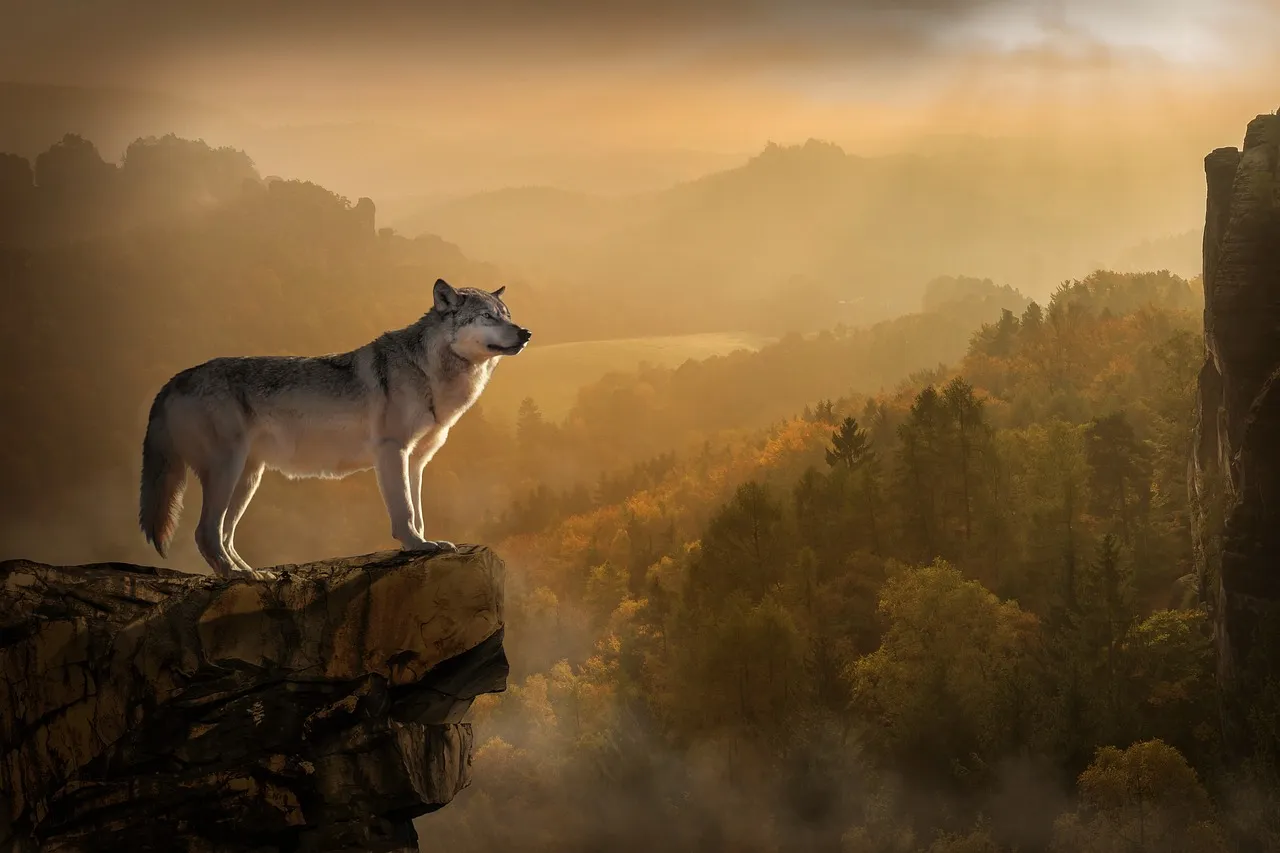
A wolf pack isn’t just a group of animals living near each other; it’s a tightly defined system where every member has a role in hunting, raising pups, and defending territory. Pull one wolf out of that system and the entire structure feels the strain, not just the missing individual.
Wildlife managers report that lone wolves struggle badly to integrate into unfamiliar packs after disruption, facing higher mortality rates as a result. Pack members left behind have been documented actively searching for missing relatives, calling and retracing old paths, behavior that looks a lot like mourning even to the most cautious researchers.
#4 – Dolphins Build “Life Rafts” for Dying Friends
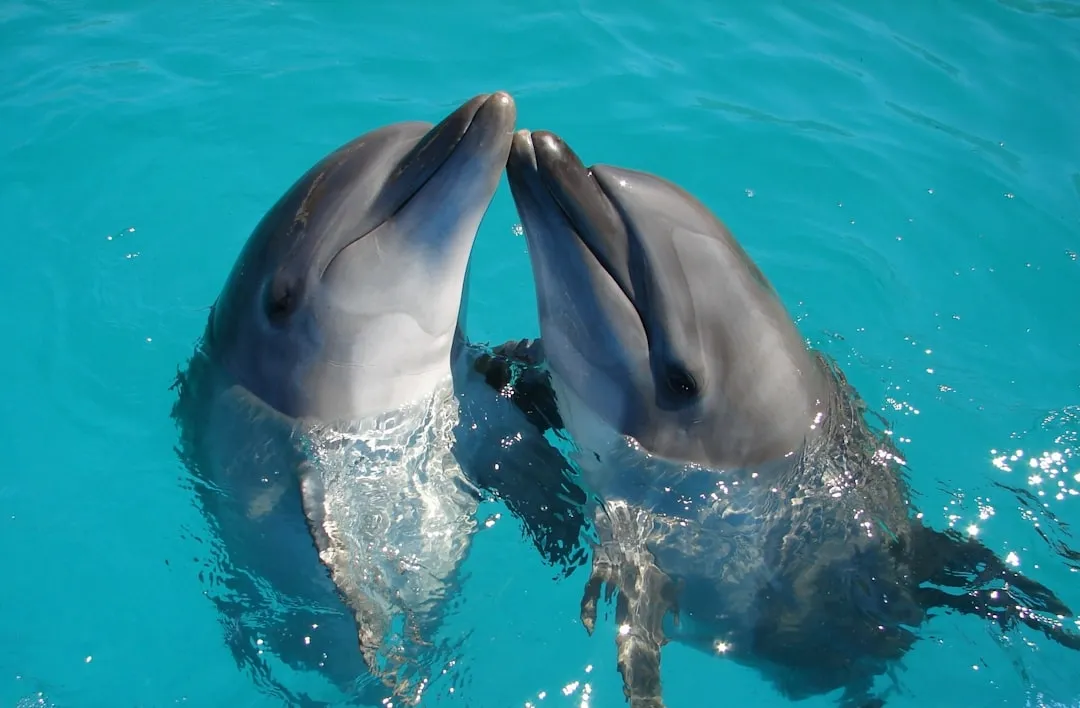
Dolphin pods run on complex alliances, and the caregiving within them goes further than most people realize. Healthy dolphins have been observed forming what researchers call “life rafts,” physically supporting an injured or dying companion at the surface so it can keep breathing.
Separate a dolphin from that support network and the fallout is real. Marine mammal facilities report that dolphins moved away from close associates sometimes develop repetitive behaviors and pull back from social interaction altogether. When a pod is capable of that level of mutual aid, it makes sense that being pulled from it alone leaves a lasting mark.
#3 – Orcas Never Leave Their Mother’s Side – Not Even as Adults
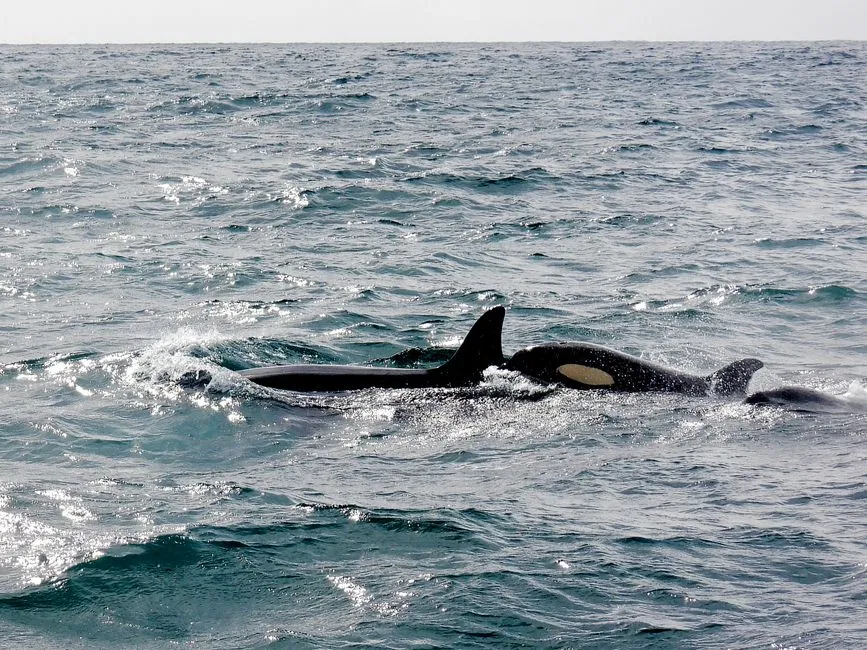
Most animals eventually leave home. Orcas often don’t. Many stay in their natal pod for their entire lives, with mothers and adult offspring maintaining close contact across decades, sharing hunting techniques passed down through generations.
Separation from that pod produces documented stress in captive orcas, and in some cases, a shortened lifespan. Marine parks that have split orca families report persistent vocal searching and reduced activity in the isolated animal, a haunting sound that researchers say is unmistakably a call for family that isn’t coming.
#2 – Elephants Return to a Dead Friend’s Bones Years Later
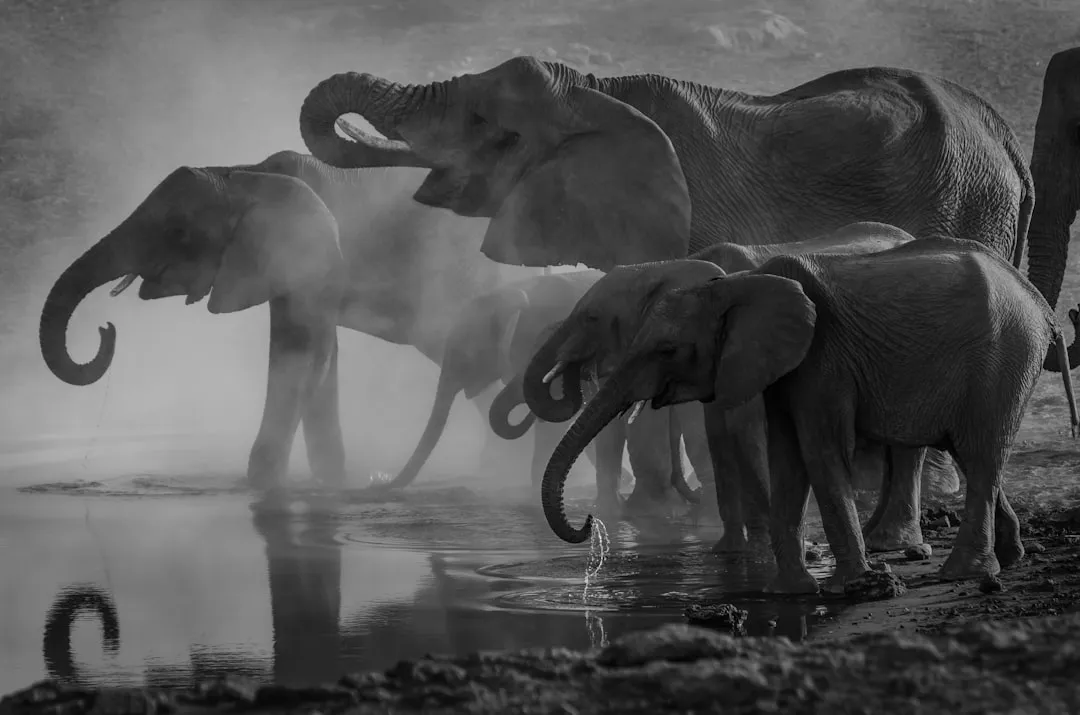
Elephant herds run on memory, loyalty, and a matriarch’s decades of accumulated knowledge. The bonds within a herd aren’t casual associations; they’re lifelong friendships that shape how calves are raised and how the group survives.
When a herd loses a key member, ranging patterns break down and stress remains elevated for extended periods. Field and sanctuary data show elephants separated from bonded companions sometimes refuse food and display symptoms that look strikingly like depression. Most remarkably, elephants have been recorded returning to the bones of a deceased companion years after death, touching the remains in a way that researchers still struggle to fully explain.
Why It Stands Out
- One of the only animals documented performing repeated, deliberate “grief rituals”
- Matriarchs carry decades of survival knowledge that shapes the entire herd
- Separated elephants can refuse food and show depression-like symptoms
- Return visits to a deceased companion’s bones have been recorded years later
#1 – Bonded Shelter Dogs Waste Away When Separated From Their Best Friend
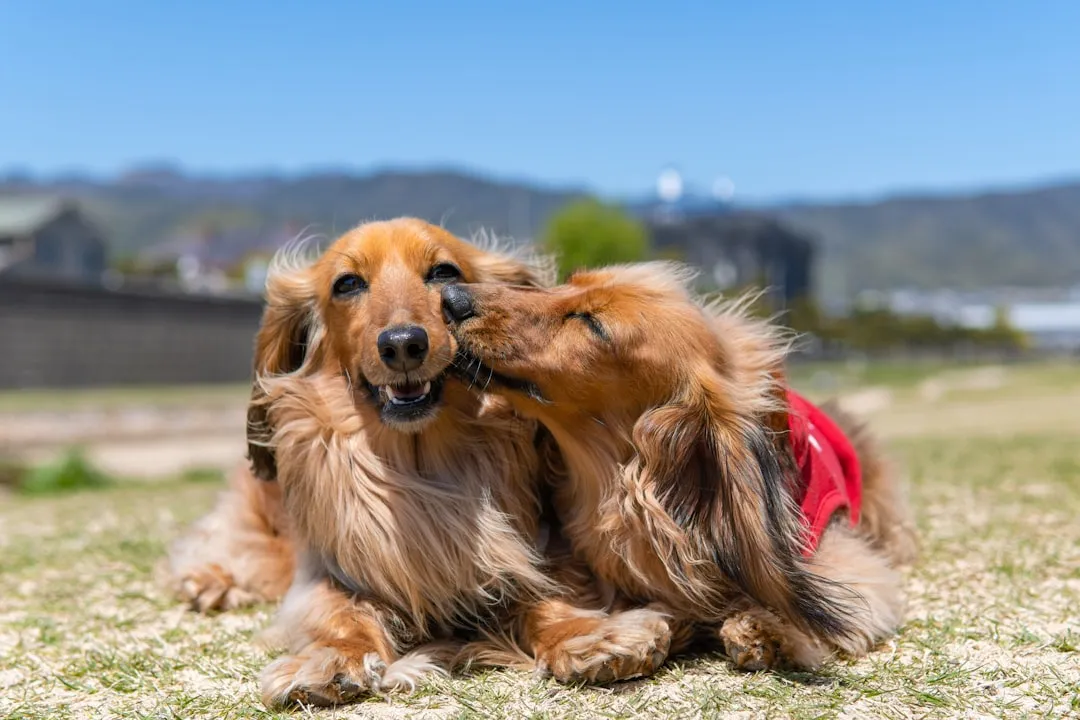
Not every dog forms this kind of bond, but the ones that do make the case impossible to ignore. Shelters that track bonded pairs closely document real, lasting distress after forced separations: weight loss, new anxiety disorders, and outright resistance to unfamiliar handlers.
Rescue organizations that keep bonded pairs together instead of splitting them for convenience report faster adoptions and far fewer returns. Some dogs have refused food entirely and shown clinical signs of depression until they were reunited with their partner. Of every animal on this list, this is the one most people will actually encounter, which makes it the hardest to keep dismissing as “just a dog thing.”
The Bottom Line
From a 27-year-old lizard couple to an elephant standing over old bones, the pattern doesn’t waver. Certain animals don’t just tolerate a bond, they build their entire physical and emotional stability around it. Cut that bond and the fallout isn’t imagined; it’s measurable, and it sometimes lasts for years.
The uncomfortable truth is that convenience-driven rehoming, in shelters, sanctuaries, and even wildlife management, keeps ignoring this. It shouldn’t. If a species can grieve, remember, and decline this visibly, the least we owe them is the effort to keep bonded pairs together whenever we possibly can. Which one of these surprised you most? Tell us below.

- Is Earth Already In Its 6th Extinction? - July 18, 2026
- 11 Animals With Unique Survival Strategies in the Harshest Environments - July 18, 2026
- 12 US States Where Wild Horses Are Roaming Free Again and Why It Matters - July 18, 2026