


When we think of venomous animals, the usual suspects come to mind: snakes, scorpions, and spiders. However, the animal kingdom holds many surprising secrets, including seemingly harmless creatures that pack a venomous punch. From cute mammals to colorful birds, venom has evolved independently across diverse animal groups as an effective hunting or defense mechanism. This fascinating adaptation allows otherwise unassuming creatures to punch well above their weight in the survival game. Let’s explore 15 animals whose venomous nature might surprise you, challenging our perceptions about which creatures we should approach with caution.
15. Slow Loris The Cute Primate with a Deadly Bite

🔥 Would you like to save this?
We'll email this post to you, so you can come back to it later!
With their enormous eyes and teddy bear appearance, slow lorises have become social media darlings. But behind that adorable face lies a surprising secret – they’re the only known venomous primates. These nocturnal mammals produce a toxin from glands on their inner elbows. When threatened, they lick these glands, mixing the secretion with their saliva to deliver a venomous bite that can cause painful swelling, slow healing, anaphylactic shock, and in rare cases, even death. Their venom contains a protein similar to the allergen found in cat dander, which helps explain its potency. Conservation efforts for slow lorises are further complicated by their capture for the pet trade, where their venomous teeth are often cruelly removed without anesthesia – a practice that frequently leads to infection and death.
14. Platypus The Egg-Laying Mammal with Venomous Spurs

🔥 Would you like to save this?
We'll email this post to you, so you can come back to it later!
The platypus already breaks numerous biological rules as an egg-laying, duck-billed, beaver-tailed mammal. Adding to its peculiarities, male platypuses possess hollow spurs on their hind legs connected to venom glands. During breeding season, territorial males become particularly dangerous, capable of delivering excruciating pain to potential rivals or threats. This venom isn’t lethal to humans but causes immediate, intense pain that can last for weeks or months, and is resistant to morphine and other conventional painkillers. Scientists study platypus venom for its unique properties, potentially offering novel approaches to pain management in medicine. The complex cocktail contains at least 19 different peptide types and four classes of defensin-like peptides not found in any other species.
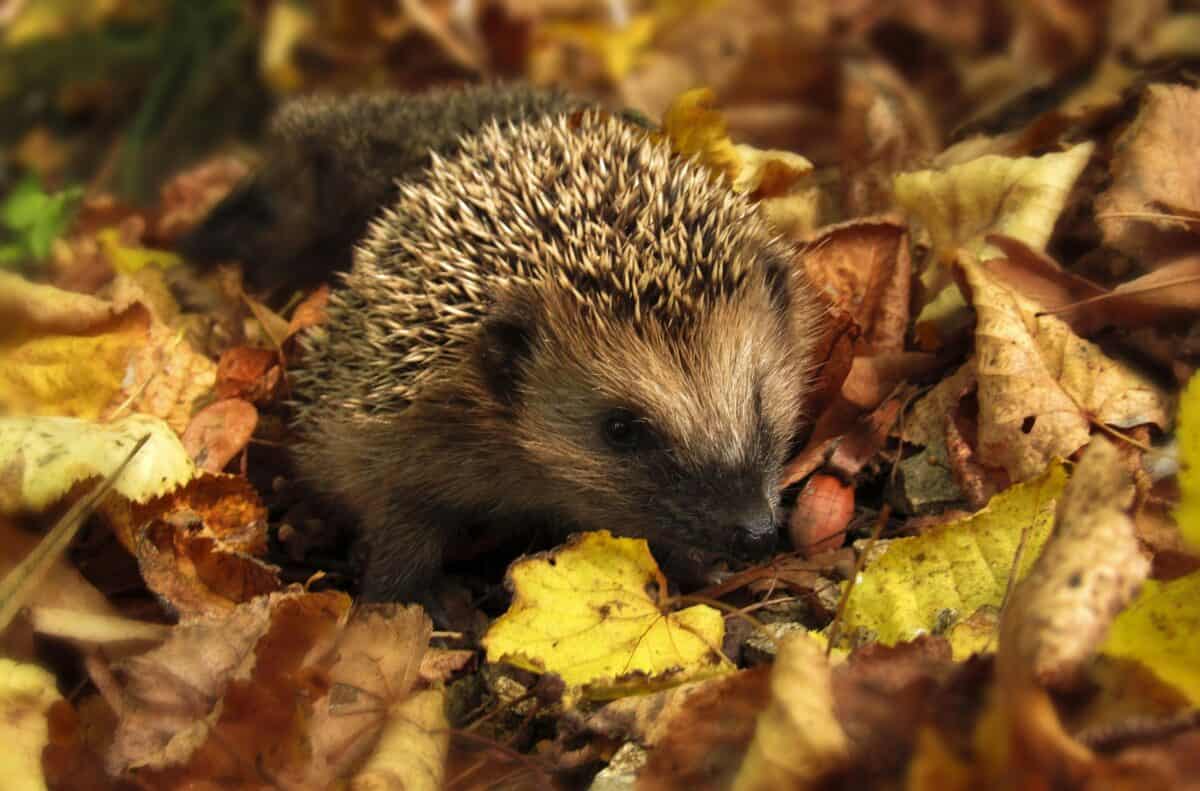
13. Hedgehogs Spiky Surprises with Self-Anointing Habits
🔥 Would you like to save this?
We'll email this post to you, so you can come back to it later!
While not traditionally considered venomous, hedgehogs engage in a peculiar behavior called “self-anointing” that involves toxic substances. When encountering new smells or tastes, hedgehogs produce frothy saliva that they spread over their spines. Research suggests they incorporate toxic substances from certain plants and toads into this mixture, essentially weaponizing their quills. This behavior may serve as a defense mechanism against predators or help with parasite control. Some scientists theorize that hedgehogs have developed a resistance to certain toxins that would be harmful to other animals, allowing them to handle these substances safely before transferring them to their spines. While not venomous in the traditional sense of producing their own toxins, this adaptation represents a fascinating example of how animals can repurpose environmental toxins for their protection.
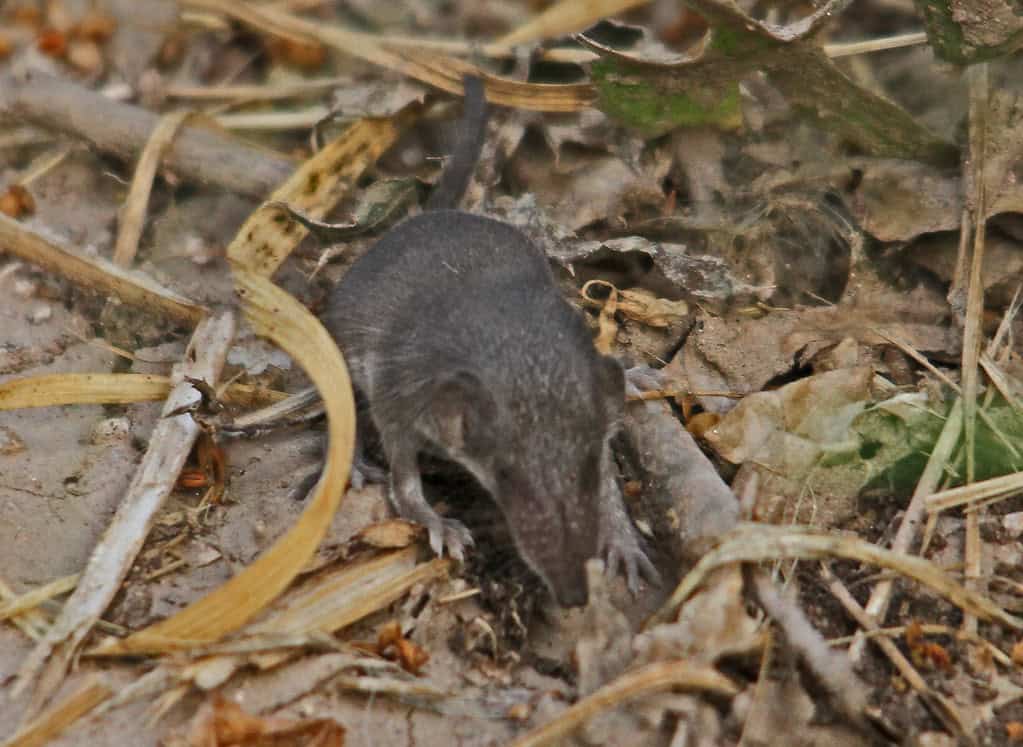
12. Shrews Tiny Terrors with Paralyzing Saliva
🔥 Would you like to save this?
We'll email this post to you, so you can come back to it later!
Shrews may be diminutive mammals, typically weighing less than an ounce, but several species produce a potent venom in their saliva that paralyzes prey. The American short-tailed shrew produces a neurotoxin called blarina toxin that can immobilize prey much larger than itself, including mice, frogs, and small snakes. This venom allows the high-metabolism shrew to hunt prey and store it alive but immobilized for later consumption – essentially creating a “pantry” of fresh food. Their venomous bite can be painful to humans but isn’t deadly. Medical researchers are particularly interested in shrew venom for potential applications in pain management, as it contains compounds that could lead to new analgesics. The evolution of venom in shrews represents one of the few cases of venomous mammals, highlighting nature’s diverse approaches to survival.
11. Solenodons Ancient Venomous Mammals

🔥 Would you like to save this?
We'll email this post to you, so you can come back to it later!
Resembling large, long-nosed shrews, solenodons are rare, endangered mammals found only in Cuba and Hispaniola. These living fossils have changed little in 76 million years and are among the few mammals that produce true venom. Their specialized grooved teeth deliver saliva containing a paralytic neurotoxin similar to snake venom. When hunting, they rapidly shake their snouts in soil or leaf litter to detect prey through smell and touch before delivering their venomous bite. Despite their dangerous capabilities, solenodons face a greater threat from introduced predators like cats, dogs, and mongooses than they pose to humans. Conservation efforts are critical for these unique creatures, as they represent one of the oldest mammalian lineages and provide crucial insights into mammalian evolution and the multiple independent occurrences of venom development in vertebrates.
10. Blue-Ringed Octopus Tiny but Deadly Ocean Dweller

🔥 Would you like to save this?
We'll email this post to you, so you can come back to it later!
The blue-ringed octopus might be well-known in marine circles, but many people remain unaware of this beautiful yet lethal cephalopod. Though small enough to fit in the palm of your hand (rarely exceeding 8 inches), it carries enough tetrodotoxin to kill 26 adult humans within minutes. What makes this creature particularly surprising is that unlike most venomous animals that inject venom through fangs or stingers, the blue-ringed octopus delivers its toxin through its beak with an almost painless bite. Their brilliant blue rings only appear when the octopus feels threatened – a warning sign that often comes too late. Found in tide pools and coral reefs in the Pacific and Indian Oceans, particularly around Australia and Japan, these animals are not aggressive but will bite when handled or stepped on. There is no antivenom available, and treatment focuses on keeping the victim alive until the toxin wears off, sometimes requiring artificial respiration for up to 24 hours.
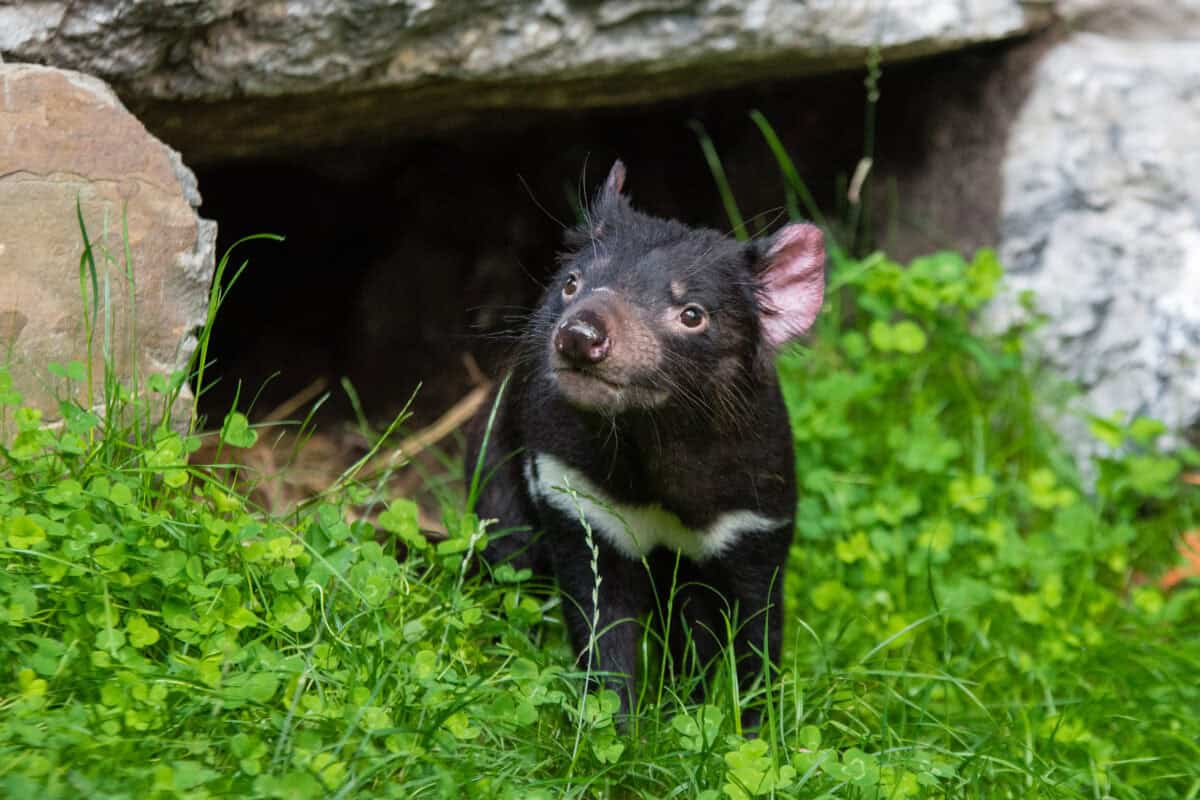
9. Tasmanian Devil The Carnivorous Marsupial with Toxic Flesh
🔥 Would you like to save this?
We'll email this post to you, so you can come back to it later!
While not venomous in the traditional sense of producing and injecting toxins, recent research has revealed that Tasmanian devils have evolved toxic compounds in their flesh as a defensive adaptation. Scientists discovered that their meat contains toxic compounds that can cause illness in predators that might try to eat them. This adaptation likely developed as these feisty marsupials faced threats from larger predators in their island ecosystem. Today, these compounds serve little purpose against their main threat – a contagious facial tumor disease that has devastated wild populations. Interestingly, the Tasmanian devil’s body chemistry differs from their closest relatives, suggesting this toxicity evolved relatively recently. Researchers continue to study this unusual adaptation, which represents yet another way that animals can develop chemical defenses beyond the traditional venom delivery systems.
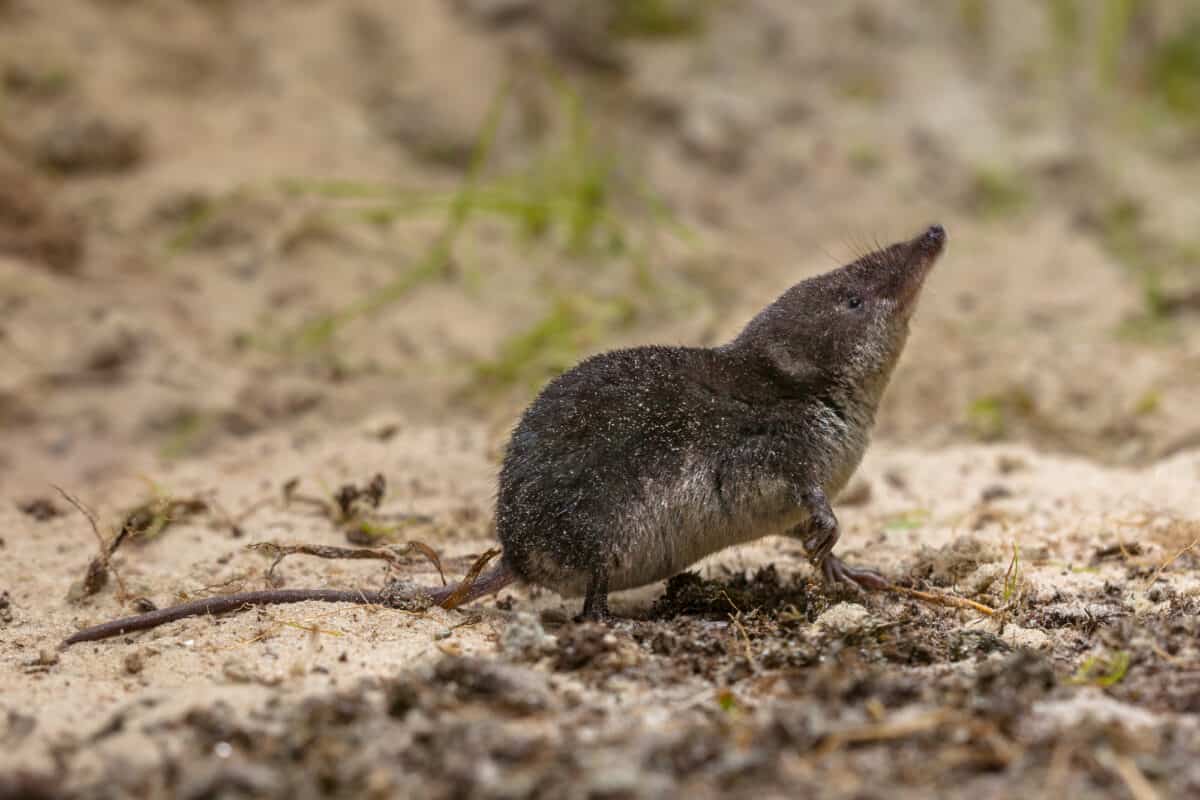
8. Water Shrew The Underwater Venomous Hunter
🔥 Would you like to save this?
We'll email this post to you, so you can come back to it later!
The water shrew proves that even aquatic environments aren’t free from surprising venomous creatures. This semiaquatic mammal, found across parts of North America, Europe, and Asia, secretes venom from glands in its lower jaw that paralyzes small prey like aquatic insects, small fish, and amphibians. Remarkably adapted for aquatic life, water shrews can run on the surface of water for several seconds using surface tension and specialized feet. Their metabolism runs so fast that they must eat more than their body weight daily, making their venomous bite essential for efficient hunting. Their saliva contains a neurotoxin that can immobilize prey almost instantly, allowing these high-energy predators to conserve precious energy during hunts. Though harmless to humans beyond mild irritation, their venom represents a fascinating evolutionary convergence with other predatory mammals that independently developed toxic saliva.

Portable Dog Water Bottle Foldable Dog Travel Water Bottle
Check Price on AmazonAs an Amazon Associate, we earn from qualifying purchases.
10/7/2026 1:29 pm GMTi

2 Pcs Halloween Pet Hat Bandana Set, Witch Pumpkin Costumes for Dogs
Check Price on AmazonAs an Amazon Associate, we earn from qualifying purchases.
10/9/2026 2:45 pm GMTi

Glass Hummingbird Feeder for Outdoors Hanging
Check Price on AmazonAs an Amazon Associate, we earn from qualifying purchases.
10/7/2026 1:21 pm GMTi

Orthopedic Extra Large Dog Bed, Waterproof Washable XL Pet Bed 44"
Check Price on AmazonAs an Amazon Associate, we earn from qualifying purchases.
10/7/2026 1:32 pm GMTi

Halloween Cat Costume Cloak Witch Hat Pet Accessories
Check Price on AmazonAs an Amazon Associate, we earn from qualifying purchases.
10/9/2026 2:44 pm GMTi
7. The Hooded Pitohui A Toxic Songbird

🔥 Would you like to save this?
We'll email this post to you, so you can come back to it later!
The hooded pitohui of New Guinea holds the distinction of being one of the few known poisonous birds in the world. While not venomous in the strict sense (it doesn’t inject toxins), this colorful songbird’s feathers and skin contain powerful neurotoxins called batrachotoxins – the same class of toxins found in poison dart frogs. Indigenous peoples have long known to avoid these birds, calling them “rubbish birds” because they’re inedible. Scientists discovered their toxicity in 1989 when researchers handling the birds experienced numbness and burning sensations. The pitohui doesn’t produce these toxins itself but acquires them from its diet of melyrid beetles, representing an impressive case of sequestering environmental toxins for self-defense. The bird’s bright orange and black coloration serves as aposematic warning, signaling its toxicity to potential predators. This represents a fascinating example of convergent evolution with poison dart frogs, despite the vast evolutionary distance between birds and amphibians.
6. The Lionfish Beautiful but Venomous Reef Invader

🔥 Would you like to save this?
We'll email this post to you, so you can come back to it later!
With its spectacular striped pattern and fan-like fins, the lionfish might seem familiar, but many people don’t realize just how venomous these aquarium favorites are. Native to the Indo-Pacific region, lionfish possess up to 18 venomous spines that deliver a potent neurotoxin causing extreme pain, respiratory distress, and occasionally paralysis. Their venom glands sit at the base of their dorsal, anal, and pelvic spines, with the venom injected when the spines pierce skin. While rarely fatal to humans, lionfish stings require immediate medical attention. These fish have become infamous as invasive species in the Atlantic Ocean and Caribbean Sea, where they have no natural predators and devastate native fish populations. Their reproductive capacity is staggering – a female can release up to 30,000 eggs every four days. Conservation efforts now include promoting lionfish as food, with the flesh itself being perfectly safe and delicious once the venomous spines are removed.
5. Gila Monster North America’s Venomous Lizard

🔥 Would you like to save this?
We'll email this post to you, so you can come back to it later!
The Gila monster, with its orange-black beaded appearance, is one of only two venomous lizard species in the world (alongside its close relative, the Mexican beaded lizard). Native to the southwestern United States and northwestern Mexico, these reclusive reptiles produce venom in modified salivary glands in their lower jaw. Unlike snakes that strike quickly, Gila monsters deliver venom through a chewing motion, gripping their prey tightly while working the toxin into the wound. Their venom contains compounds that cause excruciating pain, drop in blood pressure, and profuse sweating, though fatalities in humans are extremely rare. Remarkably, Gila monster venom has significant medical applications – a compound called exendin-4 has been developed into a medication (exenatide) for type 2 diabetes. This slow-moving, heavy-bodied lizard spends up to 95% of its life underground, emerging mainly during the brief rainy season, making encounters with humans relatively uncommon despite their fearsome reputation.
4. Comb Stars The Venomous Sea Stars

🔥 Would you like to save this?
We'll email this post to you, so you can come back to it later!
Sea stars (commonly called starfish) generally have a benign reputation, but the crown-of-thorns starfish and certain species of comb stars are equipped with venomous spines. These marine echinoderms possess hundreds of sharp spines coated with saponin toxins that cause intense pain, swelling, and in severe cases, nausea and vomiting in humans. For smaller marine creatures, this venom can be fatal. The crown-of-thorns starfish has gained notoriety for its destructive impact on coral reefs, especially Australia’s Great Barrier Reef, where population explosions have led to massive coral mortality. A large specimen can consume up to 6 square meters of coral annually. Their venomous nature serves both defensive and offensive purposes, protecting them from predators while allowing them to overpower coral polyps during feeding. Scientists are particularly concerned about these venomous sea stars as warming oceans and nutrient runoff from land seem to favor their proliferation, potentially accelerating coral reef decline worldwide.

Glass Hummingbird Feeder for Outdoors Hanging, 16 oz Leak-Proof Nectar Feeder with Bee Guards & Ant Moat
Check Price on AmazonAs an Amazon Associate, we earn from qualifying purchases.
10/7/2026 1:22 pm GMTi

Professional 7 in 1 Dog Paw Cleaner for Dogs & Cats - Includes 1 Portable Paw Washer, 1 Bath Brush
Check Price on AmazonAs an Amazon Associate, we earn from qualifying purchases.
10/7/2026 1:26 pm GMTi

Hand Blown Glass Hummingbird Feeders for Outdoors Hanging, 24oz Wild Bird Nectar Feeder
Check Price on AmazonAs an Amazon Associate, we earn from qualifying purchases.
10/7/2026 1:23 pm GMTi

Smart Bird Feeder with Camera Solar Powered, 2K HD Live Video, 10,000+ Bird Species AI Identification
Check Price on AmazonAs an Amazon Associate, we earn from qualifying purchases.
10/7/2026 1:22 pm GMTi

Halloween Dog Collar with Bow, Orange Cute Ghost Collar,
Check Price on AmazonAs an Amazon Associate, we earn from qualifying purchases.
10/9/2026 2:43 pm GMTi
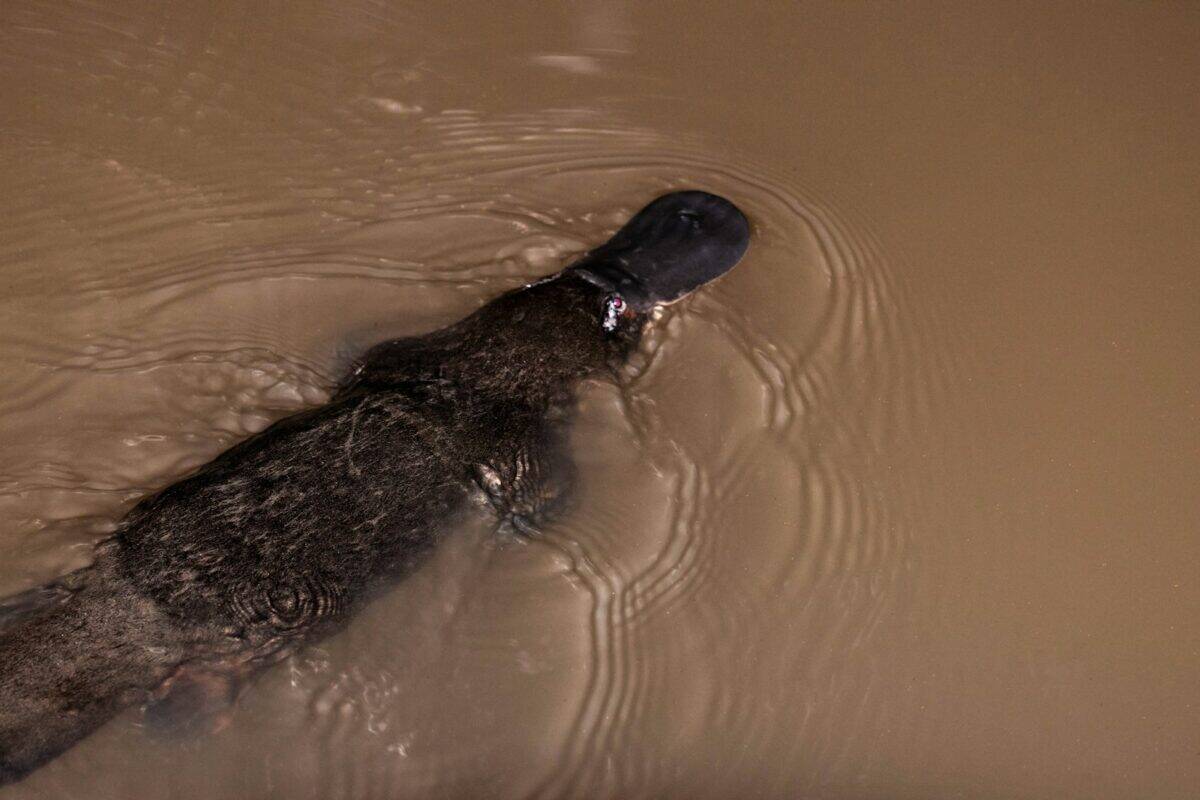
3. Male Duckbill Platypus The Egg-Laying Mammal with a Venomous Spur
🔥 Would you like to save this?
We'll email this post to you, so you can come back to it later!
The platypus, already famous for defying biological categorization as an egg-laying mammal with a duck-like bill, holds another surprising feature – male platypuses possess venomous spurs on their hind legs. Connected to crural glands that produce venom during breeding season, these hollow, ankle-mounted spurs can deliver excruciating pain to potential threats or competing males. The venom contains a unique mixture of defensin-like peptides not found in any other species, causing immediate, intense pain and swelling that can last for weeks or even months. Most remarkably, platypus venom contains a compound that targets pain receptors directly, making it resistant to traditional painkillers like morphine. Scientists are studying these unique properties for potential applications in developing novel pain medications. The platypus represents one of the few examples of venomous mammals and showcases how venom systems have evolved independently multiple times across the animal kingdom.
2. Cone Snails Beautiful Shells with Deadly Harpoons

🔥 Would you like to save this?
We'll email this post to you, so you can come back to it later!
Beachcombers often collect cone snail shells for their stunning patterns, unaware these mollusks are among the most venomous creatures in the sea. Armed with a modified radula (a tooth-like feeding structure) that functions as a venomous harpoon, cone snails can strike with remarkable speed and precision. The geography cone (Conus geographus), nicknamed the “cigarette snail” because after being stung, you supposedly only have enough time to smoke a cigarette before dying, produces a complex venom containing hundreds of different toxins. These conotoxins target the nervous system with incredible specificity, causing paralysis within moments. Despite their danger, cone snail venom has revolutionary medical applications – the drug Prialt, derived from cone snail venom, is a powerful non-opioid painkiller used for severe chronic pain. Scientists have only analyzed a fraction of the estimated 100,000+ compounds in cone snail venoms, suggesting they may contain many more potential therapeutic compounds waiting to be discovered.

Air Purifiers for Home Pets Large Room Up to 3000 Ft²,HEPA Air Cleaner with Washable Double-Side Filter, PM2.5 Air Quality Monitor,15dB Sleep Mode for Bedroom Odor Dust Pollen,White
Check Price on AmazonAs an Amazon Associate, we earn from qualifying purchases.
10/8/2026 8:23 am GMTi

Earth Rated XL Dog & Puppy Pee Pads, Discreet Top, Max Absorbency
Check Price on AmazonAs an Amazon Associate, we earn from qualifying purchases.
10/7/2026 1:28 pm GMTi

Dog Stairs for Bed 18" H, 4-Step Dog Steps for High Bed
Check Price on AmazonAs an Amazon Associate, we earn from qualifying purchases.
10/9/2026 2:42 pm GMTi

PetSafe Oasys Pet Fountain, 1/2 Gallon (64 oz), Small Dogs & Cats
Check Price on AmazonAs an Amazon Associate, we earn from qualifying purchases.
10/8/2026 8:14 am GMTi
1. Iberian Ribbed Newt The Amphibian That Weaponizes Its Ribs

🔥 Would you like to save this?
We'll email this post to you, so you can come back to it later!
The Iberian ribbed newt possesses one of the most unusual defense mechanisms in the animal kingdom. When threatened, this amphibian pushes its sharp, pointed ribs through glands in its skin and out through its body wall. These ribs not only function as sharp defensive weapons but also become coated with a potent toxin secreted from their skin glands. This toxic secretion contains proteins that can lower blood pressure, create muscle spasms, and even cause death in smaller predators. Remarkably, the newt suffers no harm from this seemingly self-destructive defense, as its tissues quickly heal after the ribs retract. Scientists are studying this extraordinary regenerative ability for potential medical applications. The toxin itself has antimicrobial properties that may prevent infection during this dramatic defense display. This unique combination of physical and chemical defense makes the Iberian ribbed newt one of nature’s most surprisingly well-armed creatures, despite its unassuming appearance.
Conclusion: The Evolutionary Marvel of Venom in Unexpected Places

🔥 Would you like to save this?
We'll email this post to you, so you can come back to it later!
The diversity of venomous animals stretches far beyond the stereotypical snakes and spiders we commonly associate with toxic capabilities. From mammals and birds to lizards and marine creatures, venom has evolved independently numerous times throughout the animal kingdom, creating effective hunting and defense mechanisms in the most unexpected species. These surprising venomous adaptations remind us how little we still understand about the natural world and its countless evolutionary innovations. The medical potential of these diverse venoms cannot be overstated, with compounds from cone snails, Gila monsters, and even platypuses leading to breakthrough medications. As we continue to explore and protect biodiversity, we may discover even more surprising venomous creatures, each with unique biochemical properties that could benefit human health and expand our understanding of evolutionary biology.

As a little kid, I fell in love with nature, wildlife, and animals. Living in the USA, South Africa, Italy, China and Germany gave me the opportunity to discover the world's Wildlife. My favorite animals are Mountain Gorillas, Siberian Tigers, and Great White Sharks.
I'm a certified PADI Open Water Diver, went to Everest Base Camp and Trekked Gorillas in Uganda. I hold a Master of Science in Economics and Finance.
Please send any feedback to feedback@animalsaroundtheglobe.com
- 15 Animals You had Never Guess Are Venomous - November 9, 2026
- 15 Animals That Are Masters of Disguise - November 9, 2026
- 12 Dog Breeds That Need the Most Grooming - November 9, 2026
Leave a comment
You must be logged in to post a comment.