

Choosing the perfect feline companion for your family requires careful consideration, especially when young children are involved. While cats make wonderful pets, certain breeds possess traits that could pose challenges in households with kids. Their natural instincts, energy levels, and temperamental tendencies might not always mesh well with the unpredictable nature of children.
Understanding these characteristics isn’t about labeling breeds as inherently “bad” but rather helping families make informed decisions. Some cats require more space, patience, or specialized handling than others. Let’s explore the feline breeds that might need extra consideration before joining your family home.
#15 Russian Blue
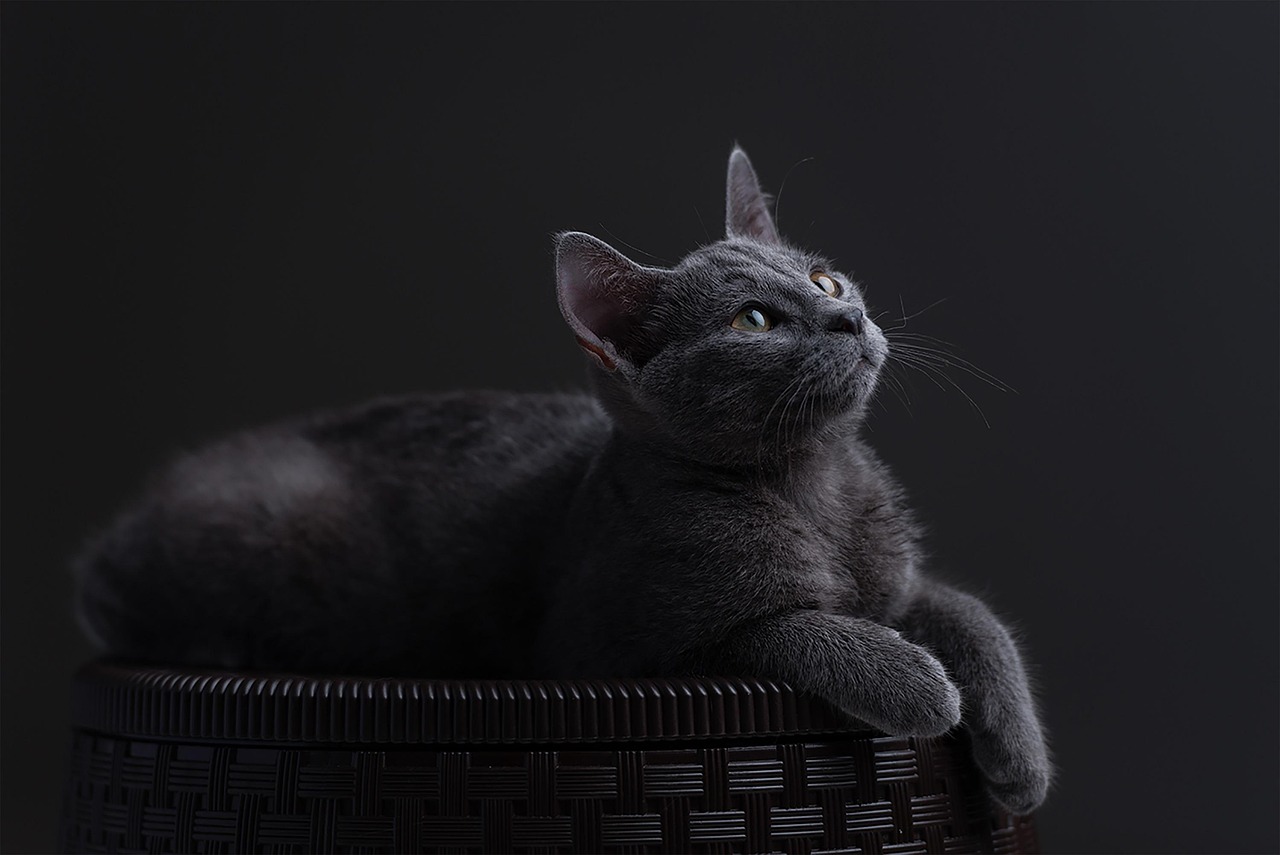
Russian Blue cats are not inherently aggressive, but they can exhibit aggressive behavior under certain circumstances. Aggression in cats can be caused by various factors, such as fear, stress, illness, maternal instinct, territorial behavior, environmental change, or routine disruption. These elegant blue-coated beauties are known for their refined appearance and generally calm demeanor.
However, change is hard, especially for a creature of habit like the Russian Blue cat. A new piece of furniture, a different brand of cat food, or a rearranged living room can unsettle these sensitive souls. They thrive on routine and predictability, so when their world gets flipped upside down, their claws might come out. Children’s unpredictable behavior and constant changes to household routines can trigger stress responses in these sensitive cats.
#14 Bombay
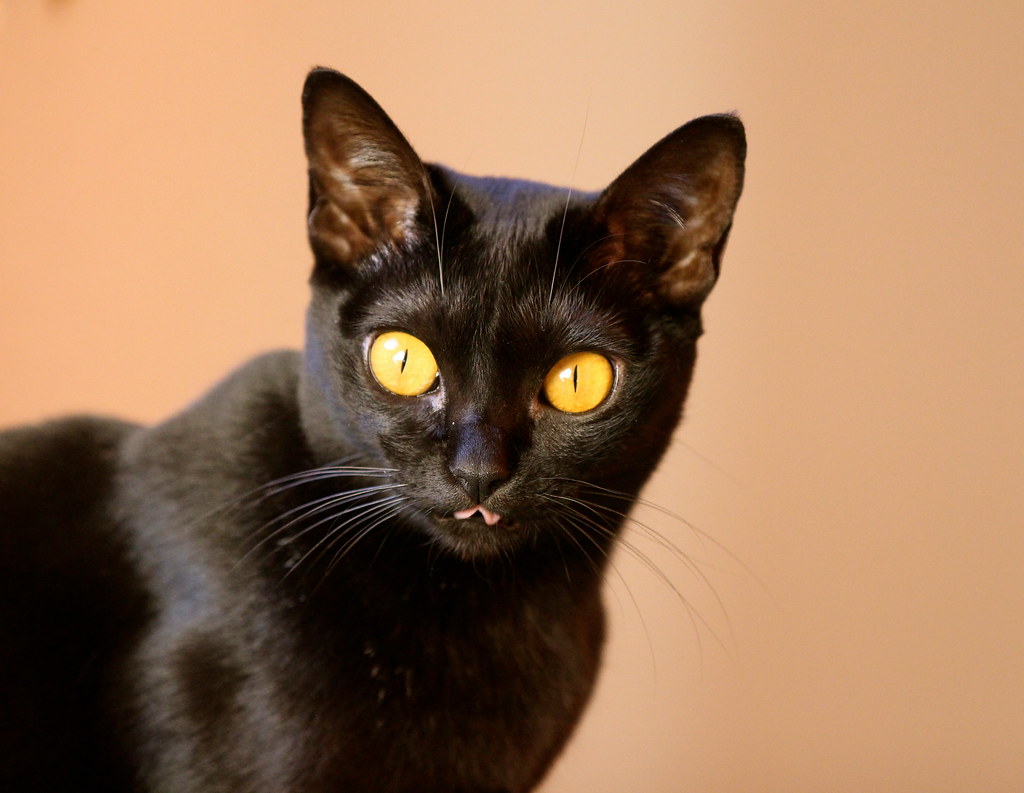
As the Bombay breed is a hybrid mix, they have numerous strong behavior traits. They are known to be both fearless and aggressive and have a litter box aversion. These sleek, panther-like cats may look stunning, but their temperament can be challenging around children. They love their quiet. They’re exceptionally sensitive to loud noise, making it difficult for them to live in a home that enjoys music or children. They’re very wary around kids, which is often mistaken as aggression.
Their sensitivity makes them very nervous and it can cause them to become aggressive as they are nervous and feel somewhat threatened. While they won’t strike unless seriously provoked, it’s not uncommon for a Bombay to hiss and keep its distance from others. The constant noise and activity that children bring to a household can overwhelm these cats, potentially leading to defensive behaviors.
#13 Donskoy
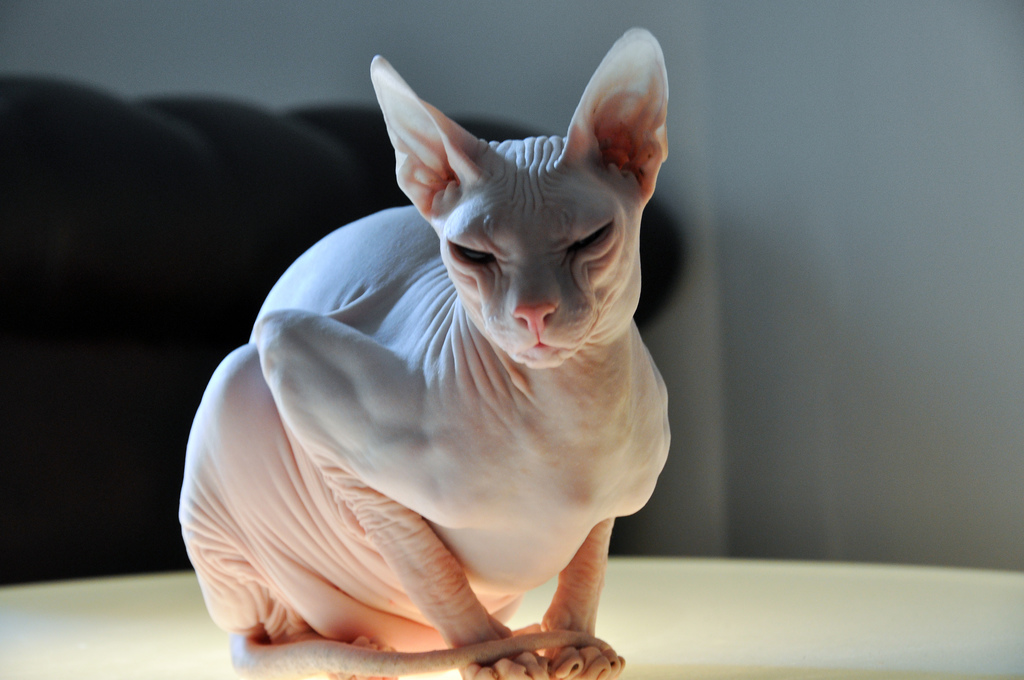
Donskoy cats are territorial animals, so they can often appear aggressive and hostile to other cats they deem as a threat or intruder in their loving, safe space. This is why socializing your pet Donskoy is key to curating a loving feline home without causing strenuous relationships between your pets. These hairless Russian cats, often confused with Sphynx cats, have strong territorial instincts that can clash with children’s natural tendency to explore and play everywhere.
Their territorial nature means they may view children as invaders of their established space, especially if the cat hasn’t been properly socialized from a young age. The Donskoy’s need to control their environment can create tension when children don’t respect boundaries or understand feline body language signals.
#12 Singapura
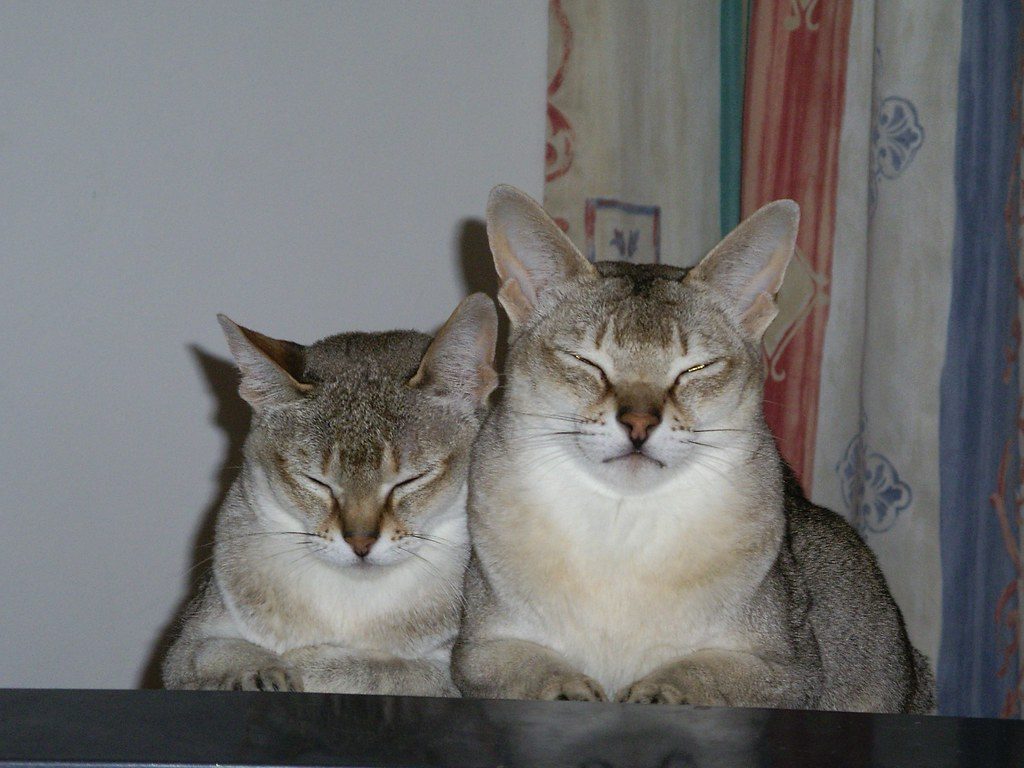
A perfect example of dynamite comes in small packages; the sprightly Singapura is the smallest domestic cat breed with a big personality. This is an aggressive cat that comes from the streets of Singapore. This breed is rarely social and it prefers to spend its time hiding from people and not interacting with others. Despite their tiny size, these cats pack a surprising amount of attitude and independence.
Their street-smart background has shaped them into cautious, sometimes defensive creatures who prefer solitude over social interaction. Children’s desire to pick up, cuddle, and play with small cats can be particularly stressful for Singapuras, who may respond with scratching or biting when they feel cornered or overwhelmed.
#11 Korat
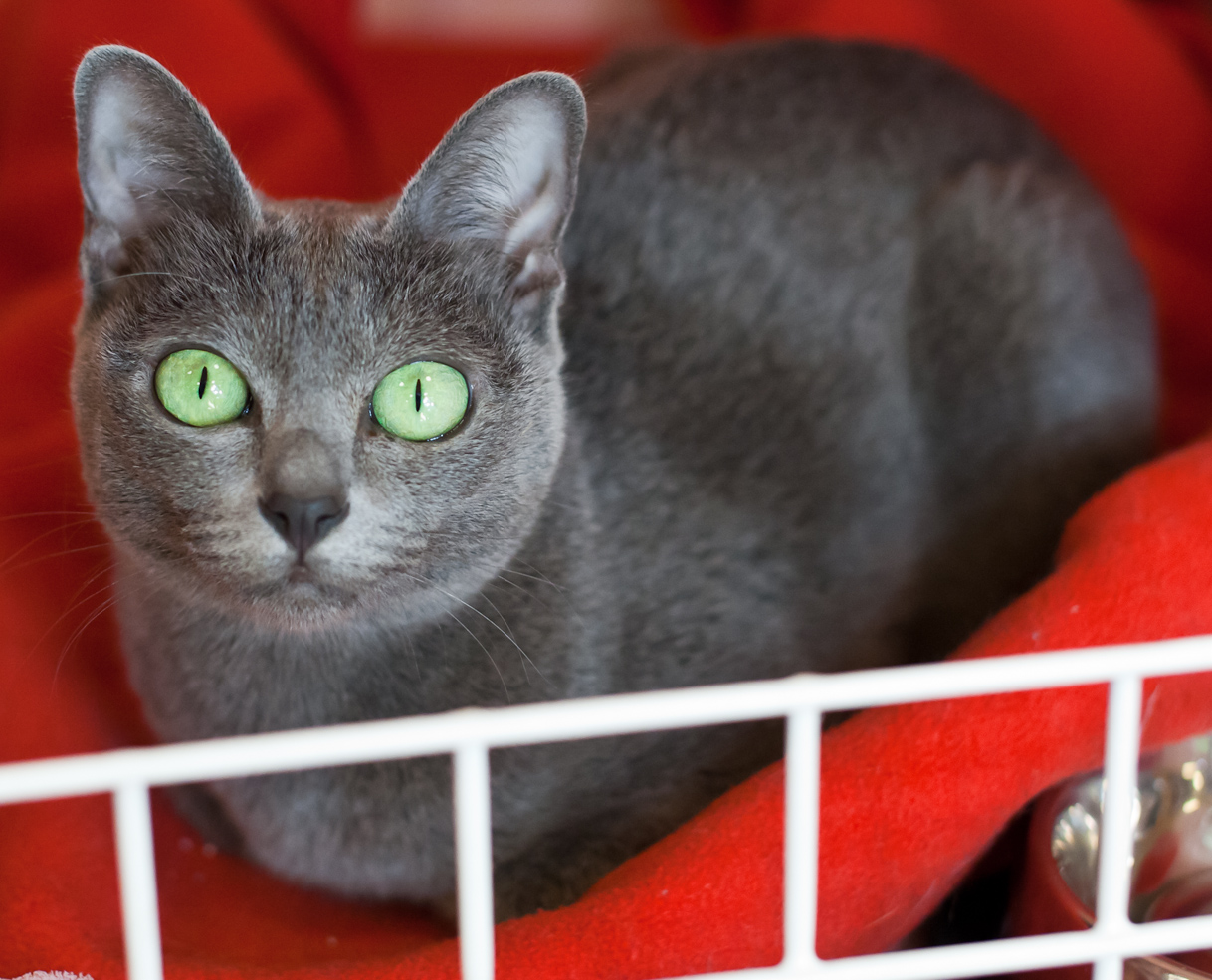
Being around kids is scary for this particular cat because kids are often loud and abrasive. When korats see children, they become very passive. It seems as if they’re being unfriendly, but they’re just scared. When they feel like they are in danger, they might make the mistake of hissing or growling to protect their territory, which is, again, mistaken for aggression.
However, Korats tend to show indifference to unknown humans and have been known to become problematic when left to their own devices without any stimulation or interaction. If they feel they do not have your full attention, Korats are likely to paw an individual to evoke a reaction. These silver-blue beauties from Thailand may look like living good luck charms, but their fear-based responses to children’s energy can create challenging situations in family homes.
#10 Sphynx
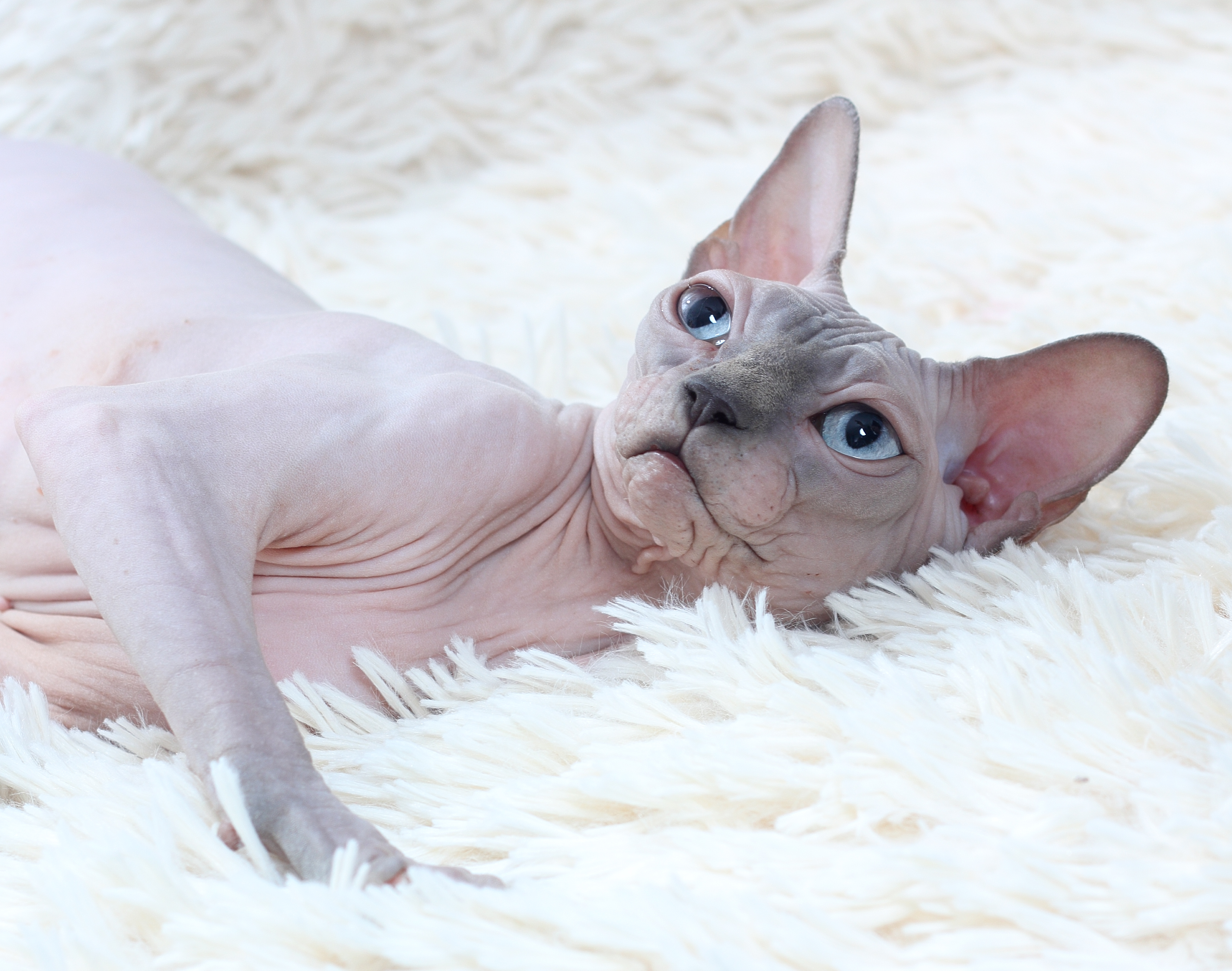
Sphynxes are hyperactive cats that need plenty of playtime, and they are also incredibly intelligent. This means that they are capable of learning tricks, with some owners saying that they have successfully taught their Sphynx to play fetch. However, high intelligence, coupled with low stimulation, could result in a Sphynx that lashes out of boredom. Constant entertainment is necessary to avoid aggressive tendencies.
The Sphynx is a cat that is very demanding and wants to know it’s number one. When it’s not being catered to by its owners, it’s not happy and will show that by acting out in an aggressive manner that isn’t necessarily dangerous, just irritating. Children may not always provide the constant attention these demanding cats require, leading to jealousy and attention-seeking behaviors that could escalate.
#9 Scottish Fold
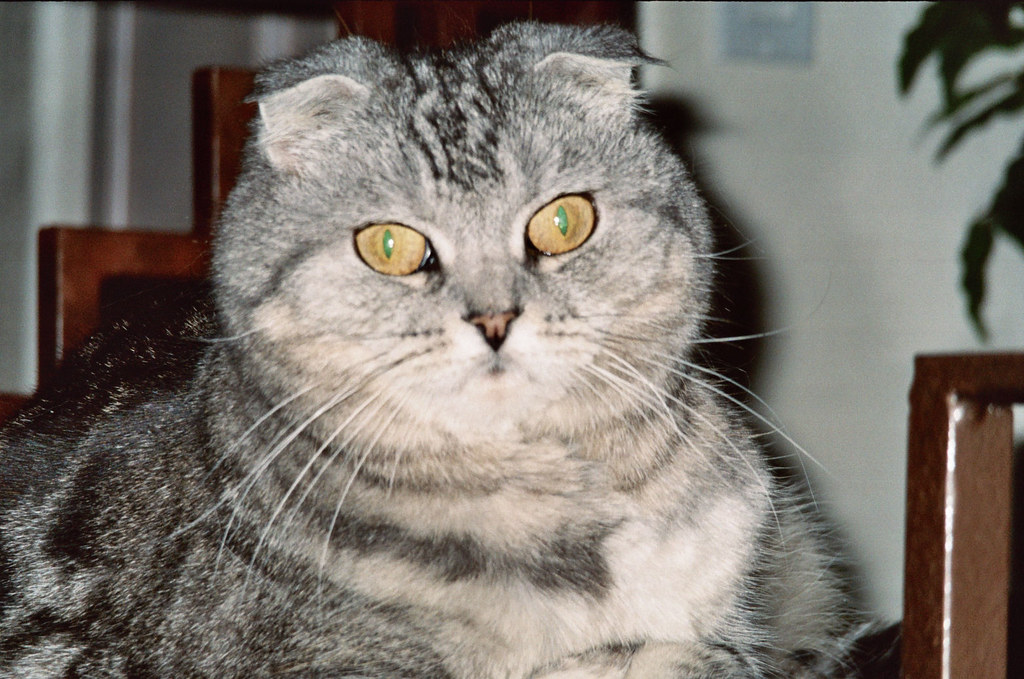
This breed is quite sensitive to change and may become aggressive when new pets are brought home. This cat is also not the friendliest toward babies and children. The Scottish Fold doesn’t like to share the attention and is also fond of rough petting. While their folded ears and round faces make them look like adorable teddy bears, their temperament tells a different story.
Although known for their cute, folded ears and reserved nature, Scottish Folds can become aggressive when overwhelmed or in pain, especially given their genetic predisposition to joint issues. They might lash out when touched in sensitive areas or resist handling from unfamiliar people. Their calm appearance can be misleading if they feel their boundaries are crossed. The unpredictable nature of children combined with potential pain from genetic conditions creates a recipe for defensive reactions.
#8 Egyptian Mau
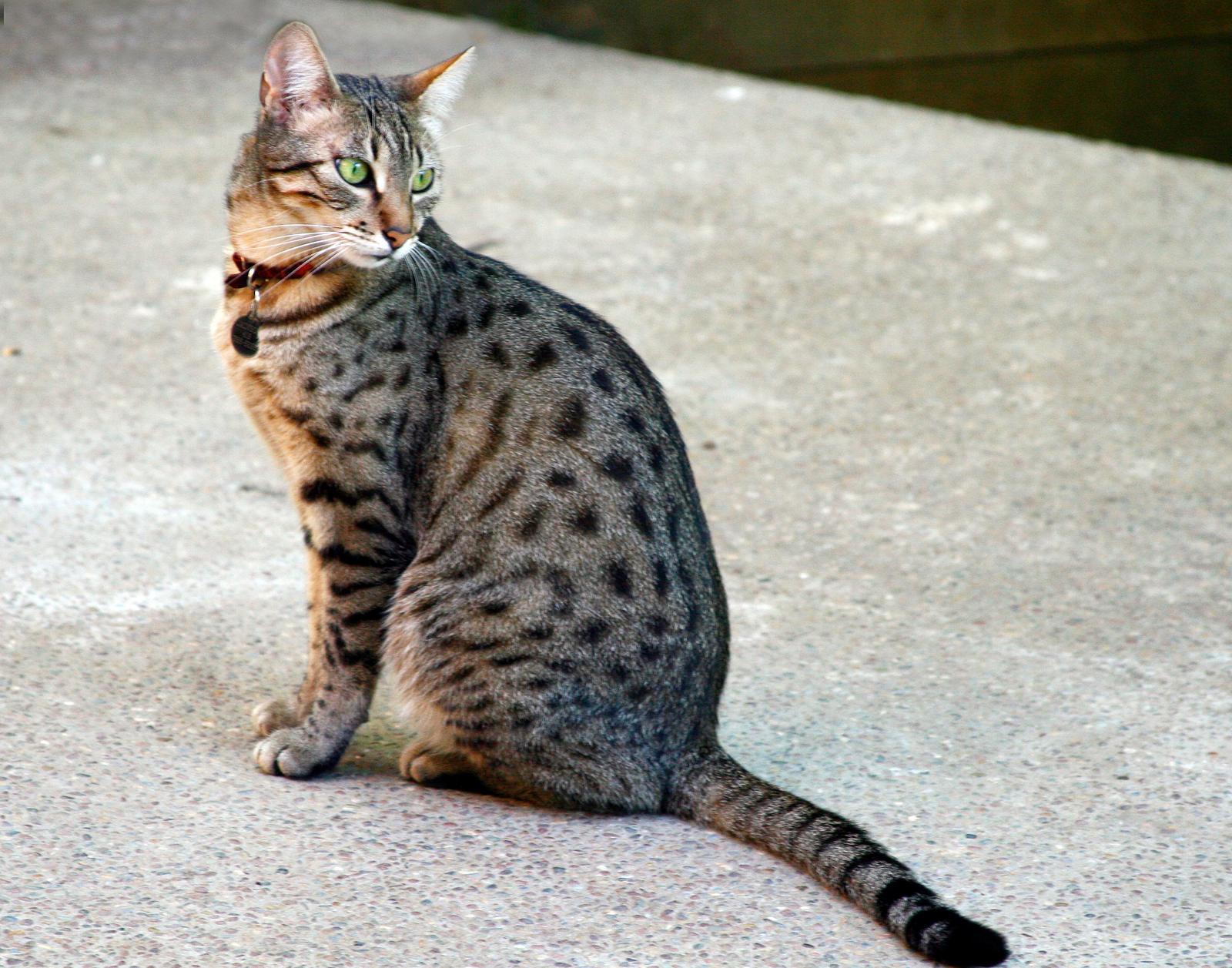
The Egyptian Mau may be too skittish and sensitive for a bustling household with very young children. It’s better suited to an older family where someone is home most of the time, especially with sensible older children. These ancient spotted cats are incredibly fast and athletic, but their sensitivity to chaos makes them poor matches for active households with young kids.
Maus get along with other pets well, but as they are territorial, there will be some “discussion” between them who is the boss. This discussion may require gradually introducing the animals to each other. Even though they might snap their nose at the baby or run and hide from a toddler, that doesn’t mean that they all share the same sentiment with children aged 6 years and older. By this age, their energy levels mesh, and the children have already learned to respect the animal’s boundaries.
#7 Abyssinian
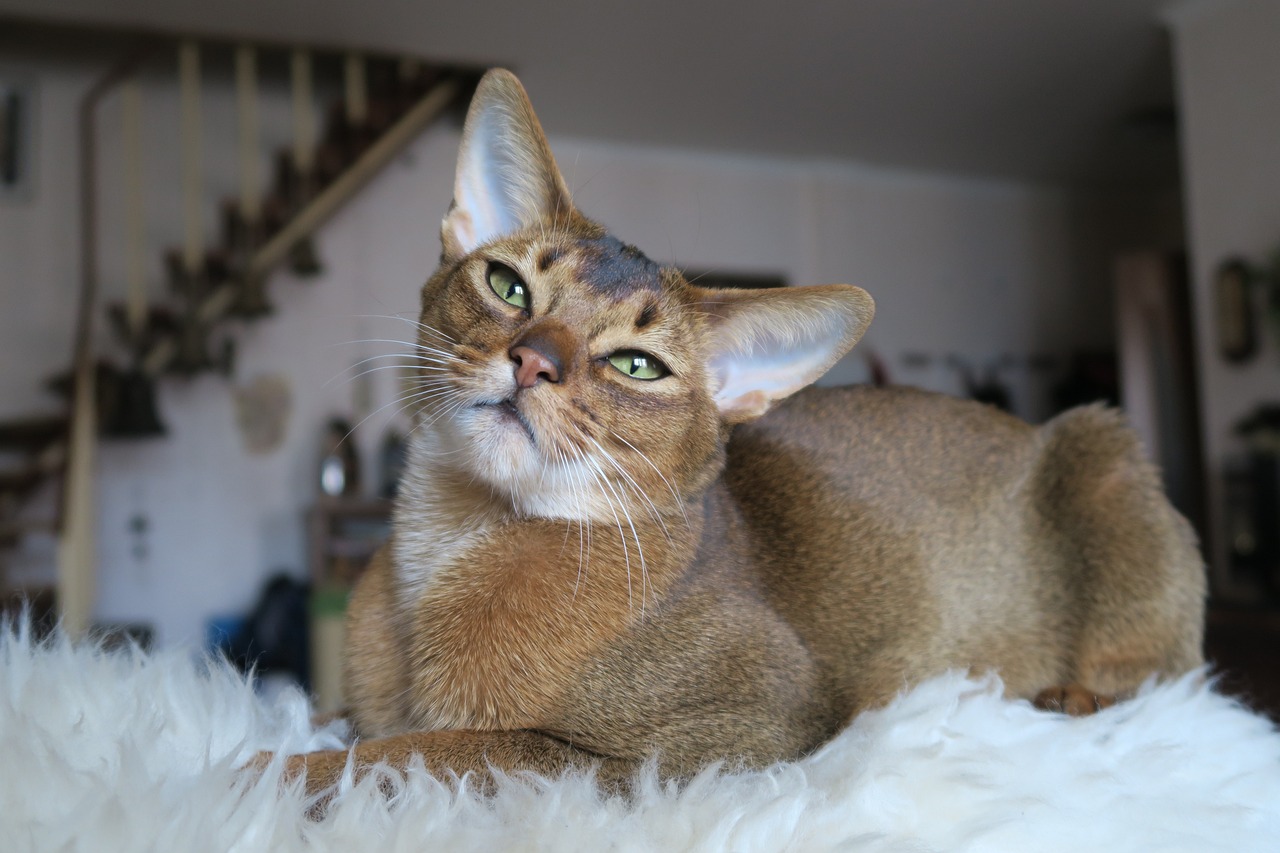
Abyssinians are known for following their owner around the house and asking for attention. They can be pretty vocal for this reason. They are also one of the more intelligent breeds out there. These active, intelligent cats require significant mental stimulation and can become problematic when their needs aren’t met consistently.
If you were to be away at work every day, it would be a good idea to have a friend for him because he’s the kind of cat that becomes bored and lonely and then he becomes naughty. This cat is known as a clown with its outgoing, mischievous nature. Children may not always provide the structured attention and stimulation these cats crave, leading to destructive or attention-seeking behaviors that could put kids at risk.
#6 Oriental Shorthair
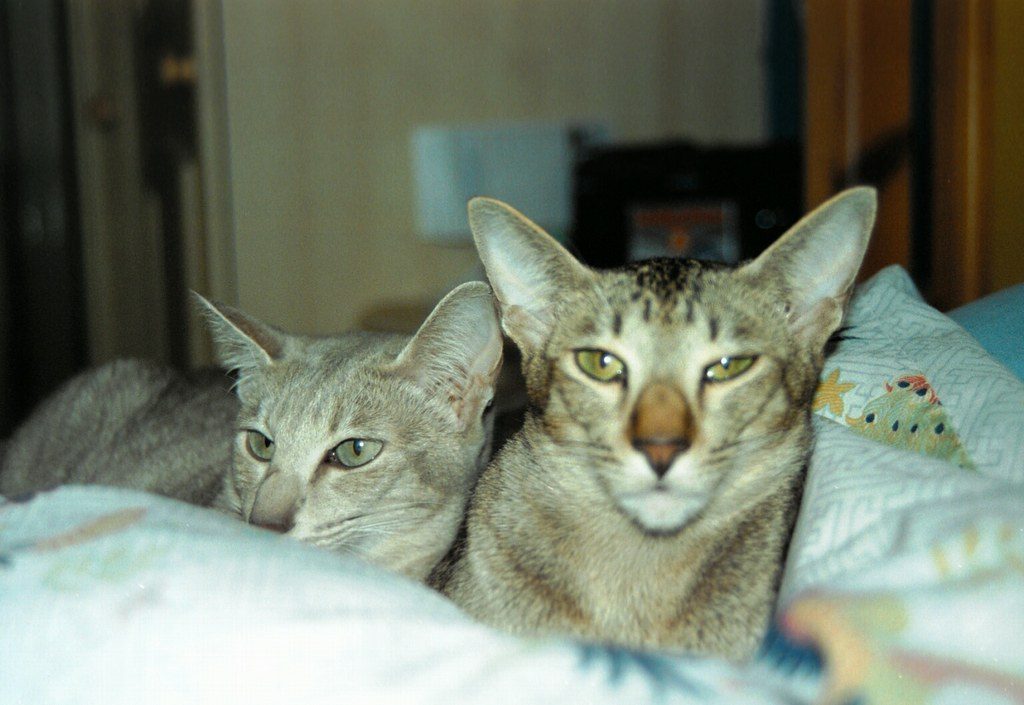
Related to the Siamese, Oriental Shorthairs are vocal and emotionally expressive. These cats share many traits with their Siamese cousins, including intense personalities and high emotional needs. They’re emotionally intense and may act out if they feel neglected or overstimulated. Their vocal nature can also turn into aggressive meowing or biting if they feel their needs aren’t being met.
Children’s naturally chaotic energy and inability to consistently meet a cat’s emotional demands can trigger stress responses in these sensitive felines. Their expressive nature, while endearing to adults, can manifest as problematic behaviors when they feel their complex needs are being ignored.
#5 Turkish Van
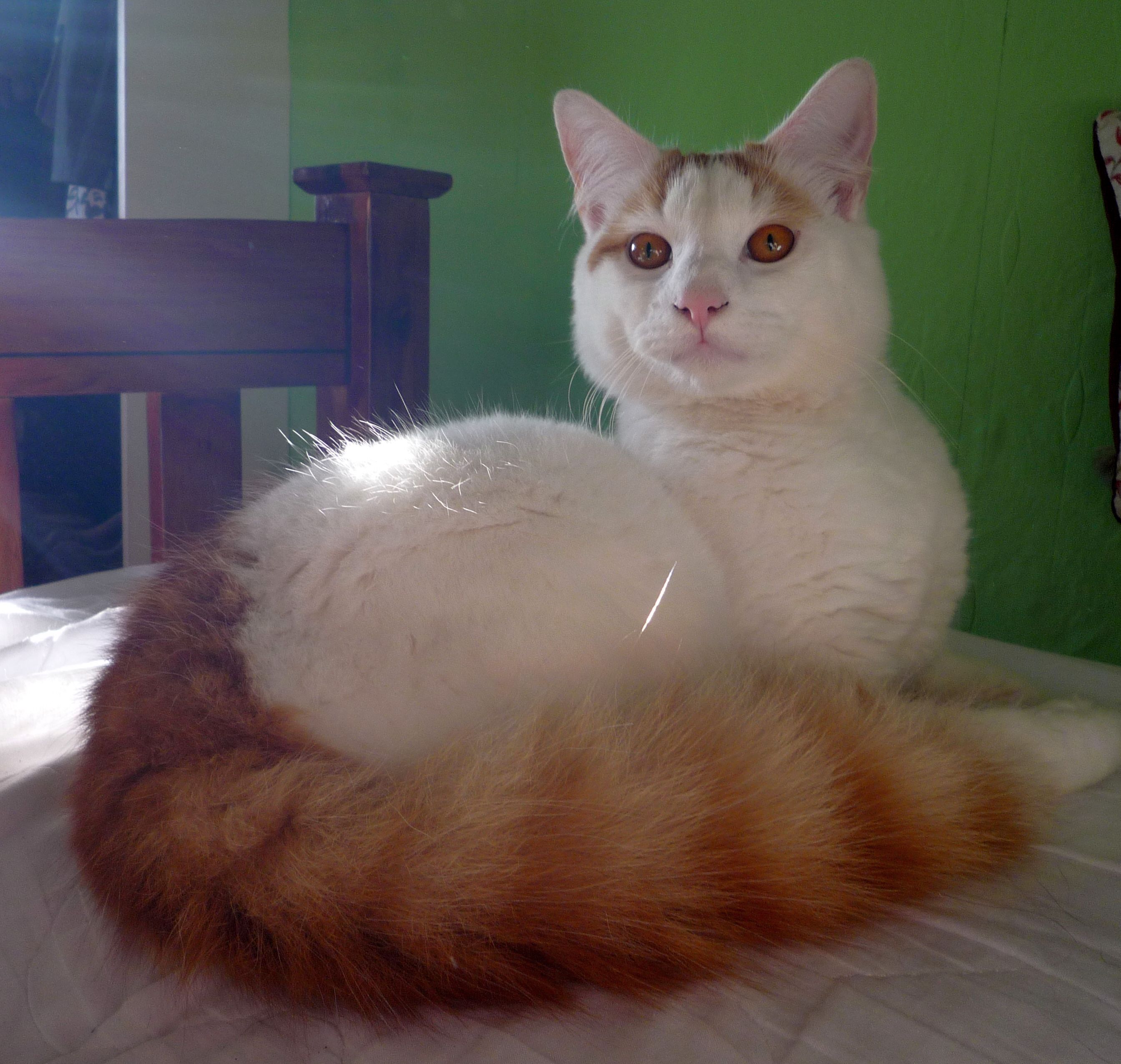
Turkish Vans are known to display territorial behavior and can show aggression towards people and other cats. The Turkish Van is a cat that prefers to be the only cat in the household. Due to the Turkish Van’s activity level and territoriality, they are not recommended for homes with small children. Vans truly like to be up in high places and enjoy looking upon their environment from atop of shelves and refrigerators.
They often stand up on their hind legs while playing and can play rather aggressively, which might be too much for smaller kids. They can play nicely with children but keep a close eye to ensure your little ones can read your cat’s body language and know when to back down. Their alpha personality and rough play style can be overwhelming and potentially dangerous for young children who don’t understand feline boundaries.
#4 Chausie
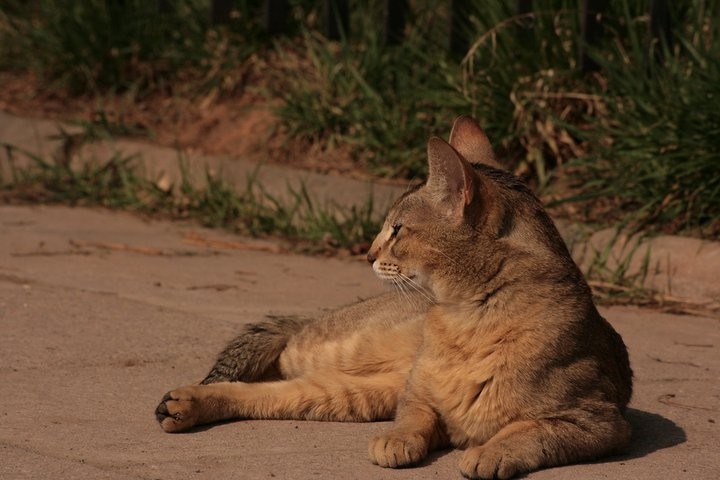
Chausie Cat: A crossbreed of a domestic cat and the jungle cat the Chausie is incredibly large and energetic. Without proper socialization these cats may view small pets and even children as prey. Families with small children should be wary of leaving this cat breed alone with their kids if they have not been taught how to handle cats with care and caution. As a Chausie cat is a hybrid breed, their roughhousing way of play and territorial behavior is something to keep an eye on with your young ones.
These large, powerful cats retain strong hunting instincts from their wild jungle cat ancestry. Despite their size and energy, they can be dangerous to homes with children or pets due to potential hazards. They are highly intelligent and enjoy engaging with humans when outside (even up high if the person is too stimulated). Their predatory instincts and sheer size make them potentially hazardous around small children who may trigger their hunting responses.
#3 Savannah
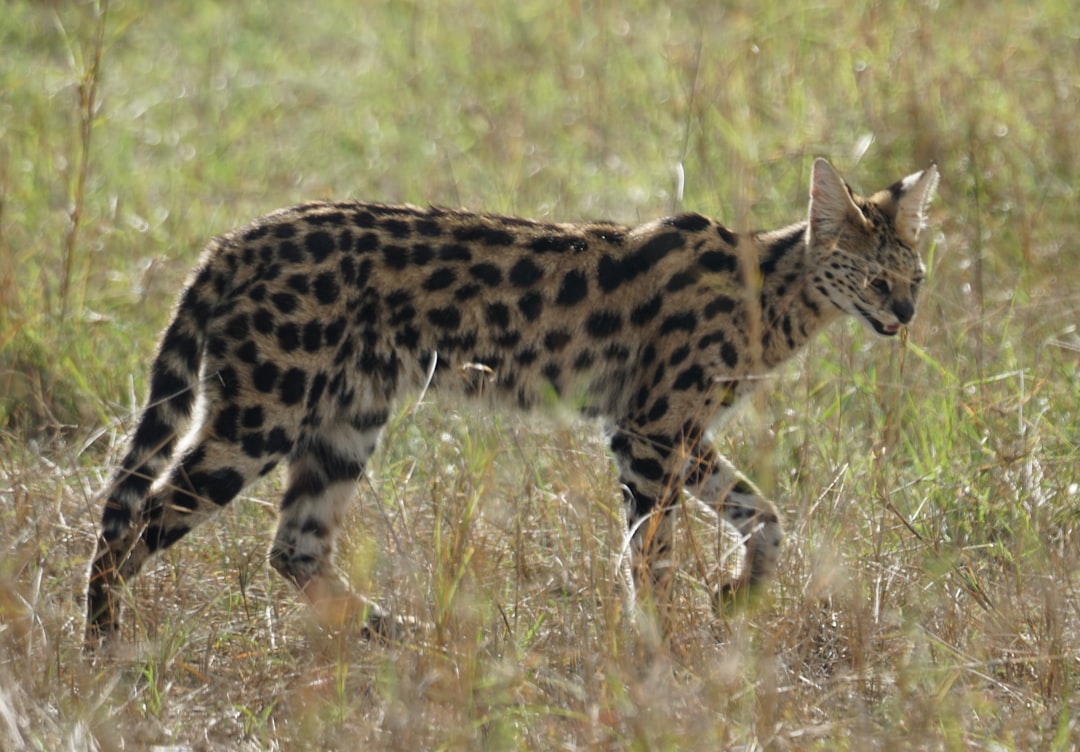
Another crossbreed cat type with a wild breed, the Savannah breed is a mix between an African Serval and a common house cat. With beautiful spotted fur and bursts of energy, you’ll have no trouble imagining this feisty cat in the wild African savannah landscapes. Savannah cats have a higher prey drive than their feline counterparts (due to their undomesticated ancestry).
This hybrid breed, part African Serval, is not your typical housecat. Savannahs are strong, intelligent, and athletic, but that wild side comes with a temper. If under-stimulated or not socialized properly, they may become aggressive, particularly toward smaller pets or strangers. They’re also fiercely loyal to their primary owner and may react negatively if they feel that bond is threatened. Children’s quick movements and high-pitched voices can trigger prey responses in these powerful hybrid cats.
#2 Siamese
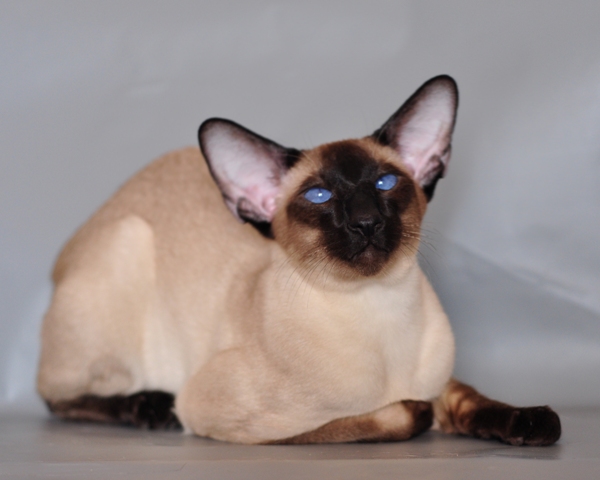
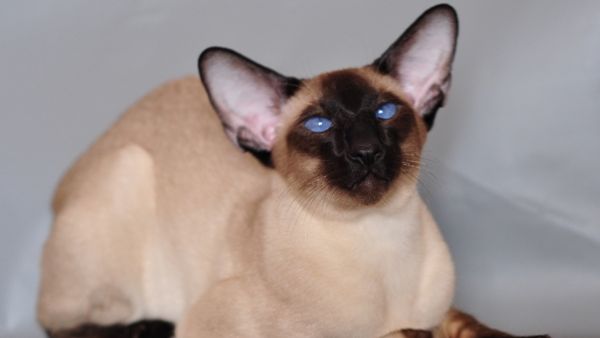
Siamese cats are known for being one of the most aggressive and territorial out of them all. They are known for bonding primarily with one person around the house and not with others. For example, the Siamese will find one household member with which to form a relationship and literally ignore and snub everyone else in the family. They do not like children and are not very affectionate with anyone but their favorite person.
Siamese cats are known for their intense personalities. They’re highly vocal, territorial, and sometimes possessive of their favorite humans. While they’re affectionate, they can also become jealous or demanding, which can turn into aggressive behavior, especially if they feel ignored or displaced by other pets. They don’t tolerate being left alone for long and may lash out due to stress or boredom. Their tendency to choose one family member while rejecting others, especially children, can create dangerous situations.
#1 Bengal
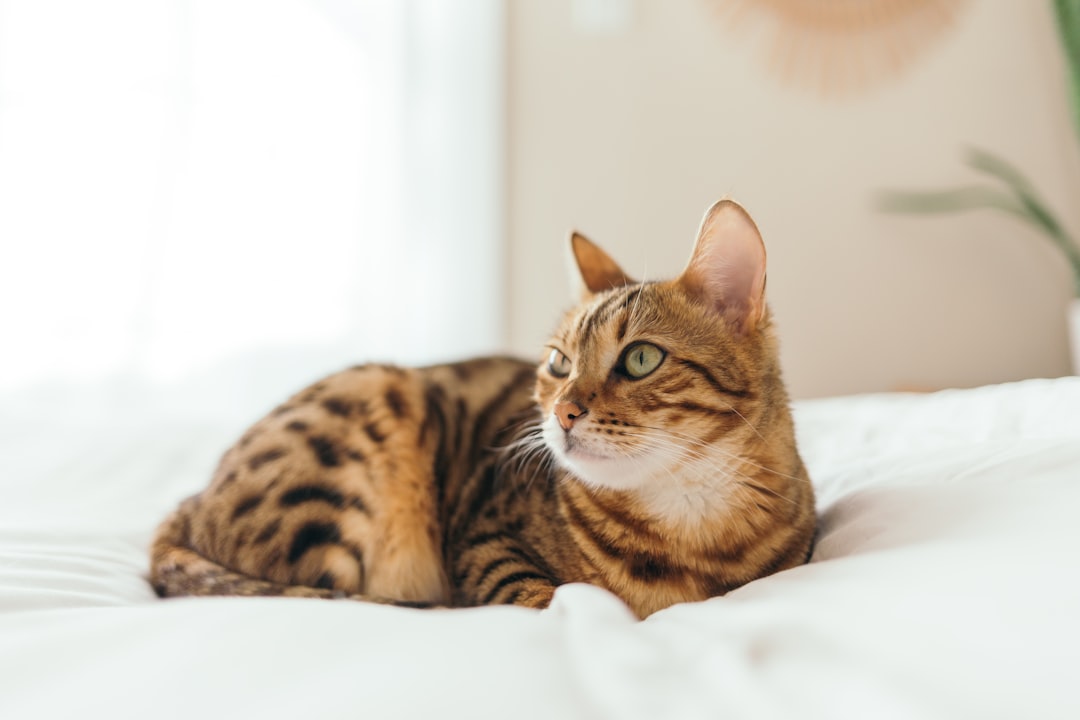
The Bengal is notoriously high maintenance, so you’ll need to put a lot of time into this cat to avoid aggressive behavior. With its staking and untamed ancestry, aggressive traits in this particular breed are no real surprise. Bengal cats are high-maintenance, often leading to negative behavior if needs are unmet. Bengals are active cats and can wreak havoc on the furniture of nearby victims if they’re bored. This includes scratching and biting amongst insistent yowls.
F1, F2, and F3 Bengals are not considered domesticated because of the large amount of Asian Leopard Cat in their blood. But even F4 and F5 Bengals have a bit of a destructive streak. Behavioral issues like territorial spraying and play aggression are quite common if this breed doesn’t meet its needs. Bengal cats are probably the scariest guard cats on this list, which is half the guard cat’s job. If you’re looking for a cat to truly guard your home, this may be a suitable option. Their wild heritage, combined with high energy and intelligence requirements, makes them the most challenging breed for families with children.
Understanding the Balance
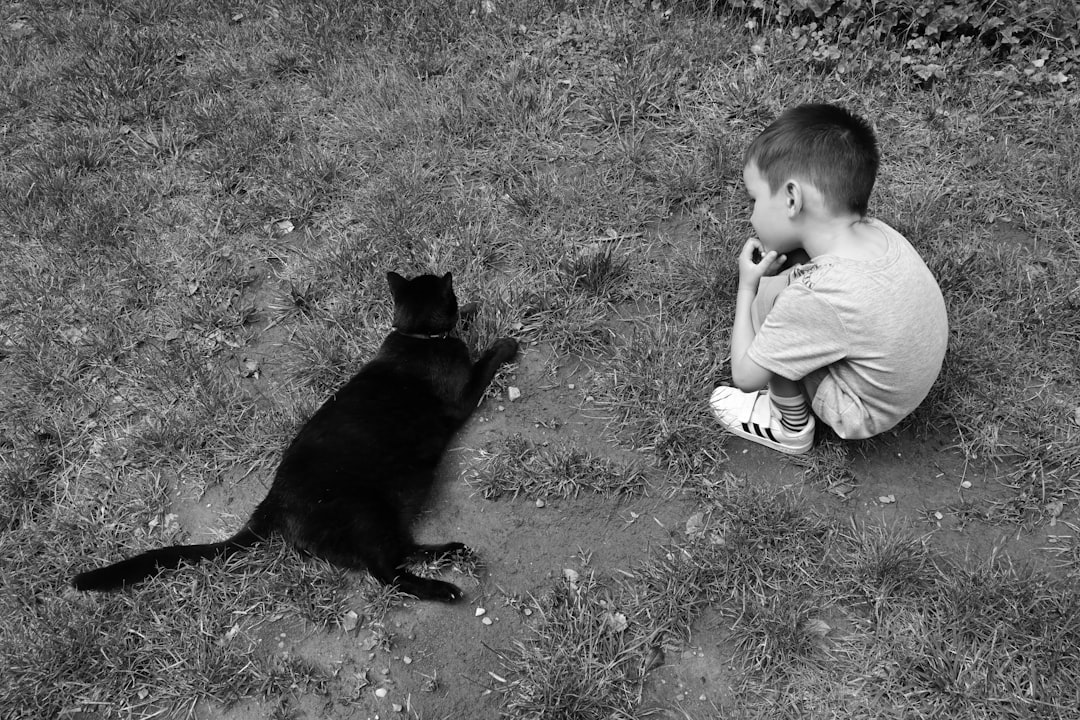
When considering any cat breed for a family with children, remember that proper socialization, training, and understanding of feline behavior play crucial roles in success. All cat aggression towards humans are serious. Cat aggression towards children is particularly dangerous. Even though children are well intentioned, always supervise their interactions with your cat. This is especially important if your cat has shown uncomfortable or fearful behaviors toward children. If not properly addressed, even mild forms of aggression can evolve into serious aggression.
The breeds listed here aren’t inherently evil or unsuitable as pets, but they require experienced owners who understand their unique needs and can provide appropriate environments. Many of these cats thrive in adult-only homes or families with older, more mature children who understand boundaries and respect feline communication signals.
What surprised you most about this list? Were you expecting to see your favorite breed, or did you learn something new about feline temperaments that might influence your next pet choice?

As a little kid, I fell in love with nature, wildlife, and animals. Living in the USA, South Africa, Italy, China and Germany gave me the opportunity to discover the world's Wildlife. My favorite animals are Mountain Gorillas, Siberian Tigers, and Great White Sharks.
I'm a certified PADI Open Water Diver, went to Everest Base Camp and Trekked Gorillas in Uganda. I hold a Master of Science in Economics and Finance.
Please send any feedback to feedback@animalsaroundtheglobe.com
- How the Garden Snail is One of the Slowest Creatures on Earth - August 15, 2026
- How Deer Navigate Busy Highways Using Their Senses - August 15, 2026
- 14 Reasons Your Cat Follows You into the Bathroom - August 15, 2026