


The world of cold-blooded creatures is as fascinating as it is diverse. These creatures, known scientifically as ectotherms, don’t generate their heat but rely on external environments to regulate their body temperatures. Despite their “cold-blooded” nature, many of these animals possess fiery dispositions that can surprise and captivate those who encounter them. From reptiles to amphibians, these creatures have unique ways of showcasing their tempers. Let’s dive into the intriguing world of these 15 cold-blooded creatures with hot tempers.
1. The Aggressive Side of the Komodo Dragon

The Komodo Dragon, native to the Indonesian islands, is a giant lizard known for its formidable size and aggressive behavior. Measuring up to 10 feet in length, this reptile has a reputation for being a fierce predator. Despite their cold-blooded nature, Komodo Dragons can exhibit surprisingly swift and aggressive movements when threatened or hunting. They possess a potent combination of sharp claws, strong jaws, and venomous saliva that helps them subdue their prey. In their natural habitat, they are the apex predators, feared by many other animals. Their hot temper is a survival mechanism, ensuring their dominance in the ecosystem.
2. Crocodiles Ancient Reptiles with Fiery Dispositions

Crocodiles, often seen basking lazily on riverbanks, can switch from calm to aggressive in a heartbeat. These ancient reptiles are equipped with powerful jaws capable of crushing bones. When provoked or when protecting their territory, crocodiles become highly aggressive. They are known to fiercely protect their nests and young, showing a fiery side that ensures their offspring’s survival. Their ambush hunting style further showcases their hot temper, as they swiftly attack unsuspecting prey with precision and power. This combination of patience and aggression makes crocodiles formidable creatures in their habitats.
3. The Defensive Nature of the Gila Monster

The Gila Monster, one of the few venomous lizards globally, is renowned for its defensive aggression. Found predominantly in the deserts of the southwestern United States and Mexico, this lizard is usually slow-moving but can become aggressive when threatened. With a venomous bite that can cause severe pain, the Gila Monster uses its temper as a defense mechanism. Unlike many other venomous creatures, it prefers to stand its ground rather than flee. This fiery disposition helps deter potential predators, showcasing its unique method of survival in the harsh desert environment.
4. Poison Dart Frogs Small But Mighty

Despite their diminutive size, Poison Dart Frogs pack a powerful punch with their vibrant colors and potent toxins. These tiny amphibians, native to Central and South America, use their toxicity as a defense mechanism. Their bright colors serve as a warning to potential predators, signaling their dangerous nature. When threatened, these frogs can become aggressive, showcasing their hot temper by releasing toxins through their skin. This potent defense ensures their survival in the wild, making them some of the most feared creatures in their ecosystem despite their small stature.
5. The Feisty Green Iguana

Green Iguanas, often seen as docile pets, can display a surprisingly feisty temperament in the wild. Native to Central and South America, these large lizards can become aggressive when threatened or during mating season. They use their powerful tails as whips, delivering painful strikes to deter predators. Additionally, their sharp claws and strong jaws add to their defensive arsenal. This fiery temper is particularly evident in males during mating season, as they become territorial and aggressive towards rivals. Their behavior showcases the complex nature of these reptiles, balancing between calm and combative.
6. The Venomous Temper of the King Cobra

The King Cobra, the world’s longest venomous snake, commands respect with its imposing presence and aggressive nature. Found in forests across Southeast Asia, this snake is known for its intelligence and quick reaction to threats. When provoked, the King Cobra raises its body and spreads its iconic hood, displaying a menacing appearance. Its venom is potent enough to kill an elephant, making it a formidable predator. Despite being cold-blooded, the King Cobra’s hot temper serves as a crucial survival trait, ensuring it remains at the top of the food chain.
7. The Defensive Behavior of the Eastern Diamondback Rattlesnake

The Eastern Diamondback Rattlesnake, native to the southeastern United States, is renowned for its defensive aggression. When threatened, it produces a distinct rattling sound as a warning. If the threat persists, this snake can become highly aggressive, striking with precision and venomous fangs. Its hot temper is an essential survival mechanism, protecting it from potential predators. The rattlesnake’s behavior is a testament to its adaptability, using both warning signals and aggression to navigate its environment. This combination ensures its continued survival in the wild.
8. The Territorial Nature of the Nile Monitor
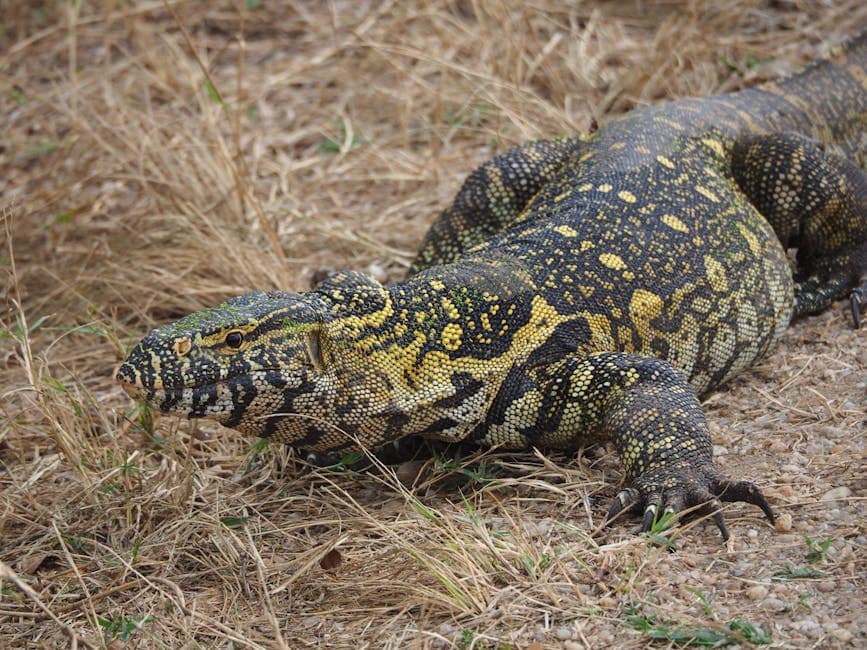
Nile Monitors, large lizards found in Africa, are known for their territorial aggression. These reptiles can grow up to 7 feet long and possess a fiery disposition when defending their territory. They use their strong jaws, sharp claws, and muscular tails to deter intruders. During the breeding season, males become particularly aggressive, engaging in fierce battles for dominance. This territorial behavior ensures their survival and reproductive success, showcasing their hot temper as an evolutionary advantage. Their adaptability and aggression make them formidable creatures in their natural habitat.
9. The Boldness of the Box Jellyfish

Despite its delicate appearance, the Box Jellyfish is one of the most dangerous marine creatures. Found in the Indo-Pacific region, this jellyfish possesses venom potent enough to cause cardiac arrest in humans. When disturbed, it can become aggressive, using its tentacles to deliver painful stings. Its translucent body and swift movements make it difficult to spot, adding to its dangerous nature. The Box Jellyfish’s hot temper is a survival mechanism, deterring potential threats in the ocean. Its venomous defense ensures its place as one of the most feared creatures in marine ecosystems.
10. The Protective Instincts of the Alligator Snapping Turtle

The Alligator Snapping Turtle, native to the southeastern United States, is known for its powerful bite and aggressive behavior. Resembling a prehistoric creature with its rugged shell and strong jaws, this turtle can become highly aggressive when threatened. Its hot temper is particularly evident when it is protecting its territory or during the breeding season. The turtle’s powerful bite can cause severe injury, serving as a deterrent to potential predators. This defensive aggression ensures its survival in the wild, showcasing its unique adaptation to its environment.
11. The Fierce Nature of the Black Mamba

The Black Mamba, native to sub-Saharan Africa, is one of the fastest and most feared snakes in the world. Known for its speed and agility, this snake can become highly aggressive when threatened. Its venom is lethal, capable of causing death within hours if left untreated. Despite its cold-blooded nature, the Black Mamba’s hot temper is a crucial survival trait, allowing it to defend itself and secure its territory. Its reputation as a fierce predator is well-deserved, making it one of the most respected creatures in the animal kingdom.
12. The Combativeness of the Tokay Gecko

The Tokay Gecko, native to Southeast Asia, is known for its loud vocalizations and aggressive behavior. These colorful lizards can become highly territorial, especially during mating season. When threatened, the Tokay Gecko displays a fiery temper, using its strong jaws to deliver painful bites. Its vocalizations serve as a warning to potential threats, showcasing its defensive nature. This aggression is a survival mechanism, ensuring its continued presence in its habitat. The Tokay Gecko’s unique behavior highlights the complex nature of these cold-blooded creatures.
13. The Defensive Strategies of the Red-bellied Piranha
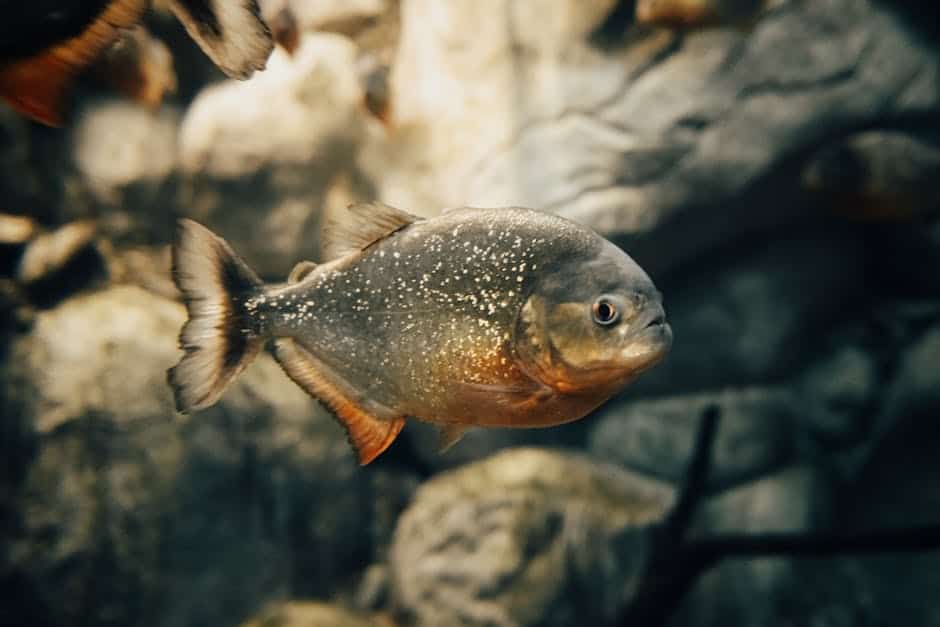
The Red-bellied Piranha, native to South American rivers, is infamous for its aggressive nature. Known for their sharp teeth and powerful jaws, these fish can become highly aggressive when threatened or during feeding frenzies. Their hot temper is a defense mechanism, allowing them to protect themselves and their territory. When in groups, their aggression is amplified, making them formidable predators in their environment. The Red-bellied Piranha’s behavior is a testament to their adaptability, using aggression as a tool for survival in the wild.
14. The Fiery Disposition of the Cane Toad

The Cane Toad, native to Central and South America, is known for its toxic skin and aggressive behavior. When threatened, this amphibian can become highly defensive, using its potent toxins as a deterrent. Its hot temper is evident in its ability to stand its ground rather than flee from predators. This defensive aggression ensures its survival, making it one of the most resilient creatures in its environment. The Cane Toad’s unique adaptation highlights the complex nature of cold-blooded creatures, balancing between calm and combative.
15. The Hot Temper of the Bearded Dragon

The Bearded Dragon, native to Australia, is often seen as a docile pet but can display a fiery temper in the wild. When threatened, this lizard puffs out its beard and opens its mouth, displaying a menacing appearance. Its aggressive behavior is a defense mechanism, deterring potential predators. During mating season, males become particularly territorial, showcasing their hot temper towards rivals. This behavior is a testament to their adaptability, using aggression as a tool for survival. The Bearded Dragon’s unique nature highlights the complexity of cold-blooded creatures, balancing between calm and combative.
Conclusion

These cold-blooded creatures, despite their reliance on external temperatures, possess hot tempers that serve crucial roles in their survival. Whether defending territory, protecting young, or deterring predators, their fiery dispositions are key to their success in the wild. Each creature showcases its unique adaptation, highlighting the incredible diversity and complexity of the animal kingdom.

As a little kid, I fell in love with nature, wildlife, and animals. Living in the USA, South Africa, Italy, China and Germany gave me the opportunity to discover the world's Wildlife. My favorite animals are Mountain Gorillas, Siberian Tigers, and Great White Sharks.
I'm a certified PADI Open Water Diver, went to Everest Base Camp and Trekked Gorillas in Uganda. I hold a Master of Science in Economics and Finance.
Please send any feedback to feedback@animalsaroundtheglobe.com
- 14 Stunning Animals You Can See in India - July 18, 2026
- The Most Enormous Lobster Ever Pulled From Maine Waters - July 18, 2026
- The Most Dangerous Waters for Sharks in North America - July 18, 2026