
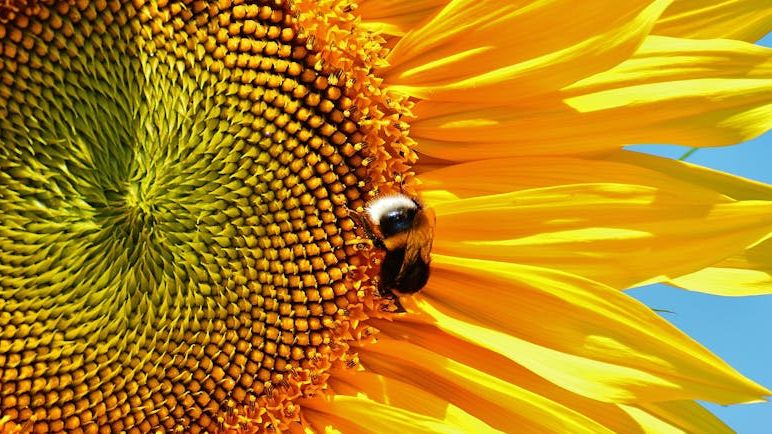
There’s a moment, usually in midsummer, when a well-planted garden stops feeling like a project and starts feeling like a living system. Bees navigate between blooms with quiet purpose. Butterflies hover and drift. Hummingbirds appear and vanish. It happens when the right plants are in the ground, and it happens reliably.
Pollinators are responsible for one out of every three bites of food we take each day. That’s a striking fact, and yet most of us give very little thought to the plants we choose in relation to it. The good news is that supporting pollinators doesn’t require a large yard, a horticultural degree, or a radical garden overhaul. Six plants, many of which you might already grow, can make a measurable difference to the health of your garden and the wildlife that depends on it.
Lavender: The Fragrant Pollinator Magnet
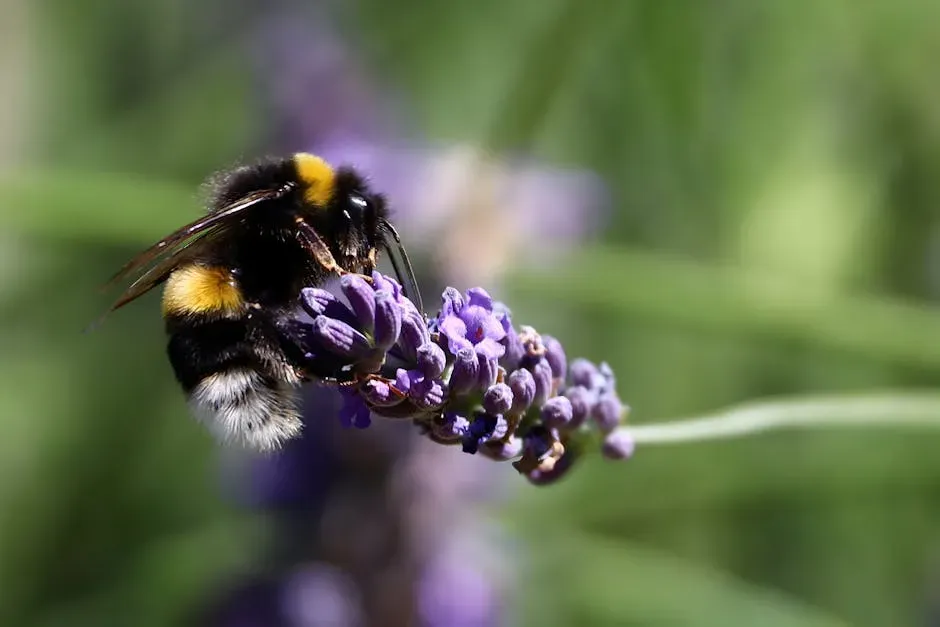
Lavender provides essential nectar and pollen, serving as a vital food source for pollinators like bees and butterflies. What’s particularly useful about lavender is its timing. Lavender is especially valuable during the mid-summer gap when other nectar and pollen sources may be scarce. That gap matters more than most gardeners realize, since consistent food availability is what keeps pollinators returning to the same area.
While both bumblebees and honey bees are attracted to lavender, the plant is more popular among bumblebees, whose long tongues allow them to efficiently extract nectar from lavender’s tubular flowers. Beyond the pollinators it draws in, lavender offers something extra. Lavender also repels unwanted pests like mosquitoes and moths, which makes it a multitasking superstar in any yard. Lavender prefers full sun and well-drained soil. Pruning the plants in early spring or late fall encourages bushy growth and helps maintain their shape.
Echinacea (Coneflower): A Resilient Garden Workhorse
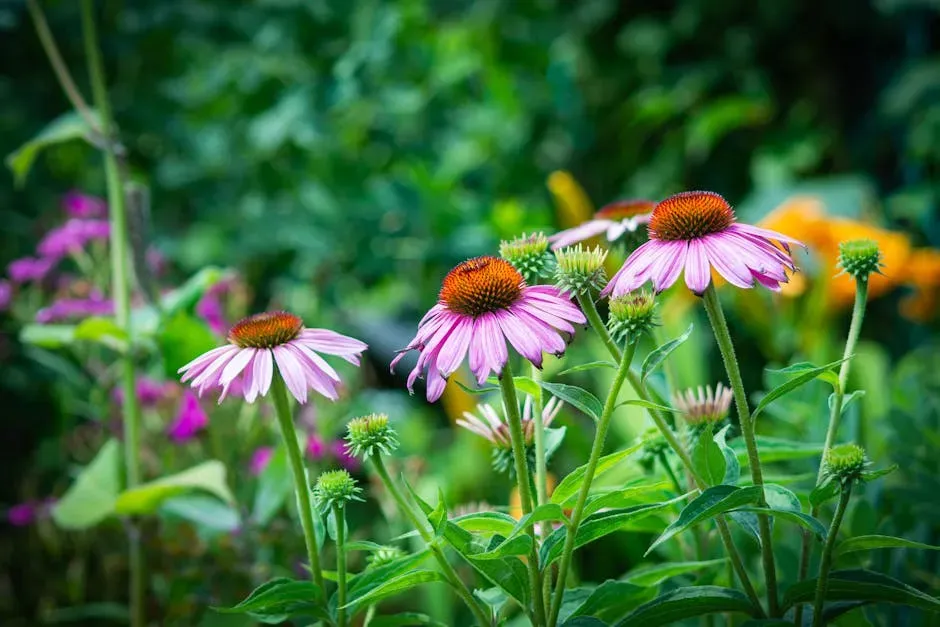
Echinacea, also known as coneflower, is a garden favourite for anyone looking to support pollinators. With its gorgeous purple-pink petals and eye-catching cone-shaped centres, it’s not just a treat for the insects; it’s a showstopper in any garden. Bees, butterflies, and other beneficial bugs can’t get enough of its nectar, and since it blooms from midsummer to early autumn, it keeps the buffet open during the busiest pollinator season.
A study from the University of Saskatchewan showed that echinacea nectar contains glucose, fructose and sucrose – a pleasing mix of sugars to generalist pollinators like bees, butterflies and moths. The plant’s usefulness doesn’t end at the flower. The seeds of purple coneflower are a valuable source of food for many species of birds, including goldfinches, sparrows, and chickadees. By providing a food source for these birds, purple coneflower helps to support the health and diversity of local bird populations. It’s rare to find a single plant that feeds insects and birds across the whole season, but echinacea genuinely earns that distinction.
Bee Balm (Monarda): The Triple-Threat Pollinator Plant
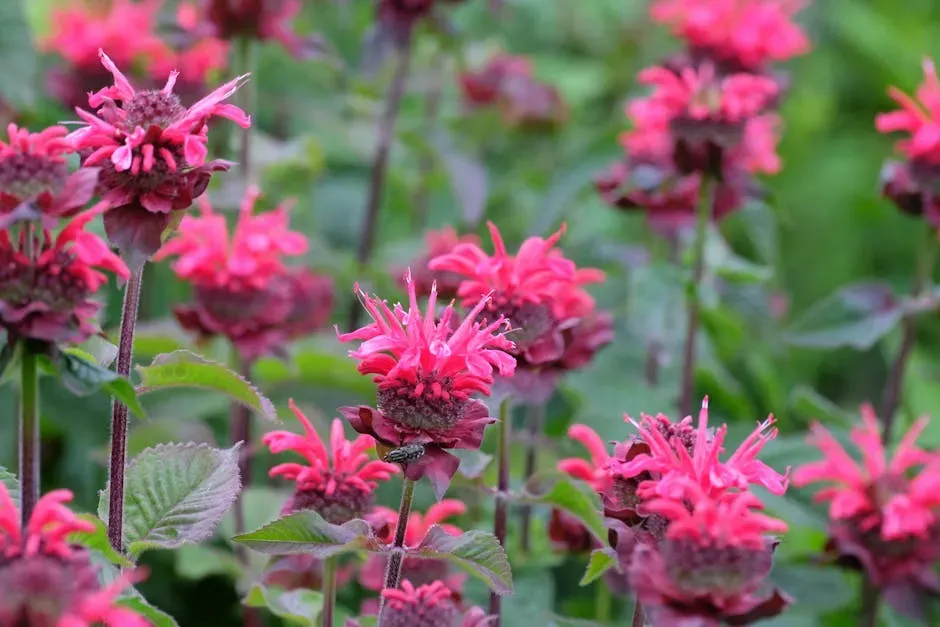
Bee balm produces bright, tubular flowers packed with sweet nectar that draws in bees, butterflies, and hummingbirds. By planting bee balm, you create a natural food source that invites these important pollinators right to your yard. Its reach across species types is genuinely impressive. Bee balm is not just a favorite among bees; it also attracts a diverse array of other pollinators. Butterflies, hummingbirds, and even beneficial insects such as ladybugs and hover flies find bee balm irresistible.
Bee balm’s long blooming season, from mid-summer to early fall, ensures that your garden remains a lively hub for pollinators long after other flowers have faded. There’s a practical side to its placement worth noting. Its strong pollinator pull makes it a strategic addition near vegetable gardens. More visitors mean better pollination and bigger harvests. Native bees, butterflies and hummingbirds can get plenty of nectar from bee balm, which makes your yard more colorful and ecologically balanced, and its roots help keep the land stable and encourage a wide range of microbes.
Milkweed: A Conservation Plant in Your Own Backyard
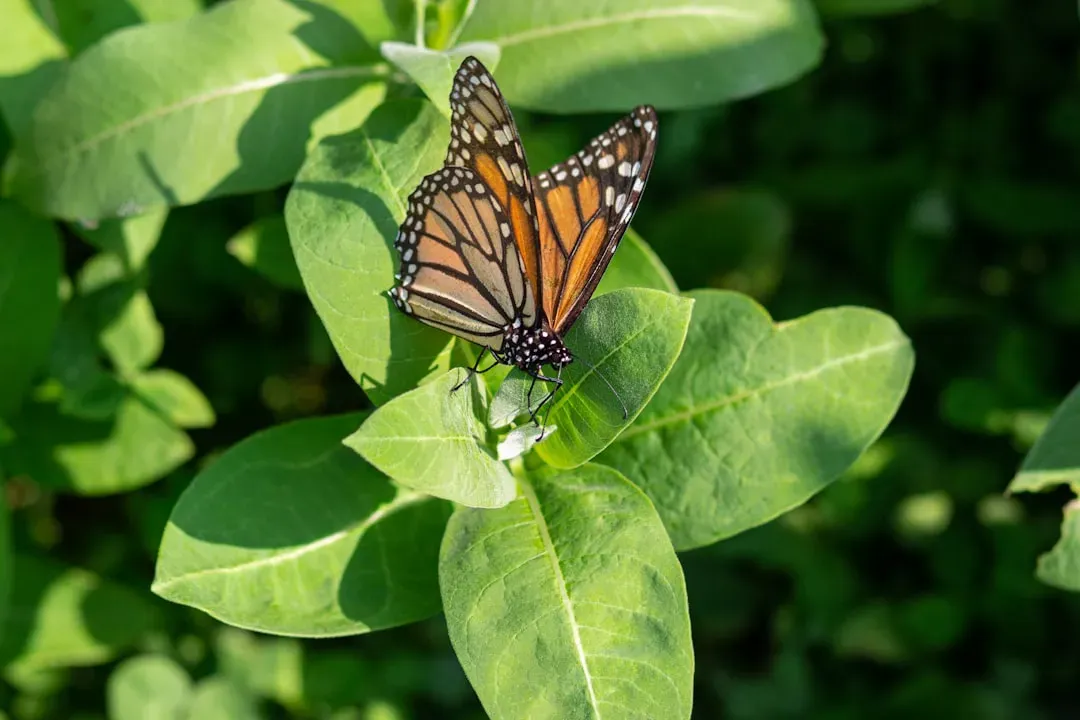
Milkweed is not just a plant; it’s a lifeline for monarch butterflies. Female monarchs lay their eggs exclusively on milkweed, and the caterpillars feed on the leaves. Without milkweed, the monarch population would struggle to survive. The relationship between monarch butterflies and milkweed is one of the most well-documented examples of a species-specific dependency in North American ecology, and its loss from garden landscapes is a real and documented factor in declining monarch numbers.
Milkweed plays a starring role in supporting monarch butterflies by serving as both food and nursery. Caterpillars rely exclusively on milkweed leaves, making this plant essential for survival. Monarchs seek out these plants instinctively, laying eggs where future generations can thrive. Its value extends beyond monarchs, too. Adding different milkweed varieties increases the chances of supporting diverse butterfly populations. Swamp milkweed and common milkweed both thrive in different soil conditions, making them flexible options. Bright orange and pink blooms also attract other pollinators, expanding garden activity beyond monarchs alone.
Sunflowers: Bold, Generous, and Surprisingly Giving
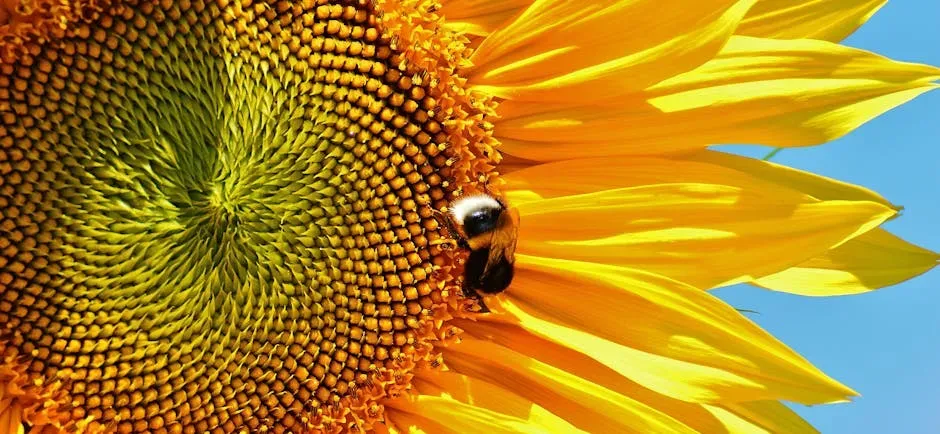
Sunflowers are a plant that can transform your garden into a pollinator haven. These towering beauties are not only a feast for the eyes but also for butterflies and bees. The large, bright heads of sunflowers provide a landing pad for pollinators, making it easy for them to access the nectar and pollen. There’s something satisfying about how openly generous sunflowers are. They don’t hide their resources in tubular flowers or tight clusters; the whole center disk is an open invitation.
Sunflowers bring height, drama, and a steady stream of pollinators to any space. Bees flock to their large centers, collecting pollen with visible enthusiasm. Butterflies also stop by, especially during peak bloom. What most gardeners appreciate is that the plant’s usefulness continues long after the petals drop. After blooming, sunflowers continue to give by producing seeds that birds love. This extends their usefulness well beyond the flowering stage. They also create partial shade, which can benefit nearby plants. Few annuals offer such a complete seasonal performance from a single planting.
Yarrow: The Low-Effort, High-Impact Native Perennial
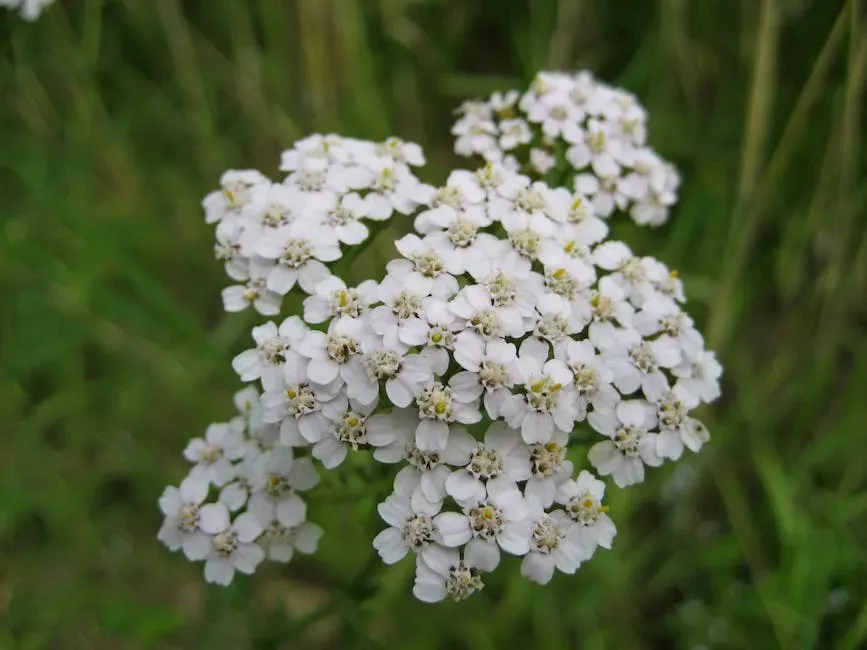
Yarrow’s flat, umbrella-shaped clusters of flowers attract a variety of pollinators, including bees, butterflies, and ladybugs. This hardy perennial prefers full sun and well-draining soil. Yarrow is drought-tolerant, making it a low-maintenance option. What sets yarrow apart from many pollinator plants is what it does beyond attracting bees and butterflies. Its flat-topped clusters attract a wide variety of beneficial insects, including ladybugs and parasitic wasps. These insects help control pests naturally, reducing the need for chemical sprays.
Yarrow thrives in poor soil and requires very little water. That resilience makes it perfect for gardeners who want results without constant upkeep. Its feathery foliage adds texture, while its flowers come in a range of colors from white to deep red. For anyone starting a pollinator garden from scratch, yarrow is arguably the wisest first investment. It returns year after year, spreads at a manageable pace, and actively recruits the kind of beneficial insects that do real pest-management work in the garden – without a single chemical in sight.
Why These Six Plants Work Better Together
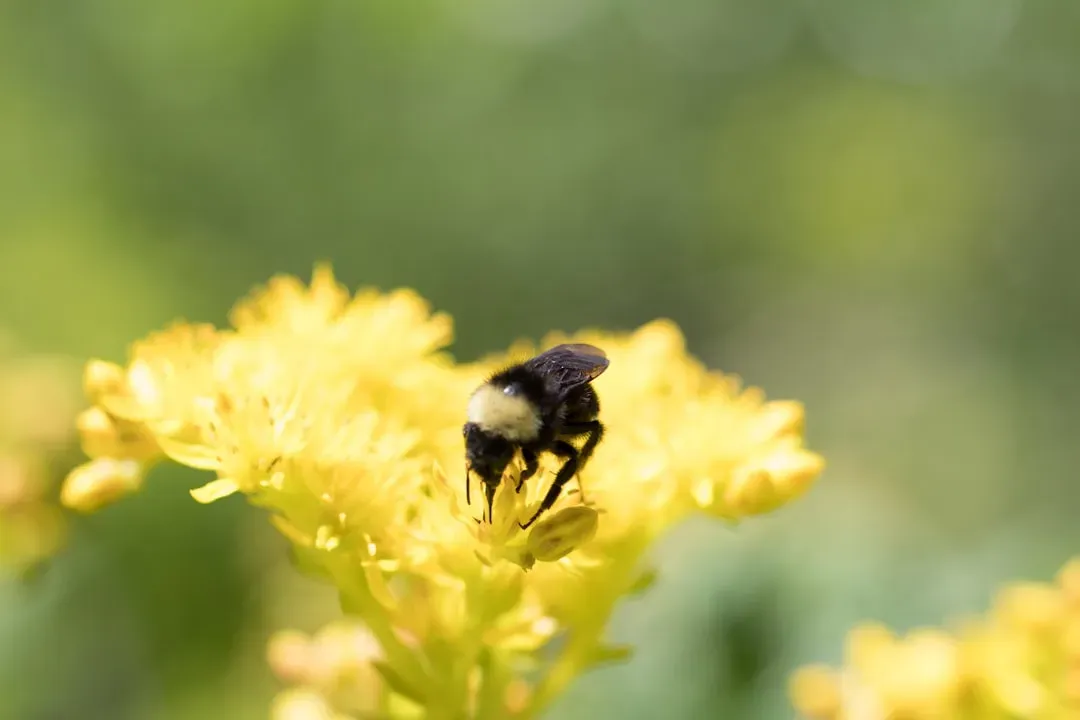
You can help pollinators significantly by growing a diversity of native plants in your space. That’s not a vague suggestion – it’s the key principle behind why planting several of these species together produces noticeably better results than a single-species approach. A thriving pollinator garden works best when every addition functions like part of a coordinated system. Native flowers, herbs, milkweed, water sources, and nesting spaces all play interconnected roles. Each element reinforces the others, creating a self-sustaining cycle of attraction and return visits.
The presence of beneficial insects can help control pest populations, reducing the need for chemical interventions and promoting a healthier, more natural ecosystem. That ripple effect is what makes pollinator gardening genuinely worthwhile, rather than just aesthetically pleasing. Using a wide variety of plants that bloom from early spring into late fall is a key principle. Helping pollinators find and use them by planting in clumps, rather than single plants, increases their effectiveness.
A Final Word
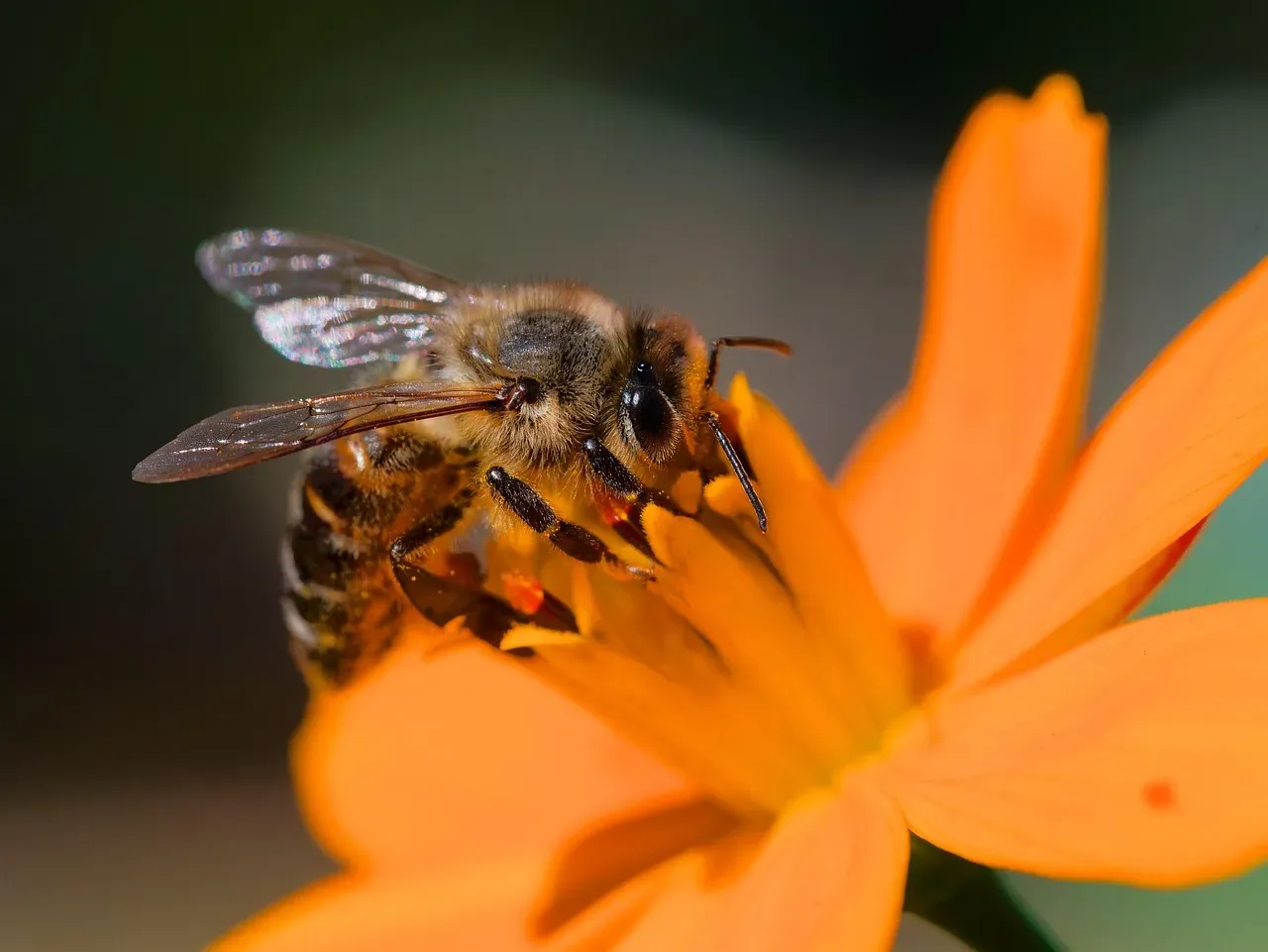
The truth is, pollinator-friendly gardening isn’t a niche interest or a specialist pursuit. It’s simply good gardening. Choosing lavender, echinacea, bee balm, milkweed, sunflowers, and yarrow isn’t a sacrifice – these are genuinely beautiful, useful, and low-maintenance plants that happen to double as ecological infrastructure.
As your garden becomes a haven for pollinators and other wildlife, it will flourish in ways you might not have expected, creating a beautiful and harmonious space that benefits both you and the environment. There’s a version of a garden that works harder than you do – where plants feed insects, insects pollinate crops, and the whole system sustains itself season after season. These six plants are a reliable path to that garden. The pollinators will find it. They always do.

- 12 Architectural Wonders From The Ancient World That Inspire Us Today - July 18, 2026
- 6 Beautiful Ancient Cities That Time Forgot (But Shouldn’t) - July 18, 2026
- 6 Common Animal Behaviors That Are Often Misunderstood by Humans - July 18, 2026