


Worried about unexpected vet bills?
Pet insurance can cover thousands in unexpected vet costs. Get a free quote from Lemonade in under 2 minutes.
Get My Free Quote →Sponsored · Opens Lemonade.com
Did you ever feel a tickle on your arm while gardening, only to glance down and spot a tiny eight-legged creature staring back at you? For many, spiders spark a mix of fascination and fear—especially when you realize some of the creepiest species might be hiding just outside your door. From the mysterious webs under your porch to the unexpected guest in your shoes, spider encounters are more common, and sometimes more spine-chilling, than you think. Let’s take a closer look at 15 of the creepiest spiders you might find lurking in your very own backyard.
You could also like: Did You Know That Moose Can Weigh Up To 1400 Pounds
15. Yellow Sac Spider

The yellow sac spider is one of those tiny horrors that often go unnoticed until it’s too late. With its pale, almost translucent yellow body, this spider blends in perfectly with garden leaves and house corners. It’s not just the color that makes it creepy—these spiders are known for their sneaky behavior, hiding in small sacs during the day and coming out at night to hunt. Their bite packs a punch, often causing redness and mild pain, but rarely anything more severe. You’ll typically find them crawling along window sills or tucked into curtain folds. For such a small creature, the yellow sac spider sure knows how to send a shiver down your spine.
14. Wolf Spider

Wolf spiders are the ultimate backyard prowlers. Unlike many spiders that spin webs to catch their prey, wolf spiders chase down their victims like tiny, hairy wolves. Their speed is impressive—and a bit unsettling when you spot one dashing across the patio. With their large size, brown coloring, and piercing eyes that reflect light at night, these spiders look downright intimidating. You might see a mother carrying dozens of baby spiders on her back, which is both fascinating and the stuff of nightmares. Despite their fearsome look, wolf spiders aren’t aggressive toward humans, but their sudden movements can really get your heart racing.
13. Black Widow Spider

Few spiders are as infamous as the black widow. Recognizable by its shiny black body and the signature red hourglass on its belly, the black widow is the poster child for creepy crawlers in the U.S. Found in sheds, woodpiles, and under patio furniture, this spider doesn’t go looking for trouble but will defend itself if disturbed. Its venom is potent and can cause serious symptoms if you’re bitten, making it a spider you definitely don’t want to mess with. The knowledge that a black widow could be lurking in a dark corner is enough to make anyone think twice before reaching into a pile of firewood.
12. Brown Recluse Spider

The brown recluse is shrouded in myth and mystery, but the truth is, it’s one of the most feared spiders in American backyards. Its violin-shaped mark on the back helps identify it, though the spider itself prefers to remain unseen. Hiding in shoes, closets, and basements, the brown recluse only bites when threatened, but its venom can cause serious skin reactions. The idea that something so reclusive can pack such a punch is unnerving. If you’ve ever shaken out your boots in the South or Midwest, you’ve probably done it with this spider in mind.
11. Orb-Weaver Spider

Orb-weaver spiders are the architects of those massive, symmetrical webs that glisten with dew in the morning light. While their intricate artwork is beautiful, spotting the large, bulbous spider at the center can be quite a shock. With their colorful, spiky bodies and long legs, orb-weavers look like they belong in a Halloween display. They’re harmless to humans, but their sudden appearance—especially when you walk right into their web—can make anyone jump. The orb-weaver’s web is a testament to nature’s engineering, but the spider itself is a little too creepy for comfort.
10. Hobo Spider

The hobo spider is a master of stealth, weaving funnel-shaped webs in cracks and crevices where it waits for unsuspecting prey. Often mistaken for the brown recluse, the hobo spider has a brown body marked with chevrons down its back. While its bite is not as dangerous as once feared, the hobo spider’s secretive nature and rapid movements make it a spooky presence in basements and garages. Just the thought of one hiding in an old box is enough to make you double-check everything you bring in from the garage.
9. Jumping Spider

Jumping spiders are the acrobats of the spider world. With their compact bodies and startling ability to leap several times their own length, these little spiders are both impressive and unnerving. Their large, forward-facing eyes give them a curious, almost alien appearance. While they’re generally harmless and even beneficial in the garden, the surprise of seeing one suddenly launch itself across a table can give anyone the creeps. Their unpredictable movements make them fascinating to watch but hard to forget.
8. Funnel Weaver Spider

Funnel weaver spiders create thick, sheet-like webs with a distinctive tunnel at one end, where the spider waits in ambush. These spiders are fast, darting out to grab insects that wander onto their webs. Their gray or brown coloring and long, spindly legs add to their eerie appearance. You’ll often find their webs in bushes, grass, or along fences—anywhere they can anchor their intricate traps. The sight of a funnel weaver’s web glistening in the dew is stunning, but imagining the spider lurking inside is enough to send a chill down your spine.
7. Cellar Spider

Also known as “daddy longlegs,” cellar spiders are instantly recognizable by their spindly, thread-like legs and tiny bodies. They love dark, damp spaces like basements, crawl spaces, and cellars—hence their name. These spiders are harmless, but their tendency to gather in clusters and their almost ghostly appearance make them a common source of unease. Watching a cellar spider’s legs quiver as it vibrates its web to deter predators is both odd and oddly mesmerizing. They’re like delicate little skeletons hanging in the shadows.
6. Spiny Orb-Weaver

With their bright colors and horned, crab-like bodies, spiny orb-weavers look more like creatures from a sci-fi movie than backyard spiders. Their webs are often found in shrubs and gardens, decorated with tufts of silk. Despite their intimidating appearance, spiny orb-weavers are harmless and even helpful, catching pesky insects. Still, their bizarre shape and bold colors make them stand out—and maybe make you do a double-take if you spot one while gardening. They’re a reminder that nature’s designs can be both beautiful and downright strange.
5. American House Spider
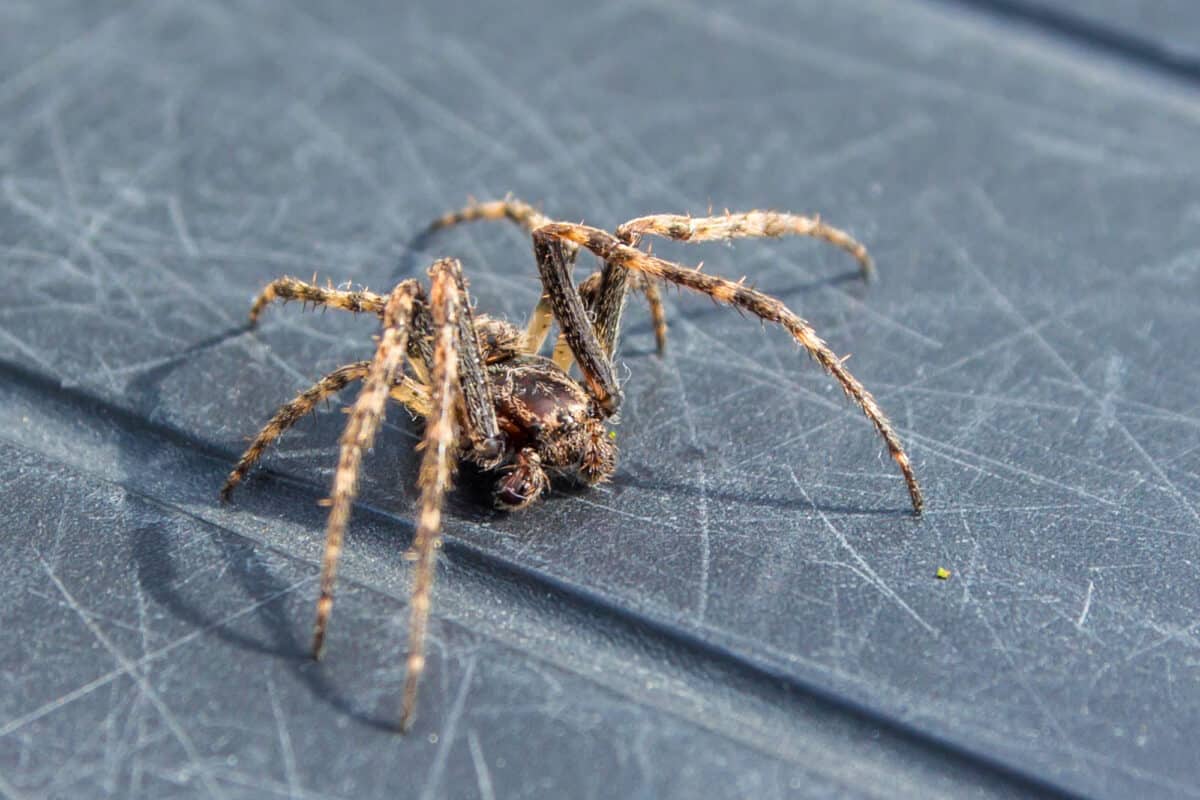
American house spiders are the classic cobweb spinners found in corners, window frames, and garages across the country. Their small, round bodies and long, thin legs make them look delicate, but they’re hardy survivors. These spiders weave messy, tangled webs that seem to appear overnight, adding an eerie touch to any space. While not dangerous, their webs and sudden movements can startle even the most seasoned spider-spotter. They’re the silent roommates you never invited but always seem to have.
4. Trapdoor Spider

Trapdoor spiders are the ambush predators of the spider world, living in underground burrows with a hinged “door” made of silk and soil. When prey walks by, the spider bursts out, snatching it with lightning speed before retreating to safety. Their thick, dark bodies and powerful jaws are built for stealth and strength. You probably won’t see a trapdoor spider unless you’re digging in the garden or lifting rocks, but knowing they’re there adds a layer of mystery—and maybe a bit of dread—to your backyard adventures. They’re the ultimate hide-and-seek champions.
3. False Widow Spider

The false widow spider has a glossy, dark brown body and is often confused with the more dangerous black widow. While its venom is much less potent, the false widow’s resemblance and secretive habits make it a particularly creepy guest in American homes. It prefers dark corners, sheds, and garages, spinning irregular webs where it waits for prey. The fear comes more from its looks and reputation than any real danger, but that’s often enough to set nerves on edge. It’s a case of mistaken identity that still sends a shiver down your spine.
2. Garden Spider

Garden spiders, also known as Argiope, are the royalty of backyard webs. Their large size, bold yellow and black markings, and habit of sitting right in the middle of their intricate webs make them hard to miss. Watching a garden spider wrap up a catch with lightning-fast spins of silk is equal parts mesmerizing and unsettling. These spiders are harmless to humans and great for pest control, but their sheer presence and dramatic appearance can be a little overwhelming for anyone with a touch of arachnophobia. They’re the silent sentinels of your flower beds.
1. Recluse Spider

Different from the infamous brown recluse, there are several types of recluse spiders in the U.S., all sharing the same secretive habits. These spiders are rarely seen, preferring dark, undisturbed spaces like attics, closets, and sheds. Their bites can vary in severity, but the mere possibility is enough to make you wary of forgotten corners. With their understated looks and elusive nature, recluse spiders are the ultimate hidden menace—creepy not just for what they do, but for how easily they slip out of sight.
Conclusion
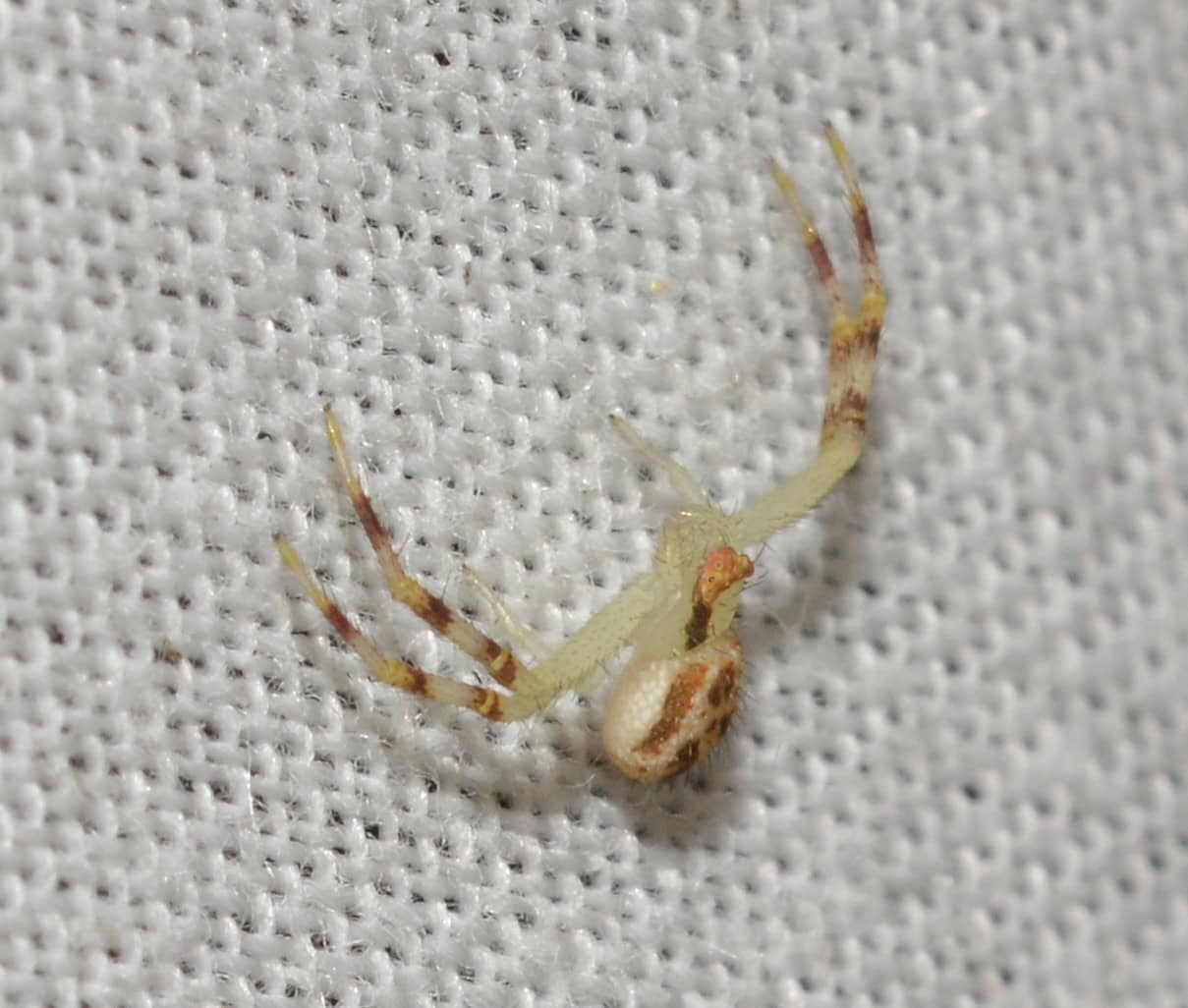
Spiders might not be everyone’s favorite backyard neighbors, but they play a crucial role in keeping insect populations in check. Each of these 15 species brings its own brand of creepiness, from unexpected speed to bizarre shapes and hidden lifestyles. Next time you spot a web glistening in the morning sun or feel the tickle of tiny legs, remember that there’s a whole world of strange and fascinating spiders right outside your door. Which one would you be most surprised—or maybe a little spooked—to find in your own backyard?
Worried about unexpected vet bills?
Pet insurance can cover thousands in unexpected vet costs. Get a free quote from Lemonade in under 2 minutes.
Get My Free Quote →Sponsored · Opens Lemonade.com

As a little kid, I fell in love with nature, wildlife, and animals. Living in the USA, South Africa, Italy, China and Germany gave me the opportunity to discover the world's Wildlife. My favorite animals are Mountain Gorillas, Siberian Tigers, and Great White Sharks.
I'm a certified PADI Open Water Diver, went to Everest Base Camp and Trekked Gorillas in Uganda. I hold a Master of Science in Economics and Finance.
Please send any feedback to feedback@animalsaroundtheglobe.com
- 12 Differences Between Old World and New World Monkeys - June 10, 2026
- 6 Creatures That Can Survive Being Frozen Solid - June 10, 2026
- Why Botswana Okavango Delta Is the Best Place to See Elephants - June 10, 2026