
Most people think finding a family dog that’s perfect with both kids and other pets is like searching for a unicorn. Here’s the thing though. Some breeds have this rare ability to make everyone in your home feel safe, loved, and entertained.
When you’re juggling toddlers, teenagers, maybe a cat or two, and possibly even a hamster, the last thing you need is a dog that stirs up chaos. The right breed can actually bring balance to your household instead of turning it upside down. Let’s dive into these surprisingly adaptable canine companions that might just change your mind about what’s possible in a busy home.
1. Labrador Retriever

Labrador Retrievers get along well with children and other pets, which honestly doesn’t surprise anyone who’s ever met one. Labradors stand out for their unwavering loyalty and gentle nature, forming strong bonds with children while acting as protectors and playful companions. What makes them truly special is how they read the room.
Labs have the lowest bite risk of any breed over 50 pounds, which should give you some peace of mind if you’re worried about safety. These dogs forgive the occasional tail pull from an enthusiastic toddler without holding a grudge. They’re also smart enough to adjust their energy based on who they’re playing with.
These dogs are loyal and friendly, and they get along well with other pets and people. Labs have this magnetic personality that draws everyone in, whether it’s your kindergartener or your grumpy old tabby cat. Their adaptability is really what sets them apart.
Still, they’re not couch potatoes by any stretch. Labs need lots of exercise and a big yard is a must with this breed. If you’re an active family who loves weekends at the park or beach trips, a Lab will fit right into your lifestyle. They need that outlet for their energy, or you might find them inventing their own entertainment.
Labs are also intelligent, making training easier and ensuring they quickly adapt to family routines. Teaching them house rules or how to behave around the new baby becomes less of a battle and more of a bonding experience. I think that’s what makes them such reliable family members.
Their only downside? They shed quite a bit and they’re always hungry. Seriously, a Lab will convince you they’re starving even right after dinner.
2. Golden Retriever
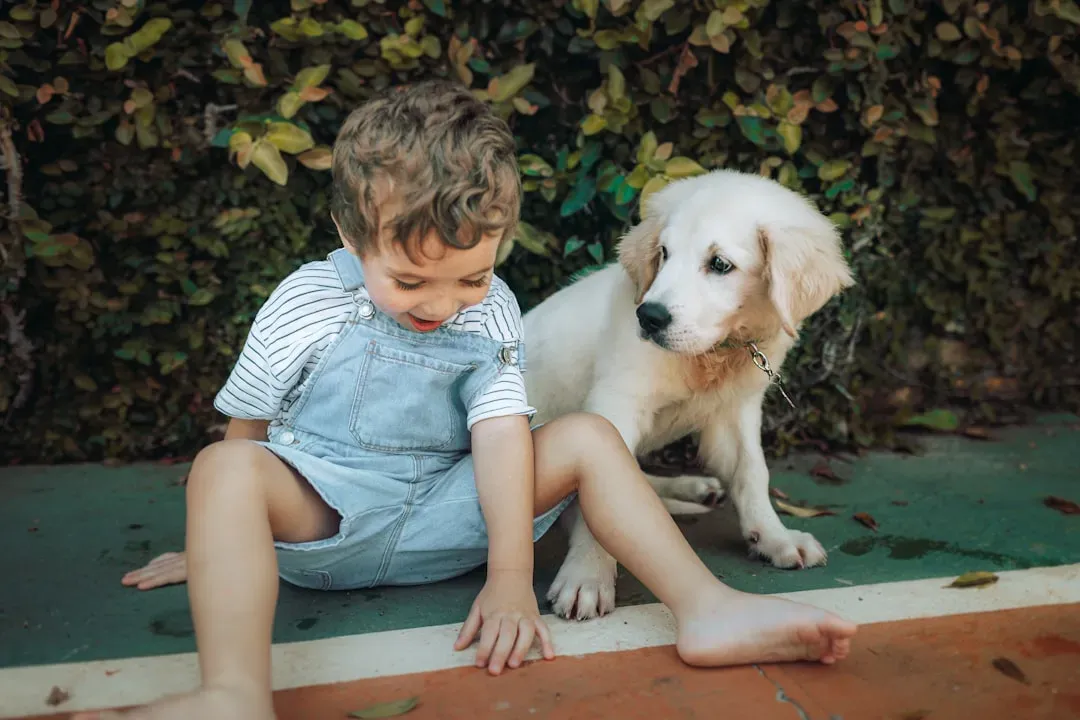
Golden Retrievers are renowned for their friendly and gentle nature, and they get along well with children and other pets. There’s a reason you see them in so many family photos and therapy programs. Their temperament is basically designed for harmony.
Golden Retrievers consistently rank as top family dogs due to their gentle mouths, patient temperaments, and natural love of children, being large enough to handle enthusiastic kids but gentle enough for toddlers. That balance is hard to find. They won’t knock over your three-year-old, yet they can keep up with your athletic ten-year-old all afternoon.
What I find most remarkable is their emotional intelligence. Golden Retrievers are widely loved for their affectionate nature and gentle personality, being patient, tolerant, and extremely adaptable, making them excellent companions in multi-pet households where their playful demeanor ensures they get along well with other dogs while their calm temperament helps them coexist peacefully with cats. They seem to sense when someone needs comfort versus playtime.
The Golden Retriever is the ideal family dog, being outgoing, eager to please, and great with children of all ages as well as other pets. Whether you’ve got a newborn or teenagers, Goldens adjust their behavior accordingly. They’re the Switzerland of the dog world, basically.
Goldens bring joy, patience, and harmony to any pack, and if you’re building a household of mixed pets and want a dog who’ll fit right in and love everyone equally, a Golden Retriever is about as reliable as it gets. Your hamster, your cat, your kid’s friend who visits every weekend – they’ll all become part of this dog’s inner circle.
The grooming can be a bit much, especially during shedding season. You’ll find golden fur on everything you own.
3. Beagle

Curious and happy-go-lucky Beagles are a seamless addition to a family with kids and other pets. Their size makes them manageable for smaller living spaces, which is a huge advantage if you’re not working with a massive backyard. Beagles are an excellent choice for families looking for a smaller breed that still offers a big personality, with their curious and friendly nature making them wonderful playmates for kids, and their manageable size making them suitable for families with limited living space.
Beagles are extremely affectionate and smart, with a gentle yet playful temperament, and they actually prefer the company of other humans and dogs. These little hounds were bred to hunt in packs, so they’re hardwired to enjoy company. Leaving a Beagle alone all day is actually cruel to their social nature.
Beagles are curious, fun-loving, and highly social dogs that enjoy being part of a pack, and their hunting background means they are used to working in groups, which translates well to living with other dogs. This pack mentality is exactly why they mesh so well in homes that already have pets. They don’t see themselves as the star of the show.
Their energy levels match perfectly with active kids. Beagles love being part of family activities, and their cheerful personalities often make children feel like they have a furry best friend, with their happy-go-lucky attitude adding joy and laughter to daily life. You’ll hear a lot of giggling when a Beagle gets going.
One warning though. They can be vocal. That signature Beagle bay is adorable until it’s 6 AM on a Saturday. With proper introductions, they can also adapt to living with cats, though their strong prey drive means supervision is key around smaller animals.
Their noses rule their world, so you’ll need a secure fence. A Beagle who catches an interesting scent will follow it for miles if given the chance.
4. Cavalier King Charles Spaniel
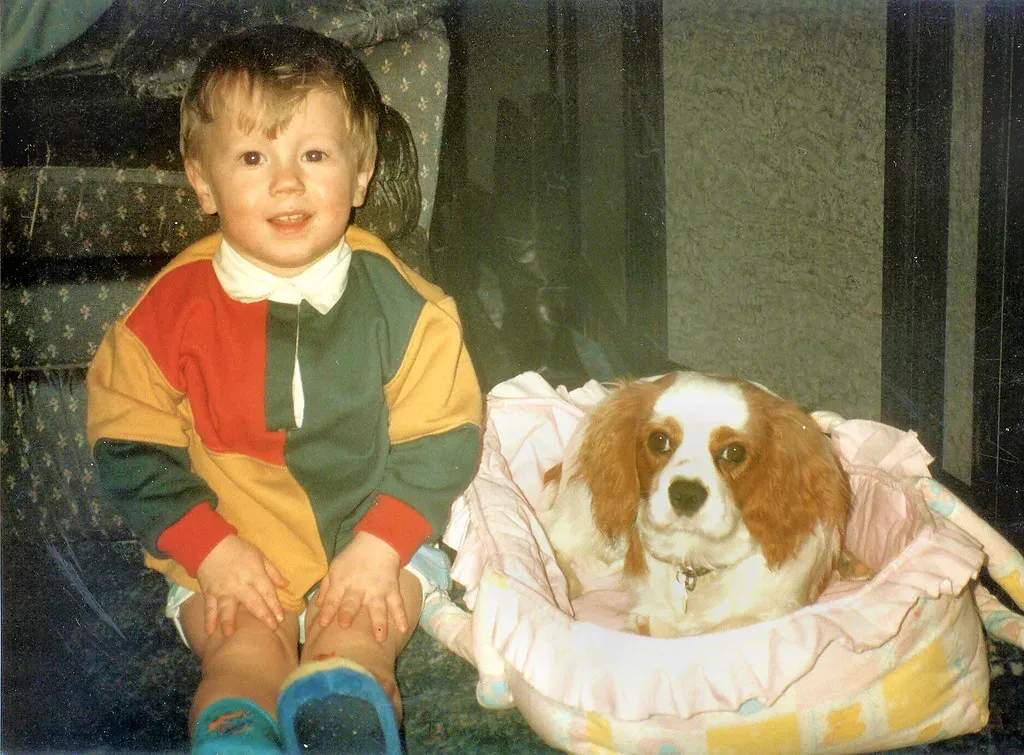
Cavalier King Charles Spaniels are widely regarded as one of the gentlest companion breeds and are known for being tolerant and patient with children, often making excellent family pets, with breed profiles indicating they are typically friendly, calm, and rarely show aggression. Honestly, these dogs were literally bred to be lap warmers for royalty. That job description translates beautifully to modern family life.
Cavalier King Charles Spaniels are affectionate lap dogs that thrive on companionship, rarely show aggression, and have an easy-going temperament, making them one of the best breeds for multi-pet households. Their gentle demeanor means they won’t intimidate nervous cats or smaller dogs. They’re diplomats in fur coats.
They’re small enough for apartment living, but sturdy enough to handle some gentle playtime without getting hurt, and for hundreds of years, these dogs were bred to sit next to kings and queens and just be comforting, with that quality still visible in how they attach themselves to their families today. They want nothing more than to be wherever you are.
Their size makes them perfect for younger children who might be intimidated by larger breeds. With their background as royal lap dogs, Cavaliers are understandably a Velcro breed that won’t want to spend a minute away from their owners, having developed a calm, gentle temperament and affectionate approach to people and pets. This velcro quality means they’re always monitoring the household mood.
Bichon Frises, Maltese, and Cavalier King Charles Spaniels excel in multi-pet environments despite their small size, typically showing remarkable tolerance and adaptability and often forming strong bonds with both larger dogs and smaller pets like cats. They’re surprisingly confident despite being pint-sized. Let’s be real, they think they’re much bigger than they actually are.
Health issues can be a concern with this breed, so regular vet visits are important. They’re also prone to separation anxiety if left alone too long.
5. Boxer

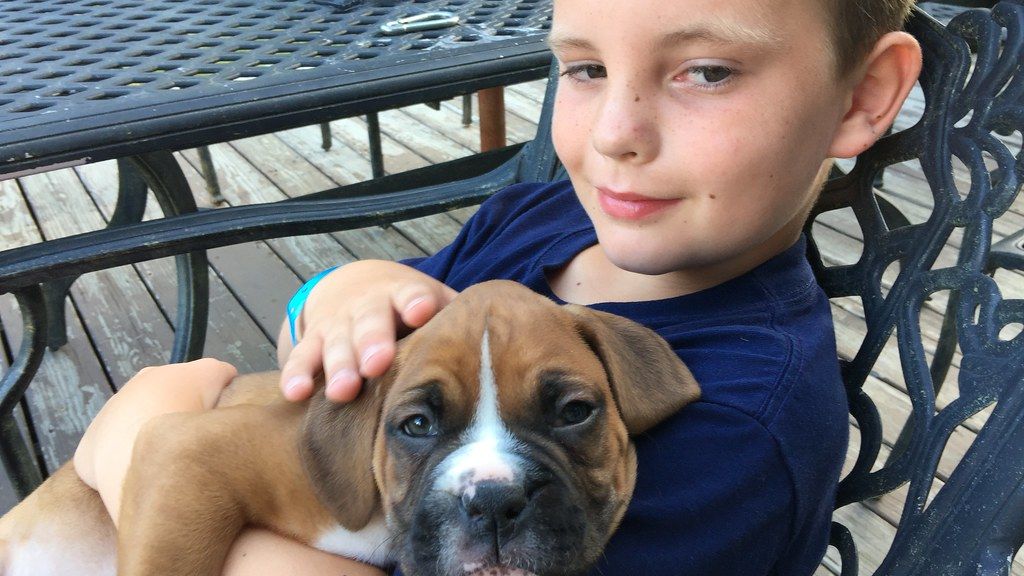
Despite their muscular build, Boxers are incredibly gentle and patient with kids, making them a reliable addition to family life. People see the muscles and assume they’re aggressive, which couldn’t be further from the truth. With a protective yet gentle nature towards children, this breed is the perfect family dog in a noisy, playful, and all-out messy home, with Boxers getting their name from their tendency to stand on their haunches and punch with their front paws during both playtime and when defending themselves.
Boxers are fun-loving and full of energy, being protective of their families, especially kids, and they form strong bonds with their humans. That protective instinct never crosses into aggression with proper training. They’re more like enthusiastic bodyguards who happen to love belly rubs.
They behave puppylike for most of their lives, even earning the name Peter Pan dogs since they refuse to grow up. This perpetual puppy energy keeps things interesting. Your kids will have a playmate who never gets bored of the same games.
The boxer is known to be friendly and playful, making this pup a good match for families, especially active families given their energetic nature, with this high-energy breed always up for playtime whether outside in the backyard or at the local bark park. If your family’s idea of fun involves movement and outdoor adventures, Boxers are all in.
Boxers are loyal and protective, too, eager to form strong relationships with their humans and keep them safe at all costs, with this breed tending to be patient and tolerant, a plus when part of a family with active children. They handle rough-and-tumble play better than most breeds.
Training is essential with Boxers because they’re strong and exuberant. Without boundaries, that enthusiasm can become overwhelming for small kids.
6. Collie
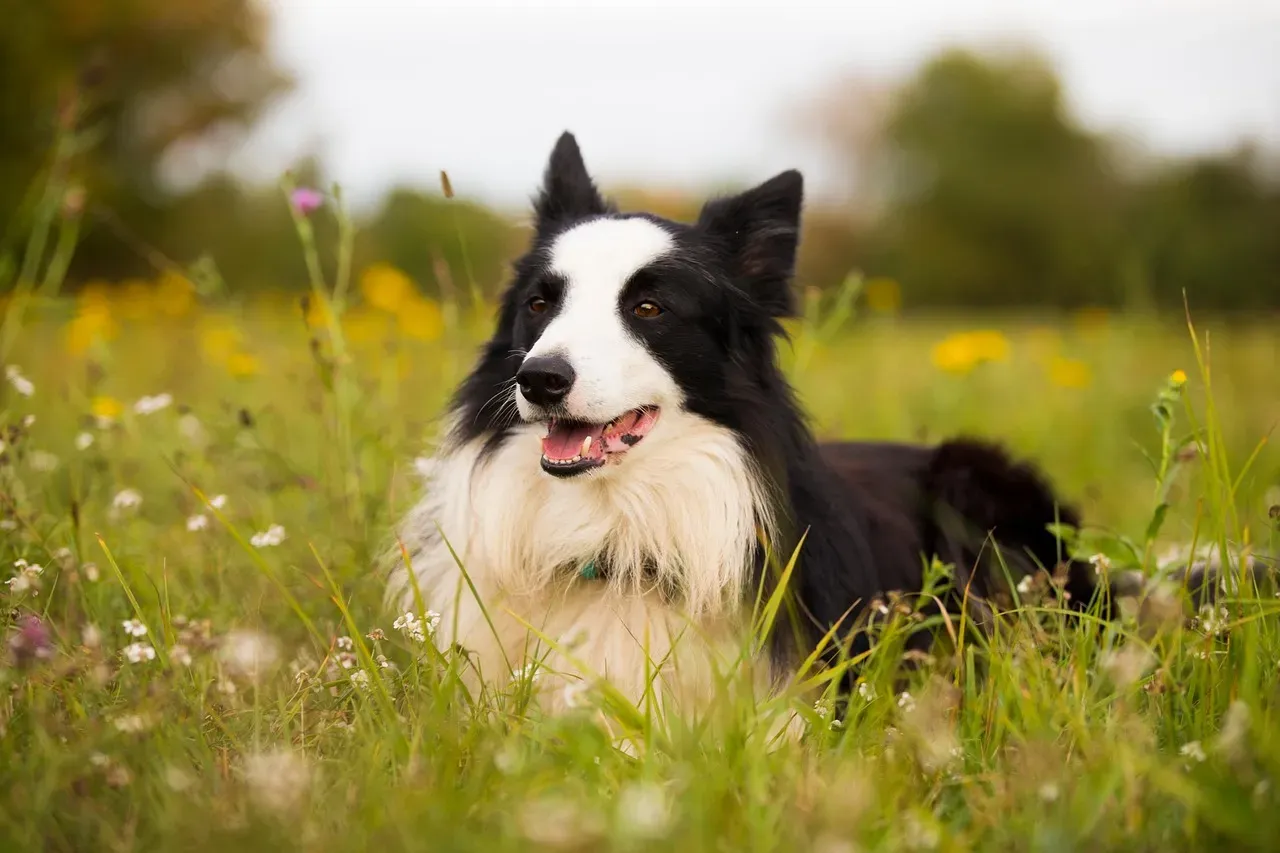
The watchful, reliable Collie is a faithful and intelligent dog who will play with, cuddle, and protect your kids, and they are easily trainable. Thanks to a certain TV show, everyone knows Collies are basically professional babysitters. That reputation exists for good reason.
This mild-mannered breed is gentle and reliable, rarely acting up or misbehaving, and they are also quick to learn and easy to train – all good qualities in a family dog. Training a Collie feels less like work and more like conversation. They want to understand what you need from them.
Collies make the perfect pet both on and off screen, with this breed being graceful, intelligent, and loyal, tending to be very friendly and protective of family members. That protective streak manifests as constant supervision rather than aggression. They’re always keeping tabs on everyone’s location.
Collies are intelligent and easy-to-train breeds, and they’re herding dogs, so they often do well managing and watching over other pets, with their nurturing instincts and gentle temperament making them a natural fit for families with a mix of animals. If you’ve got multiple pets, a Collie will appoint themselves as the household manager.
Border collies love children of all ages and do especially well with active families eager to spend loads of time outside. They need mental and physical stimulation, so lazy weekends aren’t really their thing.
The herding instinct can cause them to gently nip at kids’ heels to keep everyone together. It’s not aggression, just their natural instinct kicking in.
7. Poodle

Poodles were actually bred as hunting dogs, which explains why they’re so smart and energetic, despite their stylish looks. People get hung up on the fancy haircuts and forget these are athletic, intelligent working dogs. The curly, hypoallergenic coat’s grooming possibilities position the Poodle as the fanciest of breeds, but Poodles are among the most intelligent of all dogs, being highly agile and strong with a blue-collar pedigree as former water dogs.
Poodles have a friendly and gentle temperament toward other pets, especially dogs and cats, making them a qualified contestant for the best dog breed for multi-pet households. Their intelligence means they understand house rules quickly, including which pets are off-limits for rough play.
Poodles, whether standard, miniature, or toy-sized, are incredibly intelligent and friendly, with their quick adaptability meaning they adjust well to new pets and environments, being playful yet respectful, making them excellent additions to households with both dogs and cats. That respect for boundaries is crucial in multi-pet homes.
There are three types of Poodle – Standard, Miniature, and Toy – so pet parents can choose the size that’s best suited to their home and ages of their children. This versatility is a massive advantage. Tiny apartment? Get a Toy. Big house with acreage? Standard Poodle it is.
The elegant Standard Poodle makes a delightful pet, and as highly intelligent dogs, Poodles regularly outsmart all members of the family. Don’t be surprised if your Poodle figures out how to open doors or finds creative ways to get what they want. They’re problem solvers.
The grooming commitment is real. Regular professional grooming isn’t optional, it’s mandatory if you don’t want a matted mess.
8. Bichon Frise

The Bichon Frise is a small dog breed known not only for their great personality, but also for their low-shedding coat that may be less irritating to certain people with dog allergies, and Bichons are adaptable family dogs who get along well with other pets and children. If allergies have kept you from getting a dog, Bichons might be your answer. No guarantees, but they’re worth considering.
These playful pups are Velcro dogs who don’t like to be left alone for long and are best suited for pet parents who are home a lot, with a moderate energy level ideal for low-key lifestyles. They’re perfect if you work from home or have someone usually around. Their attachment to people means they rarely cause problems with other pets out of boredom.
Bichon Frises, Maltese, and Cavalier King Charles Spaniels excel in multi-pet environments despite their small size, typically showing remarkable tolerance and adaptability. That tolerance extends to cats who might swat at them or larger dogs who play a bit rough. They roll with it.
With their fluffy coats and cheerful personality, Bichons are hypoallergenic, friendly, and playful, making them a great choice for families looking for a smaller, lower-shedding dog. Their cheerfulness is genuinely infectious. You can’t have a bad day when a Bichon is bouncing around your living room.
Bichons are generally healthy and live 14-16 years, needing socialization to prevent small dog syndrome but being naturally friendly when properly socialized. That long lifespan means they’ll grow up alongside your kids, which creates incredibly strong bonds.
They do need regular grooming to maintain that fluffy cloud appearance. Otherwise, you’re looking at painful matting that requires shaving.
9. Newfoundland
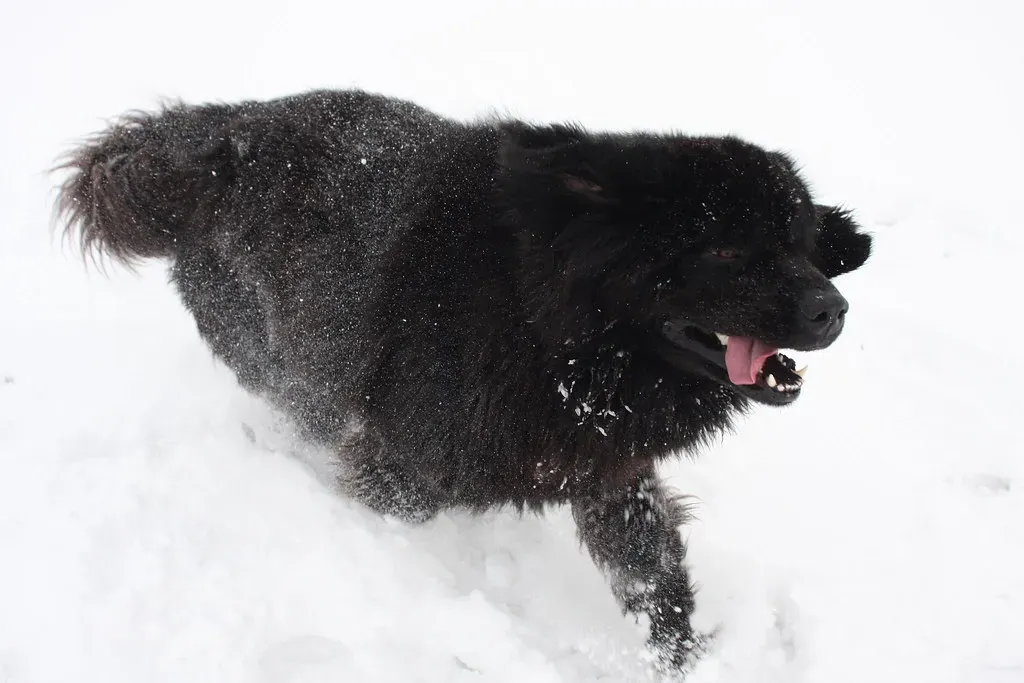
According to the AKC, sweetness of temperament is the hallmark of the Newfoundland. These massive dogs are basically oversized teddy bears with a life-saving complex. The Newfoundland breed may be large (males can weigh up to 150 pounds), but they are among the gentlest of all dog breeds, having been referred to as both nature’s nanny and the nanny dog due to their mild-mannered personalities and exceptional temperament with children.
These gentle giants are famously good with children and have natural protective instincts combined with calm temperaments, often being called nanny dogs due to their patient, protective nature with kids. That nanny reputation isn’t marketing hype. They genuinely watch over children like it’s their sacred duty.
They’re calm, easy-going, and patient, being happiest when spending time with their family, and bred partly for search and rescue, Newfies also have a natural instinct to help if something goes wrong. That helping instinct extends to other pets in the household too. They’re natural peacekeepers.
If you have the space, this large breed is known as a gentle giant, with Bernese Mountain Dogs being sweet-natured, calm, and great with children, making them wonderful family pets. Space is the key word there. Newfoundlands need room to move without knocking over furniture or small children with their tails.
Newfies prefer to spend time with family rather than be left alone and may bark unceasingly if they feel abandoned. They’re social creatures who get depressed without company. Leaving them alone for ten-hour workdays isn’t fair to them.
The drool is legendary. If you’re particular about clean floors and furniture, a Newfoundland will test your limits daily.
10. Cocker Spaniel

Cocker Spaniels are sweet-natured dogs known for their affectionate and gentle temperament, adapting well to both city and country living and being fantastic companions for children due to their playful yet calm demeanor, with regular grooming necessary to maintain their luxurious coats. That adaptability makes them ideal for families whose circumstances might change. Moving from suburbs to the city? Your Cocker Spaniel will adjust.
These medium sized dogs weighing around 25-30 pounds are merry, affectionate, and good-natured, and not only will a cocker spaniel get along well with your kiddos, they actually make good companions for your other furry family members as well, being great with other pets. This dual compatibility with kids and pets puts them in a special category.
Cocker spaniels tend to be gentle, playful and dependable, making them good all-around furry friends, and they make wonderful playmates for children, especially active kiddos eager to burn off energy with this energetic doggo. Their energy level hits that sweet spot where they’re fun without being exhausting.
No matter the weather, cocker spaniels love to run around outside, so keep the rain boots by the door. Rain, shine, snow – they’re always up for outdoor adventures. Your kids will have a buddy who never makes excuses to stay inside.
Some breeds that are generally considered to be good with small children are Golden and Labrador Retrievers, Beagles, Cocker Spaniels and Bichon Frise. Cocker Spaniels earned their place on that list through decades of reliable family companionship.
Those beautiful coats require commitment. You’re looking at regular brushing and professional grooming every few months to prevent tangles and keep them comfortable.
11. Bulldog

Bulldogs may look tough on the outside, but inside they’re affectionate softies, being known for their calm and laid-back demeanor and being incredibly patient with children. That contrast between appearance and personality catches people off guard. They expect a tough guy and get a marshmallow instead.
The steady, unflappable, huggable Bulldog has a wealth of tolerance for even the youngest children, being careful dogs who, while not the most trainable breed, are naturally well behaved. Toddlers who are still learning gentle hands find Bulldogs remarkably forgiving. They just roll with the chaos.
Even though Bulldogs look tough, they’re actually calm and gentle dogs, being patient with kids, with their solid build meaning they can deal with rough, excited play without being injured easily, and they don’t need a ton of exercise – just some easy walks – so they’re great for families who prefer a mellow lifestyle. Not every family wants a dog who demands three-mile daily runs.
Both English and French Bulldogs are naturally gentle with children and have calm, patient temperaments, not being high-energy dogs, making them suitable for less active families. If your evenings involve movie marathons more than hikes, a Bulldog won’t judge you. They’ll join you on the couch instead.
As a stocky, squash-faced, and lovable lump of a dog, the Bulldog’s goofiness and affinity for kids have made it an irresistible family pet, with their loyalty, trainability, and courage all that’s left from their bull-baiting days, and although they’re more prone to health issues than many breeds, their mild energy levels and playfulness make them easy to enjoy. That goofiness provides endless entertainment.
Breathing issues are a real concern, especially in heat. You’ll need to monitor them carefully on hot days and never overexert them.
12. Irish Setter

The beautiful, lovable Irish Setter combines a friendly disposition with a willingness to play all day, with these gentle, sensitive pets being a good dog breed for kids of all ages, including babies. Their energy seems limitless, which is perfect for families with multiple active children. There’s always someone for the dog to play with.
Irish Setters bring vibrant energy into the home, making them ideal for families who love to stay on the move. If your weekends involve sports, hiking, or just being outside constantly, an Irish Setter will be your shadow. They live for activity.
With their almost-overly-friendly nature, Irish Setters make good family dogs, being great with kids of all ages and other pets, but keep in mind that this sporting dog does require a lot of exercise to thrive, so they do best in homes with large yards and active pet parents. That “overly-friendly” trait means they’ll greet strangers like long-lost friends, so don’t expect a guard dog.
These gentle, sensitive pets are a good dog breed for kids of all ages, including babies, and they are also a long-lived breed that will be a happy companion to your child for years to come. Watching a child and dog grow up together creates memories that last a lifetime.
Irish Setters are particularly enthusiastic, which can cause them to be distracted during training, doing best with short, frequent training sessions. Patience is required. They’re smart but easily excited by every little thing happening around them.
Their gorgeous red coats need regular maintenance. You’ll be brushing often to prevent tangles and keep that silky appearance.
13. Bernese Mountain Dog
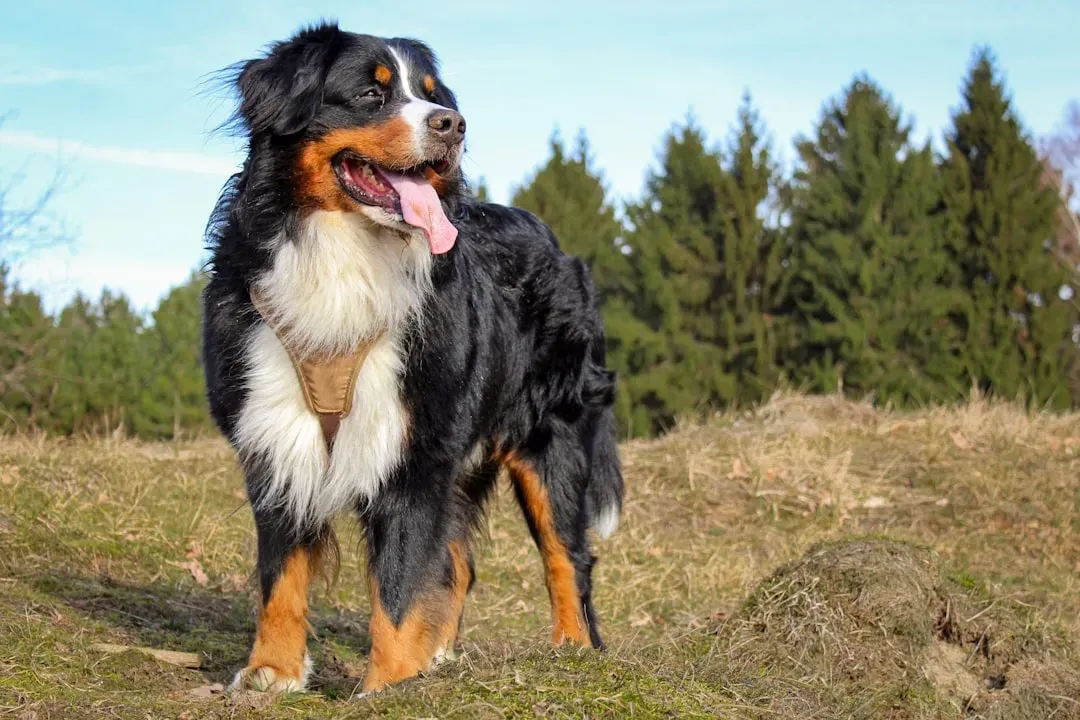
Bernese Mountain Dogs are large, lovable giants known for their calm and patient nature, thriving in families with ample space and enjoying being part of all family activities, and despite their size, Bernese Mountain Dogs are incredibly gentle with children and can often be found happily lounging or playing outdoors. Their size might intimidate at first glance, then you watch them carefully navigate around toddlers and you realize how gentle they truly are.
If you have the space, this large breed is known as a gentle giant, with Bernese Mountain Dogs being sweet-natured, calm, and great with children, making them wonderful family pets. Space really is the deciding factor. They’re not suited for apartments or tiny homes.
These dogs are remarkably patient with the chaos that comes with kids and multiple pets. They seem to understand their size and adjust their behavior accordingly. You won’t see them bulldozing through the house like some high-energy breeds.
Their thick coats mean they handle cold weather beautifully but struggle in heat. If you live somewhere with hot summers, you’ll need to provide plenty of shade and indoor time for them. They’re mountain dogs through and through.
The downside is their relatively short lifespan for such wonderful companions. Most Bernese Mountain Dogs live only seven to ten years, which feels criminally unfair. Cherish every moment you get with them.
They’re also prone to certain health issues, so vet bills can add up. Factor that into your decision before bringing one home.
14. Vizsla

Vizslas are energetic hunting dogs that form incredibly strong bonds with their families and are naturally gentle with children, being excellent for very active families who can meet their substantial exercise needs. If you thought Irish Setters were high energy, Vizslas take it up another notch. These dogs redefine athletic.
Vizslas are often called velcro dogs because they want to be close to their families constantly, needing significant daily exercise and not doing well when left alone for long periods. That constant companionship extends to being wonderful with other pets. They don’t like anyone in their pack being left out.
Their gentle nature with children surprises some people given their hunting background. They’re capable of intense focus during work but switch to soft and careful around kids. It’s like they have two distinct modes.
Vizslas need a job or purpose beyond just existing. Whether that’s agility training, running alongside your bike, or playing endless fetch, they need mental and physical challenges daily. Boredom makes them destructive.
Their short coats mean minimal grooming, which is a nice bonus for busy families. A quick weekly brush is usually sufficient to keep them looking good.
They can develop separation anxiety if left alone too much. This breed genuinely needs to be with their people as much as possible.
15. Mixed Breed Rescue Dogs
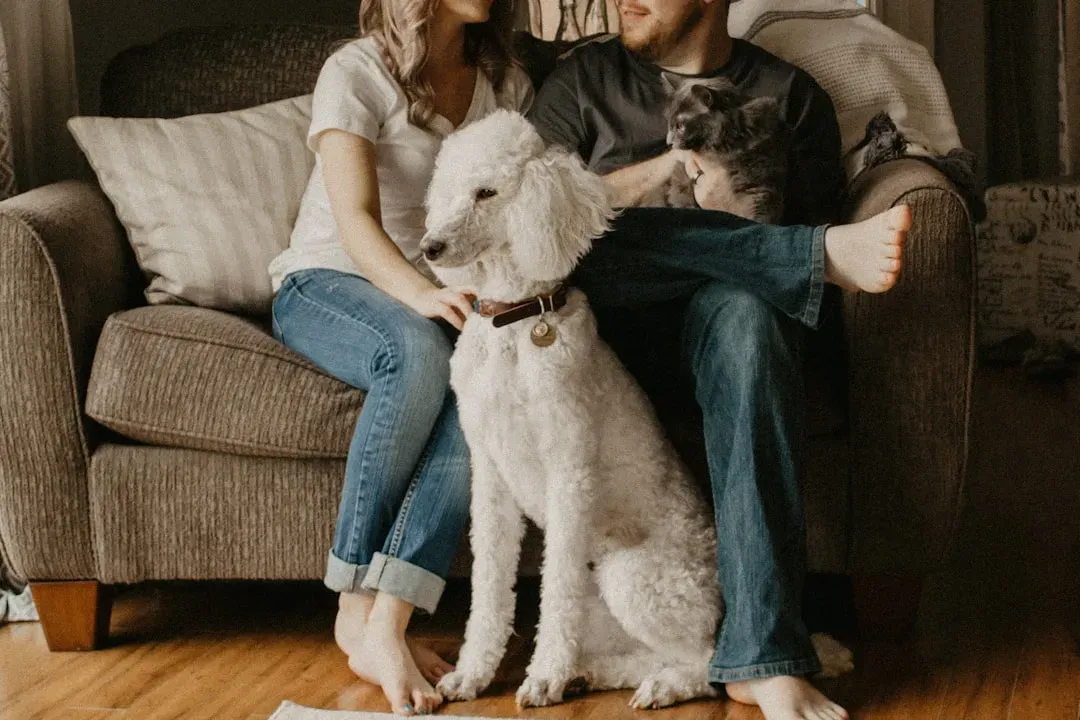
Well-socialized mixed breeds from shelters and rescues can make excellent family dogs, with adult dogs often coming with known temperaments, making it easier to assess their suitability for families, and many family-friendly purebred mixes available in shelters often combining the best traits of multiple breeds while avoiding some purebred health issues. Sometimes the best family dog isn’t a specific breed at all.
Mixed breed dogs tend to pick up general temperament from their parents, and there are millions of dogs in shelters and rescues, many of which are mixed breeds and many of which would make a wonderful family pet, with an advantage of a mixed breed dog being their genetic variety, meaning they may be less likely to have certain genetic markers for disease or even behavior. That genetic diversity often translates to fewer health problems and longer lives.
Sometimes the best multi-pet companions are mixed breeds, with shelter dogs often coming with a known history of behavior and tolerance, so you can choose one who already plays well with others, and a calm, well-mannered mutt can be a true friendly addition in mixed homes. The shelter staff can tell you which dogs have lived with cats, kids, or other dogs successfully.
While purebred dogs have well-documented traits, mixed-breed dogs often carry the best qualities of multiple breeds, with many rescue dogs being naturally adaptable, affectionate, and eager to bond with both people and other pets, and adopting a mixed-breed dog not only enriching your household but also providing a loving home to a pet in need. You’re not just getting a family member, you’re saving a life.
The beauty of adopting an adult mixed breed is that what you see is what you get. Their personality is already formed. No guessing about how that adorable puppy will turn out as an adult.
Foster-to-adopt programs let you trial run the situation before fully committing. If the dog isn’t the right fit with your kids or other pets, you haven’t made a permanent mistake.
Conclusion
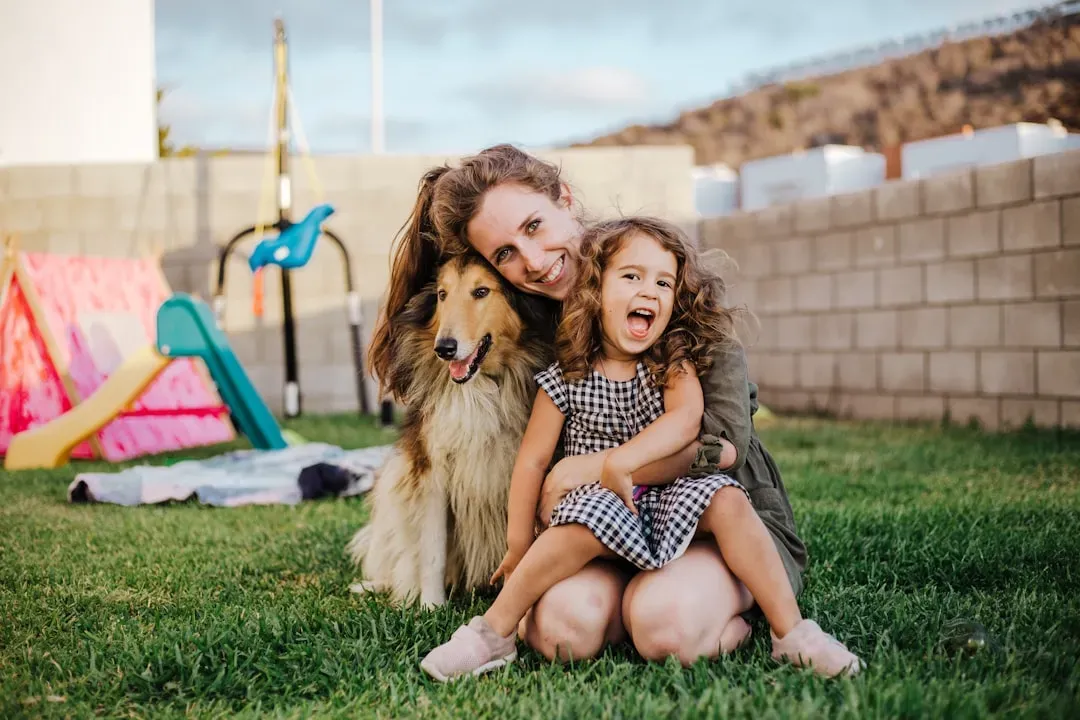
Finding a dog that thrives with both kids and other pets doesn’t have to be impossible. When there are children in the house, thoughtful consideration needs to be made to choose the right dog for your lifestyle, living quarters and children’s ages, and no matter what, you’ll want a dog with an outgoing and friendly personality who is loving and affectionate with the whole family. These fifteen breeds offer different sizes, energy levels, and temperaments to match whatever your household needs.
The truth is, individual personality matters as much as breed. Proper socialization, training, and supervision create the foundation for success regardless of which dog you choose. Success in creating a harmonious multi-pet household depends on choosing compatible breeds, understanding their unique characteristics, and implementing proper management strategies, while breed selection is important, remembering that individual personality and proper training play equally vital roles in ensuring peaceful coexistence among your pets.
What surprised you most about these breeds? Did any of them challenge what you thought you knew about kid-friendly or pet-friendly dogs? Share your thoughts below.
