

Most people bring home a puppy expecting 12, maybe 14 good years together. For some of the most popular breeds in America right now, vets are quietly – and sometimes not so quietly – telling a very different story. The hard truth is that for a growing list of dogs, reaching age 7 without major surgery, chronic pain management, or a heartbreaking quality-of-life decision has become the exception, not the rule. Giant breeds grow so fast their hearts and joints begin failing while they still act like puppies. Flat-faced dogs struggle just to breathe normally from the day they come home. Several breeds now show median lifespans dipping to 6–8 years, and the data is only getting grimmer.
What makes this so hard to accept is that most of these breeds are also some of the most beloved, most searched, and most purchased dogs in the country. Cuteness and loyalty are real – but so is what vets are seeing on their exam tables every single week. The 15 breeds below aren’t obscure. You probably know someone who owns one right now. And what some of these dogs go through before their sixth birthday will genuinely change how you think about the phrase “healthy purebred.” The ones near the top of this list are the ones that shocked even experienced veterinary professionals.
#1 – Irish Wolfhound
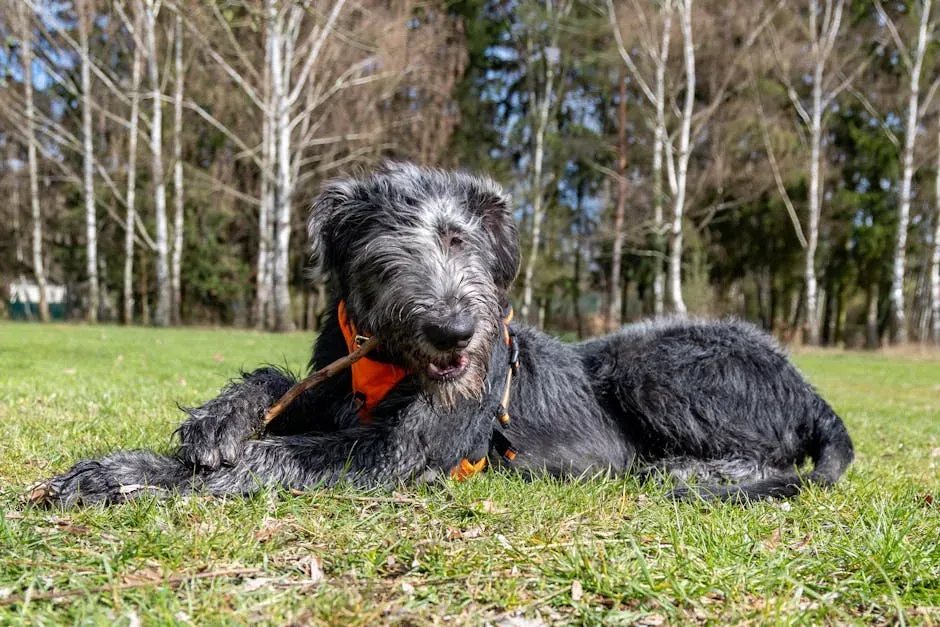
If any breed earns the title of most heartbreaking gap between size and lifespan, it’s the Irish Wolfhound. These magnificent dogs – the tallest breed in the world – frequently develop bone cancer and dilated cardiomyopathy while they’re still in what should be the prime of their lives. Vets routinely see osteosarcoma appearing as early as age 4 or 5 in some lines, not as a rare exception but as a pattern that shows up year after year in clinics across the country. The extreme height that makes them so awe-inspiring also accelerates every single age-related process inside their bodies.
Owners who love this breed often describe watching their dog age in fast-forward – one year the dog is bounding across a yard, the next year mobility is visibly declining and the vet is having a very serious conversation. Few Irish Wolfhounds reach what any other breed would consider senior years without significant medical intervention. The median lifespan hovers around 6 to 7 years for many lines, and that number has proven stubbornly resistant to improvement despite the best efforts of dedicated breeders. For a dog this gentle and this loyal, the math is genuinely cruel.
Fast Facts
- Osteosarcoma kills approximately 20% of all Irish Wolfhounds – the single leading cause of death in the breed.
- Mean lifespan estimates from the past 50 years range between 6.5 and 8.8 years.
- The Irish Wolfhound carries the highest prevalence of osteosarcoma of any breed, with a 7.31% disease rate.
- OSA heritability in the breed is estimated at 0.65 – meaning genetics load the dice heavily.
- Cancer overall accounts for 36.6% of all Irish Wolfhound deaths, with no decrease in 20 years of tracking.
#2 – French Bulldog
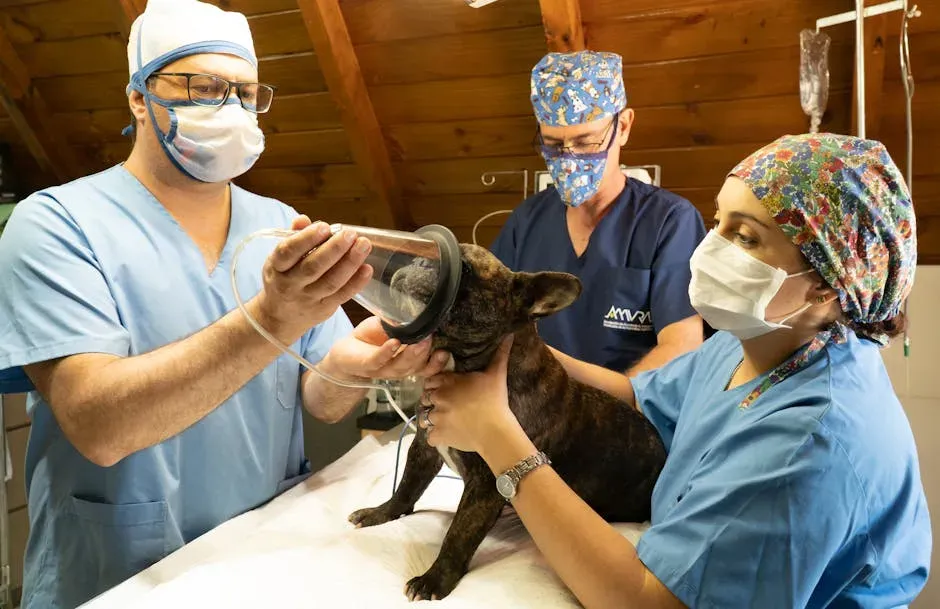
French Bulldogs are currently one of the most popular breeds in the United States, and vets are watching that popularity create a slow-motion welfare crisis. The extreme brachycephaly – that flattened face and compressed airway – combines with spinal disease, skin fold infections, and joint problems to create a dog that frequently needs medical intervention before it ever reaches true adulthood. A 2024 UK study placed the average French Bulldog lifespan at just 9.8 years – compared to 12.7 years for purebred dogs overall – and that gap is largely explained by conditions baked into the dog’s very anatomy. Many Frenchies, vets say bluntly, never experience a genuinely healthy adult phase without some form of ongoing medical support.
The spinal issues deserve particular attention because they often sneak up on owners. Research shows the first IVDD event in French Bulldogs occurs at a median age of just four years – meaning a dog bought as a puppy can face a potential spinal emergency before it’s even halfway through its expected life. Breathing surgeries, spinal surgeries, and allergy management can stack up into tens of thousands of dollars before the dog’s fifth birthday. The demand that has made Frenchies so popular has also created enormous financial incentive to keep breeding affected dogs rather than stepping back to prioritize health. That tension shows up directly in vet exam rooms every week.
At a Glance: The French Bulldog Health Burden
- BOAS (Brachycephalic Obstructive Airway Syndrome) is the #1 health risk – affects breathing from puppyhood onward.
- IVDD (spinal disc disease): median age of first event is around 4 years old.
- 72.4% of French Bulldogs studied had at least one recorded health disorder (Royal Veterinary College, 2018).
- Average lifespan: 9.8 years vs. 12.7-year purebred average – a nearly 3-year gap.
- Twice-yearly vet visits are recommended from middle age due to rapid health shifts.
#3 – English Bulldog

The English Bulldog is, by almost any veterinary measure, one of the most compromised breeds in existence. The flat face means a narrowed airway from birth. The massive head means most puppies can only be delivered by C-section. The skin folds trap moisture and bacteria, leading to chronic infections that require regular cleaning and often medication. Vets report that many English Bulldogs need airway-correcting surgery – procedures to widen the nostrils and remove excess soft palate tissue – before they’re two years old just to breathe with something approaching comfort. That’s not an edge case. That’s standard care for the breed.
By age 5 or 6, the cumulative weight of these issues becomes very difficult to manage. Upper respiratory distress is a leading cause of early death. Joint problems and weight gain compound the breathing difficulties. Overheating becomes dangerous even in mild weather. What reads as an endearingly wrinkled, low-energy dog on the outside is often an animal working extraordinarily hard just to get through an ordinary day. Vets who specialize in brachycephalic breeds are among the most vocal about the welfare concerns embedded in this dog’s very anatomy – and the conversations they have with loving, well-meaning owners are often devastating.
#4 – Pug

Pugs share much of the English Bulldog’s respiratory burden, but they carry an additional threat that many owners never see coming: progressive neurological disease. Pug Dog Encephalitis – an inflammatory brain condition unique to the breed – ranks among the top causes of death and is most commonly diagnosed around age 5 or 6. Brachycephalic Obstructive Airway Syndrome worsens with age, meaning a Pug that seemed to manage reasonably well at two may be in genuine respiratory distress by five. Eye problems are nearly universal, since those large, prominent eyes are prone to ulcers, prolapse, and chronic irritation.
Owners who live with Pugs often describe a daily routine built around the dog’s limitations – avoiding heat, managing weight obsessively because even a few extra pounds makes breathing far harder, watching for signs of neurological change. The breed’s popularity has not improved its genetic health profile in any meaningful way; if anything, continued high demand has made responsible breeding harder to sustain against market pressure. Vets who are honest about the situation will tell you that a Pug living comfortably past age 8 has beaten considerable odds, and that outcome requires an owner who is deeply engaged and a veterinary team that’s proactive from the very beginning.
[article_quiz]#5 – Great Dane
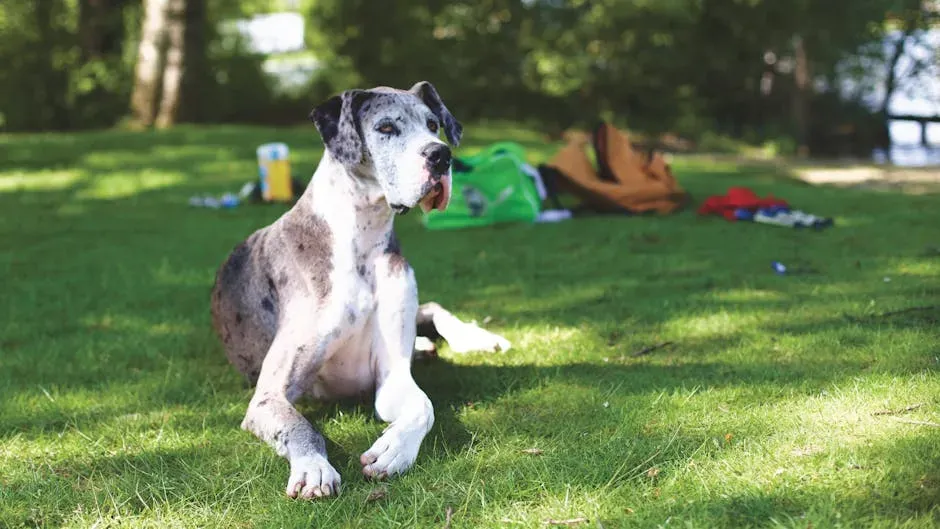
Great Danes are perhaps the most famous example of size working directly against longevity. Their rapid growth from puppy to one of the world’s largest dogs puts enormous stress on the cardiovascular system, the skeleton, and the digestive tract simultaneously. Dilated cardiomyopathy, bloat (gastric dilatation-volvulus), and osteosarcoma are the three threats vets watch for most closely – and all three tend to appear well before age 7. Bloat alone is a life-threatening emergency that can kill within hours, and research has placed the Great Dane’s estimated lifetime risk of GDV at a staggering 36.7% – the highest of any studied breed – sometimes requiring prophylactic stomach-tacking surgery just to reduce the odds.
The median lifespan for a Great Dane typically sits between 7 and 10 years, but that range is misleading because many of those years involve active management of serious conditions rather than comfortable, healthy living. A Great Dane is already considered a senior by the time it reaches 5 to 6 years old – earlier than most smaller breeds hit that milestone at 8 or beyond. Owners frequently face emergency surgeries or conversations about quality of life while the dog still looks, in some ways, like it should have years left. The gentle giant reputation is completely earned – these are extraordinarily sweet, people-oriented dogs – which makes the health reality even harder to absorb. Vets who work regularly with the breed say the love owners have for their Danes often leads to extraordinary lengths of care, but the biology is relentless.
Quick Compare: The Giant Breed Triple Threat
- Bloat (GDV): Lifetime risk up to 36.7% in Great Danes – most common cause of death in the breed.
- Dilated cardiomyopathy: Genetic, progressive, often presents before age 7 with little warning.
- Osteosarcoma: Great Danes rank among the top 4 breeds for annual bone cancer prevalence.
- Senior status begins at age 5-6 – years before most breeds reach that stage.
#6 – Bernese Mountain Dog
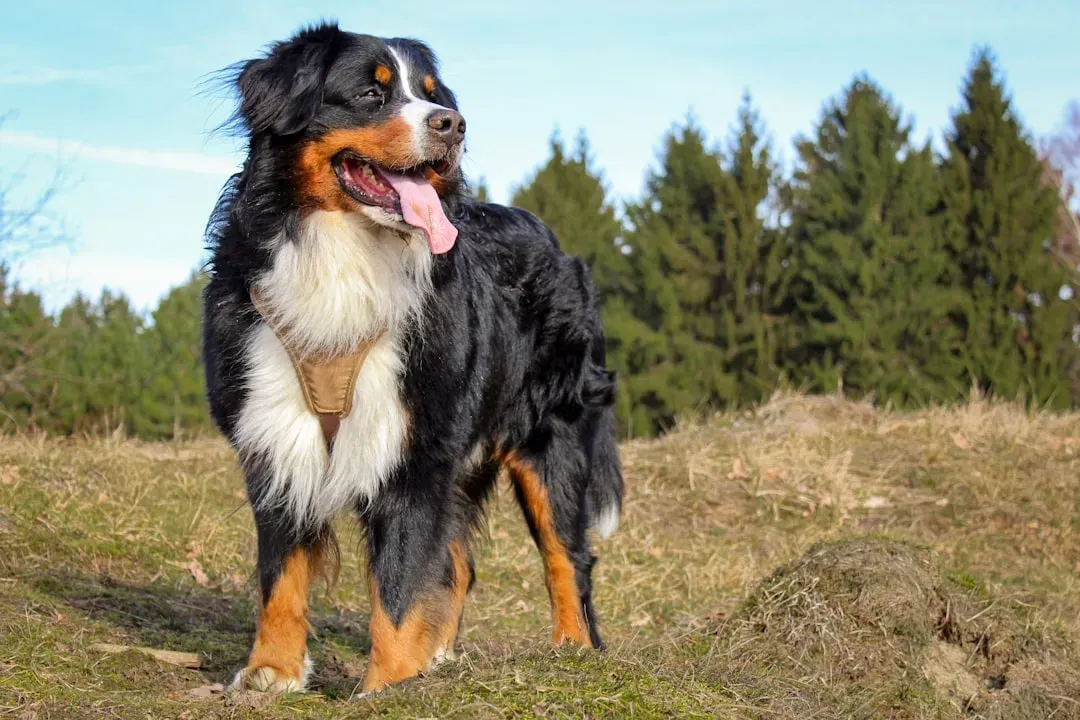
Among dog owners who’ve experienced loss, few carry grief quite like those who have loved a Bernese Mountain Dog. The breed has one of the highest cancer rates of any dog in the world – studies suggest roughly 50% of Bernese Mountain Dogs die from cancer before age 8, with histiocytic sarcoma alone affecting approximately 25% of the breed. That’s not a typo. One in four Berners may develop one of the most aggressive, fast-moving cancers in veterinary medicine. Vets sometimes describe the experience of diagnosing a Bernese as uniquely difficult because the dogs are so calm, so devoted, and so strikingly beautiful that the contrast between how they look and what’s happening internally feels particularly sharp.
The phrase Berner owners sometimes use is that loving the breed means accepting a shorter lease. Some families go in knowing the statistics and choose the breed anyway, fully committed to making every year exceptional. That choice deserves respect. But vets increasingly say that prospective owners need to understand the numbers before they fall in love: the median lifespan for a Bernese Mountain Dog is often cited between 6 and 8 years, and research has found that the mean age of histiocytic sarcoma onset is just 6.5 years – with an estimated median survival time after diagnosis of only 49 days. Early screening is strongly recommended, but even the most proactive veterinary care rarely changes the overall arc in a dramatic way.
Worth Knowing: Bernese Mountain Dog Cancer Reality
- Approximately 50% of Bernese Mountain Dogs die from cancer – the highest cancer mortality rate of any breed.
- Histiocytic sarcoma affects roughly 25% of the breed – a cancer so linked to Berners that they are 225 times more likely to develop it than other dogs.
- Mean age of HS onset: 6.5 years. Median survival after diagnosis: approximately 49 days.
- Histiocytic malignancy accounts for up to 64% of all cancers in the breed.
- Hip dysplasia affects around 20% of Berners, adding joint disease to an already serious picture.
#7 – Dogue de Bordeaux

The Dogue de Bordeaux – the French Mastiff – has one of the shortest documented lifespans among all mastiff-type breeds, and that’s saying something given the company it keeps on this list. Heart disease, cancer, and skeletal deterioration combine in a dog that already carries enormous weight on a frame that was never built for longevity. Vets note that the decline often becomes visible and rapid around the 5-to-6-year mark, with owners describing a steep drop-off in health that catches them off guard even when they knew intellectually that the breed ages quickly. Bloat is a constant threat, and cardiomyopathy can progress with very little warning.
What makes the Dogue de Bordeaux situation particularly difficult is how deeply bonded these dogs become with their families. They are fiercely loyal, remarkably sensitive for their size, and genuinely gentle with people they love – which means the emotional cost of watching them decline early is enormous. Careful breeding helps at the margins, but the pattern holds across bloodlines well enough that vets routinely counsel new Dogue owners to start building their veterinary relationship early, budget generously for unexpected interventions, and pay close attention to any changes in energy or appetite from about age 4 onward.
#8 – Neapolitan Mastiff

The Neapolitan Mastiff’s extraordinary loose skin – one of the most distinctive features in the dog world – is also one of its most persistent health liabilities. Those deep wrinkles and folds trap moisture, bacteria, and debris, creating an environment where chronic skin infections become a near-constant management challenge. Add heart disease, joint problems, and a high bloat risk that vets flag as near-universal after age 5, and you have a dog whose every system is under pressure from an early age. Rapid growth during puppyhood strains the skeletal structure before it’s fully developed, and the sheer mass these dogs carry accelerates wear on every joint.
Eye conditions – particularly cherry eye and entropion – are also extremely common and add yet another layer to the care burden. Many Neapolitan Mastiff owners describe their veterinary relationship as essentially continuous from the dog’s second year onward, with rarely a month going by without some issue requiring attention. These dogs are ancient in type and intensely loyal in character, which makes the health reality feel like a particular injustice. Vets working with the breed tend to emphasize weight management as one of the few controllable variables, since excess body mass makes every other condition significantly worse.
#9 – Saint Bernard
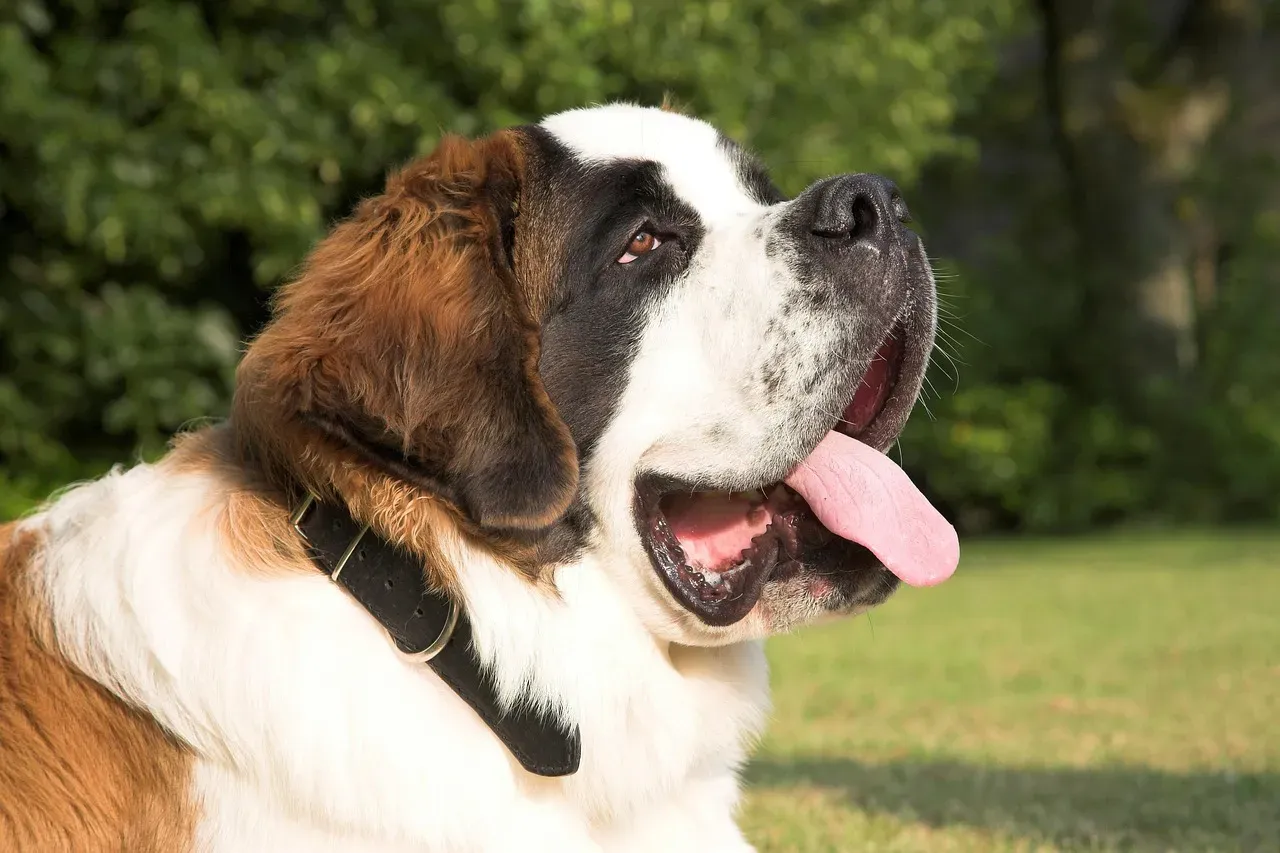
Saint Bernards carry the weight of their iconic image – the rescue dog with the barrel around its neck – but the modern Saint Bernard carries something heavier still: a genetic health burden that vets describe as relentless. Hip dysplasia severe enough to require surgery, heart disease, bloat, and neurological conditions frequently combine in a single dog before its sixth birthday. Research ranks Saint Bernards among the top six breeds for osteosarcoma prevalence, with a 4.12% annual rate in studied populations. The size that makes Saint Bernards so visually impressive also means that joint wear happens faster, hearts work harder, and recovery from any illness or surgery is more complicated and more expensive than in smaller breeds.
Eyelid problems – particularly entropion, where the eyelid rolls inward and the lashes constantly scrape the eye – are so common in Saint Bernards that vets often consider corrective surgery a near-standard part of the breed’s early medical history rather than an unusual intervention. Compounding daily discomfort across multiple systems, some Saint Bernards are managing joint pain, eye irritation, and digestive vulnerability simultaneously by age 5. Owners who go into the relationship with clear eyes about the costs and the commitment find genuine joy in the breed’s warmth and gentleness. But vets will tell you clearly: the budget needs to be real, and it needs to start early.
#10 – Newfoundland
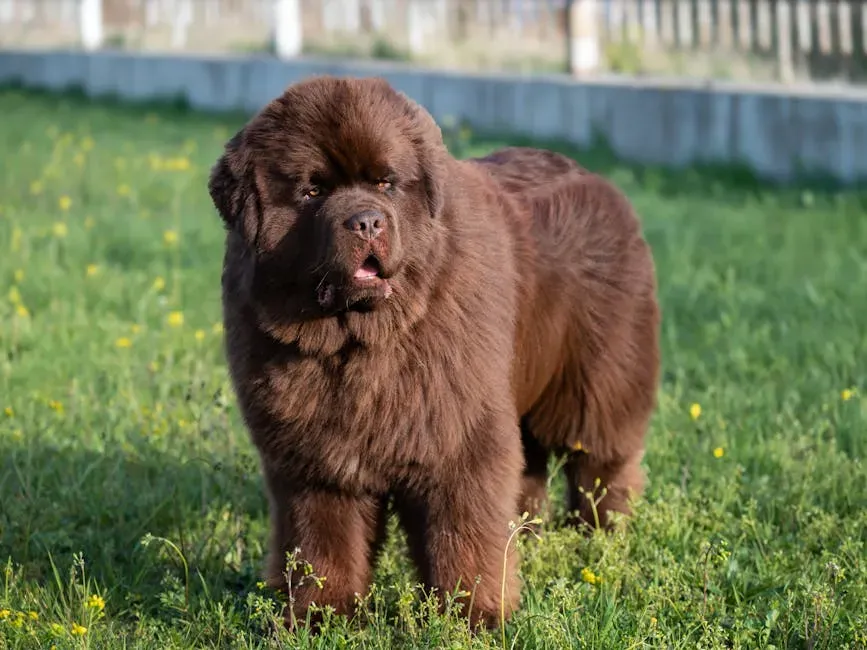
Newfoundlands are often described as the world’s best nannies – patient, gentle, devoted to children, built like a small bear, and seemingly impervious to anything. The health reality is considerably less reassuring. Subaortic stenosis, a heart defect that can be present from birth, is disturbingly common in the breed and can cut healthy years short without visible warning signs. Joint dysplasia is nearly endemic, and bloat risk is high enough that vets strongly recommend stomach tacking as a preventive procedure during any routine surgery the dog might need anyway. By age 6, many Newfoundlands are already in physical therapy just to stay comfortable.
The thick double coat that makes Newfoundlands so striking also creates overheating risk that becomes more dangerous as the dog ages and mobility decreases. Owners often become expert at reading subtle behavioral cues – a slight change in gait, a hesitation before getting up – because catching joint deterioration early is one of the few areas where proactive management can meaningfully improve quality of life. The average lifespan sits around 8 to 10 years, but the number of truly comfortable, pain-free years within that window is often considerably smaller. Vets who love the breed say that with commitment and resources, Newfoundlands can have wonderful lives – but the commitment has to be genuine and the resources have to be real.
Why It Stands Out: What Giant Breed Owners Are Really Signing Up For
- Medications cost more: A giant dog may need double or triple the medication dose of a smaller breed for the same condition.
- Surgeries are higher risk: Anesthesia, recovery, and complications scale significantly with body size.
- Aging accelerates early: Many giant breeds hit “senior” status between ages 5 and 7 – while medium breeds may not reach it until 10.
- Multi-system disease is common: Joint, cardiac, and cancer diagnoses often arrive together, not sequentially.
- Bloat is always on the table: GDV can kill within hours and requires emergency intervention with no at-home treatment options.
#11 – Bullmastiff

The Bullmastiff was originally bred to silently track and pin poachers – a job requiring strength, speed, and total physical reliability. The modern Bullmastiff retains that powerful presence, but vets see the health costs clearly. The deep chest makes gastric dilatation-volvulus a frequent emergency, and hip and elbow dysplasia often appear by age 5, limiting the dog’s ability to do the one thing it loves most: move freely and patrol its territory. Heart strain compounds the picture, and many Bullmastiffs begin showing the physical characteristics of an old dog while they’re still emotionally and mentally in their prime.
Families who have owned Bullmastiffs often use the phrase “old before its time” – not as a complaint but as a kind of rueful acknowledgment of the gap between the dog’s spirit and its body. Even in well-bred lines with careful health testing, the pattern of early physical decline holds with uncomfortable consistency. Vets emphasize that early detection through regular screening genuinely matters for this breed – not because it changes the genetics, but because catching joint changes or cardiac irregularities before they become crises can meaningfully extend the dog’s comfortable, mobile years. The clock just runs faster for Bullmastiffs than most owners initially expect.
#12 – Cane Corso
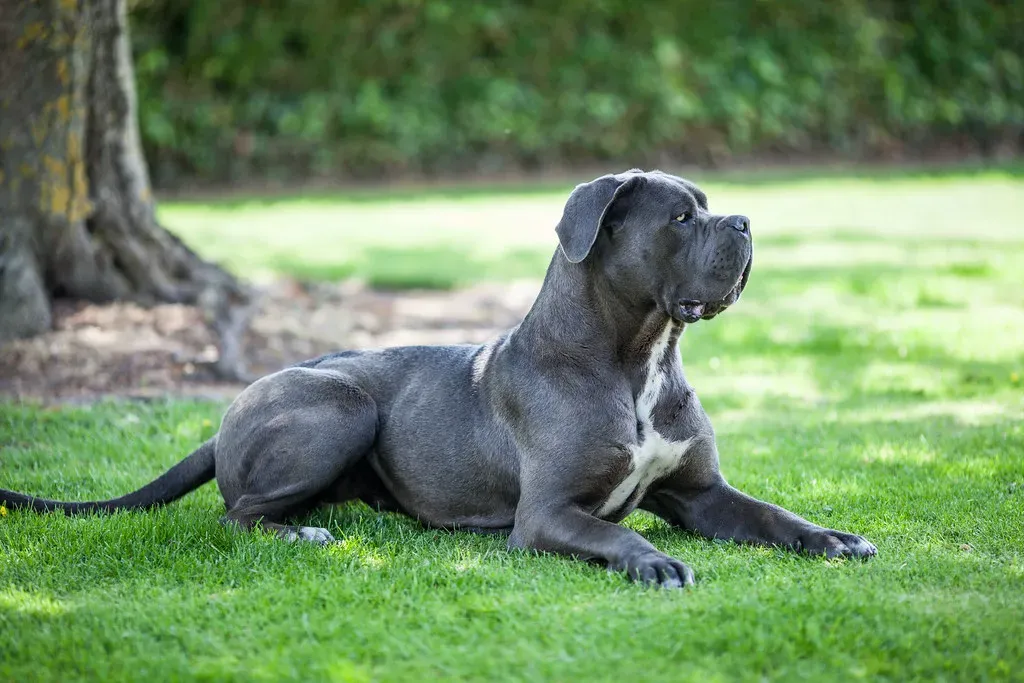
The Cane Corso has surged in popularity over the past decade, and vets have watched that surge bring with it a predictable increase in the breed’s characteristic health problems. Massive size and rapid maturation put enormous stress on the skeletal system, and joint dysplasia becomes a management challenge early. Bloat is a serious and ever-present risk. Cardiac disease in large working breeds follows a trajectory that vets have mapped clearly enough to predict: it tends to surface around the time owners are just settling into a comfortable routine with the dog, usually between ages 4 and 6, which makes it feel particularly sudden and cruel even when the underlying risk was always there.
Cancer rates in the Cane Corso climb faster than most owners realize, especially compared to medium-sized breeds where the comparison becomes stark. The dog’s intense working drive – the quality that makes it such a devoted guardian – often masks early pain signals, because Corsos are bred to push through discomfort and keep performing. That stoicism is one of the breed’s most admirable qualities and one of its most dangerous health liabilities. By the time a Cane Corso is visibly struggling, the condition causing that struggle is often significantly advanced. Vets who work regularly with the breed recommend more frequent check-ins than the standard annual schedule from about age 3 onward.
#13 – Boxer

Boxers are clowns at heart – bouncy, expressive, endlessly entertaining dogs that seem to operate at a higher emotional frequency than almost any other breed. That energy also masks a genuinely sobering health profile. Boxers carry one of the highest genetic risks for cancer of any breed, with mast cell tumors, lymphoma, and brain tumors appearing with striking frequency. Arrhythmogenic Right Ventricular Cardiomyopathy – a heart condition so specific to Boxers it is sometimes simply called “Boxer Cardiomyopathy” – can cause sudden collapse or death, with the average age of symptom onset sitting right at six years old. Research suggests up to 40% of Boxers carry the genetic mutation linked to this condition. Vets who see a lot of Boxers describe the pattern clearly: owners are often blindsided because the dog seemed completely fine.
The combination of heart disease and cancer means that many Boxers are navigating serious medical challenges before age 7, and the trajectory from first diagnosis to significant decline can move fast. Responsible breeders do health test for the cardiac condition, and that testing matters – but it doesn’t eliminate the risk, and the cancer burden exists independently. Owners who love Boxers – and they love them fiercely, because the breed gives back in personality what it demands in veterinary attention – tend to become deeply knowledgeable about the health landscape quickly. Vets say the ones who do best are the ones who build a strong veterinary relationship from puppyhood and commit to the monitoring rather than hoping for the best.
Fast Facts: Boxer Health Numbers
- ARVC (“Boxer Cardiomyopathy”) typically develops in middle age, around 5–7 years.
- Up to 40% of Boxers carry the striatin gene mutation linked to ARVC.
- Average age of first ARVC symptoms: approximately 6 years old.
- Boxers rank among the breeds with the highest cancer susceptibility, including mast cell tumors and lymphoma.
- Annual Holter heart monitoring is recommended starting in young adulthood – not just at the first sign of trouble.
#14 – Rottweiler

Rottweilers project an image of physical invincibility – heavy-muscled, confident, built like a small tank – and that image is part of why their health vulnerabilities catch so many owners off guard. Osteosarcoma, the bone cancer that devastates so many large breeds, hits Rottweilers with particular frequency: research places their annual osteosarcoma prevalence at 0.84%, with odds of developing the disease that are more than 26 times higher than in crossbred dogs. It can appear as early as age 5 in some dogs, and it tends to move fast once it does. Hip and elbow dysplasia are also common, and dilated cardiomyopathy adds a cardiac dimension to the picture. What should be the dog’s strongest, most vital years – ages 4 through 7 – often become years of increasing management instead.
The most difficult thing about the Rottweiler health situation is the speed of change. Owners describe dogs that seemed robust and physically impressive slowing dramatically within months of a diagnosis, the contrast between the dog’s mental sharpness and its physical deterioration becoming genuinely painful to witness. Regular screening – especially orthopedic evaluations and cardiac checks from age 3 onward – helps catch problems earlier, when options are broader. But the genetics load the dice in a way that careful ownership can soften without fully reversing. Vets who are honest with Rottweiler owners say: love them hard, watch them closely, and never put off a check-up because the dog “seems fine.”
[article_quiz]#15 – Bloodhound
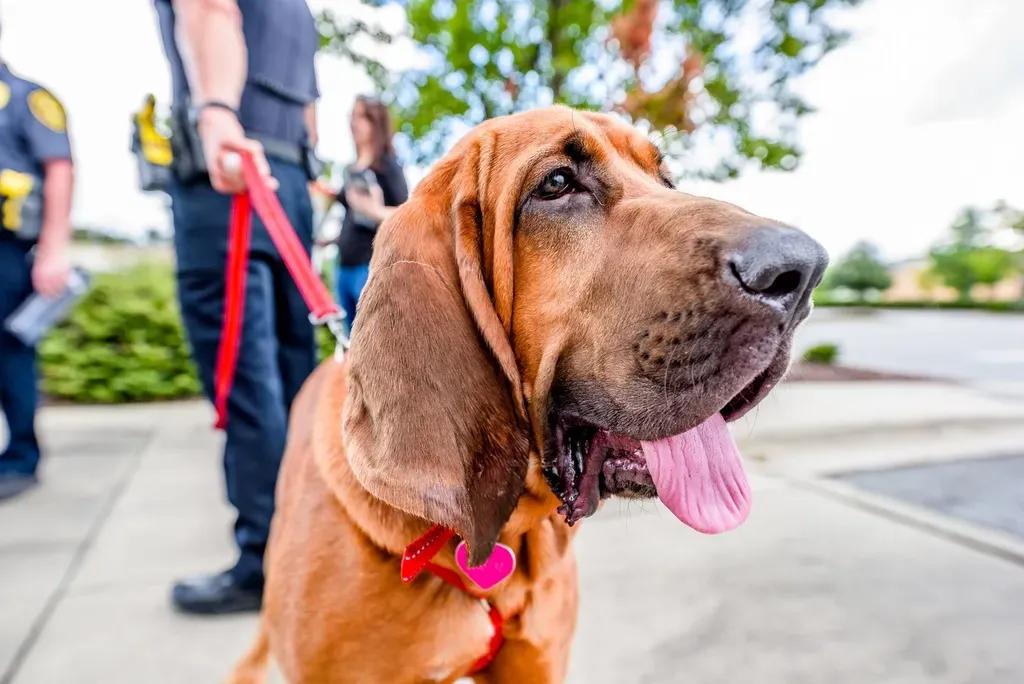
The Bloodhound earns its place on this list not through a single catastrophic health flaw but through an accumulation of issues that together make long-term health management genuinely demanding. Those legendary drooping ears trap moisture and create a near-perfect environment for chronic ear infections that, left unmanaged, can cause permanent damage. The heavy skin folds around the face and neck mirror the problems seen in other wrinkled breeds. Bloat is a serious risk. Joint problems and spinal issues appear regularly in middle age. And the sheer determination of a Bloodhound on a scent – the quality that makes the breed extraordinary at its job – means these dogs will push through pain and exhaustion in ways that mask developing problems.
By age 6, many Bloodhounds are managing several of these conditions simultaneously, and the cumulative veterinary cost and time commitment surprises owners who came to the breed primarily for its personality rather than its medical resume. Vets emphasize ear care as non-negotiable from day one – infections that are allowed to become chronic can progress to the inner ear and create permanent neurological effects. Weight management is equally critical, since extra pounds accelerate every joint and spinal issue the breed is predisposed to. The Bloodhound’s soulful, mournful expression turns out to be more medically appropriate than most people realize when they first fall for it.
The Uncomfortable Takeaway Most Breeders Won’t Tell You
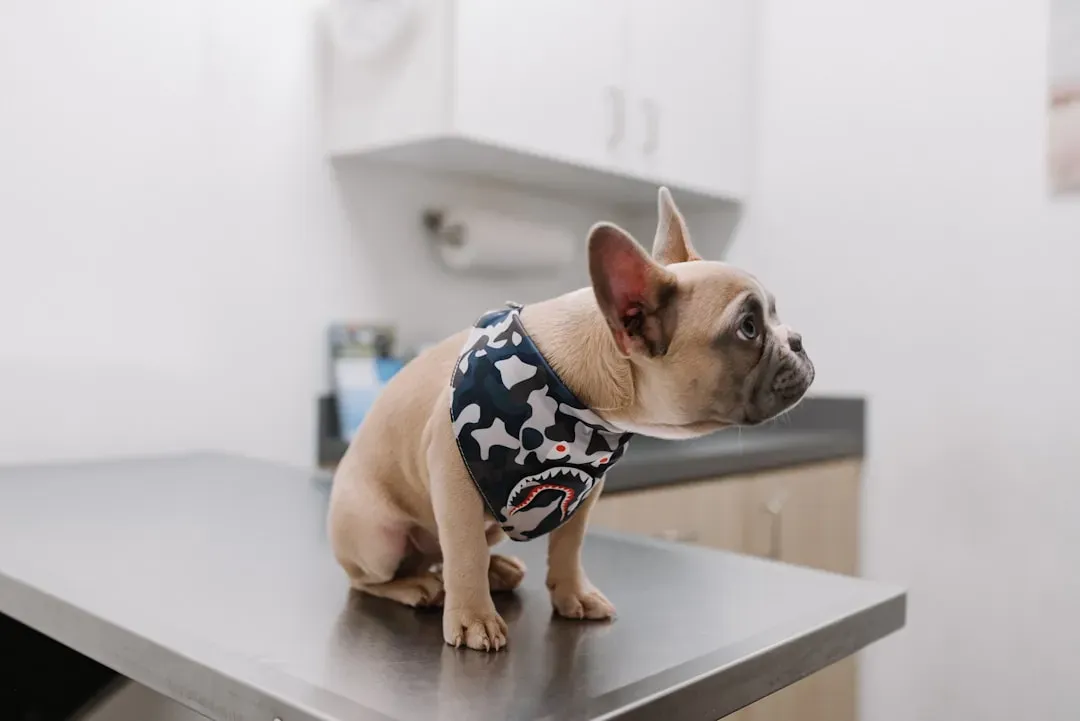
Here’s the opinion no one in the dog world likes to say out loud: for many of these breeds, the health crisis is largely self-inflicted by decades of breeding for appearance, size, or extreme physical traits rather than for soundness and longevity. The French Bulldog and English Bulldog situations are the most obvious examples – animals whose very anatomy has been shaped into something that cannot function without human medical intervention – but the giant breed problem is equally real and equally preventable in theory. Vets aren’t anti-breed. They’re pro-dog. And right now, being pro-dog means being honest that what the market rewards and what produces a healthy, long-lived animal are often pointed in completely opposite directions.
If you own one of these breeds – or you’re thinking about it – this isn’t an argument to love them less. These dogs give back in loyalty, personality, and companionship in ways that are genuinely hard to measure. But going in without understanding what’s coming isn’t fairness to the dog or to yourself. Budget for it. Build the veterinary relationship early. Screen proactively. And push back, as a consumer, on breeders who aren’t prioritizing health testing above all else. The dogs on this list deserve better than a market that keeps producing them faster than the genetics can be improved. The ones who exist right now deserve owners who go in with eyes wide open – and hearts ready for the full weight of it.
