


You’ve probably seen the viral videos. A group of goats peacefully grazing when suddenly, something startles them, and one or two just topple over like they’ve fainted from shock. These aren’t ordinary goats having dramatic reactions to fear. They’re Tennessee fainting goats, also known as myotonic goats, and their peculiar behavior has a fascinating scientific explanation that goes much deeper than simple fainting.
The truth is, these goats aren’t actually fainting at all. What looks like a dramatic swoon is really the result of a rare genetic condition that affects their muscle function. I think it’s one of nature’s most misunderstood phenomena, honestly. The condition has captivated farmers, scientists, and internet users alike, but the real story behind their “fainting” is far more complex and interesting than most people realize.
The Genetic Mystery Behind the Fall
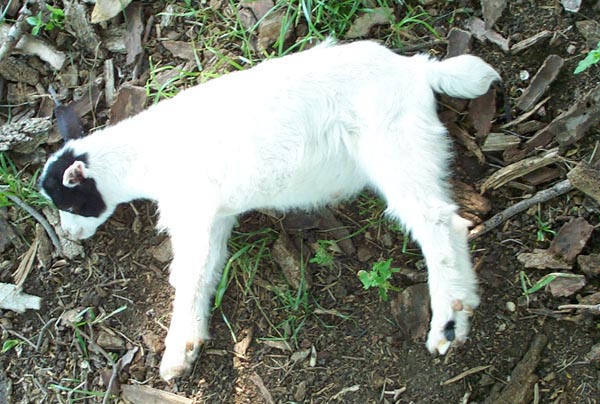
Tennessee fainting goats carry a genetic mutation in their CLCN1 gene, where a single nucleotide change causes the amino acid alanine to be replaced with a proline residue. This tiny alteration in their DNA creates a massive change in how their muscles function.
The condition, called myotonia congenita, affects the skeletal muscle chloride channel, essentially disrupting the electrical system that controls muscle movement. This small genetic change causes the chloride channel in muscle fibers to have reduced conductance of chloride ions, which might sound technical, but it’s the key to understanding why these goats behave so differently from their relatives.
What Actually Happens During an Episode
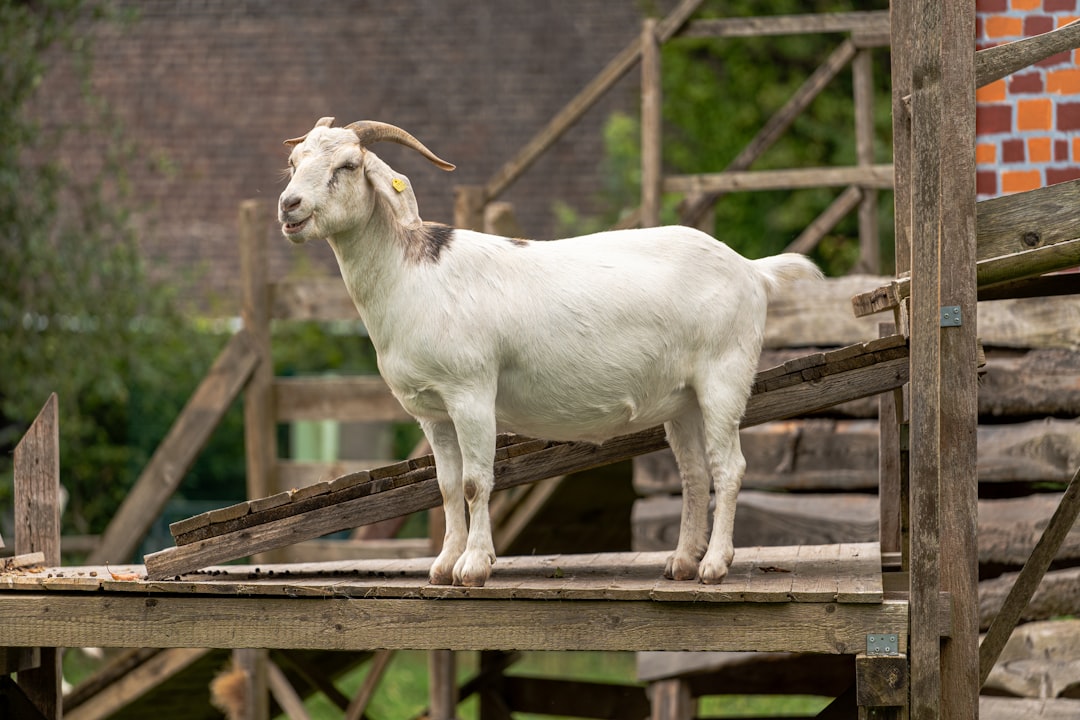
When myotonic goats become excited or startled, they develop well-defined muscle stiffness that often causes them to fall over briefly. However, the goats aren’t actually passing out from fright, but experiencing a hereditary condition that affects their skeletal muscles used for movement.
When muscles are voluntarily contracted, such as when running away from a potential threat, the relaxation of the muscle becomes delayed, leaving the muscles rigid and rendering the animal unable to move. The muscle stiffness doesn’t last long, only about five to twenty seconds. Think of it like a computer that temporarily freezes before returning to normal function.
The Chloride Channel Connection
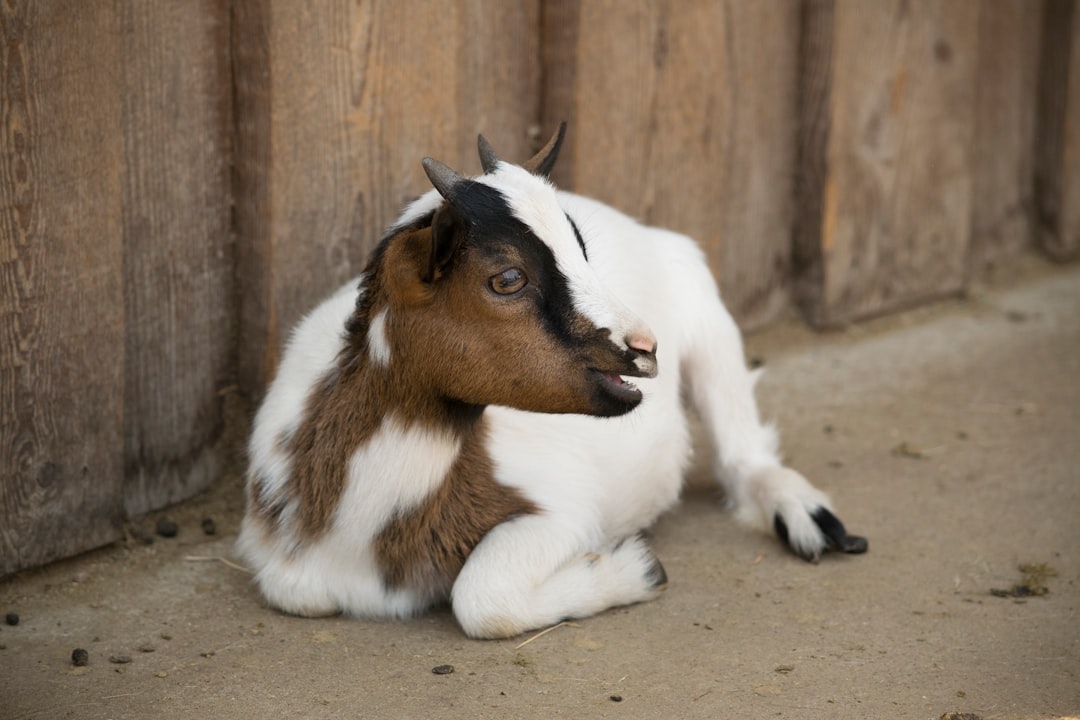
The condition stems from a mutation in the voltage-dependent chloride channel in skeletal muscle that leads to hyperexcitability of the sarcolemma and delayed relaxation of contracted muscle. The primary abnormality causes repeated firing of action potentials, creating a delay in muscle relaxation after contraction.
Picture muscle cells like electrical circuits. In normal goats, chloride ions flow freely through channels, helping muscles contract and then quickly relax. In fainting goats, there’s delayed relaxation of muscle secondary to sarcolemmal hyperexcitability caused by diminished chloride conductance in the muscle cell membrane. The electrical signal gets stuck in a loop, causing prolonged muscle stiffness.
From Tennessee Hills to Scientific Discovery
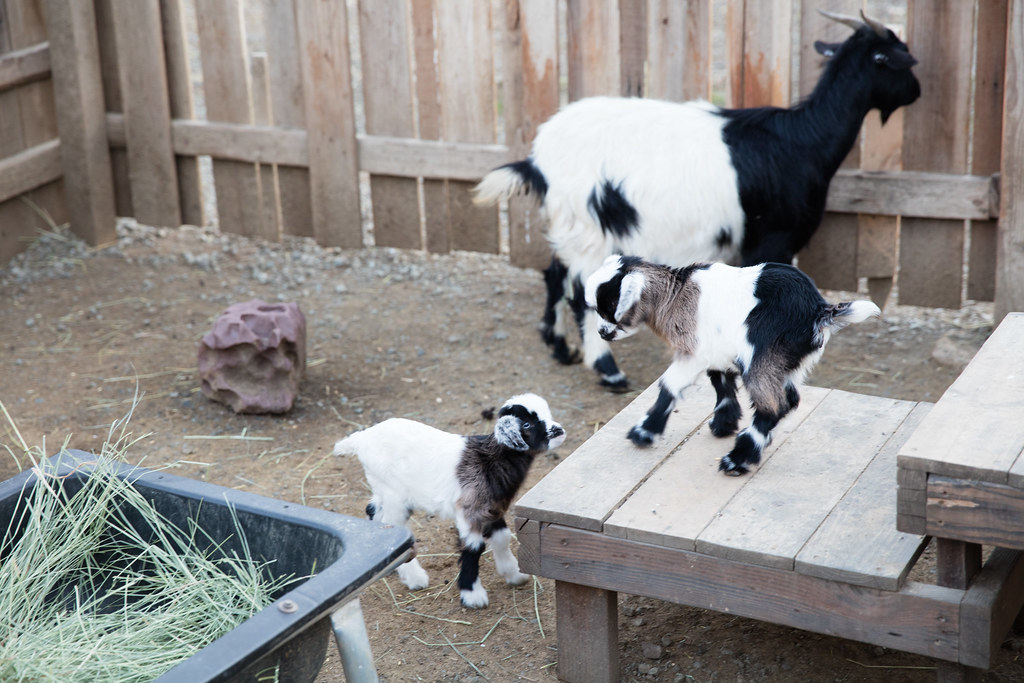
The breed’s history traces back to the 1880s when an itinerant farm laborer named John Tinsley came to central Tennessee, reputedly from Nova Scotia, bringing four unusual “Stiff” goats with him. The fainting phenomenon was first described in scientific literature in 1904 and termed “congenital myotonia” in 1939, though the actual genetic mutation wasn’t discovered until 1996.
These goats were valued by farmers because they were less likely to climb fences and escape from pastures, and their muscular build and high reproductive rate made them attractive livestock. What seemed like a quirky trait actually offered practical benefits for rural farming communities.
Inheritance Patterns and Breeding Science
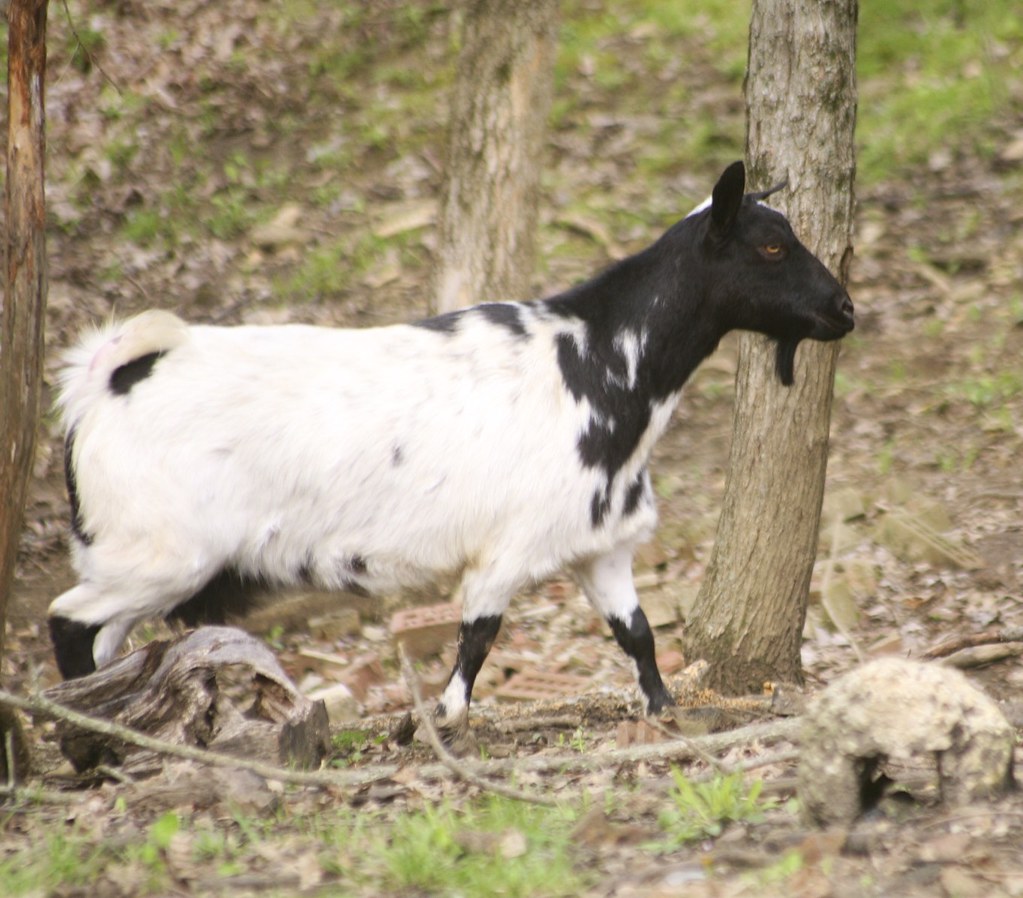
The myotonia gene is inherited in an autosomal recessive manner, meaning an animal must inherit two copies of the gene to be affected by this neuromuscular disorder. Goats with one copy become carriers that won’t show symptoms but can pass the trait to fifty percent of their offspring, and matings between two carriers produce about twenty-five percent affected goats.
This genetic pattern explains why the condition has persisted in certain bloodlines while remaining relatively rare overall. The degree of stiffness varies significantly, with some goats rarely showing symptoms while others become immobile or fall over with every stiffness response.
Understanding the science behind Tennessee fainting goats reveals a complex genetic condition that’s been misnamed and misunderstood for over a century. These remarkable animals aren’t fainting from fear but experiencing a fascinating neurological phenomenon that showcases the intricate relationship between genetics and muscle function. Their condition has even helped scientists better understand similar disorders in humans, making these seemingly comical goats valuable contributors to medical research. What do you think about these surprising genetic acrobats? Tell us in the comments.
