

Worried about unexpected vet bills?
Pet insurance can cover thousands in unexpected vet costs. Get a free quote from Lemonade in under 2 minutes.
Get My Free Quote →Sponsored · Opens Lemonade.com
Ever wondered why some dogs seem to glide through life with unshakable serenity while others jump at every shadow? The difference between a zen-like Golden Retriever and a hyperactive Jack Russell isn’t just personality – it’s deeply rooted in genetics, breeding history, and temperament. Some breeds were literally born to be calm, patient companions, while others carry the restless energy of their working ancestors in every fiber of their being.
Whether you’re seeking a peaceful couch companion or trying to understand why your current pup acts like they’ve had too much coffee, this guide will reveal which dogs make the ultimate chill pills and which ones treat life like an endless espresso shot. You might be surprised by some of these picks!
The Basset Hound: Master of Mellow
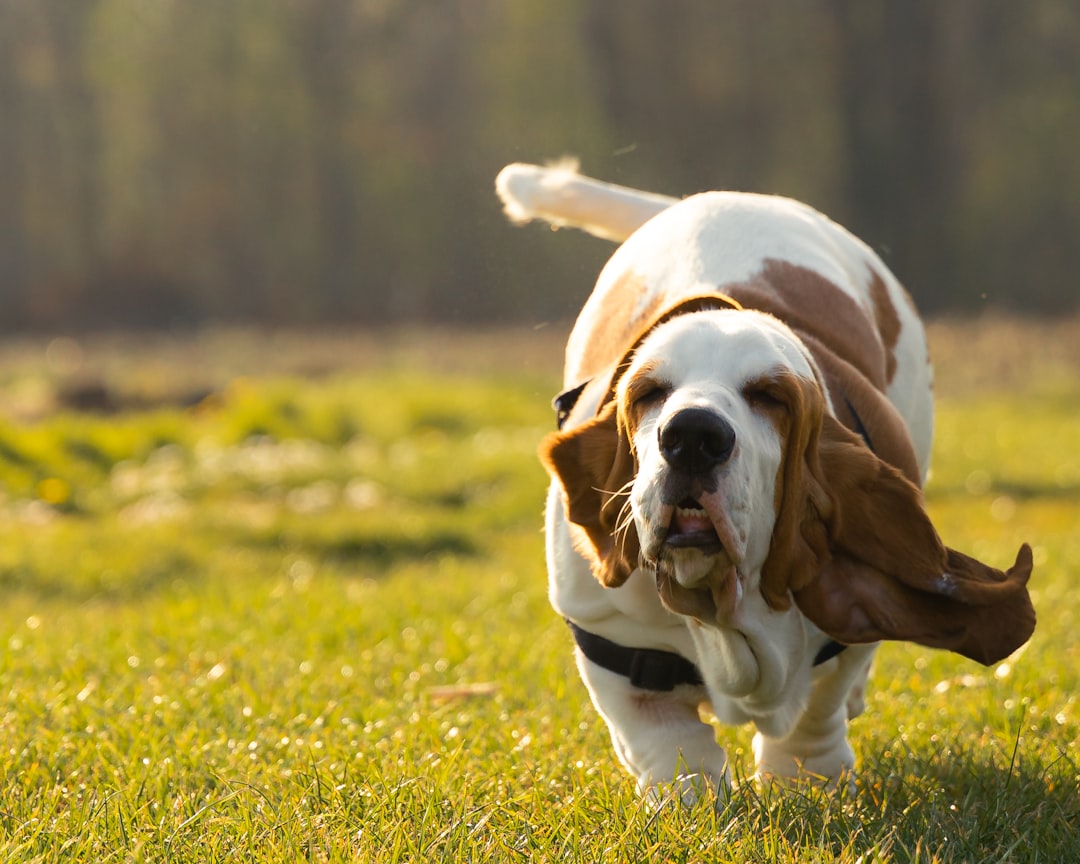
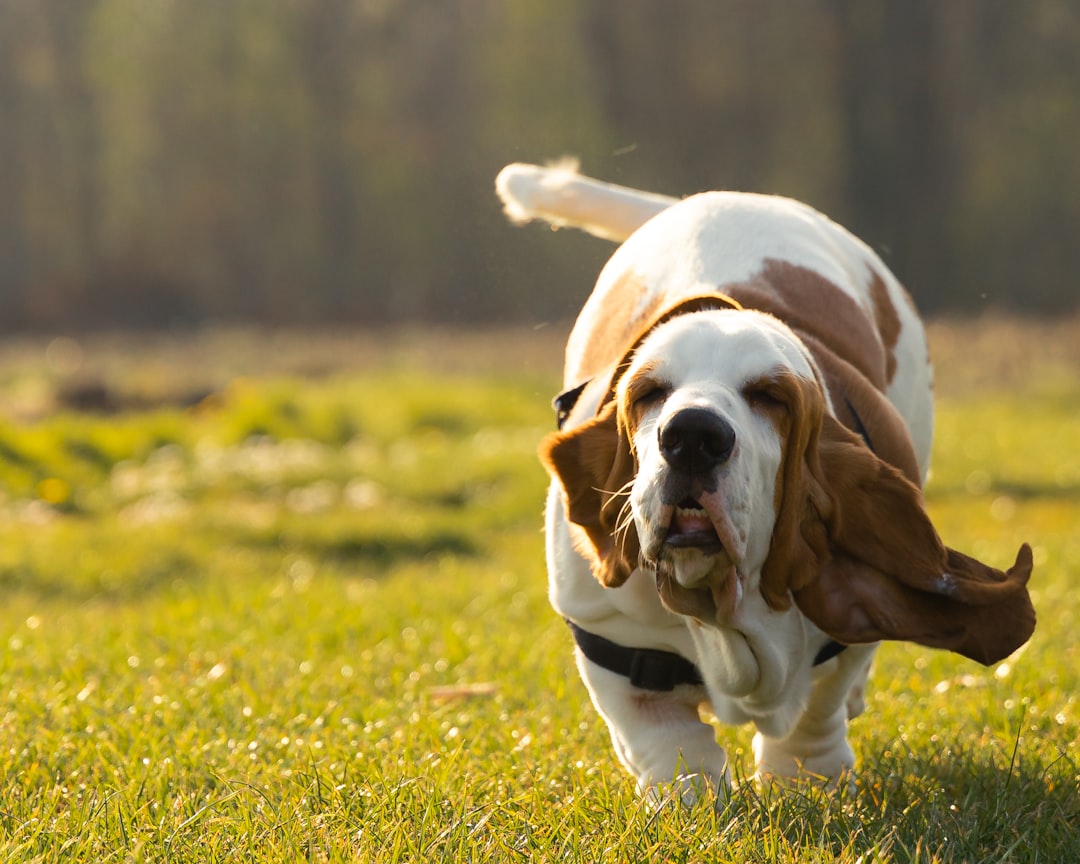
The Basset Hound stands no more than 14 inches tall and originated in France and Belgium, earning recognition as a calm, gentle dog breed that’s adaptable to new surroundings and content with moderate exercise. These low-slung hounds embody the phrase “take it easy” better than almost any other breed. Their low-energy nature means they aren’t very athletic, so don’t expect them to excel at sports.
The right home for a Basset is one where their characteristics of being patient, loyal, low-key and sometimes stubborn are expected and appreciated, as it’s not difficult to accept their tendency to be a bit bullheaded when they’re otherwise so lovable and charming. Their biggest talent lies in their incredible nose, second only to bloodhounds for tracking ability.
Irish Wolfhound: The Gentle Giant
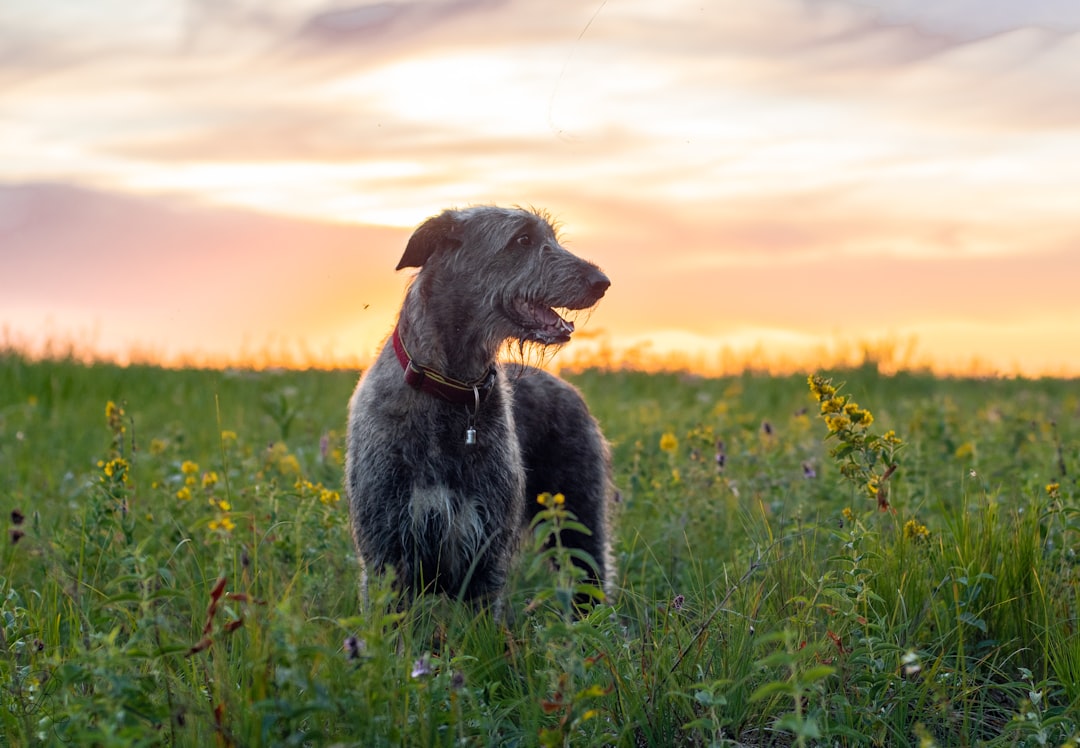
The enormous Irish Wolfhound was the result of breeding between larger dogs of Britain and Middle Eastern hounds, and by the 15th century, these dogs hunted wolves in the Irish countryside almost to the point of extinction. Despite their imposing size and hunting heritage, these giants are remarkably composed. They are both calm and sensitive to the emotions of humans, making them qualified for a wide range of therapy work.
Their intelligence allows them to learn quickly, but it’s their emotional intelligence that truly sets them apart. These towering dogs seem to understand exactly when someone needs comfort and respond with gentle, measured affection rather than overwhelming enthusiasm.
Cavalier King Charles Spaniel: Royal Composure
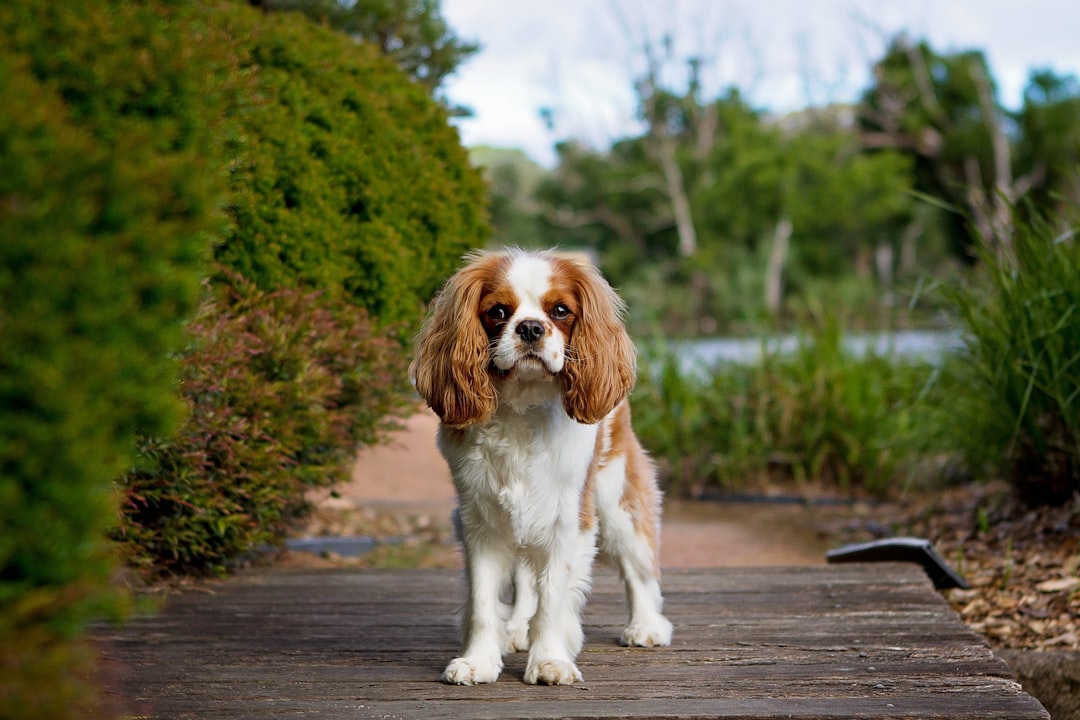
The calmest lap dog is arguably the Cavalier King Charles Spaniel. Due to their welcoming disposition, the Cavalier makes a great therapy dog, and enrolling them in socialization and training classes allows for a well-mannered companion that does well in various social situations. These spaniels carry themselves with the dignity you’d expect from a breed that once warmed the laps of British royalty.
Cavaliers love being lap dogs, but they do enjoy exercise, owing in part to their shared heritage with Sporting spaniels. They strike the perfect balance between being active enough to enjoy family adventures yet calm enough to contentedly snuggle for hours without demanding constant attention.
Great Dane: Gentle Giant Supreme
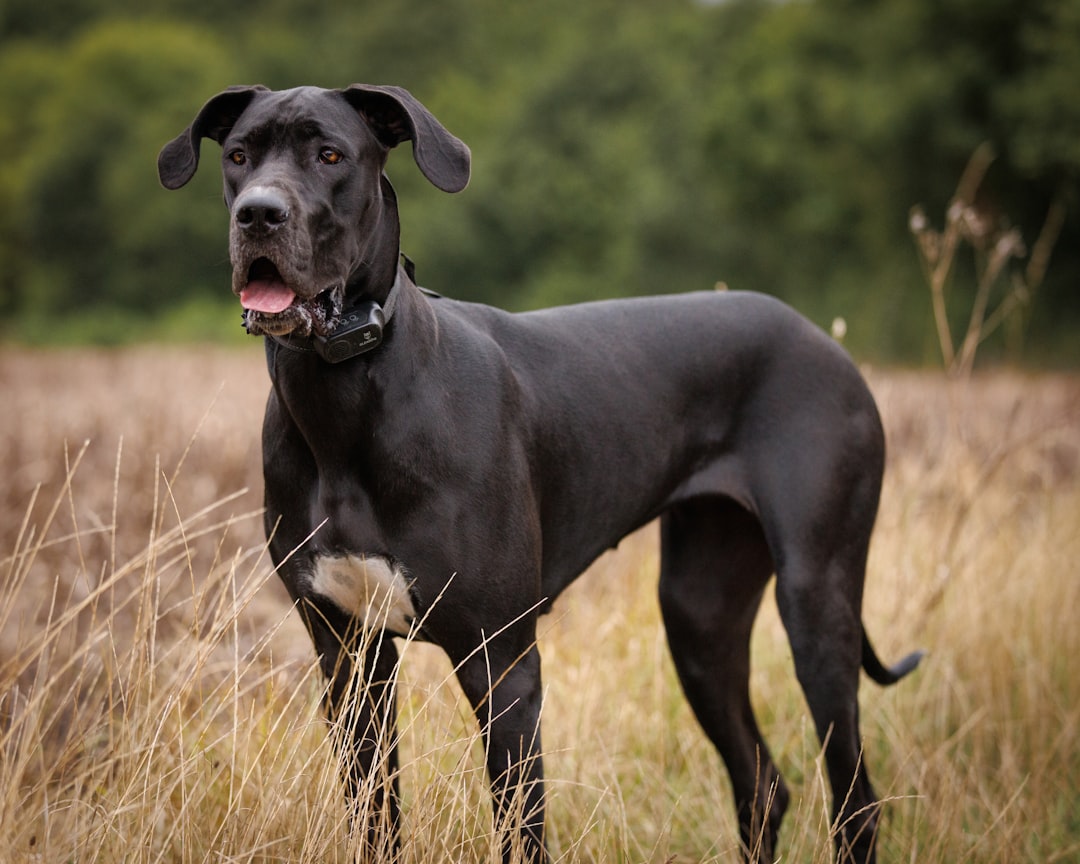
Great Danes are huge at an average of 140 pounds, but as big as they are, they’re equally calm, cool, and cuddly. Great Danes are known to be good with children and other pets when properly socialized from a young age, and while they make excellent companions, they also serve as effective guard dogs due to their imposing presence.
These massive dogs often think they’re lap dogs, which can be amusing when they try to curl up on furniture designed for much smaller breeds. Their calm demeanor makes them surprisingly suitable for apartment living, provided they get their daily exercise needs met through walks rather than needing acres to run.
Newfoundland: The Swimming Teddy Bear
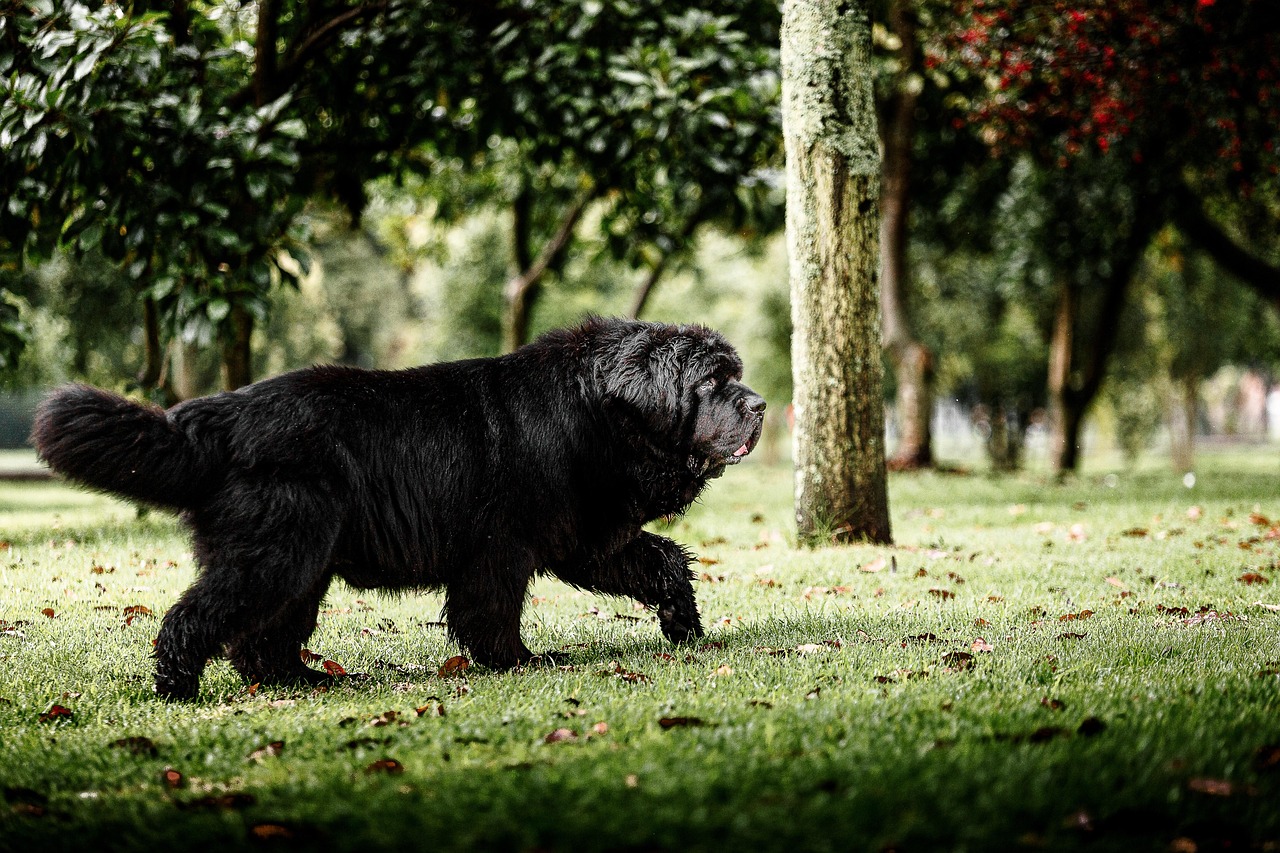
Commonly referred to as “Newfies,” Newfoundlands are a giant and gentle breed known for their incredible strength, sweet temperament, and excellent swimming abilities, originally bred to work alongside fishermen in Newfoundland, Canada. The calm, stoic demeanor necessary for such work has carried through to their modern descendants, and they are still known for being excellent swimmers.
These dogs are 100-plus pounds of fur and drool, but people who are fans of the breed love the affectionate and good-natured temperament, as they love kids and are easy to train. Their patient nature made them perfect for water rescues, a trait that translates beautifully to modern family life where they serve as gentle guardians of children.
English Bulldog: The Sleepy Companion
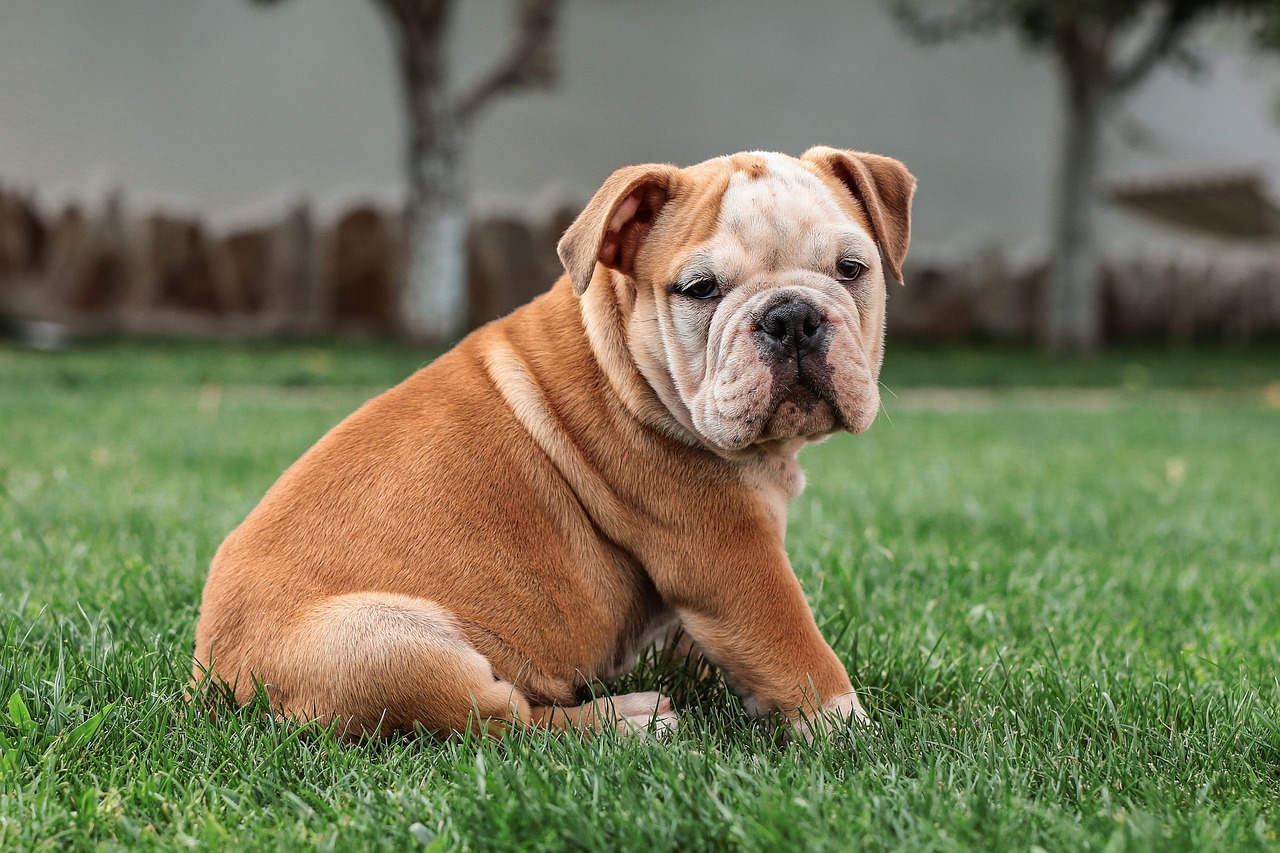
English Bulldogs are not only calm – they tend to be downright sleepy, and will absolutely love cuddling up with you and taking naps. The English bulldog is a great pup not only because he’s a roly-poly blob of love, but also because he really doesn’t bark unless absolutely necessary, which is good news for apartment residents who want a silly but chill dog breed.
Their breathing difficulties due to their flat faces actually contribute to their laid-back nature, as they naturally pace themselves and prefer leisurely activities. These dogs have perfected the art of relaxation and can teach their owners a thing or two about taking life slowly.
Saint Bernard: Patient Mountain Dog
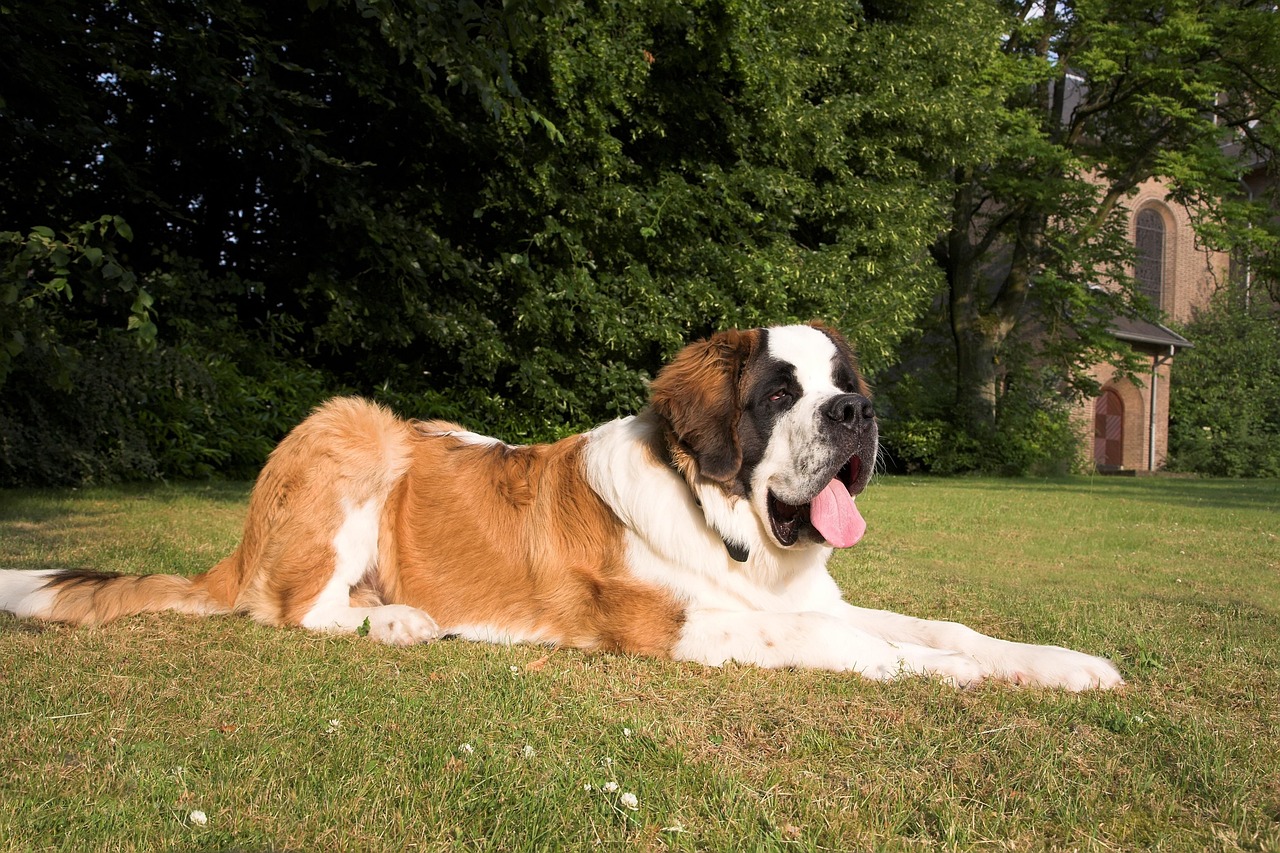
Although the movie Beethoven might suggest otherwise, Saint Bernards are actually quite relaxed and gentle, especially with little ones. One of the most calm dog breeds, this massive furball of sweetness is so loving, good-natured, and patient that she’s a terrific pet to share in all your kids’ adventures, and since she doesn’t require too much strenuous exercise, seniors who enjoy leisurely wooded walks might consider her a fine companion.
These gentle giants were bred to rescue travelers in the Swiss Alps, requiring them to remain calm in life-or-death situations. That legendary composure carries over perfectly to family life, where they serve as patient, protective companions who rarely lose their cool.
Golden Retriever: The Eternally Optimistic
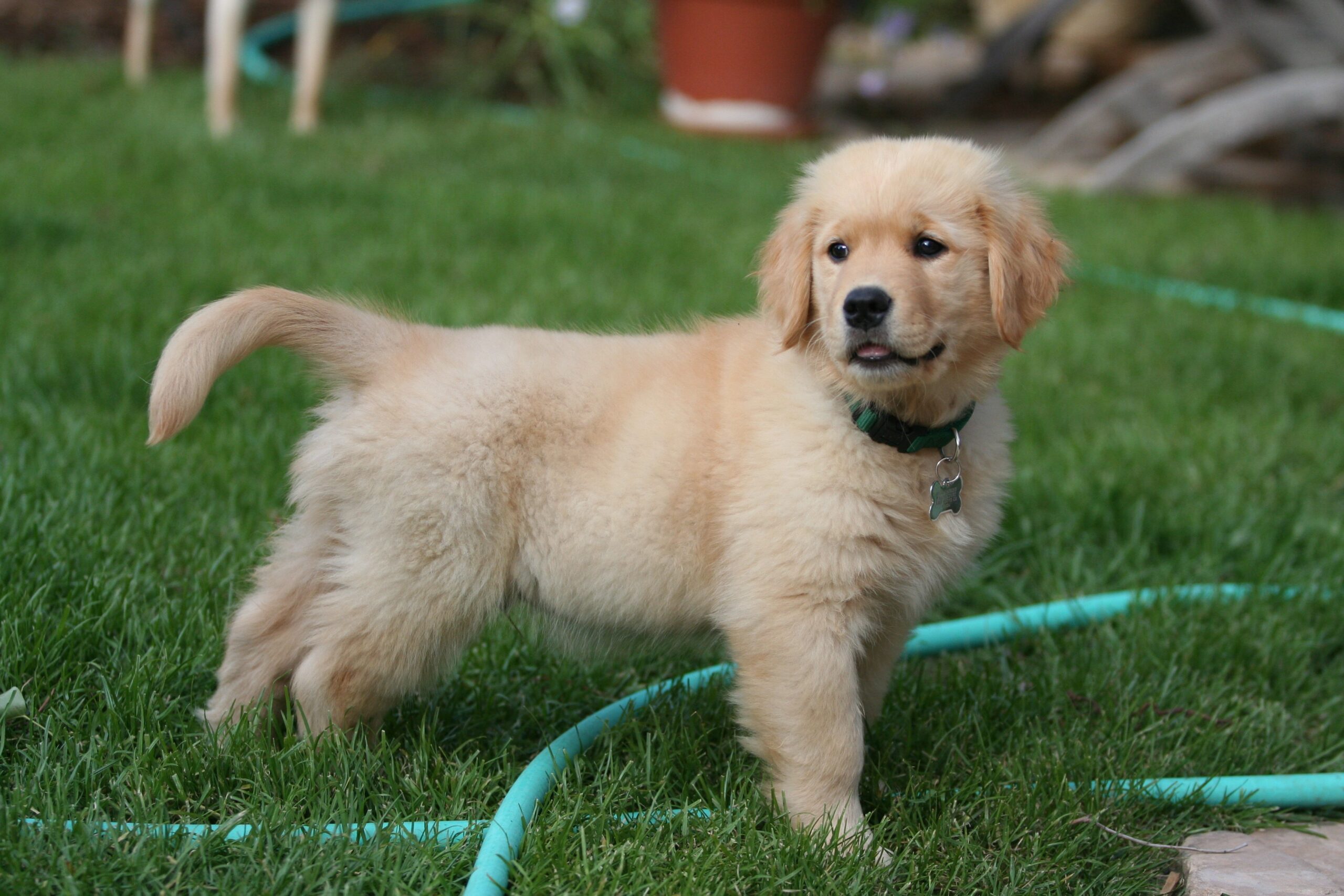
Golden retrievers are easy-going, affectionate and playful, but gentle with children, making them an ideal family dog, and their temperament often makes them great service and therapy dogs. With sunny personalities to match their lovely coats, golden retrievers never seem to have a bad day, and the smart and sweet-natured golden considers herself an important part of your family, loving cats, other dogs, bunnies, and practically everyone she meets.
While they do have energy in their youth, mature Golden Retrievers develop a wonderful sense of when to be playful and when to be calm. Their eagerness to please and natural empathy make them incredibly responsive to their family’s moods and needs.
Greyhound: The Couch Potato Sprinter
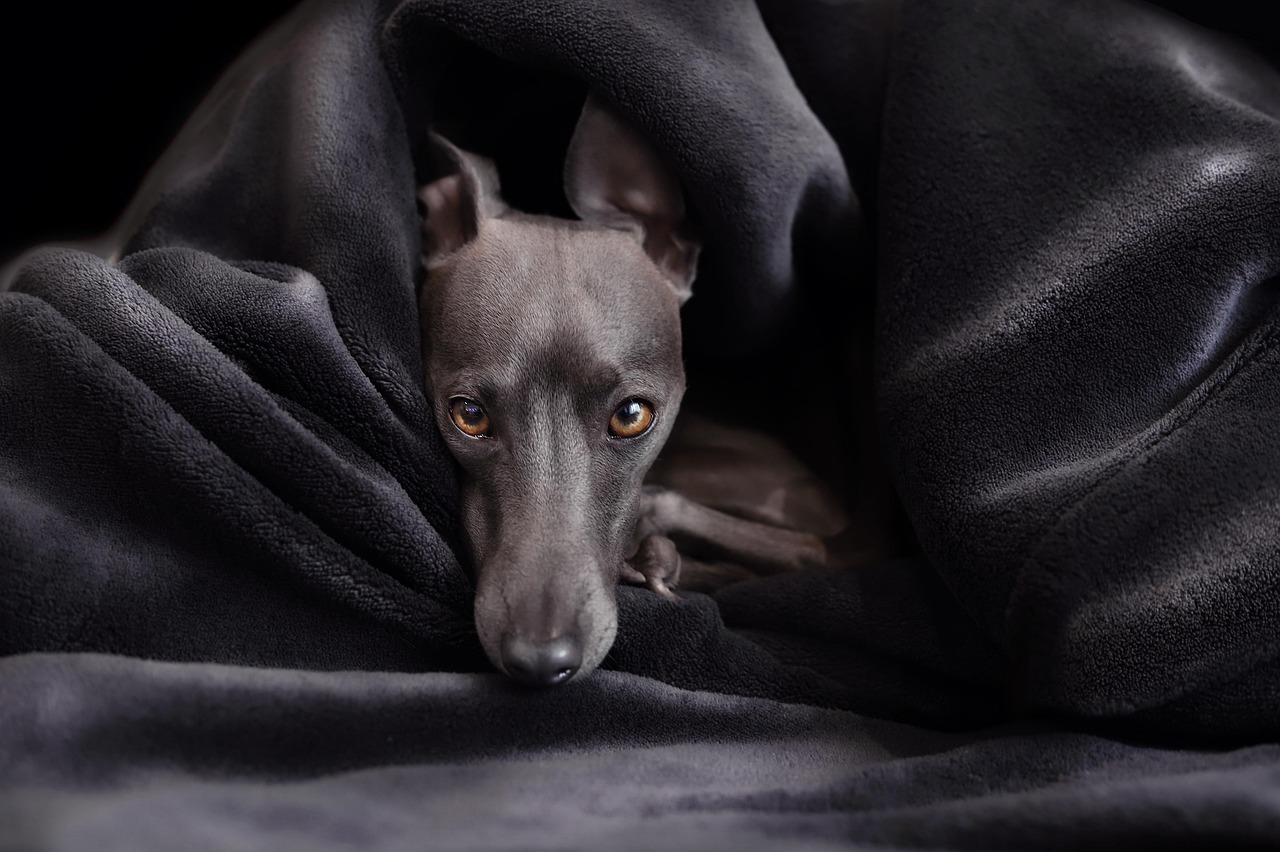
Despite being famous for athleticism and speed, the Greyhound only requires an occasional gallop to offset a napping regime and does best in a calm, quiet home. Full of grace, greyhounds have a relaxed temperament that’s a direct contradiction to what we usually think of, which are their sprinting abilities.
These retired racing dogs are often called “40-mile-per-hour couch potatoes” for good reason. They’ll sprint around for a few minutes, then spend the next several hours contentedly napping. Their calm, quiet nature makes them surprisingly good apartment dogs despite their size.
Bernese Mountain Dog: Swiss Serenity
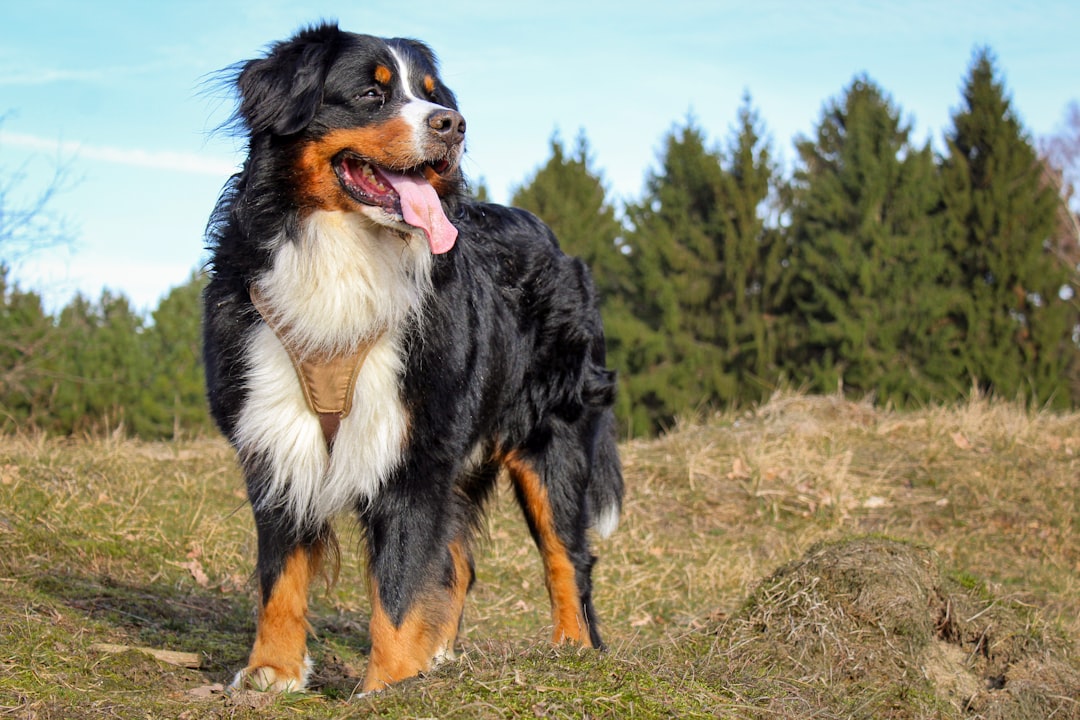
These majestic, large dogs from Switzerland possess a serene and even-tempered nature that endears them to many, with calmness being one of the Bernese Mountain Dog’s most prominent traits, making them excellent family pets. Rarely displaying hyperactive behavior, these dogs have a calming influence and often get along well with other dogs as well.
Originally bred as farm dogs in Switzerland, Bernese Mountain Dogs needed to work steadily without getting overly excited or aggressive. This translates to modern pets who are wonderfully steady and reliable, providing a calming presence in any household they join.
Pug: The Serene Clown
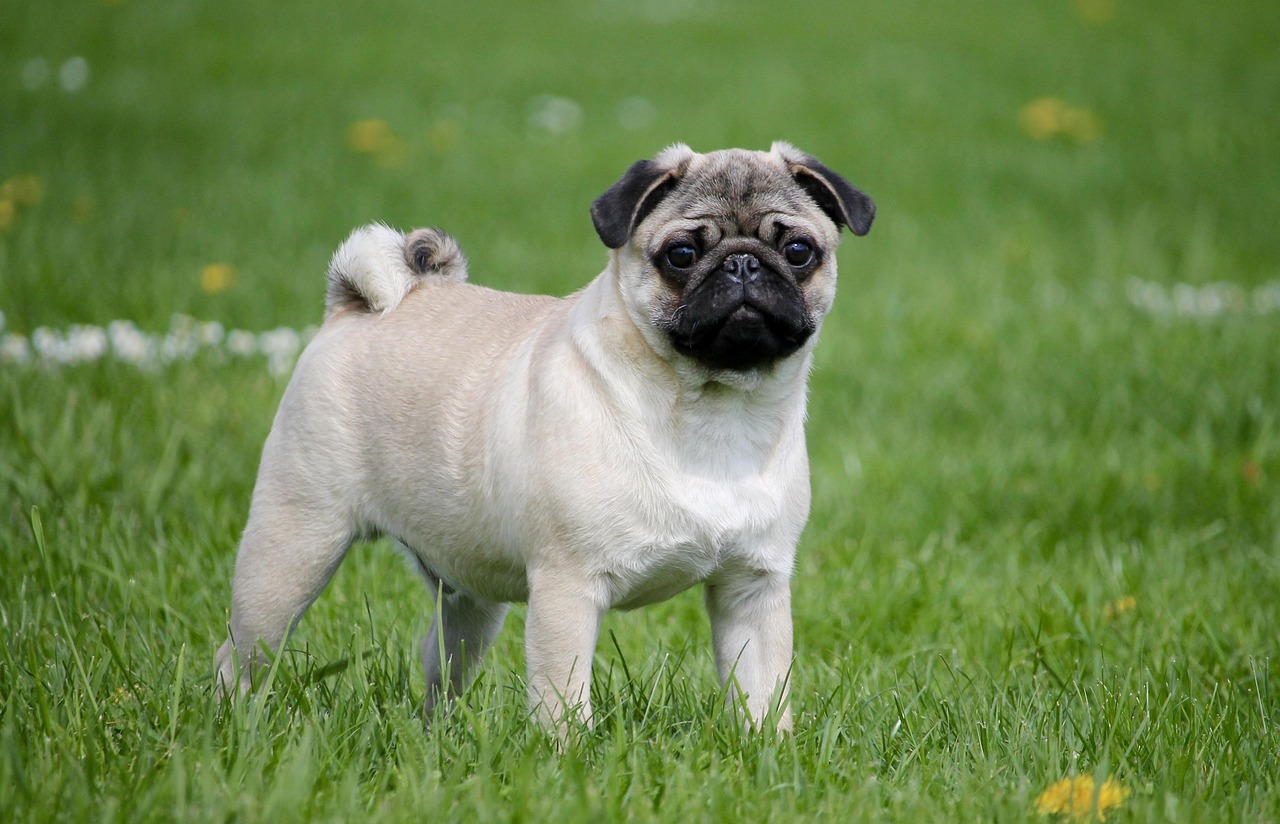
Known to be quite serene, Pugs aren’t big on barking, chewing, or digging, so your house can stay spotless, too. Pugs are known for their playful yet easygoing nature, and while they may not be the calmest dog breed overall, Pugs make affectionate and charming companions who enjoy many long hours napping (often on laps).
These wrinkled comedians know how to entertain without being overwhelming. They’re content to be silly when the mood strikes but are equally happy to spend quiet time lounging with their favorite humans. Their breathing issues actually help keep them naturally calm and measured in their activities.
Whippet: The Quiet Speedster
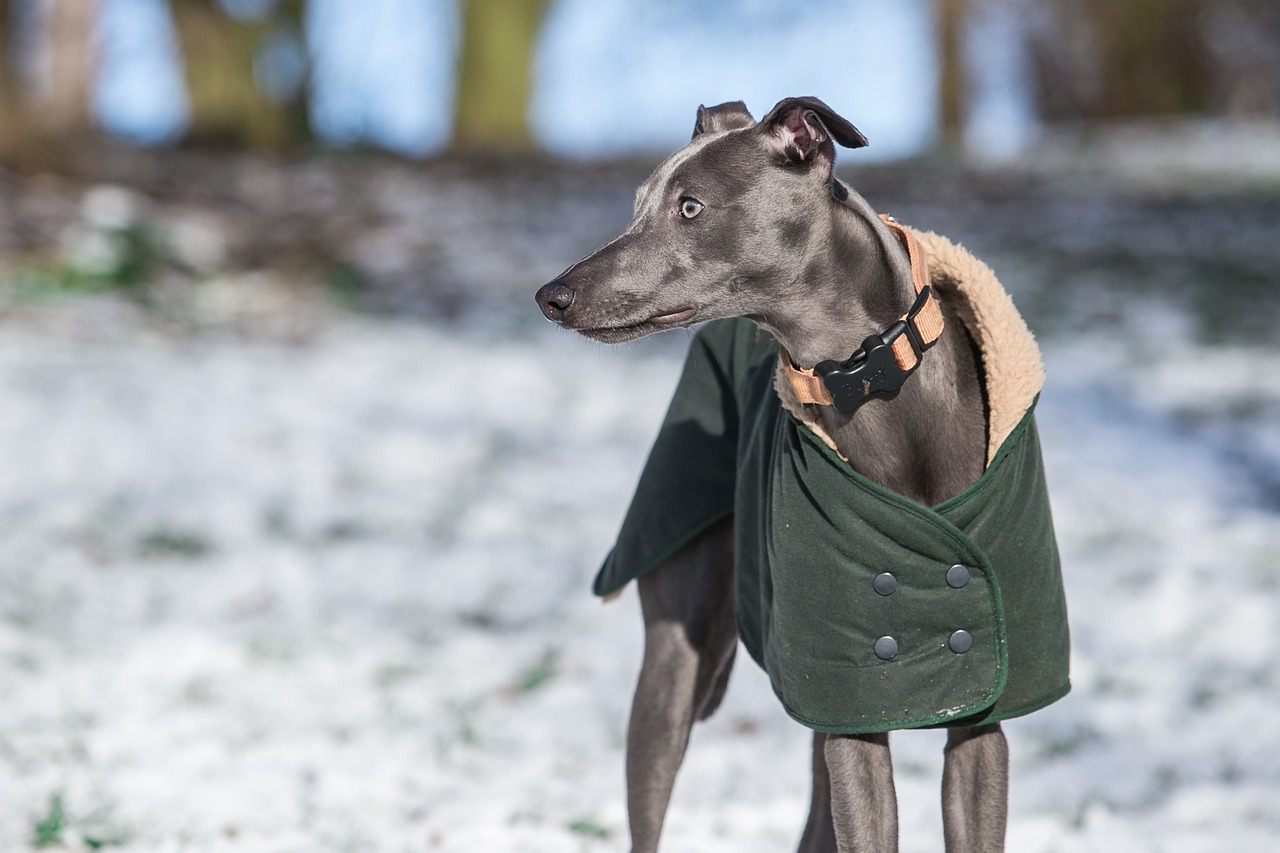
Whippets are fast, but that energy doesn’t last long, and if you give them space to expend short bursts of energy exercising, they’re content to lounge around the rest of the time. Similar to Greyhounds, Whippets are calm indoors and love to relax after short bursts of exercise, being quiet and generally a low-maintenance option.
Like their larger Greyhound cousins, Whippets follow the sprint-and-sleep model of life. They’re gentle, quiet dogs who rarely bark unnecessarily and prefer peaceful environments where they can rest between their brief moments of athletic glory.
Standard Poodle: Intelligent Composure
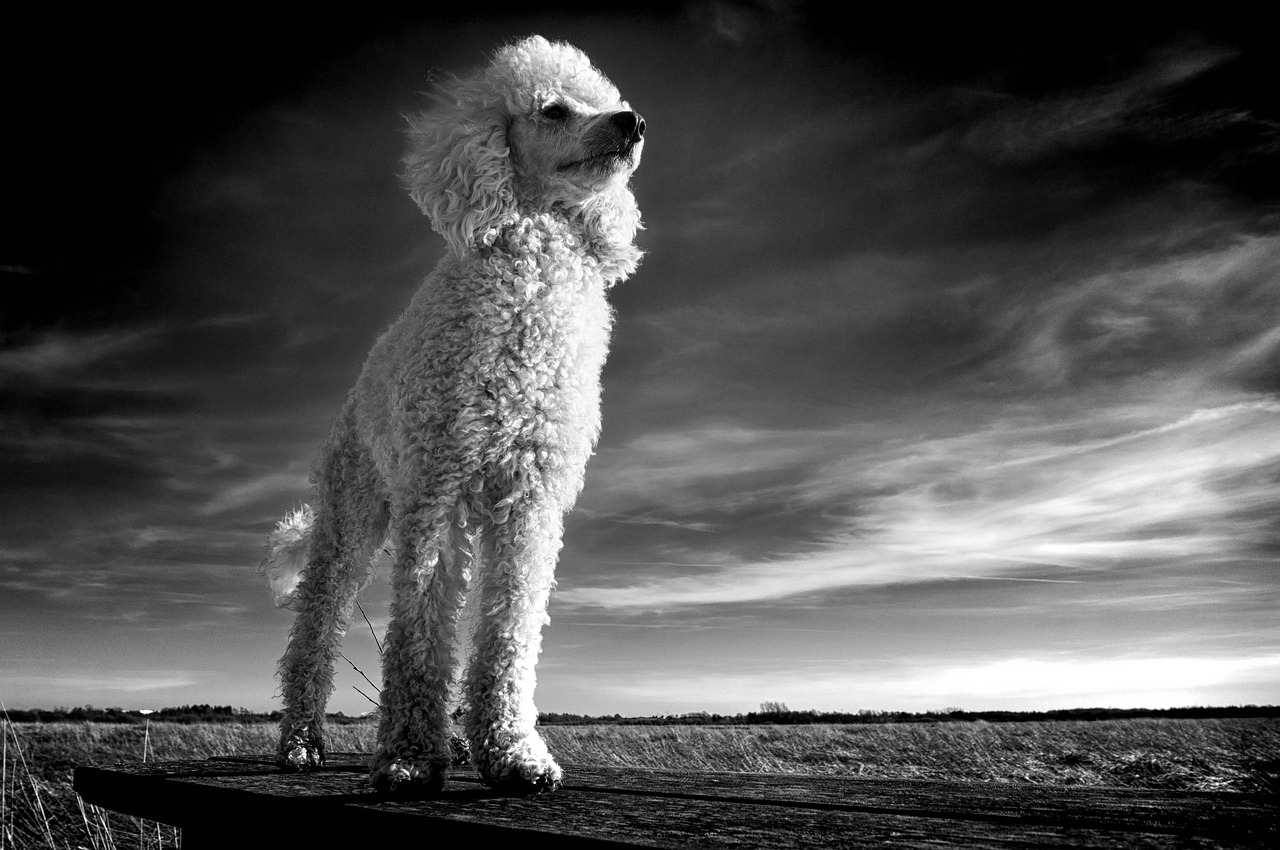
Standard poodles generally have very chill demeanors, but as most little puppies are, they can be pretty energetic when they’re young. Intelligent, mellow, affectionate, playful, and somewhat hypoallergenic, the poodle loves to learn and is often eager to please.
Their intelligence actually contributes to their calm nature – smart dogs often handle new situations better and don’t get as anxious or reactive. Standard Poodles combine this mental stability with a naturally gentle temperament, making them excellent family companions who rarely lose their composure.
Tibetan Spaniel: The Monastery Monk
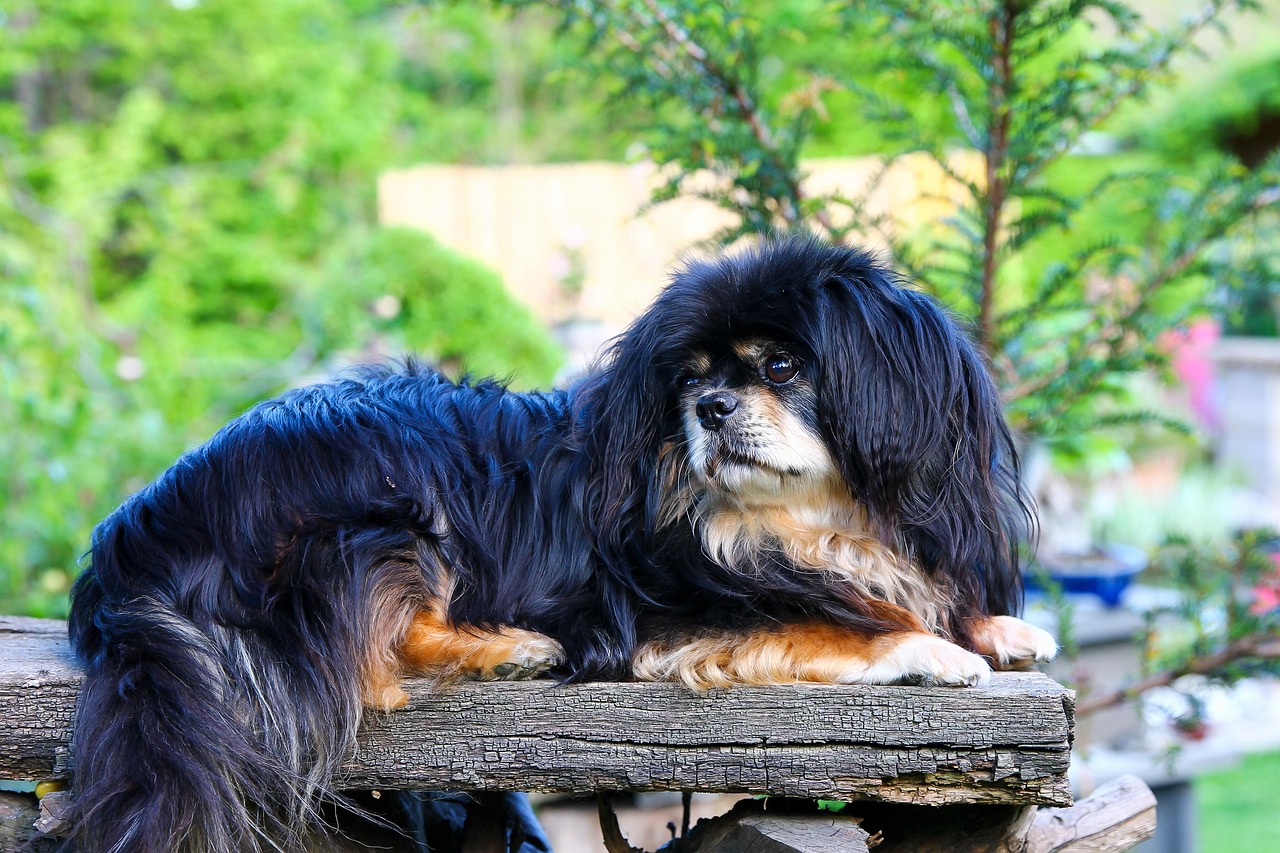
Tibetan Spaniels (Tibbies) were historic companions of Buddhist monks and worked as watchdogs atop Tibetan monasteries. From their origin, this calm dog breed was expected to portray a gentle demeanor, and through the centuries, standard traits grew to include easiness-to-please, independence, and intelligence.
Living in monasteries for centuries shaped these dogs into naturally contemplative, calm companions. They learned to be alert without being reactive, watching over their monk companions with quiet devotion that translates beautifully to modern family life.
Boerboel: The Calm Guardian
These protectors had to establish friend versus foe and became known for their calm disposition with children. The Boerboel, also called the South African Mastiff, is a docile dog breed that’s enormous in both size and heart, and while their calm temperament is great for families, they’re better suited for older kids and adults.
Originally bred to protect South African homesteads, Boerboels needed to distinguish between real threats and everyday occurrences without overreacting. This selective alertness makes them wonderfully calm family guardians who save their energy for situations that truly warrant it.
—
Now, let’s flip the script and meet the dogs who treat every day like it’s caffeinated…
Jack Russell Terrier: The Tiny Tornado
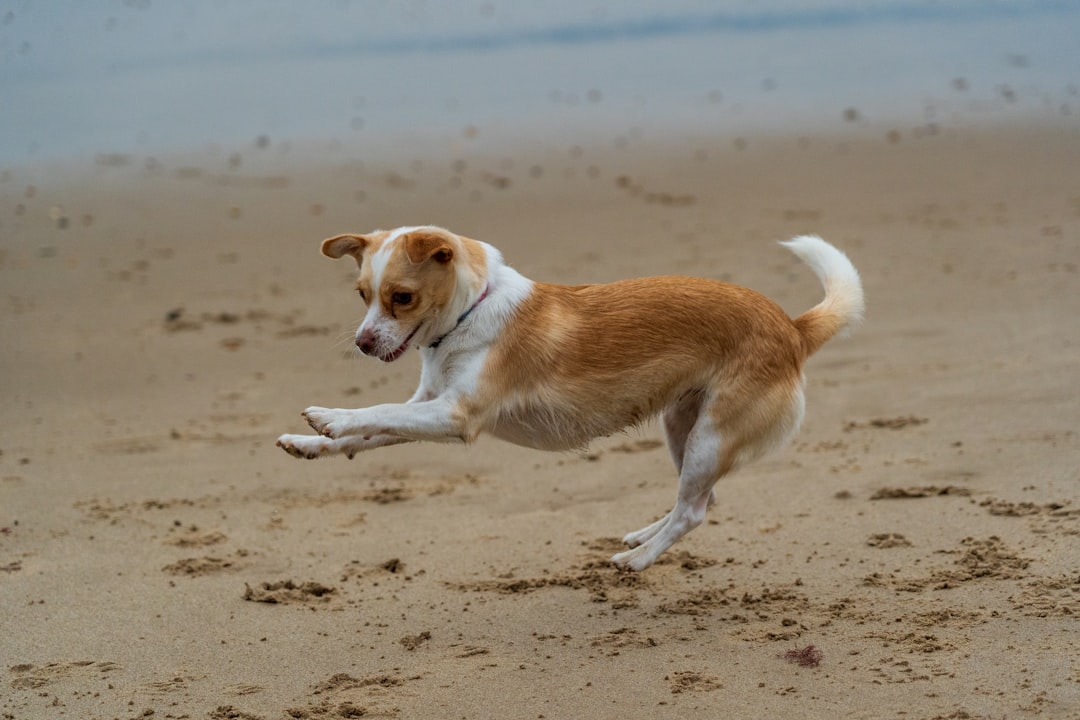
Jack Russell Terriers are fearless, energetic, and active dogs with sharp minds, and while they may appear confident, their high energy levels can sometimes translate into restlessness and nervousness. They require constant stimulation to keep their busy minds occupied, and unfamiliar situations, loud noises, or a lack of activity can make them fidgety and uneasy.
These pint-sized dynamos were bred to chase foxes into underground dens, requiring incredible tenacity and energy. That drive doesn’t just disappear in modern pet life – it manifests as constant motion, endless curiosity, and a need to investigate every sound, movement, or change in their environment.
Border Collie: The Overthinking Genius
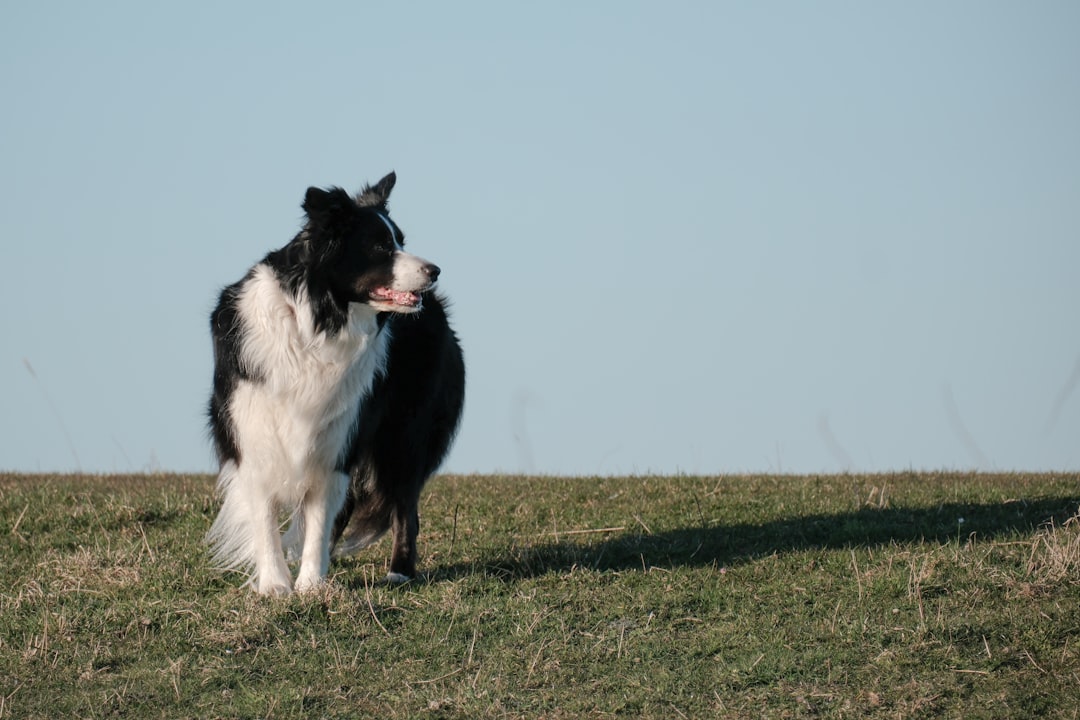
Highly regarded for their intelligence, Border Collies are incredibly alert and responsive, with sharp minds that are always at work, analyzing their surroundings and reacting to the smallest changes. This hyper-awareness makes them exceptional working dogs but also contributes to their fidgety tendencies when they lack a job, and due to their strong herding instincts, they can become uneasy in unpredictable environments.
They often resort to compulsive behaviors like spinning, chasing shadows, or outrageous barking without an outlet for their energy, making mental and physical engagement essential for reducing their anxious tendencies. These dogs literally think too much for their own good sometimes.
German Shorthaired Pointer: The Restless Hunter
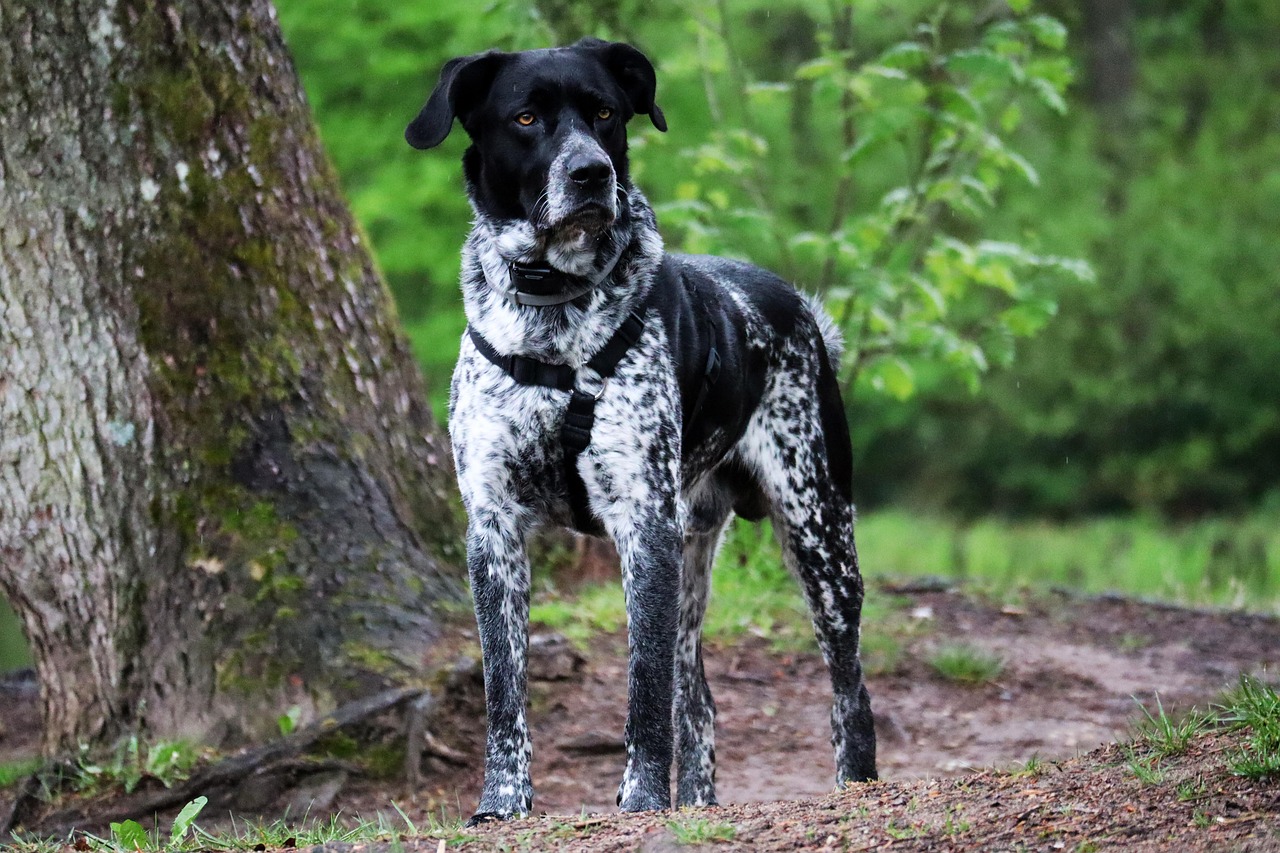
German Shorthaired Pointers are highly active and intelligent dogs with a strong desire to work, and their boundless energy requires an outlet – without sufficient exercise, they can become fidgety and anxious. This breed thrives on structure and purpose, and without clear direction, may exhibit nervous behaviors such as excessive chewing, barking, or pacing.
These hunting dogs were bred to work all day in the field, tracking, pointing, and retrieving game. In a suburban home without adequate mental and physical stimulation, all that hunting drive gets channeled into destructive or anxious behaviors that drive owners crazy.
Vizsla: The Velcro Dog
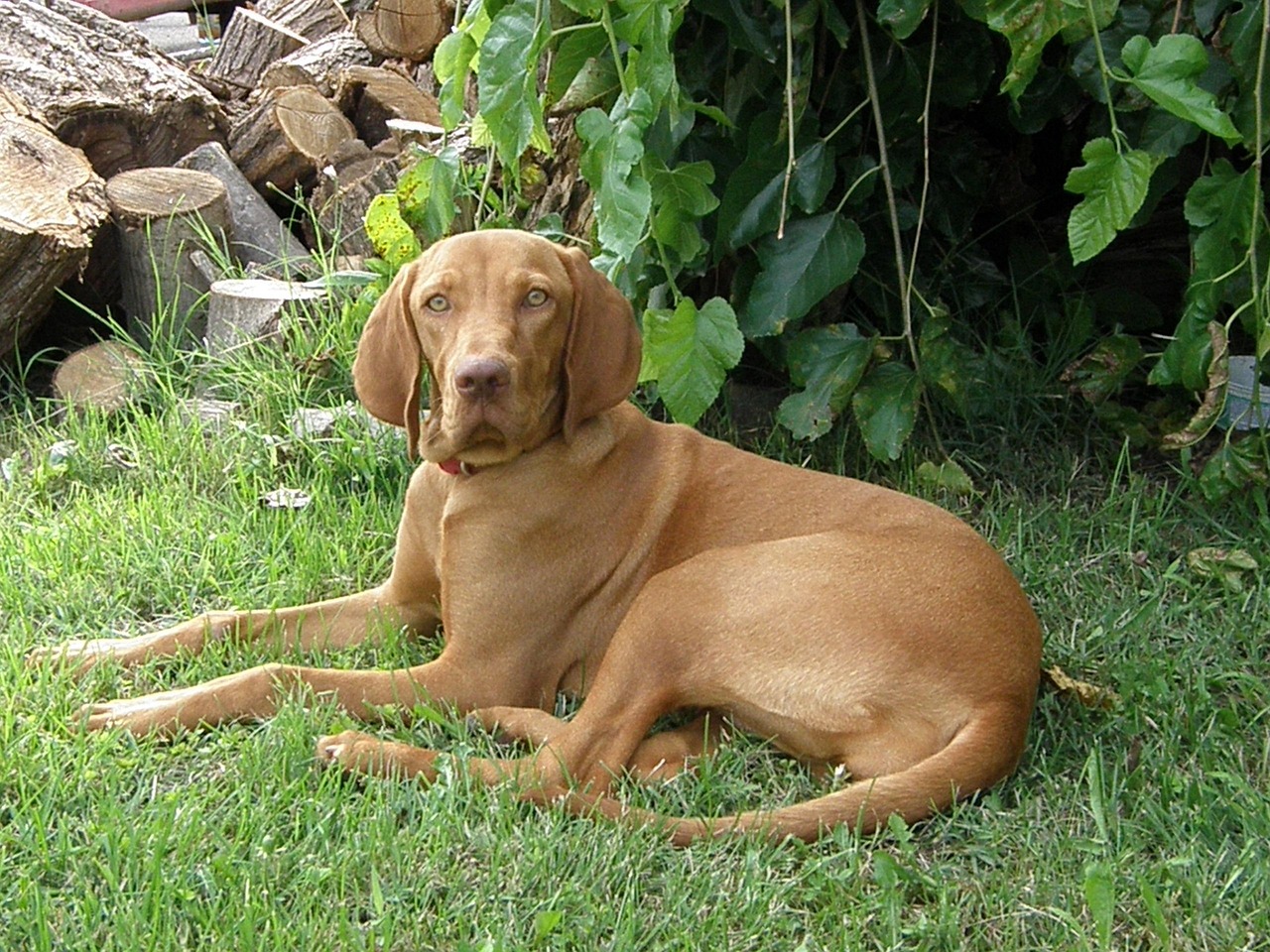
Vizslas are incredibly affectionate and eager to please, but their sensitivity means they can easily become overwhelmed by chaotic environments, and a lack of structure or inconsistent training can lead to anxious behaviors such as whining, pacing, or excessive licking. Physical exercise plays a significant role in managing their restlessness, with long walks, running, or dog sports helping channel their energy and prevent them from becoming fidgety or stressed.
Known as “Velcro dogs” for their need to stick close to their owners, Vizslas become anxious when separated and fidgety when understimulated. Their sensitivity to their environment means they react to every change, sound, or mood shift in the household.
Chihuahua: The Tiny Nervous Napoleon
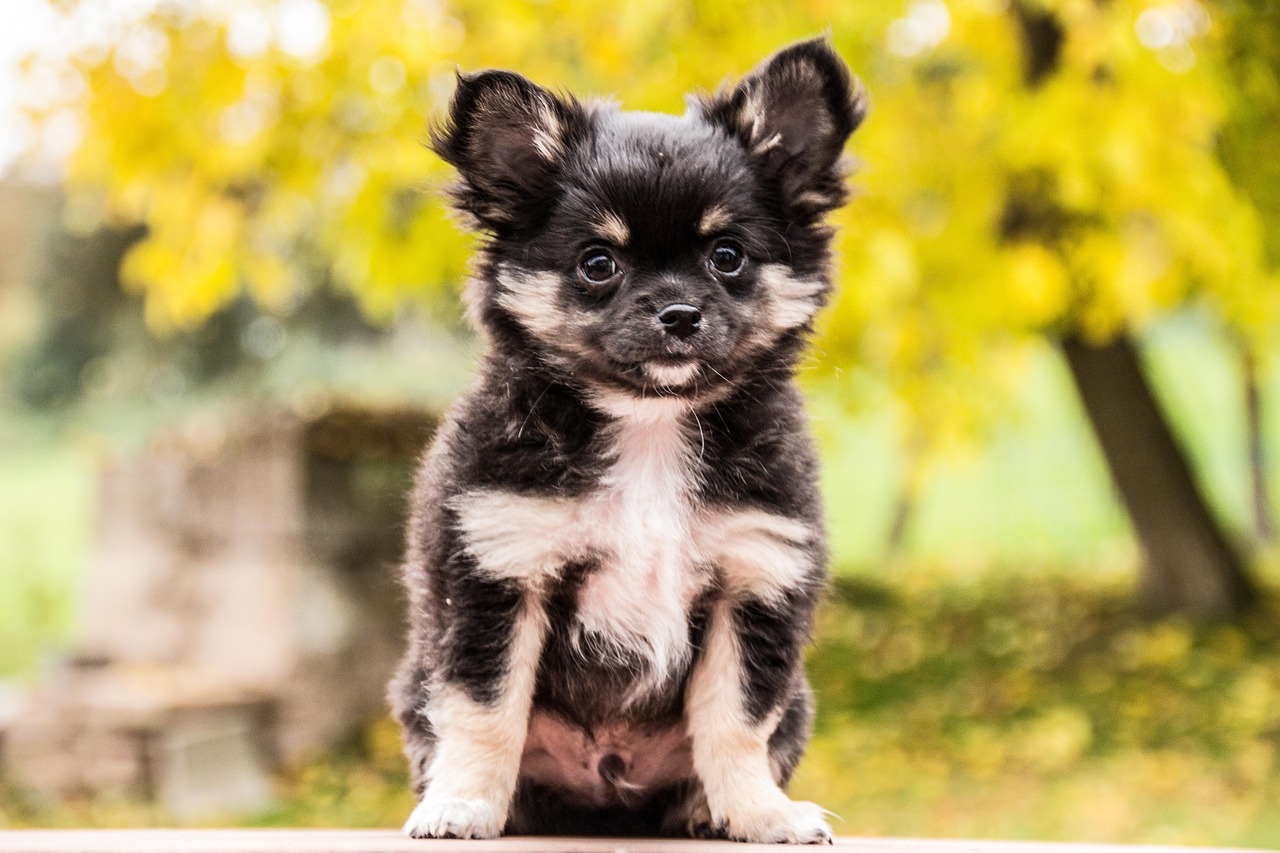
It’s true that many breeds are far more unflappable than our little friends, as Chihuahuas in particular seem to be known for their nervous tendencies, and just like their human counterparts, our stressed out pups may worry about a number of different things. Chihuahuas are prone to acting aggressively for the same reasons any dog may behave aggressively, due to anxiety, territorial behavior, or to show dominance.
These dogs get very nervous around many things in an aggressive way, jumping from shock when hands or feet move, and when family is eating, they bark constantly until they get what they want, even attacking others if they think someone is taking “their” food. Their tiny size seems to make them feel like they need to be extra vigilant about everything.
Yorkshire Terrier: The High-Strung Fashionista
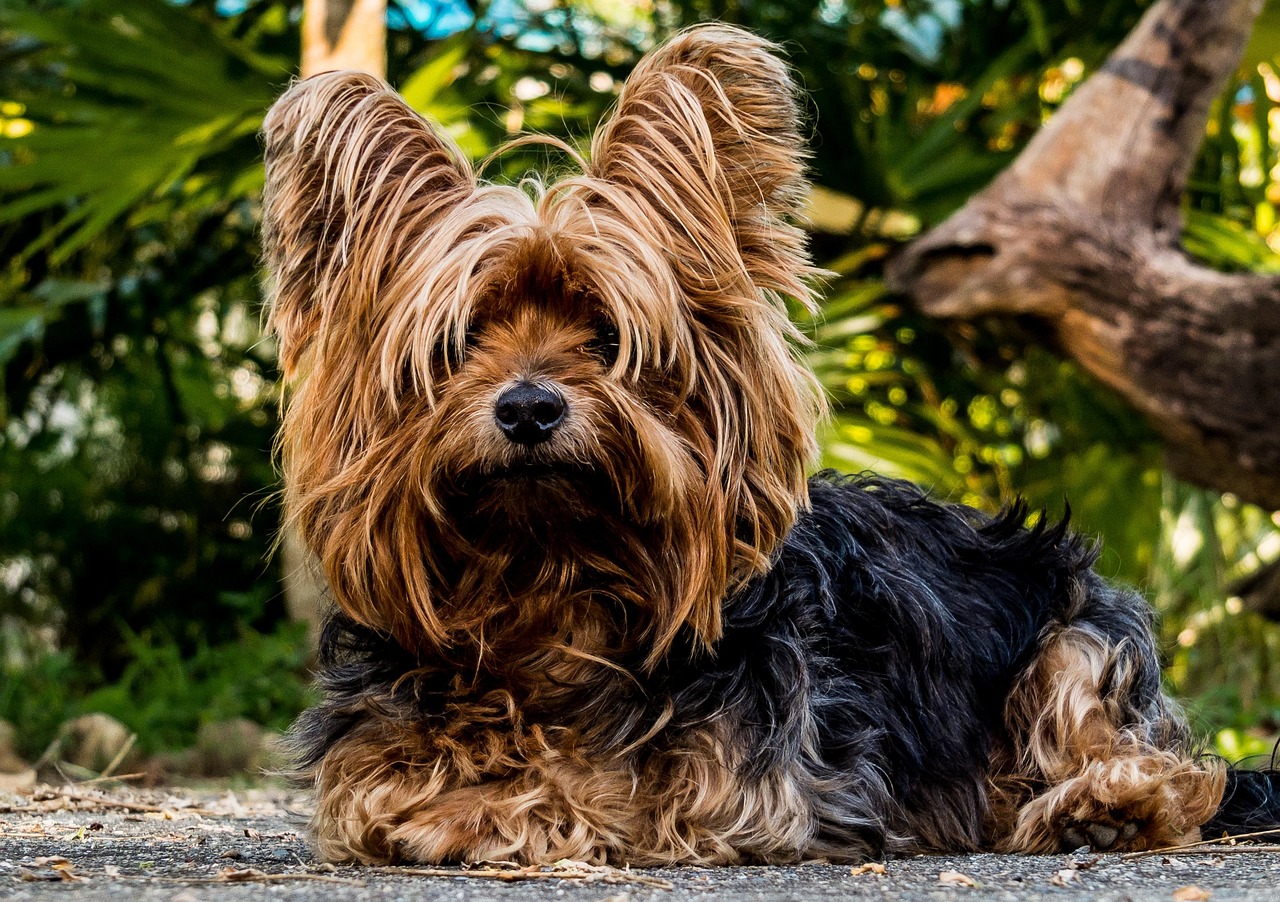
However, regardless of anyone’s daring spirit, many a Yorkie is fraught with anxiety and nervousness, and similar to other small dog breeds like Shih Tzus, Chihuahuas, and Pomeranians, Yorkies have become stressed out by different stimuli in their spaces. When a Yorkie is nervous, they might often bark at anything that moves a bit, even at the slightest sound, and trembling or shaking is a common trait in small dog breeds where nervousness causes visible trembling.
These tiny terriers pack all the hunting instincts of their larger terrier cousins into a body that weighs less than most cats. This creates a dog that’s constantly on high alert, ready to take on threats ten times their size, which leads to chronic stress and fidgety behavior.
Australian Cattle Dog: The Hyperactive Herder
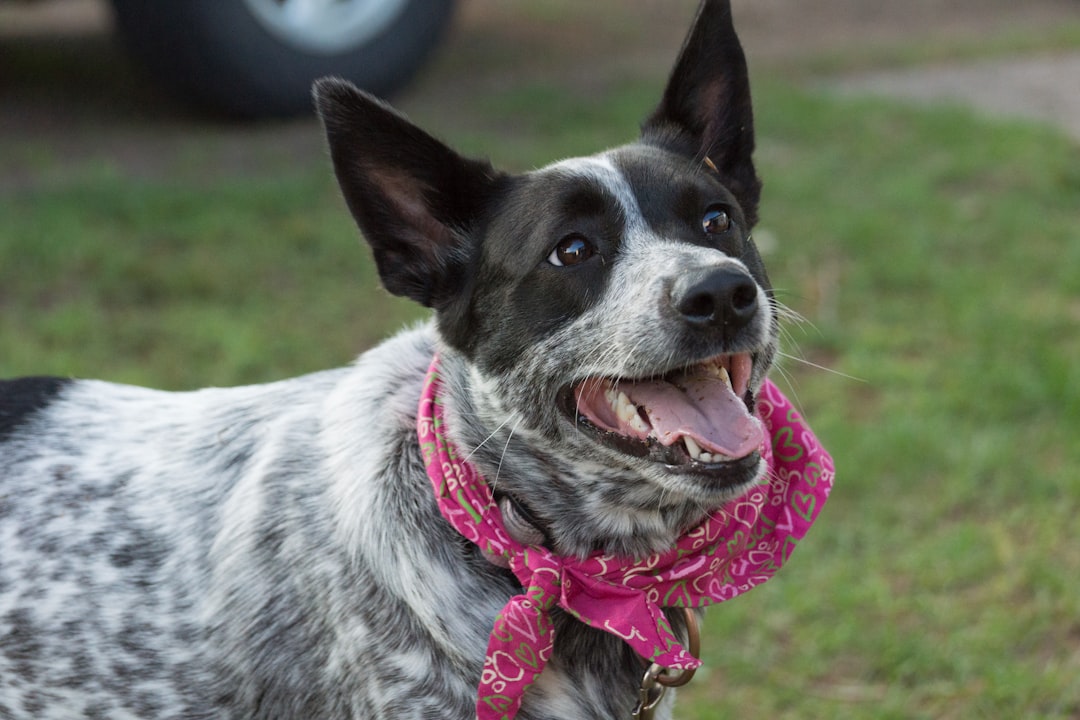
The Australian Cattle Dog, or “Blue Heeler,” is a tough, agile breed originally bred for herding livestock, and with endless energy and sharp problem-solving skills, they do best in active households. They’re fiercely loyal and form strong bonds with their owners, but don’t be surprised if they try to “herd” your family members too.
These dogs were literally bred to control cattle by nipping at their heels all day long. Without livestock to manage, they’ll try to herd children, other pets, or even adults, creating constant motion and activity that can feel overwhelming in a family setting.
Siberian Husky: The Escape Artist
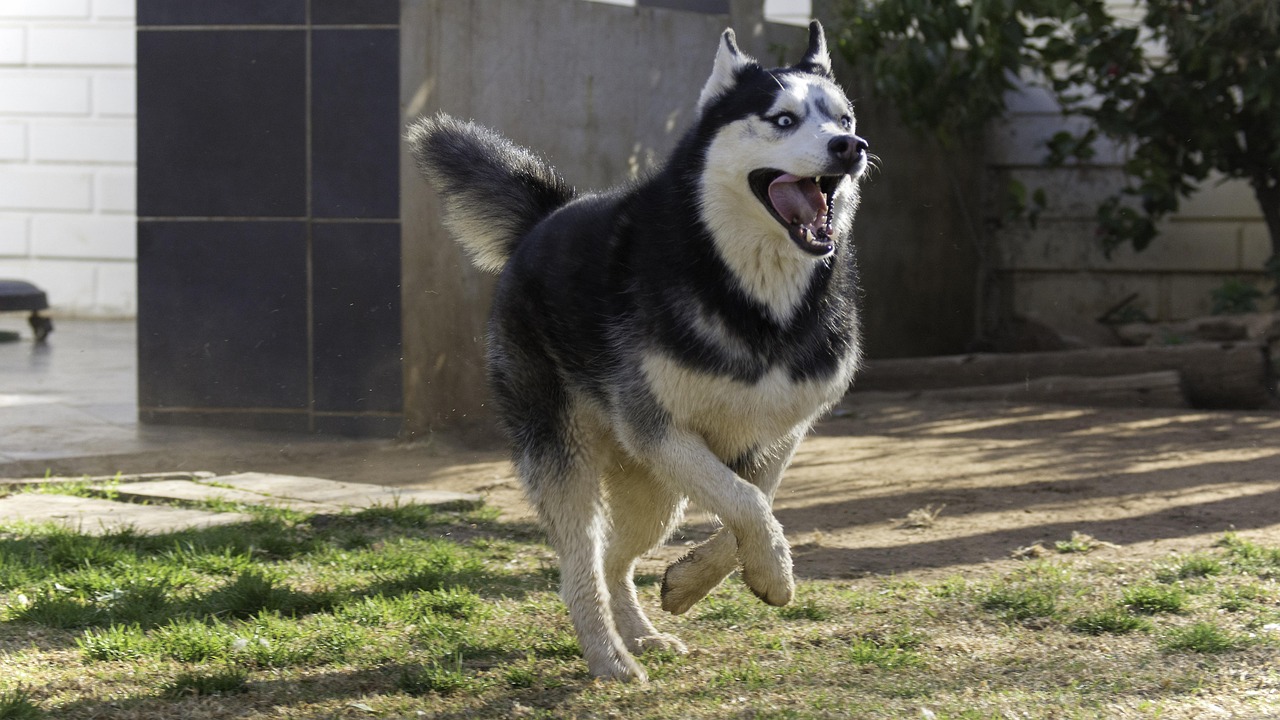
Known for their striking looks and endurance, Siberian Huskies are the ultimate sled dogs that are friendly and playful and thrive in active homes. Just be prepared for lots of exercise and the occasional escape attempt – they’ve been known to jump fences when they’re bored.
Bred to run hundreds of miles pulling sleds, Huskies have energy reserves that seem infinite. When confined to suburban life without adequate exercise, they become destructive, vocal, and constantly searching for ways to burn off their restless energy, often through escape attempts.
Weimaraner: The Gray Ghost
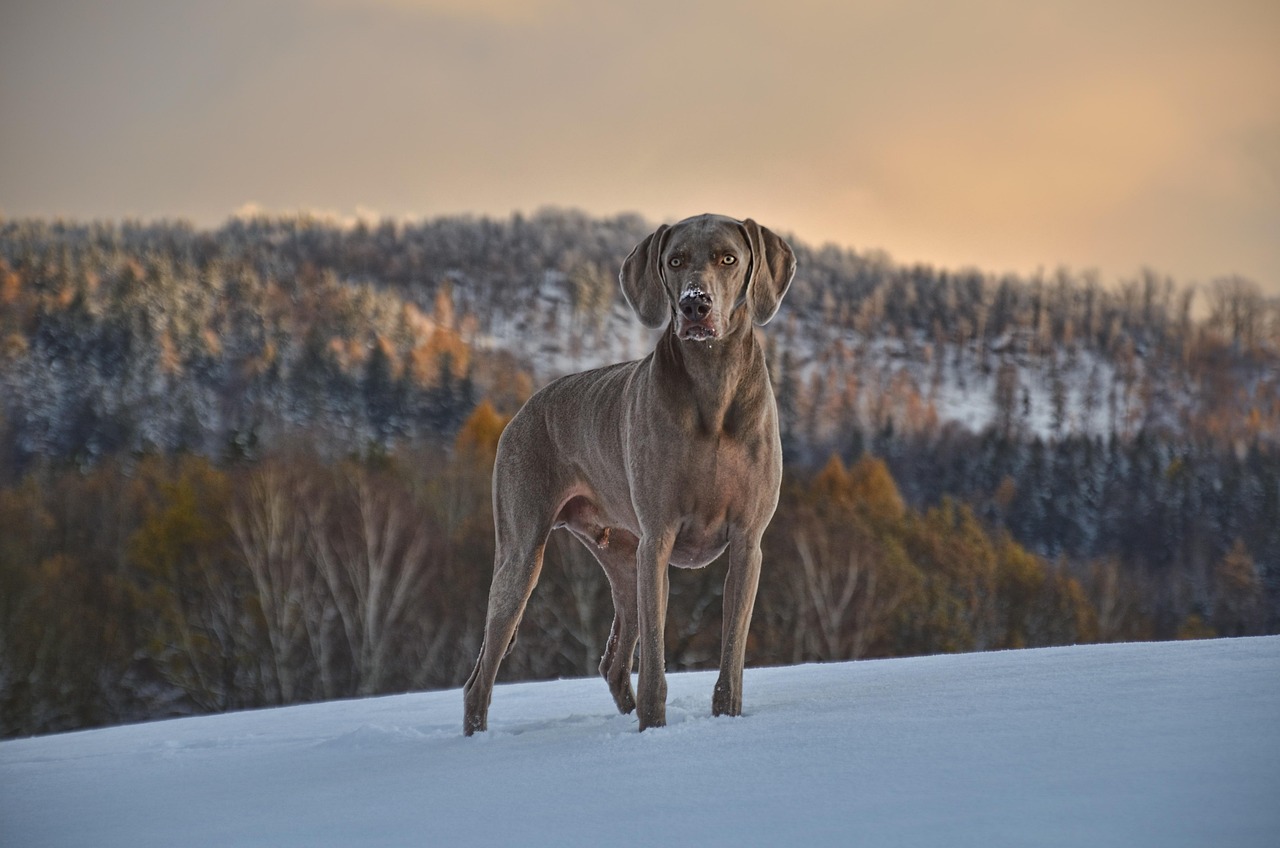
Nicknamed the “Gray Ghost,” the Weimaraner is an elegant, athletic breed that’s full of energy and excels at hunting, loving to be part of an active household. These sleek hunting dogs have an intensity that can be overwhelming for unprepared owners.
Their breeding as hunting companions means they’re always “on,” scanning their environment for action and stimulation. Without proper outlets, this constant vigilance turns into fidgety, anxious behavior that can be challenging to manage.
Pomeranian: The Fluffy Firecracker
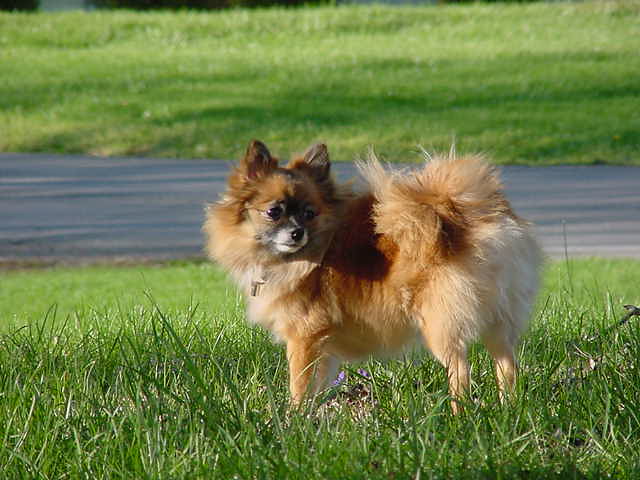
These pups are naturally on the nervous side, often suffering from separation anxiety when left alone and needing extra patience when meeting new people or children. Pomeranians are sweet, adorable, and loving, but they are also full of energy and just as alert as other small dog breeds.
Despite their teddy bear appearance, Pomeranians are descendants of much larger spitz breeds and retain the alertness and energy of their working ancestors. This creates a small dog with a big dog’s vigilance, leading to constant barking, nervous energy, and reactive behaviors that can be exhausting for owners.
Conclusion
The difference between a calm dog and a fidgety one often comes down to what they were originally bred to do. Working breeds that needed constant vigilance, high energy hunters, and tiny dogs bred to be alert companions naturally carry those traits into modern pet life. Meanwhile, breeds developed for steady work, companionship, or gentle temperaments tend to maintain their composed nature.
Understanding your dog’s genetic blueprint helps explain why some pups seem zen-like while others act like they’re perpetually caffeinated. The key isn’t changing your dog’s nature – it’s finding the right match for your lifestyle or learning to work with the energy level you’ve got. After all, a fidgety Jack Russell might drive a couch potato owner crazy, but they’d be perfect for someone who loves adventure and activity.
What surprised you most about these calm and chaotic canines?
Worried about unexpected vet bills?
Pet insurance can cover thousands in unexpected vet costs. Get a free quote from Lemonade in under 2 minutes.
Get My Free Quote →Sponsored · Opens Lemonade.com
