
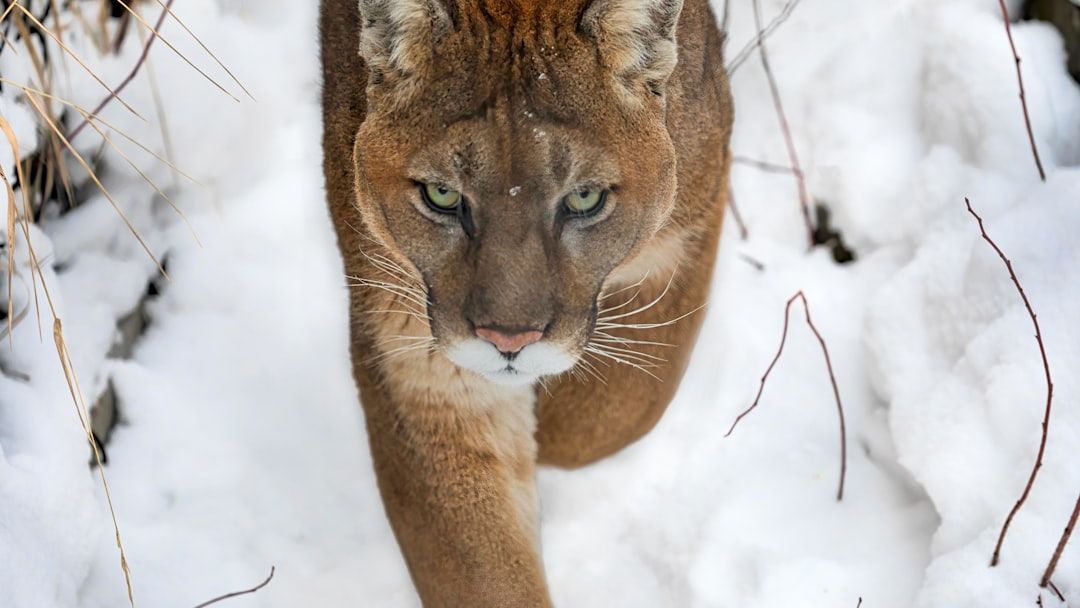
Worried about unexpected vet bills?
Pet insurance can cover thousands in unexpected vet costs. Get a free quote from Lemonade in under 2 minutes.
Get My Free Quote →Sponsored · Opens Lemonade.com
Most people hiking the trails around Boulder expect to spot a hawk circling the Flatirons or catch a mule deer grazing near the tree line. A mountain lion is a different kind of encounter entirely. Yet sightings near Boulder’s open space have become common enough that the city has its own urban wildlife management program, trail cameras document them regularly, and Colorado Parks and Wildlife has been developing a dedicated Front Range management plan for some time.
This isn’t a sudden invasion. It’s the result of a set of interlocking factors that have been building quietly for decades. Understanding why these big cats are appearing near your favorite trail requires a look at history, habitat, and human behavior alike.
Boulder Has Always Been Mountain Lion Country
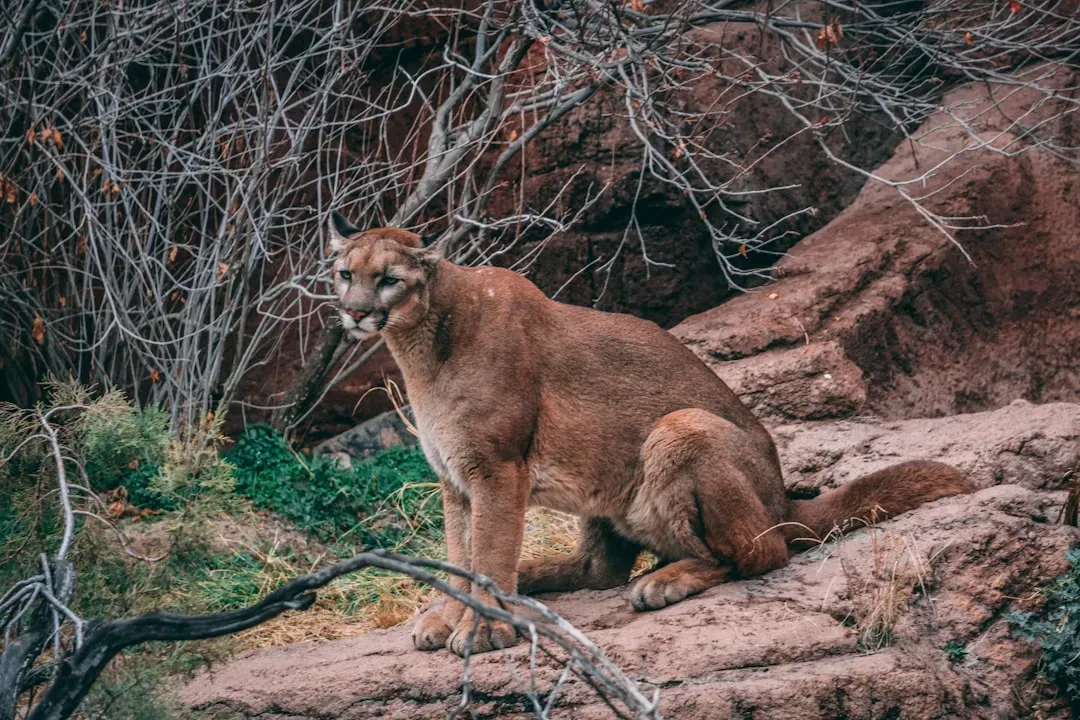
Boulder’s Open Space and Mountain Parks lands are home to both black bears and mountain lions. That’s not a recent development. Much of Colorado, including the Front Range, is prime mountain lion country – a simple fact that surprises many residents and visitors. These large, powerful predators have always lived here, preying on plentiful deer and playing an important role in the ecosystem.
In Colorado, mountain lions are most abundant in foothills, canyons, and mesa country. They are more at home in brushy areas and woodlands than in forests or open prairies. Boulder sits directly at this interface, wrapped by terrain that is effectively ideal mountain lion habitat.
Boulder is unique among Front Range cities due to the preservation of the mosaic of ecosystems that form the foothills backdrop. Animal diversity tends to be higher in the low foothills of Open Space and Mountain Parks because of the mild climate and abundance of food and cover. The lions haven’t moved in. People built a city in the middle of their range.
A Population That Has Quietly Recovered
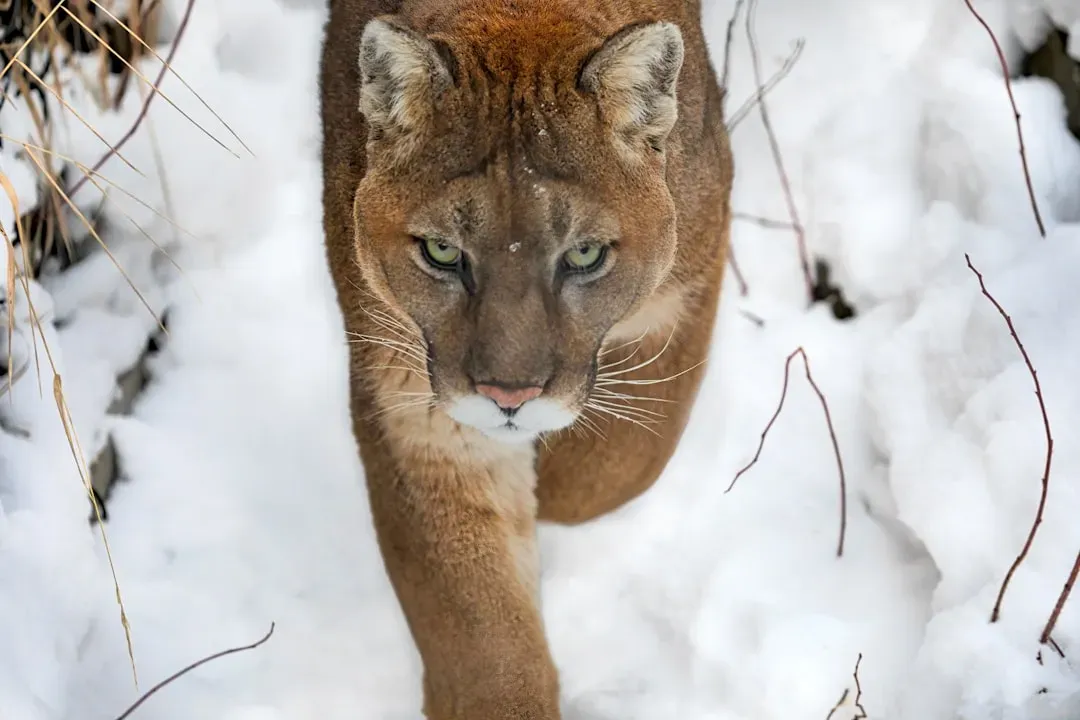
Mountain lions in Colorado were a bountied predator between 1881 and 1965. Rewards for mountain lion pelts ranged from $3 to $50. Historic records show that rewards were paid for over 1,750 dead mountain lions during that period. Harvest pressure was extremely high, and by the early 1960s, Colorado’s mountain lion population had fallen to as low as 124 individuals.
In 1965, their legal status changed to that of a big game animal, reflecting growing public appreciation and concern for mountain lions. After decades of sound management, mountain lion populations in Colorado are now viable across much of the animal’s historic range.
In Colorado, the projected statewide population size of independent lions, not including kittens, is around 3,800 to 4,400. That recovery, while a conservation success, also means considerably more lions occupying the foothills west of Boulder than at any point in the last century.
Where People and Predators Share the Same Ground
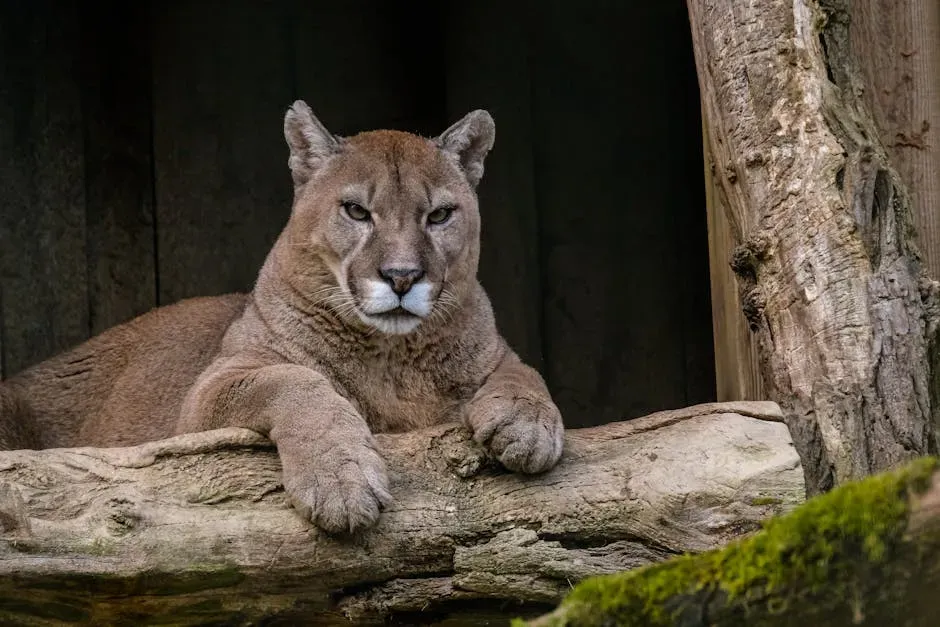
The number of mountain lion and human interactions has increased due to a variety of reasons: more people moving into lion habitat, an increase in deer populations and density, a presumed increase in lion numbers and expanded range, more people using hiking and running trails in lion habitat, an increase in easy food created by domestic animals in lion habitat, and a greater awareness of the presence of lions.
As mountain lion habitat has been increasingly encroached upon by humans, and human recreational use of these habitats has increased in Colorado, so have the number of mountain lion interactions. These incidents can range from a chance sighting to a close encounter to depredation on pets or an attack.
Behind a home on Linden Avenue in Boulder, trail cameras regularly capture mountain lions, bears, coyotes, foxes, and other wildlife moving through a narrow corridor just beyond a quiet neighborhood. That narrow corridor tells the whole story. The city has pushed right up to the edge of wild space, and the animals have stayed put.
Deer Follow People, and Lions Follow Deer
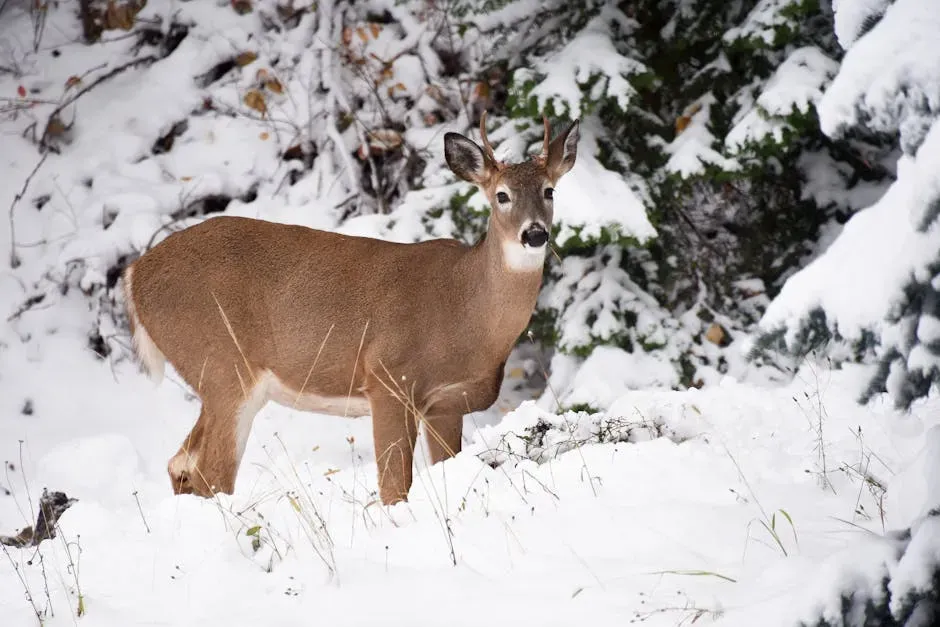
A mountain lion’s diet consists mainly of deer and elk. They can also eat mice, rabbits, squirrels, porcupines, raccoons, coyotes, and grasshoppers. Deer are the primary draw, and deer in Boulder are thriving in suburban neighborhoods, parks, and open space edges. Where the deer go, the mountain lions follow.
Lions are most commonly found in areas with plentiful deer populations and adequate cover. Boulder’s open space offers exactly that: dense vegetation, rocky terrain, and a consistent prey base within walking distance of residential streets and popular trailheads.
Boulder’s Lion’s Lair Trail is one of the most frequent areas to spot mountain lions. The trails are closed a few times a year after a lion has killed a deer. You would have to be very lucky to see one, but they are out there. The kills, not the animals themselves, are often the clearest evidence that lions are actively hunting near busy trails.
What Hikers and Trail Users Should Actually Know
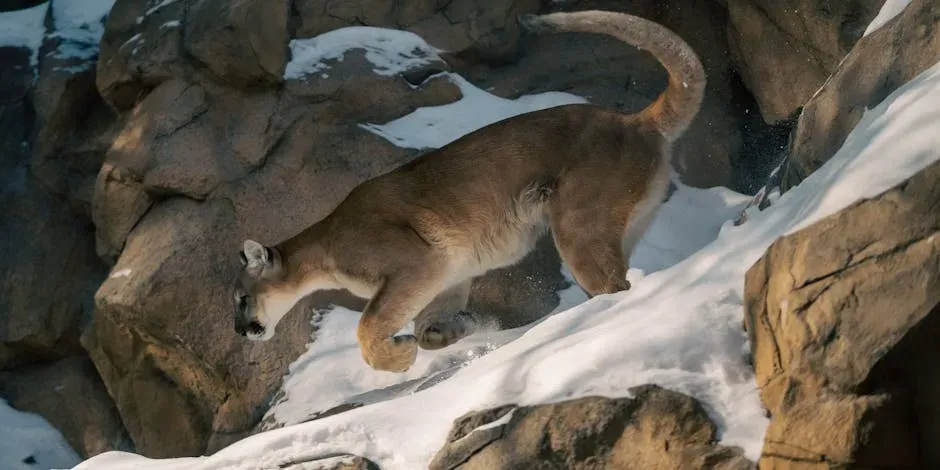
Evidence suggests that mountain lions are generally afraid of people and will avoid direct contact. Most interactions are a surprise for both sides. However, there have been occasions when mountain lions, usually adolescents, have followed people over some distance.
Colorado Parks and Wildlife has documented 28 mountain lion attacks that resulted in injury in the state since 1990. Of those, at least 11 happened in the northeast quadrant of the state, which includes Larimer County. During that same time frame, the state has seen two confirmed fatalities and one suspected fatality due to a mountain lion attack. Over more than three decades across the entire state, these numbers underline how genuinely rare a serious encounter remains.
Travel in groups and stick together on trails. Wildlife is less likely to approach a group than a person alone. Beyond that, people are most likely to encounter this elusive species via technology like home and trail cameras, but must understand that in much of the state, people are living, hiking, hunting, biking, and running in mountain lion habitat. That awareness, more than anything else, is what changes how people move through these trails responsibly.
A Shared Landscape, Not a Crisis
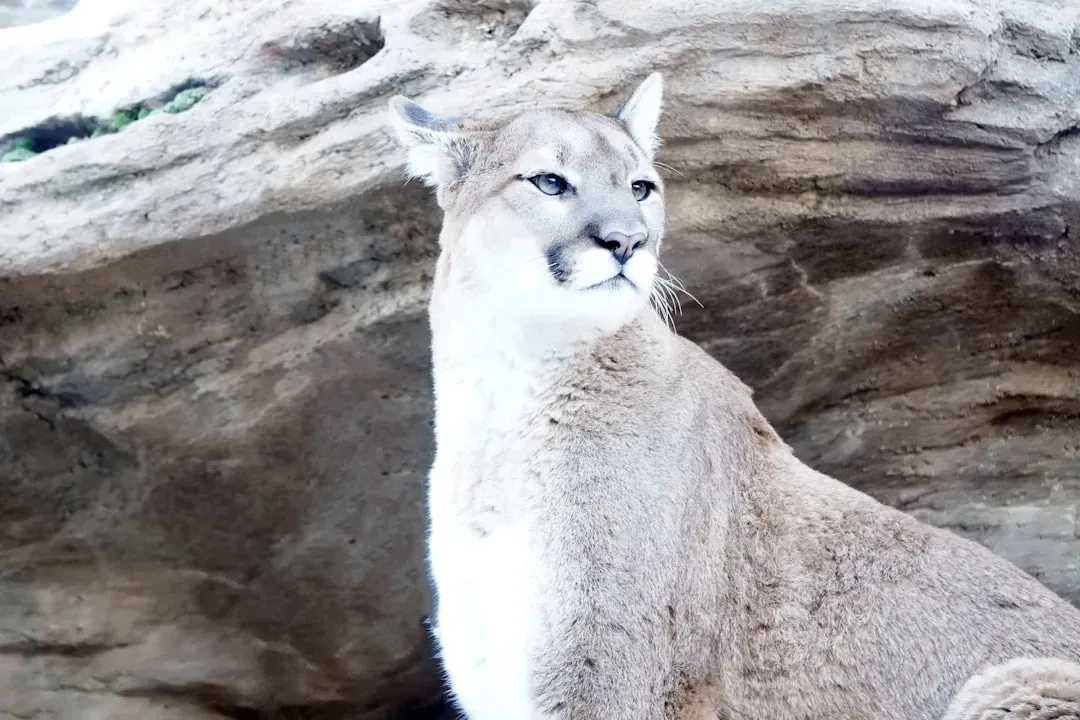
The mountain lions near Boulder’s trails aren’t a new problem. They’re a sign that one of the continent’s most capable predators has held its ground in a rapidly urbanizing landscape. Thanks to sound management practices implemented over the years, mountain lions are doing quite well in Colorado. The challenge in the future will be balancing decreasing habitats and our exploding human populations.
Studies have revealed that mountain lions exhibit a remarkable degree of adaptability, often navigating through fragmented habitats and venturing into urban interface areas in search of food and territory. As human development continues to encroach upon natural habitats, understanding and respecting the presence of mountain lions becomes increasingly important.
Boulder’s trails run through terrain that has belonged to these animals for a very long time. The question was never whether mountain lions would be out there. The more useful question is whether the people heading out on those trails understand what it means to walk through a working predator’s territory. That shift in perspective changes everything about how to share it well.
Worried about unexpected vet bills?
Pet insurance can cover thousands in unexpected vet costs. Get a free quote from Lemonade in under 2 minutes.
Get My Free Quote →Sponsored · Opens Lemonade.com
