
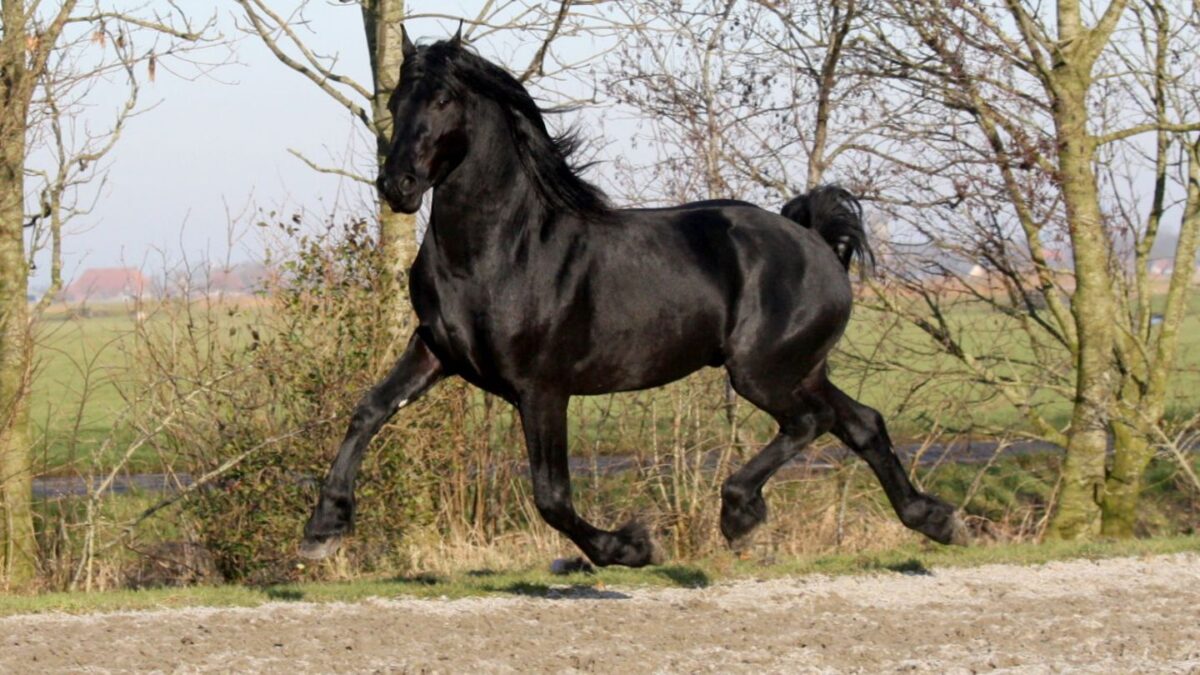
Most people picture a neglected warhorse or a wild mustang when they imagine a rescue facility. The reality is far more heartbreaking – and far more ordinary. The breeds flooding U.S. shelters right now are the same ones you see at county fairs, in Budweiser commercials, and cantering across your Instagram feed. They are beloved, familiar, and arriving in staggering numbers.
What’s driving the crisis isn’t cruelty in most cases. It’s something quieter and harder to fix: the gap between the dream of owning a horse and the daily weight of actually keeping one. According to the Equine Welfare Data Collective, over 50% of equines entering the custody of shelters are surrendered directly by their own owners – not seized, not abandoned on the roadside, but handed over by people who simply ran out of road. The 15 breeds below aren’t just statistics. Each one tells a story about how popularity, overbreeding, and wishful thinking combine to overwhelm the people trying hardest to help.
#1 – Thoroughbred
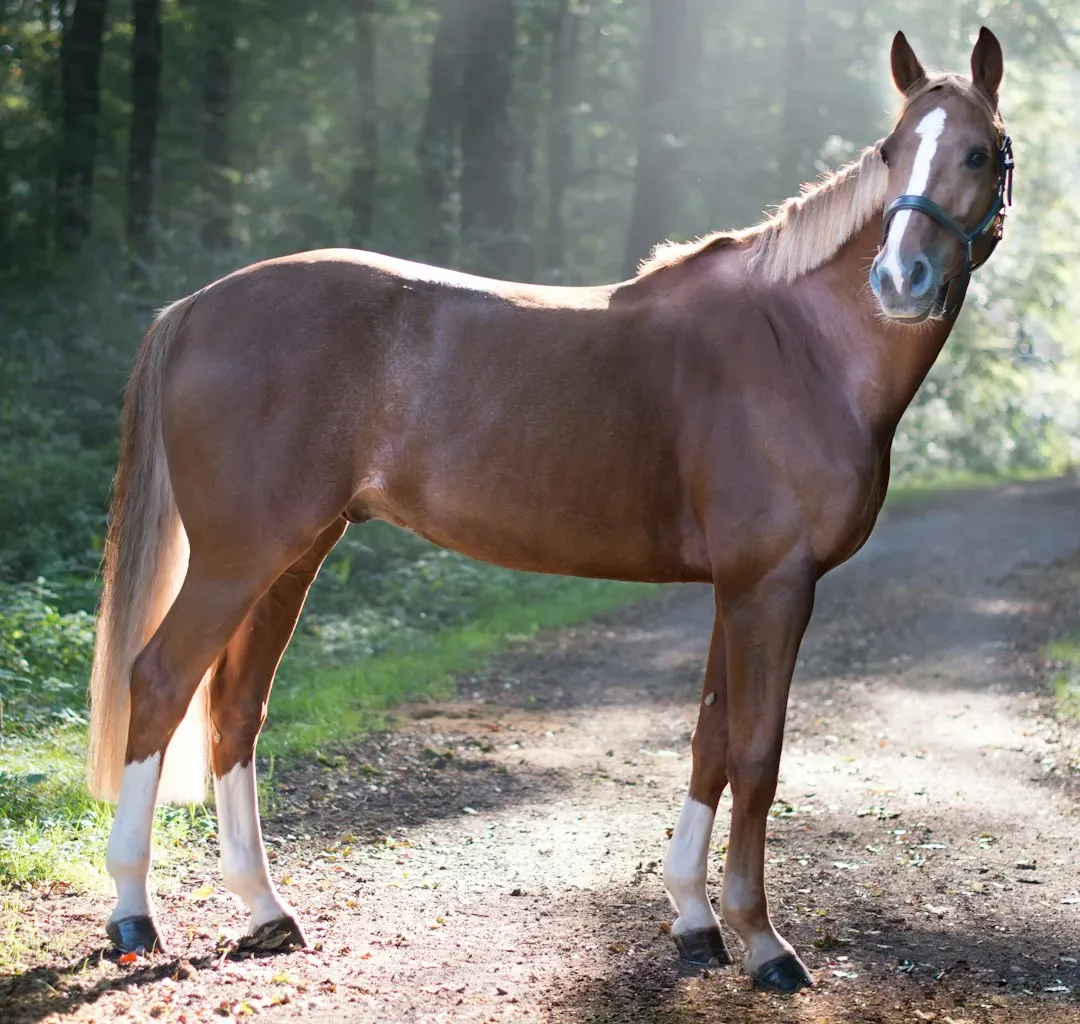
There is something intoxicating about watching a Thoroughbred move. That electricity is exactly what gets them into trouble. Thoroughbreds make up roughly 22% of relinquished horses in key U.S. studies – a number that shocks most people who assumed only catastrophically injured racehorses ended up surrendered. The truth is the racing industry produces far more horses than suitable second-career homes exist for, and the math never quite balances out.
What rescues see most often isn’t a broken-down horse – it’s a sound, young, high-energy animal that a well-meaning owner bought on impulse after watching the Kentucky Derby and then couldn’t handle six months later. These horses need daily structured work, consistent handling, and an experienced rider who understands how to redirect that fire. Without it, they become dangerous or depressed, and the surrender call comes in. The heartbreak is that most of them had everything it takes to thrive – just not the right home.
Fast Facts
- Thoroughbreds are among the top two most surrendered breeds at U.S. horse rescues
- Many racehorses retire from active racing as early as age 3 or 4, leaving decades of life ahead
- Organizations like ReRun, After the Races, and Second Wind Thoroughbred Project take in and rehome over 100 horses each per year
- Transition from track to riding horse is called “letting down” – a physical and mental process that takes months, not weeks
- Many adoption groups categorize OTTBs by rider level, making the right match possible for intermediate riders
#2 – American Quarter Horse
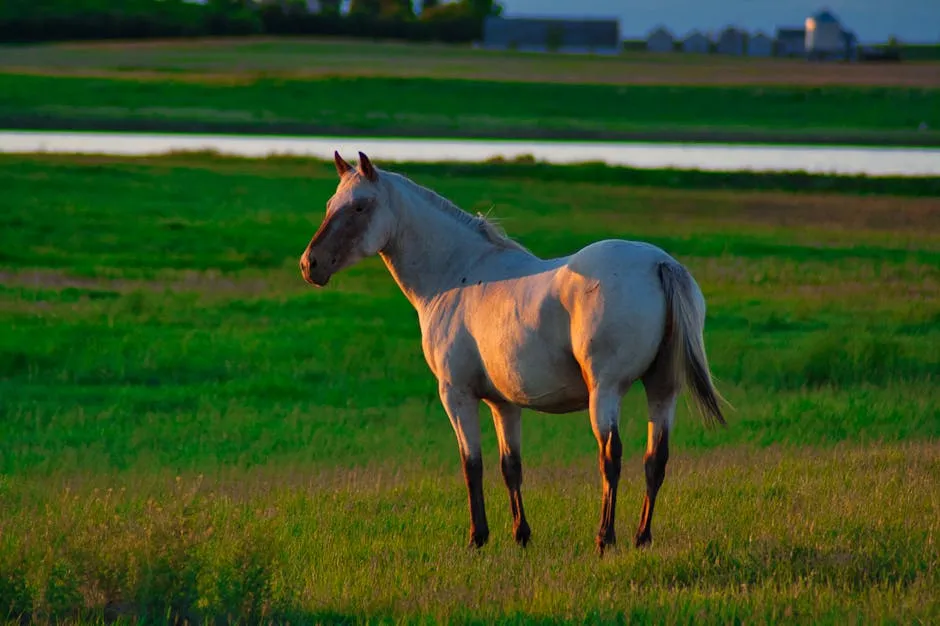
Quarter Horses are America’s most popular horse breed by registration numbers, which is precisely why they dominate rescue intake lists too. Studies place them at roughly 19% of horses entering rescues – second only to Thoroughbreds. Their versatility earns them a reputation as the perfect family horse, and that reputation is part of the problem. Families buy them imagining weekend trail rides and summer camp vibes, then discover that a 1,200-pound athletic animal has opinions about its own schedule.
Overbreeding for color trends – buckskins, paints, palominos – has flooded the market with horses whose genetics were selected for aesthetics rather than temperament or soundness. Rescues in states like Texas, Oklahoma, and California report they are never not full of Quarter Horses. The breed can absolutely be a dream partner, but only when matched with someone who understands that “easy to ride” and “easy to own” are two completely different things.
#3 – Standardbred
Standardbreds are the quiet tragedy of the rescue world. These are often young, sound, healthy horses that simply never made it to the harness racing circuit or aged out of breeding programs before anyone knew what to do with them. They don’t make headlines the way racehorses do, so the scale of their displacement stays largely invisible to the public. Rescues in racing-heavy states like New York, New Jersey, and Ohio absorb them in steady, relentless waves.
The cruel irony is that Standardbreds have one of the most adoption-friendly temperaments in any breed – calm, willing, genuinely kind. Their obstacle isn’t personality; it’s perception. Most potential adopters don’t know how to transition a horse from sulky to saddle, and many assume the learning curve is steeper than it actually is. Cheap sale prices at track auctions encourage impulse buys from owners who aren’t equipped to do that transition work, and when it stalls out, the horse ends up surrendered again. They deserve so much better than the cycle they’re stuck in.
#4 – Arabian
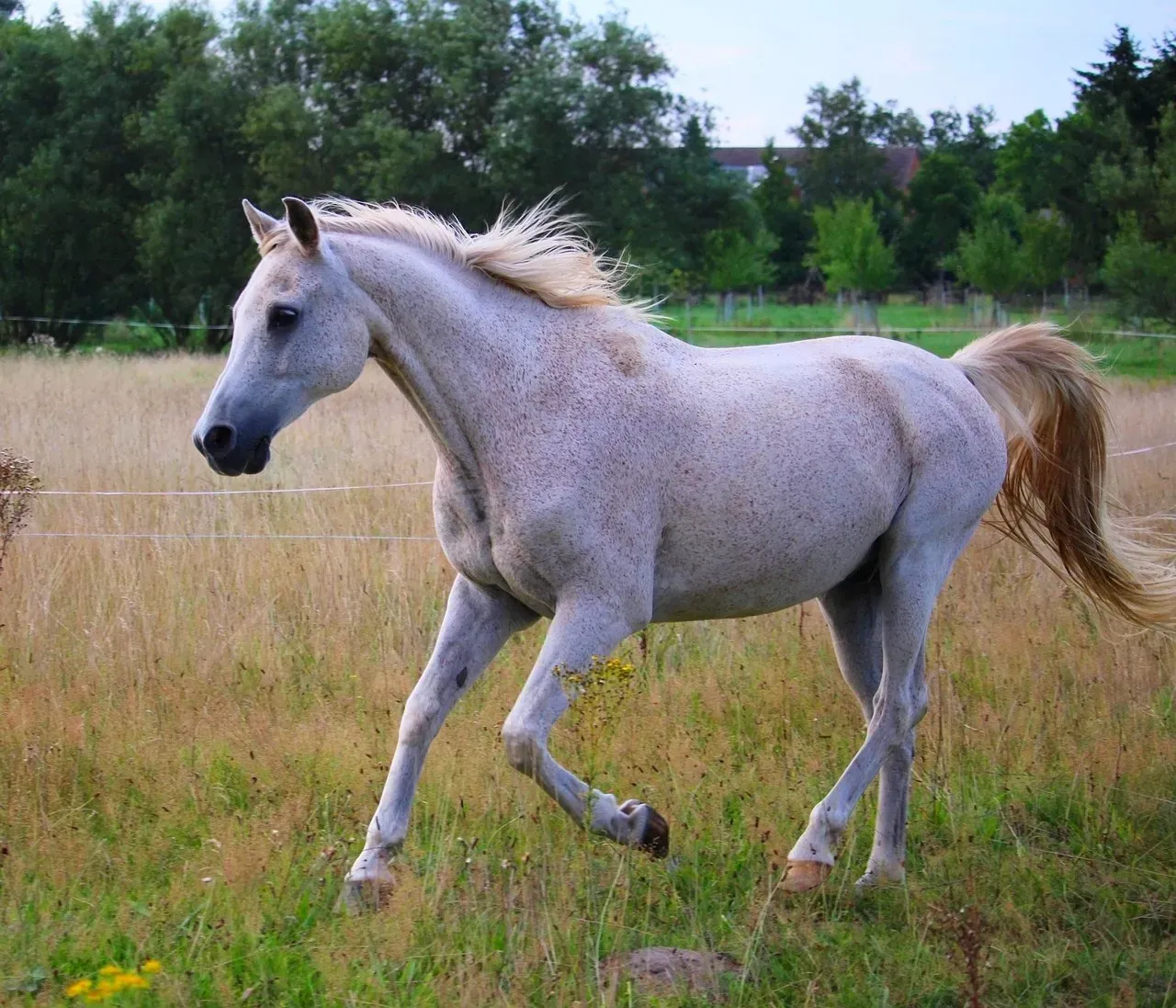
Arabians are one of the oldest and most beautiful breeds on earth, and that beauty has been writing checks their owners can’t cash for decades. The same intelligence and sensitivity that made them legendary desert companions makes them genuinely difficult horses for anyone without experience. They read people like a book, and if they sense uncertainty or inconsistency, they test every boundary they can find. Rescues consistently note that Arabians arrive not because they were mistreated, but because they were misunderstood.
Extreme refinement breeding – dished faces, arched necks, floaty movement – has produced horses that look otherworldly but require handlers who match their intensity. A bored or under-stimulated Arabian doesn’t just stand in a field. It finds ways to entertain itself that usually involve fence demolition or inventive escapes. The breed’s devoted following is real and passionate, but the gap between admiring one in a video and living with one daily is enormous. Rescues stay full because that gap keeps surprising people.
At a Glance: Why Arabians Keep Landing in Rescue
- Exceptionally high intelligence means they need consistent mental and physical stimulation every single day
- Sensitive to inconsistent or anxious handling – they escalate rather than settle when riders lack confidence
- Show breeding has prioritized extreme physical refinement over manageable temperament
- Lifespan of 25 to 30+ years means a mismatched purchase creates a very long problem
- Ideal adopter: experienced, patient, confident – not a beginner charmed by their beauty
#5 – Appaloosa
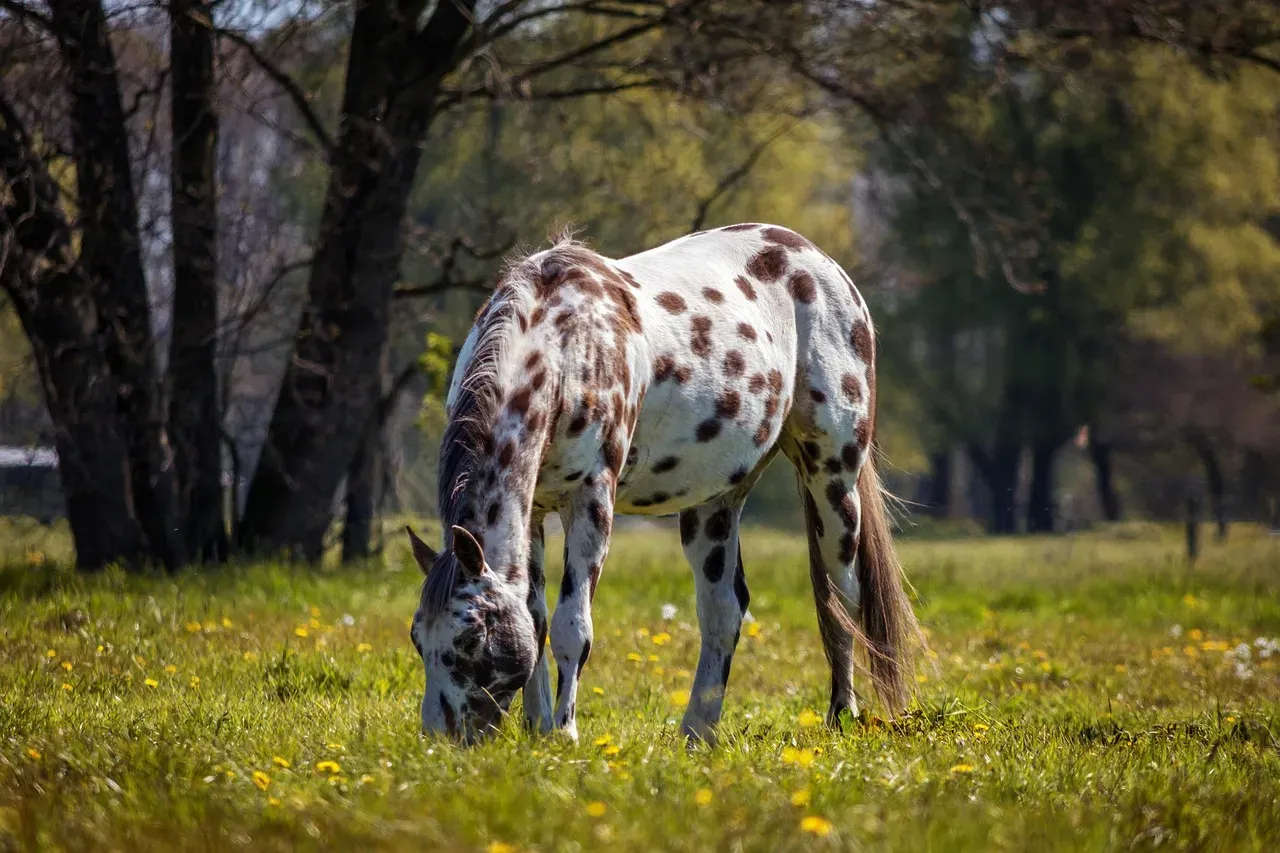
Few breeds stop people in their tracks the way a well-marked Appaloosa does. Those spotted coats carry the visual punch of a wild animal and the history of the Nez Perce people – a combination that makes them magnetically appealing at first glance. The problem is that first glance is often where the research ends. Buyers fall for the pattern and discover only later that they’ve brought home a horse with the athleticism of a Quarter Horse and a sharper edge of sensitivity that catches beginners off guard.
Overbreeding for color has created a surplus of Appaloosas whose primary qualification was looking spectacular in photos. When show careers end or families relocate and can’t bring a horse, rescues absorb the overflow. Many arrive in good physical condition – the issue is behavioral drift from under-handling, not outright neglect. That actually makes rehoming harder in some ways, because the horse looks fine on the outside while carrying significant anxiety on the inside. Experienced adopters can unlock them completely. Finding enough of those adopters is the challenge rescues face every single week.
#6 – American Paint Horse
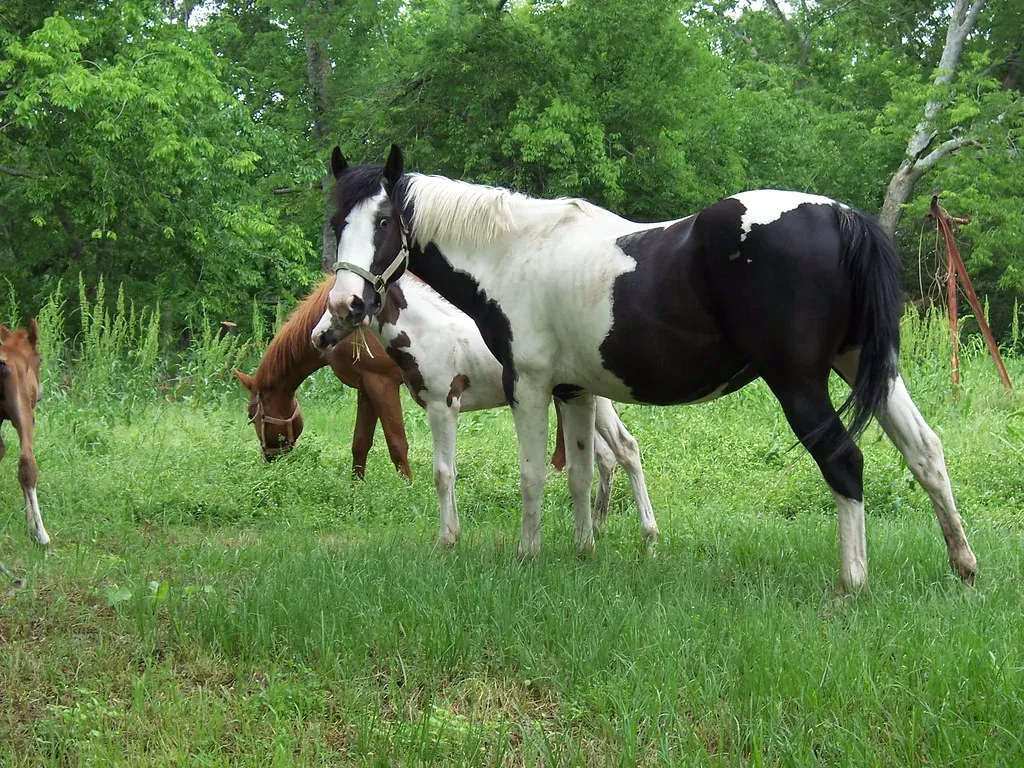
American Paints are essentially Quarter Horses wearing the most eye-catching coat in the barn, which creates a purchasing dynamic that rescue workers describe as exhausting to watch repeat itself. The flashy markings drive sales – tobiano, overo, splashed white – and buyers who might have passed on a solid bay Quarter Horse will spend twice as much for the same genetics in a spotted package. The horse doesn’t care about its own color. It still needs training, space, consistent work, and an owner who understands stock horse behavior.
Color-focused breeding has produced more Paint Horses than the market can responsibly absorb, and rescues sit at the end of that production line. The pattern that closed the sale becomes irrelevant once the horse outgrows its beginner-friendly phase or the family’s circumstances change. Rescues report Paint intakes are remarkably consistent year-round – not spikes tied to a specific event, just a steady background hum of surrenders from owners who bought the look and got the horse.
#7 – Mustang
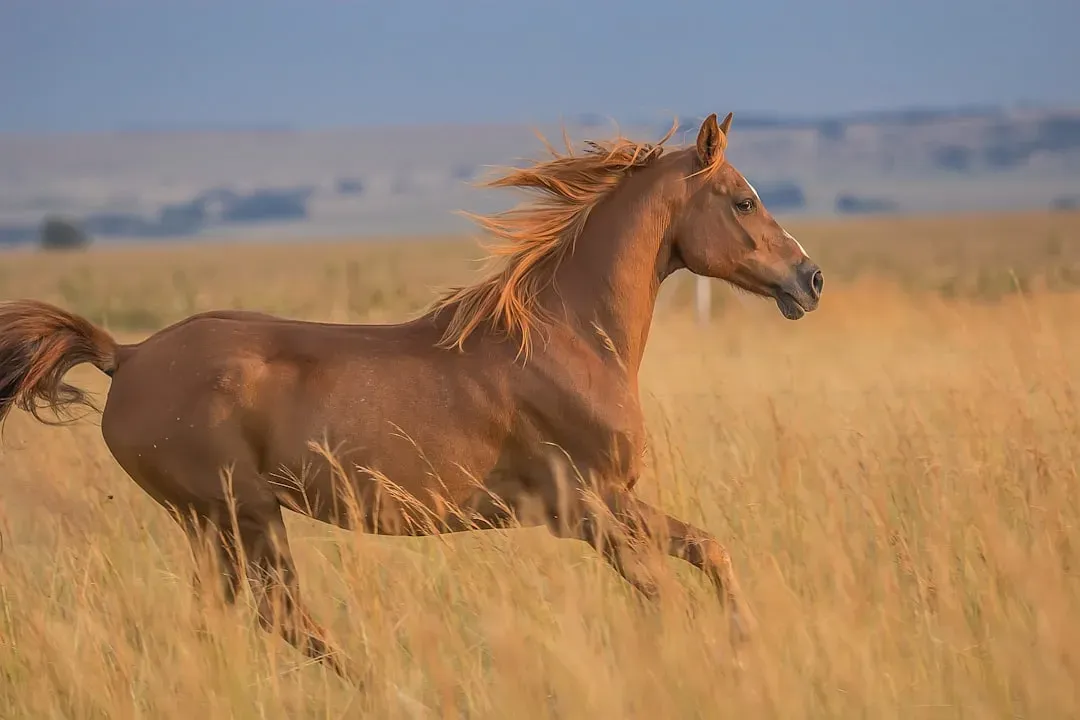
The Mustang carries more romantic mythology than almost any animal in America, and that mythology is actively making the rescue crisis worse. BLM adoption programs have placed tens of thousands of horses with well-intentioned people who showed up to events, fell in love with the idea of a free-roaming wild horse, and went home wildly unprepared for what comes next. Gentling a Mustang isn’t a weekend project. It’s a months-long commitment that requires patience, skill, and a setup most backyard owners simply don’t have.
When the process stalls – or when the owner’s life changes – many of these horses end up in private rescues, sometimes multiple times. The BLM has placed nearly 290,000 wild horses and burros into private care since 1971, and the agency itself estimates an average cost of about $1,500 per placement to cover training, advertising, and transport alone. Their hardiness is legendary; a Mustang can thrive on rough terrain and sparse forage that would challenge other breeds. But that same independence doesn’t dissolve when they come off the range. The horses that succeed in private ownership do so because their owners were genuinely prepared. The volume of horses returned to rescues suggests that preparation is the exception, not the rule.
Quick Compare: Mustang Adoption Reality vs. the Romance
- The myth: A free spirit that bonds deeply once gentled in a few weeks
- The reality: Months of consistent groundwork before most untrained Mustangs accept a halter reliably
- The myth: Low-cost horse – BLM fees start as low as $25 for untrained animals
- The reality: Professional gentling, fencing upgrades, and ongoing training can run into thousands of dollars
- The myth: Any horse-lover can do it with heart and patience
- The reality: Best suited for experienced handlers with proper facilities and a long-term commitment
#8 – Shetland Pony
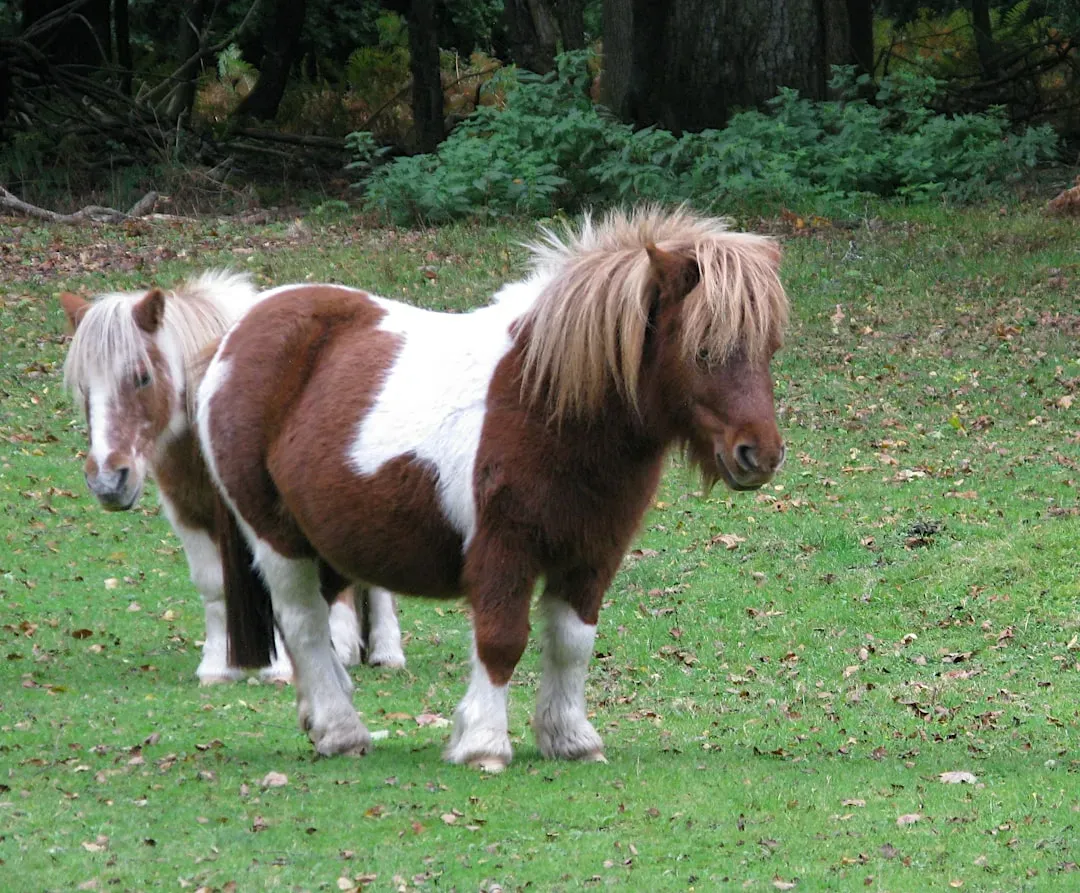
Shetland Ponies are the most misleading animals in the equine world, and their size is entirely to blame. Parents see a tiny, fluffy, knee-high creature and their brain files it under “pet” rather than “horse.” That mental categorization sets off a chain of decisions – casual setup, minimal training investment, skipped farrier appointments – that the pony neither deserves nor forgives. Shetlands are extraordinarily intelligent, deeply stubborn, and capable of behaviors that would be manageable in a 1,200-pound horse but become genuinely dangerous in an animal a child can almost step over.
Overbreeding for the children’s pet market has created a population of Shetlands whose lives follow a predictable and sad arc: purchased as a birthday surprise, tolerated through one or two summers of awkward rides, then surrendered when the novelty evaporates but the care bills don’t. Rescues that take them in find them often in poor hoof condition – a direct result of owners who didn’t realize that “small horse” still means “horse.” Most Shetlands in rescue are behaviorally sound and physically salvageable. The hard part is finding adopters who understand what they’re actually taking on.
#9 – Miniature Horse
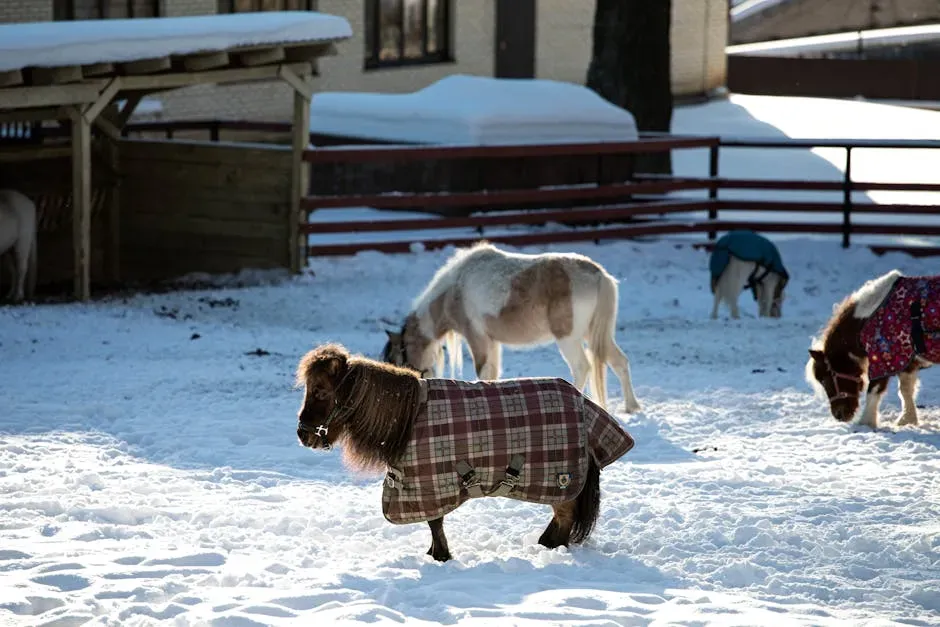
Miniature Horses broke into mainstream popularity as backyard curiosities and social media content machines, and rescues are still managing the fallout from that boom. Their size creates a powerful illusion: surely something this small can live in a large dog run, eat a few flakes of hay, and require minimal veterinary attention. Every single part of that assumption is wrong. Miniatures are metabolically efficient to the point of danger – they develop obesity, insulin dysregulation, and laminitis on feeding programs that would be considered conservative for a full-sized horse.
Breeding for extreme smallness and “cute” conformation has produced animals with structural issues that compound over time, and the owners who bought them as novelties are rarely equipped to manage those complications. Many rescues now list Miniature Horses among their most frequently surrendered small equines, with intake numbers that keep climbing even as adoption interest plateaus. These horses can live 25 to 35 years. The people surrendering them often owned them for less than two. The math of that mismatch is what keeps rescue coordinators up at night.
Worth Knowing: The Hidden Costs of Small Equines
- Miniature Horses and Shetland Ponies still require farrier visits every 6 to 8 weeks – identical to full-sized horses
- Dental care, vaccinations, and deworming schedules do not shrink with body size
- Metabolic conditions like laminitis and insulin resistance are disproportionately common in small, “easy keeper” breeds
- A Miniature Horse can live 25 to 35 years – longer than most dogs by a significant margin
- Rescue intake of small equines has risen steadily as social media novelty purchases age out of their “cute phase”
#10 – Tennessee Walking Horse
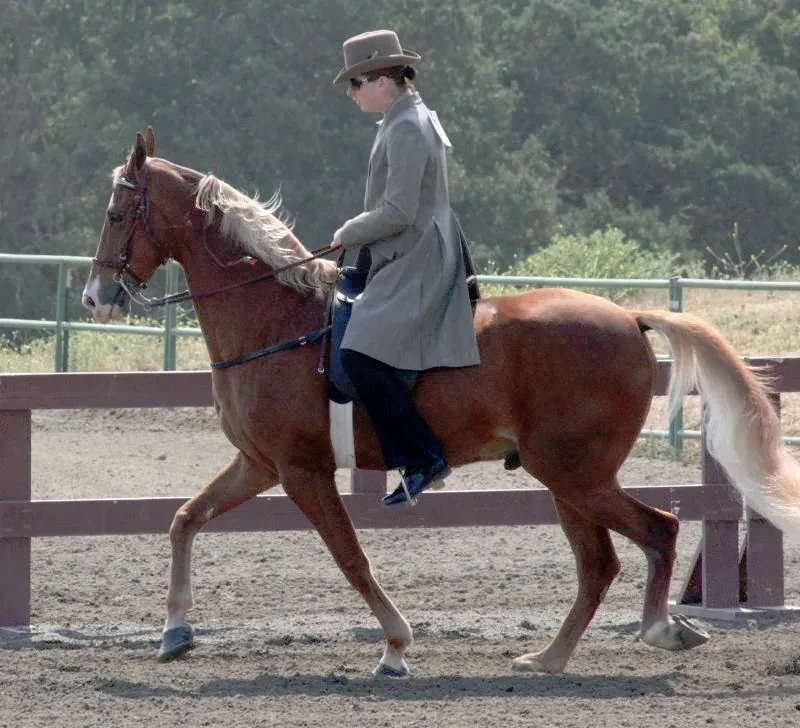
Tennessee Walkers sell themselves on comfort. That silky, ground-covering running walk is genuinely unlike anything else in the horse world, and it attracts older riders, people with joint problems, and anyone who wants to cover trail miles without the bounce of a trot. The breed’s reputation for being gentle and manageable is largely earned – but it also creates a false sense of security that leads to under-preparation. Calm is not the same as low-maintenance, and these horses still require consistent work, proper hoof care, and training that doesn’t stall out after the first thirty days.
The bigger structural problem is overbreeding for the show ring, where extreme versions of the gait have been artificially exaggerated through controversial training methods. When those horses age out of performance careers, they often lack the natural movement and baseline training needed for everyday pleasure riding. Rescues absorb that surplus steadily and quietly. Tennessee Walkers rarely make dramatic rescue headlines – they just keep arriving, calm and willing and completely misplaced, in facilities that were already full before they pulled in.
#11 – Morgan Horse
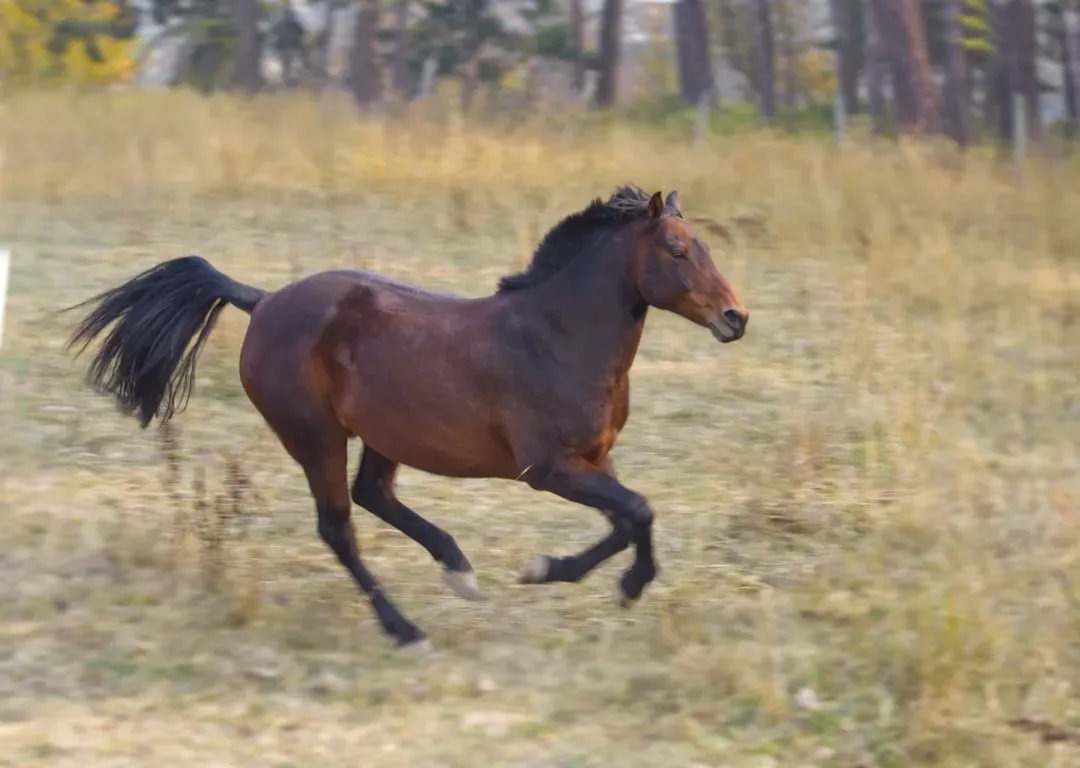
Morgans were literally built to be America’s horse – versatile, hardy, willing, easy keepers with enough intelligence to work cattle in the morning and carry a child in the afternoon. That description sounds like the ultimate rescue adoption pitch, and it is. The problem is the broader market has moved toward specialization: warmbloods for dressage, Quarter Horses for western, Thoroughbreds for jumping. Morgans sit in the middle of every discipline and dominate none, which leaves them perpetually undervalued by buyers chasing breed-specific prestige.
Steady breeding without corresponding demand keeps rescue intakes consistent year after year. These aren’t horses arriving because they failed – they’re horses arriving because the market simply passed them by. Rescues that have placed Morgans know how quickly an experienced adopter falls in love with one. Their intelligence means they learn fast and build genuine bonds with their people. The tragedy isn’t the horses. It’s that not enough people are looking in the right direction to find them.
#12 – Friesian
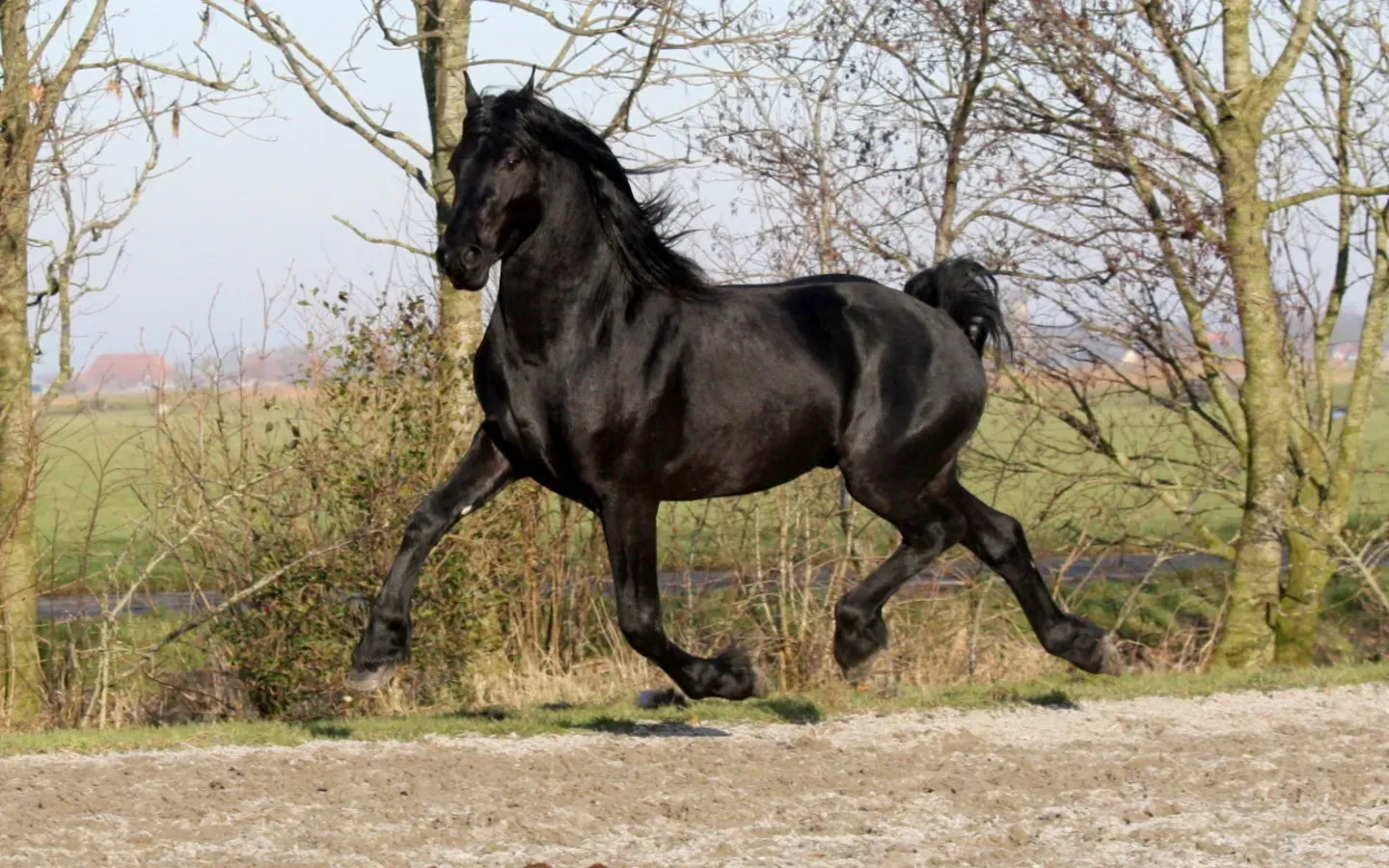
Friesians are the breed that movies and television made dangerous. That glossy black coat, the arched neck, the feathered legs lifting in slow motion – Hollywood leaned hard into the Friesian as the ultimate fantasy horse, and buyers responded. Friesians have appeared in major productions including Ladyhawke, The Mask of Zorro, The Chronicles of Narnia, and The Hunger Games – and every role stoked fresh demand from viewers who wanted one of their own. Purchase prices range from $5,000 to nearly $50,000 depending on bloodline and training level, and the care requirements are equally extraordinary.
Rescues report increasing Friesian intakes as the social media fantasy collides with the bank account reality. The heavy feathering that looks breathtaking in photos requires daily inspection and cleaning to prevent pastern dermatitis – a chronic skin condition that is notoriously difficult to treat once it takes hold. Beyond grooming, the breed carries documented genetic health vulnerabilities including a significantly elevated risk of aortic rupture, megaesophagus, and an insect bite hypersensitivity that affects roughly 18% of Friesians and can render a horse unusable for months during fly season. Many arrive at rescues in genuinely poor condition from unmanaged feathering and neglected hooves, requiring significant rehabilitation investment before they can be rehomed. The breed deserves better than to be a status symbol for people who love the image more than the animal behind it.
Why It Stands Out: What Friesian Owners Often Don’t Expect
- Daily feather inspection and drying is non-negotiable – moisture trapped under the leg hair causes painful, hard-to-treat dermatitis
- Friesians are “easy keepers” highly prone to weight gain, laminitis, and Equine Metabolic Syndrome
- Genetic health risks include aortic rupture, megaesophagus, dwarfism, and hydrocephalus – all linked to decades of tight inbreeding
- Average lifespan is shorter than many breeds, with some living only around 16 years
- Purchase price is just the beginning – ongoing grooming, specialized vet care, and farrier costs scale significantly above average
#13 – Gypsy Vanner
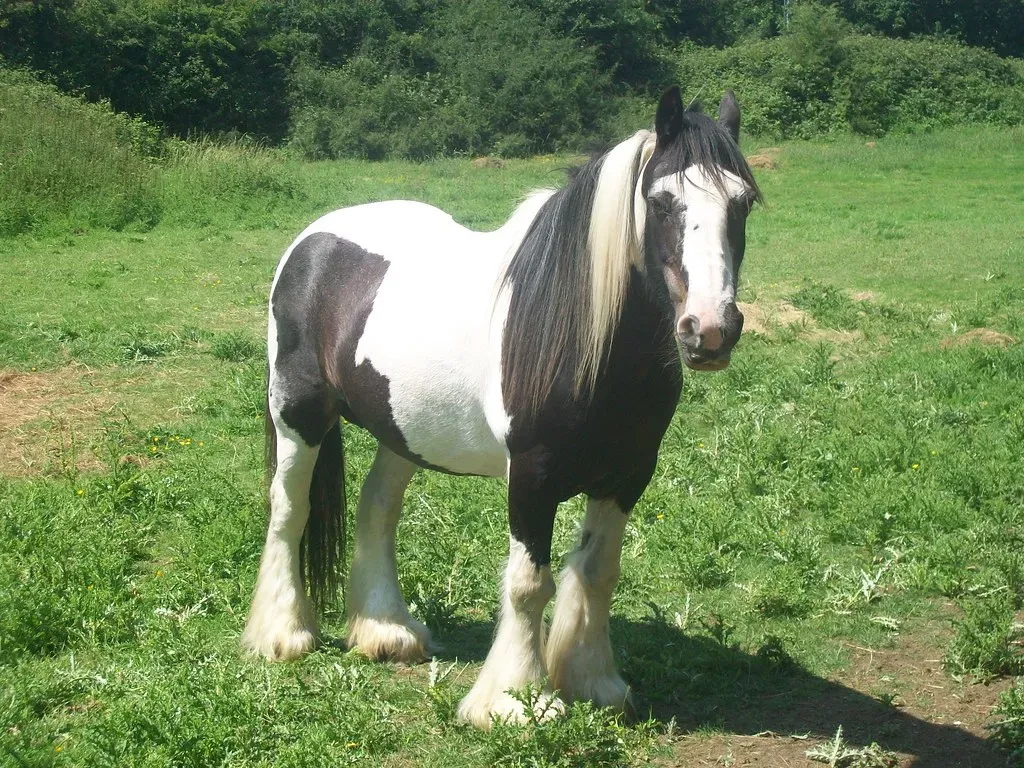
Gypsy Vanners look like they stepped out of a fairy tale, and that is precisely the problem. The piebald coloring, the cascading feathered legs, the compact powerful build – every physical feature is designed by generations of Romani breeding to be visually arresting. When photos of them went viral on social media a decade ago, demand spiked hard and fast, and breeders scaled up to meet it without any corresponding surge in educated buyers. What arrived at rescues in the years that followed were beautiful horses whose owners had been completely blindsided by reality.
The feathering alone – stunning in photos – requires daily attention to prevent a painful skin condition called “scratches” or mud fever, which thrives in the moist environment under all that hair. Their thick, heavy builds mean they gain weight easily and can develop the same metabolic issues seen in other easy-keeper breeds. Shelters see them surrendered when the dream of owning a living storybook horse meets the unglamorous work of actually maintaining one. The horses themselves are typically gentle and forgiving. The gap between their image and their needs is what keeps doing them in.
#14 – Clydesdale
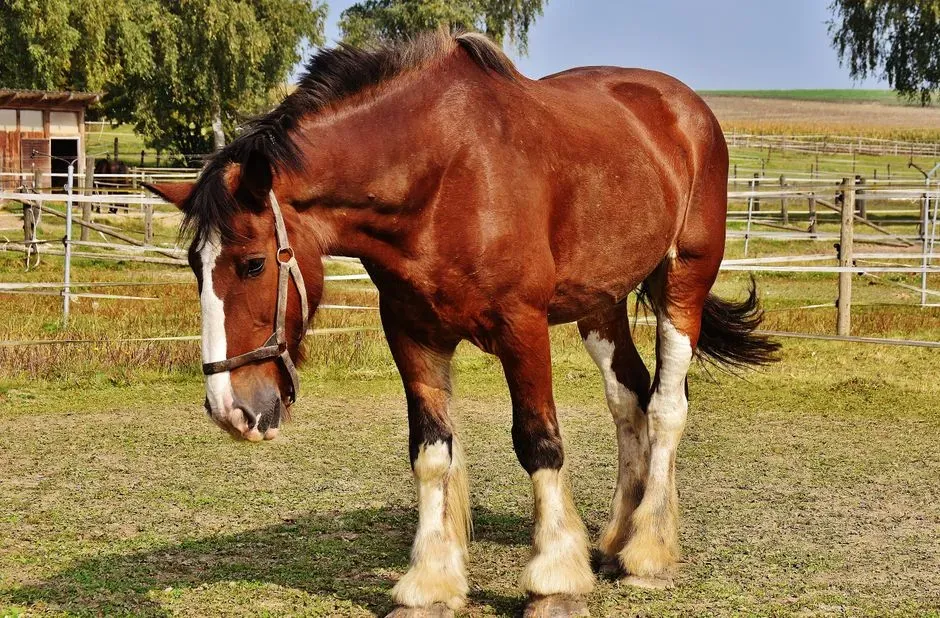
The Budweiser Clydesdales are one of the most recognizable images in American advertising, and that recognition comes with a cost the breed pays in rescue intakes. People see those magnificent animals hitched to a gleaming wagon and feel something – nostalgia, patriotism, awe – and some of them decide they want one. What they get is a 2,000-pound animal that requires specialized farrier work, custom tack, enough feed to supply a small army, and facilities that most private properties simply aren’t built to handle.
Many Clydesdales arrive at rescues after working careers end on farms or in draft competitions, when owners realize the cost of keeping a retired horse of that scale is unsustainable. Others come from well-meaning buyers who loved the image and genuinely didn’t anticipate the logistics. Draft horse rescues operate on tight margins because the cost of caring for animals this size is enormous – feed, bedding, farrier, veterinary care all scale up with every pound. The horses are almost universally gentle. The barrier is purely practical, and it turns out to be insurmountable for more owners than anyone wants to admit.
[article_quiz]#15 – Belgian Draft
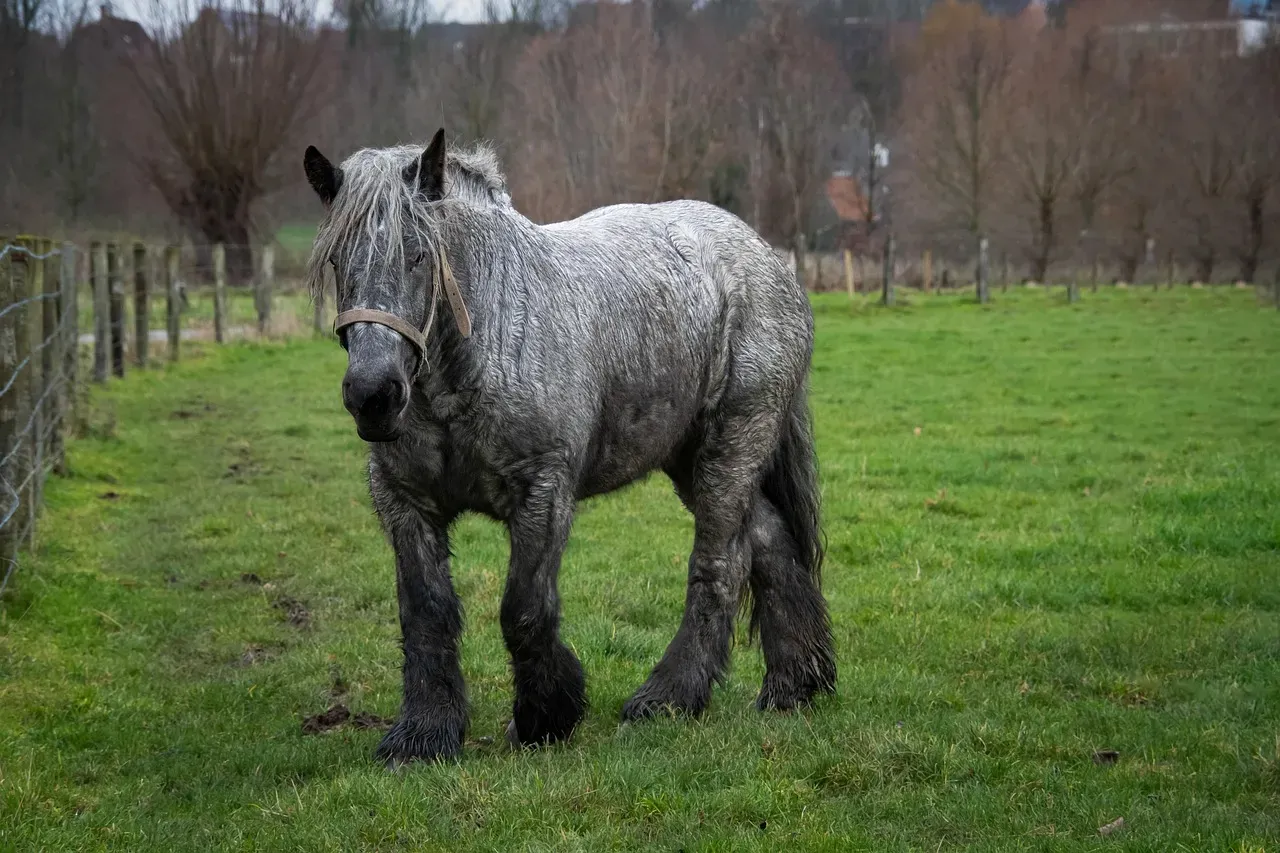
Belgian Drafts face all the same challenges as Clydesdales with one additional disadvantage: they lack the brand recognition that at least generates adoption interest. They are the largest of the common draft breeds, frequently exceeding 2,000 pounds, with feed requirements and physical care needs that scale accordingly. Their temperament is genuinely exceptional – calm, patient, and forgiving in ways that would make them ideal working partners if working farms still existed in the numbers they once did. They don’t, and the horses absorb the consequences of that economic shift.
Overbreeding for the draft market has left rescues managing animals that require resources most facilities struggle to provide. A Belgian that can no longer work is an expensive horse to carry – not because of any flaw in the animal, but simply because of its size. Their strength and gentleness, the very qualities that made them irreplaceable on farms for generations, become liabilities in a world that no longer has room for them. These horses give everything they have for their entire working lives. The least troubling thing about the rescue crisis is that the people who do take them in almost universally fall completely in love.
At a Glance: Draft Horse Rescue by the Numbers
- Belgians and Clydesdales routinely exceed 2,000 lbs – feed, farrier, and bedding costs scale accordingly
- Specialized farrier work for large draft feet costs significantly more than standard shoeing
- Custom tack and equipment adds hundreds to thousands of dollars in startup costs for new owners
- Most private properties are not built with infrastructure to safely house a horse of this size
- Despite the logistics, adopters who do take drafts in almost universally describe them as the gentlest horses they’ve ever owned
The Hard Truth Nobody in the Horse World Wants to Say Out Loud
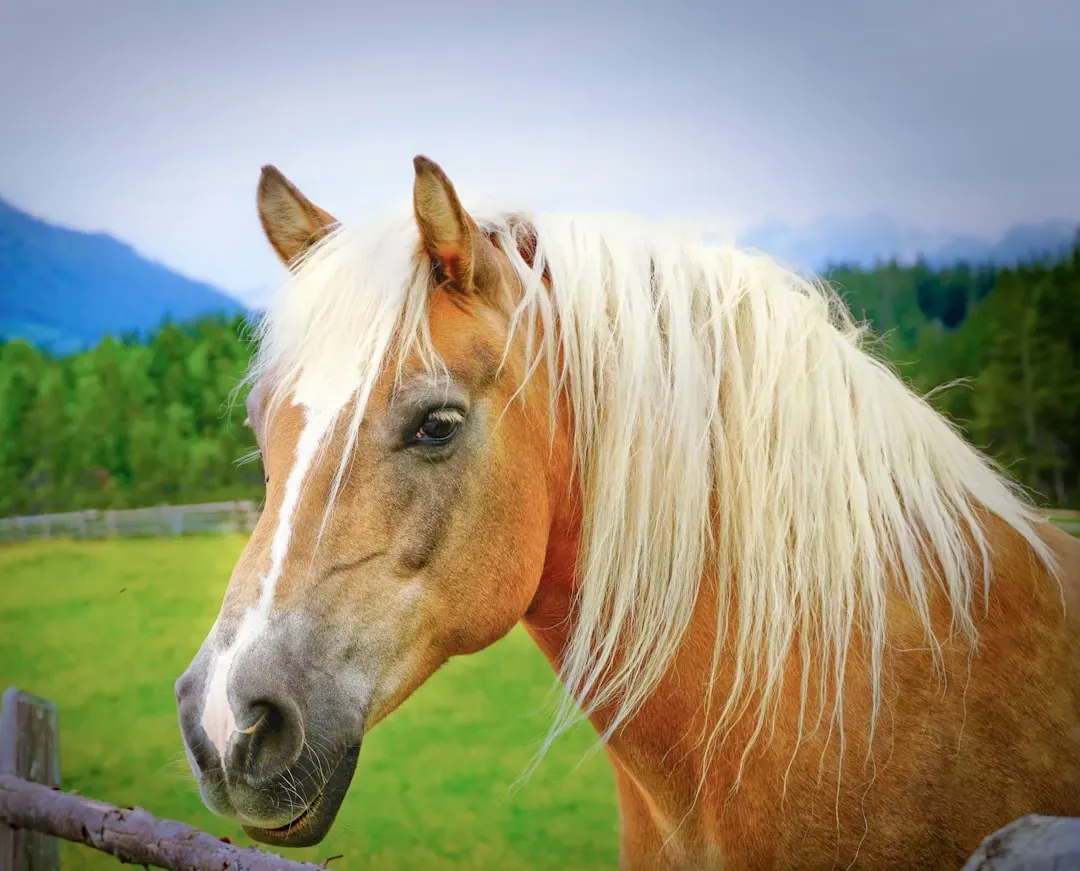
The 15 breeds on this list aren’t here because they’re broken. They’re here because the systems surrounding them – racing, showing, backyard breeding, social media hype – keep producing more horses than responsible ownership can absorb. The crisis isn’t a mystery. It’s the entirely predictable result of an industry that profits from selling horses without bearing any responsibility for where those horses end up a decade later.
Rescues are not a safety net. They are an emergency room that never closes, staffed by people running on passion and perpetually short on space, money, and time. Every horse on this list was somebody’s dream purchase once. Most of them still have years – sometimes decades – of life ahead of them. The cycle breaks when buyers stop leading with emotion and start leading with honesty about what they can actually provide long-term. Until then, the intake lines stay long, the staff stays exhausted, and the horses keep waiting for someone to choose them for the right reasons.

- 7 Signs Your Dog Thinks You're Family - July 21, 2026
- 10 Fascinating Facts About the Gila Monster – America’s Only Venomous Lizard - July 21, 2026
- 10 Fascinating Facts About Birds of Prey You Never Knew Existed - July 21, 2026