


There is a version of horse ownership that lives entirely in slow-motion social media videos – flowing manes, sun-drenched fields, a majestic animal turning its head toward the camera like it knows exactly what it’s doing. That version is intoxicating. It is also, according to equine vets who spend their careers in the actual mud and grief of equine medicine, dangerously incomplete. The gap between a breed’s image and its medical reality is wider than most owners ever discover until it’s far too late.
Selective breeding for looks, performance, and prestige has quietly loaded many of the most beloved horse breeds on the planet with genetic disease, structural compromise, and welfare risks that sellers never mention and social media never shows. What follows is the list that veterinarians have been too polite – or too exhausted – to post themselves. Some of what’s in here will genuinely surprise you, and at least one entry will make you look at your favourite “dream breed” very differently.
#1 – The Arabian: A Living Medical Textbook Nobody Warned You About
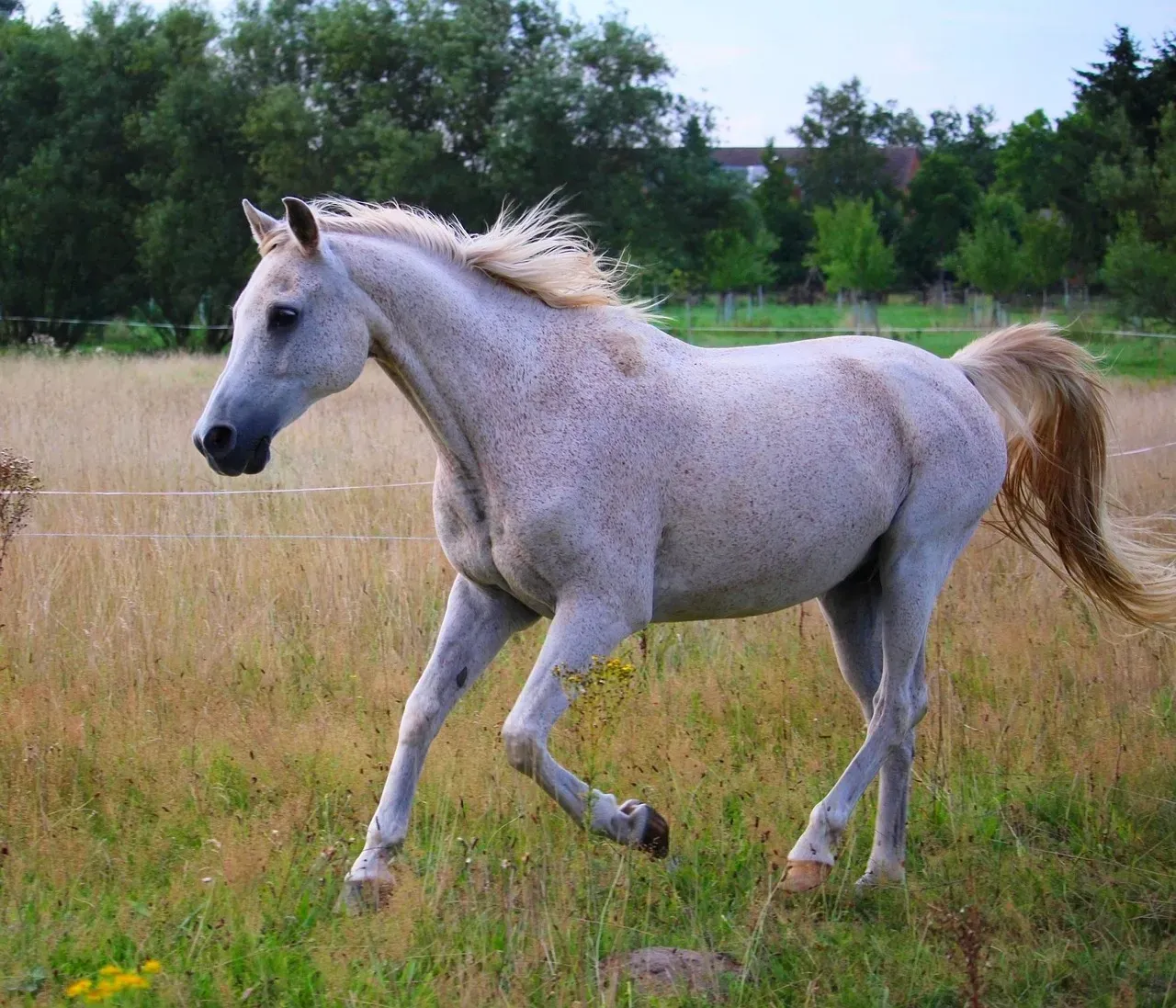
The Arabian is the horse world’s ultimate romantic ideal – ancient, elegant, spirited, and immortalised in everything from children’s novels to Hollywood films. Owners speak of them in near-mythological terms, and the breed’s history genuinely earns some of that reverence. But the clinical picture is considerably more sobering than the legend. There are six known genetic disorders specific to Arabians. Two are inevitably fatal. Two more are not inherently fatal but are so disabling they usually end in euthanasia. That’s not a minor footnote – that’s a breed carrying a portfolio of potentially lethal conditions that every prospective owner needs to seriously reckon with before falling in love with that dished face and floating trot.
The list reads like a medical dictionary: severe combined immunodeficiency (SCID), cerebellar abiotrophy (CA), lavender foal syndrome (LFS), and occipitoatlantoaxial malformation (OAAM) are among the most documented. And it doesn’t stop there. While congenital heart defects are rare across the general horse population, the Arabian breed is disproportionately overrepresented – so much so that a genetic predisposition is widely suspected. The romance of the desert horse is real. So is the vet bill. So is the grief that comes when a foal that was never going to survive is born to an owner who had no idea the risk existed.
Fast Facts
- 6 documented breed-specific genetic disorders – at least 2 are inevitably fatal
- Cerebellar abiotrophy (CA) destroys Purkinje cells in the brain, progressively eliminating balance and coordination
- SCID leaves affected foals with no functioning immune system – most die within months of birth
- Lavender foal syndrome (LFS) causes severe neurological dysfunction; affected foals cannot stand and are euthanised at birth
- Genetic screening exists for SCID, CA, and LFS – yet many buyers never ask for test results before purchase
#2 – The Thoroughbred: Speed Built on a Foundation of Fragility
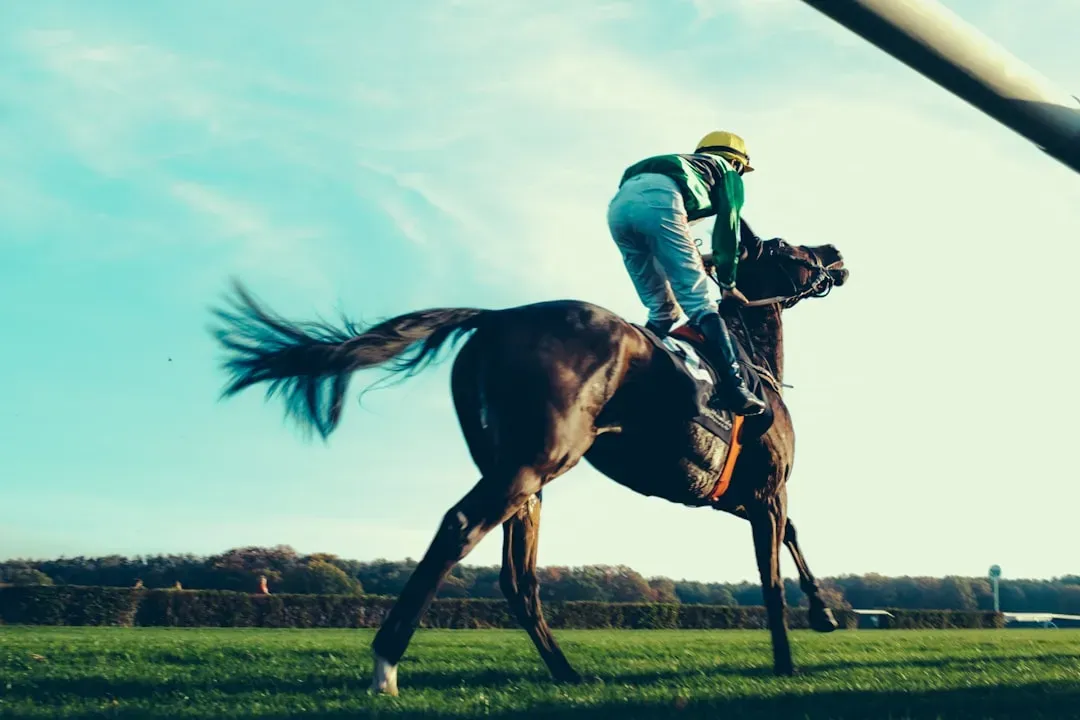
Everyone loves a racehorse. The Thoroughbred has been romanticised so thoroughly that entire cultural industries – film, sport, fashion, betting – depend on that image holding together. The animal underneath, however, is genuinely fragile in ways the industry has been agonisingly slow to admit out loud. Gastric ulcers, exercise-induced pulmonary hemorrhage, chronic respiratory problems, and notoriously weak hooves are standard veterinary territory with this breed. These aren’t edge cases. They are patterns vets see on a near-daily basis in performance Thoroughbreds.
The structural problem goes deeper than training intensity. Musculoskeletal injuries are the most common cause of death in Thoroughbred racehorses, and a major study tracking over 3.8 million race starts across North America between 2009 and 2023 recorded 5,733 fatal musculoskeletal injuries – an incidence of 1.49 per 1,000 starts. That number should stop everyone cold. The majority of racehorses have an active racing career of only two to three years – despite being bred with singular, obsessive purpose for exactly that job. Breeding relentlessly for speed has produced an animal of breathtaking athleticism and breathtaking structural vulnerability in equal measure. Vets working in racing don’t see glamour. They see the same patterns of breakdown cycling through, year after year, with no sign of slowing.
#3 – The Friesian: The Internet’s Favourite Horse Has a Dark Secret
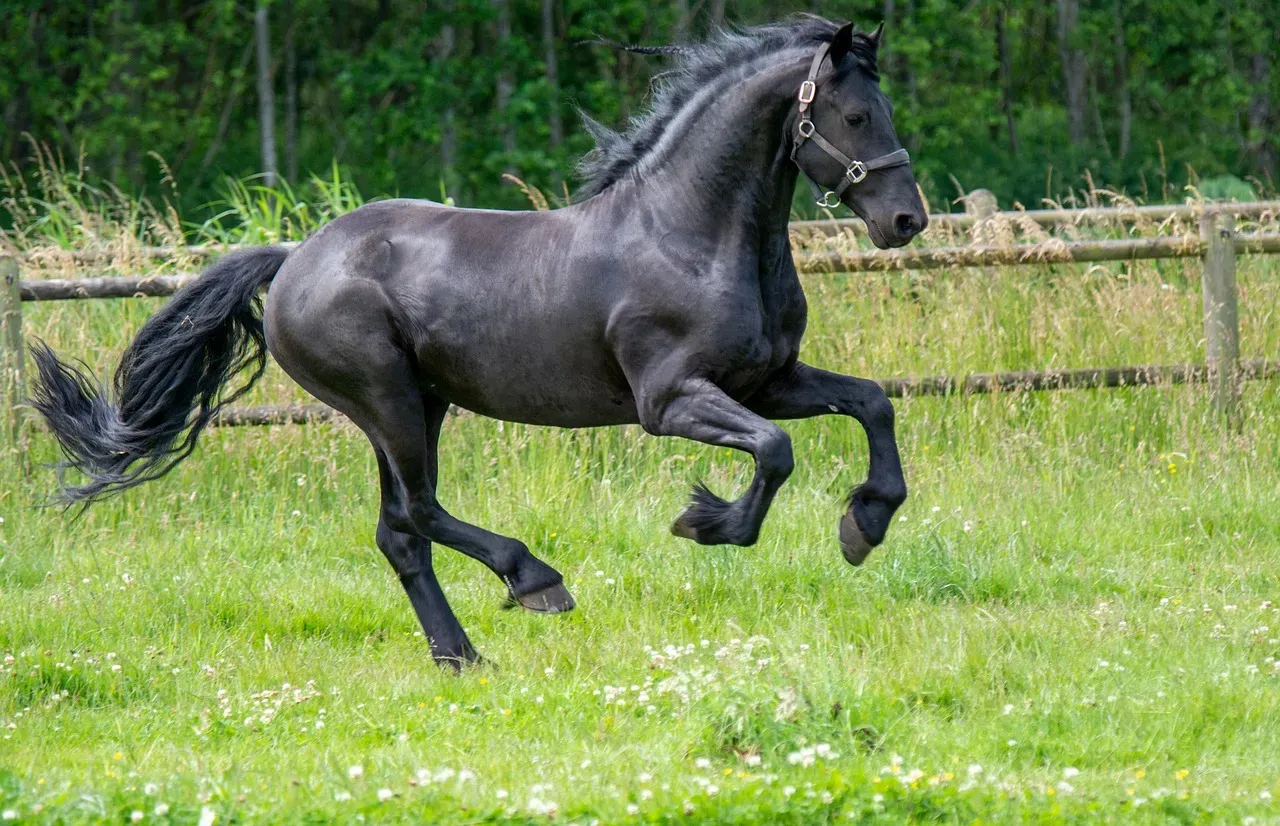
No breed goes more viral. The Friesian’s glossy black coat, extravagant feathering, and arched neck have made it the default aesthetic horse of social media, fantasy films, and wedding carriage companies. The comments on every Friesian video are the same: “I want one,” “this is literally a mythical creature,” “majesty defined.” What those posts never mention is that the Friesian carries one of the most concerning genetic health profiles of any horse in existence – largely due to a history of intensive inbreeding within a relatively small closed population. The average Friesian lifespan sits at around 16 years, significantly shorter than the 25-30 years typical for most light breeds.
That shortened lifespan is just the entry point. Friesians are prone to dwarfism, hydrocephalus, megaoesophagus, and – most alarmingly – aortic rupture. Research published from Utrecht University estimates the prevalence of aortic rupture at approximately 2% within the Friesian breed – far higher than in warmbloods – and the average age of onset is just four years old, in otherwise apparently healthy horses. Owners fall completely in love with the look, often paying premium prices for it. Vets know the rest of the story. The tragedy is that many Friesian owners don’t find out until they’re standing in a field next to a horse that died without warning.
At a Glance: Friesian Health Profile
- Average lifespan: ~16 years vs. 25-30 years for most light breeds
- Aortic rupture incidence: estimated ~2% breed-wide – average age of onset just 4 years
- Aortic rupture accounts for approximately 24% of deaths in Friesians, according to available studies
- Megaoesophagus: causes chronic regurgitation, aspiration pneumonia, and progressive weight loss
- Root cause: small founding population and decades of close inbreeding within a closed registry
#4 – The Quarter Horse: America’s Most Popular Breed Comes With Hidden Baggage
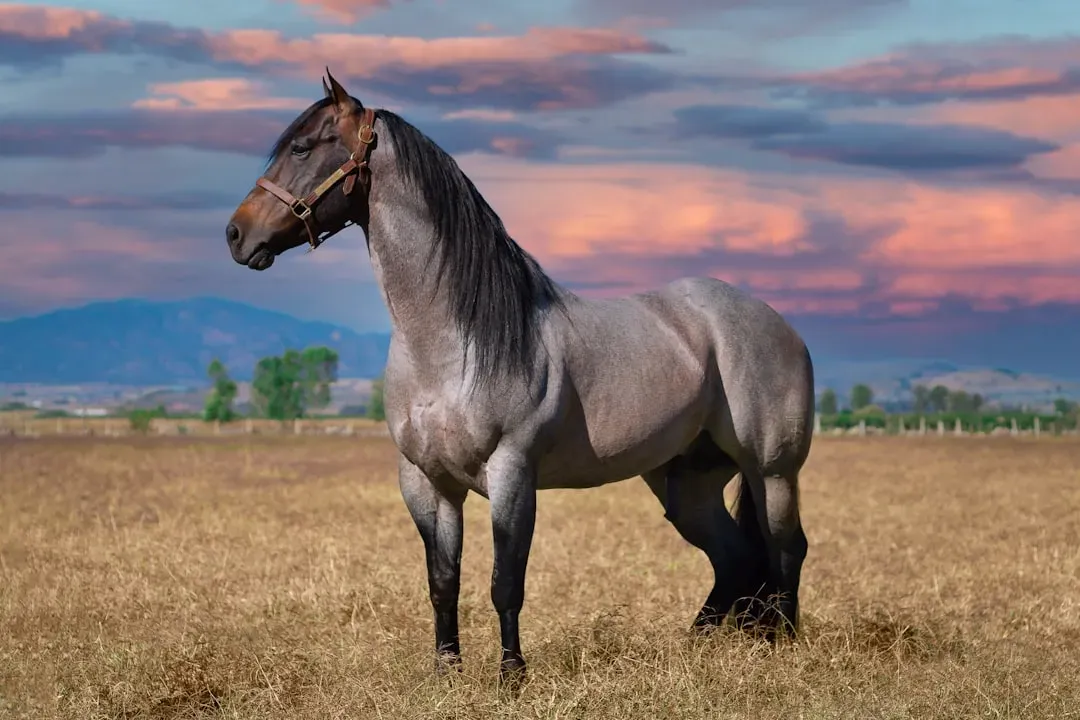
The Quarter Horse is the all-American horse – reliable, versatile, stocky, and beloved by everyone from working cowboys to suburban trail riders. Its popularity is completely unquestioned. Its genetic problems, however, are equally well-documented and far less discussed in casual horse circles. Hyperkalemic periodic paralysis (HYPP) is associated with Quarter Horses descending from a stallion named “Impressive,” caused by a mutation in the SCN4A gene. That single bloodline contaminated an enormous portion of the breed’s show population because the extreme musculature it produced was exactly what judges rewarded. Breeders chased the look, and the genetics followed.
The consequences are severe and genuinely frightening to witness. HYPP causes delayed muscle relaxation, with symptoms ranging from muscle twitches and weakness all the way to spasms, paralysis, respiratory distress, collapse, and occasionally death from cardiorespiratory failure. Crucially, HYPP is a dominant trait – a horse only needs one copy of the mutation to be affected – and the stallion Impressive sired over 2,250 foals, leaving more than 55,000 living descendants carrying the mutation as of 2003. The breed also carries HERDA, a skin disease affecting approximately 3.5% of Quarter Horses overall, with prevalence as high as 28% in cutting horse bloodlines. The Quarter Horse is a genuinely capable, sound animal. But its show-world obsession with extreme muscling left a painful genetic legacy that vets are still managing decades later.
Quick Compare: Key Quarter Horse Genetic Conditions
- HYPP – Dominant trait; ~4.4% of Quarter Horses carry it; up to 56% prevalence in halter bloodlines; causes muscle spasms, collapse, and sudden death
- HERDA – Recessive skin disorder; ~3.5% of breed overall; up to 28% in cutting lines; causes catastrophic skin separation and open wounds along the back
- PSSM – Dominant muscle disease; affects more than 10% of Quarter Horses; causes painful tying-up and chronic stiffness
- GBED – Always fatal; affected foals die within days of birth; traced to Quarter Horse bloodlines
- Genetic testing available for all four conditions – but not nearly enough buyers request results before purchase
#5 – The Appaloosa: Those Striking Spots Come at a Real Cost
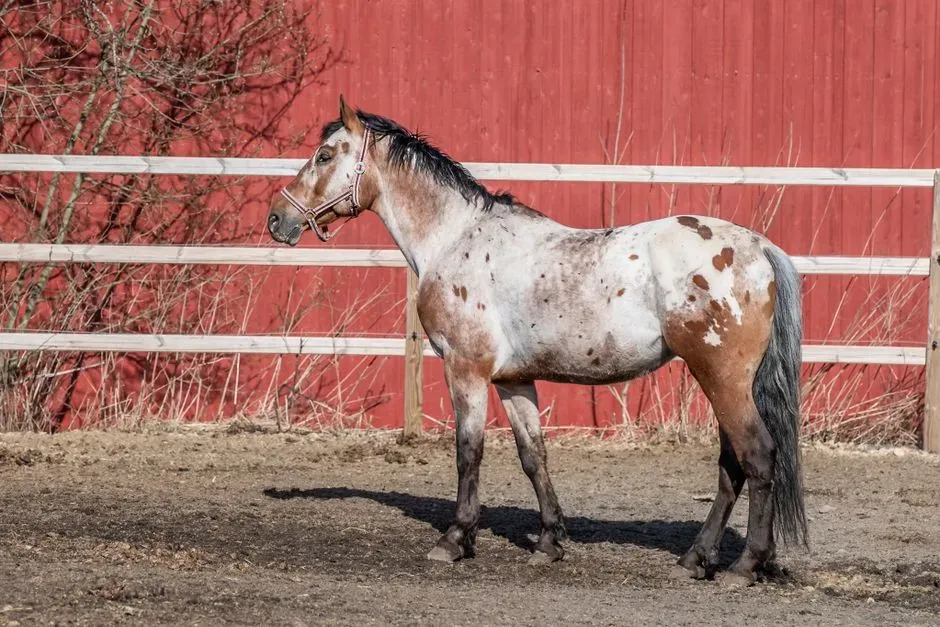
The Appaloosa’s colourful spotted coat has made it one of the most visually distinctive horses on the planet. Collectors love the pattern. Children adore the look. Instagram loves the close-ups. But buried inside those spectacular genetics is something most buyers never hear about: the LP gene responsible for the Appaloosa’s signature coat is directly linked to equine recurrent uveitis (ERU), also known as moon blindness – one of the most painful and progressive eye conditions in the entire equine world. It’s not a mild susceptibility. It’s a structural consequence of the same genetics that make the horse beautiful.
Equine recurrent uveitis causes repeated episodes of intense, painful internal eye inflammation that – over time, through each recurring flare – causes permanent structural damage and, frequently, blindness. The Appaloosa’s striking spotted genetics make the breed statistically more prone to losing its sight. Some inheritable problems within the breed pose only a mild threat to health, but ERU sits firmly at the serious end of that spectrum, and vets encounter it with sobering regularity. The horse people pay extra for its rare, beautiful colouring. The horse pays for that colouring in a different currency entirely.
#6 – The Paint Horse: Beautiful Patterns, Lethal Genetics Lurking Underneath
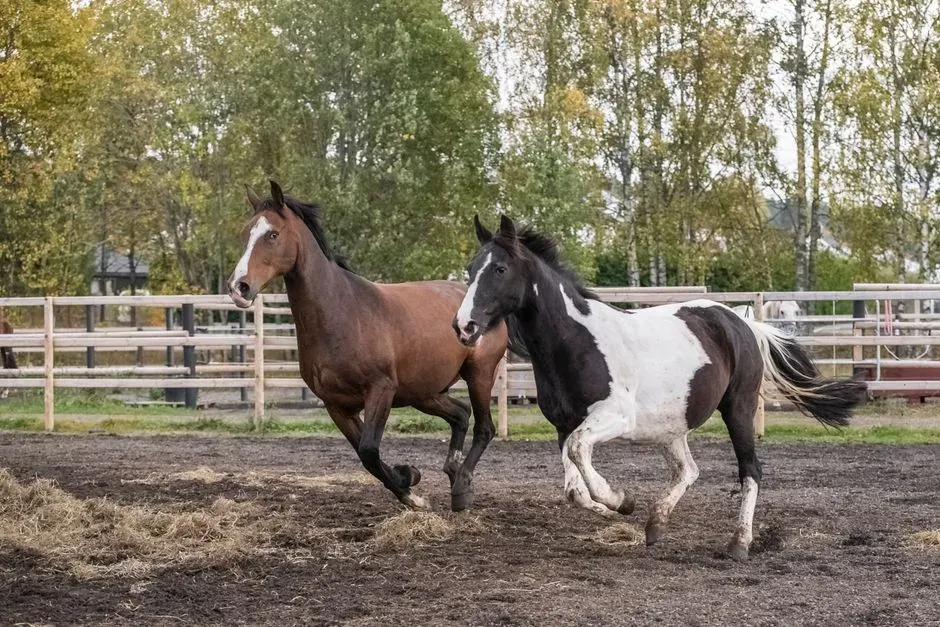
The American Paint Horse checks almost every box on a buyer’s wish list – friendly, versatile, striking, affordable compared to warmbloods, and marketed heavily as a family horse. What doesn’t appear in the marketing materials is Overo Lethal White Syndrome. The name is not hyperbole. OLWS occurs when a foal inherits two copies of the O mutation. These foals are born nearly or completely white, but their intestinal nerves are not properly formed. They cannot pass faeces. They cannot survive. They live only a few days unless euthanised for compassionate reasons – often by a vet who has had this conversation with a devastated owner more times than they can count.
The particular cruelty of OLWS is that carrier horses show no health problems whatsoever. They look perfect. They move well. They breed easily. The highest frequency of the OLWS gene sits in Paint breeds, where a single O allele produces the “frame overo” spotting pattern – one of the most sought-after and actively selected coat patterns in the breed. Breeders chasing beautiful overo horses can unknowingly pair two carriers and produce foals born only to die within days. Genetic testing exists and is accessible. Not nearly enough breeders use it. Vets are the ones left managing the aftermath.
#7 – The Clydesdale: The Gentle Giant With Legs That Betray It
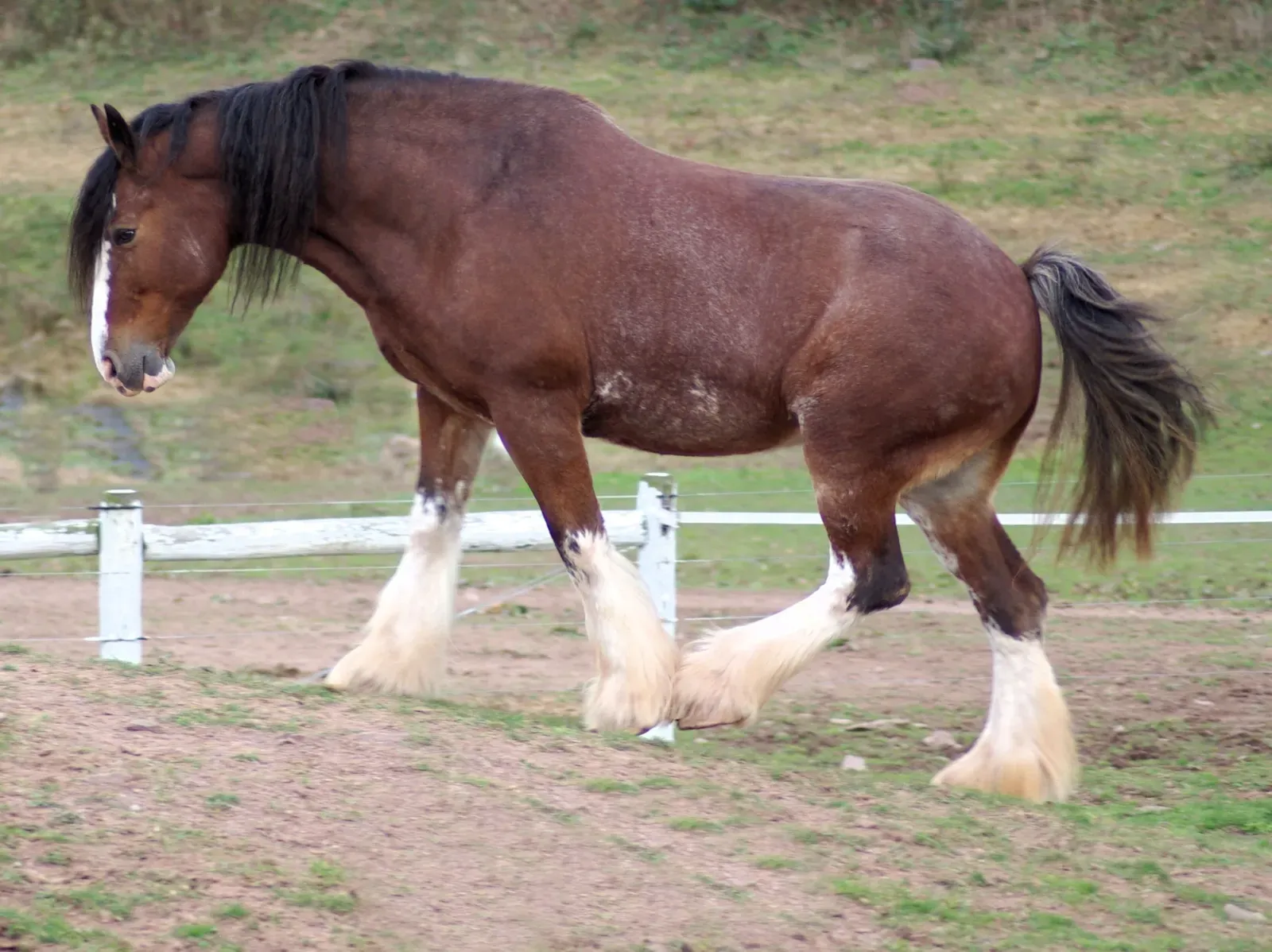
Clydesdales are the gentle giants of horse culture – massive, patient, feather-legged, and deeply iconic. They pull brewery wagons in television commercials. They march in parades to cheering crowds. They appear on Christmas cards. And quietly, invisibly, their gorgeous heavy feathered legs hide one of the most progressive and debilitating conditions found in draft breeds. Chronic progressive lymphedema (CPL) causes a buildup of lymph fluid in the lower legs, resulting in progressive swelling, thickening skin, skin folds, nodules, and eventually ulcerations. It starts early in the horse’s life and progresses relentlessly, with no cure, only management.
The feathering – the very feature that makes Clydesdales so visually spectacular – actively makes the problem worse. It conceals the early signs of skin change beneath all that beautiful hair, allowing the condition to advance before owners even recognise something is wrong. The cause of CPL is not fully understood, but its high incidence in Clydesdales, Shires, Belgian draft horses, and Gypsy Vanners strongly suggests a genetic component shared across heavy, feather-legged breeds. Underneath the majestic exterior is a horse that vets know requires truly vigilant leg management year-round – a horse whose legs can quietly fail it long before its spirit does.
#8 – The Miniature Horse: Cute Has Consequences
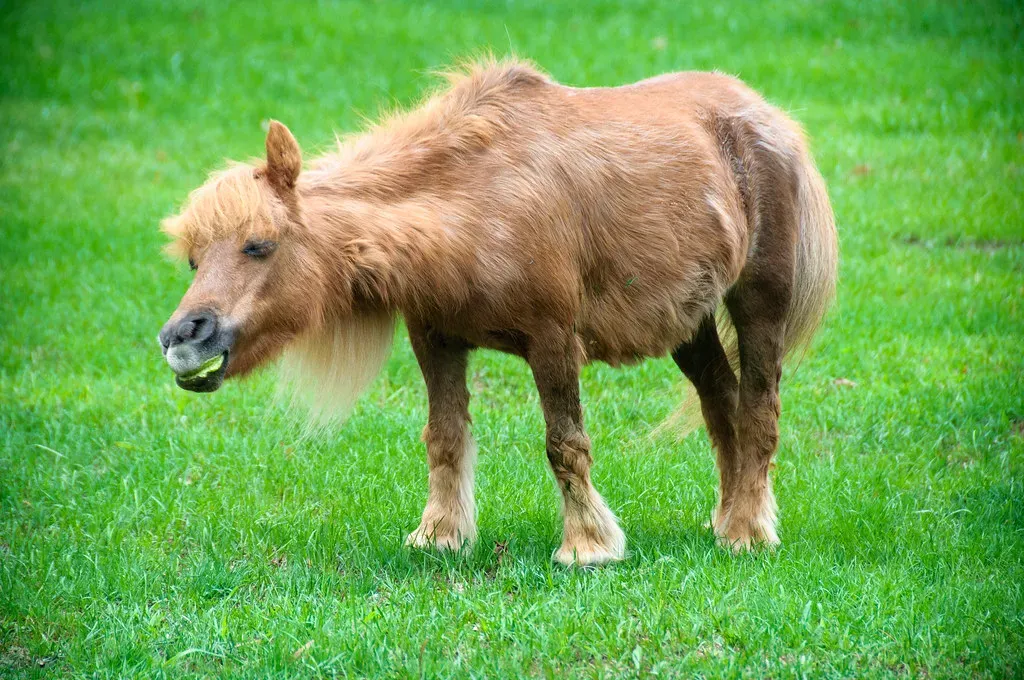
Miniature horses sit at the intersection of pet culture and horse culture, and the internet treats them like living stuffed animals – videos of them wearing tiny coats and trotting around living rooms rack up millions of views. That relentless cuteness creates a serious problem: it drives impulse purchases by people who have done no medical research whatsoever. Miniature horses carry a disproportionate burden of serious health issues. Dwarfism is a significant concern within the breed, and unlike the romanticised idea of a “tiny horse,” dwarf miniatures frequently experience painful skeletal and organ compression that causes genuine, ongoing suffering.
Beyond dwarfism, Miniature horses are acutely prone to dental disease because their small skulls house teeth that didn’t shrink proportionally with the rest of the body. Overcrowded, misaligned, chronically painful dentition is enormously common – and routinely missed by first-time buyers who fixated entirely on size and colour. They are also highly vulnerable to hyperlipemia, a dangerous elevation of blood fat that develops rapidly when a miniature horse is stressed, unwell, or underfed, and can become life-threatening within days. Miniature horses also feature among breeds most commonly affected by equine metabolic syndrome. The “cute” narrative overwhelms the veterinary one, every single time.
Worth Knowing: What Miniature Horse Owners Often Discover Too Late
- Teeth do not shrink proportionally with the body – dental overcrowding and chronic pain are extremely common
- Hyperlipemia can become life-threatening within days when a mini is stressed, sick, or underfed
- Dwarf miniatures frequently suffer painful skeletal compression – the “cute” look often signals serious suffering
- Equine metabolic syndrome is significantly more prevalent in Miniature horses than in most full-sized breeds
- Annual dental floating, weight monitoring, and dietary management are non-negotiable – not optional extras
#9 – The American Saddlebred: A Show Ring Culture That Costs the Horse Dearly
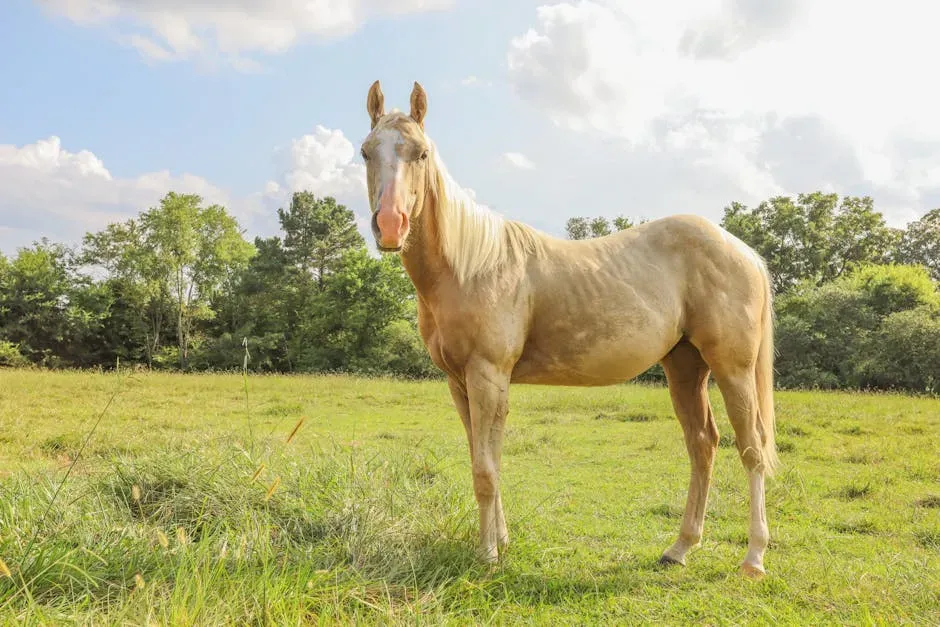
The American Saddlebred exists almost entirely to perform – high-stepping, arched-necked, animated well beyond what nature intended. The show ring version of this breed is one of the most polarising subjects in equine welfare circles, and for legitimate reasons. On the genetic side, junctional epidermolysis bullosa (JEB) causes skin lesions over pressure points in newborn Saddlebred foals, resulting in large areas of catastrophic skin loss. The condition is lethal. Affected foals are typically euthanised shortly after birth. It is among the more heartbreaking things a vet can be called to witness in a breeding operation.
Beyond genetics, the practices surrounding Saddlebred performance – action devices, weighted shoes, padded stacks specifically engineered to exaggerate the high-stepping gait – have drawn sustained criticism from equine welfare experts for decades. The “it’s tradition” defence does not hold much weight when the tradition demonstrably alters biomechanics and causes discomfort. Most people admiring Saddlebreds in show ring footage are watching a highly manufactured performance with a backstory the cameras carefully avoid. Vets who work with performance Saddlebreds regularly see the limb and tendon consequences of gait exaggeration that has been pushed far past any natural limit.
#10 – The Warmblood: Elite Sport Horse, Elite Medical Bills
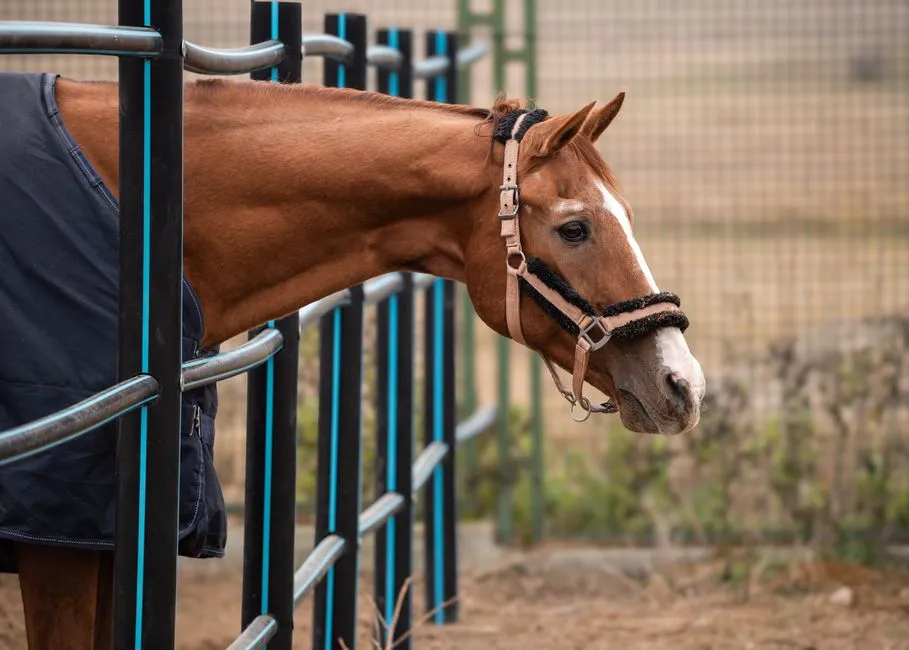
Warmbloods are the preferred horse of the Olympic equestrian world – powerful, scopey, and bred with almost engineering-level precision for dressage and jumping. The prestige around them is immense. The price tags are staggering, sometimes reaching six figures for a young horse with the right bloodlines and movement scores. What the marketing absolutely does not lead with is the joint health picture. Osteochondrosis dissecans (OCD) – a developmental joint condition where cartilage fragments break away and cause pain and inflammation – is significantly more prevalent in Warmblood breeds, heavily linked to breeding selection pressure for large body size combined with rapid early growth.
Warmbloods are arguably the clearest living example of what happens when selective breeding ambition outpaces biological reality. Breeding for extreme scope, height, and movement has produced horses with joint development that cannot always keep pace with what breeders are asking of them. Vets working in sport horse medicine frequently note that the X-ray findings on pre-purchase exams of young Warmbloods are alarming when compared to less intensively selected breeds. The pursuit of the perfect sport horse carries a biological cost that buyers rarely factor into the purchase price – and that cost tends to arrive on a veterinary invoice two or three years into ownership.
#11 – The Shire: History, Grandeur, and a Body Under Constant Siege
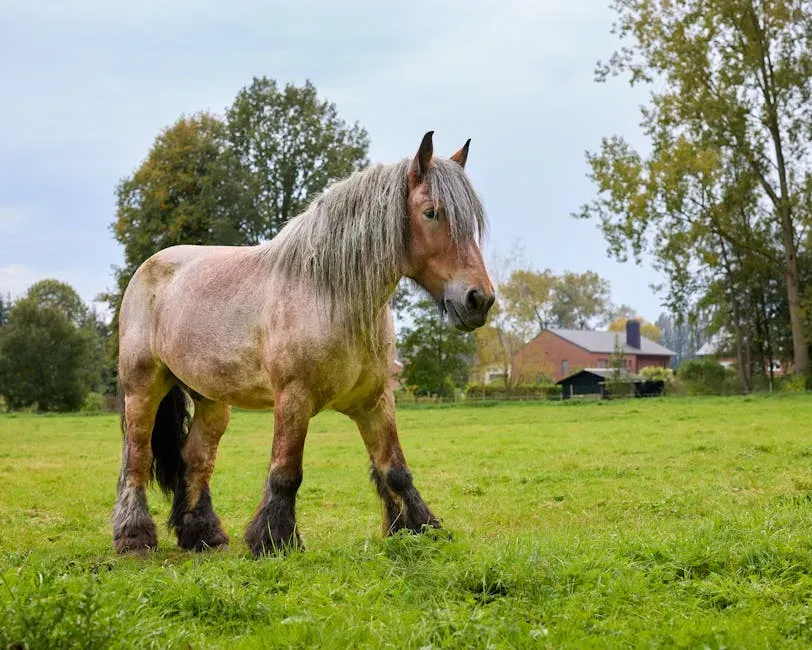
The Shire is arguably the most historically iconic draft breed on earth – towering, dignified, and laden with a working heritage that genuinely shaped civilisations. Today they pull brewery wagons, appear at county shows, and draw crowds who’ve never seen anything so impressively large move with such apparent ease. But that immense body mass – regularly exceeding 900 kilograms in mature stallions – creates a physiological reality that vets manage constantly and carefully. Chronic progressive lymphedema, shivers, obesity, laminitis, polysaccharide storage myopathy, and heightened risk of complications under general anaesthesia are all documented concerns in the breed. Their sheer weight places the lower limbs and hooves under mechanical stress that simply never lets up.
Anaesthesia is something owners rarely think about until it becomes an emergency – and in Shires, it is one of the genuinely dangerous clinical challenges in equine medicine. The sheer mass of the horse can cause post-anaesthetic myopathy during recovery, where muscles are damaged from sustained pressure and restricted blood flow, and complications can be fatal. Getting a Shire safely through a surgical procedure requires specific protocols, specific equipment, and vets with direct draft breed experience. The grandeur of the breed is entirely real. So is the clinical complexity hiding underneath it, which most owners only discover when something goes wrong.
#12 – The Percheron: The Draft Breed That Hides PSSM Well
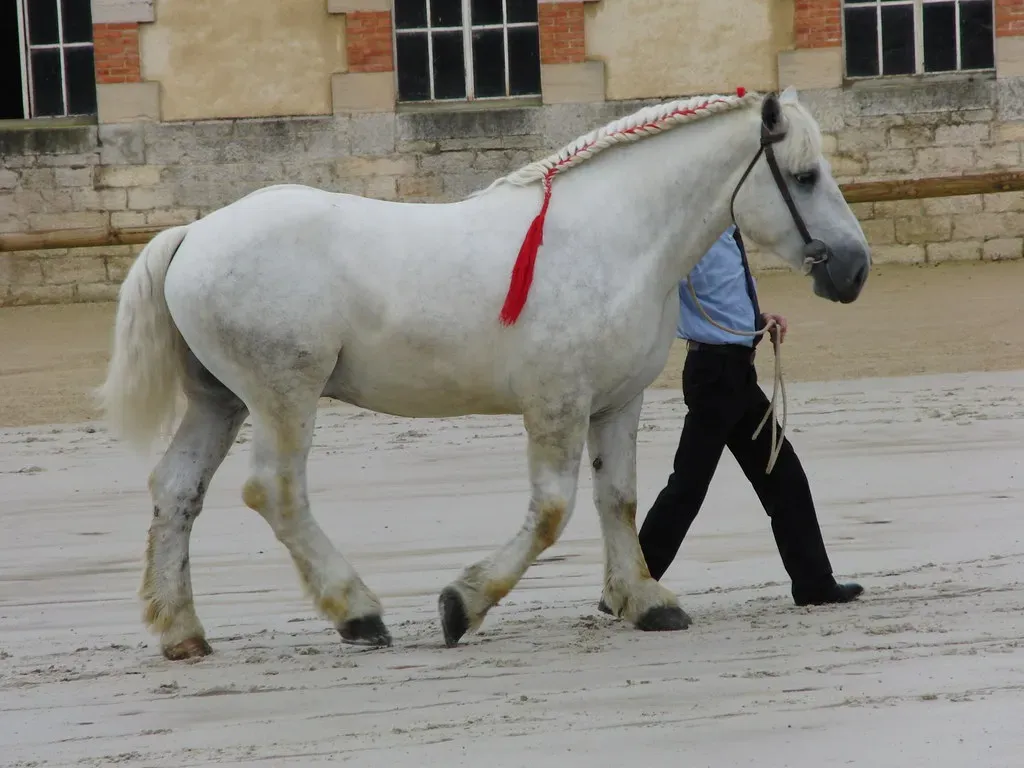
The Percheron enjoys a reputation as one of the hardiest of the heavy breeds – calmer than some, more adaptable than Clydesdales or Shires, and often described by enthusiasts as a “easier” draft horse. That reputation, while partly deserved, has led many owners to underestimate the breed’s vulnerabilities in ways that delay diagnosis and prolong suffering. Polysaccharide Storage Myopathy (PSSM) is a muscle condition significantly prevalent across draft breeds including Percherons, causing painful muscle cramping, reluctance to move forward, post-exercise stiffness, and muscle damage that can occur with surprisingly light work. Many owners mistake early PSSM signs for attitude problems, stubbornness, or laziness.
The insidious quality of PSSM in Percherons is how quietly it begins. A horse that “doesn’t want to go,” that ties up after minimal exertion, that seems perpetually stiff the morning after light work – that horse may be silently suffering from a condition requiring strict dietary management for the rest of its life. No high-starch feeds. Consistent, carefully calibrated exercise. Ongoing monitoring. The “hardy draft horse” image – culturally strong and commercially useful – actively delays owners from pursuing diagnosis. And the horse pays for that delay in pain that was entirely manageable, had anyone thought to look sooner.
#13 – The Welsh Pony: Adorable Packaging, Ongoing Veterinary Attention
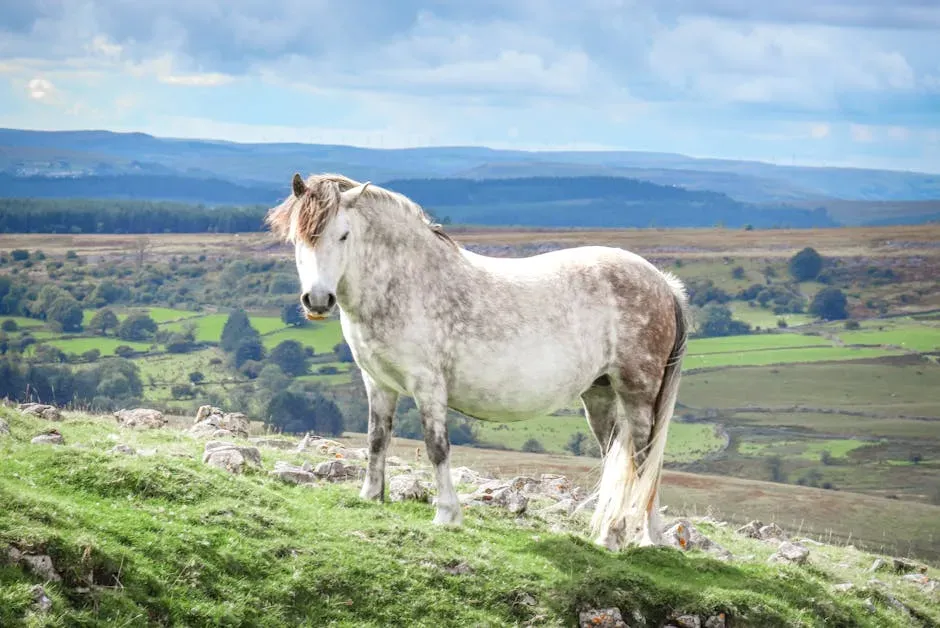
Welsh Ponies and Cobs hold a beloved place in horse culture – celebrated as ideal children’s first ponies, praised for compact toughness, and marketed as practically indestructible. That “unbreakable little pony” narrative does real harm, because it creates owners who chronically under-manage genuine health issues under the assumption that Welsh Ponies simply don’t need much veterinary input. In reality the breed has distinct structural vulnerabilities that deserve consistent monitoring. Welsh Mountain ponies are particularly prone to eye problems: their large, prominent eyes make them susceptible to environmental irritants, and the dished facial structure can cause frequent – sometimes permanent – blockage of the delicate tear ducts. That same characteristic dish that makes the head look pretty on a show card is working against the horse’s ocular health every single day.
Welsh Ponies are also metabolically sensitive in ways their “tough” reputation completely masks. Their susceptibility to laminitis is intense and well documented – laminitis being one of the most painful and potentially crippling conditions in equine medicine, involving swelling of the soft tissue beneath the hoof wall that can cause permanent structural damage if not caught and managed quickly. A Welsh Pony with unrestricted access to spring pasture is a Welsh Pony on a very short path to a very painful problem. Once a pony has had laminitis, the likelihood of recurrence rises significantly. The “tough little pony that needs minimal fuss” is, in clinical reality, a metabolically sensitive animal that demands careful, consistent dietary management from day one.
#14 – The Andalusian: The “Noble” Breed With a Metabolic Problem Nobody Discusses
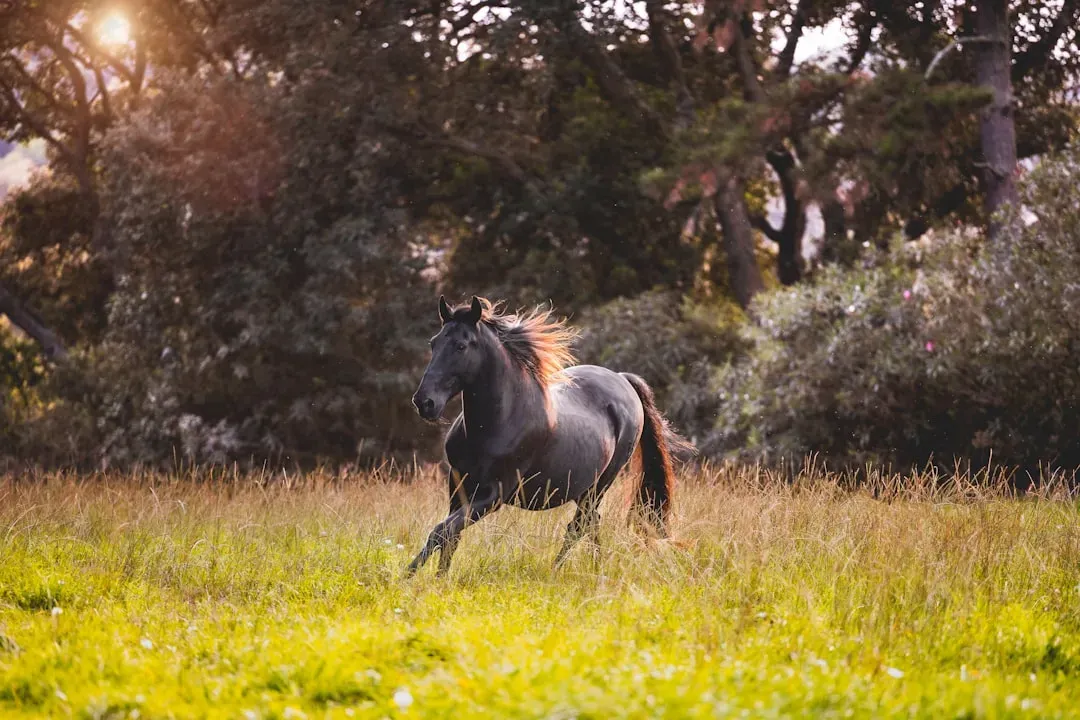
The Andalusian – the Pure Spanish Horse – is one of the most romanticised breeds in the world. Ancient bloodlines, extraordinary presence, royal associations stretching back centuries, and a mane that looks like it belongs in a Renaissance oil painting. Owners of Andalusians often speak of the breed with near-religious reverence. Vets tend to speak of them with a more measured tone, particularly on the subject of metabolic syndrome. Andalusians are among the breeds most commonly affected by equine metabolic syndrome, a condition involving hormonal dysregulation that leads to recurring laminitis and a chronically disrupted metabolism. It is not a dramatic, sudden crisis. It is a slow, grinding deterioration that catches many owners completely off guard.
The Andalusian’s evolutionary heritage as a horse adapted to sparse, dry Iberian scrubland means its metabolism is genuinely not designed for the lush pastures and rich haylage that many modern owners provide out of misguided generosity. An Andalusian on rich grass is a horse on a slow road to laminitis, and many owners don’t recognise that until significant damage has already been done. The breed’s magnificent rounded collection and elevated movement also places specific biomechanical demands on the hocks and joints that accumulate quietly over years of performance work. Many Andalusians are retired far earlier than their owners expected – not from a dramatic injury, but from chronic joint wear that crept up without fanfare and then became impossible to ignore.
Why It Stands Out: The Andalusian’s Hidden Risk Factors
- Evolved for sparse Iberian scrubland – metabolically ill-suited to rich European or North American pastures
- Equine metabolic syndrome leads to recurring laminitis and hormonal disruption, often misread as a “bad season”
- The breed’s deep, collected movement places sustained biomechanical load on hocks and joints year after year
- Early retirement is common – not from acute injury, but from quiet, cumulative joint deterioration
- Dietary restriction is a lifelong management requirement, not an optional measure for “overweight” individuals
#15 – The Gypsy Vanner: A Breed Built for an Instagram Post, Not a Veterinary Checkup
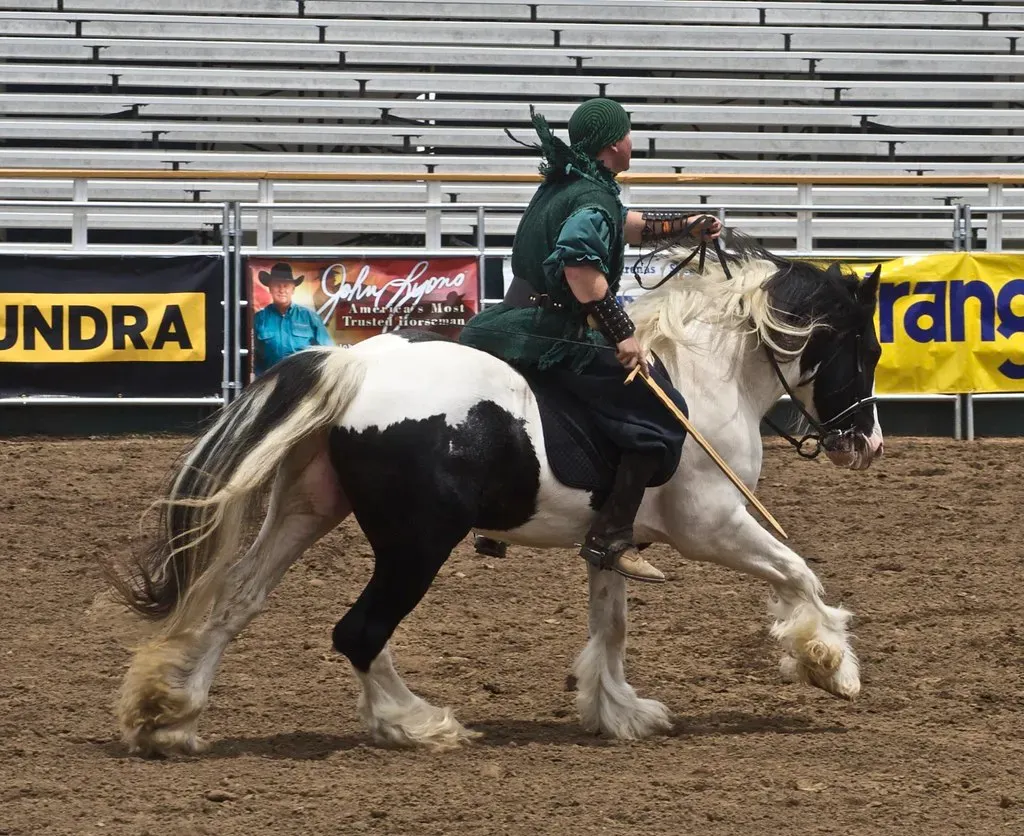
And here it is – the breed that has arguably been more intensely and uncritically romanticised in the social media era than any other animal on this list. The Gypsy Vanner’s combination of extreme feathering, dramatic piebald or skewbald markings, a broad barrel body, and a cascading mane and tail has made it the single most photographed “lifestyle” horse on the internet. The comments are always the same. The shares rack up fast. What the photographs consistently, almost universally omit is that heavy feathering combined with the breed’s draft-influenced genetics creates a horse with a genuinely demanding health management profile that has nothing to do with aesthetics. Chorioptic mange – a mite infestation that causes intense itching, skin thickening, and progressive leg damage – is significantly more prevalent in heavily feathered breeds simply because that feathering creates the perfect environment for mites to thrive, hidden from view and difficult to treat.
That feathering is not a grooming inconvenience. It is a chronic management challenge that, when neglected, produces painful skin conditions, progressive lameness, and secondary infections that can become serious surprisingly quickly. Chronic progressive lymphedema has been documented in Gypsy Vanners, beginning early in the horse’s life and progressing throughout it – causing disfigurement, lameness, severe disability, secondary infections, and premature death in the worst cases. The Gypsy Vanner is the breed most likely to be bought entirely on the strength of a Facebook video and least likely to have had a pre-purchase veterinary examination – a combination that vets find genuinely, deeply frustrating. The fantasy sold online and the reality of daily management exist in almost entirely separate worlds.
The Uncomfortable Truth About Breed Romanticisation
Romanticising horse breeds is not harmless admiration. It is a driver of irresponsible purchasing, delayed diagnoses, and genuine, preventable animal suffering on a significant scale. Arabians carry potentially fatal genetic disorders across multiple bloodlines. Friesians die younger than almost any comparable light breed. Thoroughbreds break down at documented rates the racing industry still cannot bring itself to honestly confront. Quarter Horses carry a dominant mutation that causes episodes of collapse in horses that look perfectly healthy – and that single mutation traces back to one stallion who left over 55,000 affected descendants. And Gypsy Vanners get bought by people who have genuinely never heard of chronic progressive lymphedema, who chose the horse because a video made them cry with how beautiful it was.
Every breed on this list has real qualities worth admiring – that is not the argument. The argument is that admiration without honest information is how animals end up suffering quietly in paddocks owned by people who never knew what they were taking on. A staggering number of the conditions described across these fifteen breeds developed as a direct consequence of humans selectively breeding for appearance, performance, or prestige – which means these are problems we created, and problems the horses are paying for. The single most important thing any prospective horse owner can do is speak to an independent equine vet – not a seller, not a breed society page, not a social media account with beautiful cinematography – before they fall in love with a breed’s image. The horse on the other side of that decision deserves at least that much honesty.
